전력 요금 개편 및 태양광 지붕 개혁 승인
Power tariff revamp, solar rooftop overhaul approved
Bangkok Post
· 🇹🇭 Bangkok, TH
Bangkok Post Public Company Limited
EN
2026-04-29 18:26
Translated
국가에너지정책위원회(NEPC)가 수백만 태국 가정의 에너지 절약을 돕기 위한 새로운 전기 요금 구조와 주택용 지붕 태양광 개발을 촉진하기 위한 광범위한 조치를 승인했다.
국가에너지정책위원회(NEPC)가 수백만 태국 가정의 에너지 절약을 돕기 위한 새로운 전기 요금 구조와 주택용 지붕 태양광 개발을 촉진하기 위한 광범위한 조치를 승인했다.
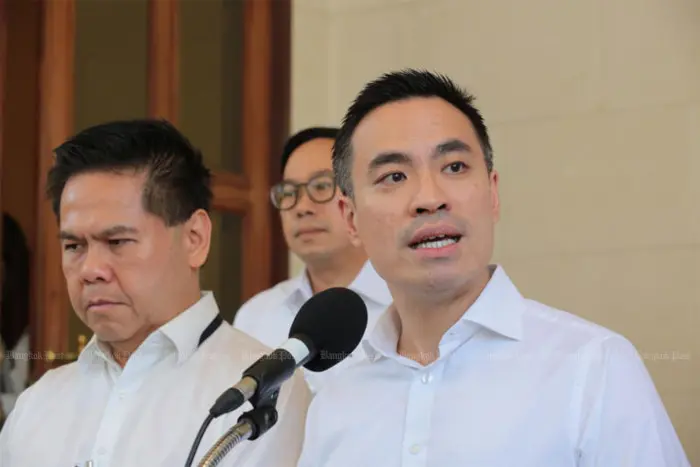
위원회는 또한 청정 에너지 사용 촉진을 목표로 한 조치를 지지했으며, 아카낫 프롬판 에너지부 장관은 아누틴 찬위라꿀 총리가 의장을 맡은 회의 후 수요일에 이를 발표했다.
태국에서의 주택용 태양광 지붕 설치 속도가 느린 이유는 가정용 전기 사용자들이 잉여 전력을 전력망에 팔아 설치 비용을 상쇄할 가능성이 거의 없다고 생각했기 때문이다.
그리드 판매는 이전에 전국 90메가와트로만 제한되었으며, 이는 태양광 패널 설치를 원하는 가정들에게 주요 장애물로 광범위하게 인식되었다.
새로운 체계 하에서 전력 구매 할당량은 매 라운드마다 500메가와트씩 확대될 것이다. 각 할당량이 완전히 충족되면 다음 라운드로 진행된다.
아카낫 장관은 가정들이 잉여 전기를 킬로와트시당 2.20바트에 팔 수 있을 것이며, 이 요금은 정부 공사가 상용 태양광 발전소에 지급하는 요금과 유사하다고 말했다. 이 프로그램은 6월 이후 신청을 개시할 것으로 예상되며, 전력 구매 계약은 10년 기간으로 체결된다.
그는 지방 전력청이나 대도시 전력청이 운영하는 원스톱 서비스를 통해 승인 절차도 단순화될 것이라고 말했다.
자가 소비용만을 위한 설치 신청은 7일 이내에 처리되며, 전력망 판매를 포함하는 시스템은 30일 이내에 처리될 것이라고 장관은 말했다.
에너지부와 재정부는 또한 가정들이 태양광 패널을 할부로 구매할 수 있는 금융 계획을 마련하고 있으며, 월 납입금이 평소의 전기료보다 낮도록 목표하고 있다고 아카낫 장관이 말했다.
또한 두 공사는 설치 초기 투자를 원하지 않거나 할 수 없는 가정들을 위해 지붕 태양광 시스템을 무료로 설치하는 방안을 검토하도록 지시받았다.
이러한 모델에서 공사들은 태양광 발전 전기를 예를 들어 킬로와트시당 3바트 이하의 할인된 요금으로 주택 소유자에게 다시 판매하여 에너지 비용을 절감하도록 도울 것이다.
한편, 지난 화요일 내각에서도 지지한 새로운 누진 전기 요금 구조는 대부분의 주택용 사용자들의 전기료를 더욱 낮추려는 의도이다.
새로운 구조 하에서 월 소비량 처음 200단위는 킬로와트시당 3바트 이하로 책정된다. 5월~8월 기간의 현재 요금은 단위당 3.95바트이다. 월 최대 500단위(약 2,200바트의 청구액에 해당)를 사용하는 가정들도 더 낮은 요금의 이점을 누릴 것이다.
2,100만 가구 이상이 이 시스템 하에서 전기료 감소의 혜택을 받을 것으로 예상되며, 아카낫 장관이 말했다.
요금 구조 개편은 산업용 부문에 비용을 전가하지 않고 전적으로 주택용 부문 내에서 이루어질 것이라고 그는 덧붙였다.
"이번 구조 개편은 향후 4년 동안 지속적으로 실행되어 현재의 생활 조건을 더 잘 반영하고 공중에 최대한의 공정성을 보장하도록 할 것입니다"라고 그는 말했다.
위원회는 또한 청정 에너지 사용 촉진을 목표로 한 조치를 지지했으며, 아카낫 프롬판 에너지부 장관은 아누틴 찬위라꿀 총리가 의장을 맡은 회의 후 수요일에 이를 발표했다.
태국에서의 주택용 태양광 지붕 설치 속도가 느린 이유는 가정용 전기 사용자들이 잉여 전력을 전력망에 팔아 설치 비용을 상쇄할 가능성이 거의 없다고 생각했기 때문이다.
그리드 판매는 이전에 전국 90메가와트로만 제한되었으며, 이는 태양광 패널 설치를 원하는 가정들에게 주요 장애물로 광범위하게 인식되었다.
새로운 체계 하에서 전력 구매 할당량은 매 라운드마다 500메가와트씩 확대될 것이다. 각 할당량이 완전히 충족되면 다음 라운드로 진행된다.
아카낫 장관은 가정들이 잉여 전기를 킬로와트시당 2.20바트에 팔 수 있을 것이며, 이 요금은 정부 공사가 상용 태양광 발전소에 지급하는 요금과 유사하다고 말했다. 이 프로그램은 6월 이후 신청을 개시할 것으로 예상되며, 전력 구매 계약은 10년 기간으로 체결된다.
그는 지방 전력청이나 대도시 전력청이 운영하는 원스톱 서비스를 통해 승인 절차도 단순화될 것이라고 말했다.
자가 소비용만을 위한 설치 신청은 7일 이내에 처리되며, 전력망 판매를 포함하는 시스템은 30일 이내에 처리될 것이라고 장관은 말했다.
에너지부와 재정부는 또한 가정들이 태양광 패널을 할부로 구매할 수 있는 금융 계획을 마련하고 있으며, 월 납입금이 평소의 전기료보다 낮도록 목표하고 있다고 아카낫 장관이 말했다.
또한 두 공사는 설치 초기 투자를 원하지 않거나 할 수 없는 가정들을 위해 지붕 태양광 시스템을 무료로 설치하는 방안을 검토하도록 지시받았다.
이러한 모델에서 공사들은 태양광 발전 전기를 예를 들어 킬로와트시당 3바트 이하의 할인된 요금으로 주택 소유자에게 다시 판매하여 에너지 비용을 절감하도록 도울 것이다.
한편, 지난 화요일 내각에서도 지지한 새로운 누진 전기 요금 구조는 대부분의 주택용 사용자들의 전기료를 더욱 낮추려는 의도이다.
새로운 구조 하에서 월 소비량 처음 200단위는 킬로와트시당 3바트 이하로 책정된다. 5월~8월 기간의 현재 요금은 단위당 3.95바트이다. 월 최대 500단위(약 2,200바트의 청구액에 해당)를 사용하는 가정들도 더 낮은 요금의 이점을 누릴 것이다.
2,100만 가구 이상이 이 시스템 하에서 전기료 감소의 혜택을 받을 것으로 예상되며, 아카낫 장관이 말했다.
요금 구조 개편은 산업용 부문에 비용을 전가하지 않고 전적으로 주택용 부문 내에서 이루어질 것이라고 그는 덧붙였다.
"이번 구조 개편은 향후 4년 동안 지속적으로 실행되어 현재의 생활 조건을 더 잘 반영하고 공중에 최대한의 공정성을 보장하도록 할 것입니다"라고 그는 말했다.
처리 완료
2,959 tokens · $0.0080
기사 수집 완료 · 19:15
매체 피드에서 기사 메타데이터 수집
헤드라인 번역 완료 · 19:27
제목/요약 한국어 번역 (fetch 시점 inline)
claude-haiku-4-5-20251001
256 tokens
$0.00068
2.0s
본문 추출 완료
3,124자 추출 완료
본문 한국어 번역 완료 · 19:27
1,441자 번역 완료
claude-haiku-4-5-20251001
2,703 tokens
$0.00737
13.3s
지정학적 엔티티 추출 완료 · 19:27
1개 엔티티 추출 완료
지정학적 맥락 & R-Scanner
R-Scanner · 핫스팟
z=3.69
평소보다 훨씬 많은 매체가 집중 보도 중 — 기준: Thailand
(🇹🇭 TH)
최근 6시간 11건
7일 평균 3.32건 / 6h
6개국 매체
6개 매체
본문에서 추출된 지명 (1)
위치 지도
지도 로딩 중…
같은 주제의 다른 기사 (최근 7일)
The National Energy Policy Council (NEPC) has approved a new electricity tariff structure that will help millions of Thai households save money, along with sweeping measures to unlock residential rooftop solar development.
The National Energy Policy Council (NEPC) has approved a new electricity tariff structure that will help millions of Thai households save money, along with sweeping measures to unlock residential rooftop solar development.The council also endorsed measures aimed at promoting clean energy use, Energy Minister Akanat Promphan said on Wednesday after a meeting chaired by Prime Minister Anutin Charnvirakul.
Residential solar rooftop adoption has been slow in Thailand because householders saw little chance to sell surplus power back to the grid to help offset the cost of installation.
Sales to the grid had previously been limited to just 90 megawatts nationwide — a level widely seen as insufficient and a major obstacle for households seeking to install solar panels.
Under the new framework, the power purchase quota will be expanded by 500 megawatts per round. Once each quota is fully
Mr Akanat said households will be able to sell surplus electricity at 2.20 baht per unit, a rate close to what state utilities pay commercial solar farms. The programme is expected to open for applications after June, with power purchase agreements set for a 10-year term.
He said approval procedures would also be simplified through a one-stop service operated by the Provincial Electricity Authority or the Metropolitan Electricity Authority.
Applications for installations for self-consumption only will be processed within seven days, while systems that include selling electricity back to the grid will be processed within 30 days, said the minister.
The energy and finance ministries are also working to arrange financing schemes that allow households to pay for solar panels in instalments, with monthly payments targeted to be lower than their usual electricity bills, Mr Akanat said.
In addition, the two state utilities have been instructed to study a scheme under which they would install rooftop solar systems for households free of charge for those unwilling or unable to invest upfront.
Under such a model, the utilities would sell solar-generated electricity back to homeowners at discounted rates, for example no more than 3 baht per unit, to help cut their energy costs.
Meanwhile, a new progressive electricity tariff structure, which was also endorsed by the cabinet on Tuesday, is intended to further reduce power bills for most residential users.
Under the new structure, the first 200 units of monthly consumption will be priced below 3 baht per kilowatt/hour (unit). The current tariff for the May-August period is 3.95 baht per unit. Households using up to 500 units a month — equivalent to a bill of about 2,200 baht — will also benefit from lower rates.
More than 21 million households are expected to see reduced electricity bills under the system, Mr Akanat said.
The tariff restructuring will take place entirely within the residential sector itself, without shifting costs onto the industrial sector, he added.
“This restructuring will be implemented continuously over the next four years to better reflect current living conditions and ensure maximum fairness for the public,” he said.