필라델피아 박물관, 수십 년간의 갈등 끝에 Rocky 동상을 실내로 옮기다
Philadelphia museum brings Rocky statue inside after decades of tension
Associated Press
· 🇺🇸 New York, US
https://apnews.com/author/tassanee-vejpongsa
EN
2026-04-25 20:40
Translated
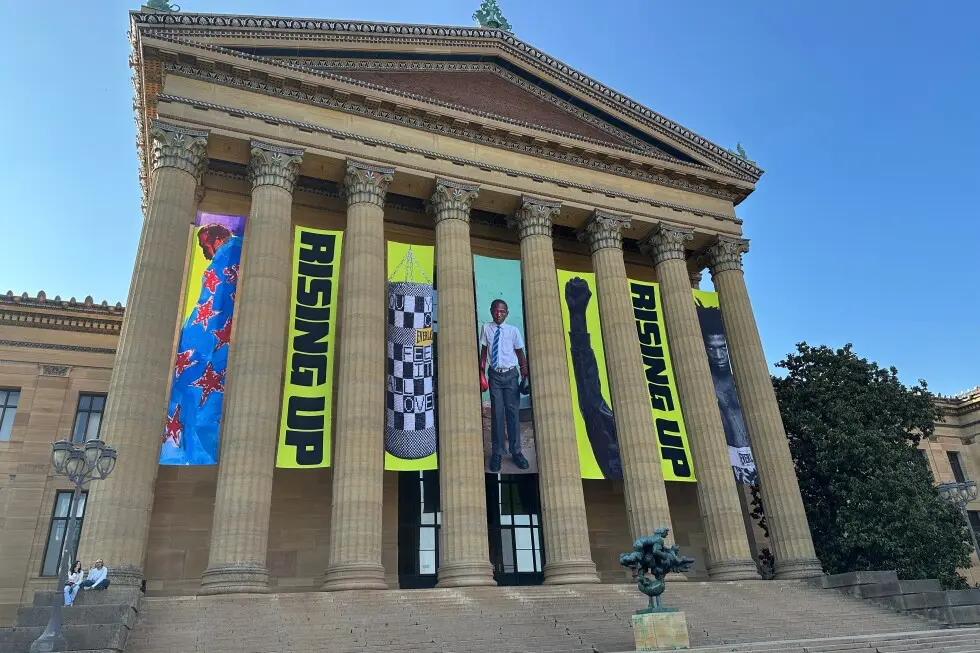
필라델피아 미술관의 계단 외부에 "Rising Up: Rocky" 전시회 배너가 걸려 있다. 2026년 4월 22일, 필라델피아. (AP Photo/Tassanee Vejpongsa)
Rocky 동상이 필라델피아 미술관 외부에서 도시 스카이라인을 내려다보고 있다. 2026년 4월 22일, 필라델피아. (AP Photo/Tassanee Vejpongsa)
방문객들이 필라델피아 미술관 앞의 Rocky 동상 앞에서 포즈를 취하고 있다. 2026년 4월 22일, 필라델피아. (AP Photo/Tassanee Vejpongsa)
필라델피아 미술관의 계단 외부에 "Rising Up: Rocky" 전시회 배너가 걸려 있다. 2026년 4월 22일, 필라델피아. (AP Photo/Tassanee Vejpongsa)
매일 세계 곳곳에서 온 방문객들이 필라델피아 미술관의 계단으로 향한다 — 반드시 실내 갤러리를 위해서가 아니라 남쪽 필라델피아 출신의 가상의 권투선수 동상을 보기 위해서다.
승리의 팔을 들어올린, 권투 반바지와 부츠를 입은 Rocky Balboa의 청동 동상은 전 세계 사람들의 순례 대상이 되었다.
수십 년 동안 박물관은 이런 종류의 헌애로부터 거리를 유지했다. 이제 박물관은 이를 수용하고 있으며 Rocky를 초대하고 있다.
이번 주말 개최되는 "Rising Up: Rocky and the Making of Monuments" 전시회는 가상의 격투가가 현실 세계의 상징이 되는 과정을 살펴보며, 미술 역사와 필라델피아의 정체성의 흐름 속에 동상을 배치한다. 이 전시회는 게스트 큐레이터 Paul Farber의 작품으로, 그는 NPR 팟캐스트를 포함하여 동상과 공공 기념물의 의미를 수년간 탐구한 후 이 대화를 박물관으로 가져왔다.
전시회는 2,000년 이상의 권투 이미지를 아우르며, 미술관의 부관장 Louis Marchesano가 Rocky의 지속적인 매력을 설명하는 데 도움이 된다고 말한 인간적 투쟁의 실마리를 추적한다.
"2,000년의 권투 이미지를 통해 일관되게 흐르는 공통 주제는 사람들이 투쟁 중인 신체, 즉 갈등에 2,500년 전과 오늘날과 같은 방식으로 반응한다는 것이다"라고 Marchesano는 말했다. "그것은 단순히 두 사람이 싸우는 것을 보는 것이 아니라 인내, 내적 강인함, 그리고 내적 투쟁에 관한 것이다."
"Rocky" 영화 촬영 후 청동 동상이 계단에 남겨졌을 때, 박물관은 이를 제거하기 위해 노력했다. 결국 남쪽 필라델피아로 이전되었다가 2006년 계단 아래로 돌아왔다. 환영받았지만 완전히 수용되지는 않았다. 동상이 위치한 지점은 박물관이 아닌 도시 소유이다.
"박물관은 동상과의 관계가 — 이것을 말하고 싶지 않지만, 말장난 의도 없이 — rocky했다"고 Marchesano는 말했다.
"우리가 이와 타협하는 데 수십 년이 걸렸다"고 그는 덧붙였다. "하지만 우리가 그렇게 했다는 것이 기쁘다."
필라델피아 방문객 센터에 따르면, 연간 약 400만 명이 계단을 방문하며 — 이는 근처의 Liberty Bell의 연간 방문객 수와 맞먹는다.
최근에 학생들을 계단으로 데려온 프랑스의 레슬링 코치 David Muller는 Balboa의 시련과 고난이 "다음 세대에 좋다"고 생각한다고 말했다.
"'Rocky' 영화는 스포츠의 정신과 삶의 정신에 중요하다"고 Muller는 말했다.
폴란드에서 가족과 함께 여행한 Kate Tarchalska는 동상을 그들의 방문지 중 하나로 삼았다.
"그는 내가 어렸을 때 나의 영웅이었다"고 그녀는 말했다. "그리고 이제 나는 그와 같은 장소에 있을 수 있어서 정말 기쁘다."
St. Louis에서 필라델피아의 이모를 방문 중인 Suraj Kumar는 인도 Bengaluru에서 자라면서 아버지가 처음 영화를 소개해 준 사람과 공유하기 위해 동상의 사진을 찍는 것을 중요하게 생각했다.
"이 동상이 여기에 있다는 것을 알게 되었을 때, 나는 여기에 꼭 와야 한다고 생각했다"고 그는 말했다.
한 갤러리는 Rocky를 1970년대의 세계적 권투 열풍 속에 배치하며, Keith Haring, Jean-Michel Basquiat, Andy Warhol의 작품들을 특징으로 하는데 — 모두 권투가 세계의 관심을 받던 시기에 창작되었다.
"1970년대에 우리는 누가 세계 헤비급 챔피언인지 분 단위로 알았다"고 Marchesano는 말했다. "이 갤러리의 예술가들은 그 전 지구적 열광에 반응하고 있다. Sylvester Stallone은 'Rocky'에서 내적 그리고 외적 투쟁을 생각하면서 같은 일을 하고 있었다."
또 다른 갤러리는 필라델피아 자체로 향하며, Blue Horizon 권투 체육관의 사진들과 Rocky에 영감을 준 실제 이야기인 Joe Frazier에 관한 섹션을 제시한다.
"Joe Frazier가 없었다면 Rocky는 존재하지 않았을 것이다"고 Marchesano는 말했다.
전시회가 8월에 종료될 때, 실내의 동상은 박물관의 계단 위쪽의 영구적 위치로 옮겨질 것이다 — 그곳은 동상이 공식적으로 점유한 적이 없는 장소다. 현재 외부의 동상은 Stallone에서 대출받은 것이다.
Rocky의 오랫동안의 계단 아래 위치는 비어 있지 않을 것이다 — Frazier의 동상이 그것을 대신할 것이다.
Rocky 동상이 필라델피아 미술관 외부에서 도시 스카이라인을 내려다보고 있다. 2026년 4월 22일, 필라델피아. (AP Photo/Tassanee Vejpongsa)
방문객들이 필라델피아 미술관 앞의 Rocky 동상 앞에서 포즈를 취하고 있다. 2026년 4월 22일, 필라델피아. (AP Photo/Tassanee Vejpongsa)
필라델피아 미술관의 계단 외부에 "Rising Up: Rocky" 전시회 배너가 걸려 있다. 2026년 4월 22일, 필라델피아. (AP Photo/Tassanee Vejpongsa)
매일 세계 곳곳에서 온 방문객들이 필라델피아 미술관의 계단으로 향한다 — 반드시 실내 갤러리를 위해서가 아니라 남쪽 필라델피아 출신의 가상의 권투선수 동상을 보기 위해서다.
승리의 팔을 들어올린, 권투 반바지와 부츠를 입은 Rocky Balboa의 청동 동상은 전 세계 사람들의 순례 대상이 되었다.
수십 년 동안 박물관은 이런 종류의 헌애로부터 거리를 유지했다. 이제 박물관은 이를 수용하고 있으며 Rocky를 초대하고 있다.
이번 주말 개최되는 "Rising Up: Rocky and the Making of Monuments" 전시회는 가상의 격투가가 현실 세계의 상징이 되는 과정을 살펴보며, 미술 역사와 필라델피아의 정체성의 흐름 속에 동상을 배치한다. 이 전시회는 게스트 큐레이터 Paul Farber의 작품으로, 그는 NPR 팟캐스트를 포함하여 동상과 공공 기념물의 의미를 수년간 탐구한 후 이 대화를 박물관으로 가져왔다.
전시회는 2,000년 이상의 권투 이미지를 아우르며, 미술관의 부관장 Louis Marchesano가 Rocky의 지속적인 매력을 설명하는 데 도움이 된다고 말한 인간적 투쟁의 실마리를 추적한다.
"2,000년의 권투 이미지를 통해 일관되게 흐르는 공통 주제는 사람들이 투쟁 중인 신체, 즉 갈등에 2,500년 전과 오늘날과 같은 방식으로 반응한다는 것이다"라고 Marchesano는 말했다. "그것은 단순히 두 사람이 싸우는 것을 보는 것이 아니라 인내, 내적 강인함, 그리고 내적 투쟁에 관한 것이다."
"Rocky" 영화 촬영 후 청동 동상이 계단에 남겨졌을 때, 박물관은 이를 제거하기 위해 노력했다. 결국 남쪽 필라델피아로 이전되었다가 2006년 계단 아래로 돌아왔다. 환영받았지만 완전히 수용되지는 않았다. 동상이 위치한 지점은 박물관이 아닌 도시 소유이다.
"박물관은 동상과의 관계가 — 이것을 말하고 싶지 않지만, 말장난 의도 없이 — rocky했다"고 Marchesano는 말했다.
"우리가 이와 타협하는 데 수십 년이 걸렸다"고 그는 덧붙였다. "하지만 우리가 그렇게 했다는 것이 기쁘다."
필라델피아 방문객 센터에 따르면, 연간 약 400만 명이 계단을 방문하며 — 이는 근처의 Liberty Bell의 연간 방문객 수와 맞먹는다.
최근에 학생들을 계단으로 데려온 프랑스의 레슬링 코치 David Muller는 Balboa의 시련과 고난이 "다음 세대에 좋다"고 생각한다고 말했다.
"'Rocky' 영화는 스포츠의 정신과 삶의 정신에 중요하다"고 Muller는 말했다.
폴란드에서 가족과 함께 여행한 Kate Tarchalska는 동상을 그들의 방문지 중 하나로 삼았다.
"그는 내가 어렸을 때 나의 영웅이었다"고 그녀는 말했다. "그리고 이제 나는 그와 같은 장소에 있을 수 있어서 정말 기쁘다."
St. Louis에서 필라델피아의 이모를 방문 중인 Suraj Kumar는 인도 Bengaluru에서 자라면서 아버지가 처음 영화를 소개해 준 사람과 공유하기 위해 동상의 사진을 찍는 것을 중요하게 생각했다.
"이 동상이 여기에 있다는 것을 알게 되었을 때, 나는 여기에 꼭 와야 한다고 생각했다"고 그는 말했다.
한 갤러리는 Rocky를 1970년대의 세계적 권투 열풍 속에 배치하며, Keith Haring, Jean-Michel Basquiat, Andy Warhol의 작품들을 특징으로 하는데 — 모두 권투가 세계의 관심을 받던 시기에 창작되었다.
"1970년대에 우리는 누가 세계 헤비급 챔피언인지 분 단위로 알았다"고 Marchesano는 말했다. "이 갤러리의 예술가들은 그 전 지구적 열광에 반응하고 있다. Sylvester Stallone은 'Rocky'에서 내적 그리고 외적 투쟁을 생각하면서 같은 일을 하고 있었다."
또 다른 갤러리는 필라델피아 자체로 향하며, Blue Horizon 권투 체육관의 사진들과 Rocky에 영감을 준 실제 이야기인 Joe Frazier에 관한 섹션을 제시한다.
"Joe Frazier가 없었다면 Rocky는 존재하지 않았을 것이다"고 Marchesano는 말했다.
전시회가 8월에 종료될 때, 실내의 동상은 박물관의 계단 위쪽의 영구적 위치로 옮겨질 것이다 — 그곳은 동상이 공식적으로 점유한 적이 없는 장소다. 현재 외부의 동상은 Stallone에서 대출받은 것이다.
Rocky의 오랫동안의 계단 아래 위치는 비어 있지 않을 것이다 — Frazier의 동상이 그것을 대신할 것이다.
처리 완료
4,401 tokens · $0.0118
기사 수집 완료 · 20:40
매체 피드에서 기사 메타데이터 수집
헤드라인 번역 완료 · 20:55
제목/요약 한국어 번역 (fetch 시점 inline)
claude-haiku-4-5-20251001
118 tokens
$0.00029
1.3s
본문 추출 완료
5,595자 추출 완료
본문 한국어 번역 완료 · 20:55
2,600자 번역 완료
claude-haiku-4-5-20251001
4,283 tokens
$0.01154
21.3s
지정학적 엔티티 추출 완료 · 20:55
7개 엔티티 추출 완료
지정학적 맥락 & R-Scanner
R-Scanner · 핫스팟
z=2.89
평소보다 훨씬 많은 매체가 집중 보도 중 — 기준: Philadelphia
(🇺🇸 US)
최근 6시간 54건
7일 평균 36.32건 / 6h
9개국 매체
13개 매체
본문에서 추출된 지명 (7)
위치 지도
지도 로딩 중…
같은 주제의 다른 기사 (최근 7일)
Banners for the “Rising Up: Rocky” exhibition hang outside of the Philadelphia Museum of Art in Philadelphia, Wednesday, April 22, 2026. (AP Photo/Tassanee Vejpongsa)
The Rocky statue overlooks the city skyline outside the Philadelphia Museum of Art in Philadelphia, Wednesday, April 22, 2026. (AP Photo/Tassanee Vejpongsa)
Visitors pose in front of the Rocky statue at the Philadelphia Museum of Art in Philadelphia, on Wednesday, April 22, 2026 (AP Photo/Tassanee Vejpongsa)
Banners for the “Rising Up: Rocky” exhibition hang outside of the Philadelphia Museum of Art in Philadelphia, Wednesday, April 22, 2026. (AP Photo/Tassanee Vejpongsa)
Banners for the “Rising Up: Rocky” exhibition hang outside of the Philadelphia Museum of Art in Philadelphia, Wednesday, April 22, 2026. (AP Photo/Tassanee Vejpongsa)
The Rocky statue overlooks the city skyline outside the Philadelphia Museum of Art in Philadelphia, Wednesday, April 22, 2026. (AP Photo/Tassanee Vejpongsa)
The Rocky statue overlooks the city skyline outside the Philadelphia Museum of Art in Philadelphia, Wednesday, April 22, 2026. (AP Photo/Tassanee Vejpongsa)
Visitors pose in front of the Rocky statue at the Philadelphia Museum of Art in Philadelphia, on Wednesday, April 22, 2026 (AP Photo/Tassanee Vejpongsa)
Visitors pose in front of the Rocky statue at the Philadelphia Museum of Art in Philadelphia, on Wednesday, April 22, 2026 (AP Photo/Tassanee Vejpongsa)
PHILADELPHIA (AP) — Every day, visitors from around the world make their way to the steps of the Philadelphia Museum of Art — not necessarily for the galleries inside, but for a statue of a fictional boxer from South Philadelphia.
The bronze figure of Rocky Balboa — arms raised in victory, clad in boxing trunks and boots — has become a point of pilgrimage for people around the world.
For decades, the museum kept an uncomfortable distance from this kind of devotion. Now, it is embracing it — and inviting Rocky in.
Opening this weekend, “Rising Up: Rocky and the Making of Monuments” examines how a fictional fighter became a real-world symbol, placing the statue within the sweep of art history and Philadelphia’s identity. The exhibition is the brainchild of guest curator Paul Farber, who spent years exploring the meaning of the statue and public monuments — including through his NPR podcasts — before bringing the conversation into the museum.
The exhibition spans more than 2,000 years of boxing imagery, tracing a thread of human struggle that Louis Marchesano, the museum’s deputy director of curatorial affairs and conservation, said helps explain Rocky’s enduring pull.
“The common theme that runs throughout 2,000 years of boxing imagery is that people respond to the body under struggle, a conflict in much the same way today as they did 2,500 years ago,” Marchesano said. “It’s not simply about watching two people beat each other up — it’s about endurance, internal fortitude and internal struggle.”
When the bronze statue was left on the steps after filming the “Rocky” movies, the museum fought to have it removed. It was eventually relocated to South Philadelphia before returning to the bottom of the steps in 2006. It was welcomed back, but never fully embraced. The city owns the spot where the statue sits — not the museum.
“The museum has had — and I hate to say this, no pun intended — a rocky relationship with the statue,” Marchesano said.
“It took us decades to come to terms with it,” he added. “But I’m glad that we did.”
According to the Philadelphia Visitor Center, about 4 million people visit the steps each year — rivaling the nearby Liberty Bell in annual foot traffic.
David Muller, a wrestling coach from France who recently brought his students to the steps, said he thinks Balboa’s trials and travails are “good for the next generation.”
“The movie ‘Rocky’ is important for the mind of sport and the mind of life,” Muller said, after running with them up the steps as they raised their hands at the top, smiling and punching the air like boxers.
Kate Tarchalska traveled from Poland with family and made the statue one of their stops.
“He was my hero when I was younger,” she said. “And now I am so glad I could be in the same spot as him.”
Suraj Kumar, visiting his aunt in Philadelphia from St. Louis, made a point to photograph the statue to share with his father, who first introduced him to the films when he was growing up in Bengaluru, India.
“When I got to know this statue is here, I was like, I really have to come down here,” he said.
One gallery places Rocky in the global boxing fever of the 1970s, featuring works by Keith Haring, Jean-Michel Basquiat and Andy Warhol — all created during a time when boxing had the world’s attention.
“In the 1970s, we knew minute by minute who the heavyweight champion of the world was,” Marchesano said. “The artists in this gallery are responding to that global frenzy. Sylvester Stallone, in ‘Rocky,’ was doing the same — thinking about internal and external struggle.”
Another gallery turns to Philadelphia itself, presenting photographs of the Blue Horizon boxing gym and a section on Joe Frazier, whose real-life story at least partially inspired Rocky.
“Without Joe Frazier, Rocky doesn’t exist,” Marchesano said.
When the exhibition closes in August, the statue inside will move to a permanent home at the top of the museum’s steps — a place it has never officially held. The statue currently outside remains on loan from Stallone.
Rocky’s longtime spot at the bottom of the steps won’t be empty — a statue of Frazier will replace it.
The Rocky statue overlooks the city skyline outside the Philadelphia Museum of Art in Philadelphia, Wednesday, April 22, 2026. (AP Photo/Tassanee Vejpongsa)
Visitors pose in front of the Rocky statue at the Philadelphia Museum of Art in Philadelphia, on Wednesday, April 22, 2026 (AP Photo/Tassanee Vejpongsa)
Banners for the “Rising Up: Rocky” exhibition hang outside of the Philadelphia Museum of Art in Philadelphia, Wednesday, April 22, 2026. (AP Photo/Tassanee Vejpongsa)
Banners for the “Rising Up: Rocky” exhibition hang outside of the Philadelphia Museum of Art in Philadelphia, Wednesday, April 22, 2026. (AP Photo/Tassanee Vejpongsa)
The Rocky statue overlooks the city skyline outside the Philadelphia Museum of Art in Philadelphia, Wednesday, April 22, 2026. (AP Photo/Tassanee Vejpongsa)
The Rocky statue overlooks the city skyline outside the Philadelphia Museum of Art in Philadelphia, Wednesday, April 22, 2026. (AP Photo/Tassanee Vejpongsa)
Visitors pose in front of the Rocky statue at the Philadelphia Museum of Art in Philadelphia, on Wednesday, April 22, 2026 (AP Photo/Tassanee Vejpongsa)
Visitors pose in front of the Rocky statue at the Philadelphia Museum of Art in Philadelphia, on Wednesday, April 22, 2026 (AP Photo/Tassanee Vejpongsa)
PHILADELPHIA (AP) — Every day, visitors from around the world make their way to the steps of the Philadelphia Museum of Art — not necessarily for the galleries inside, but for a statue of a fictional boxer from South Philadelphia.
The bronze figure of Rocky Balboa — arms raised in victory, clad in boxing trunks and boots — has become a point of pilgrimage for people around the world.
For decades, the museum kept an uncomfortable distance from this kind of devotion. Now, it is embracing it — and inviting Rocky in.
Opening this weekend, “Rising Up: Rocky and the Making of Monuments” examines how a fictional fighter became a real-world symbol, placing the statue within the sweep of art history and Philadelphia’s identity. The exhibition is the brainchild of guest curator Paul Farber, who spent years exploring the meaning of the statue and public monuments — including through his NPR podcasts — before bringing the conversation into the museum.
The exhibition spans more than 2,000 years of boxing imagery, tracing a thread of human struggle that Louis Marchesano, the museum’s deputy director of curatorial affairs and conservation, said helps explain Rocky’s enduring pull.
“The common theme that runs throughout 2,000 years of boxing imagery is that people respond to the body under struggle, a conflict in much the same way today as they did 2,500 years ago,” Marchesano said. “It’s not simply about watching two people beat each other up — it’s about endurance, internal fortitude and internal struggle.”
When the bronze statue was left on the steps after filming the “Rocky” movies, the museum fought to have it removed. It was eventually relocated to South Philadelphia before returning to the bottom of the steps in 2006. It was welcomed back, but never fully embraced. The city owns the spot where the statue sits — not the museum.
“The museum has had — and I hate to say this, no pun intended — a rocky relationship with the statue,” Marchesano said.
“It took us decades to come to terms with it,” he added. “But I’m glad that we did.”
According to the Philadelphia Visitor Center, about 4 million people visit the steps each year — rivaling the nearby Liberty Bell in annual foot traffic.
David Muller, a wrestling coach from France who recently brought his students to the steps, said he thinks Balboa’s trials and travails are “good for the next generation.”
“The movie ‘Rocky’ is important for the mind of sport and the mind of life,” Muller said, after running with them up the steps as they raised their hands at the top, smiling and punching the air like boxers.
Kate Tarchalska traveled from Poland with family and made the statue one of their stops.
“He was my hero when I was younger,” she said. “And now I am so glad I could be in the same spot as him.”
Suraj Kumar, visiting his aunt in Philadelphia from St. Louis, made a point to photograph the statue to share with his father, who first introduced him to the films when he was growing up in Bengaluru, India.
“When I got to know this statue is here, I was like, I really have to come down here,” he said.
One gallery places Rocky in the global boxing fever of the 1970s, featuring works by Keith Haring, Jean-Michel Basquiat and Andy Warhol — all created during a time when boxing had the world’s attention.
“In the 1970s, we knew minute by minute who the heavyweight champion of the world was,” Marchesano said. “The artists in this gallery are responding to that global frenzy. Sylvester Stallone, in ‘Rocky,’ was doing the same — thinking about internal and external struggle.”
Another gallery turns to Philadelphia itself, presenting photographs of the Blue Horizon boxing gym and a section on Joe Frazier, whose real-life story at least partially inspired Rocky.
“Without Joe Frazier, Rocky doesn’t exist,” Marchesano said.
When the exhibition closes in August, the statue inside will move to a permanent home at the top of the museum’s steps — a place it has never officially held. The statue currently outside remains on loan from Stallone.
Rocky’s longtime spot at the bottom of the steps won’t be empty — a statue of Frazier will replace it.