미국 전시회, 록키의 도움으로 기념비의 힘을 탐구하다
New US exhibition explores power of monuments – with help from Rocky
The Guardian
· 🇬🇧 London, GB
Edward Helmore
EN
2026-04-25 03:59
Translated
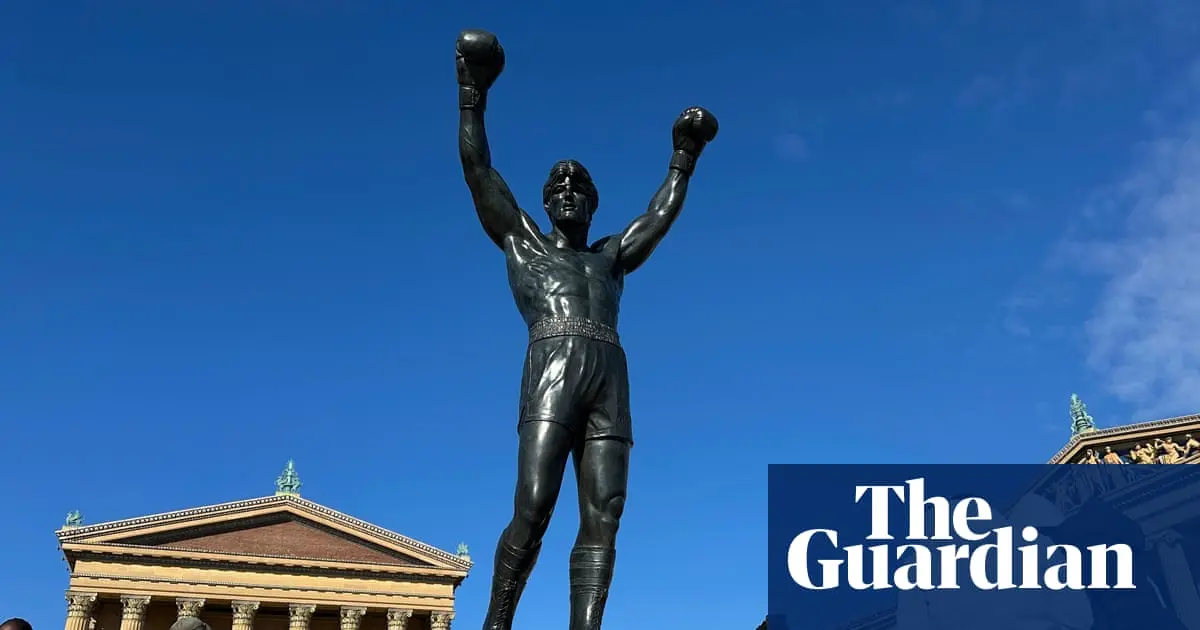
도시의 가장 인기 있는 관광 명소 중 하나인 동상 – 필라델피아 미술관의 계단에 위치한 동상이 새로운 전시의 핵심 요소입니다. 실베스터 스탤론의 가상 권투선수 록키 발보아 동상은 이번 주말 필라델피아 미술관에서 개최되는 기념비의 힘에 대한 탐구 전시의 초점이 되며, 이는 2천년의 권투와 유명인을 다룹니다.
실베스터 스탤론의 가상 권투선수 록키 발보아 동상은 이번 주말 필라델피아 미술관에서 개최되는 기념비의 힘에 대한 탐구 전시의 초점이 되며, 이는 2천년의 권투와 유명인을 다룹니다.
이 동상은 1976년 영화 록키가 스탤론을 스타로 만든 지 6년 후인 1982년에 박물관의 "록키 계단"에 설치되었으며, 필라델피아에서 가장 인기 있는 관광 명소 중 하나로 연간 약 400만 명이 방문합니다.
전시 큐레이터 폴 파버를 포함한 많은 사람들에게 빈곤한 필라델피아 클럽 권투선수이자 채무 추심원에서 헤비급 챔피언과 "거리를 간다"는 록키는 더욱 개인적인 이야기를 제공합니다.
전시회 제목은 "Rising Up: Rocky and the Making of Monuments"이며, 파버가 큐레이션했으며, 그는 "정의를 증진하기 위해 기념비를 소속감, 학습, 치유의 장소로 재상상하는 데 전념하는" 비영리 필라델피아 공공 미술 단체인 Monument Lab의 공동 설립자입니다.
기념비와 그 의미가 정치적, 문화적 마찰의 원천이 되어온 수 년 후, 파버는 ArtNews에 록키 동상을 당연하게 여겼다고 말했습니다. 그것은 그가 그것을 관찰하기 위해 기다리는 줄을 눈치챘을 때까지였고, 필연적으로 그것을 모방하며 사진을 찍혔습니다.
"하루 중 언제든, 연중 언제든 대기열이 있습니다. 저는 5년 전에 이를 연구하기 시작했고 록키 동상을 방문하는 사람들이 자유의 여신상을 방문하는 사람들만큼 많다는 것을 발견했습니다 – 필라델피아의 자유의 종을 방문하는 사람보다 더 많습니다."
"그것은 문화적 만남의 장소입니다"라고 파버가 언론에 말했습니다. "고통과 어려움을 통해 방법을 찾는 사람들을 위한 세계적 순례 장소입니다. 그는 약자의 수호성인입니다. 하지만 가장 신화적인 필라델피아인은 결코 존재하지 않았던 백인 권투선수이며, 그동안 그리고 지금도 자신의 커뮤니티의 주요 구성원이었던 많은 흑인 필라델피아 권투선수들이 있다는 점을 언급할 가치가 있습니다."
이 전시회는 록키 프랜차이즈(여섯 편의 영화를 포함하며, 마지막 영화는 "Rocky Balboa"라는 제목)가 50주년을 기념하면서 개최됩니다. 박물관에 따르면, 이것은 기념비 전반에 대한 해명과 재상상의 순간에 "필라델피아 미술관의 계단 옆에 있는 록키 동상을 왜 세계 각지에서 수백만 명의 사람들이 방문하는가?"라는 질문에 답하는 것을 목표로 합니다.
제시하는 답변은 전투사들이 수천 년 동안 공인으로 형성되어 왔다는 것입니다. 자신의 주장을 뒷받침하기 위해 전시회는 고전 헬레니즘 앉은 권투선수, 19세기 유럽 미술 작품, 미국 권투의 황금기 이미지(첫 흑인 세계 헤비급 챔피언이 된 잭 존슨 포함), 앤디 워홀, 키스 해링, 장-미셸 바스키아, 글렌 리건 등 현대 인물의 작품을 활용합니다.
그 중심에는 1982년 영화 록키 III의 청동 동상이 있습니다.
"우리는 영화 소품으로 시작된 동상과 매우 어려운 관계가 있었습니다"라고 박물관의 학예 담당 부국장이자 보존 전문가인 루이스 마르케사노가 지난주 뉴욕타임스에 말했습니다. "우리는 그것을 제거하기 위해 정말 열심히 싸웠습니다."
스탤론 자신은 큐레이터에게 긴 목소리 메시지를 남겨 가중치를 두었으며, 박물관의 계단이 "마법 같은 영역처럼 보였다"고 설명했습니다. 지적 기반지로, 저는 멀리서만 봤을 것 같습니다, 마치 다른 도시, 아크로폴리스나 어떤 멋진 기념비처럼요."
계단은 자신의 방식으로 록키가 누구인지 정의할 것이라고 그는 덧붙였습니다. "우리는 그를 비참함 속에서 본 것 같고, 젖고 춥고 축축한 거리돌을 가로질러 달리는 것을 봤습니다 – 뭐든 상관없이. 결국 그가 비참함과 빈곤에서 달려나와 자신의 성공의 정점을 결정할 것이 이 멋진 구조의 계단을 달려 올라가는 것이라는 사실입니다. 그가 그 안에 무엇이 있는지 또는 무엇을 나타내는지 이해하지 못합니다."
스탤론은 콜로라도 조각가 A 토마스 숌베르크의 청동상을 의뢰했으며, 그의 작품은 여러 미국 박물관에 포함되어 있습니다. 큐레이터인 파버는 ArtNews에 심지어 예술가도 록키 동상이 미술인지 영화 소품인지 확실하지 않다고 말했습니다.
"나는 그 예술가와 많은 시간을 보냈는데, 그의 작품은 저명하지만 그 질문으로 괴로워하고 있으며, 그것이 나를 괴롭혔습니다"라고 파버가 언론에 말했습니다. "나는 그의 스튜디오에서 시간을 보냈고 그의 과정을 살펴보았으며 그가 만든 다른 작품들을 이해했습니다... 그들은 스티로폼 소품을 요청했을 수 있었습니다. 하지만 그는 청동으로 작업하는 예술가와 함께 작업했습니다."
이 동상은 1976년 영화 록키가 스탤론을 스타로 만든 지 6년 후인 1982년에 박물관의 "록키 계단"에 설치되었으며, 필라델피아에서 가장 인기 있는 관광 명소 중 하나로 연간 약 400만 명이 방문합니다.
전시 큐레이터 폴 파버를 포함한 많은 사람들에게 빈곤한 필라델피아 클럽 권투선수이자 채무 추심원에서 헤비급 챔피언과 "거리를 간다"는 록키는 더욱 개인적인 이야기를 제공합니다.
전시회 제목은 "Rising Up: Rocky and the Making of Monuments"이며, 파버가 큐레이션했으며, 그는 "정의를 증진하기 위해 기념비를 소속감, 학습, 치유의 장소로 재상상하는 데 전념하는" 비영리 필라델피아 공공 미술 단체인 Monument Lab의 공동 설립자입니다.
기념비와 그 의미가 정치적, 문화적 마찰의 원천이 되어온 수 년 후, 파버는 ArtNews에 록키 동상을 당연하게 여겼다고 말했습니다. 그것은 그가 그것을 관찰하기 위해 기다리는 줄을 눈치챘을 때까지였고, 필연적으로 그것을 모방하며 사진을 찍혔습니다.
"하루 중 언제든, 연중 언제든 대기열이 있습니다. 저는 5년 전에 이를 연구하기 시작했고 록키 동상을 방문하는 사람들이 자유의 여신상을 방문하는 사람들만큼 많다는 것을 발견했습니다 – 필라델피아의 자유의 종을 방문하는 사람보다 더 많습니다."
"그것은 문화적 만남의 장소입니다"라고 파버가 언론에 말했습니다. "고통과 어려움을 통해 방법을 찾는 사람들을 위한 세계적 순례 장소입니다. 그는 약자의 수호성인입니다. 하지만 가장 신화적인 필라델피아인은 결코 존재하지 않았던 백인 권투선수이며, 그동안 그리고 지금도 자신의 커뮤니티의 주요 구성원이었던 많은 흑인 필라델피아 권투선수들이 있다는 점을 언급할 가치가 있습니다."
이 전시회는 록키 프랜차이즈(여섯 편의 영화를 포함하며, 마지막 영화는 "Rocky Balboa"라는 제목)가 50주년을 기념하면서 개최됩니다. 박물관에 따르면, 이것은 기념비 전반에 대한 해명과 재상상의 순간에 "필라델피아 미술관의 계단 옆에 있는 록키 동상을 왜 세계 각지에서 수백만 명의 사람들이 방문하는가?"라는 질문에 답하는 것을 목표로 합니다.
제시하는 답변은 전투사들이 수천 년 동안 공인으로 형성되어 왔다는 것입니다. 자신의 주장을 뒷받침하기 위해 전시회는 고전 헬레니즘 앉은 권투선수, 19세기 유럽 미술 작품, 미국 권투의 황금기 이미지(첫 흑인 세계 헤비급 챔피언이 된 잭 존슨 포함), 앤디 워홀, 키스 해링, 장-미셸 바스키아, 글렌 리건 등 현대 인물의 작품을 활용합니다.
그 중심에는 1982년 영화 록키 III의 청동 동상이 있습니다.
"우리는 영화 소품으로 시작된 동상과 매우 어려운 관계가 있었습니다"라고 박물관의 학예 담당 부국장이자 보존 전문가인 루이스 마르케사노가 지난주 뉴욕타임스에 말했습니다. "우리는 그것을 제거하기 위해 정말 열심히 싸웠습니다."
스탤론 자신은 큐레이터에게 긴 목소리 메시지를 남겨 가중치를 두었으며, 박물관의 계단이 "마법 같은 영역처럼 보였다"고 설명했습니다. 지적 기반지로, 저는 멀리서만 봤을 것 같습니다, 마치 다른 도시, 아크로폴리스나 어떤 멋진 기념비처럼요."
계단은 자신의 방식으로 록키가 누구인지 정의할 것이라고 그는 덧붙였습니다. "우리는 그를 비참함 속에서 본 것 같고, 젖고 춥고 축축한 거리돌을 가로질러 달리는 것을 봤습니다 – 뭐든 상관없이. 결국 그가 비참함과 빈곤에서 달려나와 자신의 성공의 정점을 결정할 것이 이 멋진 구조의 계단을 달려 올라가는 것이라는 사실입니다. 그가 그 안에 무엇이 있는지 또는 무엇을 나타내는지 이해하지 못합니다."
스탤론은 콜로라도 조각가 A 토마스 숌베르크의 청동상을 의뢰했으며, 그의 작품은 여러 미국 박물관에 포함되어 있습니다. 큐레이터인 파버는 ArtNews에 심지어 예술가도 록키 동상이 미술인지 영화 소품인지 확실하지 않다고 말했습니다.
"나는 그 예술가와 많은 시간을 보냈는데, 그의 작품은 저명하지만 그 질문으로 괴로워하고 있으며, 그것이 나를 괴롭혔습니다"라고 파버가 언론에 말했습니다. "나는 그의 스튜디오에서 시간을 보냈고 그의 과정을 살펴보았으며 그가 만든 다른 작품들을 이해했습니다... 그들은 스티로폼 소품을 요청했을 수 있었습니다. 하지만 그는 청동으로 작업하는 예술가와 함께 작업했습니다."
처리 완료
4,571 tokens · $0.0129
기사 수집 완료 · 04:10
매체 피드에서 기사 메타데이터 수집
헤드라인 번역 완료 · 04:27
제목/요약 한국어 번역 (fetch 시점 inline)
claude-haiku-4-5-20251001
513 tokens
$0.00143
3.3s
본문 추출 완료
4,289자 추출 완료
본문 한국어 번역 완료 · 04:27
2,240자 번역 완료
claude-haiku-4-5-20251001
4,058 tokens
$0.01151
24.3s
지정학적 엔티티 추출 완료 · 04:27
4개 엔티티 추출 완료
지정학적 맥락 & R-Scanner
R-Scanner · 상승
z=1.26
평소보다 보도량이 증가 추세 — 기준: Philadelphia
(🇺🇸 US)
최근 6시간 51건
7일 평균 42.68건 / 6h
11개국 매체
14개 매체
본문에서 추출된 지명 (4)
위치 지도
지도 로딩 중…
같은 주제의 다른 기사 (최근 7일)
Statue – one of city’s most popular tourist attractions – on steps of Philadelphia Museum of Art key plank of new showA statue of Sylvester Stallone’s fictional boxer Rocky Balboa is the focal point of an examination of the power of monuments opening at the Philadelphia Museum of Art this weekend that marks two millennia of boxing and celebrity.The statue, placed on the “Rocky Steps” of the museum in 1982, six years after the the 1976 film Rocky made Stallone a star, is one of Philadelphia’s most popular tourist attractions, visited by an estimated 4 million people annually.
A statue of Sylvester Stallone’s fictional boxer Rocky Balboa is the focal point of an examination of the power of monuments opening at the Philadelphia Museum of Art this weekend that marks two millennia of boxing and celebrity.The statue, placed on the “Rocky Steps” of the museum in 1982, six years after the the 1976 film Rocky made Stallone a star, is one of Philadelphia’s most popular tourist attractions, visited by an estimated 4 million people annually.
For many, including show curator Paul Farber, Rocky, who rises from a struggling Philadelphia club fighter and debt collector to “go the distance” with the heavyweight champion, offers a more personal story.
The show, Rising Up: Rocky and the Making of Monuments, is curated by Farber, co-founder of Monument Lab, a nonprofit Philadelphia public art organization “dedicated to advancing justice by re-imagining monuments as places for belonging, learning, and healing”.
After several years in which monuments and their meaning have been a source of political and cultural friction, Farber told ArtNews he had taken the Rocky statue for granted. That is, until he noticed the lines of people waiting to observe it and, inevitably, be photographed mimicking it.
“No matter what time of day or time of year there’s a queue. I started to research it five years ago and found as many people visit the Rocky statue as visit the Statue of Liberty – more than visit the Liberty Bell here in Philly.”
“It’s a cultural meeting ground,” Farber told the outlet. “It’s a site of global pilgrimage for people finding a way through pain and difficulty. He’s the patron saint of the underdog. But it bears mentioning that the most mythical Philadelphian is a white boxer who never lived, while there are many Black Philadelphia boxers who were and are major members of their community.”
The exhibition comes as the Rocky franchise (there are six films, including the last, eponymous Rocky Balboa) celebrates its 50th anniversary. It aims, according to the museum, to answer the question of why, in a moment of reckoning and reimagining for monuments generally, “do millions of people from around the world visit the Rocky statue by the steps at the Philadelphia Museum of Art?”
The answer it offers is that fighters have been shaped into public figures for millennia. To make its case, the exhibition draws on ancient sculptures, including the classic Hellenistic Seated Boxer, 19th century European works of art, images from boxing’s golden age in the US – including Jack Johnson, who became the first Black world heavyweight boxing champion – and works by contemporary figures including Andy Warhol, Keith Haring, Jean-Michel Basquiat and Glenn Ligon.
At its center is the bronze statue from the 1982 film Rocky III.
“We had a very fraught relationship with a statue that started off as a movie prop,” Louis Marchesano, the museum’s deputy director of curatorial affairs and conservation, told the New York Times last week. “And we fought really hard at one point to have it removed.”
Stallone himself has weighed in, leaving the curator a long string of voicemails, explaining that the steps of the museum had seemed “like a magical area, in intellectual bastion that I would only look at from afar, like another city, the Acropolis or some incredible monument.”
The steps would in their own way define who Rocky is, he added: “We’ve seen him squalor, we’ve seen him running across cobble stones – wet, cold, dank, whatever. The fact that he eventually runs from squalor and poverty, and decides that what will determine the pinnacle of his success is to run up the steps of this magnificent structure that he doesn’t under what is inside or what it represents.”
Stallone commissioned the bronze from Colorado sculptor A Thomas Schomberg, whose work is included in several US museums. Farber, the curator, told ArtNews that even the artist is unsure if the Rocky statue is art or a movie prop.
“I spent a lot of time with the artist, whose work is renowned, but is plagued by that question, and it haunted me,” Farber told the outlet. “I spent time in his studio and looked at his process and understood the other work he made … they could have asked for a styrofoam prop. But he worked with an artist who works in bronze.”