'통제 불능' 전문의 진료비가 노동당의 다음 보건 우선순위가 될 것
‘Out of control’ specialist fees will be Labor’s next health priority
Sydney Morning Herald
· 🇦🇺 Sydney, AU
Natassia Chrysanthos, Paul Sakkal
EN
2026-04-30 03:45
Translated
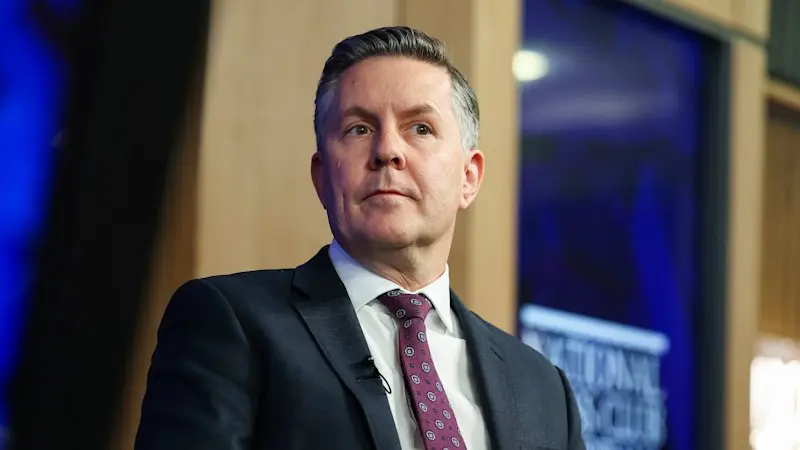
보건부 장관 마크 버틀러는 전문의 진료비를 낮추기 위해 법적으로 가능한 것의 '경계를 시험'할 의도를 가지고 있다.
보건부 장관 마크 버틀러는 NDIS 개혁 이후 다음으로 해결할 문제로 '통제 불능' 상태의 의료 전문의 진료비 인상 억제와 고령화하는 베이비붐 세대를 위한 요양원 침대의 심각한 부족이 될 것이라고 말했다.
지난해 선거 당시 의료 일반의 진료비 절감을 공약했던 버틀러 장관은 노동당이 법률의 한계를 밀어붙이더라도 제2 임기에 생활비 의제의 일환으로 전문의 진료비에 대해서도 동일한 조치를 취할 모든 선택지를 고려 중이라고 밝혔다.
"비(非) 일반의 전문의 진료비는 통제 불능 상태이며, 정말로 주민 관심의 폭발적 이슈가 되고 있습니다. 제1 임기에 많은 관심을 받았던 일반진료 대량청구 요율보다도 더욱 그렇습니다"라고 버틀러 장관은 본지의 팟캐스트 '인사이드 폴리틱스'와의 인터뷰에서 말했다.
"이러한 우려는 본인 부담금을 감당할 수 없어 전문의 진료를 받지 않거나, 본인 부담금을 감당할 수 없어 시술을 받지 않거나, 시술을 받더라도 하루 전에야 본인 부담금에 대한 소식을 듣는 사람들의 사례로 정말 변화했습니다.
"우리로서는 모든 선택지가 테이블에 올라와 있습니다. 전문의 진료비 규제에 대한 우리의 능력에 헌법적 제한이 있다는 주장들이 있어왔습니다. 우리는 그 경계를 시험할 의도를 가지고 있습니다. 이것이 얼마나 우려하는지를 보여줍니다. 왜냐하면 이것은 진정한 의료 접근성 장벽이 되어버렸기 때문입니다."
그래턴 연구소는 지난해 정부가 과도한 진료비를 청구하는 전문의로부터 의료보험 환급을 박탈하고, 소비자 감시 기관에 전문의 비용 연구를 지시하며, 일반의들이 불필요한 의뢰를 피하기 위해 전문의로부터 서면 자문을 받을 수 있도록 허용해야 한다고 말했다.
구체적으로 정부 지원 환급액의 3배 이상을 청구하는 전문의의 의료보험 청구를 거부할 것을 제안했다. 이는 오래전부터 제안되어 왔지만 시행하기 어려울 것으로 보인다.
한편, 전문의 진료 본인 부담금이 급증했다. 라트로브 대학의 지난해 연구에 따르면 민간병원 환자의 40%가 1000달러 이상의 본인 부담금 청구를 받고 있었다. 그 중 거의 4분의 1이 병원 입원 후 또는 퇴원 후에만 모든 비용을 통지받았다.
민간의료보험호주가 보험사들로부터 수집한 결제 데이터에 따르면 일부 시술에 대한 차액 진료비가 최근 5년 동안 300%까지 증가했다.
버틀러 장관은 자신의 부서가 대형 민간병원과 보험 기금과 함께 시스템의 압력을 조사하고 있다고 말했다. 이 중 일부는 현재 자금 조달 메커니즘이 특히 더 많은 사람들이 가정에서 병원 진료를 받거나 시술 후 입원 일수가 적어지는 방식의 서비스 제공과 보조를 맞추고 있는지 조사하는 것을 포함했다.
또 다른 문제는 전문의 인력이 적절한 위치에, 필요한 지역에서 일하고 있는지 확인하는 것이었다. "솔직히 정신과의들은 5년 또는 8년 전에 봤을 것 같은 민간 정신병원에서의 같은 수준의 입원 업무를 하고 있지 않습니다"라고 버틀러 장관은 말했다. "이는 민간 정신병원이 실질적인 생존 가능성 압력으로 고통받고 있다는 것을 의미합니다.
"[이는] 지역사회에서 정신 건강 지원에 대한 수요가 없기 때문이 아닙니다. 있습니다. 단지 그들이 정신과의를 일하도록 할 수 없을 뿐입니다. 우리는 모체 보건 서비스에서도 지역사회의 일부 지역에서 산부인과의를 일하도록 하기 위해 고심하고 있는 같은 압력을 경험하고 있습니다."
요양 보건에서 버틀러 장관은 정부가 시설 건설을 극적으로 가속화해야 한다는 것을 인정했다. 노동당은 요양원 건설을 장려하기 위한 일련의 조치 중 하나로 저금리 대출을 제공자들에게 제공할 것을 고려하고 있다.
버틀러 장관은 2011년, 그가 요양 보건 장관이었던 마지막 시점에 약 17,000명이 80세가 되었다고 말했다. 올해는 약 80,000명의 호주인이 80세가 될 것이다. 즉, 1946년부터 태어난 베이비붐 세대가 처음으로 이 연령에 도달하는 것이다.
"우리는 단 몇 년 동안이 아니라 20년 동안 3일마다 새로운 요양 시설을 개설해야 합니다"라고 버틀러 장관은 말했다. "우리가 진입하고 있는 것이 새로운 상식입니다. 일시적 증가가 아닙니다."
이는 향후 20년 동안 매년 10,600개의 추가 요양 침대를 제공하는 것을 의미한다. 볼튼 클라크의 데이터 분석에 따르면 지난해 이용 가능한 침대의 순증가는 단 800개였다.
버틀러 장관은 노동당이 지난주 발표한 30억 달러의 요양 보건 지출이 65세 이상의 우대 민간 건강 보험 환급을 폐지함으로써 회수될 자금이 표적화된 자본 보조금으로 건설을 추가하기 시작할 것이라고 말했다.
"우리는 그것이 매년 약 5000개의 새로운 침대를 추가할 것이라고 생각하지만, 우리는 그보다 더 높게 해야 합니다... 우리가 필요한 건설 수준에 도달하기 위해 해야 할 더 많은 일이 있습니다"라고 그는 말했다.
지난주 정부에 제출된 요양 보건 숙박 자금 조달 검토는 정부가 주택 건설 비용으로 제공자들을 지원해야 한다고 권고했다.
그 제안 중 하나는 연간 20억 달러를 제공자들이 이용할 수 있도록 하는 무이자 대출 제도였으며, 자금은 시설을 이용할 수단이 적은 사람들의 비율과 연결되어 있다.
버틀러 장관은 현재 그 결과가 검토되고 있다고 말했다.
연방 정치의 소음을 관통하는 뉴스, 견해 및 전문가 분석입니다.
저장된 최대 항목 수에 도달했습니다.
더 많은 항목을 추가하려면 저장된 목록에서 항목을 제거하세요.
지난해 선거 당시 의료 일반의 진료비 절감을 공약했던 버틀러 장관은 노동당이 법률의 한계를 밀어붙이더라도 제2 임기에 생활비 의제의 일환으로 전문의 진료비에 대해서도 동일한 조치를 취할 모든 선택지를 고려 중이라고 밝혔다.
"비(非) 일반의 전문의 진료비는 통제 불능 상태이며, 정말로 주민 관심의 폭발적 이슈가 되고 있습니다. 제1 임기에 많은 관심을 받았던 일반진료 대량청구 요율보다도 더욱 그렇습니다"라고 버틀러 장관은 본지의 팟캐스트 '인사이드 폴리틱스'와의 인터뷰에서 말했다.
"이러한 우려는 본인 부담금을 감당할 수 없어 전문의 진료를 받지 않거나, 본인 부담금을 감당할 수 없어 시술을 받지 않거나, 시술을 받더라도 하루 전에야 본인 부담금에 대한 소식을 듣는 사람들의 사례로 정말 변화했습니다.
"우리로서는 모든 선택지가 테이블에 올라와 있습니다. 전문의 진료비 규제에 대한 우리의 능력에 헌법적 제한이 있다는 주장들이 있어왔습니다. 우리는 그 경계를 시험할 의도를 가지고 있습니다. 이것이 얼마나 우려하는지를 보여줍니다. 왜냐하면 이것은 진정한 의료 접근성 장벽이 되어버렸기 때문입니다."
그래턴 연구소는 지난해 정부가 과도한 진료비를 청구하는 전문의로부터 의료보험 환급을 박탈하고, 소비자 감시 기관에 전문의 비용 연구를 지시하며, 일반의들이 불필요한 의뢰를 피하기 위해 전문의로부터 서면 자문을 받을 수 있도록 허용해야 한다고 말했다.
구체적으로 정부 지원 환급액의 3배 이상을 청구하는 전문의의 의료보험 청구를 거부할 것을 제안했다. 이는 오래전부터 제안되어 왔지만 시행하기 어려울 것으로 보인다.
한편, 전문의 진료 본인 부담금이 급증했다. 라트로브 대학의 지난해 연구에 따르면 민간병원 환자의 40%가 1000달러 이상의 본인 부담금 청구를 받고 있었다. 그 중 거의 4분의 1이 병원 입원 후 또는 퇴원 후에만 모든 비용을 통지받았다.
민간의료보험호주가 보험사들로부터 수집한 결제 데이터에 따르면 일부 시술에 대한 차액 진료비가 최근 5년 동안 300%까지 증가했다.
버틀러 장관은 자신의 부서가 대형 민간병원과 보험 기금과 함께 시스템의 압력을 조사하고 있다고 말했다. 이 중 일부는 현재 자금 조달 메커니즘이 특히 더 많은 사람들이 가정에서 병원 진료를 받거나 시술 후 입원 일수가 적어지는 방식의 서비스 제공과 보조를 맞추고 있는지 조사하는 것을 포함했다.
또 다른 문제는 전문의 인력이 적절한 위치에, 필요한 지역에서 일하고 있는지 확인하는 것이었다. "솔직히 정신과의들은 5년 또는 8년 전에 봤을 것 같은 민간 정신병원에서의 같은 수준의 입원 업무를 하고 있지 않습니다"라고 버틀러 장관은 말했다. "이는 민간 정신병원이 실질적인 생존 가능성 압력으로 고통받고 있다는 것을 의미합니다.
"[이는] 지역사회에서 정신 건강 지원에 대한 수요가 없기 때문이 아닙니다. 있습니다. 단지 그들이 정신과의를 일하도록 할 수 없을 뿐입니다. 우리는 모체 보건 서비스에서도 지역사회의 일부 지역에서 산부인과의를 일하도록 하기 위해 고심하고 있는 같은 압력을 경험하고 있습니다."
요양 보건에서 버틀러 장관은 정부가 시설 건설을 극적으로 가속화해야 한다는 것을 인정했다. 노동당은 요양원 건설을 장려하기 위한 일련의 조치 중 하나로 저금리 대출을 제공자들에게 제공할 것을 고려하고 있다.
버틀러 장관은 2011년, 그가 요양 보건 장관이었던 마지막 시점에 약 17,000명이 80세가 되었다고 말했다. 올해는 약 80,000명의 호주인이 80세가 될 것이다. 즉, 1946년부터 태어난 베이비붐 세대가 처음으로 이 연령에 도달하는 것이다.
"우리는 단 몇 년 동안이 아니라 20년 동안 3일마다 새로운 요양 시설을 개설해야 합니다"라고 버틀러 장관은 말했다. "우리가 진입하고 있는 것이 새로운 상식입니다. 일시적 증가가 아닙니다."
이는 향후 20년 동안 매년 10,600개의 추가 요양 침대를 제공하는 것을 의미한다. 볼튼 클라크의 데이터 분석에 따르면 지난해 이용 가능한 침대의 순증가는 단 800개였다.
버틀러 장관은 노동당이 지난주 발표한 30억 달러의 요양 보건 지출이 65세 이상의 우대 민간 건강 보험 환급을 폐지함으로써 회수될 자금이 표적화된 자본 보조금으로 건설을 추가하기 시작할 것이라고 말했다.
"우리는 그것이 매년 약 5000개의 새로운 침대를 추가할 것이라고 생각하지만, 우리는 그보다 더 높게 해야 합니다... 우리가 필요한 건설 수준에 도달하기 위해 해야 할 더 많은 일이 있습니다"라고 그는 말했다.
지난주 정부에 제출된 요양 보건 숙박 자금 조달 검토는 정부가 주택 건설 비용으로 제공자들을 지원해야 한다고 권고했다.
그 제안 중 하나는 연간 20억 달러를 제공자들이 이용할 수 있도록 하는 무이자 대출 제도였으며, 자금은 시설을 이용할 수단이 적은 사람들의 비율과 연결되어 있다.
버틀러 장관은 현재 그 결과가 검토되고 있다고 말했다.
연방 정치의 소음을 관통하는 뉴스, 견해 및 전문가 분석입니다.
저장된 최대 항목 수에 도달했습니다.
더 많은 항목을 추가하려면 저장된 목록에서 항목을 제거하세요.
처리 완료
4,581 tokens · $0.0130
기사 수집 완료 · 03:55
매체 피드에서 기사 메타데이터 수집
헤드라인 번역 완료 · 04:07
제목/요약 한국어 번역 (fetch 시점 inline)
claude-haiku-4-5-20251001
197 tokens
$0.00050
1.7s
본문 추출 완료
5,355자 추출 완료
본문 한국어 번역 완료 · 04:07
2,632자 번역 완료
claude-haiku-4-5-20251001
4,384 tokens
$0.01254
28.8s
지정학적 엔티티 추출 완료 · 04:07
2개 엔티티 추출 완료
지정학적 맥락 & R-Scanner
R-Scanner · 평상
z=0.46
일상적인 보도 수준 — 기준: Australia
(🇦🇺 AU)
최근 6시간 22건
7일 평균 19.89건 / 6h
5개국 매체
5개 매체
본문에서 추출된 지명 (2)
위치 지도
지도 로딩 중…
같은 주제의 다른 기사 (최근 7일)
Health minister Mark Butler intends to “test the boundaries” of what is legally possibility to bring down specialists fees.
Health Minister Mark Butler says reining in “out of control” medical specialist fees and dealing with a severe shortage of nursing home beds for ageing Baby Boomers will be the next problems he turns to following Labor’s overhaul of the NDIS.After campaigning on the cost of seeing a GP at last year’s election, Butler said Labor was now considering all its options to do the same with specialist fees as a plank of its cost-of-living agenda in its second term, even if this meant pushing laws to their limit.
“Non-GP specialist fees are out of control, and they genuinely are becoming a barbecue stopper – much more, I think now, than the bulk-billing rates in general practice, which was the focus of a lot of our work in the first term and was a big concern in the community,” Butler said in an interview with this masthead’s Inside Politics podcast.
“That concern has really shifted to stories of people not going to a specialist because they can’t afford the out-of-pocket, or not having a procedure because they can’t afford the out-of-pocket, or if they do have the procedure, getting news about the out-of-pocket only the day before.
“As far as we’re concerned, every option is on the table. [There have been] arguments that there are constitutional limitations on our ability to regulate specialist fees. We intend to test the boundaries of that. That’s how concerned I am about this, because it’s become a genuine access-to-care barrier.”
The Grattan Institute last year said the government should strip Medicare rebates from specialists who charged excessive fees, direct the consumer watchdog to study specialists’ costs, and allow GPs to take written advice from specialists to avoid unnecessary referrals.
Specifically, it proposed denying Medicare claims from specialists who charged more than triple the government-funded rebate – something that has long been proposed but would be difficult to implement.
Meanwhile, out-of-pocket fees for specialist services have soared. A La Trobe University study last year found that 40 per cent of private hospital patients were being slugged with out-of-pocket fees upwards of $1000. Almost a quarter of them were only informed of all costs once already at hospital or after they were discharged.
Payment data collected from insurers by Private Healthcare Australia has found gap fees for some procedures increased by as much as 300 per cent in five years recently.
Butler said his department was working with big private hospitals and insurance funds to investigate pressures on the system. Part of this involved probing whether current funding mechanisms were keeping pace with the way services are being delivered, especially as more people undergo hospital services at home or stay fewer nights after a procedure.
Another issue was making sure the specialist workforce was located in the right place, and working in areas of need. “Psychiatrists, frankly, are not doing the same level of admission work in private psychiatric hospitals, as we would have seen five or eight years ago,” Butler said. “That means that private psychiatric hospitals are suffering real viability pressures.
“[That’s] not because there’s not the demand for mental health support in the community. There is. It’s just they can’t get the psychiatrist to do it. We’re having some of the same pressures in maternity services, where we struggle to get obstetrician gynaecologists to work in some parts of the community.”
In aged care, Butler conceded the government needed to dramatically speed up the construction of facilities. Labor is considering giving providers low-interest loans to build nursing homes as one of a raft of measures to incentivise construction.
Butler said about 17,000 people turned 80 in 2011, the last time he was aged care minister. This year, about 80,000 Australians will turn 80 – the first of the Baby Boomers, who were born from 1946 onwards.
“We need to open a new aged care facility every three days – not just for a couple of years, we’ve got to do it for 20 years,” Butler said. “What we’re entering is the new normal. It’s not a spike.”
This means delivering 10,600 extra aged care places each year for the next two decades. Data analysis by Bolton Clarke said the net increase in available beds last year was just 800.
Butler said the $3 billion aged care spend that Labor announced last week – the funds will be recouped by scrapping concessional private health insurance rebates for over-65s – would start adding to construction with targeted capital subsidies.
“We think that will add about 5000 or so new beds every year, but we’ve got to get higher than that... We’ve still got more to do to get to the construction level that we need,” he said.
A review of aged care accommodation funding, handed to the government last week, recommended that the government should help providers with the cost of building homes.
One of its suggestions was for an interest-free loan scheme that would make $2 billion a year available to providers, with funding linked to the proportion of people with lower means who would use the facility.
Butler said its findings were now being considered.
Cut through the noise of federal politics with news, views and expert analysis.
You have reached your maximum number of saved items.
Remove items from your saved list to add more.