새로운 알레르기 질환 센터 개설, 학제 간 최적화된 치료 제공
New allergic diseases centre launched so patients can get optimised treatment across disciplines
The Straits Times
· 🇸🇬 Singapore, SG
Judith Tan
EN
2026-04-17 21:00
Translated
신헬스 듀크-NUS 알레르기 질환 센터(SDADC)가 4월 17일 개소되었다.
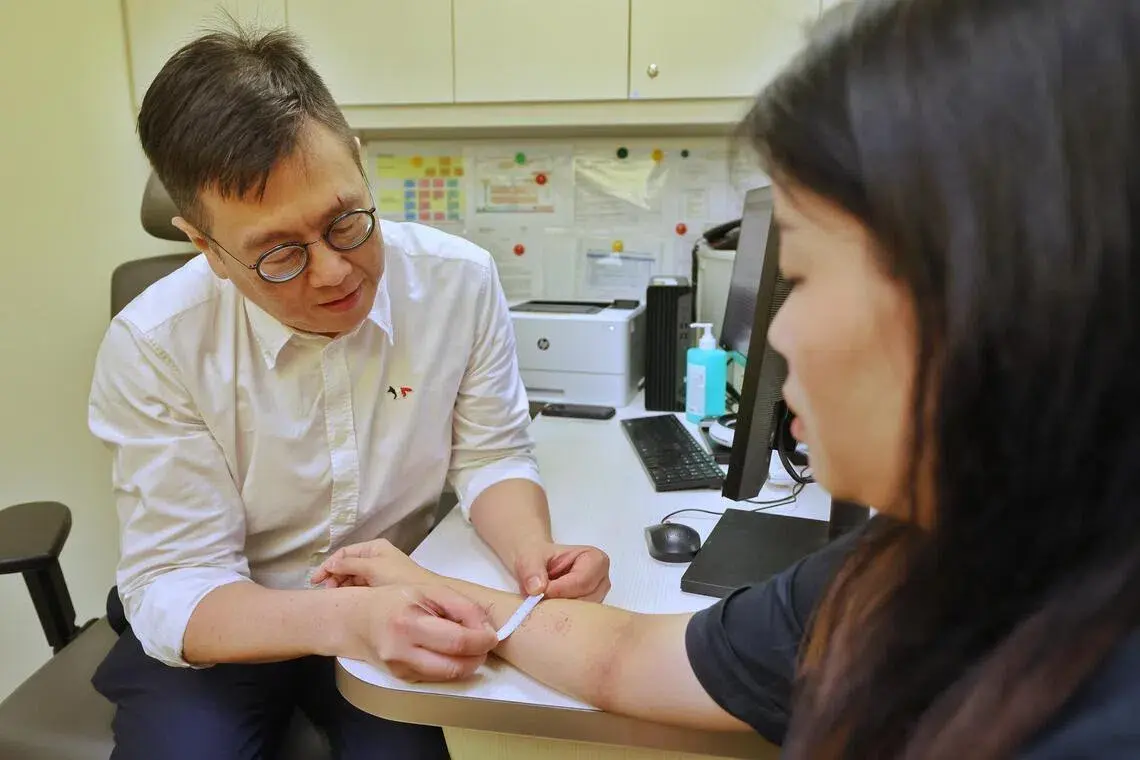
신헬스 듀크-NUS 알레르기 질환 센터를 이끄는 리하우웨 부교수는 해당 센터가 알레르기 대응에 있어 협력적 접근을 조율하고 환자들의 시간과 비용을 절감하는 데 도움을 줄 것이라고 밝혔다.
사진: 리안허 자오바오
딥퍼다이브는 베타 AI 기능입니다. 사실 확인을 위해 원문 기사를 참조하세요.
발행 2026년 4월 17일 오후 8:00
수정 2026년 4월 17일 오후 8:00
싱가포르 - 신헬스 듀크-NUS 알레르기 질환 센터(SDADC)가 4월 17일 개소되어 환자들이 여러 병원의 다양한 전문의를 진료받는 데 소요되는 시간과 비용을 줄이게 되었다.
알레르기 질환은 "단독으로 발생하는 경우가 드물기 때문에" 질병의 전 범위에 대한 최적의 치료를 위해서는 전문 분야 간의 협력적이고 환자 중심의 접근이 필수적이라고 센터장인 리하우웨 부교수는 말했다.
싱가포르 종합병원(SGH) 피부과 선임 컨설턴트인 리 교수는 SDADC가 "(신헬스) 클러스터 내 다양한 학문 분야의 의사들이 협력하여 조율된 치료를 제공하고 싱가포르에서 알레르기 질환의 증가하는 유병률과 복잡성을 해결하기 위한 플랫폼"이라고 설명했다.
싱가포르인 4명 중 1명은 천식, 알레르기성 비염(꽃가루 알레르기), 습진, 식품 및 약물 알레르기 등의 질환을 앓고 있다.
그러나 많은 환자들이 다양한 과민 반응을 처리하면서 다른 의사들을 찾아다니며 자원이 중복되는 경우가 많고, 더 심한 증상을 보이는 환자들은 여전히 진단을 받지 못하거나 적절한 치료를 받지 못하고 있다.
해당 센터는 탄키아트하우 보건부 고위 국무장관에 의해 4월 17일 열린 제26회 SGH 연례 과학 회의에서 개소되었다.
연설에서 탄 장관은 "진정한 의료 우수성은 고립된 노력에서가 아니라 기관, 학문 분야, 진료 환경 전반에 걸친 협력적 행동에서 나온다"고 말했다.
전통적인 전문 분야 중심 접근법은 "환자들이 다양한 전문의를 찾아다니면서 단편적인 치료와 자원 중복을 초래하는" 것과 달리, SDADC는 기관 간 서비스와 연구를 일치시킨다고 탄 장관은 설명했다.
"이는 KKH(KK 여성아동병원)에서 처음 진료받은 만성 중증 습진을 앓는 아동이 SGH에서 성인 진료로 원활하게 전환될 수 있고, 여러 알레르기 질환을 앓는 환자가 피부과, 류마티스내과, 호흡기내과 등 다양한 전문 분야를 찾아다니는 대신 통합 치료를 받을 수 있음을 의미한다"고 그는 덧붙였다.
탄 장관은 SDADC가 스마트 데이터와 분석을 활용한 알레르기 데이터베이스를 개발하여 "고위험 환자를 식별하고 치료 결과를 추적"할 것이라고 말했다.
알레르기는 종종 어린 시절에 발생하지만, 면역 체계가 갑자기 반응을 바꿀 수 있기 때문에 나중에 생활에서도 발생할 수 있다.
의사들은 또한 성인에서 새로운 알레르기를 개발하는 사례가 증가하고 있다고 확인했지만, 이 추세에 대한 공공 데이터는 거의 없다.
센터 개소식 후 기자들과 인터뷰한 리 교수는 "핵심 목표 중 하나는 실제로 해당 데이터, 개인이 알레르기를 개발할 가능성이 있는지, 알레르기에서 벗어나는지, 치료에 잘 반응하는지에 대한 정보를 얻을 수 있는 저장소를 갖는 것"이라고 말했다.
"이를 확립함으로써 우리는 중증 습진, 천식, 식품 알레르기 등 다양한 알레르기 질환에 대해 소아에서 성인 서비스로의 진료 연속성을 보장할 수 있을 것"이라고 그는 덧붙였다.
해당 센터는 또한 부정확한 알레르기 라벨을 검토하고 제거하는 프로그램도 시작할 예정이다.
항생제에 알레르기가 있다고 알려진 환자 중 실제로 항생제에 알레르기가 있는 환자는 10%에 불과하다고 리 교수는 말했다. "나머지는 설사 등의 부작용을 보이고 잘못 알레르기로 분류되었다. 우리 센터에서는 피부 반응 검사나 혈액 검사를 사용하여 적극적으로 평가하고 부정확한 라벨을 제거하고자 한다"고 그는 덧붙였다.
그는 센터가 신헬스 클러스터 내 알레르기 데이터베이스를 개발하고 연구실 발견을 알레르기의 임상 도구로 전환하는 연구를 발전시킬 뿐만 아니라, 교육을 통해 의사들의 역량을 강화할 것이라고 덧붙였다.
싱가포르의 다른 두 개 의료 클러스터는 알레르기 질환 환자 치료에 대해 다른 접근 방식을 취하고 있다.
NHG 헬스 산하에서 국립피부센터는 약물 유발 피부 부작용과 식품 알레르기 환자를 진료하고, 탄톡센병원 류마티스내과·알레르기·면역학과는 아나필락시스, 약물 알레르기, 식품 알레르기 및 불내증을 포함한 다양한 알레르기 및 면역 질환 환자에게 진료를 제공한다.
국립대학보건시스템(NUHS)의 성인 및 소아 알레르기 클리닉은 알레르기 질환을 앓는 성인과 어린이 모두에게 알레르기 평가 및 치료를 제공한다고 대변인은 밝혔다.
해당 클리닉은 표준 치료로 충분히 조절되지 않는 환자의 면역요법을 포함하여 이러한 질환에 대한 개별화된 치료도 제공한다.
NUHS는 또한 청소년기 알레르기 질환 환자의 성인 알레르기 서비스로의 진료 전환이 하나의 기관 내에서 원활하게 이루어진다고 밝혔다.
해당 알레르기 팀의 임상 서비스는 NUS 용루린 의과대학과 통합되어 있으며 약물 및 식품 알레르기 연구를 수행한다.
'스마트 데이터, 공유 목적, 원활한 진료'를 주제로 한 이틀간의 제26회 SGH 연례 과학 회의에는 SGH와 아웃람 캠퍼스 전역의 기관에서 의사, 간호사, 진단 및 연합 건강 전문가들이 제출한 160건 이상의 초록이 접수되었다.
사진: 리안허 자오바오
딥퍼다이브는 베타 AI 기능입니다. 사실 확인을 위해 원문 기사를 참조하세요.
발행 2026년 4월 17일 오후 8:00
수정 2026년 4월 17일 오후 8:00
싱가포르 - 신헬스 듀크-NUS 알레르기 질환 센터(SDADC)가 4월 17일 개소되어 환자들이 여러 병원의 다양한 전문의를 진료받는 데 소요되는 시간과 비용을 줄이게 되었다.
알레르기 질환은 "단독으로 발생하는 경우가 드물기 때문에" 질병의 전 범위에 대한 최적의 치료를 위해서는 전문 분야 간의 협력적이고 환자 중심의 접근이 필수적이라고 센터장인 리하우웨 부교수는 말했다.
싱가포르 종합병원(SGH) 피부과 선임 컨설턴트인 리 교수는 SDADC가 "(신헬스) 클러스터 내 다양한 학문 분야의 의사들이 협력하여 조율된 치료를 제공하고 싱가포르에서 알레르기 질환의 증가하는 유병률과 복잡성을 해결하기 위한 플랫폼"이라고 설명했다.
싱가포르인 4명 중 1명은 천식, 알레르기성 비염(꽃가루 알레르기), 습진, 식품 및 약물 알레르기 등의 질환을 앓고 있다.
그러나 많은 환자들이 다양한 과민 반응을 처리하면서 다른 의사들을 찾아다니며 자원이 중복되는 경우가 많고, 더 심한 증상을 보이는 환자들은 여전히 진단을 받지 못하거나 적절한 치료를 받지 못하고 있다.
해당 센터는 탄키아트하우 보건부 고위 국무장관에 의해 4월 17일 열린 제26회 SGH 연례 과학 회의에서 개소되었다.
연설에서 탄 장관은 "진정한 의료 우수성은 고립된 노력에서가 아니라 기관, 학문 분야, 진료 환경 전반에 걸친 협력적 행동에서 나온다"고 말했다.
전통적인 전문 분야 중심 접근법은 "환자들이 다양한 전문의를 찾아다니면서 단편적인 치료와 자원 중복을 초래하는" 것과 달리, SDADC는 기관 간 서비스와 연구를 일치시킨다고 탄 장관은 설명했다.
"이는 KKH(KK 여성아동병원)에서 처음 진료받은 만성 중증 습진을 앓는 아동이 SGH에서 성인 진료로 원활하게 전환될 수 있고, 여러 알레르기 질환을 앓는 환자가 피부과, 류마티스내과, 호흡기내과 등 다양한 전문 분야를 찾아다니는 대신 통합 치료를 받을 수 있음을 의미한다"고 그는 덧붙였다.
탄 장관은 SDADC가 스마트 데이터와 분석을 활용한 알레르기 데이터베이스를 개발하여 "고위험 환자를 식별하고 치료 결과를 추적"할 것이라고 말했다.
알레르기는 종종 어린 시절에 발생하지만, 면역 체계가 갑자기 반응을 바꿀 수 있기 때문에 나중에 생활에서도 발생할 수 있다.
의사들은 또한 성인에서 새로운 알레르기를 개발하는 사례가 증가하고 있다고 확인했지만, 이 추세에 대한 공공 데이터는 거의 없다.
센터 개소식 후 기자들과 인터뷰한 리 교수는 "핵심 목표 중 하나는 실제로 해당 데이터, 개인이 알레르기를 개발할 가능성이 있는지, 알레르기에서 벗어나는지, 치료에 잘 반응하는지에 대한 정보를 얻을 수 있는 저장소를 갖는 것"이라고 말했다.
"이를 확립함으로써 우리는 중증 습진, 천식, 식품 알레르기 등 다양한 알레르기 질환에 대해 소아에서 성인 서비스로의 진료 연속성을 보장할 수 있을 것"이라고 그는 덧붙였다.
해당 센터는 또한 부정확한 알레르기 라벨을 검토하고 제거하는 프로그램도 시작할 예정이다.
항생제에 알레르기가 있다고 알려진 환자 중 실제로 항생제에 알레르기가 있는 환자는 10%에 불과하다고 리 교수는 말했다. "나머지는 설사 등의 부작용을 보이고 잘못 알레르기로 분류되었다. 우리 센터에서는 피부 반응 검사나 혈액 검사를 사용하여 적극적으로 평가하고 부정확한 라벨을 제거하고자 한다"고 그는 덧붙였다.
그는 센터가 신헬스 클러스터 내 알레르기 데이터베이스를 개발하고 연구실 발견을 알레르기의 임상 도구로 전환하는 연구를 발전시킬 뿐만 아니라, 교육을 통해 의사들의 역량을 강화할 것이라고 덧붙였다.
싱가포르의 다른 두 개 의료 클러스터는 알레르기 질환 환자 치료에 대해 다른 접근 방식을 취하고 있다.
NHG 헬스 산하에서 국립피부센터는 약물 유발 피부 부작용과 식품 알레르기 환자를 진료하고, 탄톡센병원 류마티스내과·알레르기·면역학과는 아나필락시스, 약물 알레르기, 식품 알레르기 및 불내증을 포함한 다양한 알레르기 및 면역 질환 환자에게 진료를 제공한다.
국립대학보건시스템(NUHS)의 성인 및 소아 알레르기 클리닉은 알레르기 질환을 앓는 성인과 어린이 모두에게 알레르기 평가 및 치료를 제공한다고 대변인은 밝혔다.
해당 클리닉은 표준 치료로 충분히 조절되지 않는 환자의 면역요법을 포함하여 이러한 질환에 대한 개별화된 치료도 제공한다.
NUHS는 또한 청소년기 알레르기 질환 환자의 성인 알레르기 서비스로의 진료 전환이 하나의 기관 내에서 원활하게 이루어진다고 밝혔다.
해당 알레르기 팀의 임상 서비스는 NUS 용루린 의과대학과 통합되어 있으며 약물 및 식품 알레르기 연구를 수행한다.
'스마트 데이터, 공유 목적, 원활한 진료'를 주제로 한 이틀간의 제26회 SGH 연례 과학 회의에는 SGH와 아웃람 캠퍼스 전역의 기관에서 의사, 간호사, 진단 및 연합 건강 전문가들이 제출한 160건 이상의 초록이 접수되었다.
처리 완료
190 tokens · $0.0004
기사 수집 완료 · 21:20
매체 피드에서 기사 메타데이터 수집
헤드라인 번역 완료 · 21:36
제목/요약 한국어 번역 (fetch 시점 inline)
kimi-k2.5
190 tokens
$0.00038
4.2s
본문 추출 완료
5,563자 추출 완료
본문 한국어 번역 완료 · 21:36
2,622자 번역 완료
지정학적 엔티티 추출 완료 · 21:36
7개 엔티티 추출 완료
지정학적 맥락 & R-Scanner
R-Scanner · 핫스팟
z=1.55
평소보다 훨씬 많은 매체가 집중 보도 중 — 기준: Singapore
(🇸🇬 SG)
최근 6시간 14건
7일 평균 9.07건 / 6h
1개국 매체
2개 매체
본문에서 추출된 지명 (7)
Singapore
🇸🇬
Singapore General Hospital
🇸🇬
KK Women's and Children's Hospital
🇸🇬
Tan Tock Seng Hospital
🇸🇬
National Skin Centre
🇸🇬
NUS Yong Loo Lin School of Medicine
🇸🇬
Outram Campus
🇸🇬
위치 지도
지도 로딩 중…
같은 주제의 다른 기사 (최근 7일)
The new SingHealth Duke-NUS Allergic Diseases Centre (SDADC) was launched on April 17.
Associate Professor Lee Haur Yueh, who helms the SingHealth Duke-NUS Allergic Diseases Centre, said the centre will coordinate approach in dealing with allergies and help patients cut down time and costs.PHOTO: LIANHE ZAOBAO
DeeperDive is a beta AI feature. Refer to full articles for the facts.
Published Apr 17, 2026, 08:00 PM
Updated Apr 17, 2026, 08:00 PM
SINGAPORE - The new SingHealth Duke-NUS Allergic Diseases Centre (SDADC) was launched on April 17 to cut down the amount of time and money patients spend to consult various specialists at different hospitals.
As allergic diseases “rarely occur in isolation”, a coordinated, patient-centred approach across specialities is essential to optimise care for a full spectrum of the disease, said Associate Professor Lee Haur Yueh, who helms the centre.
Prof Lee, who is a senior consultant in the Department of Dermatolgy at the Singapore General Hospital (SGH), said SDADC is “a platform for doctors in the different disciplines within the (SingHealth) cluster to come together to provide coordinated care and address the increasing prevalence and complexity of allergic diseases in Singapore”.
One in four Singaporeans suffers from conditions such as asthma, allergic rhinitis (hay fever) and eczema; as well as from food and drug allergies.
Yet many of these patients see different doctors while dealing with their various hypersensitivities, often duplicating resources; and those with more severe symptoms still remain undiagnosed or receive inadequate treatment.
The centre was launched at the 26th SGH Annual Scientific Meeting on April 17 by Senior Minister of State for Health Tan Kiat How.
In his speech, Mr Tan said: “True healthcare excellence emerges not from isolated efforts, but from coordinated action across institutions, disciplines and care settings.”
Unlike traditional speciality-based approach, “which leads to fragmented treatment and resource duplication as patients navigate various specialists”, Mr Tan said SDADC aligns services and research across institutions.
“This means a child with chronic severe eczema first seen at KKH (KK Women’s and Children’s Hospital) can seamlessly transition to adult care at SGH, and a patient with multiple allergic conditions can receive integrated treatment rather than navigating various specialities that could span dermatology, rheumatology and respiratory medicine,” he added.
Mr Tan said SDADC will also develop an allergy database, “empowered by smart data and analytics, to identify high-risk patients (and) track treatment outcomes”.
Although allergies often occur during childhood, they are able to develop later in life as one’s immune system can suddenly change its response.
Doctors have also noticed a growing number of adults developing new allergies, but there is very little public data on the trend.
Speaking to reporters after the centre’s opening ceremony, Prof Lee said: “One of the key aims is really for us to have that data, a repository to be able to glean information on individuals who are likely to develop allergies, those who actually outgrow their allergies, and those who respond to treatment well.
“By establishing this, we will be able to ensure continuity of care from paediatric to adult services for the different allergic conditions such as severe eczema, asthma and food allergies.”
The centre will also be embarking on a programme to review and remove inaccurate allergy labels.
Only 10 per cent of patients said to be allergic to antibiotics are (actually) allergic to antibiotics, Prof Lee said. “The rest (of them presented) adverse reactions as diarrhoea and were wrongly labelled as an allergy. At the centre, we want to proactively evaluate using skin-prick or blood tests to ascertain and rid inaccurate labelling,” he added.
He added that the centre will not only develop an allergy database within the SingHealth cluster and advance research that will transform laboratory discoveries into clinical tools in allergies, it will also build competency among the doctors through education.
The other two healthcare clusters in Singapore have different approaches to treating patients with allergic diseases.
Under NHG Health, the National Skin Centre sees patients with drug-induced adverse skin reactions and food allergies, while the Department of Rheumatology, Allergy and Immunology at Tan Tock Seng Hospital provides care to patients with various allergic and immunologic disorders, including anaphylaxis, drug allergy, food allergy and intolerance.
National University Health System’s (NUHS) adult and paediatric allergy clinics provide allergy assessment and treatment for both adults and children with allergic diseases, a spokesman said.
The clinics also provide individualised treatments for these conditions, including immunotherapy in patients whose conditions are not sufficiently controlled with standard treatment.
NUHS also said that transition of care for adolescents with allergic diseases into the adult allergy service occurs seamlessly within one institution.
Its allergy team’s clinical services are integrated with the NUS Yong Loo Lin School of Medicine and conducts research in drug and food allergies.
The two-day 26th SGH Annual Scientific Meeting, themed Smart Data, Shared Purpose, Seamless Care, attracted over 160 abstract submissions by doctors, nurses, diagnostics and allied health professionals from SGH and institutes across the Outram Campus.
SGH/Singapore General Hospital
Duke-NUS Medical School
KK Women's and Children's Hospital