나치 검색 엔진, 조상이 히틀러 당원이었는지 확인 가능
Nazi search engine shows if ancestors were in Hitler's party
BBC News
· 🇬🇧 London, GB
EN
2026-04-15 08:13
Translated
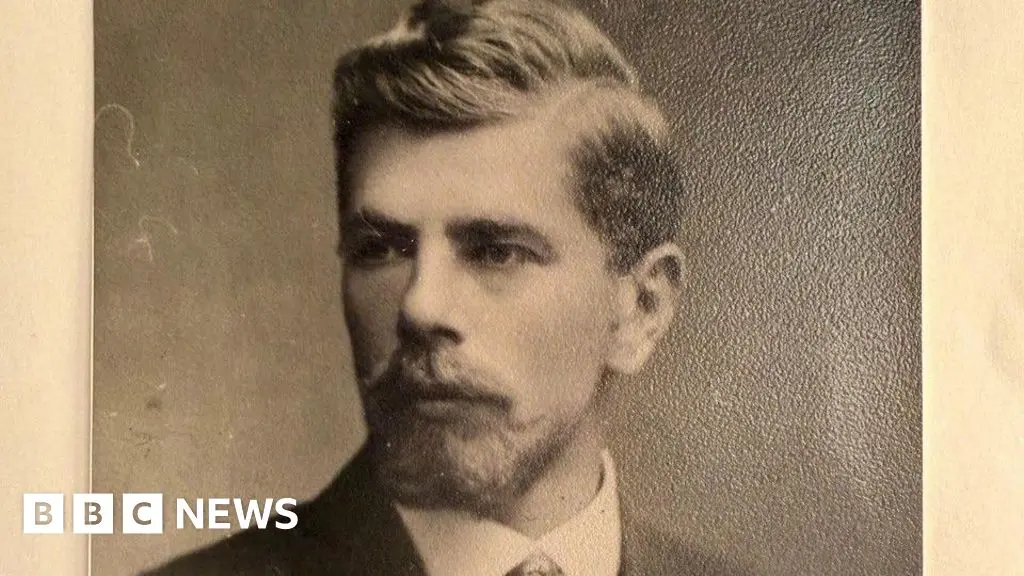
크리스티안 라이너는 BBC에 이 온라인 도구를 사용해 몇 초 만에 할아버지를 찾았으며, 가족의 다른 구성원들은 무관함을 확인하는 데도 도움이 되었다고 말했다.
새로운 독일 온라인 검색 엔진이 사람들이 조상이 나치당 당원이었는지 발견할 수 있도록 돕고 있다.
오스트리아 출신 크리스티안 라이너는 BBC에 할아버지의 이름을 "몇 초 만에" 찾았다고 말했다.
"그가 1938년 4월 21일경, 앙슐루스 직후 며칠 만에 나치당에 입당했음을 알게 됐다"며, 아돌프 히틀러가 오스트리아를 독일에 합병한 때라고 그는 설명했다.
이 온라인 도구는 수백만 건의 나치당 당원증, 즉 "NSDAP-Mitgliederkartei"를 검색할 수 있게 해준다.
"오스트리아에서 합법화된 지 불과 5일 만에 NSDAP(나치) 당원이 되기 위해 신청했다"고 오스트리아 뉴스 매거진 프로필의 전 편집장인 라이너는 말했다.
이 검색 도구는 독일 일간지 디 차이트가 독일과 미국의 기록보관소와 협력해 구축했다.
라이너는 1961년 자신이 태어나기 직전에 사망한 할아버지를 만난 적이 없다.
"그가 나치와 가까웠다는 것은 알고 있었지만, 불과 5일 만에 입당했다는 사실에 놀랐다"고 그는 말했다.
"그는 학자였다"며 라이너는 덧붙였다. "1938년에 나치가 누구인지 알았어야 했다."
라이너는 이 검색 엔진이 할아버지에 대해 알려준 것뿐만 아니라, 아버지를 포함한 가족의 다른 구성원들이 무관함을 확인하는 데 도움이 되었다고 말했다.
"가족 중 다른 누구도, 특히 아버지는 찾지 못해 다행이었다. 아버지가 나치였다고 의심한 적은 없었다. 1941년 국방군에 징집되어 몇 차례 부상을 입었다"고 그는 말했다.
디 차이트는 이 검색 엔진에 대한 반응이 "압도적"이라고 밝혔다.
디 차이트 대변인 유디트 부슈는 4월 초 출시 이후 "수백만 회 접속되고 수천 회 공유되었다"고 말했다.
한 사용자는 디 차이트 웹사이트에 "이미 두 명의 가까운 친척을 찾았는데, 우리 가족 중 누구도 관련되지 않았다는 신화가 깨졌다"고 글을 남겼다.
"71세에 관점이 바뀌는 것은 쓴 충격이다."
1925년부터 1945년 사이 약 1,020만 명의 독일인이 당원이 되었다.
뮌헨의 나치 본부에 보관되던 당원증은 제2차 세계대전 막바지에 거의 파괴될 뻔했다.
디 차이트는 히틀러의 제3제국이 폐허가 된 가운데 기록을 제지용 펄프로 만들라는 명령이 내려졌으나, 인근 제지소 소장 한스 후버가 이를 구해 나중에 미국인들에게 넘겼다고 전했다.
신원 확인에 도움이 된 이 카드들은 전후 독일의 비나치화 과정에서 핵심적인 역할을 했다.
거의 반세기 동안 이 카드들은 미국인들이 베를린 문서센터에 보관했다. 1994년 독일 연방기록보관소에 인계되었고, 마이크로필름 복사본은 워싱턴 D.C.의 미국 국립기록보관소로 보내졌다.
최근까지는 독일 기록보관소에 공식 요청을 해야만 조회가 가능했다. 올해 3월 미국 기록보관소가 온라인 기록 공개를 시작했다.
디 차이트는 이 데이터를 확보해 "문서를 백업하여 쉽게 검색할 수 있도록 만들었다"고 밝혔다.
크리스티안 라이너는 이 정보가 여전히 큰 반향을 일으키고 있다고 말했다.
그는 BBC에 이전의 연구는 "나중에 정치인, 판사, 의사가 된 고위급 인물들"에 초점이 맞춰져 있었다고 말했다.
"지금 많은 사람들이 가족 구성원을 찾고 있어 이제는 매우 개인적인 일이 되었다."
"세계대전 종전 80년이 지난 지금도, 이전에 몰랐던 진실을 발견할 수 있다"고 그는 말했다.
오스트리아 출신 크리스티안 라이너는 BBC에 할아버지의 이름을 "몇 초 만에" 찾았다고 말했다.
"그가 1938년 4월 21일경, 앙슐루스 직후 며칠 만에 나치당에 입당했음을 알게 됐다"며, 아돌프 히틀러가 오스트리아를 독일에 합병한 때라고 그는 설명했다.
이 온라인 도구는 수백만 건의 나치당 당원증, 즉 "NSDAP-Mitgliederkartei"를 검색할 수 있게 해준다.
"오스트리아에서 합법화된 지 불과 5일 만에 NSDAP(나치) 당원이 되기 위해 신청했다"고 오스트리아 뉴스 매거진 프로필의 전 편집장인 라이너는 말했다.
이 검색 도구는 독일 일간지 디 차이트가 독일과 미국의 기록보관소와 협력해 구축했다.
라이너는 1961년 자신이 태어나기 직전에 사망한 할아버지를 만난 적이 없다.
"그가 나치와 가까웠다는 것은 알고 있었지만, 불과 5일 만에 입당했다는 사실에 놀랐다"고 그는 말했다.
"그는 학자였다"며 라이너는 덧붙였다. "1938년에 나치가 누구인지 알았어야 했다."
라이너는 이 검색 엔진이 할아버지에 대해 알려준 것뿐만 아니라, 아버지를 포함한 가족의 다른 구성원들이 무관함을 확인하는 데 도움이 되었다고 말했다.
"가족 중 다른 누구도, 특히 아버지는 찾지 못해 다행이었다. 아버지가 나치였다고 의심한 적은 없었다. 1941년 국방군에 징집되어 몇 차례 부상을 입었다"고 그는 말했다.
디 차이트는 이 검색 엔진에 대한 반응이 "압도적"이라고 밝혔다.
디 차이트 대변인 유디트 부슈는 4월 초 출시 이후 "수백만 회 접속되고 수천 회 공유되었다"고 말했다.
한 사용자는 디 차이트 웹사이트에 "이미 두 명의 가까운 친척을 찾았는데, 우리 가족 중 누구도 관련되지 않았다는 신화가 깨졌다"고 글을 남겼다.
"71세에 관점이 바뀌는 것은 쓴 충격이다."
1925년부터 1945년 사이 약 1,020만 명의 독일인이 당원이 되었다.
뮌헨의 나치 본부에 보관되던 당원증은 제2차 세계대전 막바지에 거의 파괴될 뻔했다.
디 차이트는 히틀러의 제3제국이 폐허가 된 가운데 기록을 제지용 펄프로 만들라는 명령이 내려졌으나, 인근 제지소 소장 한스 후버가 이를 구해 나중에 미국인들에게 넘겼다고 전했다.
신원 확인에 도움이 된 이 카드들은 전후 독일의 비나치화 과정에서 핵심적인 역할을 했다.
거의 반세기 동안 이 카드들은 미국인들이 베를린 문서센터에 보관했다. 1994년 독일 연방기록보관소에 인계되었고, 마이크로필름 복사본은 워싱턴 D.C.의 미국 국립기록보관소로 보내졌다.
최근까지는 독일 기록보관소에 공식 요청을 해야만 조회가 가능했다. 올해 3월 미국 기록보관소가 온라인 기록 공개를 시작했다.
디 차이트는 이 데이터를 확보해 "문서를 백업하여 쉽게 검색할 수 있도록 만들었다"고 밝혔다.
크리스티안 라이너는 이 정보가 여전히 큰 반향을 일으키고 있다고 말했다.
그는 BBC에 이전의 연구는 "나중에 정치인, 판사, 의사가 된 고위급 인물들"에 초점이 맞춰져 있었다고 말했다.
"지금 많은 사람들이 가족 구성원을 찾고 있어 이제는 매우 개인적인 일이 되었다."
"세계대전 종전 80년이 지난 지금도, 이전에 몰랐던 진실을 발견할 수 있다"고 그는 말했다.
처리 완료
2,876 tokens · $0.0058
기사 수집 완료 · 09:20
매체 피드에서 기사 메타데이터 수집
헤드라인 번역 완료 · 09:35
제목/요약 한국어 번역 (fetch 시점 inline)
kimi-k2.5
182 tokens
$0.00035
6.0s
본문 추출 완료
3,439자 추출 완료
본문 한국어 번역 완료 · 09:35
1,635자 번역 완료
kimi-k2.5
2,694 tokens
$0.00540
48.6s
지정학적 엔티티 추출 완료 · 09:35
6개 엔티티 추출 완료
지정학적 맥락 & R-Scanner
R-Scanner · 평상
z=-2.85
일상적인 보도 수준 — 기준: Germany
(🇩🇪 DE)
최근 6시간 5건
7일 평균 17.11건 / 6h
5개국 매체
5개 매체
본문에서 추출된 지명 (6)
위치 지도
지도 로딩 중…
같은 주제의 다른 기사 (최근 7일)
Christian Rainer told the BBC he found his grandfather within seconds using the online tool, which also helped clear other members of his family.
A new German online search engine is helping people to discover if their ancestors were members of the Nazi Party.Christian Rainer, from Austria, told the BBC he found the name of his grandfather "within a few seconds".
"I found out that he became a member of the Nazi Party around 21st of April 1938, just a few days after the Anschluss," when Adolf Hitler annexed Austria to Germany, he said.
The online tool allows people to search through several million Nazi Party membership cards, the "NSDAP-Mitgliederkartei".
"He applied to become a member of the NSDAP (Nazi) Party, just five days after it became legal in Austria," Rainer, the former editor of the Austrian news magazine profil, said.
The search tool was set up by the German newspaper, Die Zeit, in cooperation with archives in Germany and in the United States.
Rainer never met his grandfather, who died shortly before he was born in 1961.
"I always knew that he was close to the Nazis, but I was surprised that it only took him five days" to join them, he said.
"He was an academic," Rainer added. "He should have known in 1938 who the Nazis were."
The search engine was important, Rainer said, not only for what it told him about his grandfather, but because it also helped clear other members of his family, including his father.
"I was happy I didn't find anyone else from my family, especially not my father. I had never suspected him of being a Nazi. He was drafted into (the Wehrmacht) in 1941 and wounded few times," he said.
Die Zeit said the response to the search engine has been "overwhelming".
It has been "accessed millions of times and shared thousands of times" since it was launched at the beginning of April, said Judith Busch, spokesperson for Die Zeit.
One user wrote on Die Zeit's website: "I've already found two close relatives, which destroys the myth that no one in our family was involved.
"To have my perspective changed at the age of 71 is a bitter shock."
Around 10.2 million Germans became members of the party between 1925 and 1945.
The membership cards, which were stored in the Nazi headquarters in Munich, almost got destroyed during the last days of World War Two.
Die Zeit said that with Hitler's Reich in ruins, orders were given for the records to be pulped, but they were saved by Hanns Huber, the director of a nearby paper mill, who later handed them over to the Americans.
The cards, which helped identify people, were to play a key role in the de-Nazification process in post-war Germany.
For almost half a century, the cards were kept by the Americans at the Berlin Document Center. In 1994, they were handed over to the German Federal Archives and microfilm copies were sent to the US National Archives in Washington DC.
Until recently it was only possible to make enquiries by making a formal request to the German Archives. In March this year, the US Archives began to make its records available online.
Die Zeit said it obtained the data, and "backed up the documents to make them easily searchable".
Christian Rainer said the information still has huge resonance.
Previously, research focused on "higher-ranking people who became politicians, judges or doctors later on", he told the BBC.
"A lot of people now are searching for family members so it's a very individual thing now."
"Eight decades on, after the end of the World War, you can still find out truth that you haven't known before," he said.