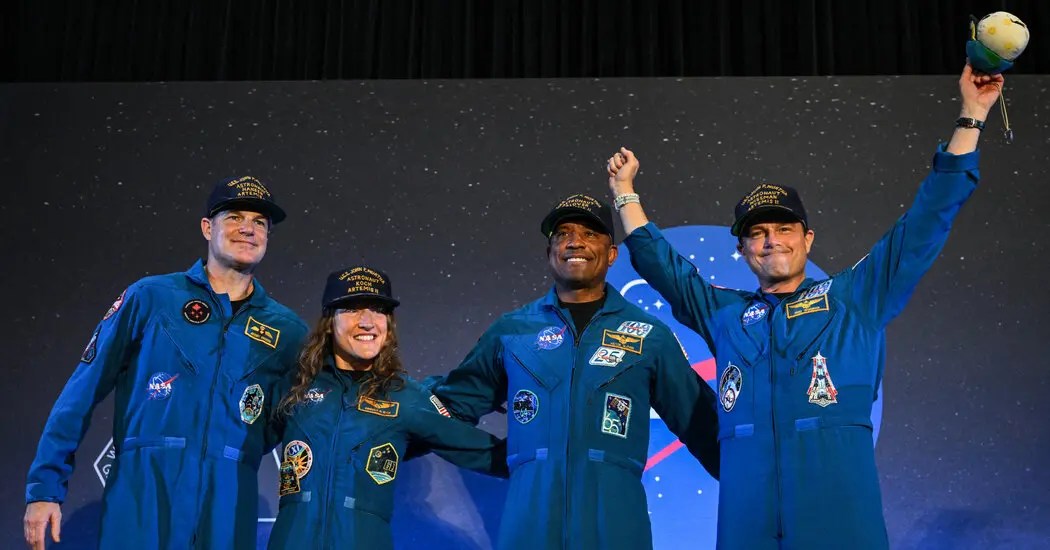
NASA의 아르테미스 II 우주비행사들, 10일간의 달 미션 후 친구와 가족과 재회
NASA’s Artemis II Astronauts Reunite With Friends and Family After 10-Day Moon Mission
The New York Times
· 🇺🇸 New York, US
Kenneth Chang
EN
2026-04-12 08:13
Translated
4명의 우주비행사들은 태평양에 착수한 지 하루 만에 휴스턴으로 감정 어린 귀환을 했으며, 이는 10일간의 달 여행을 마친 후의 일이었다.
달에 가서 돌아오는 것에 비하면, 샌디에이고에서 휴스턴으로 가는 비행은 작은 도약이었다.
그러나 NASA의 아르테미스 II의 4명의 승무원들, 50년 이상 만에 인류가 우주 심부로 떠난 첫 번째 여행에서 70만 마일 이상을 이동했던 그들에게 텍사스로 비행하는 것은 토요일 오후 친구들과 가족들과 재회하면서 그들의 여행의 감정적인 마지막 구간이었다.
"정말 뭐라고 말해야 할지 모르겠습니다," 미션 사령관인 리드 와이즈먼이 말했고, 환영 행사 중 청중으로부터 웃음이 터져 나왔다.
아르테미스 II 우주비행사들은 와이즈먼, NASA의 빅터 글로버와 크리스티나 코흐, 캐나다 우주국의 제러미 핸슨과 함께 NASA의 존슨 우주센터 근처인 휴스턴의 작은 공항인 엘링턴 필드의 무대에 앉았다.
달을 착륙하지 않고 주변을 빠르게 돌아다닌 후 지구로 돌아온 성공적인 10일간의 미션이 끝난 후 태평양에서 구출된 지 하루도 채 되지 않은 시점이었다.
"20시간 전에는 지구가 창밖에 농구공 정도 크기였습니다," 와이즈먼이 말했고, 손으로 대략적인 크기를 나타내며 "우리는 마하 39로 비행하고 있었습니다. 그리고 여기 우리는 집인 엘링턴에 돌아왔습니다."
NASA 관리자인 자레드 아이작맨과 캐나다 우주국의 회장인 리사 캠벨과 같은 우주 관계자들은 떠나가는 연설을 했고, NASA 존슨 우주센터가 있는 의회 지역구를 담당하는 공화당 대표인 브라이언 베빈과 같은 정치인들도 그러했다.
아이작맨은 몇 개월 전 와이즈먼이 인터뷰에서 아르테미스 II가 결국 잊혀지길 바란다고 말했다고 지적했으며, 이는 더 큰 우주 성취들에 의해 가려질 것이었다.
"하지만 여러분을 실망시켜 정말 죄송합니다," 아이작맨이 말했다. "아르테미스 II는 항상 기억될 것입니다."
그는 우주비행사들에게 감사했다. "달을 다시 우리에게 보여주셔서 감사합니다," 아이작맨이 말했다. "지구를 다시 우리에게 보여주셔서 감사합니다."
각 우주비행사들이 말했다. 각각이 통일과 인류가 행성을 공유한다는 주제에 대해 언급했다.
와이즈먼은 자신의 두 딸을 포함하여 지구상의 가족들에게 얼마나 어려웠는지 언급했다.
"집에서 20만 마일 이상 떨어져 있는 것은 쉽지 않았습니다," 그가 말했다. "발사하기 전에는 지구상에서 가장 위대한 꿈 같은 느낌이 들지만, 밖에 있을 때는 가족과 친구들에게 돌아가고 싶을 뿐입니다."
그는 "인간이 되는 것은 특별한 일이고, 지구에 있는 것도 특별한 일입니다"라고 덧붙였다.
4명의 우주비행사들은 그 후 서로 단체 포옹을 했으며, 이는 많은 포옹 중 하나였다.
조종사인 빅터 글로버가 짧게 말했다. "말하기 시작하는 것이 두렵습니다," 그가 말했다. "저는 우리가 방금 한 일을 아직 처리하지 못했으며, 시작하려는 것도 두렵습니다."
그는 8일 전 우주에서 했던 것처럼 하나님께 감사했다. "우리가 본 것, 우리가 한 일, 그리고 함께 있던 사람 때문에, 그것은 한 몸에 들어가기에는 너무 큽니다," 글로버가 말했다.
코흐는 이제 "crew"라는 단어가 자신에게 의미하는 바에 대해 언급했다 — "상관없이 항상 참여하는 그룹" — 그리고 달 근처에서 지구를 바라봤을 때, 그것이 "우주에 조용히 떠 있는 작은 구명보트"였다는 것에 대해.
그녀는 "제가 알게 된 새로운 것이 하나 있으며, 그것은: 지구, 당신은 한 crew입니다"라고 결론지었다.
핸슨은 사람들이 아르테미스 II 우주비행사들이 어떻게 함께 일했는지 좋아한다면, 그 기쁨은 모두가 공유할 수 있는 것이라고 말했다.
"제가 제안하고 싶은 것은, 당신이 여기를 볼 때, 당신은 우리를 보고 있는 것이 아니라는 것입니다," 그가 말했다. "우리는 당신을 반영하는 거울입니다. 그리고 당신이 보는 것을 좋아한다면, 그냥 조금 더 깊게 보세요."
타임스의 과학 기자인 케네스 창은 NASA와 태양계를 다루고 있으며, 지구에 더 가까운 연구를 커버한다.
그러나 NASA의 아르테미스 II의 4명의 승무원들, 50년 이상 만에 인류가 우주 심부로 떠난 첫 번째 여행에서 70만 마일 이상을 이동했던 그들에게 텍사스로 비행하는 것은 토요일 오후 친구들과 가족들과 재회하면서 그들의 여행의 감정적인 마지막 구간이었다.
"정말 뭐라고 말해야 할지 모르겠습니다," 미션 사령관인 리드 와이즈먼이 말했고, 환영 행사 중 청중으로부터 웃음이 터져 나왔다.
아르테미스 II 우주비행사들은 와이즈먼, NASA의 빅터 글로버와 크리스티나 코흐, 캐나다 우주국의 제러미 핸슨과 함께 NASA의 존슨 우주센터 근처인 휴스턴의 작은 공항인 엘링턴 필드의 무대에 앉았다.
달을 착륙하지 않고 주변을 빠르게 돌아다닌 후 지구로 돌아온 성공적인 10일간의 미션이 끝난 후 태평양에서 구출된 지 하루도 채 되지 않은 시점이었다.
"20시간 전에는 지구가 창밖에 농구공 정도 크기였습니다," 와이즈먼이 말했고, 손으로 대략적인 크기를 나타내며 "우리는 마하 39로 비행하고 있었습니다. 그리고 여기 우리는 집인 엘링턴에 돌아왔습니다."
NASA 관리자인 자레드 아이작맨과 캐나다 우주국의 회장인 리사 캠벨과 같은 우주 관계자들은 떠나가는 연설을 했고, NASA 존슨 우주센터가 있는 의회 지역구를 담당하는 공화당 대표인 브라이언 베빈과 같은 정치인들도 그러했다.
아이작맨은 몇 개월 전 와이즈먼이 인터뷰에서 아르테미스 II가 결국 잊혀지길 바란다고 말했다고 지적했으며, 이는 더 큰 우주 성취들에 의해 가려질 것이었다.
"하지만 여러분을 실망시켜 정말 죄송합니다," 아이작맨이 말했다. "아르테미스 II는 항상 기억될 것입니다."
그는 우주비행사들에게 감사했다. "달을 다시 우리에게 보여주셔서 감사합니다," 아이작맨이 말했다. "지구를 다시 우리에게 보여주셔서 감사합니다."
각 우주비행사들이 말했다. 각각이 통일과 인류가 행성을 공유한다는 주제에 대해 언급했다.
와이즈먼은 자신의 두 딸을 포함하여 지구상의 가족들에게 얼마나 어려웠는지 언급했다.
"집에서 20만 마일 이상 떨어져 있는 것은 쉽지 않았습니다," 그가 말했다. "발사하기 전에는 지구상에서 가장 위대한 꿈 같은 느낌이 들지만, 밖에 있을 때는 가족과 친구들에게 돌아가고 싶을 뿐입니다."
그는 "인간이 되는 것은 특별한 일이고, 지구에 있는 것도 특별한 일입니다"라고 덧붙였다.
4명의 우주비행사들은 그 후 서로 단체 포옹을 했으며, 이는 많은 포옹 중 하나였다.
조종사인 빅터 글로버가 짧게 말했다. "말하기 시작하는 것이 두렵습니다," 그가 말했다. "저는 우리가 방금 한 일을 아직 처리하지 못했으며, 시작하려는 것도 두렵습니다."
그는 8일 전 우주에서 했던 것처럼 하나님께 감사했다. "우리가 본 것, 우리가 한 일, 그리고 함께 있던 사람 때문에, 그것은 한 몸에 들어가기에는 너무 큽니다," 글로버가 말했다.
코흐는 이제 "crew"라는 단어가 자신에게 의미하는 바에 대해 언급했다 — "상관없이 항상 참여하는 그룹" — 그리고 달 근처에서 지구를 바라봤을 때, 그것이 "우주에 조용히 떠 있는 작은 구명보트"였다는 것에 대해.
그녀는 "제가 알게 된 새로운 것이 하나 있으며, 그것은: 지구, 당신은 한 crew입니다"라고 결론지었다.
핸슨은 사람들이 아르테미스 II 우주비행사들이 어떻게 함께 일했는지 좋아한다면, 그 기쁨은 모두가 공유할 수 있는 것이라고 말했다.
"제가 제안하고 싶은 것은, 당신이 여기를 볼 때, 당신은 우리를 보고 있는 것이 아니라는 것입니다," 그가 말했다. "우리는 당신을 반영하는 거울입니다. 그리고 당신이 보는 것을 좋아한다면, 그냥 조금 더 깊게 보세요."
타임스의 과학 기자인 케네스 창은 NASA와 태양계를 다루고 있으며, 지구에 더 가까운 연구를 커버한다.
처리 완료
3,838 tokens · $0.0108
기사 수집 완료 · 08:20
매체 피드에서 기사 메타데이터 수집
헤드라인 번역 완료 · 08:35
제목/요약 한국어 번역 (fetch 시점 inline)
claude-haiku-4-5-20251001
231 tokens
$0.00058
1.7s
본문 추출 완료
3,639자 추출 완료
본문 한국어 번역 완료 · 08:35
1,914자 번역 완료
claude-haiku-4-5-20251001
3,607 tokens
$0.01023
20.0s
지정학적 엔티티 추출 완료 · 08:35
8개 엔티티 추출 완료
지정학적 맥락 & R-Scanner
R-Scanner · 평상
z=-0.11
일상적인 보도 수준 — 기준: Houston
(🇺🇸 US)
최근 6시간 53건
7일 평균 53.82건 / 6h
11개국 매체
14개 매체
본문에서 추출된 지명 (8)
위치 지도
지도 로딩 중…
같은 주제의 다른 기사 (최근 7일)
The four astronauts made an emotional return to Houston a day after splashing down in the Pacific Ocean at the end of their 10-day lunar journey.
Compared with going to the moon and back, the flight from San Diego to Houston was a small hop.Yet for the four crew members of NASA’s Artemis II, who had traveled more than 700,000 miles on the first trip by humanity into deep space in more than half a century, flying to Texas was an emotional last leg of their journey as they reunited with friends and family on Saturday afternoon.
“I have absolutely no idea what to say,” Reid Wiseman, the mission’s commander, said, drawing laughter from the audience during a welcome-back ceremony.
The Artemis II astronauts — Mr. Wiseman, along with Victor Glover and Christina Koch of NASA and Jeremy Hansen of the Canadian Space Agency — sat on a stage at Ellington Field, a small airport in Houston near NASA’s Johnson Space Center.
It was less than a day after they were plucked out of the Pacific Ocean at the end of a successful 10-day mission that zipped around the moon without landing and then returned to Earth.
“Twenty hours ago, the Earth was that big out the window,” Mr. Wiseman said, his hands indicating something about the size of a basketball, “and we were doing Mach 39. And here we are back at Ellington, at home.”
Space officials like Jared Isaacman, the NASA administrator, and Lisa Campbell, the president of the Canadian Space Agency, gave valedictory speeches, as did politicians like Brian Babin, the Republican representative whose congressional district contains the NASA Johnson Space Center.
Mr. Isaacman noted that, a couple of months ago, Mr. Wiseman had said in an interview that he hoped Artemis II would eventually be forgotten, overshadowed by much greater space achievements to come.
“But I’m very sorry to disappoint you all,” Mr. Isaacman said. “Artemis II will always be remembered."
He thanked the astronauts. “Thank you for showing us the moon again,” Mr. Isaacman said. “Thank you for showing us planet Earth again.”
Each of the astronauts spoke. Each touched on the themes of unity and humanity sharing a planet.
Mr. Wiseman noted how difficult it was for the families back on Earth, including his two daughters.
“This was not easy, being 200,000 plus miles away from home,” he said. “Before you launch, it feels like it’s the greatest dream on Earth, and when you’re out there, you just want to get back to your families and your friends."
He added that “It’s a special thing to be a human, and it’s a special thing to be on planet Earth.”
The four astronauts then gave each other a group hug, one of many.
Victor Glover, the pilot, spoke briefly. “I’m afraid to start talking,” he said. “I have not processed what we just did, and I’m afraid to start even trying.”
He thanked God, as he had eight days earlier from space. “Because of seeing what we saw, doing what we did, and being with who I was with, it’s too big to be in one body,” Mr. Glover said.
Ms. Koch talked about what the word “crew” meant to her now — “a group that is in it all the time, no matter what” — and about how, when she looked at Earth from the neighborhood of the moon, it “was just this lifeboat hanging undisturbingly in the universe.”
She concluded, “There’s one new thing I know, and that is: Planet Earth, you are a crew.”
Mr. Hansen said that, if people liked how the Artemis II astronauts worked together, that joy was something everyone could share.
“I would suggest to you that, when you look up here, you’re not looking at us,” he said. “We are a mirror reflecting you. And if you like what you see, then just look a little deeper.”
Kenneth Chang, a science reporter at The Times, covers NASA and the solar system, and research closer to Earth.