북한 "비확산 체제에 대한 가장 시급한 도전"
N. Korea ‘most pressing challenge to the nonproliferation regime’
The Korea Herald
· 🇰🇷 Seoul, KR
Jung Min-kyung
EN
2026-04-28 15:40
Translated
남한의 핵 담당 최고 외교관이 북한의 핵 문제 해결의 긴급성을 강조하면서 비핵화에 대한 보다 유연하고 단계적 접근을 촉구했다고 외교부가 화요일 발표했다.
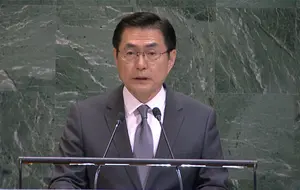
정연두 외교부 외교전략·정보담당 차관은 월요일 뉴욕에서 개최된 핵비확산조약(NPT) 검토회의에서 기조연설을 통해 이 같은 입장을 밝혔다.
정 차관은 연설에서 북한이 "NPT 체제로부터 이익을 얻은 유일한 사례이며, 탈퇴를 선언하고 핵무기 개발을 공개적으로 계속하고 있는" 국가라고 강조했다.
그는 북한이 "따라서 비확산 체제에 대한 가장 시급한 도전"이 되고 있다고 덧붙였다.
정 차관은 국제사회에 보안과 번영은 조약 체제로의 복귀를 통해서만 보장될 수 있다는 명확한 메시지를 보낼 것을 촉구했다.
또한 러시아에 대해 유엔 안전보장이사회 결의를 위반하는 북한과의 불법적 군사협력을 중단하고 전 지구적 비확산 체제 보호에 대한 책임을 다할 것을 촉구했다.
정 차관은 특히 오래된 용어인 "CVID"(완전하고 검증 가능하며 되돌릴 수 없는 폐기) 사용을 피하고 대신 비핵화에 대한 보다 현실적이고 단계별 접근을 강조했다.
정 차관은 남한이 한반도의 "완전한 비핵화"와 지속적 평화를 달성하기 위해 국제사회와 계속 협력할 것이라고 말했다.
그는 이준석 행정부의 "3단계 비핵화 접근법"을 재차 강조했으며, 이는 북한의 핵·미사일 프로그램 동결로 시작하여 감축과 최종 폐기로 이어진다.
이 행정부는 취임 이후 CVID 대신 "완전한 비핵화"라는 용어를 선호해 왔으며, 이는 기조의 변화를 신호하면서도 광범위한 정책 목표를 유지하고 평양과의 관계 개선을 위한 여지를 남기고 있다.
정 차관은 또한 자신이 묘사한 "핵 르네상스"를 언급하며 각국이 평화적 핵 에너지 이용의 이점을 누리면서도 비확산 및 안전 조치를 준수할 것을 희망한다고 표현했다.
1970년 발효된 NPT는 핵무기 확산을 방지하면서 핵 에너지의 평화적 이용을 촉진하기 위한 다자조약이다. 남한은 1975년 이 조약에 가입했다.
5년마다 개최되는 검토회의는 회원국들이 조약상 약속을 어떻게 이행하고 있는지 평가한다.
정연두 외교부 외교전략·정보담당 차관은 월요일 뉴욕에서 개최된 핵비확산조약(NPT) 검토회의에서 기조연설을 통해 이 같은 입장을 밝혔다.
정 차관은 연설에서 북한이 "NPT 체제로부터 이익을 얻은 유일한 사례이며, 탈퇴를 선언하고 핵무기 개발을 공개적으로 계속하고 있는" 국가라고 강조했다.
그는 북한이 "따라서 비확산 체제에 대한 가장 시급한 도전"이 되고 있다고 덧붙였다.
정 차관은 국제사회에 보안과 번영은 조약 체제로의 복귀를 통해서만 보장될 수 있다는 명확한 메시지를 보낼 것을 촉구했다.
또한 러시아에 대해 유엔 안전보장이사회 결의를 위반하는 북한과의 불법적 군사협력을 중단하고 전 지구적 비확산 체제 보호에 대한 책임을 다할 것을 촉구했다.
정 차관은 특히 오래된 용어인 "CVID"(완전하고 검증 가능하며 되돌릴 수 없는 폐기) 사용을 피하고 대신 비핵화에 대한 보다 현실적이고 단계별 접근을 강조했다.
정 차관은 남한이 한반도의 "완전한 비핵화"와 지속적 평화를 달성하기 위해 국제사회와 계속 협력할 것이라고 말했다.
그는 이준석 행정부의 "3단계 비핵화 접근법"을 재차 강조했으며, 이는 북한의 핵·미사일 프로그램 동결로 시작하여 감축과 최종 폐기로 이어진다.
이 행정부는 취임 이후 CVID 대신 "완전한 비핵화"라는 용어를 선호해 왔으며, 이는 기조의 변화를 신호하면서도 광범위한 정책 목표를 유지하고 평양과의 관계 개선을 위한 여지를 남기고 있다.
정 차관은 또한 자신이 묘사한 "핵 르네상스"를 언급하며 각국이 평화적 핵 에너지 이용의 이점을 누리면서도 비확산 및 안전 조치를 준수할 것을 희망한다고 표현했다.
1970년 발효된 NPT는 핵무기 확산을 방지하면서 핵 에너지의 평화적 이용을 촉진하기 위한 다자조약이다. 남한은 1975년 이 조약에 가입했다.
5년마다 개최되는 검토회의는 회원국들이 조약상 약속을 어떻게 이행하고 있는지 평가한다.
처리 완료
2,256 tokens · $0.0060
기사 수집 완료 · 15:40
매체 피드에서 기사 메타데이터 수집
헤드라인 번역 완료 · 15:56
제목/요약 한국어 번역 (fetch 시점 inline)
claude-haiku-4-5-20251001
97 tokens
$0.00019
1.1s
본문 추출 완료
2,441자 추출 완료
본문 한국어 번역 완료 · 15:56
1,032자 번역 완료
claude-haiku-4-5-20251001
2,159 tokens
$0.00580
10.1s
지정학적 엔티티 추출 완료 · 15:56
6개 엔티티 추출 완료
지정학적 맥락 & R-Scanner
R-Scanner · 평상
z=0.63
일상적인 보도 수준 — 기준: North Korea
(🇰🇵 KP)
최근 6시간 3건
7일 평균 1.93건 / 6h
2개국 매체
2개 매체
본문에서 추출된 지명 (6)
위치 지도
지도 로딩 중…
같은 주제의 다른 기사 (최근 7일)
South Korea’s top nuclear envoy underscored the urgency of resolving North Korea’s nuclear issue while calling for a more flexible, phased approach to denuclearization, the Foreign Ministry said Tuesday.
Jeong Yeon-doo, vice foreign minister for diplomatic strategy and intelligence, made the remarks in a keynote speech at the Nuclear Non-Proliferation Treaty (NPT) review conference held in New York on Monday.
In his address, Jeong stressed that North Korea is "the only case that has benefited from the NPT regime, announced its withdrawal and openly continued the development of nuclear weapons."
The country, he adds, "thereby (remains) the most pressing challenge to the nonproliferation regime.”
Jeong called on the international community to send a clear message that security and prosperity can only be ensured through a return to the treaty framework.
He also urged Russia to cease its illegal military cooperation with North Korea, which violates United Nations Security Council resolutions, and to fulfill its responsibilities in safeguarding the global nonproliferation regime.
Jeong notably avoided using the long-standing term “CVID” — complete, verifiable and irreversible dismantlement — instead highlighting a more realistic, step-by-step approach to denuclearization.
Jeong said South Korea would continue working with the international community to achieve the “complete denuclearization” of the Korean Peninsula and lasting peace.
He reiterated the Lee Jae Myung administration’s “three-stage denuclearization approach,” which begins with freezing North Korea’s nuclear and missile programs, followed by reductions and eventual dismantlement.
Since taking office, the Lee administration has favored the term “complete denuclearization” over CVID, signaling a shift in tone while maintaining its broader policy goal and leaving room for engagement with Pyongyang.
Jeong also pointed to what he described as a “nuclear renaissance,” expressing hope that countries would comply with nonproliferation and safety measures while benefiting from the peaceful use of nuclear energy.
The NPT, which entered into force in 1970, is a multilateral treaty aimed at preventing the spread of nuclear weapons while promoting the peaceful use of nuclear energy. South Korea joined the treaty in 1975.
The review conference, held every five years, assesses how member states are implementing their commitments under the pact.
Jeong Yeon-doo, vice foreign minister for diplomatic strategy and intelligence, made the remarks in a keynote speech at the Nuclear Non-Proliferation Treaty (NPT) review conference held in New York on Monday.
In his address, Jeong stressed that North Korea is "the only case that has benefited from the NPT regime, announced its withdrawal and openly continued the development of nuclear weapons."
The country, he adds, "thereby (remains) the most pressing challenge to the nonproliferation regime.”
Jeong called on the international community to send a clear message that security and prosperity can only be ensured through a return to the treaty framework.
He also urged Russia to cease its illegal military cooperation with North Korea, which violates United Nations Security Council resolutions, and to fulfill its responsibilities in safeguarding the global nonproliferation regime.
Jeong notably avoided using the long-standing term “CVID” — complete, verifiable and irreversible dismantlement — instead highlighting a more realistic, step-by-step approach to denuclearization.
Jeong said South Korea would continue working with the international community to achieve the “complete denuclearization” of the Korean Peninsula and lasting peace.
He reiterated the Lee Jae Myung administration’s “three-stage denuclearization approach,” which begins with freezing North Korea’s nuclear and missile programs, followed by reductions and eventual dismantlement.
Since taking office, the Lee administration has favored the term “complete denuclearization” over CVID, signaling a shift in tone while maintaining its broader policy goal and leaving room for engagement with Pyongyang.
Jeong also pointed to what he described as a “nuclear renaissance,” expressing hope that countries would comply with nonproliferation and safety measures while benefiting from the peaceful use of nuclear energy.
The NPT, which entered into force in 1970, is a multilateral treaty aimed at preventing the spread of nuclear weapons while promoting the peaceful use of nuclear energy. South Korea joined the treaty in 1975.
The review conference, held every five years, assesses how member states are implementing their commitments under the pact.