Mamdani는 Hudson Yards 확장을 위한 20억 달러 규모 거래 취소 압력에 직면
Mamdani Faces Pressure to Cancel $2 Billion Deal to Expand Hudson Yards
The New York Times
· 🇺🇸 New York, US
Dana Rubinstein
EN
2026-04-24 02:14
Translated
Related Companies가 Eric Adams와의 거래로 뉴욕시가 새로운 주택 건설을 위한 비용이 많이 드는 플랫폼 자금을 지원하기로 합의했습니다. 시장 Zohran Mamdani는 이 거래를 진행하는 것이 우선순위가 아니라고 말했습니다.
Eric Adams 전 시장의 재임 말기에 뉴욕시의 가장 크고 영향력 있는 개발업체 중 하나인 Related Companies와 거래를 체결했습니다. 맨해튼 철도 부지 위에 20억 달러 규모의 플랫폼을 건설하여 주로 럭셔리 주택을 지원하도록 납세자들이 자금을 지원하기로 했습니다.
그러나 이 합의는 시장의 공약만큼만 유효했으며, 그의 후임자인 Zohran Mamdani는 후보 시절 애매한 입장을 유지했습니다. 현재 시장으로서 Mamdani 씨는 이 프로젝트를 특히 우선순위로 간주하지 않는 신호를 보내고 있습니다.
시장 대변인은 행정부가 "현재 이 프로젝트를 앞으로 나아가기 위해 적극적으로 협상에 참여하고 있지 않다"고 말했습니다.
대변인 Matt Rauschenbach은 수요일 저녁 시장의 즉각적인 목표는 "다섯 자치구 전역에서 새로운 저가 주택 건설, 세입자 보호, 양질의 일자리 창출, 모든 뉴욕시민이 감당할 수 있는 도시 건설"이라고 말했습니다.
20억 달러 규모 플랫폼에 대한 행정부의 소극적 입장은 시장의 가장 가까운 동맹자들이 Mamdani 씨에게 거래를 취소하도록 설득하는 캠페인을 시작할 계획을 세우면서 나타났습니다.
그 캠페인의 일환으로 Mamdani 씨의 장기적이지 않은 시장 캠프 운동을 지원한 2만 명의 주로 흑인과 이민자 회원들로 이루어진 연합체인 New York Communities for Change는 목요일에 시의원 후보 Lindsey Boylan을 지지할 계획입니다. New York Communities for Change의 executive director인 Olivia Leirer에 따르면 Boylan 씨는 후보자 인터뷰에서 이 프로젝트에 반대 입장을 밝혔습니다.
의견 제시 요청에 응하지 않은 Boylan 씨는 최근 시장의 지지를 얻기도 했습니다.
연합체의 Boylan 씨에 대한 지지는 집회, 기자회견, 이 프로젝트를 비판하는 보고서 및 의견 기사를 포함할 것으로 예상되는 더 큰 규모의 수주 캠페인의 일부입니다.
"우리는 Mamdani 시장이 이러한 종류의 프로젝트에 투자하고 싶지 않을 것이라고 희망하고 믿고 있지만, 우리는 또한 그것을 당연하게 받아들일 수 없다는 것을 알고 있습니다"라고 Leirer 씨는 말했습니다. "우리는 이 문제를 제기하고 이를 하지 않겠다는 그의 약속을 얻는 것이 중요하다고 생각합니다."
Related 거래는 Adams 행정부의 말기에 이루어졌습니다. 개발업체는 Hudson Yards의 2단계를 완료하기 위해 20억 달러 규모 플랫폼의 비용을 충당할 방법을 찾고 있었습니다. Hudson Yards는 맨해튼의 Far West Side에 있는 고층 건물 숲으로 현재 미국에서 가장 높은 사무실 및 아파트 임대료를 자랑합니다.
Related는 플랫폼 자금 조달 문제를 해결하려고 수년간 노력해 왔습니다. 지난해 회사는 플랫폼을 건설하고 프로젝트를 완료하는 유일한 방법은 제안된 카지노의 수익을 사용하는 것이라고 주장했습니다. 지역 주민의 반대로 카지노 아이디어가 무산되자 회사는 도시에 도움을 청했습니다.
Related는 결국 Adams 행정부와 시의회를 설득하는 데 성공했습니다. 비용이 많이 드는 플랫폼과 그것으로부터 솟아날 주택 및 사무실 건물은 정부 지원이 있어야만 가능하다는 것입니다.
너무 빨리 합의되어 comptroller의 사무실이 "급히 진행되었다"고 불평한 거래는 시 기관이 새로운 개발을 위해 부채를 발행하고 Related가 그 부채를 갚는 데 사용될 할인된 세금을 납부하도록 요구했습니다. 기대는 개발의 재산 가치(및 재산세 수익)가 시간이 지남에 따라 증가할 것이고 프로젝트가 결국 자체적으로 비용을 지불할 것이라는 것입니다.
Related는 또한 건설할 시장 이하 레이트 아파트 수를 420개에서 최소 625개, 즉 총 4,000개 아파트의 약 16%로 늘리기로 동의했습니다.
그러나 Mamdani 시장 하에서 정치적 환경이 변했습니다. Mamdani의 부상은 회사의 지도부에 반대했으며, 새로운 시의회 의장은 대변인을 통해 수요일에 프로젝트의 운명은 전적으로 시장의 책임이라고 말했습니다.
시는 저가 주택 단위를 가진 개발을 정기적으로 보조하지만, 부동산 전문가들은 Hudson Yards에 이렇게 많은 공적 자금을 투자하는 것이 타당한지에 대해 논쟁합니다. 이론적으로 다른 곳에서 단위당 더 싼 비용으로 더 많은 아파트를 건설할 수 있을 때 말입니다.
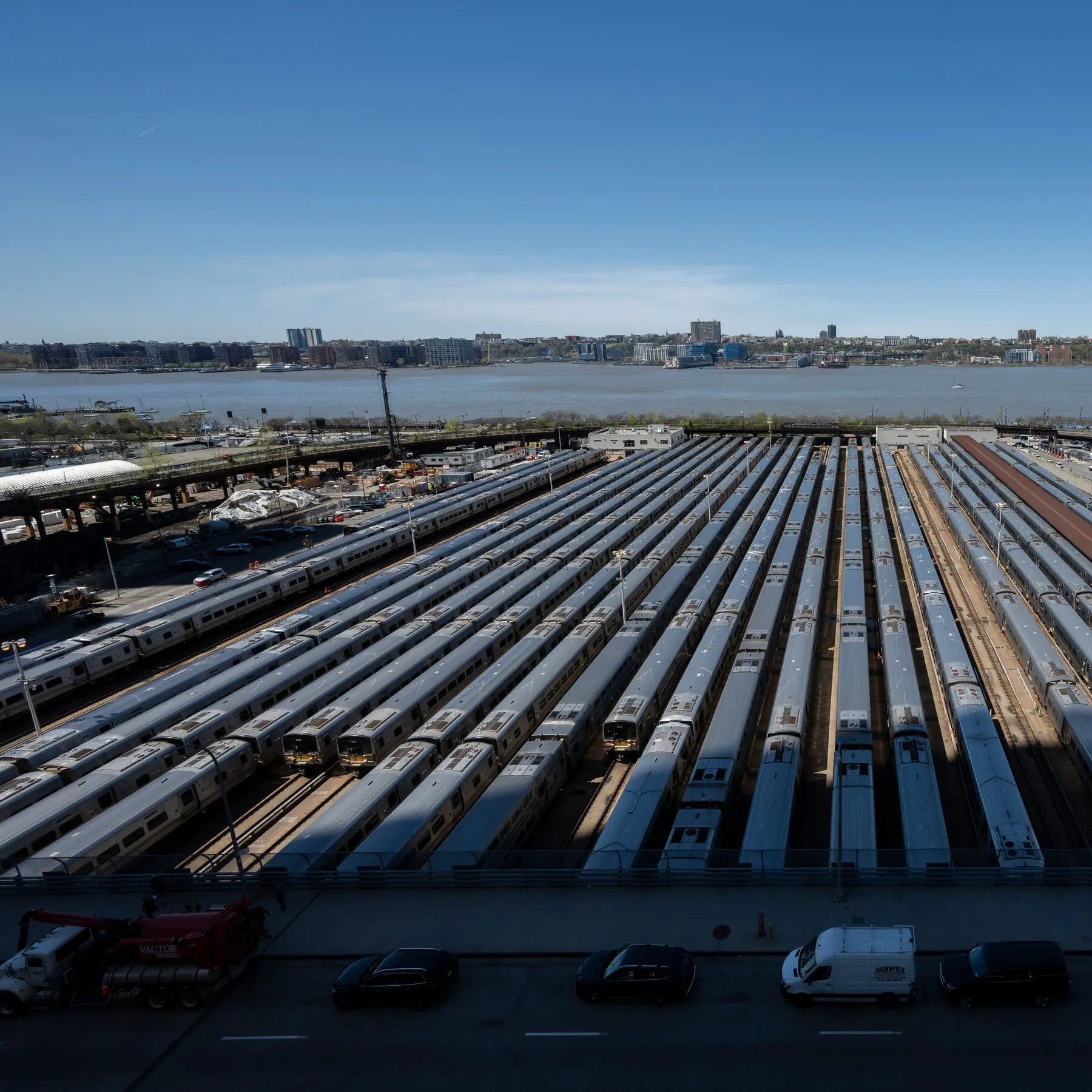
플랫폼은 11번가와 12번가 사이의 30번가 서쪽에서 33번가 서쪽까지의 철도 선로를 덮을 것이며, Hudson River의 방해받지 않는 전망을 가질 것입니다.
Related의 비평가들은 거래가 Hudson Yards 프로젝트의 첫 번째 절반에 대한 수십억 달러의 기존 보조금을 토대로 했다고 지적했습니다. 그들은 Related가 철도 부지의 동쪽 절반 위에 플랫폼을 자체 자금으로 조성했으며, 그 당시 개발이 더 투기적이었다고 지적했습니다. 그들은 시가 또한 Metropolitan Transportation Authority에 대한 Related의 임대료를 충당할 의지에 대해 고개를 저었습니다. 작년에는 3,600만 달러였으며 상승할 예정입니다. 그들은 또한 시가 현장에서 약속된 학교 및 공원 건설을 지원할 것이라는 개념에 문제를 제기했습니다.
Bill de Blasio 시장 아래 경제 개발 부시장을 역임한 Alicia Glen은 거래의 재무가 재평가되어야 한다고 주장했습니다.
"더 낮은 비용의 자본은 원래 예상했던 것보다 훨씬 더 많은 저가 주택을 생성하거나 프로젝트가 수익성 있는 경우 시에 실제 수익을 생성해야 합니다"라고 Glen 씨는 말했습니다. "또한 상승분을 공유할 준비가 되어 있지 않으면 민간 부문은 시장 조건이 변할 때마다 공공이 개입할 것으로 예상해서는 안 됩니다."
그러나 거래는 완전히 확정되지 않았습니다. 합의 구조에는 시장과 그가 통제하는 기관으로부터의 여러 승인이 필요합니다.
Related Companies의 대변인 Natalie Ravitz는 의견을 거부했습니다. 그러나 그녀는 미개발 부지를 공공-민간 파트너십을 통해 수천 개의 주택으로 변모시키는 것이 "실행 가능할 뿐만 아니라 작동하는 것으로 입증되었다"고 주장했습니다. 그녀는 또한 보조금이 필요했다고 말했습니다. 왜냐하면 시 의원들이 현장에 더 많은 주택을 요청했기 때문입니다.
거래 반대자들은 강력하게 동의하지 않습니다. Housing Justice for All의 executive director인 Sumathy Kumar는 "뉴욕시민들은 부동산 기부금에 지쳐 있습니다"라고 말했습니다. 그녀는 덧붙였습니다. "지난 11월 백만 명 이상의 우리가 우리의 주택 위기를 해결하기 위한 다른 접근 방식에 투표했으며, 이는 이 도시의 70%인 세입자 중심입니다."
Leirer 씨는 또한 거래가 정치적으로 거의 의미가 없다고 주장했습니다. Related의 chief executive인 Jeff Blau가 지난해 Mamdani를 패배시키기 위해 기울인 노력과 민주 사회주의 이념을 지향하는 Mamdani의 이념을 고려할 때, 이러한 기업 거래를 부정적으로 보는 경향이 있습니다.
그녀는 그녀의 그룹의 압박 전술이 필요했다고 말했습니다. Mamdani와 그의 팀이 "발을 디디고 있으며 자신이 입장을 표명해야 하는 모든 다양한 문제에 대해 생각하고 있기" 때문입니다.
그녀의 목표는 이 거래가 "레이더 아래로 미끄러지지" 않도록 하는 것이라고 말했습니다.
Dana Rubinstein은 The Times의 뉴욕시 정치 및 정부 관련 뉴스를 담당합니다.
그러나 이 합의는 시장의 공약만큼만 유효했으며, 그의 후임자인 Zohran Mamdani는 후보 시절 애매한 입장을 유지했습니다. 현재 시장으로서 Mamdani 씨는 이 프로젝트를 특히 우선순위로 간주하지 않는 신호를 보내고 있습니다.
시장 대변인은 행정부가 "현재 이 프로젝트를 앞으로 나아가기 위해 적극적으로 협상에 참여하고 있지 않다"고 말했습니다.
대변인 Matt Rauschenbach은 수요일 저녁 시장의 즉각적인 목표는 "다섯 자치구 전역에서 새로운 저가 주택 건설, 세입자 보호, 양질의 일자리 창출, 모든 뉴욕시민이 감당할 수 있는 도시 건설"이라고 말했습니다.
20억 달러 규모 플랫폼에 대한 행정부의 소극적 입장은 시장의 가장 가까운 동맹자들이 Mamdani 씨에게 거래를 취소하도록 설득하는 캠페인을 시작할 계획을 세우면서 나타났습니다.
그 캠페인의 일환으로 Mamdani 씨의 장기적이지 않은 시장 캠프 운동을 지원한 2만 명의 주로 흑인과 이민자 회원들로 이루어진 연합체인 New York Communities for Change는 목요일에 시의원 후보 Lindsey Boylan을 지지할 계획입니다. New York Communities for Change의 executive director인 Olivia Leirer에 따르면 Boylan 씨는 후보자 인터뷰에서 이 프로젝트에 반대 입장을 밝혔습니다.
의견 제시 요청에 응하지 않은 Boylan 씨는 최근 시장의 지지를 얻기도 했습니다.
연합체의 Boylan 씨에 대한 지지는 집회, 기자회견, 이 프로젝트를 비판하는 보고서 및 의견 기사를 포함할 것으로 예상되는 더 큰 규모의 수주 캠페인의 일부입니다.
"우리는 Mamdani 시장이 이러한 종류의 프로젝트에 투자하고 싶지 않을 것이라고 희망하고 믿고 있지만, 우리는 또한 그것을 당연하게 받아들일 수 없다는 것을 알고 있습니다"라고 Leirer 씨는 말했습니다. "우리는 이 문제를 제기하고 이를 하지 않겠다는 그의 약속을 얻는 것이 중요하다고 생각합니다."
Related 거래는 Adams 행정부의 말기에 이루어졌습니다. 개발업체는 Hudson Yards의 2단계를 완료하기 위해 20억 달러 규모 플랫폼의 비용을 충당할 방법을 찾고 있었습니다. Hudson Yards는 맨해튼의 Far West Side에 있는 고층 건물 숲으로 현재 미국에서 가장 높은 사무실 및 아파트 임대료를 자랑합니다.
Related는 플랫폼 자금 조달 문제를 해결하려고 수년간 노력해 왔습니다. 지난해 회사는 플랫폼을 건설하고 프로젝트를 완료하는 유일한 방법은 제안된 카지노의 수익을 사용하는 것이라고 주장했습니다. 지역 주민의 반대로 카지노 아이디어가 무산되자 회사는 도시에 도움을 청했습니다.
Related는 결국 Adams 행정부와 시의회를 설득하는 데 성공했습니다. 비용이 많이 드는 플랫폼과 그것으로부터 솟아날 주택 및 사무실 건물은 정부 지원이 있어야만 가능하다는 것입니다.
너무 빨리 합의되어 comptroller의 사무실이 "급히 진행되었다"고 불평한 거래는 시 기관이 새로운 개발을 위해 부채를 발행하고 Related가 그 부채를 갚는 데 사용될 할인된 세금을 납부하도록 요구했습니다. 기대는 개발의 재산 가치(및 재산세 수익)가 시간이 지남에 따라 증가할 것이고 프로젝트가 결국 자체적으로 비용을 지불할 것이라는 것입니다.
Related는 또한 건설할 시장 이하 레이트 아파트 수를 420개에서 최소 625개, 즉 총 4,000개 아파트의 약 16%로 늘리기로 동의했습니다.
그러나 Mamdani 시장 하에서 정치적 환경이 변했습니다. Mamdani의 부상은 회사의 지도부에 반대했으며, 새로운 시의회 의장은 대변인을 통해 수요일에 프로젝트의 운명은 전적으로 시장의 책임이라고 말했습니다.
시는 저가 주택 단위를 가진 개발을 정기적으로 보조하지만, 부동산 전문가들은 Hudson Yards에 이렇게 많은 공적 자금을 투자하는 것이 타당한지에 대해 논쟁합니다. 이론적으로 다른 곳에서 단위당 더 싼 비용으로 더 많은 아파트를 건설할 수 있을 때 말입니다.
플랫폼은 11번가와 12번가 사이의 30번가 서쪽에서 33번가 서쪽까지의 철도 선로를 덮을 것이며, Hudson River의 방해받지 않는 전망을 가질 것입니다.
Related의 비평가들은 거래가 Hudson Yards 프로젝트의 첫 번째 절반에 대한 수십억 달러의 기존 보조금을 토대로 했다고 지적했습니다. 그들은 Related가 철도 부지의 동쪽 절반 위에 플랫폼을 자체 자금으로 조성했으며, 그 당시 개발이 더 투기적이었다고 지적했습니다. 그들은 시가 또한 Metropolitan Transportation Authority에 대한 Related의 임대료를 충당할 의지에 대해 고개를 저었습니다. 작년에는 3,600만 달러였으며 상승할 예정입니다. 그들은 또한 시가 현장에서 약속된 학교 및 공원 건설을 지원할 것이라는 개념에 문제를 제기했습니다.
Bill de Blasio 시장 아래 경제 개발 부시장을 역임한 Alicia Glen은 거래의 재무가 재평가되어야 한다고 주장했습니다.
"더 낮은 비용의 자본은 원래 예상했던 것보다 훨씬 더 많은 저가 주택을 생성하거나 프로젝트가 수익성 있는 경우 시에 실제 수익을 생성해야 합니다"라고 Glen 씨는 말했습니다. "또한 상승분을 공유할 준비가 되어 있지 않으면 민간 부문은 시장 조건이 변할 때마다 공공이 개입할 것으로 예상해서는 안 됩니다."
그러나 거래는 완전히 확정되지 않았습니다. 합의 구조에는 시장과 그가 통제하는 기관으로부터의 여러 승인이 필요합니다.
Related Companies의 대변인 Natalie Ravitz는 의견을 거부했습니다. 그러나 그녀는 미개발 부지를 공공-민간 파트너십을 통해 수천 개의 주택으로 변모시키는 것이 "실행 가능할 뿐만 아니라 작동하는 것으로 입증되었다"고 주장했습니다. 그녀는 또한 보조금이 필요했다고 말했습니다. 왜냐하면 시 의원들이 현장에 더 많은 주택을 요청했기 때문입니다.
거래 반대자들은 강력하게 동의하지 않습니다. Housing Justice for All의 executive director인 Sumathy Kumar는 "뉴욕시민들은 부동산 기부금에 지쳐 있습니다"라고 말했습니다. 그녀는 덧붙였습니다. "지난 11월 백만 명 이상의 우리가 우리의 주택 위기를 해결하기 위한 다른 접근 방식에 투표했으며, 이는 이 도시의 70%인 세입자 중심입니다."
Leirer 씨는 또한 거래가 정치적으로 거의 의미가 없다고 주장했습니다. Related의 chief executive인 Jeff Blau가 지난해 Mamdani를 패배시키기 위해 기울인 노력과 민주 사회주의 이념을 지향하는 Mamdani의 이념을 고려할 때, 이러한 기업 거래를 부정적으로 보는 경향이 있습니다.
그녀는 그녀의 그룹의 압박 전술이 필요했다고 말했습니다. Mamdani와 그의 팀이 "발을 디디고 있으며 자신이 입장을 표명해야 하는 모든 다양한 문제에 대해 생각하고 있기" 때문입니다.
그녀의 목표는 이 거래가 "레이더 아래로 미끄러지지" 않도록 하는 것이라고 말했습니다.
Dana Rubinstein은 The Times의 뉴욕시 정치 및 정부 관련 뉴스를 담당합니다.
처리 완료
5,587 tokens · $0.0162
기사 수집 완료 · 03:20
매체 피드에서 기사 메타데이터 수집
헤드라인 번역 완료 · 11:51
제목/요약 한국어 번역 (fetch 시점 inline)
kimi-k2.5
0 tokens
$0.00000
0.1s
본문 추출 완료
6,817자 추출 완료
본문 한국어 번역 완료 · 11:51
3,729자 번역 완료
claude-haiku-4-5-20251001
5,587 tokens
$0.01620
35.5s
지정학적 엔티티 추출 완료 · 11:51
5개 엔티티 추출 완료
지정학적 맥락 & R-Scanner
R-Scanner · 평상
z=0.79
일상적인 보도 수준 — 기준: New York City
(🇺🇸 US)
최근 6시간 43건
7일 평균 38.07건 / 6h
8개국 매체
12개 매체
본문에서 추출된 지명 (5)
위치 지도
지도 로딩 중…
같은 주제의 다른 기사 (최근 7일)
Related Companies struck a deal with Eric Adams to have New York City finance a costly platform to facilitate new housing. Mayor Zohran Mamdani said advancing the deal was not a priority.
In Eric Adams’s waning days as mayor last year, he agreed to a deal with Related Companies, one of the biggest and most powerful developers in New York City, to have taxpayers finance a $2 billion platform over a Manhattan rail yard to support mostly luxury housing.But the agreement was only as good as the mayor’s commitment to it, and his successor, Zohran Mamdani, had been noncommittal as a candidate. Now, as mayor, Mr. Mamdani is signaling that he does not consider the project a particular priority.
A spokesman for the mayor said that the administration was “not actively engaged in negotiations to move this project forward at this time.”
The spokesman, Matt Rauschenbach, said on Wednesday evening that the mayor’s immediate goals were “building new affordable housing across the five boroughs, protecting tenants, creating good-paying jobs and building a city that every New Yorker can afford.”
The administration’s tepid view of the $2 billion platform comes as some of the mayor’s closest allies plan to start a campaign to convince Mr. Mamdani to kill the deal.
As part of that campaign, New York Communities for Change, a coalition of 20,000 largely Black and immigrant members who backed Mr. Mamdani when he began his long-shot mayoral campaign, plans on Thursday to endorse City Council candidate Lindsey Boylan. According to Olivia Leirer, the executive director of New York Communities for Change, Ms. Boylan came out against the project in a candidate interview.
Ms. Boylan, who did not respond to a request for comment, also recently won the mayor’s endorsement.
The coalition’s endorsement of Ms. Boylan is part of a larger, multiweek campaign that is expected to involve rallies, news conferences and reports and op-eds critiquing the project.
“We hope and believe that Mayor Mamdani will not want to invest in these kinds of projects, but we also know that we cannot take it as a given,” Ms. Leirer said. “We think that it’s important to elevate this issue and get a commitment from him to not do this.”
The Related deal came together at the tail end of the Adams administration, as the developer searched for a way to fund the costs of a $2 billion platform to complete the second phase of Hudson Yards, a forest of skyscrapers on Manhattan’s Far West Side that now boasts some of the country’s highest office and apartment rents.
Related has spent years trying to solve the platform funding puzzle. Last year, it argued that the only way to build the platform and complete the project would be to use the proceeds from a proposed casino. When neighborhood opposition killed the casino idea, the company turned to the city for help.
Related ultimately succeeded in convincing the Adams administration and the City Council that the expensive platform, and the housing and office buildings that would sprout from it, were only feasible with government support.
The agreement, which came together so quickly that the comptroller’s office complained it was “rushed,” called for a city entity to issue debt for the new development and for Related to pay discounted taxes that would go toward paying down that debt. The expectation was that the development’s property values (and property tax proceeds) would increase over time, and the project would ultimately pay for itself.
Related also agreed to increase the number of below-market-rate apartments it would build from 420 to at least 625, or about 16 percent of the 4,000 total apartments.
But the political environment has changed under Mr. Mamdani, whose ascension was opposed by the company’s leadership, and a new City Council speaker, who via a spokesman on Wednesday said the fate of the project rested entirely with the mayor.
The city routinely subsidizes developments that have affordable housing units, though real estate experts debate whether it makes sense to put so much public money behind Hudson Yards, when more apartments could theoretically be produced elsewhere on a cheaper per-unit basis.
The platform would cover rail tracks from West 30th to West 33rd Streets between 11th and 12th Avenues, with unobstructed views of the Hudson River.
Related’s critics noted that the deal came on top of billions of dollars in existing subsidies for the first half of the Hudson Yards project. They pointed out that Related financed the platform over the eastern half of the rail yards on its own, at a time when the development was more speculative. They balked at the city’s willingness to also cover Related’s rent to the Metropolitan Transportation Authority, which last year was $36 million and is slated to rise. They also took issue with the notion that the city would assist in the long-promised construction of a school and park on the site.
Alicia Glen, the former deputy mayor for economic development under Mayor Bill de Blasio, argued that the deal’s finances needed to be re-evaluated.
“More low-cost capital should either generate significantly more affordable housing than was originally contemplated or actual revenue to the city if the project is profitable,” Ms. Glen said. “Unless it’s also prepared to share in the upside, the private sector should not expect the public to step in whenever market conditions change.”
The deal, however, is not fully baked. The structure of the agreement requires several approvals from the mayor and from the entities he controls.
Natalie Ravitz, a spokeswoman for Related Companies, declined to comment. But she has argued that the transformation of the underdeveloped site into thousands of homes via a public-private partnership “is not only viable, but proven to work.” She has also said that the subsidies were necessary because city lawmakers requested more housing on the site.
Opponents to the deal strenuously disagree. Sumathy Kumar, the executive director of Housing Justice for All, whose former executive director, Cea Weaver, now works for Mr. Mamdani, said, “New Yorkers are tired of real estate giveaways.” She added, “This past November, more than a million of us voted for a different approach to solving our housing crisis, one that centers the 70 percent of this city that are tenants.”
Ms. Leirer also argued that the deal makes little political sense, given the efforts by Jeff Blau, the chief executive of Related, to defeat Mr. Mamdani last year, and Mr. Mamdani’s democratic socialist ideology, which tends to look askance at such corporate deals.
She said that her group’s pressure tactics were necessary because Mr. Mamdani and his team were “just getting their feet under them and getting their head around all of the different issues that they are needing to take positions on.”
The goal, she said, is to not let this deal “slip under the radar.”
Dana Rubinstein covers New York City politics and government for The Times.