리투아니아, 러시아 암살 및 파괴 음모 적발 발표
Lithuania Says It Broke Up Russian Sabotage and Murder Plots
The New York Times
· 🇺🇸 New York, US
Michael Schwirtz and Tomas Dapkus
EN
2026-05-01 13:01
Translated
9명의 체포는 워싱턴이 중동으로 관심을 돌린 시점에 러시아가 유럽에 제기하는 위협을 상기시킨다.
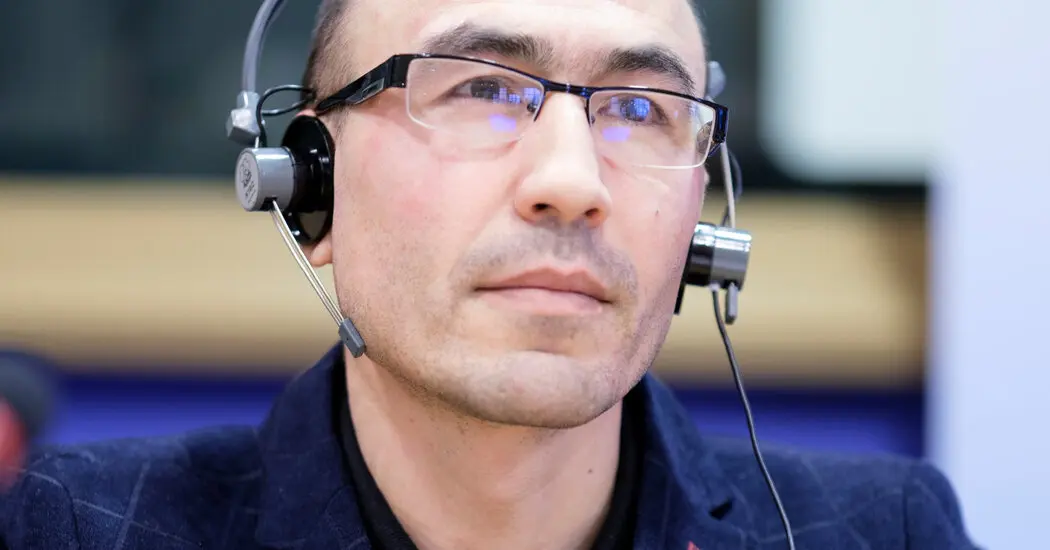
루슬란 가바소프는 자신의 활동이 러시아 보안 기관의 표적이 되었음을 알고 있었으므로, 지난 봄 자신의 차 엔진룸 아래에 숨겨진 애플 에어태그 추적 장치를 발견했을 때, 그것이 문제를 의미한다는 것을 이해했다.
그러나 얼마나 큰 문제인지는 알지 못했다.
소수민족 인권 옹호자인 가바소프가 2021년 러시아를 떠난 후 망명을 신청한 리투아니아에서 그 추적 장치의 발견은 리투아니아 당국의 1년에 걸친 광범위한 조사를 촉발했다. 이 조사는 이번 주 리투아니아 관리들이 러시아군 정보기관인 GRU의 지시로 유럽 전역에서 살인과 파괴 행위를 계획한 혐의로 9명의 체포를 발표하면서 절정에 달했다.
리투아니아 경찰의 성명에 따르면 이 그룹은 우크라이나로 향하던 군사 장비에 불을 질렀고 그리스 군사 시설을 감시했다. 체포된 자들 중에는 리투아니아에서 아내와 5살 아들과 함께 사는 가바소프의 집 밖에서 체포된 50대 남성이 포함되어 있다. 당국이 그리스와 러시아 국적을 소유했다고 밝힌 이 남성은 권총으로 무장하고 있었다고 경찰이 밝혔다.
가바소프는 맥도날드에서 커피를 마시고 있을 때 경찰이 "당신이 얼마나 위험한 상태에 있는지 전혀 모르실 겁니다"라고 다급하게 알려주는 전화를 받았다고 말했다.
"저는 러시아 비밀 기관의 관심 대상이라는 것을 알고 있었습니다"라고 가바소프는 전화 인터뷰에서 말했다. "하지만 그것이 살인까지 갈 줄은 생각하지 못했습니다."
이 사건은 워싱턴이 유럽 동부 전선과 우크라이나 전쟁에서 중동으로 관심을 돌린 시점에 러시아가 서방에 제기하는 위협을 상기시킨다. 서방 정보 관리들은 NATO, 유럽연합과 같은 기관을 해체하고 서방의 외교적 유대를 훼손하는 것이 러시아 대통령 블라디미르 푸틴의 핵심 외교 정책 목표로 남아 있다고 평가한다.
모스크바의 군사 활동과 병행하여 러시아의 정보 기관들은 여러 국가의 정보 기관에 따르면 수년에 걸쳐 기물 파괴에서 폭탄 테러, 방화, 살인 음모로 확대된 유럽의 파괴 캠페인을 벌여왔다. 우크라이나의 가장 큰 지지자인 국가들과 망명 중인 반푸틴 러시아인들이 주요 표적이 되었다. 폴란드의 군사 장비 운송에 사용되는 철로가 폭탄을 맞았고 우크라이나를 위한 물품을 보관하는 창고들이 영국과 스페인에서 불탔다.
지금까지 가장 극적인 음모는 DHL 화물 비행기에 실릴 예정인 소포 내부에 소이 장치를 설치하는 것을 포함했다. 두 장치는 영국과 독일의 배송 시설에서 발화했고 다른 하나는 폴란드의 트럭 내부에서 터졌다.
DHL 소포의 출발지인 리투아니아는 그 조사도 주도해 왔으며, 지금까지 대부분 현금 약속으로 러시아 정보 기관에 의해 온라인에서 모집된 대리인들의 체포로 이어진 12명 이상의 체포가 발생했다고 당국이 밝혔다.
대리인의 사용은 러시아 정보 기관이 사용하는 전형적인 전략이라고 서방 관리들이 말한다. 수요일 독일 당국은 러시아 정보 기관에 독일의 우크라이나 군사 지원에 대한 정보를 제공한 혐의로 카자흐 국적자의 체포를 발표했다.
러시아는 자신의 정보 기관이 파괴 행위와 살인에 연루되어 있다는 것을 반복적으로 부인했다.
가바소프와 관련된 사건에서 리투아니아 당국은 자신들이 적발한 네트워크가 그리스, 우크라이나, 러시아, 조지아, 라트비아, 몰도바, 리투아니아의 시민들을 포함했다고 말했다. 리투아니아 경찰 성명에 따르면 조사는 "행위자들과 GRU라고 공식적으로 불리는 러시아 연방 무장군 참모본부 주정보국의 이익을 위해 행동하는 살인을 지시한 자들 사이의 직접적인 연결을 확립했다"고 밝혔다.
"우리는 실제로 유럽연합 국가들, 그들의 국가 안보 이익, 그리고 어떤 방식으로든 우크라이나를 지지하는 개인들을 겨냥한 하이브리드형 범죄 행위들에 직면해 왔습니다"라고 리투아니아 형사경찰국 부국장 사울리우스 브리기나스가 월요일 기자회견에서 말했다. "이러한 범죄 행위의 성질과 목표는 러시아 연방의 그것과 일치합니다."
리투아니아 당국은 음모에 대한 세부 정보를 거의 공개하지 않았다. 그들은 우크라이나를 지지했거나 러시아에 맞선 여러 사람이 살인 표적이 되었다고 말했다. 구체적인 수를 제시하지 않았고 대부분 신원이 밝혀지지 않았다.
가바소프 외에도 발다스 바르트케비치우스라는 리투아니아 시민은 자신도 살인 표적이 되었다고 말했으며 당국이 이를 확인했다. 바르트케비치우스는 소비에트 제2차 세계대전 기념비를 훼손하고 모스크바 테러 공격 피해자 추도식에 대변 양동이를 가져온 것을 포함한 반러시아 시위로 악명을 얻었다.
"그들이 나를 죽이려고 하는 것이 논리적입니다"라고 바르트케비치우스가 우크라이나군을 지원하고 있는 우크라이나로부터의 전화 인터뷰에서 말했다.
에어태그에 대해 당국에 알린 후 46세인 가바소프는 자신이 잠재적 살해자들과의 "고양이와 쥐 게임"에서 미끼로 사용되었다고 말했다. 리투아니아 경찰은 그의 집과 자동차 근처에 감시 카메라를 설치했다. 그는 집을 떠날 계획이 있을 때와 돌아올 계획이 있을 때마다 경찰에 알리도록 지시받았다.
그러나 지난해 3월 가바소프는 가족과 함께 리투아니아의 소비에트 독립 기념일 축하 행사에 참석하기 위해 집을 떠날 때 경찰에 알리는 것을 잊었다. 그가 맥도날드에 있는 동안 무장한 남성이 그의 집 밖에 진을 쳤다. 그는 경찰이 체포된 그 남성이 필요하다면 "밤새" 가바소프가 돌아오기를 기다리기 위해 차려 입고 장비했다고 말했지만 다른 세부 정보는 거의 제공하지 않았다고 말했다.
그 체포는 이번 주에 다른 사람들과 함께 발표되었으며, 그 후속 조사가 뒤따랐다.
가바소프는 경찰이 증인 보호 프로그램에 자신을 포함시킬 것을 제안했지만 자신의 활동에서 물러나고 싶지 않아 거절했다. 그는 중부 러시아의 대부분 무슬림 지역인 자신의 모국인 바시코르토스탄의 독립을 위해 활동해 왔다. 이에 대응하여 러시아 당국은 그의 머리에 현상금을 걸었고 러시아판 테러 주시 명단에 그를 추가했다. 3월에 그는 부재중으로 14년의 징역형을 받았다.
리투아니아의 체포에도 불구하고 가바소프는 그 위협이 가라앉을 것으로 기대하지 않는다.
"이야기의 결말은 푸틴 체제가 붕괴될 때 올 것입니다"라고 그가 말했다.
마이클 슈워츠는 런던에 본부를 두고 있는 타임스의 글로벌 정보 특파원이다.
그러나 얼마나 큰 문제인지는 알지 못했다.
소수민족 인권 옹호자인 가바소프가 2021년 러시아를 떠난 후 망명을 신청한 리투아니아에서 그 추적 장치의 발견은 리투아니아 당국의 1년에 걸친 광범위한 조사를 촉발했다. 이 조사는 이번 주 리투아니아 관리들이 러시아군 정보기관인 GRU의 지시로 유럽 전역에서 살인과 파괴 행위를 계획한 혐의로 9명의 체포를 발표하면서 절정에 달했다.
리투아니아 경찰의 성명에 따르면 이 그룹은 우크라이나로 향하던 군사 장비에 불을 질렀고 그리스 군사 시설을 감시했다. 체포된 자들 중에는 리투아니아에서 아내와 5살 아들과 함께 사는 가바소프의 집 밖에서 체포된 50대 남성이 포함되어 있다. 당국이 그리스와 러시아 국적을 소유했다고 밝힌 이 남성은 권총으로 무장하고 있었다고 경찰이 밝혔다.
가바소프는 맥도날드에서 커피를 마시고 있을 때 경찰이 "당신이 얼마나 위험한 상태에 있는지 전혀 모르실 겁니다"라고 다급하게 알려주는 전화를 받았다고 말했다.
"저는 러시아 비밀 기관의 관심 대상이라는 것을 알고 있었습니다"라고 가바소프는 전화 인터뷰에서 말했다. "하지만 그것이 살인까지 갈 줄은 생각하지 못했습니다."
이 사건은 워싱턴이 유럽 동부 전선과 우크라이나 전쟁에서 중동으로 관심을 돌린 시점에 러시아가 서방에 제기하는 위협을 상기시킨다. 서방 정보 관리들은 NATO, 유럽연합과 같은 기관을 해체하고 서방의 외교적 유대를 훼손하는 것이 러시아 대통령 블라디미르 푸틴의 핵심 외교 정책 목표로 남아 있다고 평가한다.
모스크바의 군사 활동과 병행하여 러시아의 정보 기관들은 여러 국가의 정보 기관에 따르면 수년에 걸쳐 기물 파괴에서 폭탄 테러, 방화, 살인 음모로 확대된 유럽의 파괴 캠페인을 벌여왔다. 우크라이나의 가장 큰 지지자인 국가들과 망명 중인 반푸틴 러시아인들이 주요 표적이 되었다. 폴란드의 군사 장비 운송에 사용되는 철로가 폭탄을 맞았고 우크라이나를 위한 물품을 보관하는 창고들이 영국과 스페인에서 불탔다.
지금까지 가장 극적인 음모는 DHL 화물 비행기에 실릴 예정인 소포 내부에 소이 장치를 설치하는 것을 포함했다. 두 장치는 영국과 독일의 배송 시설에서 발화했고 다른 하나는 폴란드의 트럭 내부에서 터졌다.
DHL 소포의 출발지인 리투아니아는 그 조사도 주도해 왔으며, 지금까지 대부분 현금 약속으로 러시아 정보 기관에 의해 온라인에서 모집된 대리인들의 체포로 이어진 12명 이상의 체포가 발생했다고 당국이 밝혔다.
대리인의 사용은 러시아 정보 기관이 사용하는 전형적인 전략이라고 서방 관리들이 말한다. 수요일 독일 당국은 러시아 정보 기관에 독일의 우크라이나 군사 지원에 대한 정보를 제공한 혐의로 카자흐 국적자의 체포를 발표했다.
러시아는 자신의 정보 기관이 파괴 행위와 살인에 연루되어 있다는 것을 반복적으로 부인했다.
가바소프와 관련된 사건에서 리투아니아 당국은 자신들이 적발한 네트워크가 그리스, 우크라이나, 러시아, 조지아, 라트비아, 몰도바, 리투아니아의 시민들을 포함했다고 말했다. 리투아니아 경찰 성명에 따르면 조사는 "행위자들과 GRU라고 공식적으로 불리는 러시아 연방 무장군 참모본부 주정보국의 이익을 위해 행동하는 살인을 지시한 자들 사이의 직접적인 연결을 확립했다"고 밝혔다.
"우리는 실제로 유럽연합 국가들, 그들의 국가 안보 이익, 그리고 어떤 방식으로든 우크라이나를 지지하는 개인들을 겨냥한 하이브리드형 범죄 행위들에 직면해 왔습니다"라고 리투아니아 형사경찰국 부국장 사울리우스 브리기나스가 월요일 기자회견에서 말했다. "이러한 범죄 행위의 성질과 목표는 러시아 연방의 그것과 일치합니다."
리투아니아 당국은 음모에 대한 세부 정보를 거의 공개하지 않았다. 그들은 우크라이나를 지지했거나 러시아에 맞선 여러 사람이 살인 표적이 되었다고 말했다. 구체적인 수를 제시하지 않았고 대부분 신원이 밝혀지지 않았다.
가바소프 외에도 발다스 바르트케비치우스라는 리투아니아 시민은 자신도 살인 표적이 되었다고 말했으며 당국이 이를 확인했다. 바르트케비치우스는 소비에트 제2차 세계대전 기념비를 훼손하고 모스크바 테러 공격 피해자 추도식에 대변 양동이를 가져온 것을 포함한 반러시아 시위로 악명을 얻었다.
"그들이 나를 죽이려고 하는 것이 논리적입니다"라고 바르트케비치우스가 우크라이나군을 지원하고 있는 우크라이나로부터의 전화 인터뷰에서 말했다.
에어태그에 대해 당국에 알린 후 46세인 가바소프는 자신이 잠재적 살해자들과의 "고양이와 쥐 게임"에서 미끼로 사용되었다고 말했다. 리투아니아 경찰은 그의 집과 자동차 근처에 감시 카메라를 설치했다. 그는 집을 떠날 계획이 있을 때와 돌아올 계획이 있을 때마다 경찰에 알리도록 지시받았다.
그러나 지난해 3월 가바소프는 가족과 함께 리투아니아의 소비에트 독립 기념일 축하 행사에 참석하기 위해 집을 떠날 때 경찰에 알리는 것을 잊었다. 그가 맥도날드에 있는 동안 무장한 남성이 그의 집 밖에 진을 쳤다. 그는 경찰이 체포된 그 남성이 필요하다면 "밤새" 가바소프가 돌아오기를 기다리기 위해 차려 입고 장비했다고 말했지만 다른 세부 정보는 거의 제공하지 않았다고 말했다.
그 체포는 이번 주에 다른 사람들과 함께 발표되었으며, 그 후속 조사가 뒤따랐다.
가바소프는 경찰이 증인 보호 프로그램에 자신을 포함시킬 것을 제안했지만 자신의 활동에서 물러나고 싶지 않아 거절했다. 그는 중부 러시아의 대부분 무슬림 지역인 자신의 모국인 바시코르토스탄의 독립을 위해 활동해 왔다. 이에 대응하여 러시아 당국은 그의 머리에 현상금을 걸었고 러시아판 테러 주시 명단에 그를 추가했다. 3월에 그는 부재중으로 14년의 징역형을 받았다.
리투아니아의 체포에도 불구하고 가바소프는 그 위협이 가라앉을 것으로 기대하지 않는다.
"이야기의 결말은 푸틴 체제가 붕괴될 때 올 것입니다"라고 그가 말했다.
마이클 슈워츠는 런던에 본부를 두고 있는 타임스의 글로벌 정보 특파원이다.
처리 완료
5,458 tokens · $0.0158
기사 수집 완료 · 19:10
매체 피드에서 기사 메타데이터 수집
헤드라인 번역 완료 · 19:26
제목/요약 한국어 번역 (fetch 시점 inline)
claude-haiku-4-5-20251001
194 tokens
$0.00047
1.6s
본문 추출 완료
6,598자 추출 완료
본문 한국어 번역 완료 · 19:26
3,030자 번역 완료
claude-haiku-4-5-20251001
5,264 tokens
$0.01528
34.8s
지정학적 엔티티 추출 완료 · 19:26
8개 엔티티 추출 완료
지정학적 맥락 & R-Scanner
R-Scanner · 평상
z=-0.16
일상적인 보도 수준 — 기준: Lithuania
(🇱🇹 LT)
최근 6시간 0건
7일 평균 0.18건 / 6h
0개국 매체
0개 매체
본문에서 추출된 지명 (8)
위치 지도
지도 로딩 중…
같은 주제의 다른 기사 (최근 7일)
The arrests of nine people are reminders of the threat Russia poses in Europe at a time when Washington has shifted focus to the Middle East.
Ruslan Gabbasov knew his activism had made him a target of Russia’s security services, so when he found an Apple AirTag tracker hidden under the hood of his car last spring, he understood it meant trouble.Just not how much trouble.
The discovery of the tracking device triggered a sprawling, yearlong investigation by the authorities in Lithuania, where Mr. Gabbasov, an advocate for minority rights, had sought asylum after fleeing Russia in 2021. That investigation culminated this week when Lithuanian officials announced the arrests of nine people accused of plotting murders and sabotage across Europe at the behest of Russia’s military intelligence service, known as the G.R.U.
The group set fire to military equipment in Bulgaria that was destined for Ukraine and carried out surveillance of Greek military installations, according to a statement released by the Lithuanian police. Among those arrested was a man in his 50s captured outside Mr. Gabbasov’s home in Lithuania, where he lives with his wife and 5-year-old son. The man, who the authorities said had Greek and Russian citizenship, was armed with a pistol, the police said.
Mr. Gabbasov said he was at a McDonald’s, drinking coffee, when the police called, frantic, to tell him, “You simply have no idea the danger you’re in.”
“I understood that I was a person of interest for the Russian secret services,” Mr. Gabbasov said in a phone interview. “But I didn’t think it would go so far as murder.”
The case is a reminder of the threat Russia poses to the West at a time when Washington has shifted focus from Europe’s eastern flank and the war in Ukraine to the Middle East. Western intelligence officials assess that dismantling institutions like NATO and the European Union, and undermining Western diplomatic ties, remains a key foreign policy goal of Russia’s president, Vladimir V. Putin.
In parallel to Moscow’s military action in Ukraine, Russia’s intelligence services have waged a campaign of sabotage in Europe that has escalated over the years from vandalism to bombings, arson and murder plots, according to intelligence agencies in multiple countries. Countries that are Ukraine’s biggest supporters, and anti-Putin Russians living in exile, have been the primary targets. Railroad tracks in Poland used to transport military hardware have been bombed and warehouses storing goods destined for Ukraine have been burned down in Britain and Spain.
The most dramatic of these plots to date involved placing incendiary devices inside packages meant to be loaded onto DHL cargo planes. Two of the devices ignited at shipping facilities in Britain and Germany and another went off inside a truck in Poland.
Lithuania, where the DHL packages originated, has led that investigation, as well, which so far has resulted in more than a dozen arrests, mostly of proxies recruited online by the Russian intelligence services with promises of cash, the authorities say.
The use of proxies is a typical strategy employed by Russia’s intelligence services, Western officials say. On Wednesday, German authorities announced the arrest of a Kazakh national accused of providing Russia’s intelligence services with information about Germany’s military support for Ukraine.
Russia has repeatedly denied that its intelligence services are involved in sabotage and homicide.
In the case involving Mr. Gabbasov, the Lithuanian authorities said, the network they broke up involved citizens of Greece, Ukraine, Russia, Georgia, Latvia, Moldova and Lithuania. The investigation, according to the Lithuanian police statement, “established direct connections between the perpetrators and the people who ordered the murders, acting in the interests of the Main Intelligence Directorate of the General Staff of the Armed Forces of the Russian Federation,” as the G.R.U. is called officially.
“We have been facing a series of hybrid-type criminal acts that are in fact directed against European Union countries, their national security interests, and individuals who in one way or another support Ukraine,” Saulius Briginas, Deputy Head of the Lithuanian Criminal Police Bureau, said at a news conference on Monday. “The nature and objectives of these criminal acts align with those of the Russian Federation.”
Lithuanian authorities released few details about the plots. They said several people who had supported Ukraine or worked against Russia had been targeted for murder. They did not offer a number, and most have not been identified.
In addition to Mr. Gabbasov, a Lithuanian citizen named Valdas Bartkevičius said that he was also targeted for murder, which the authorities confirmed. Mr. Bartkevičius has gained notoriety for anti-Russian stunts including defacing Soviet World War II monuments and bringing a bucket of feces to a memorial to victims of a terrorist attack in Moscow.
“It’s logical they’re trying to kill me,” Mr. Bartkevičius said in a phone interview from Ukraine, where he has been assisting the Ukrainian military.
After alerting the authorities about the AirTag, Mr. Gabbasov, 46, said he was used as bait in a “cat-and-mouse game” with his would-be killers. Lithuanian police set up surveillance cameras at his home and near his car. He was told to inform the police whenever he planned to leave home and when he planned to return.
But in March last year, Mr. Gabbasov forgot to tell them when he left home with his family to attend festivities marking the anniversary of Lithuania’s independence from the Soviet Union. While he was at the McDonald’s, the armed man took up position outside of his home. He said the police told him that the man, who was arrested, was dressed and equipped to wait “all night,” if necessary, for Mr. Gabbasov to return, though they provided few other details.
The arrest was first announced this week, along with those of others in the investigation that followed.
Mr. Gabbasov said the police offered to put him into a witness protection program, but he declined because he did not want to step away from his activism. He has agitated for independence for his native Bashkortostan, a mostly Muslim region of central Russia. In response, Russian authorities have put a bounty on his head and added him to Russia’s version of a terrorist watch list. In March, he was sentenced in absentia to 14 years in prison.
Despite the arrests by Lithuania, Mr. Gabbasov does not expect the threat to subside.
“The end of the story will come when the Putin regime collapses,” he said.
Michael Schwirtz is the global intelligence correspondent for The Times based in London.