이란 최고지도자, 핵 및 미사일 능력 보호 서약
Iran’s supreme leader vows to protect nuclear and missile capabilities
Associated Press
· 🇺🇸 New York, US
https://apnews.com/author/jon-gambrell
EN
2026-04-30 23:15
Translated
이란의 최고지도자 아야톨라 모즈타바 하메네이가 목요일 이슬람공화국이 "핵 및 미사일 능력"을 국가자산으로 보호할 것이라고 말했다. 이는 미국 대통령 도널드 트럼프가 전쟁의 불안정한 3주간의 휴전을 공고히 하기 위한 광범위한 거래를 추진하면서 강경한 입장을 드러내려는 것으로 보인다.
아야톨라 모즈타바 하메네이는 아버지가 전쟁 초기 공습으로 살해된 후 최고지도자 직을 맡은 이후 계속 도전적인 태도를 유지했다. 국영 텔레비전 뉴스앵커가 읽은 서면 성명에서 최고지도자직 이후 공개 활동을 하지 않은 하메네이는 미국인들이 페르시아만에 속할 유일한 장소는 "그 바다의 밑바닥"이라고 말했으며, 지역 역사의 "새로운 장"이 쓰여지고 있다고 말했다.
그의 발언은 이란의 석유산업이 미국 해군의 봉쇄로 석유 탱커가 해상으로 나가지 못하게 되면서 압박을 받고 있는 와중에 나온 것이다. 그러나 이란이 전 세계 원유의 5분의 1이 운송되는 호르무즈 해협을 통제하면서 세계 경제도 압박 상태에 있다. 목요일 국제 벤치마크 유가인 브렌트유가 배럴당 126달러까지 거래되었다.
이러한 석유 공급 및 가격 충격은 트럼프에 압력을 가하고 있으며, 그는 호르무즈 해협 재개를 위한 새로운 계획을 추진 중이다.
계획에 따르면 미국은 이란 항구에 대한 봉쇄를 계속하면서 에너지의 자유로운 흐름을 약화시키려는 이란의 시도에 더 높은 비용을 부과하기 위해 동맹국들과 조율할 것이라고 고위 행정부 관계자가 말했다.
트럼프는 이란에 해협의 통제를 종료하도록 압박하기 위해 여러 외교 및 정책 옵션을 검토 중이라고 관계자는 말했으며, 그는 공개적으로 논평할 권한이 없기 때문에 익명을 요청했다.
월스트리트저널이 처음 보도한 이 새로운 제안은 해협을 재개하도록 다른 국가들을 설득하기 위한 트럼프의 최신 노력이다.
취약한 휴전이 유지된 가운데 미국과 이란은 해협을 놓고 교착 상태에 빠져 있다. 미국의 봉쇄는 이란이 석유를 판매하는 것을 방지하여 중요한 수익을 박탈하면서 동시에 테헤란이 저장할 곳이 없어서 생산을 중단해야 하는 상황을 만들 가능성이 있다.
해협의 폐쇄는 미국의 걸프 동맹국들에게도 문제가 되고 있으며, 이들은 석유와 가스를 수출하기 위해 이 해로를 이용한다.
최근 이란의 제안은 국가의 핵 프로그램에 관한 협상을 나중 시점으로 미루는 것이다. 트럼프는 전쟁에 나간 주요 이유 중 하나가 이란의 핵무기 개발 능력을 거부하는 것이었다고 말했다. 이란은 오랫동안 자신의 프로그램이 평화적이라고 주장했지만, 60%의 거의 무기급 수준으로 우라늄을 농축했다.
파키스탄은 목요일 미국과 이란 간의 긴장 완화를 목표로 하는 간접 회담을 촉진하고 있다고 말했지만, 이슬라마바드는 전화로도 양측 간의 직접 소통을 환영할 것이라고 했다.
주간 뉴스 브리핑에서 외교부 대변인 타히르 안드라비는 "두 당사자가 실시간 대화에 참여할 수 있다면 교착점을 완화할 수 있을 것"이라고 말했다. 그는 이란 또는 미국의 제안에 대한 세부 사항을 공유하기를 거부했다.
페르시아만의 날을 기념하여 발언한 하메네이의 발언은 핵 문제와 이란의 탄도미사일 프로그램이 거래되지 않을 것임을 시사했다.
"국내외 9천만 명의 자랑스럽고 명예로운 이란인들은 이란의 모든 정체성 기반의, 정신적, 인도적, 과학적, 산업적, 기술적 역량 — 나노기술 및 생명공학에서 핵 및 미사일 능력까지 — 을 국가자산으로 간주하며, 국가의 수역, 육지, 영공을 보호하듯이 이들을 보호할 것"이라고 하메네이가 말했다.
하메네이는 1979년 이슬람혁명 이후 이란 지도자들이 미국을 향해 오래 던져온 모욕인 "위대한 악마"라고 미국을 지칭했다. 그는 미국인들이 페르시아만에 관여할 업무가 없어야 한다고 말했다.
"수천 킬로미터 떨어진 곳에서 와 탐욕과 악의로 행동하는 외국인들은 그곳에 속할 이유가 없다 — 그 바다의 밑바닥을 제외하고"라고 2월 28일 공격으로 아버지인 86세 최고지도자 아야톨라 알리 하메네이를 살해한 사건에서 부상했다고 알려진 하메네이가 말했다.
발언에서 하메네이는 이란과 오만의 영해에 위치한 호르무즈 해협에 대한 이란의 통제를 유지할 것으로 보였다. 이란은 해협을 통과하는 일부 선박에 대해 선박 당 약 200만 달러의 요금을 청구해왔다.
그는 이란의 호르무즈 해협 통제가 만을 더 안전하게 만들 것이며, 해협에 대한 테헤란의 "법적 규칙과 새로운 관리"가 지역의 모든 국가에 이익이 될 것이라고 말했다.
그러나 세계는 해협을 모든 사람에게 개방된 국제 수로로 간주했으며, 통행료를 지불하지 않아도 된다. 특히 아랍에미리트를 수장으로 하는 만 아랍 국가들은 이란의 해협 통제를 해적 행위와 같다고 규탄했다.
AP 기자 아머 마다니(워싱턴), 무니르 아메드(이슬라마바드), 아미르 바흐닷(이란 테헤란)이 이 보도에 기여했다.
아야톨라 모즈타바 하메네이는 아버지가 전쟁 초기 공습으로 살해된 후 최고지도자 직을 맡은 이후 계속 도전적인 태도를 유지했다. 국영 텔레비전 뉴스앵커가 읽은 서면 성명에서 최고지도자직 이후 공개 활동을 하지 않은 하메네이는 미국인들이 페르시아만에 속할 유일한 장소는 "그 바다의 밑바닥"이라고 말했으며, 지역 역사의 "새로운 장"이 쓰여지고 있다고 말했다.
그의 발언은 이란의 석유산업이 미국 해군의 봉쇄로 석유 탱커가 해상으로 나가지 못하게 되면서 압박을 받고 있는 와중에 나온 것이다. 그러나 이란이 전 세계 원유의 5분의 1이 운송되는 호르무즈 해협을 통제하면서 세계 경제도 압박 상태에 있다. 목요일 국제 벤치마크 유가인 브렌트유가 배럴당 126달러까지 거래되었다.
이러한 석유 공급 및 가격 충격은 트럼프에 압력을 가하고 있으며, 그는 호르무즈 해협 재개를 위한 새로운 계획을 추진 중이다.
계획에 따르면 미국은 이란 항구에 대한 봉쇄를 계속하면서 에너지의 자유로운 흐름을 약화시키려는 이란의 시도에 더 높은 비용을 부과하기 위해 동맹국들과 조율할 것이라고 고위 행정부 관계자가 말했다.
트럼프는 이란에 해협의 통제를 종료하도록 압박하기 위해 여러 외교 및 정책 옵션을 검토 중이라고 관계자는 말했으며, 그는 공개적으로 논평할 권한이 없기 때문에 익명을 요청했다.
월스트리트저널이 처음 보도한 이 새로운 제안은 해협을 재개하도록 다른 국가들을 설득하기 위한 트럼프의 최신 노력이다.
취약한 휴전이 유지된 가운데 미국과 이란은 해협을 놓고 교착 상태에 빠져 있다. 미국의 봉쇄는 이란이 석유를 판매하는 것을 방지하여 중요한 수익을 박탈하면서 동시에 테헤란이 저장할 곳이 없어서 생산을 중단해야 하는 상황을 만들 가능성이 있다.
해협의 폐쇄는 미국의 걸프 동맹국들에게도 문제가 되고 있으며, 이들은 석유와 가스를 수출하기 위해 이 해로를 이용한다.
최근 이란의 제안은 국가의 핵 프로그램에 관한 협상을 나중 시점으로 미루는 것이다. 트럼프는 전쟁에 나간 주요 이유 중 하나가 이란의 핵무기 개발 능력을 거부하는 것이었다고 말했다. 이란은 오랫동안 자신의 프로그램이 평화적이라고 주장했지만, 60%의 거의 무기급 수준으로 우라늄을 농축했다.
파키스탄은 목요일 미국과 이란 간의 긴장 완화를 목표로 하는 간접 회담을 촉진하고 있다고 말했지만, 이슬라마바드는 전화로도 양측 간의 직접 소통을 환영할 것이라고 했다.
주간 뉴스 브리핑에서 외교부 대변인 타히르 안드라비는 "두 당사자가 실시간 대화에 참여할 수 있다면 교착점을 완화할 수 있을 것"이라고 말했다. 그는 이란 또는 미국의 제안에 대한 세부 사항을 공유하기를 거부했다.
페르시아만의 날을 기념하여 발언한 하메네이의 발언은 핵 문제와 이란의 탄도미사일 프로그램이 거래되지 않을 것임을 시사했다.
"국내외 9천만 명의 자랑스럽고 명예로운 이란인들은 이란의 모든 정체성 기반의, 정신적, 인도적, 과학적, 산업적, 기술적 역량 — 나노기술 및 생명공학에서 핵 및 미사일 능력까지 — 을 국가자산으로 간주하며, 국가의 수역, 육지, 영공을 보호하듯이 이들을 보호할 것"이라고 하메네이가 말했다.
하메네이는 1979년 이슬람혁명 이후 이란 지도자들이 미국을 향해 오래 던져온 모욕인 "위대한 악마"라고 미국을 지칭했다. 그는 미국인들이 페르시아만에 관여할 업무가 없어야 한다고 말했다.
"수천 킬로미터 떨어진 곳에서 와 탐욕과 악의로 행동하는 외국인들은 그곳에 속할 이유가 없다 — 그 바다의 밑바닥을 제외하고"라고 2월 28일 공격으로 아버지인 86세 최고지도자 아야톨라 알리 하메네이를 살해한 사건에서 부상했다고 알려진 하메네이가 말했다.
발언에서 하메네이는 이란과 오만의 영해에 위치한 호르무즈 해협에 대한 이란의 통제를 유지할 것으로 보였다. 이란은 해협을 통과하는 일부 선박에 대해 선박 당 약 200만 달러의 요금을 청구해왔다.
그는 이란의 호르무즈 해협 통제가 만을 더 안전하게 만들 것이며, 해협에 대한 테헤란의 "법적 규칙과 새로운 관리"가 지역의 모든 국가에 이익이 될 것이라고 말했다.
그러나 세계는 해협을 모든 사람에게 개방된 국제 수로로 간주했으며, 통행료를 지불하지 않아도 된다. 특히 아랍에미리트를 수장으로 하는 만 아랍 국가들은 이란의 해협 통제를 해적 행위와 같다고 규탄했다.
AP 기자 아머 마다니(워싱턴), 무니르 아메드(이슬라마바드), 아미르 바흐닷(이란 테헤란)이 이 보도에 기여했다.
처리 완료
5,547 tokens · $0.0132
기사 수집 완료 · 23:15
매체 피드에서 기사 메타데이터 수집
헤드라인 번역 완료 · 23:25
제목/요약 한국어 번역 (fetch 시점 inline)
claude-haiku-4-5-20251001
97 tokens
$0.00020
1.1s
본문 추출 완료
9,411자 추출 완료
본문 한국어 번역 완료 · 23:25
2,345자 번역 완료
claude-haiku-4-5-20251001
5,450 tokens
$0.01297
26.7s
지정학적 엔티티 추출 완료 · 23:25
8개 엔티티 추출 완료
지정학적 맥락 & R-Scanner
R-Scanner · 평상
z=-6.12
일상적인 보도 수준 — 기준: Iran
(🇮🇷 IR)
최근 6시간 0건
7일 평균 38.43건 / 6h
0개국 매체
0개 매체
본문에서 추출된 지명 (8)
Iran
🇮🇷
Persian Gulf
🇮🇷
Strait of Hormuz
🇮🇷
Tehran
🇮🇷
United States
🇺🇸
United Arab Emirates
🇦🇪
Pakistan
🇵🇰
Oman
🇴🇲
위치 지도
지도 로딩 중…
같은 주제의 다른 기사 (최근 7일)
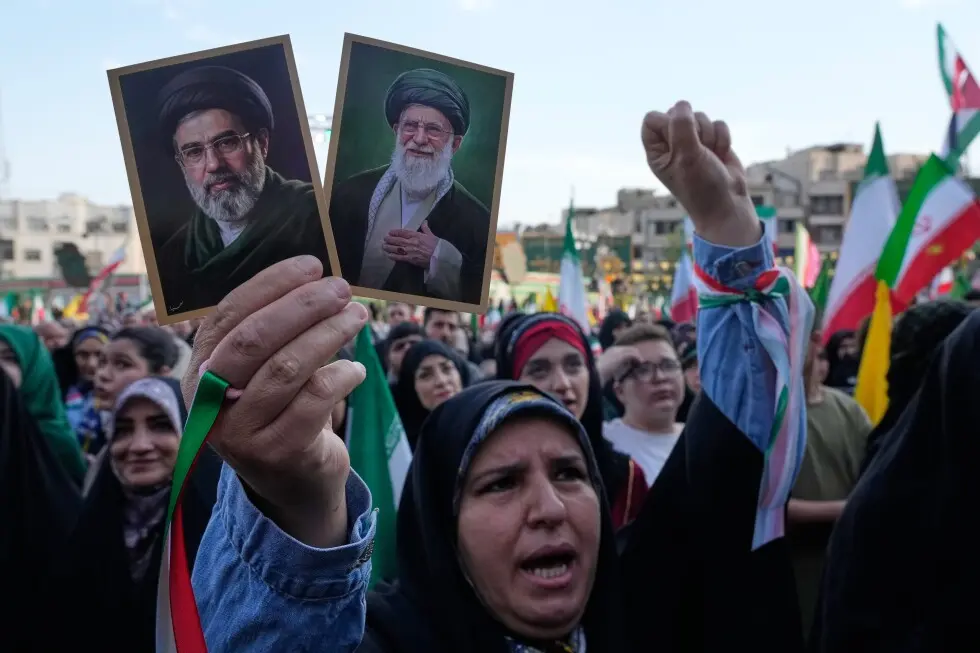
A woman holds up pictures of the Iranian Supreme Leader Ayatollah Mojtaba Khamenei, left, and his father, the slain Ayatollah Ali Khamenei in a state-organised rally celebrating the birthday of Imam Reza, the 8th Shiite Muslims’ Imam, and supporting the supreme leader, in Tehran, Iran, Wednesday, April 29, 2026. (AP Photo/Vahid Salemi)
Girls sing a song as they show the movement of missiles with their hands next to the portraits of the late Iranian revolutionary founder Ayatollah Khomeini, left, late Supreme Leader Ayatollah Ali Khamenei, center, and Supreme Leader Ayatollah Mojtaba Khamenei, in a state-organised rally celebrating the birthday of Imam Reza, the 8th Shiite Muslims’ Imam, and supporting the supreme leader, in Tehran, Iran, Wednesday, April 29, 2026. (AP Photo/Vahid Salemi)
A police officer stands guard in front of a banner with portraits of the late Iranian revolutionary founder Ayatollah Khomeini, left, and late Supreme Leader Ayatollah Ali Khamenei in a state-organised rally celebrating the birthday of Imam Reza, the 8th Shiite Muslims’ Imam, and supporting the supreme leader, in Tehran, Iran, Wednesday, April 29, 2026. (AP Photo/Vahid Salemi)
A woman carries an Iranian flag and a poster of the late Supreme Leader Ayatollah Ali Khamenei during a state-organised rally in Tehran, Iran, Wednesday, April 29, 2026, celebrating the birthday of Imam Reza, the 8th Shiite Muslims’ Imam, and supporting Supreme Leader Ayatollah Mojtaba Khamenei. (AP Photo/Vahid Salemi)
A woman holds up pictures of the Iranian Supreme Leader Ayatollah Mojtaba Khamenei, left, and his father, the slain Ayatollah Ali Khamenei in a state-organised rally celebrating the birthday of Imam Reza, the 8th Shiite Muslims’ Imam, and supporting the supreme leader, in Tehran, Iran, Wednesday, April 29, 2026. (AP Photo/Vahid Salemi)
A woman holds up pictures of the Iranian Supreme Leader Ayatollah Mojtaba Khamenei, left, and his father, the slain Ayatollah Ali Khamenei in a state-organised rally celebrating the birthday of Imam Reza, the 8th Shiite Muslims’ Imam, and supporting the supreme leader, in Tehran, Iran, Wednesday, April 29, 2026. (AP Photo/Vahid Salemi)
Girls sing a song as they show the movement of missiles with their hands next to the portraits of the late Iranian revolutionary founder Ayatollah Khomeini, left, late Supreme Leader Ayatollah Ali Khamenei, center, and Supreme Leader Ayatollah Mojtaba Khamenei, in a state-organised rally celebrating the birthday of Imam Reza, the 8th Shiite Muslims’ Imam, and supporting the supreme leader, in Tehran, Iran, Wednesday, April 29, 2026. (AP Photo/Vahid Salemi)
Girls sing a song as they show the movement of missiles with their hands next to the portraits of the late Iranian revolutionary founder Ayatollah Khomeini, left, late Supreme Leader Ayatollah Ali Khamenei, center, and Supreme Leader Ayatollah Mojtaba Khamenei, in a state-organised rally celebrating the birthday of Imam Reza, the 8th Shiite Muslims’ Imam, and supporting the supreme leader, in Tehran, Iran, Wednesday, April 29, 2026. (AP Photo/Vahid Salemi)
A police officer stands guard in front of a banner with portraits of the late Iranian revolutionary founder Ayatollah Khomeini, left, and late Supreme Leader Ayatollah Ali Khamenei in a state-organised rally celebrating the birthday of Imam Reza, the 8th Shiite Muslims’ Imam, and supporting the supreme leader, in Tehran, Iran, Wednesday, April 29, 2026. (AP Photo/Vahid Salemi)
A police officer stands guard in front of a banner with portraits of the late Iranian revolutionary founder Ayatollah Khomeini, left, and late Supreme Leader Ayatollah Ali Khamenei in a state-organised rally celebrating the birthday of Imam Reza, the 8th Shiite Muslims’ Imam, and supporting the supreme leader, in Tehran, Iran, Wednesday, April 29, 2026. (AP Photo/Vahid Salemi)
A woman carries an Iranian flag and a poster of the late Supreme Leader Ayatollah Ali Khamenei during a state-organised rally in Tehran, Iran, Wednesday, April 29, 2026, celebrating the birthday of Imam Reza, the 8th Shiite Muslims’ Imam, and supporting Supreme Leader Ayatollah Mojtaba Khamenei. (AP Photo/Vahid Salemi)
A woman carries an Iranian flag and a poster of the late Supreme Leader Ayatollah Ali Khamenei during a state-organised rally in Tehran, Iran, Wednesday, April 29, 2026, celebrating the birthday of Imam Reza, the 8th Shiite Muslims’ Imam, and supporting Supreme Leader Ayatollah Mojtaba Khamenei. (AP Photo/Vahid Salemi)
DUBAI, United Arab Emirates (AP) — Iran’s supreme leader said Thursday that the Islamic Republic will protect its “nuclear and missile capabilities” as a national asset, likely seeking to draw a hard line as U.S. President Donald Trump presses for a wider deal to cement the war’s shaky three-week ceasefire.
Ayatollah Mojtaba Khamenei maintained his defiant tone since taking over following the killing of his father in the war’s opening airstrikes. In a written statement read by a state television anchor, Khamenei — who has not been seen in public since becoming supreme leader — said the only place Americans belonged in the Persian Gulf is “at the bottom of its waters” and that a “new chapter” was being written in the region’s history.
His remarks come as Iran’s oil industry is being squeezed by a U.S. Navy blockade halting its oil tankers from getting out to sea. But the world economy is also under pressure as Iran maintains its chokehold on the Strait of Hormuz, through which a fifth of all crude oil is transported. On Thursday, the global benchmark for oil, Brent crude, traded as high as $126 a barrel.
That shock to oil supplies and prices is putting pressure on Trump, who is floating a new plan to reopen the Strait of Hormuz.
Under the plan, the United States would continue its blockade on Iranian ports, while coordinating with allies to impose higher costs on Iran’s attempts to subvert the free flow of energy, according to a senior administration official.
Trump is weighing multiple diplomatic and policy options to push Iran to end its chokehold on the waterway, said the official, who spoke on condition of anonymity because they were not authorized to comment publicly.
The new proposal, first reported by The Wall Street Journal, is Trump’s latest effort to persuade other nations to help reopen the strait.
With a fragile ceasefire in place, the U.S. and Iran are locked in a standoff over the strait. The U.S blockade is designed to prevent Iran from selling its oil, depriving it of crucial revenue while also potentially creating a situation where Tehran has to shut off production because it has nowhere to store oil.
The strait’s closure is also problem for the U.S.'s Gulf allies, which use the waterway to export their oil and gas.
A recent Iranian proposal would push negotiations on the country’s nuclear program to a later date. Trump said one of the major reasons he went to war was to deny Iran the ability to develop nuclear weapons. Iran long has maintained its program is peaceful, though it enriched uranium at near-weapons-grade levels of 60%.
Pakistan on Thursday said it was still facilitating indirect talks between the U.S. and Iran aimed at easing tensions, but Islamabad would also welcome direct communication between the two sides, even by phone.
“If the two parties can engage in real-time conversations, that could ease the sticking points,” said Ministry of Foreign Affairs spokesperson Tahir Andrabi at a weekly news briefing. He declined to share details of any Iranian or U.S. proposals.
Speaking to mark Persian Gulf Day in Iran, Khamenei’s remarks signaled that nuclear issues and Iran’s ballistic missile program wouldn’t be traded away.
“Ninety million proud and honorable Iranians inside and outside the country regard all of Iran’s identity-based, spiritual, human, scientific, industrial and technological capacities — from nanotechnology and biotechnology to nuclear and missile capabilities — as national assets, and will protect them just as they protect the country’s waters, land and airspace,” Khamenei said.
Khamenei referred to America as the “Great Satan,” a long hurled insult by Iranian leaders toward the U.S. since the 1979 Islamic Revolution. He said Americans should have no business in the Persian Gulf.
“Foreigners who come from thousands of kilometers away to act with greed and malice there have no place in it — except at the bottom of its waters,” said Khamenei, who was reportedly was wounded in the Feb. 28 attack that killed his father, the 86-year-old Supreme Leader Ayatollah Ali Khamenei,
In his remarks, Khamenei seemed to signal Iran would maintain its control over the waterway, which sits in the territorial waters of Iran and Oman. Iran had been charging some ships reportedly $2 million apiece to travel through the strait.
He said that Iran’s control of the Strait of Hormuz will make the Gulf more secure, and that Tehran’s “legal rules and new management” of the strait will benefit all the region’s nations.
However, the world considered the strait an international waterway, open to all without paying tolls. Gulf Arab nations, chief among them the United Arab Emirates, have decried Iran’s control of the strait as akin to piracy.
Associated Press writers Aamer Madhani in Washington, Munir Ahmed in Islamabad and Amir Vahdat in Tehran, Iran, contributed to this report.
Girls sing a song as they show the movement of missiles with their hands next to the portraits of the late Iranian revolutionary founder Ayatollah Khomeini, left, late Supreme Leader Ayatollah Ali Khamenei, center, and Supreme Leader Ayatollah Mojtaba Khamenei, in a state-organised rally celebrating the birthday of Imam Reza, the 8th Shiite Muslims’ Imam, and supporting the supreme leader, in Tehran, Iran, Wednesday, April 29, 2026. (AP Photo/Vahid Salemi)
A police officer stands guard in front of a banner with portraits of the late Iranian revolutionary founder Ayatollah Khomeini, left, and late Supreme Leader Ayatollah Ali Khamenei in a state-organised rally celebrating the birthday of Imam Reza, the 8th Shiite Muslims’ Imam, and supporting the supreme leader, in Tehran, Iran, Wednesday, April 29, 2026. (AP Photo/Vahid Salemi)
A woman carries an Iranian flag and a poster of the late Supreme Leader Ayatollah Ali Khamenei during a state-organised rally in Tehran, Iran, Wednesday, April 29, 2026, celebrating the birthday of Imam Reza, the 8th Shiite Muslims’ Imam, and supporting Supreme Leader Ayatollah Mojtaba Khamenei. (AP Photo/Vahid Salemi)
A woman holds up pictures of the Iranian Supreme Leader Ayatollah Mojtaba Khamenei, left, and his father, the slain Ayatollah Ali Khamenei in a state-organised rally celebrating the birthday of Imam Reza, the 8th Shiite Muslims’ Imam, and supporting the supreme leader, in Tehran, Iran, Wednesday, April 29, 2026. (AP Photo/Vahid Salemi)
A woman holds up pictures of the Iranian Supreme Leader Ayatollah Mojtaba Khamenei, left, and his father, the slain Ayatollah Ali Khamenei in a state-organised rally celebrating the birthday of Imam Reza, the 8th Shiite Muslims’ Imam, and supporting the supreme leader, in Tehran, Iran, Wednesday, April 29, 2026. (AP Photo/Vahid Salemi)
Girls sing a song as they show the movement of missiles with their hands next to the portraits of the late Iranian revolutionary founder Ayatollah Khomeini, left, late Supreme Leader Ayatollah Ali Khamenei, center, and Supreme Leader Ayatollah Mojtaba Khamenei, in a state-organised rally celebrating the birthday of Imam Reza, the 8th Shiite Muslims’ Imam, and supporting the supreme leader, in Tehran, Iran, Wednesday, April 29, 2026. (AP Photo/Vahid Salemi)
Girls sing a song as they show the movement of missiles with their hands next to the portraits of the late Iranian revolutionary founder Ayatollah Khomeini, left, late Supreme Leader Ayatollah Ali Khamenei, center, and Supreme Leader Ayatollah Mojtaba Khamenei, in a state-organised rally celebrating the birthday of Imam Reza, the 8th Shiite Muslims’ Imam, and supporting the supreme leader, in Tehran, Iran, Wednesday, April 29, 2026. (AP Photo/Vahid Salemi)
A police officer stands guard in front of a banner with portraits of the late Iranian revolutionary founder Ayatollah Khomeini, left, and late Supreme Leader Ayatollah Ali Khamenei in a state-organised rally celebrating the birthday of Imam Reza, the 8th Shiite Muslims’ Imam, and supporting the supreme leader, in Tehran, Iran, Wednesday, April 29, 2026. (AP Photo/Vahid Salemi)
A police officer stands guard in front of a banner with portraits of the late Iranian revolutionary founder Ayatollah Khomeini, left, and late Supreme Leader Ayatollah Ali Khamenei in a state-organised rally celebrating the birthday of Imam Reza, the 8th Shiite Muslims’ Imam, and supporting the supreme leader, in Tehran, Iran, Wednesday, April 29, 2026. (AP Photo/Vahid Salemi)
A woman carries an Iranian flag and a poster of the late Supreme Leader Ayatollah Ali Khamenei during a state-organised rally in Tehran, Iran, Wednesday, April 29, 2026, celebrating the birthday of Imam Reza, the 8th Shiite Muslims’ Imam, and supporting Supreme Leader Ayatollah Mojtaba Khamenei. (AP Photo/Vahid Salemi)
A woman carries an Iranian flag and a poster of the late Supreme Leader Ayatollah Ali Khamenei during a state-organised rally in Tehran, Iran, Wednesday, April 29, 2026, celebrating the birthday of Imam Reza, the 8th Shiite Muslims’ Imam, and supporting Supreme Leader Ayatollah Mojtaba Khamenei. (AP Photo/Vahid Salemi)
DUBAI, United Arab Emirates (AP) — Iran’s supreme leader said Thursday that the Islamic Republic will protect its “nuclear and missile capabilities” as a national asset, likely seeking to draw a hard line as U.S. President Donald Trump presses for a wider deal to cement the war’s shaky three-week ceasefire.
Ayatollah Mojtaba Khamenei maintained his defiant tone since taking over following the killing of his father in the war’s opening airstrikes. In a written statement read by a state television anchor, Khamenei — who has not been seen in public since becoming supreme leader — said the only place Americans belonged in the Persian Gulf is “at the bottom of its waters” and that a “new chapter” was being written in the region’s history.
His remarks come as Iran’s oil industry is being squeezed by a U.S. Navy blockade halting its oil tankers from getting out to sea. But the world economy is also under pressure as Iran maintains its chokehold on the Strait of Hormuz, through which a fifth of all crude oil is transported. On Thursday, the global benchmark for oil, Brent crude, traded as high as $126 a barrel.
That shock to oil supplies and prices is putting pressure on Trump, who is floating a new plan to reopen the Strait of Hormuz.
Under the plan, the United States would continue its blockade on Iranian ports, while coordinating with allies to impose higher costs on Iran’s attempts to subvert the free flow of energy, according to a senior administration official.
Trump is weighing multiple diplomatic and policy options to push Iran to end its chokehold on the waterway, said the official, who spoke on condition of anonymity because they were not authorized to comment publicly.
The new proposal, first reported by The Wall Street Journal, is Trump’s latest effort to persuade other nations to help reopen the strait.
With a fragile ceasefire in place, the U.S. and Iran are locked in a standoff over the strait. The U.S blockade is designed to prevent Iran from selling its oil, depriving it of crucial revenue while also potentially creating a situation where Tehran has to shut off production because it has nowhere to store oil.
The strait’s closure is also problem for the U.S.'s Gulf allies, which use the waterway to export their oil and gas.
A recent Iranian proposal would push negotiations on the country’s nuclear program to a later date. Trump said one of the major reasons he went to war was to deny Iran the ability to develop nuclear weapons. Iran long has maintained its program is peaceful, though it enriched uranium at near-weapons-grade levels of 60%.
Pakistan on Thursday said it was still facilitating indirect talks between the U.S. and Iran aimed at easing tensions, but Islamabad would also welcome direct communication between the two sides, even by phone.
“If the two parties can engage in real-time conversations, that could ease the sticking points,” said Ministry of Foreign Affairs spokesperson Tahir Andrabi at a weekly news briefing. He declined to share details of any Iranian or U.S. proposals.
Speaking to mark Persian Gulf Day in Iran, Khamenei’s remarks signaled that nuclear issues and Iran’s ballistic missile program wouldn’t be traded away.
“Ninety million proud and honorable Iranians inside and outside the country regard all of Iran’s identity-based, spiritual, human, scientific, industrial and technological capacities — from nanotechnology and biotechnology to nuclear and missile capabilities — as national assets, and will protect them just as they protect the country’s waters, land and airspace,” Khamenei said.
Khamenei referred to America as the “Great Satan,” a long hurled insult by Iranian leaders toward the U.S. since the 1979 Islamic Revolution. He said Americans should have no business in the Persian Gulf.
“Foreigners who come from thousands of kilometers away to act with greed and malice there have no place in it — except at the bottom of its waters,” said Khamenei, who was reportedly was wounded in the Feb. 28 attack that killed his father, the 86-year-old Supreme Leader Ayatollah Ali Khamenei,
In his remarks, Khamenei seemed to signal Iran would maintain its control over the waterway, which sits in the territorial waters of Iran and Oman. Iran had been charging some ships reportedly $2 million apiece to travel through the strait.
He said that Iran’s control of the Strait of Hormuz will make the Gulf more secure, and that Tehran’s “legal rules and new management” of the strait will benefit all the region’s nations.
However, the world considered the strait an international waterway, open to all without paying tolls. Gulf Arab nations, chief among them the United Arab Emirates, have decried Iran’s control of the strait as akin to piracy.
Associated Press writers Aamer Madhani in Washington, Munir Ahmed in Islamabad and Amir Vahdat in Tehran, Iran, contributed to this report.