이란 전쟁이 아프리카 항공 부문의 위기를 심화시키다
Iran war fuels crisis for Africa's aviation sector
Deutsche Welle
· 🇩🇪 Bonn, DE
Isaac Kaledzi Freelance journalist based in Accra, Ghana.@isaackaledzi
DE
2026-04-22 21:51
Translated
이란 전쟁으로 인한 제트 연료 가격 상승이 아프리카 항공사들을 강요하고 있으며, 항공사들은 티켓 가격을 인상하고, 항공편을 취소하며, 재정적 생존을 위해 운영을 재검토하고 있다.
아프리카의 빠르게 성장하는 부문을 포함한 글로벌 항공 산업은 이란 전쟁으로 인한 경제적 파장에 대처하기 위해 고군분투하고 있다.
가장 즉각적인 압박 중 하나는 항공사 운영 비용의 상당 부분을 차지하는 제트 연료 비용이다.
제트 연료는 원유에서 정제한 등유 기반 제품이며 항공사가 사용하는 주요 연료이다.
그러나 이란 전쟁과 관련된 혼란으로 인해 일부 시장에서 가격이 두 배로 올랐으며, 공급 부족이 발생했다.
온라인 항공뉴스 포털인 AviationGhana의 관리 파트너인 도미닉 앤도는 DW와의 인터뷰에서 "영향은 아프리카 항공사들이 운영을 위해 항공 연료를 얼마나 많이 구매하는지에 영향을 미쳤다"고 말했다.
에너지 안보에 대한 우려로 글로벌 유가가 상승했다.
수요일 초반 거래에서 브렌트유는 배럴당 약 98달러에 거래되었으며, 이는 전쟁 시작 이후 30% 이상 상승한 것이다(로이터).
분석가들은 미국과 이란 간의 취약한 휴전이 붕괴될 수 있다는 우려에 가격 상승을 돌리고 있으며, 특히 미국이 이란 화물선을 나포한 후 호르무즈 해협을 통한 해운 교통이 대부분 중단된 상태이다.
앤도는 연료 가격 급등이 불가피하게 승객에게 전가되었다고 지적했다.
그는 DW와의 인터뷰에서 "티켓 가격이 올랐다"고 말했다.
"전쟁 발발 이후, 특히 4월 이후 판매된 거의 모든 티켓의 연료 할증료를 보면, 연료 할증료가 다양한 비율로 올랐다."
위기의 심각성은 아프리카 비즈니스 리더들 사이에 우려를 촉발했다.
라고스 근처 당고트 정유소의 소유자인 나이지리아 억만장자 알리코 당고트는 월요일 워싱턴 D.C의 세마포르 세계 경제 정상회담 청중에게 "대다수의 아프리카 항공사들은 현재의 연료 비용 급등을 견딜 수 없을 것"이라고 말했다.
연료 비용 외에도, 걸프 국가들의 영공 제한으로 인해 항공사들은 항공편을 우회하거나 취소해야 하며, 운영 비용을 더욱 높이고 경로 효율성을 낮추고 있다. 이러한 혼란은 또한 더 높은 항공권 가격을 초래했다.
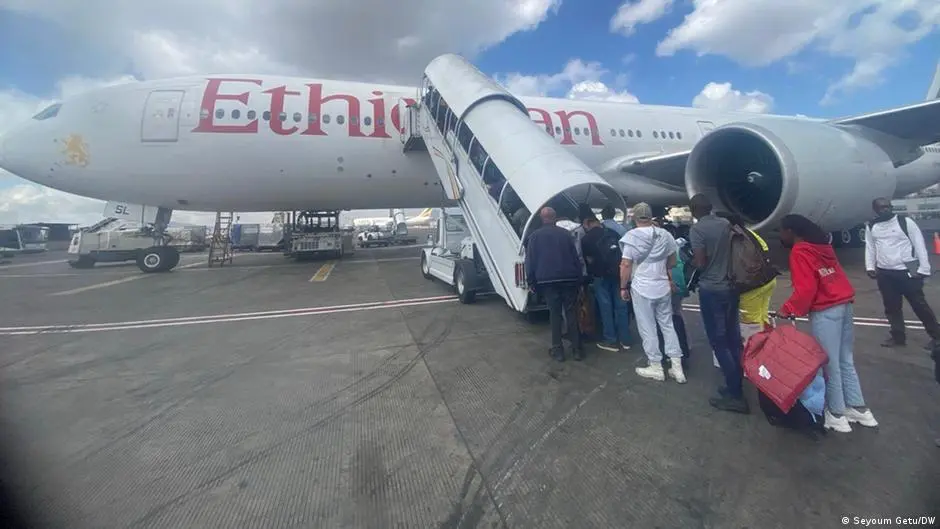
에티오피아 항공이 가장 큰 타격을 입었다. 지난달 항공사 관계자들은 이 항공사가 위기의 직접적인 결과로 주당 약 1억 3,700만 달러를 잃고 있다고 드러냈다.
항공사의 비즈니스 매니저인 렘마 야드헤차는 현지 언론에 "항공사는 주당 100편 이상의 항공편을 취소했으며, 일부 목적지는 이전에 하루 최대 3편을 운항했으며, 우리는 한 주에 약 1억 3,700만 달러를 잃었다"고 말했다.
지난주 휴전 발표는 항공 산업 내에서 상황이 개선될 것이라는 희망을 잠깐 불러일으켰다. 그러나 관여한 당사자들이 협정을 위반한 후 낙관주의는 단명했다.
증가하는 도전에 대응하여, 일부 아프리카 항공사들은 운영을 계속하기 위해 대체 전략을 채택하고 있다.
예를 들어, 케냐 항공은 전통적인 걸프 환승지 대신 더 많은 유럽 여행객을 나이로비 허브를 통해 우회하고 있다고 말한다.
케냐 항공 최고경영자 조지 카말은 기자들에게 "우리는 현재 상황을 이용했고 주로 많은 고객들을 유럽에서 우회했으며, 걸프를 통해 우회하는 대신 케냐, 우리의 나이로비 허브를 통해 다시 우회하고 있다"고 말했다.
혼란에도 불구하고, 앤도는 항공사들이 예방 조치를 취한다면 아프리카 항공이 이를 견딜 수 있다고 믿는다.
앤도는 "항공사들이 할 수 있는 것은 아마도 항공 연료를 더 많이 비축하는 것이다. 물론 그것이 가능하다면. 아마도 가격에 대해 헤지하면 전쟁이 계속되면, 생존할 수 있는 연료가 있을 수 있다"고 말했다.
그러나 IATA 항공사 무역 협회 회장인 윌리 월시는 호르무즈 해협이 재개되고 열려 있다면, "공급이 필요한 수준으로 돌아가는 데 여전히 몇 개월이 걸릴 것"이라고 경고했다.
월시는 기자들에게 "중동 정유 용량에 대한 혼란이 있으며, 이는 정제 제품의 글로벌 공급의 중요한 부분이다"라고 말했다.
"그리고 단지 제트 연료뿐 아니라 다른 제품들도 마찬가지다. 그래서 아마도 몇 개월이 걸릴 것 같다."
항공 위기는 항공 여행에 크게 의존하는 관광 산업으로도 파급되었다.
남아프리카에서 케이프타운 기반 투어 운영자인 엠란 루드와 같은 투어 운영자들은 취소와 불확실성이 이미 생계에 영향을 미치고 있다고 말한다.
루드는 로이터와의 인터뷰에서 "케이프타운은 세계에서 여행자들이 방문하기에 가장 좋은 장소 중 하나로 지명되었으며, 전쟁으로 인해 케이프타운 전체가 피해를 입고 있다. 나는 기본적으로 관광 산업을 이야기하고 있으며, 많은 투어 가이드와 투어 회사들이 피해를 입고 있다"고 말했다.
중동 경로와 관련된 항공편 취소는 또한 반복적인 국제 고객에 의존하는 비즈니스에도 영향을 미쳤다.
루드는 "나는 중동 전쟁 때문에 지난 몇 개월 동안 350,000~500,000 랜드(21,000~30,000달러)를 잃었다. 이는 특히 이러한 정기적인 반복 고객들 중 많은 사람들이 불확실성으로 인해 올해 계획을 세우지 않았기 때문에 내 비즈니스에 직접적인 영향을 미쳤다"고 강조했다.
그러나 앤도는 항공 및 관광 산업이 결국 회복될 것이라고 확신한다.
그는 DW와의 인터뷰에서 "항공 부문과 관광 부문은 사업을 계속할 것이다"고 말했다. "무엇이든 코로나19는 관광 및 항공 부문이 매우 회복력이 있다는 것을 증명했다. 사람들은 여전히 여행할 것이다."
편집자: Keith Walker
가장 즉각적인 압박 중 하나는 항공사 운영 비용의 상당 부분을 차지하는 제트 연료 비용이다.
제트 연료는 원유에서 정제한 등유 기반 제품이며 항공사가 사용하는 주요 연료이다.
그러나 이란 전쟁과 관련된 혼란으로 인해 일부 시장에서 가격이 두 배로 올랐으며, 공급 부족이 발생했다.
온라인 항공뉴스 포털인 AviationGhana의 관리 파트너인 도미닉 앤도는 DW와의 인터뷰에서 "영향은 아프리카 항공사들이 운영을 위해 항공 연료를 얼마나 많이 구매하는지에 영향을 미쳤다"고 말했다.
에너지 안보에 대한 우려로 글로벌 유가가 상승했다.
수요일 초반 거래에서 브렌트유는 배럴당 약 98달러에 거래되었으며, 이는 전쟁 시작 이후 30% 이상 상승한 것이다(로이터).
분석가들은 미국과 이란 간의 취약한 휴전이 붕괴될 수 있다는 우려에 가격 상승을 돌리고 있으며, 특히 미국이 이란 화물선을 나포한 후 호르무즈 해협을 통한 해운 교통이 대부분 중단된 상태이다.
앤도는 연료 가격 급등이 불가피하게 승객에게 전가되었다고 지적했다.
그는 DW와의 인터뷰에서 "티켓 가격이 올랐다"고 말했다.
"전쟁 발발 이후, 특히 4월 이후 판매된 거의 모든 티켓의 연료 할증료를 보면, 연료 할증료가 다양한 비율로 올랐다."
위기의 심각성은 아프리카 비즈니스 리더들 사이에 우려를 촉발했다.
라고스 근처 당고트 정유소의 소유자인 나이지리아 억만장자 알리코 당고트는 월요일 워싱턴 D.C의 세마포르 세계 경제 정상회담 청중에게 "대다수의 아프리카 항공사들은 현재의 연료 비용 급등을 견딜 수 없을 것"이라고 말했다.
연료 비용 외에도, 걸프 국가들의 영공 제한으로 인해 항공사들은 항공편을 우회하거나 취소해야 하며, 운영 비용을 더욱 높이고 경로 효율성을 낮추고 있다. 이러한 혼란은 또한 더 높은 항공권 가격을 초래했다.
에티오피아 항공이 가장 큰 타격을 입었다. 지난달 항공사 관계자들은 이 항공사가 위기의 직접적인 결과로 주당 약 1억 3,700만 달러를 잃고 있다고 드러냈다.
항공사의 비즈니스 매니저인 렘마 야드헤차는 현지 언론에 "항공사는 주당 100편 이상의 항공편을 취소했으며, 일부 목적지는 이전에 하루 최대 3편을 운항했으며, 우리는 한 주에 약 1억 3,700만 달러를 잃었다"고 말했다.
지난주 휴전 발표는 항공 산업 내에서 상황이 개선될 것이라는 희망을 잠깐 불러일으켰다. 그러나 관여한 당사자들이 협정을 위반한 후 낙관주의는 단명했다.
증가하는 도전에 대응하여, 일부 아프리카 항공사들은 운영을 계속하기 위해 대체 전략을 채택하고 있다.
예를 들어, 케냐 항공은 전통적인 걸프 환승지 대신 더 많은 유럽 여행객을 나이로비 허브를 통해 우회하고 있다고 말한다.
케냐 항공 최고경영자 조지 카말은 기자들에게 "우리는 현재 상황을 이용했고 주로 많은 고객들을 유럽에서 우회했으며, 걸프를 통해 우회하는 대신 케냐, 우리의 나이로비 허브를 통해 다시 우회하고 있다"고 말했다.
혼란에도 불구하고, 앤도는 항공사들이 예방 조치를 취한다면 아프리카 항공이 이를 견딜 수 있다고 믿는다.
앤도는 "항공사들이 할 수 있는 것은 아마도 항공 연료를 더 많이 비축하는 것이다. 물론 그것이 가능하다면. 아마도 가격에 대해 헤지하면 전쟁이 계속되면, 생존할 수 있는 연료가 있을 수 있다"고 말했다.
그러나 IATA 항공사 무역 협회 회장인 윌리 월시는 호르무즈 해협이 재개되고 열려 있다면, "공급이 필요한 수준으로 돌아가는 데 여전히 몇 개월이 걸릴 것"이라고 경고했다.
월시는 기자들에게 "중동 정유 용량에 대한 혼란이 있으며, 이는 정제 제품의 글로벌 공급의 중요한 부분이다"라고 말했다.
"그리고 단지 제트 연료뿐 아니라 다른 제품들도 마찬가지다. 그래서 아마도 몇 개월이 걸릴 것 같다."
항공 위기는 항공 여행에 크게 의존하는 관광 산업으로도 파급되었다.
남아프리카에서 케이프타운 기반 투어 운영자인 엠란 루드와 같은 투어 운영자들은 취소와 불확실성이 이미 생계에 영향을 미치고 있다고 말한다.
루드는 로이터와의 인터뷰에서 "케이프타운은 세계에서 여행자들이 방문하기에 가장 좋은 장소 중 하나로 지명되었으며, 전쟁으로 인해 케이프타운 전체가 피해를 입고 있다. 나는 기본적으로 관광 산업을 이야기하고 있으며, 많은 투어 가이드와 투어 회사들이 피해를 입고 있다"고 말했다.
중동 경로와 관련된 항공편 취소는 또한 반복적인 국제 고객에 의존하는 비즈니스에도 영향을 미쳤다.
루드는 "나는 중동 전쟁 때문에 지난 몇 개월 동안 350,000~500,000 랜드(21,000~30,000달러)를 잃었다. 이는 특히 이러한 정기적인 반복 고객들 중 많은 사람들이 불확실성으로 인해 올해 계획을 세우지 않았기 때문에 내 비즈니스에 직접적인 영향을 미쳤다"고 강조했다.
그러나 앤도는 항공 및 관광 산업이 결국 회복될 것이라고 확신한다.
그는 DW와의 인터뷰에서 "항공 부문과 관광 부문은 사업을 계속할 것이다"고 말했다. "무엇이든 코로나19는 관광 및 항공 부문이 매우 회복력이 있다는 것을 증명했다. 사람들은 여전히 여행할 것이다."
편집자: Keith Walker
처리 완료
4,659 tokens · $0.0134
기사 수집 완료 · 22:00
매체 피드에서 기사 메타데이터 수집
헤드라인 번역 완료 · 14:53
제목/요약 한국어 번역 (fetch 시점 inline)
kimi-k2.5
0 tokens
$0.00000
0.2s
본문 추출 완료
5,644자 추출 완료
본문 한국어 번역 완료 · 14:53
2,598자 번역 완료
claude-haiku-4-5-20251001
4,659 tokens
$0.01339
29.5s
지정학적 엔티티 추출 완료 · 14:53
8개 엔티티 추출 완료
지정학적 맥락 & R-Scanner
R-Scanner · 평상
z=-0.83
일상적인 보도 수준 — 기준: Africa
(🇿🇦 ZA)
최근 6시간 1건
7일 평균 2.57건 / 6h
1개국 매체
1개 매체
본문에서 추출된 지명 (8)
Africa
🇿🇦
Iran
🇮🇷
United States
🇺🇸
Strait of Hormuz
🇮🇷
Lagos
🇳🇬
Washington, D.C.
🇺🇸
Nairobi
🇰🇪
Cape Town
🇿🇦
위치 지도
지도 로딩 중…
같은 주제의 다른 기사 (최근 7일)
The Iran war is pushing up jet fuel prices, forcing African airlines to raise ticket prices, cancel flights and rethink operations to stay financially viable.
The global aviation industry — including Africa's rapidly growing sector — is struggling to cope with the economic fallout from the Iran war.One of the most immediate pressures comes from jet fuel costs, which make up a significant portion of airline operating expenses.
Jet fuel, a kerosene‑based product refined from crude oil, is the primary fuel used by airlines.
However, disruptions linked to the Iran war have caused prices to double in some markets, leading to supply shortages.
"The impact is that it has affected how much African carriers purchase aviation fuel for their operations," Dominick Andoh, managing partner of AviationGhana, an online aviation news portal, told DW.
Concerns over energy security have pushed up global oil prices.
In early trading on Wednesday, Brent crude oil was trading at close to $98 a barrel — up more than 30% since the day the war started, Reuters reported.
Analysts attribute the increase to fears that a fragile ceasefire between the United States and Iran could collapse, especially after the US seized an Iranian cargo ship and shipping traffic through the Strait of Hormuz remained largely halted.
Andoh noted that the spike in fuel prices has inevitably been passed on to passengers.
"The prices of tickets have gone up," he told DW.
"If you look at the fuel surcharge margins for almost the tickets that have been sold since the war broke out, especially in April, the fuel surcharges have gone up by various percentages."
The severity of the crisis has raised alarms among African business leaders.
"The majority of African airlines won't be able to survive" the current spike in fuel costs, Nigerian billionaire Aliko Dangote, owner of the Dangote refinery near Lagos, told an audience at the Semafor World Economy summit in Washington, D.C. on Monday.
To view this video please enable JavaScript, and consider upgrading to a web browser that supports HTML5 video
Beyond fuel costs, airspace restrictions around Gulf countries have forced airlines to reroute or cancel flights, pushing operational costs even higher and reducing route efficiency. These disruptions have also contributed to higher air ticket prices.
Ethiopian Airlines is among the hardest hit. Last month, airline officials revealed that the carrier was losing about $137 million each week as a direct result of the crisis.
"The airline has cancelled more than 100 flights a week, with some destinations previously operating up to three flights daily, and we have lost about $137 million in a week," Lemma Yadhecha, the airline's business manager, told local media.
Last week's ceasefire announcement briefly raised hopes within the aviation industry that conditions would improve. However, the optimism was short‑lived after parties involved reneged on the agreement.
In response to mounting challenges, some African airlines are adopting alternative strategies to keep operations running.
Kenya Airways, for instance, says it is rerouting more European travelers through its Nairobi hub rather than traditional Gulf transit points.
To view this video please enable JavaScript, and consider upgrading to a web browser that supports HTML5 video
"We took advantage of the current situation and mainly re-routed a lot of customers from Europe, instead of rerouting through the Gulf, they are back to re-route through Kenya, through our hub in Nairobi," Kenya Airways CEO George Kamal told journalists.
Despite the turbulence, Andoh believes African aviation can weather the storm if airlines take preventive measures.
"What airlines can do is probably stock up more aviation fuel; that is if it is available. Probably hedge against pricing so that if the war drags on, they can have some fuel to survive,” Andoh said.
But the head of the IATA airline trade association, Willie Walsh cautioned that if the Strait of Hormuz were to reopen and remain open, "it will still take a period of months to get back to where supply needs to be."
"Given the disruption to the refining capacity in the Middle East, which is a critical part of the global supply of refined products," Walsh told journalists.
"And not just jet fuel for the other products as well. So it will probably take months."
The aviation crisis has also spilled over into tourism, an industry heavily dependent on air travel.
In South Africa, tour operators like Emraan Roode, a Cape Town–based tour operator, say cancellations and uncertainty are already affecting livelihoods.
"Cape Town is nominated one of the best places in the world for travelers to come and visit, and due to the war, Cape Town as a whole is suffering as well. I'm basically talking about the tourism industry, and a lot of the tour guides and tour companies are suffering as well," Roode told Reuters.
Flight cancellations linked to Middle East routes have also affected businesses that rely on repeat international clients.
"I've lost between 350,000 and 500,000 rands ($21,000-$30,000) over the past few months due to the war in the Middle East alone. This has had a direct impact on my business, especially because many of these regular returning clients haven't made any plans this year due to uncertainty," Roode stressed.
Andoh, however, remains confident that both aviation and tourism will eventually recover.
"The aviation sector, the tourism sector, would remain in business," he told DW. "If anything at all, COVID-19 proved that the tourism and aviation sectors are very resilient. People would still travel."
To view this video please enable JavaScript, and consider upgrading to a web browser that supports HTML5 video
Edited by: Keith Walker