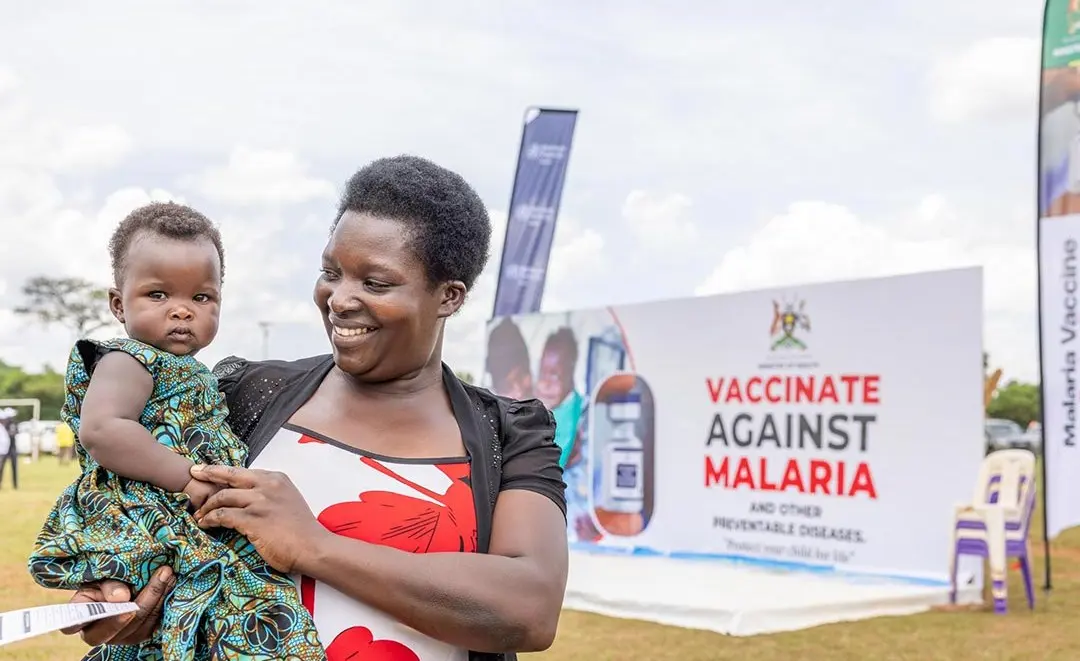
아프리카: 사헬 지역 말라리아 예방 노력 강화 #세계말라리아의날
Africa: Strengthening Malaria Prevention Efforts in the Sahel #WorldMalariaDay
AllAfrica
· 🇿🇦 Cape Town, ZA
Melody Chironda
EN
2026-04-24 22:20
Translated
2024년 말라리아로 약 61만 명이 사망할 것으로 추정되며, 아프리카가 전 세계 사례와 사망의 95%를 차지하고 있다. 사헬 지역의 기후 충격, 대량 실향, 분쟁으로 인한 중단이 이미 심각한 질병 퇴치를 더욱 어렵게 만들고 있다.
말라리아는 세상에서 가장 치명적이면서도 예방 가능한 질병 중 하나이다. 2024년에는 세계보건기구(WHO)에 따르면 약 61만 명의 목숨을 앗아갈 것으로 추정되었다. 아프리카는 이 부담의 대부분을 짊어지고 있으며, 전 세계 사례와 사망의 95%를 차지한다. 5세 미만 어린이가 특히 영향을 받으며, 약 1분마다 한 명의 어린이가 사망한다. 이 질병으로 인한 아프리카의 경제적 손실은 연간 약 120억 달러로 추정된다.
말라리아는 감염된 모기의 물림을 통해 전파되는 플라스모디움 기생충으로 인해 발생한다. 생명에 심각한 위협을 주지만 예방도 가능하다. 그럼에도 불구하고 특히 사헬 지역의 사하라 이남 아프리카 전역 커뮤니티에 계속 피해를 주고 있다. 이 지역에서는 기후 충격, 대량 실향, 분쟁으로 인한 중단이 이미 엄청난 질병 퇴치를 그 어느 때보다 어렵게 만들었다.
Nature에 게재된 한 연구에 따르면 기후 변화는 상황을 크게 악화시켜 아프리카에서 1,230만 건의 추가 말라리아 사례와 최대 50만 명의 추가 사망을 초래할 수 있다고 경고한다. 상승하는 기온, 극한 기후 사건, 변화하는 강수량 패턴은 특히 이미 취약한 지역에서 치료 프로그램을 중단하고 전파 위험을 증가시킬 것으로 예상된다.
4월 25일에 기념하는 세계말라리아의날은 예방 가능하지만 치명적인 모기 매개 질병을 종식하기 위한 전 지구적 노력을 강조한다. 또한 말라리아가 많은 국가에서 여전히 심각한 과제로 남아 있다는 점을 상기시킨다. '말라리아 종식으로 나아가기: 지금 우리는 할 수 있다. 지금 반드시 해야 한다'라는 주제 아래 국제 보건 커뮤니티는 진전을 인정할 뿐만 아니라 이를 보호하기 위해 훨씬 더 긴급하게 행동할 것을 촉구받고 있다. 유엔은 지속가능개발목표 3.3에 따라 2030년까지 말라리아 전염병을 종식시키는 목표를 설정했다. 그 목표는 여전히 도달 범위 내에 있지만 겨우 그 정도이다.
2000년 이후 전 지구적으로 약 23억 건의 말라리아 사례와 1,400만 건의 말라리아 사망이 회피되었다. 47개 국가와 1개 영토가 이제 WHO로부터 말라리아 박멸 공식 인증을 받았으며, 전 지구적 박멸 목표를 향한 지속적인 진전이 있었다. 카보베르데와 이집트는 2024년에 말라리아 박멸 인증을 받았다.
그러나 살충제 내성, 기후로 인한 전파 변화, 자금 부족과 같은 지속적인 도전이 이 추진력을 정체시킬 위협을 가하고 있다.
그러나 이러한 도전이 커질수록 새로운 도구들이 무엇이 가능한지를 재편하고 있다. 신세대 도구들이 말라리아 퇴치 전투에서 무엇이 가능한지를 재편하고 있다. AI 기반 감시 시스템은 거의 실시간으로 모기 개체군을 추적하고 있다. 디지털 보고 플랫폼은 발병이 탐지되지 않을 수 있는 데이터 격차를 해소하고 있다. 그리고 오랫동안 먼 미래의 전망으로 여겨졌던 말라리아 백신은 이제 이 지역 전역의 5세 미만 어린이들에게 도달하고 있다.
인터뷰에서 글로벌 질병 제거 연구소의 기술 담당자인 응고지 에론두 박사는 이러한 획기적인 발전을 특히 사헬의 5세 미만 어린이를 포함한 가장 위험에 처한 커뮤니티를 위한 지속적인 보호로 어떻게 전환할 수 있는지에 대한 통찰을 공유한다.
당신의 광범위한 말라리아 연구를 바탕으로, 사하라 이남 아프리카의 현재 말라리아 상황을 어떻게 설명하시겠으며, 이 지역의 유병률 감소 및 박멸을 위한 현실적인 경로는 무엇으로 보입니까?
현재 사하라 이남 아프리카의 말라리아 상황은 우려스럽다고 말씀드리겠습니다. 2026년인 지금 전 지구적 말라리아 부담이 다시 증가하기 시작하는 것을 보는 것은 답답합니다. 시간이 지남에 따라 진전이 있었지만, 사례와 사망을 보면 추세가 잘못된 방향으로 나아가고 있습니다. 2025년 세계말라리아보고서에 따르면 2024년에는 약 60만 8,000명의 사망이 있었으며, 이는 2023년의 59만 7,000명에서 증가한 것입니다. 사례는 약 2억 8,200만 건으로, 전년도의 2억 6,300만 건에 비해 증가했습니다. 사하라 이남 아프리카는 여전히 전 지구적으로 약 95%의 사례와 사망을 차지하고 있으며, 말라리아 사망의 약 4분의 3이 5세 미만 어린이 중에서 발생합니다. 이것만으로도 우리는 주의해야 합니다.
이러한 후퇴는 여러 압력의 조합을 반영한다고 생각합니다. 필요가 증가하는 시점에 자금이 정체되어 있습니다. 동시에 우리는 주요 도구들, 즉 아르테미시닌 복합 치료제(ACT)와 살충제 모두의 효과가 점진적으로 감소하는 것을 보고 있습니다. 모기와 말라리아 기생충이 시간이 지남에 따라 이러한 화학물질에 덜 민감해지기 때문입니다. 인구 증가, 기후 변동성, 그리고 탐지 및 대응 능력이 여전히 불균등한 보건 시스템을 추가하면 진전이 왜 정체되고 있는지가 더욱 명확해집니다.
이는 현재의 접근 방식이 전파의 복잡성과 완전히 보조를 맞추지 못하고 있다는 것을 나에게 지적해줍니다. 하지만 이것은 우리가 옵션이 없다는 의미는 아닙니다. 몇 가지 정말 유망한 발전이 있습니다: 새로운 항말라리아 약물은 신흥 내성을 해결하기 위해 설계되었으며, 5세 미만 어린이의 보호를 강화하기 위한 획기적인 말라리아 백신, 그리고 시험에서 장려적인 결과를 보여주는 차세대 벡터 관리 도구의 증가하는 파이프라인이 있습니다. 문제는 혁신의 부재가 아니라 이러한 도구를 확장하기 위해 충분히 일찍 그리고 지속적으로 투자하고 있는지 여부입니다.
따라서 감시 시스템을 강화하고 국경을 넘는 조정을 개선하는 것과 함께, 우리는 자금 조달, 증거 생성, 국가 주도 구현을 통해 이러한 혁신을 뒷받침하는 데 더욱 신중해야 합니다. 우리가 이를 올바르게 수행한다면, 정체를 상태로 받아들이기보다는 진전을 다시 회복할 수 있는 진정한 기회가 여전히 있습니다.
더 강력한 국경 간 데이터 통합이 국가들이 계절성 말라리아 급증을 더 잘 예상하고 관리하도록 어떻게 도울 수 있습니까?
말라리아를 전파하는 모기는 날씨가 따뜻하고 습한 곳이면 어디든 번식합니다. 모기는 지도나 국경을 신경 쓰지 않습니다. 따라서 보건 지도자들이 고립된 국가 데이터셋을 사용하여 결정을 내릴 때, 우리는 질병 확산 방식에 대한 중요한 신호, 즉 전파 추세의 변화, 수입 패턴, 국경 지역 핫스팟을 놓칠 수 있습니다. 이는 특히 인적 이동, 기후 변동성, 벡터 역학을 포함하여 말라리아 위험을 형성하는 많은 요인들이 동시에 여러 국가에 영향을 미치기 때문에 중요합니다. 그 이유로 말라리아 위험을 예측하고 발병 대응을 안내하기 위한 데이터를 수집, 조정, 사용하려는 노력은 국가 내에서뿐만 아니라 국가 간에 일어나야 합니다.
GLIDE는 오래도록 사헬 말라리아 박멸 이니셔티브(SaME)를 포함한 국경 간 말라리아 이니셔티브를 지원해왔습니다. 이 이니셔티브는 8개의 사헬 국가를 함께 모아 2030년까지 말라리아 박멸을 향해 노력을 조정하는 동시에 소지역 추세와 정책 이행 모니터링을 강화하는 지역 플랫폼을 구축했습니다. 핵심적으로 SaME는 말라리아 전파가 국경을 존중하지 않으며 진전은 국가들이 자신의 접근 방식을 얼마나 잘 맞추는지에 달려 있다는 현실을 반영합니다. 조정을 넘어 이러한 유형의 국경 간 플랫폼은 더 실질적인 기능을 가능하게 합니다: 역학 데이터 공유, 공동 감시 강화, 전파가 종종 가장 높고 통제하기 가장 어려운 국경 지역에서 조정된 대응 지원. 서아프리카 보건기구 및 아프리카 지도자 말라리아 동맹과 같은 기관과의 파트너십을 통해 SaME는 말라리아 및 기타 무시된 열대성 질병(NTD)에 대한 스코어카드 개발을 지원했습니다. 이러한 도구들은 데이터를 표준화하고, 국가 전역에서 진전을 추적하며, 국가 및 지역 수준 모두에서 결과에 대한 책임을 강화하는 데 도움이 됩니다.
많은 연구자들은 또한 특히 통합 말라리아 분자 감시(iMMS)와 관련하여 아프리카 전역의 더 강력한 지역 및 소지역 감시 아키텍처를 주장했습니다. 최근 분석은 일상적인 역학 감시를 게놈 및 분자 데이터와 연결하면 국가들이 항말라리아 약물 내성 및 기타 신흥 위협을 탐지하고 대응하는 데 도움이 될 수 있다고 주장합니다. 아프리카 질병통제예방센터도 마찬가지로 회원국 간의 더 강한 국경 간 감시, 조정, 정보 공유를 촉구했으며, 그 말라리아 게놈 감시 로드맵은 명시적으로 대륙 차원 접근 방식의 일부로 지역 허브와 우수 센터를 언급합니다.
그러한 시스템이 더 완전히 구현되었다면, 이웃 국가들이 내성 패턴을 더 일찍 추적하고, 전파 구역 전체의 추세를 비교하며, 예방 및 치료 전략을 더욱 효과적으로 맞추는 것을 가능하게 함으로써 실질적인 영향을 미칠 수 있을 것이라고 생각합니다. 실제로 이는 국가들이 계절성 말라리아 화학예방과 같은 개입을 더 잘 표적화하고 더 시기 적절한 증거를 기반으로 1차 항말라리아 정책을 조정하는 데 도움이 될 수 있습니다.
AI 기반 모기 식별 도구들이 곤충 전문가들을 위한 강력한 보조 도구로 떠오르고 있습니다. 이들이 무엇인지, 그리고 기존 도구를 보완하기 위해 어떻게 사용되고 있는지 설명해 주실 수 있습니까? 아프리카 지역 전역에서 채택을 가속화하기 위해 무엇이 필요합니까?
나는 말라리아 통제, 특히 곤충학을 위한 보완 도구로서 매우 실질적이고 표적화된 필요를 위해 AI를 사용하는 것에 대해 꽤 흥분하고 있습니다. 말라리아 프로그램의 덜 눈에 띄는 도전 중 하나는 매우 기본적인 것입니다: 어떤 모기 종이 존재하는지 식별하는 것. 이는 간단한 작업이 아닙니다. 모기는 현장에서 수집되고, 분류되며, 그 다음 그들의 물리적 특징의 작은 차이에 의존하는 식별 가이드를 사용하여 현미경으로 검사됩니다. 가장 중요한 말라리아 매개체 중 일부는 거의 동일하게 보이므로 경험이 많은 곤충학자라도 PCR과 같은 추가 실험실 검사 없이는 그들을 그룹 수준으로만 식별할 수 있습니다. 이 모든 것은 시간, 훈련, 전문 전문가에 대한 접근을 필요로 합니다 - 많은 환경에서 부족합니다. 이는 말라리아 풍토 지역의 많은 지역에서 훈련된 곤충학자의 지속적인 부족으로 인해 더욱 악화되어 감시의 속도와 규모를 모두 제한합니다.
AI 기반 도구들은 이러한 병목을 해결하는 데 도움을 주기 시작하고 있습니다. 이미지 인식 또는 심지어 음성을 사용하여 이러한 시스템은 현장에서 촬영한 사진 또는 녹음에서 모기 종을 식별할 수 있습니다. 예를 들어, 남한의 한 연구는 AI 기반 프로그램이 통제된 조건에서 질병을 전파하는 모기를 정확하게 식별할 수 있음을 보여주었습니다. 미국과 유럽의 유사한 작업은 이미지 기반 및 음향(날개짓) 데이터 모두를 사용하여 강력한 성능을 보여주었습니다. 중요하게도 이러한 도구들은 초 단위로 결과를 생산할 수 있습니다. 실제로 이는 일선 작업자들이 더 많은 샘플을 더 빠르게 처리하고 거의 실시간으로 결과를 공유할 수 있다는 의미입니다. VectorCam과 같은 도구들은 우간다에서 시범 운영되었으며, 비전문가들이 모기의 사진을 찍고 자동으로 분류할 수 있도록 설계되어 지연을 줄이고 감시 범위를 확장하는 데 도움이 됩니다.
아프리카 전역에서 이러한 도구를 확장하려면 과제는 기술 자체보다는 가능 조건과 관련이 있습니다. 시스템은 지역 데이터로 훈련되어야 아프리카 모기 종을 정확하게 인식할 수 있습니다. 독립 실행형 시범으로 사용되기보다는 국가 감시 시스템에 통합되어야 합니다. 그리고 도구 자체와 도구를 사용할 사람과 시스템에 투자가 필요합니다. 그 조각들이 제자리에 있으면 AI는 전문가를 대체함으로써가 아니라 그들의 도달 범위를 확장하고 감시를 더 빠르고 실질적으로 만듦으로써 곤충학 역량을 강화할 수 있는 실질적인 잠재력을 가지고 있습니다.
지난 2년간 사헬 지역의 6개 국가가 말라리아 백신을 도입했습니다. 이러한 초기 배포는 새로운 비용 효과적인 도구를 채택하고 배포할 보건 시스템 준비 상태에 대해 무엇을 드러났습니까? 말리의 백신 배포 모델은 분쟁 영향을 받거나 높은 부담을 가진 다른 환경의 접근 방식에 어떻게 정보를 제공할 수 있습니까?
초기 말라리아 백신 배포가 사헬 전역에서 우리에게 두 가지를 동시에 보여주었다고 생각합니다. 한편으로는 국가들이 새로운 도구를 빠르게 채택할 수 있다는 것입니다. 반면에 보건 시스템 준비 상태가 불균등하다는 것을 정말 강조했습니다.
일상적인 예방접종 시스템이 강한 곳에서는 채택이 좋았으며, 국가들은 다른 서비스를 중단하지 않고 백신을 도입할 수 있었습니다. 우리는 가나, 케냐, 말라위와 같은 장소에서 RTS,S 백신 도입에서 분명히 그것을 보았습니다. 세부 지역 배포에 대한 초기 데이터는 유망했습니다. 예를 들어, 가나 보건 서비스는 백신이 도입되기 전년도에 비해 5세 미만 어린이의 말라리아 사망에서 86% 감소를 기록했습니다. 이 영향은 부분적으로 가나의 확대 예방접종 프로그램 지도자들과 국가 말라리아 통제 프로그램 간의 긴밀한 조정 때문입니다.
하지만 배포는 또한 일부 지속적인 격차를 드러냈습니다. 외진 지역이나 불안정한 지역의 어린이들에게 도달하는 것은 여전히 어렵고, 이것이 다중 용량 백신이기 때문에 용량 간에 탈락이 있습니다. 또한 가족들이 일정을 이해하고 돌아오도록 하기 위한 커뮤니티 참여에 대해 더 많이 해야 할 것이 있습니다.
말리는 흥미로운 예입니다. 그들은 2025년 4월에 R21/Matrix-M 백신을 도입하여 늦게 들어왔으므로 이미 다른 곳에서 일어난 일로부터 배울 수 있었습니다. 눈에 띄는 것은 어떻게 그들이 탈락 문제를 다루기 위해 배포를 조정했는가입니다. 처음 3개의 용량은 일상적인 예방접종을 통해 제공되지만, 그러면 부스터 용량은 계절성 말라리아 화학예방(SMC) 캠페인과 함께, 즉 말라리아 전파가 가장 높은 달 동안 배포됩니다. 이 접근 방식은 실용적이고 효과적입니다. 왜냐하면 그러한 캠페인들이 이미 가장 높은 위험 기간 동안 어린이들에게 도달하고 있기 때문입니다.
저에게 핵심은 간단하며 더 어려운 환경으로 번역될 수 있습니다. 새로운 도구를 도입하는 것만이 아니라 개입 패키지의 일부로 배포하고 지속적인 접근을 계획하는 방법입니다. 일상적인 예방접종이나 계절 캠페인과 같은 기존 시스템에 기반하는 국가들은 더 잘하는 경향이 있습니다 - 더 많은 어린이가 이용 가능한 최고의 도구로 보호됩니다. 그리고 최근 두 백신 모두의 목록 가격 인하로 포괄적인 말라리아 예방의 이 접근 방식은 제한된 자금으로 현명한 선택을 하는 것이 절대적으로 필수적인 시점에 더욱 비용 효과적이 되고 있습니다. 하지만 그 도구들을 규모로 배포하려면 여전히 정부와 파트너들이 보건 시스템, 보건 종사자, 커뮤니티 참여에 계속 투자해야 합니다. 그렇지 않으면 최고의 도구라도 가장 필요로 하는 사람들에게 도달하지 못할 것입니다.
국가들이 WHO의 DHIS2 말라리아 모듈과 같은 디지털 플랫폼을 확대함에 따라, 기술 파트너, 산업 및 자금 제공자들이 정부가 감시 시스템을 강화하고 유지하도록 어떻게 지원할 수 있습니까? 데이터 품질을 개선하고 실시간 통찰이 높은 부담 지역의 계획을 안내하도록 하기 위해 어떤 보완적 접근 방식이 필요합니까?
현재 말라리아 풍토 국가들이 AI를 사용하도록 지원하는 데 있어 매우 높은 열정이 있다고 생각합니다. 특히 고소득 국가의 파트너들로부터. 하지만 AI는 단지 도구라는 것을 분명히 말씀드리고 싶습니다. 형편없는 품질의 데이터가 들어가면, 형편없는 정보가 결정을 안내합니다.
말라리아는 감염된 모기의 물림을 통해 전파되는 플라스모디움 기생충으로 인해 발생한다. 생명에 심각한 위협을 주지만 예방도 가능하다. 그럼에도 불구하고 특히 사헬 지역의 사하라 이남 아프리카 전역 커뮤니티에 계속 피해를 주고 있다. 이 지역에서는 기후 충격, 대량 실향, 분쟁으로 인한 중단이 이미 엄청난 질병 퇴치를 그 어느 때보다 어렵게 만들었다.
Nature에 게재된 한 연구에 따르면 기후 변화는 상황을 크게 악화시켜 아프리카에서 1,230만 건의 추가 말라리아 사례와 최대 50만 명의 추가 사망을 초래할 수 있다고 경고한다. 상승하는 기온, 극한 기후 사건, 변화하는 강수량 패턴은 특히 이미 취약한 지역에서 치료 프로그램을 중단하고 전파 위험을 증가시킬 것으로 예상된다.
4월 25일에 기념하는 세계말라리아의날은 예방 가능하지만 치명적인 모기 매개 질병을 종식하기 위한 전 지구적 노력을 강조한다. 또한 말라리아가 많은 국가에서 여전히 심각한 과제로 남아 있다는 점을 상기시킨다. '말라리아 종식으로 나아가기: 지금 우리는 할 수 있다. 지금 반드시 해야 한다'라는 주제 아래 국제 보건 커뮤니티는 진전을 인정할 뿐만 아니라 이를 보호하기 위해 훨씬 더 긴급하게 행동할 것을 촉구받고 있다. 유엔은 지속가능개발목표 3.3에 따라 2030년까지 말라리아 전염병을 종식시키는 목표를 설정했다. 그 목표는 여전히 도달 범위 내에 있지만 겨우 그 정도이다.
2000년 이후 전 지구적으로 약 23억 건의 말라리아 사례와 1,400만 건의 말라리아 사망이 회피되었다. 47개 국가와 1개 영토가 이제 WHO로부터 말라리아 박멸 공식 인증을 받았으며, 전 지구적 박멸 목표를 향한 지속적인 진전이 있었다. 카보베르데와 이집트는 2024년에 말라리아 박멸 인증을 받았다.
그러나 살충제 내성, 기후로 인한 전파 변화, 자금 부족과 같은 지속적인 도전이 이 추진력을 정체시킬 위협을 가하고 있다.
그러나 이러한 도전이 커질수록 새로운 도구들이 무엇이 가능한지를 재편하고 있다. 신세대 도구들이 말라리아 퇴치 전투에서 무엇이 가능한지를 재편하고 있다. AI 기반 감시 시스템은 거의 실시간으로 모기 개체군을 추적하고 있다. 디지털 보고 플랫폼은 발병이 탐지되지 않을 수 있는 데이터 격차를 해소하고 있다. 그리고 오랫동안 먼 미래의 전망으로 여겨졌던 말라리아 백신은 이제 이 지역 전역의 5세 미만 어린이들에게 도달하고 있다.
인터뷰에서 글로벌 질병 제거 연구소의 기술 담당자인 응고지 에론두 박사는 이러한 획기적인 발전을 특히 사헬의 5세 미만 어린이를 포함한 가장 위험에 처한 커뮤니티를 위한 지속적인 보호로 어떻게 전환할 수 있는지에 대한 통찰을 공유한다.
당신의 광범위한 말라리아 연구를 바탕으로, 사하라 이남 아프리카의 현재 말라리아 상황을 어떻게 설명하시겠으며, 이 지역의 유병률 감소 및 박멸을 위한 현실적인 경로는 무엇으로 보입니까?
현재 사하라 이남 아프리카의 말라리아 상황은 우려스럽다고 말씀드리겠습니다. 2026년인 지금 전 지구적 말라리아 부담이 다시 증가하기 시작하는 것을 보는 것은 답답합니다. 시간이 지남에 따라 진전이 있었지만, 사례와 사망을 보면 추세가 잘못된 방향으로 나아가고 있습니다. 2025년 세계말라리아보고서에 따르면 2024년에는 약 60만 8,000명의 사망이 있었으며, 이는 2023년의 59만 7,000명에서 증가한 것입니다. 사례는 약 2억 8,200만 건으로, 전년도의 2억 6,300만 건에 비해 증가했습니다. 사하라 이남 아프리카는 여전히 전 지구적으로 약 95%의 사례와 사망을 차지하고 있으며, 말라리아 사망의 약 4분의 3이 5세 미만 어린이 중에서 발생합니다. 이것만으로도 우리는 주의해야 합니다.
이러한 후퇴는 여러 압력의 조합을 반영한다고 생각합니다. 필요가 증가하는 시점에 자금이 정체되어 있습니다. 동시에 우리는 주요 도구들, 즉 아르테미시닌 복합 치료제(ACT)와 살충제 모두의 효과가 점진적으로 감소하는 것을 보고 있습니다. 모기와 말라리아 기생충이 시간이 지남에 따라 이러한 화학물질에 덜 민감해지기 때문입니다. 인구 증가, 기후 변동성, 그리고 탐지 및 대응 능력이 여전히 불균등한 보건 시스템을 추가하면 진전이 왜 정체되고 있는지가 더욱 명확해집니다.
이는 현재의 접근 방식이 전파의 복잡성과 완전히 보조를 맞추지 못하고 있다는 것을 나에게 지적해줍니다. 하지만 이것은 우리가 옵션이 없다는 의미는 아닙니다. 몇 가지 정말 유망한 발전이 있습니다: 새로운 항말라리아 약물은 신흥 내성을 해결하기 위해 설계되었으며, 5세 미만 어린이의 보호를 강화하기 위한 획기적인 말라리아 백신, 그리고 시험에서 장려적인 결과를 보여주는 차세대 벡터 관리 도구의 증가하는 파이프라인이 있습니다. 문제는 혁신의 부재가 아니라 이러한 도구를 확장하기 위해 충분히 일찍 그리고 지속적으로 투자하고 있는지 여부입니다.
따라서 감시 시스템을 강화하고 국경을 넘는 조정을 개선하는 것과 함께, 우리는 자금 조달, 증거 생성, 국가 주도 구현을 통해 이러한 혁신을 뒷받침하는 데 더욱 신중해야 합니다. 우리가 이를 올바르게 수행한다면, 정체를 상태로 받아들이기보다는 진전을 다시 회복할 수 있는 진정한 기회가 여전히 있습니다.
더 강력한 국경 간 데이터 통합이 국가들이 계절성 말라리아 급증을 더 잘 예상하고 관리하도록 어떻게 도울 수 있습니까?
말라리아를 전파하는 모기는 날씨가 따뜻하고 습한 곳이면 어디든 번식합니다. 모기는 지도나 국경을 신경 쓰지 않습니다. 따라서 보건 지도자들이 고립된 국가 데이터셋을 사용하여 결정을 내릴 때, 우리는 질병 확산 방식에 대한 중요한 신호, 즉 전파 추세의 변화, 수입 패턴, 국경 지역 핫스팟을 놓칠 수 있습니다. 이는 특히 인적 이동, 기후 변동성, 벡터 역학을 포함하여 말라리아 위험을 형성하는 많은 요인들이 동시에 여러 국가에 영향을 미치기 때문에 중요합니다. 그 이유로 말라리아 위험을 예측하고 발병 대응을 안내하기 위한 데이터를 수집, 조정, 사용하려는 노력은 국가 내에서뿐만 아니라 국가 간에 일어나야 합니다.
GLIDE는 오래도록 사헬 말라리아 박멸 이니셔티브(SaME)를 포함한 국경 간 말라리아 이니셔티브를 지원해왔습니다. 이 이니셔티브는 8개의 사헬 국가를 함께 모아 2030년까지 말라리아 박멸을 향해 노력을 조정하는 동시에 소지역 추세와 정책 이행 모니터링을 강화하는 지역 플랫폼을 구축했습니다. 핵심적으로 SaME는 말라리아 전파가 국경을 존중하지 않으며 진전은 국가들이 자신의 접근 방식을 얼마나 잘 맞추는지에 달려 있다는 현실을 반영합니다. 조정을 넘어 이러한 유형의 국경 간 플랫폼은 더 실질적인 기능을 가능하게 합니다: 역학 데이터 공유, 공동 감시 강화, 전파가 종종 가장 높고 통제하기 가장 어려운 국경 지역에서 조정된 대응 지원. 서아프리카 보건기구 및 아프리카 지도자 말라리아 동맹과 같은 기관과의 파트너십을 통해 SaME는 말라리아 및 기타 무시된 열대성 질병(NTD)에 대한 스코어카드 개발을 지원했습니다. 이러한 도구들은 데이터를 표준화하고, 국가 전역에서 진전을 추적하며, 국가 및 지역 수준 모두에서 결과에 대한 책임을 강화하는 데 도움이 됩니다.
많은 연구자들은 또한 특히 통합 말라리아 분자 감시(iMMS)와 관련하여 아프리카 전역의 더 강력한 지역 및 소지역 감시 아키텍처를 주장했습니다. 최근 분석은 일상적인 역학 감시를 게놈 및 분자 데이터와 연결하면 국가들이 항말라리아 약물 내성 및 기타 신흥 위협을 탐지하고 대응하는 데 도움이 될 수 있다고 주장합니다. 아프리카 질병통제예방센터도 마찬가지로 회원국 간의 더 강한 국경 간 감시, 조정, 정보 공유를 촉구했으며, 그 말라리아 게놈 감시 로드맵은 명시적으로 대륙 차원 접근 방식의 일부로 지역 허브와 우수 센터를 언급합니다.
그러한 시스템이 더 완전히 구현되었다면, 이웃 국가들이 내성 패턴을 더 일찍 추적하고, 전파 구역 전체의 추세를 비교하며, 예방 및 치료 전략을 더욱 효과적으로 맞추는 것을 가능하게 함으로써 실질적인 영향을 미칠 수 있을 것이라고 생각합니다. 실제로 이는 국가들이 계절성 말라리아 화학예방과 같은 개입을 더 잘 표적화하고 더 시기 적절한 증거를 기반으로 1차 항말라리아 정책을 조정하는 데 도움이 될 수 있습니다.
AI 기반 모기 식별 도구들이 곤충 전문가들을 위한 강력한 보조 도구로 떠오르고 있습니다. 이들이 무엇인지, 그리고 기존 도구를 보완하기 위해 어떻게 사용되고 있는지 설명해 주실 수 있습니까? 아프리카 지역 전역에서 채택을 가속화하기 위해 무엇이 필요합니까?
나는 말라리아 통제, 특히 곤충학을 위한 보완 도구로서 매우 실질적이고 표적화된 필요를 위해 AI를 사용하는 것에 대해 꽤 흥분하고 있습니다. 말라리아 프로그램의 덜 눈에 띄는 도전 중 하나는 매우 기본적인 것입니다: 어떤 모기 종이 존재하는지 식별하는 것. 이는 간단한 작업이 아닙니다. 모기는 현장에서 수집되고, 분류되며, 그 다음 그들의 물리적 특징의 작은 차이에 의존하는 식별 가이드를 사용하여 현미경으로 검사됩니다. 가장 중요한 말라리아 매개체 중 일부는 거의 동일하게 보이므로 경험이 많은 곤충학자라도 PCR과 같은 추가 실험실 검사 없이는 그들을 그룹 수준으로만 식별할 수 있습니다. 이 모든 것은 시간, 훈련, 전문 전문가에 대한 접근을 필요로 합니다 - 많은 환경에서 부족합니다. 이는 말라리아 풍토 지역의 많은 지역에서 훈련된 곤충학자의 지속적인 부족으로 인해 더욱 악화되어 감시의 속도와 규모를 모두 제한합니다.
AI 기반 도구들은 이러한 병목을 해결하는 데 도움을 주기 시작하고 있습니다. 이미지 인식 또는 심지어 음성을 사용하여 이러한 시스템은 현장에서 촬영한 사진 또는 녹음에서 모기 종을 식별할 수 있습니다. 예를 들어, 남한의 한 연구는 AI 기반 프로그램이 통제된 조건에서 질병을 전파하는 모기를 정확하게 식별할 수 있음을 보여주었습니다. 미국과 유럽의 유사한 작업은 이미지 기반 및 음향(날개짓) 데이터 모두를 사용하여 강력한 성능을 보여주었습니다. 중요하게도 이러한 도구들은 초 단위로 결과를 생산할 수 있습니다. 실제로 이는 일선 작업자들이 더 많은 샘플을 더 빠르게 처리하고 거의 실시간으로 결과를 공유할 수 있다는 의미입니다. VectorCam과 같은 도구들은 우간다에서 시범 운영되었으며, 비전문가들이 모기의 사진을 찍고 자동으로 분류할 수 있도록 설계되어 지연을 줄이고 감시 범위를 확장하는 데 도움이 됩니다.
아프리카 전역에서 이러한 도구를 확장하려면 과제는 기술 자체보다는 가능 조건과 관련이 있습니다. 시스템은 지역 데이터로 훈련되어야 아프리카 모기 종을 정확하게 인식할 수 있습니다. 독립 실행형 시범으로 사용되기보다는 국가 감시 시스템에 통합되어야 합니다. 그리고 도구 자체와 도구를 사용할 사람과 시스템에 투자가 필요합니다. 그 조각들이 제자리에 있으면 AI는 전문가를 대체함으로써가 아니라 그들의 도달 범위를 확장하고 감시를 더 빠르고 실질적으로 만듦으로써 곤충학 역량을 강화할 수 있는 실질적인 잠재력을 가지고 있습니다.
지난 2년간 사헬 지역의 6개 국가가 말라리아 백신을 도입했습니다. 이러한 초기 배포는 새로운 비용 효과적인 도구를 채택하고 배포할 보건 시스템 준비 상태에 대해 무엇을 드러났습니까? 말리의 백신 배포 모델은 분쟁 영향을 받거나 높은 부담을 가진 다른 환경의 접근 방식에 어떻게 정보를 제공할 수 있습니까?
초기 말라리아 백신 배포가 사헬 전역에서 우리에게 두 가지를 동시에 보여주었다고 생각합니다. 한편으로는 국가들이 새로운 도구를 빠르게 채택할 수 있다는 것입니다. 반면에 보건 시스템 준비 상태가 불균등하다는 것을 정말 강조했습니다.
일상적인 예방접종 시스템이 강한 곳에서는 채택이 좋았으며, 국가들은 다른 서비스를 중단하지 않고 백신을 도입할 수 있었습니다. 우리는 가나, 케냐, 말라위와 같은 장소에서 RTS,S 백신 도입에서 분명히 그것을 보았습니다. 세부 지역 배포에 대한 초기 데이터는 유망했습니다. 예를 들어, 가나 보건 서비스는 백신이 도입되기 전년도에 비해 5세 미만 어린이의 말라리아 사망에서 86% 감소를 기록했습니다. 이 영향은 부분적으로 가나의 확대 예방접종 프로그램 지도자들과 국가 말라리아 통제 프로그램 간의 긴밀한 조정 때문입니다.
하지만 배포는 또한 일부 지속적인 격차를 드러냈습니다. 외진 지역이나 불안정한 지역의 어린이들에게 도달하는 것은 여전히 어렵고, 이것이 다중 용량 백신이기 때문에 용량 간에 탈락이 있습니다. 또한 가족들이 일정을 이해하고 돌아오도록 하기 위한 커뮤니티 참여에 대해 더 많이 해야 할 것이 있습니다.
말리는 흥미로운 예입니다. 그들은 2025년 4월에 R21/Matrix-M 백신을 도입하여 늦게 들어왔으므로 이미 다른 곳에서 일어난 일로부터 배울 수 있었습니다. 눈에 띄는 것은 어떻게 그들이 탈락 문제를 다루기 위해 배포를 조정했는가입니다. 처음 3개의 용량은 일상적인 예방접종을 통해 제공되지만, 그러면 부스터 용량은 계절성 말라리아 화학예방(SMC) 캠페인과 함께, 즉 말라리아 전파가 가장 높은 달 동안 배포됩니다. 이 접근 방식은 실용적이고 효과적입니다. 왜냐하면 그러한 캠페인들이 이미 가장 높은 위험 기간 동안 어린이들에게 도달하고 있기 때문입니다.
저에게 핵심은 간단하며 더 어려운 환경으로 번역될 수 있습니다. 새로운 도구를 도입하는 것만이 아니라 개입 패키지의 일부로 배포하고 지속적인 접근을 계획하는 방법입니다. 일상적인 예방접종이나 계절 캠페인과 같은 기존 시스템에 기반하는 국가들은 더 잘하는 경향이 있습니다 - 더 많은 어린이가 이용 가능한 최고의 도구로 보호됩니다. 그리고 최근 두 백신 모두의 목록 가격 인하로 포괄적인 말라리아 예방의 이 접근 방식은 제한된 자금으로 현명한 선택을 하는 것이 절대적으로 필수적인 시점에 더욱 비용 효과적이 되고 있습니다. 하지만 그 도구들을 규모로 배포하려면 여전히 정부와 파트너들이 보건 시스템, 보건 종사자, 커뮤니티 참여에 계속 투자해야 합니다. 그렇지 않으면 최고의 도구라도 가장 필요로 하는 사람들에게 도달하지 못할 것입니다.
국가들이 WHO의 DHIS2 말라리아 모듈과 같은 디지털 플랫폼을 확대함에 따라, 기술 파트너, 산업 및 자금 제공자들이 정부가 감시 시스템을 강화하고 유지하도록 어떻게 지원할 수 있습니까? 데이터 품질을 개선하고 실시간 통찰이 높은 부담 지역의 계획을 안내하도록 하기 위해 어떤 보완적 접근 방식이 필요합니까?
현재 말라리아 풍토 국가들이 AI를 사용하도록 지원하는 데 있어 매우 높은 열정이 있다고 생각합니다. 특히 고소득 국가의 파트너들로부터. 하지만 AI는 단지 도구라는 것을 분명히 말씀드리고 싶습니다. 형편없는 품질의 데이터가 들어가면, 형편없는 정보가 결정을 안내합니다.
처리 완료
117 tokens · $0.0003
기사 수집 완료 · 22:20
매체 피드에서 기사 메타데이터 수집
헤드라인 번역 완료 · 22:33
제목/요약 한국어 번역 (fetch 시점 inline)
claude-haiku-4-5-20251001
117 tokens
$0.00025
1.9s
본문 추출 완료
16,433자 추출 완료
본문 한국어 번역 완료 · 22:33
7,495자 번역 완료
지정학적 엔티티 추출 완료 · 22:33
8개 엔티티 추출 완료
지정학적 맥락 & R-Scanner
R-Scanner · 평상
z=0.74
일상적인 보도 수준 — 기준: Africa
(🇲🇽 MX)
최근 6시간 2건
7일 평균 0.96건 / 6h
2개국 매체
2개 매체
본문에서 추출된 지명 (8)
위치 지도
지도 로딩 중…
같은 주제의 다른 기사 (최근 7일)
Malaria is one of the deadliest yet preventable diseases in the world. In 2024, it was estimated to claim about 610,000 lives, according to the World Health Organization. Africa bears the brunt of this burden, accounting for 95% of global cases and deaths. Children under five are especially affected, with roughly one child dying every minute. The disease is estimated to cost Africa around US$12 billion per year in lost GDP.
Malaria is caused by Plasmodium parasites that are spread through the bites of infected Anopheles mosquitoes. It poses a serious threat to lives but is also preventable. Despite this, it continues to hurt communities across sub-Saharan Africa, especially in the Sahel region. In this region, climate shocks, mass displacement, and the disruption of conflict have made an already formidable disease harder than ever to fight.
A study published in Nature warns that climate change could significantly worsen the situation, resulting in 123 million additional malaria cases and up to half a million more deaths in Africa. Rising temperatures, extreme weather events, and shifting rainfall patterns are expected to disrupt treatment programmes and increase transmission risks, especially in already vulnerable regions.
World Malaria Day, observed on April 25, highlights the global fight to end a preventable yet deadly mosquito-borne disease. It also serves as a reminder that malaria remains a serious challenge in many countries. Under the theme 'Driven to End Malaria: Now We Can. Now We Must', the global health community is being called not only to acknowledge progress, but to act with far greater urgency to protect it. The United Nations has set a target to end malaria epidemics by 2030 under Sustainable Development Goal 3.3. That goal remains within reach - but only just.
Keep up with the latest headlines on WhatsApp | LinkedIn
Progress is also being made in eliminating malaria.
Globally, an estimated 2.3 billion malaria cases and 14 million malaria deaths have been averted since 2000. There has been continued movement towards global elimination goals, with 47 countries and one territory now officially certified as malaria-free by WHO. Cabo Verde and Egypt were certified malaria-free in 2024.
However, persistent challenges like insecticide resistance, climate-driven transmission shifts, and funding gaps threaten to stall this momentum.
Yet even as these challenges grow, new tools are reshaping what is possible. A new generation of tools is reshaping what is possible in the fight against malaria. AI-powered surveillance systems are tracking mosquito populations in near-real time. Digital reporting platforms are closing the data gaps that allow outbreaks to go undetected. And malaria vaccines, long considered a distant prospect, are now reaching children under five across the region.
In an interview, Dr Ngozi Erondu, Technical Director at the Global Institute for Disease Elimination, shares insights on how these breakthroughs can be translated into lasting protection for the most at-risk communities, particularly young children in the Sahel.
Drawing on your extensive malaria research, how would you describe the current malaria status in SSA, and what does a realistic path to reduction of prevalence and elimination look like for the region?
I would say the current malaria situation in sub-Saharan Africa is concerning. To be in 2026 and see the global malaria burden starting to rise again is frustrating. Yes, there has been progress over time, but when we look at cases and deaths, the trend is moving in the wrong direction. According to the World Malaria Report 2025, there were an estimated 608,000 deaths in 2024, up from 597,000 in 2023, and around 282 million cases, compared to 263 million the year before. Sub-Saharan Africa still accounts for roughly 95% of cases and deaths globally, and about three-quarters of malaria deaths are among children under five. That alone should give us pause.
I think these setbacks reflect a combination of pressures. Funding has plateaued at a time when needs are increasing. At the same time, we are seeing the gradual loss of efficacy of key tools - both artemisinin-based combination therapies (ACTs) and insecticides – because mosquitoes and malaria-causing parasites are becoming less sensitive to these chemicals over time. Add to that population growth, climate variability, and health systems that are still uneven in their ability to detect and respond, and it becomes clearer why progress is stalling.
What this points to, for me, is that the current approach is not fully keeping pace with the complexity of transmission, but that does not mean we are without options. There are some genuinely promising developments: new antimalarial medicines designed to address emerging resistance, breakthrough malaria vaccines to boost protection for children under five, and a growing pipeline of next-generation vector control tools that are showing encouraging results in trials. The issue is less about the absence of innovation and more about whether we are investing early and consistently enough to bring these tools to scale.
So alongside strengthening surveillance systems and improving cross-border coordination, we need to be more deliberate about backing these innovations through financing, evidence generation, and country-led implementation. If we get that right, there is still a real opportunity to regain momentum rather than accept stagnation as the norm.
How can stronger cross‑border data integration help countries better anticipate and manage seasonal malaria surges?
Malaria-spreading mosquitoes thrive wherever the weather is warm and wet. They are not concerned with maps or country borders. So when health leaders make decisions using isolated national datasets, we can miss important signals about how the disease is spreading, including shifts in transmission trends, patterns of importation, and border-area hotspots. That is especially important because many of the forces shaping malaria risk, including human mobility, climate variability, and vector dynamics, affect multiple countries at the same time. For that reason, efforts to collect, coordinate, and use data to predict malaria risk and guide outbreak response need to happen not only within countries, but across them.
GLIDE has long supported cross-border malaria initiatives, including the Sahel Malaria Elimination Initiative (SaME). The initiative established a regional platform bringing together eight Sahel countries to coordinate efforts toward malaria elimination by 2030, while strengthening the monitoring of subregional trends and policy implementation. At its core, SaME reflects the reality that malaria transmission does not respect borders, and progress depends on how well countries align their approaches. Beyond coordination, these types of cross-border platforms enable more practical functions: sharing epidemiological data, strengthening joint surveillance, and supporting coordinated responses in border areas where transmission is often highest and most difficult to control. Through partnerships with institutions such as the West African Health Organization and the Africa Leaders Malaria Alliance, SaME has also supported the development of scorecards for malaria and other neglected tropical diseases (NTDs). These tools help standardize data, track progress across countries, and strengthen accountability for results at both national and regional levels.
Many researchers have also argued for a stronger regional and subregional surveillance architecture across Africa, particularly with regard to integrated malaria molecular surveillance (iMMS). A recent analysis makes the case that linking routine epidemiological surveillance with genomic and molecular data can help countries detect and respond to antimalarial drug resistance and other emerging threats. Africa CDC has likewise called for stronger cross-border surveillance, coordination, and information sharing among Member States, and its malaria genomic surveillance roadmap explicitly refers to regional hubs and centres of excellence as part of a continent-wide approach.
I think that if such systems were more fully in place, they could have a real impact by allowing neighbouring countries to track resistance patterns earlier, compare trends across transmission zones, and align prevention and treatment strategies more effectively. In practice, that could help countries better target interventions such as seasonal malaria chemoprevention and adjust first-line antimalarial policies based on more timely evidence.
AI‑based mosquito identification tools are emerging as powerful aids for entomologists; can you explain what they are and how they are being used to complement existing tools. What is needed to accelerate their adoption across the African region?
I am quite excited about the use of AI for very practical, targeted needs in malaria control, particularly as a complementary tool for entomology. One of the less visible challenges in malaria programmes is something quite basic: identifying which mosquito species are present. This is not straightforward work. Mosquitoes are collected in the field, sorted, and then examined under a microscope using identification guides that rely on small differences in their physical features. Some of the most important malaria vectors look almost identical, so even experienced entomologists can only identify them to a group level without additional laboratory testing, such as PCR. All of this takes time, training, and access to specialised expertise - which is in short supply in many settings. This is further compounded by a persistent shortage of trained entomologists across many malaria-endemic settings, limiting both the speed and scale of surveillance.
AI-based tools are starting to help with this bottleneck. Using image recognition or even sound, these systems can identify mosquito species from a photograph or recording taken in the field. For example, a study in South Korea showed that AI-powered programs could accurately identify disease-transmitting mosquitoes under controlled conditions. Similar work in the United States and Europe has shown strong performance using both image-based and acoustic (wingbeat) data. Importantly, these tools can produce results in seconds. In practical terms, that means frontline workers can process more samples, more quickly, and share results in near real time. Tools like VectorCam, which has been piloted in Uganda, are designed to allow non-specialists to capture images of mosquitoes and automatically classify them, helping to reduce delays and expand surveillance coverage.
To scale these tools across Africa, the challenge is less about the technology itself and more about the enabling conditions. The systems need to be trained on local data so they can accurately recognise African mosquito species. They need to be integrated into national surveillance systems, rather than used as stand-alone pilots. And they require investment both in the tools themselves and in the people and systems that will use them. If those pieces are in place, AI has real potential to strengthen entomology capacity not by replacing experts, but by extending their reach and making surveillance faster and more actionable.
In the last two years, six countries in the Sahel region have introduced malaria vaccines. What have these early rollouts revealed about health system readiness to adopt and deploy new cost-effective tools? How might Mali's vaccine delivery model inform approaches in other conflict‑affected or high‑burden settings?
I think the early rollout of malaria vaccines across the Sahel has shown us two things at the same time. On the one hand, countries can move quickly to adopt new tools. On the other hand, it has really highlighted that health system readiness is uneven.
Where routine immunisation systems are strong, uptake has been good, and countries have been able to introduce the vaccine without disrupting other services. We saw that clearly with the introduction of the RTS,S vaccine in places like Ghana, Kenya, and Malawi. Early data on subnational rollout have been promising. For example, the Ghana Health Service recorded an 86% reduction in malaria deaths in children under 5, compared to the year before the vaccine was introduced. That impact, in part, is due to the close coordination between leaders in Ghana's Expanded Programme on Immunisation and its National Malaria Control Programme.
But the rollout has also exposed some persistent gaps. Reaching children in remote or insecure areas is still difficult, and because this is a multi-dose vaccine, you do see drop-off between doses. There is also more to do on community engagement to make sure families understand the schedule and come back.
Mali is an interesting example. They came in later, introducing the R21/Matrix-M vaccine in April 2025, so they were able to learn from what had already happened elsewhere. What stands out is how they adapted delivery to deal with the drop-off issue. The first three doses are given through routine immunisation, but then the booster doses are delivered alongside seasonal malaria chemoprevention (SMC) campaigns, so during the months that have the highest malaria transmission. This approach is practical and effective because those campaigns are already reaching children during the highest risk period.
For me, the takeaway is simple, and it can be translated to more difficult settings. It is not just about introducing a new tool; it is about how you deliver it as part of a package of interventions and plan for continued access. Countries that build on existing systems, such as routine immunisation or seasonal campaigns, tend to do better – meaning more children are protected by the best available tools. And with recent reductions in the list prices for both vaccines, this approach to comprehensive malaria prevention is becoming more cost-effective, at a time when it is absolutely imperative to make smart choices with limited financing. But delivering those tools at scale still requires governments and partners to continue investing in health systems, in health workers, and in community engagement. Otherwise, even the best tools will not reach the people who need them most.
As countries scale up digital platforms such as the WHO's DHIS2 malaria modules, how can technical partners, industry and funders support governments in strengthening and sustaining surveillance systems? What complementary approaches are needed to improve data quality and ensure that real‑time insights guide planning in high‑burden areas?
I think it is good that there is a lot of enthusiasm right now, around supporting malaria-endemic countries to use tools like AI, especially from partners in higher-income countries. But I would be quite clear that AI is just a tool. If poor-quality data goes in, then poor information for decision-making will come out. So, the real issue is not just about introducing more advanced tools; it is about strengthening the underlying systems that generate the data in the first place.
We have made progress with platforms like DHIS2, which are now widely used at the district level across many countries. But the reality is that data quality challenges sit below that level, at the point where patient data is first recorded. That is where there is still a lot of variability, and where errors, delays, and gaps are introduced. So there is a real opportunity for partners to support more complete and sustainable digitisation at the frontline, better tools for health workers, and stronger systems for data capture and validation.
Finally, I think we need to move away from supporting only disease-specific approaches. Surveillance systems should be integrated, because that is how health systems actually function. And importantly, all of this has to be designed with sustainability in mind. It is not about pilots or short-term innovation; it is about building systems that countries can maintain, use, and rely on over time. That also means working with countries to strengthen primary healthcare systems that can increasingly finance and sustain themselves. Development funding is critical right now, but it should not be a forever solution. We should be supporting a transition toward more durable, country-owned systems.
Malaria is caused by Plasmodium parasites that are spread through the bites of infected Anopheles mosquitoes. It poses a serious threat to lives but is also preventable. Despite this, it continues to hurt communities across sub-Saharan Africa, especially in the Sahel region. In this region, climate shocks, mass displacement, and the disruption of conflict have made an already formidable disease harder than ever to fight.
A study published in Nature warns that climate change could significantly worsen the situation, resulting in 123 million additional malaria cases and up to half a million more deaths in Africa. Rising temperatures, extreme weather events, and shifting rainfall patterns are expected to disrupt treatment programmes and increase transmission risks, especially in already vulnerable regions.
World Malaria Day, observed on April 25, highlights the global fight to end a preventable yet deadly mosquito-borne disease. It also serves as a reminder that malaria remains a serious challenge in many countries. Under the theme 'Driven to End Malaria: Now We Can. Now We Must', the global health community is being called not only to acknowledge progress, but to act with far greater urgency to protect it. The United Nations has set a target to end malaria epidemics by 2030 under Sustainable Development Goal 3.3. That goal remains within reach - but only just.
Keep up with the latest headlines on WhatsApp | LinkedIn
Progress is also being made in eliminating malaria.
Globally, an estimated 2.3 billion malaria cases and 14 million malaria deaths have been averted since 2000. There has been continued movement towards global elimination goals, with 47 countries and one territory now officially certified as malaria-free by WHO. Cabo Verde and Egypt were certified malaria-free in 2024.
However, persistent challenges like insecticide resistance, climate-driven transmission shifts, and funding gaps threaten to stall this momentum.
Yet even as these challenges grow, new tools are reshaping what is possible. A new generation of tools is reshaping what is possible in the fight against malaria. AI-powered surveillance systems are tracking mosquito populations in near-real time. Digital reporting platforms are closing the data gaps that allow outbreaks to go undetected. And malaria vaccines, long considered a distant prospect, are now reaching children under five across the region.
In an interview, Dr Ngozi Erondu, Technical Director at the Global Institute for Disease Elimination, shares insights on how these breakthroughs can be translated into lasting protection for the most at-risk communities, particularly young children in the Sahel.
Drawing on your extensive malaria research, how would you describe the current malaria status in SSA, and what does a realistic path to reduction of prevalence and elimination look like for the region?
I would say the current malaria situation in sub-Saharan Africa is concerning. To be in 2026 and see the global malaria burden starting to rise again is frustrating. Yes, there has been progress over time, but when we look at cases and deaths, the trend is moving in the wrong direction. According to the World Malaria Report 2025, there were an estimated 608,000 deaths in 2024, up from 597,000 in 2023, and around 282 million cases, compared to 263 million the year before. Sub-Saharan Africa still accounts for roughly 95% of cases and deaths globally, and about three-quarters of malaria deaths are among children under five. That alone should give us pause.
I think these setbacks reflect a combination of pressures. Funding has plateaued at a time when needs are increasing. At the same time, we are seeing the gradual loss of efficacy of key tools - both artemisinin-based combination therapies (ACTs) and insecticides – because mosquitoes and malaria-causing parasites are becoming less sensitive to these chemicals over time. Add to that population growth, climate variability, and health systems that are still uneven in their ability to detect and respond, and it becomes clearer why progress is stalling.
What this points to, for me, is that the current approach is not fully keeping pace with the complexity of transmission, but that does not mean we are without options. There are some genuinely promising developments: new antimalarial medicines designed to address emerging resistance, breakthrough malaria vaccines to boost protection for children under five, and a growing pipeline of next-generation vector control tools that are showing encouraging results in trials. The issue is less about the absence of innovation and more about whether we are investing early and consistently enough to bring these tools to scale.
So alongside strengthening surveillance systems and improving cross-border coordination, we need to be more deliberate about backing these innovations through financing, evidence generation, and country-led implementation. If we get that right, there is still a real opportunity to regain momentum rather than accept stagnation as the norm.
How can stronger cross‑border data integration help countries better anticipate and manage seasonal malaria surges?
Malaria-spreading mosquitoes thrive wherever the weather is warm and wet. They are not concerned with maps or country borders. So when health leaders make decisions using isolated national datasets, we can miss important signals about how the disease is spreading, including shifts in transmission trends, patterns of importation, and border-area hotspots. That is especially important because many of the forces shaping malaria risk, including human mobility, climate variability, and vector dynamics, affect multiple countries at the same time. For that reason, efforts to collect, coordinate, and use data to predict malaria risk and guide outbreak response need to happen not only within countries, but across them.
GLIDE has long supported cross-border malaria initiatives, including the Sahel Malaria Elimination Initiative (SaME). The initiative established a regional platform bringing together eight Sahel countries to coordinate efforts toward malaria elimination by 2030, while strengthening the monitoring of subregional trends and policy implementation. At its core, SaME reflects the reality that malaria transmission does not respect borders, and progress depends on how well countries align their approaches. Beyond coordination, these types of cross-border platforms enable more practical functions: sharing epidemiological data, strengthening joint surveillance, and supporting coordinated responses in border areas where transmission is often highest and most difficult to control. Through partnerships with institutions such as the West African Health Organization and the Africa Leaders Malaria Alliance, SaME has also supported the development of scorecards for malaria and other neglected tropical diseases (NTDs). These tools help standardize data, track progress across countries, and strengthen accountability for results at both national and regional levels.
Many researchers have also argued for a stronger regional and subregional surveillance architecture across Africa, particularly with regard to integrated malaria molecular surveillance (iMMS). A recent analysis makes the case that linking routine epidemiological surveillance with genomic and molecular data can help countries detect and respond to antimalarial drug resistance and other emerging threats. Africa CDC has likewise called for stronger cross-border surveillance, coordination, and information sharing among Member States, and its malaria genomic surveillance roadmap explicitly refers to regional hubs and centres of excellence as part of a continent-wide approach.
I think that if such systems were more fully in place, they could have a real impact by allowing neighbouring countries to track resistance patterns earlier, compare trends across transmission zones, and align prevention and treatment strategies more effectively. In practice, that could help countries better target interventions such as seasonal malaria chemoprevention and adjust first-line antimalarial policies based on more timely evidence.
AI‑based mosquito identification tools are emerging as powerful aids for entomologists; can you explain what they are and how they are being used to complement existing tools. What is needed to accelerate their adoption across the African region?
I am quite excited about the use of AI for very practical, targeted needs in malaria control, particularly as a complementary tool for entomology. One of the less visible challenges in malaria programmes is something quite basic: identifying which mosquito species are present. This is not straightforward work. Mosquitoes are collected in the field, sorted, and then examined under a microscope using identification guides that rely on small differences in their physical features. Some of the most important malaria vectors look almost identical, so even experienced entomologists can only identify them to a group level without additional laboratory testing, such as PCR. All of this takes time, training, and access to specialised expertise - which is in short supply in many settings. This is further compounded by a persistent shortage of trained entomologists across many malaria-endemic settings, limiting both the speed and scale of surveillance.
AI-based tools are starting to help with this bottleneck. Using image recognition or even sound, these systems can identify mosquito species from a photograph or recording taken in the field. For example, a study in South Korea showed that AI-powered programs could accurately identify disease-transmitting mosquitoes under controlled conditions. Similar work in the United States and Europe has shown strong performance using both image-based and acoustic (wingbeat) data. Importantly, these tools can produce results in seconds. In practical terms, that means frontline workers can process more samples, more quickly, and share results in near real time. Tools like VectorCam, which has been piloted in Uganda, are designed to allow non-specialists to capture images of mosquitoes and automatically classify them, helping to reduce delays and expand surveillance coverage.
To scale these tools across Africa, the challenge is less about the technology itself and more about the enabling conditions. The systems need to be trained on local data so they can accurately recognise African mosquito species. They need to be integrated into national surveillance systems, rather than used as stand-alone pilots. And they require investment both in the tools themselves and in the people and systems that will use them. If those pieces are in place, AI has real potential to strengthen entomology capacity not by replacing experts, but by extending their reach and making surveillance faster and more actionable.
In the last two years, six countries in the Sahel region have introduced malaria vaccines. What have these early rollouts revealed about health system readiness to adopt and deploy new cost-effective tools? How might Mali's vaccine delivery model inform approaches in other conflict‑affected or high‑burden settings?
I think the early rollout of malaria vaccines across the Sahel has shown us two things at the same time. On the one hand, countries can move quickly to adopt new tools. On the other hand, it has really highlighted that health system readiness is uneven.
Where routine immunisation systems are strong, uptake has been good, and countries have been able to introduce the vaccine without disrupting other services. We saw that clearly with the introduction of the RTS,S vaccine in places like Ghana, Kenya, and Malawi. Early data on subnational rollout have been promising. For example, the Ghana Health Service recorded an 86% reduction in malaria deaths in children under 5, compared to the year before the vaccine was introduced. That impact, in part, is due to the close coordination between leaders in Ghana's Expanded Programme on Immunisation and its National Malaria Control Programme.
But the rollout has also exposed some persistent gaps. Reaching children in remote or insecure areas is still difficult, and because this is a multi-dose vaccine, you do see drop-off between doses. There is also more to do on community engagement to make sure families understand the schedule and come back.
Mali is an interesting example. They came in later, introducing the R21/Matrix-M vaccine in April 2025, so they were able to learn from what had already happened elsewhere. What stands out is how they adapted delivery to deal with the drop-off issue. The first three doses are given through routine immunisation, but then the booster doses are delivered alongside seasonal malaria chemoprevention (SMC) campaigns, so during the months that have the highest malaria transmission. This approach is practical and effective because those campaigns are already reaching children during the highest risk period.
For me, the takeaway is simple, and it can be translated to more difficult settings. It is not just about introducing a new tool; it is about how you deliver it as part of a package of interventions and plan for continued access. Countries that build on existing systems, such as routine immunisation or seasonal campaigns, tend to do better – meaning more children are protected by the best available tools. And with recent reductions in the list prices for both vaccines, this approach to comprehensive malaria prevention is becoming more cost-effective, at a time when it is absolutely imperative to make smart choices with limited financing. But delivering those tools at scale still requires governments and partners to continue investing in health systems, in health workers, and in community engagement. Otherwise, even the best tools will not reach the people who need them most.
As countries scale up digital platforms such as the WHO's DHIS2 malaria modules, how can technical partners, industry and funders support governments in strengthening and sustaining surveillance systems? What complementary approaches are needed to improve data quality and ensure that real‑time insights guide planning in high‑burden areas?
I think it is good that there is a lot of enthusiasm right now, around supporting malaria-endemic countries to use tools like AI, especially from partners in higher-income countries. But I would be quite clear that AI is just a tool. If poor-quality data goes in, then poor information for decision-making will come out. So, the real issue is not just about introducing more advanced tools; it is about strengthening the underlying systems that generate the data in the first place.
We have made progress with platforms like DHIS2, which are now widely used at the district level across many countries. But the reality is that data quality challenges sit below that level, at the point where patient data is first recorded. That is where there is still a lot of variability, and where errors, delays, and gaps are introduced. So there is a real opportunity for partners to support more complete and sustainable digitisation at the frontline, better tools for health workers, and stronger systems for data capture and validation.
Finally, I think we need to move away from supporting only disease-specific approaches. Surveillance systems should be integrated, because that is how health systems actually function. And importantly, all of this has to be designed with sustainability in mind. It is not about pilots or short-term innovation; it is about building systems that countries can maintain, use, and rely on over time. That also means working with countries to strengthen primary healthcare systems that can increasingly finance and sustain themselves. Development funding is critical right now, but it should not be a forever solution. We should be supporting a transition toward more durable, country-owned systems.