수백 개의 EV 충전기로는 부족합니다. 우리는 수천 개가 필요합니다
Hundreds more EV chargers won’t cut it. We need thousands
Sydney Morning Herald
· 🇦🇺 Sydney, AU
Stephen Lightfoot
EN
2026-04-24 10:30
Translated
더 많은 운전자들이 전기차로 전환하지 않는 이유는 무엇입니까? 우리는 Gundagai로의 도로에서 알아냈습니다.
당신은 저장된 항목의 최대 개수에 도달했습니다.
저장된 목록에서 항목을 제거하여 더 추가하십시오.
기사를 저장된 목록에 추가하고 언제든지 돌아와서 읽을 수 있습니다.
우리 국가가 엉망인 화석 연료 위기와 불안감을 안고 씨름하고 있으며, 기후 변화의 실존적 위협은 말할 것도 없이, Coogee의 Wylie's Baths의 물처럼 맑다는 것은 우리가 전체 도시 자동차 함대를 가능한 한 빨리 전기차로 전환해야 한다는 것입니다.
따라서 NSW 정부의 EV 충전기 보급이 빨리 올수록 좋습니다. 하지만 그들이 생각하는 "수백 개"로 충분하다고 생각한다면, 고전에서 말하는 것처럼 "그들은 꿈을 꾸고 있다"고 말해야 합니다.
부활절 토요일에 리터당 3달러의 디젤유 가격 표지판을 모두 지나갈 것이라는 약간 과도한 자만심으로 우리 가족은 전기차인 Volvo XC40 Recharge를 타고 북동부 빅토리아의 아름다운 국립공원으로 드라이빙 휴가를 떠났습니다.
우리의 여정은 멜버른으로 향하는 Hume Highway를 따라 내려갔으며, 이는 호주의 두 최대 도시를 연결하는 주요 고속도로입니다. 시드니의 광대한 교외 지역을 뒤로하자, EV의 우월성에 대한 우리의 미소는 빠르게 얼굴에서 사라졌습니다. 왜냐하면 나머지 여행 동안 우리는 많은 운전자들이 화석 연료 자동차에서 EV로 전환하는 것을 막는 모든 문제를 만났기 때문입니다.
문제는 많습니다 – 편의성, 신뢰성, 그리고 항속거리 불안감입니다. 예, 주요 도로를 따라 EV 충전소가 곳곳에 있지만, 충분한 수의 충전소도 없고 그곳에 있는 것들의 충분한 포트도 없습니다.
그래서 당신은 충전소에 들어가서 커피를 마시면서 빠른 충전을 희망하지만, 하나 또는 두 개의 포트가 차지되어 있고 차례를 기다리는 EV의 대기열이 있습니다. 계획된 15분 정차는 쉽게 한 시간 이상으로 늘어날 수 있습니다.
Gundagai 근처의 Dog on the Tuckerbox에서는 두 대의 자동차가 충전 중이었고 두 대가 유일한 사용 가능한 포트를 기다리고 있었습니다. 이러한 순간에 EV 충전기 분노가 끓어오르고 감정이 격해집니다.
그리고 당신이 EV 충전 완벽함을 계획했다고 생각할 때, 충전기가 당신을 실망시킵니다. Albury에서는 5개의 충전기가 모두 작동하지 않았습니다. 작동 불능입니다. 우리가 할 수 있는 일은 없었고 우리 경로의 다음 도시에서 전자가 흐르기를 바라며 계속 운전했습니다.
기술적 문제는 추가 좌절을 야기합니다. 다양한 스마트폰 앱이 다양한 역에서 필요하며 다양한 커넥터 타입이 여전히 충전 포트 사이에 분산되어 있어 특정 자동차에 사용 가능한 충전기의 수를 더욱 줄입니다. 여러 대의 자동차가 동시에 연결될 때 충전이 급격히 느려질 수 있습니다. 그리고 어쨌든 많은 충전소는 진정한 빠른 충전기가 아니므로 유용한 재충전을 위해 오래 기다려야 합니다.
우리의 EV 경험을 휘발유로 움직이는 도로 여행의 용이성과 확실성과 비교하십시오: 경로를 따라 수많은 주유소에 들어가서 5분 안에 목말라하는 자동차를 채우고 신용 카드를 두드려서 계속 가십시오. 많은 운전자들이 사회로서 긴급히 필요한 전환을 하기를 꺼리는 것이 놀랍습니까?
변화 관리 컨설턴트라면 누구나 사람들이 새로운 행동을 채택하도록 하려면 정말 쉽게 만들어야 한다고 말할 것입니다. 정말 쉽게요. 그리고 호주 생활에 더 깊숙이 뿌리내린 문화적 관행은 거의 없습니다. 그래서 EV 전환이 성공하려면 운전자들은 도시와 지역 호주 전역에서 빠르고 안정적으로 자동차를 충전할 수 있다는 약간의 의심도 없어야 합니다.
이는 정부와 기업이 전국의 EV 인프라를 대폭 확장해야 함을 의미합니다. 우리는 수백 개가 아니라 수천 개 이상의 충전기가 필요합니다. 그 이하는 우리를 변덕스러운 글로벌 화석 연료 시장의 자비에 맡기고 기후 위기를 해결할 희망이 거의 없는 불확실한 미래로 몰아넣습니다.
Stephen Lightfoot 박사는 호주 보존 재단의 부회장입니다.
의견
저장된 항목의 최대 개수에 도달했습니다.
저장된 목록에서 항목을 제거하여 더 추가하십시오.
저장된 목록에서 항목을 제거하여 더 추가하십시오.
기사를 저장된 목록에 추가하고 언제든지 돌아와서 읽을 수 있습니다.
우리 국가가 엉망인 화석 연료 위기와 불안감을 안고 씨름하고 있으며, 기후 변화의 실존적 위협은 말할 것도 없이, Coogee의 Wylie's Baths의 물처럼 맑다는 것은 우리가 전체 도시 자동차 함대를 가능한 한 빨리 전기차로 전환해야 한다는 것입니다.
따라서 NSW 정부의 EV 충전기 보급이 빨리 올수록 좋습니다. 하지만 그들이 생각하는 "수백 개"로 충분하다고 생각한다면, 고전에서 말하는 것처럼 "그들은 꿈을 꾸고 있다"고 말해야 합니다.
부활절 토요일에 리터당 3달러의 디젤유 가격 표지판을 모두 지나갈 것이라는 약간 과도한 자만심으로 우리 가족은 전기차인 Volvo XC40 Recharge를 타고 북동부 빅토리아의 아름다운 국립공원으로 드라이빙 휴가를 떠났습니다.
우리의 여정은 멜버른으로 향하는 Hume Highway를 따라 내려갔으며, 이는 호주의 두 최대 도시를 연결하는 주요 고속도로입니다. 시드니의 광대한 교외 지역을 뒤로하자, EV의 우월성에 대한 우리의 미소는 빠르게 얼굴에서 사라졌습니다. 왜냐하면 나머지 여행 동안 우리는 많은 운전자들이 화석 연료 자동차에서 EV로 전환하는 것을 막는 모든 문제를 만났기 때문입니다.
문제는 많습니다 – 편의성, 신뢰성, 그리고 항속거리 불안감입니다. 예, 주요 도로를 따라 EV 충전소가 곳곳에 있지만, 충분한 수의 충전소도 없고 그곳에 있는 것들의 충분한 포트도 없습니다.
그래서 당신은 충전소에 들어가서 커피를 마시면서 빠른 충전을 희망하지만, 하나 또는 두 개의 포트가 차지되어 있고 차례를 기다리는 EV의 대기열이 있습니다. 계획된 15분 정차는 쉽게 한 시간 이상으로 늘어날 수 있습니다.
Gundagai 근처의 Dog on the Tuckerbox에서는 두 대의 자동차가 충전 중이었고 두 대가 유일한 사용 가능한 포트를 기다리고 있었습니다. 이러한 순간에 EV 충전기 분노가 끓어오르고 감정이 격해집니다.
그리고 당신이 EV 충전 완벽함을 계획했다고 생각할 때, 충전기가 당신을 실망시킵니다. Albury에서는 5개의 충전기가 모두 작동하지 않았습니다. 작동 불능입니다. 우리가 할 수 있는 일은 없었고 우리 경로의 다음 도시에서 전자가 흐르기를 바라며 계속 운전했습니다.
기술적 문제는 추가 좌절을 야기합니다. 다양한 스마트폰 앱이 다양한 역에서 필요하며 다양한 커넥터 타입이 여전히 충전 포트 사이에 분산되어 있어 특정 자동차에 사용 가능한 충전기의 수를 더욱 줄입니다. 여러 대의 자동차가 동시에 연결될 때 충전이 급격히 느려질 수 있습니다. 그리고 어쨌든 많은 충전소는 진정한 빠른 충전기가 아니므로 유용한 재충전을 위해 오래 기다려야 합니다.
우리의 EV 경험을 휘발유로 움직이는 도로 여행의 용이성과 확실성과 비교하십시오: 경로를 따라 수많은 주유소에 들어가서 5분 안에 목말라하는 자동차를 채우고 신용 카드를 두드려서 계속 가십시오. 많은 운전자들이 사회로서 긴급히 필요한 전환을 하기를 꺼리는 것이 놀랍습니까?
변화 관리 컨설턴트라면 누구나 사람들이 새로운 행동을 채택하도록 하려면 정말 쉽게 만들어야 한다고 말할 것입니다. 정말 쉽게요. 그리고 호주 생활에 더 깊숙이 뿌리내린 문화적 관행은 거의 없습니다. 그래서 EV 전환이 성공하려면 운전자들은 도시와 지역 호주 전역에서 빠르고 안정적으로 자동차를 충전할 수 있다는 약간의 의심도 없어야 합니다.
이는 정부와 기업이 전국의 EV 인프라를 대폭 확장해야 함을 의미합니다. 우리는 수백 개가 아니라 수천 개 이상의 충전기가 필요합니다. 그 이하는 우리를 변덕스러운 글로벌 화석 연료 시장의 자비에 맡기고 기후 위기를 해결할 희망이 거의 없는 불확실한 미래로 몰아넣습니다.
Stephen Lightfoot 박사는 호주 보존 재단의 부회장입니다.
의견
저장된 항목의 최대 개수에 도달했습니다.
저장된 목록에서 항목을 제거하여 더 추가하십시오.
처리 완료
3,621 tokens · $0.0104
기사 수집 완료 · 10:50
매체 피드에서 기사 메타데이터 수집
헤드라인 번역 완료 · 11:06
제목/요약 한국어 번역 (fetch 시점 inline)
kimi-k2.5
0 tokens
$0.00000
0.2s
본문 추출 완료
3,922자 추출 완료
본문 한국어 번역 완료 · 11:06
2,007자 번역 완료
claude-haiku-4-5-20251001
3,621 tokens
$0.01041
19.0s
지정학적 엔티티 추출 완료 · 11:06
8개 엔티티 추출 완료
지정학적 맥락 & R-Scanner
R-Scanner · 평상
z=-4.62
일상적인 보도 수준 — 기준: Sydney
(🇦🇺 AU)
최근 6시간 0건
7일 평균 22.29건 / 6h
0개국 매체
0개 매체
본문에서 추출된 지명 (8)
위치 지도
지도 로딩 중…
같은 주제의 다른 기사 (최근 7일)
Why aren’t more motorists switching to EVs? We found out, on the road to Gundagai.
You have reached your maximum number of saved items.Remove items from your saved list to add more.
Add articles to your saved list and come back to them anytime.
As our nation grapples with a messy and anxiety-inducing fossil fuel crisis, not to mention the existential threat of climate change, it is as clear as the water in Wylie’s Baths down at Coogee that we need to shift our entire city vehicle fleet to electric as quickly as possible.
So the NSW government’s EV charger rollout can’t come soon enough. But if they think “hundreds” more will cut the mustard, as they say in the classics, “tell them they’re dreamin’.”
On Easter Saturday, a little overly smug in the knowledge that we’d be driving past all those $3 per litre diesel signs, my family set off in our EV - a Volvo XC40 recharge - on a driving holiday to the beautiful national parks of north-eastern Victoria.
Our journey took us down the Hume Highway towards Melbourne, a major motorway linking Australia’s two largest cities. As we left Sydney’s sprawling suburbs behind, our smiles of EV superiority were quickly wiped from our faces because for the rest of the trip we encountered all the problems that stop many drivers making the switch from a fossil-fuel-powered vehicle to an EV.
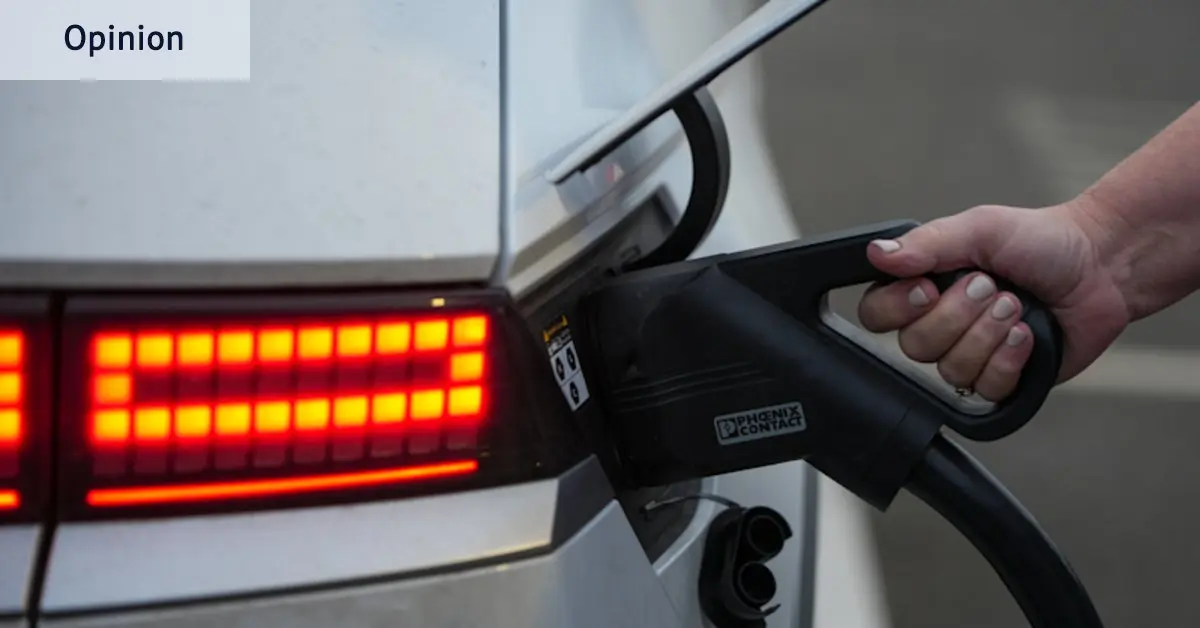
The issues are numerous – convenience, reliability and range anxiety. Yes, there are EV charging stations dotted along the major roadways, but there simply aren’t enough of them or enough plugs at the ones that are there.
So you pull into a station, hoping for a quick charge whilst you grab a coffee, only to find that the one or two ports are occupied and have a queue of EVs waiting their turn. A planned 15-minute stop can easily stretch to an hour or more.
At the Dog on the Tuckerbox near Gundagai, two cars were charging while two more were queued waiting for the only available ports. It’s in moments like this that EV charger rage begins to simmer and tempers flare.
And just when you think you’ve planned your trip to EV charging perfection, the chargers let you down. In Albury, a bank of five chargers had all out of action. Kaput. There was nothing we could do but drive on, hoping the electrons were flowing at the next town on our route.
Technical issues add further frustration. Different smartphone apps are required at different stations and varying connector types are still scattered among the charging ports further reducing the number of chargers available for your particular car. Charging can also slow dramatically when several cars plug in at once. And, in any case, many of the stations are not true fast chargers meaning a long wait for a useful recharge.
Compare our EV experience with the ease and certainty of a petrol-fuelled road trip: pull into any number of servos along your route, filling your thirsty car in five minutes, tap your credit card and get on your way. Is it any wonder that many drivers remain reluctant to make the switch that, as a society, we urgently need?
Any change management consultant will tell you that if you want people to adopt a new behaviour, you must make it easy. Really easy. And few cultural practices are more deeply embedded in Australian life than owning an internal combustion engine car. So if the EV transition is to succeed, drivers must not have the slightest doubt that they can charge their vehicles quickly and reliably in both cities and across regional Australia.
That means government and businesses must dramatically expand EV infrastructure across the country. We need thousands more chargers, not just hundreds. Anything less damns us to an uncertain future at the mercy of volatile global fossil fuel markets and with little hope of addressing the climate crisis.
Dr Stephen Lightfoot is vice president of the Australian Conservation Foundation.
The Opinion
You have reached your maximum number of saved items.
Remove items from your saved list to add more.