아버지와 딸이 뉴욕 미술계를 가짜 워홀과 뱅크시 작품으로 속인 방법
How a father and daughter duped NYC's art world with fake Warhols and Banksys
Associated Press
· 🇺🇸 New York, US
https://apnews.com/author/jake-offenhartz
EN
2026-05-01 10:10
Translated
폴란드계 미국 거주자인 아버지와 딸이 200점 이상의 위조 미술품을 뉴욕시의 유명 경매회사들에 판매하여 최소 200만 달러의 사기를 저질렀다.
뉴욕 (AP) — 1년 조금 전, 뉴욕시 미술품 딜러 로버트 로갈은 자신의 전용 화랑에 한 젊은 여성의 방문을 받았다. 그녀는 가족 유산을 팔고 싶어 하는 것으로 보였다.
카롤리나 반코우스카라고 자신을 소개한 이 여성은 앤드루 와이어스의 서명이 있는 액자 그림을 들고 있었다. 그 그림은 유명한 화가가 경력 초반에 완성한 수채화 풍경화와 유사했다. 흥미를 느낀 로갈은 이 작품을 위탁받아 경매에서 2만~3만 달러를 받을 수 있을 것으로 예상했다.
"출처가 다소 모호했습니다"라고 그는 말했다. "하지만 그녀는 신뢰할 만해 보였습니다. 명백한 위조품은 아니었습니다."
실제로 로갈은 현재 이 그림이 위조품이라고 믿고 있다. 연방 검사들에 따르면, 26세의 반코우스카와 50세의 아버지 에르윈 반코우스키가 속이려고 했던 최소 200점의 정교하게 설계된 모조품 중 하나다.
화요일에 이 부녀는 뉴욕시의 가장 유명한 미술 경매회사들을 포함한 피해자들을 최소 200만 달러 규모로 사기한 혐의로 유죄를 인정했다.
검사들에 따르면, 이 위조품들은 폴란드의 확인되지 않은 공모자에 의해 위조되었으며, 뱅크시, 앤디 워홀 같은 유명하고 다작하는 화가들의 알려지지 않은 작품들을 자주 재현했다. 그들의 가장 수익성 있는 위조품은 화가 리처드 메이휴의 것으로 추정되었으며, 경매회사 듀뮤셀즈에 의해 지난 10월 16만 달러에 판매되었다.
듀뮤셀즈 대표는 연방 당국에 협조했지만 판매에 대해 자세히 논의할 권한이 없다고 말했다. 본햄스, 필립스, 프리먼스, 앤티크 아레나를 포함한 다른 경매회사들은 문의에 응하지 않았거나 거절했다.
뉴저지에 거주하는 폴란드 국적의 이 부녀는 전신 사기 공모와 루이세뇨 화가 프리츠 숄더의 작품 복제로 인한 아메리카 인디언 상품 오표시 혐의로 기소되었다.
그들은 연방 지침에 따라 3년 이상의 징역형과 190만 달러의 배상금, 그리고 폴란드로의 강제 송환 가능성에 직면해 있다.
화요일 법정에서 반코우스카는 판사에게 자신의 "행동이 잘못되었으며 나는 유죄입니다"라고 말했다. 그녀의 변호사 토드 스포덱은 의뢰인이 에스크로 계좌에 100만 달러 이상을 예치했다고 말했다.
폴란드 통역사를 통해 에르윈 반코우스키도 사과했다. 그의 변호사 제프리 차브로우는 의뢰인이 "가족을 부양하기 위한 노력으로 유감스럽게도 끔찍한 결정을 내렸다"고 덧붙였다.
위조품 소식이 미술계에 퍼지자 전문가들은 이 계획을 그 장르의 전형이라고 설명했다. 이는 업계 일부가 인정하고 싶어 하는 것보다 훨씬 더 만연되어 있다.
뉴욕시립대학교 미술 범죄 교수인 에린 톰프슨은 "이 사건의 유일한 특이한 점은 위조범들이 잡혔다는 것입니다"라고 말했다.
"사람들은 미술계를 아름다운 미술의 경이로움을 공유하고 싶어 하는 교양 있는 사람들로 가득 찬 우아한 장소로 생각합니다"라고 그녀는 덧붙였다. "당신은 거기에 훨씬 더 많은 위조품이 있다고 가정해야 합니다."
검사들에 따르면, 부녀는 2020년부터 폴란드 화가에게 위조 미술품 제작을 의뢰하기 시작했다. 고대 종이를 사용하여, 그들은 또한 그림에 부착할 도장을 위조했으며, 주어진 화가가 타당하게 자신의 작품을 전시했을 폐쇄된 화랑의 이름을 채택했다.
판매가 의문을 제기하기 시작하는 데는 오래 걸리지 않았다. 2023년 3월, 화가 라이몬즈 스타프란스의 대표들은 경매회사가 판매하는 위조 그림 "트리플 보츠"를 알게 되었다. 대표들이 경매회사에 연락한 지 며칠 후, 그림이 구매자에게 6만 달러에 판매되었다고 검사들은 말했다.
미술 범죄 교수인 톰프슨은 다른 불규칙성도 발견했다. 예를 들어, 위조된 와이어스의 뒷면에 있는 화랑 도장은 연도를 1976년으로 표기했지만, 1962년에 폐지된 구역 번호를 포함했다.
우연의 일치일지 모르지만, 위조 도장은 뉴욕의 가장 오래되고 가장 존경받는 상업 화랑 중 하나인 M. 크노들러 앤 컴퍼니의 이름과 주소를 했다. 크노들러는 잭슨 폴록, 마크 로스코 등의 그림 위조로 수익을 얻었다는 혐의 속에서 2011년 문을 닫았다.
결국 로갈은 와이어스를 결코 등록하지 않았다. 부분적으로 뒷면의 도장이 "너무 깨끗했기" 때문이었다. 반코우스카에게 전화하여 그림을 픽업하라고 말했을 때, 그녀는 응하지 않았다.
화요일에, 위탁 미술품으로 가득 찬 퀸즈 창고에서 로갈은 조명 아래에서 그림을 다시 검토했다.
"당신은 서비스를 제공하고 올바르게 제공하려고 노력합니다"라고 그는 말했다. "우리가 속을 수 있을까요? 절대적으로 가능합니다."
카롤리나 반코우스카라고 자신을 소개한 이 여성은 앤드루 와이어스의 서명이 있는 액자 그림을 들고 있었다. 그 그림은 유명한 화가가 경력 초반에 완성한 수채화 풍경화와 유사했다. 흥미를 느낀 로갈은 이 작품을 위탁받아 경매에서 2만~3만 달러를 받을 수 있을 것으로 예상했다.
"출처가 다소 모호했습니다"라고 그는 말했다. "하지만 그녀는 신뢰할 만해 보였습니다. 명백한 위조품은 아니었습니다."
실제로 로갈은 현재 이 그림이 위조품이라고 믿고 있다. 연방 검사들에 따르면, 26세의 반코우스카와 50세의 아버지 에르윈 반코우스키가 속이려고 했던 최소 200점의 정교하게 설계된 모조품 중 하나다.
화요일에 이 부녀는 뉴욕시의 가장 유명한 미술 경매회사들을 포함한 피해자들을 최소 200만 달러 규모로 사기한 혐의로 유죄를 인정했다.
검사들에 따르면, 이 위조품들은 폴란드의 확인되지 않은 공모자에 의해 위조되었으며, 뱅크시, 앤디 워홀 같은 유명하고 다작하는 화가들의 알려지지 않은 작품들을 자주 재현했다. 그들의 가장 수익성 있는 위조품은 화가 리처드 메이휴의 것으로 추정되었으며, 경매회사 듀뮤셀즈에 의해 지난 10월 16만 달러에 판매되었다.
듀뮤셀즈 대표는 연방 당국에 협조했지만 판매에 대해 자세히 논의할 권한이 없다고 말했다. 본햄스, 필립스, 프리먼스, 앤티크 아레나를 포함한 다른 경매회사들은 문의에 응하지 않았거나 거절했다.
뉴저지에 거주하는 폴란드 국적의 이 부녀는 전신 사기 공모와 루이세뇨 화가 프리츠 숄더의 작품 복제로 인한 아메리카 인디언 상품 오표시 혐의로 기소되었다.
그들은 연방 지침에 따라 3년 이상의 징역형과 190만 달러의 배상금, 그리고 폴란드로의 강제 송환 가능성에 직면해 있다.
화요일 법정에서 반코우스카는 판사에게 자신의 "행동이 잘못되었으며 나는 유죄입니다"라고 말했다. 그녀의 변호사 토드 스포덱은 의뢰인이 에스크로 계좌에 100만 달러 이상을 예치했다고 말했다.
폴란드 통역사를 통해 에르윈 반코우스키도 사과했다. 그의 변호사 제프리 차브로우는 의뢰인이 "가족을 부양하기 위한 노력으로 유감스럽게도 끔찍한 결정을 내렸다"고 덧붙였다.
위조품 소식이 미술계에 퍼지자 전문가들은 이 계획을 그 장르의 전형이라고 설명했다. 이는 업계 일부가 인정하고 싶어 하는 것보다 훨씬 더 만연되어 있다.
뉴욕시립대학교 미술 범죄 교수인 에린 톰프슨은 "이 사건의 유일한 특이한 점은 위조범들이 잡혔다는 것입니다"라고 말했다.
"사람들은 미술계를 아름다운 미술의 경이로움을 공유하고 싶어 하는 교양 있는 사람들로 가득 찬 우아한 장소로 생각합니다"라고 그녀는 덧붙였다. "당신은 거기에 훨씬 더 많은 위조품이 있다고 가정해야 합니다."
검사들에 따르면, 부녀는 2020년부터 폴란드 화가에게 위조 미술품 제작을 의뢰하기 시작했다. 고대 종이를 사용하여, 그들은 또한 그림에 부착할 도장을 위조했으며, 주어진 화가가 타당하게 자신의 작품을 전시했을 폐쇄된 화랑의 이름을 채택했다.
판매가 의문을 제기하기 시작하는 데는 오래 걸리지 않았다. 2023년 3월, 화가 라이몬즈 스타프란스의 대표들은 경매회사가 판매하는 위조 그림 "트리플 보츠"를 알게 되었다. 대표들이 경매회사에 연락한 지 며칠 후, 그림이 구매자에게 6만 달러에 판매되었다고 검사들은 말했다.
미술 범죄 교수인 톰프슨은 다른 불규칙성도 발견했다. 예를 들어, 위조된 와이어스의 뒷면에 있는 화랑 도장은 연도를 1976년으로 표기했지만, 1962년에 폐지된 구역 번호를 포함했다.
우연의 일치일지 모르지만, 위조 도장은 뉴욕의 가장 오래되고 가장 존경받는 상업 화랑 중 하나인 M. 크노들러 앤 컴퍼니의 이름과 주소를 했다. 크노들러는 잭슨 폴록, 마크 로스코 등의 그림 위조로 수익을 얻었다는 혐의 속에서 2011년 문을 닫았다.
결국 로갈은 와이어스를 결코 등록하지 않았다. 부분적으로 뒷면의 도장이 "너무 깨끗했기" 때문이었다. 반코우스카에게 전화하여 그림을 픽업하라고 말했을 때, 그녀는 응하지 않았다.
화요일에, 위탁 미술품으로 가득 찬 퀸즈 창고에서 로갈은 조명 아래에서 그림을 다시 검토했다.
"당신은 서비스를 제공하고 올바르게 제공하려고 노력합니다"라고 그는 말했다. "우리가 속을 수 있을까요? 절대적으로 가능합니다."
처리 완료
4,271 tokens · $0.0119
기사 수집 완료 · 10:10
매체 피드에서 기사 메타데이터 수집
헤드라인 번역 완료 · 10:25
제목/요약 한국어 번역 (fetch 시점 inline)
claude-haiku-4-5-20251001
136 tokens
$0.00033
1.4s
본문 추출 완료
4,750자 추출 완료
본문 한국어 번역 완료 · 10:25
2,202자 번역 완료
claude-haiku-4-5-20251001
4,135 tokens
$0.01160
25.5s
지정학적 엔티티 추출 완료 · 10:25
5개 엔티티 추출 완료
지정학적 맥락 & R-Scanner
R-Scanner · 평상
z=-1.8
일상적인 보도 수준 — 기준: New York City
(🇺🇸 US)
최근 6시간 27건
7일 평균 38.29건 / 6h
10개국 매체
11개 매체
본문에서 추출된 지명 (5)
위치 지도
지도 로딩 중…
같은 주제의 다른 기사 (최근 7일)
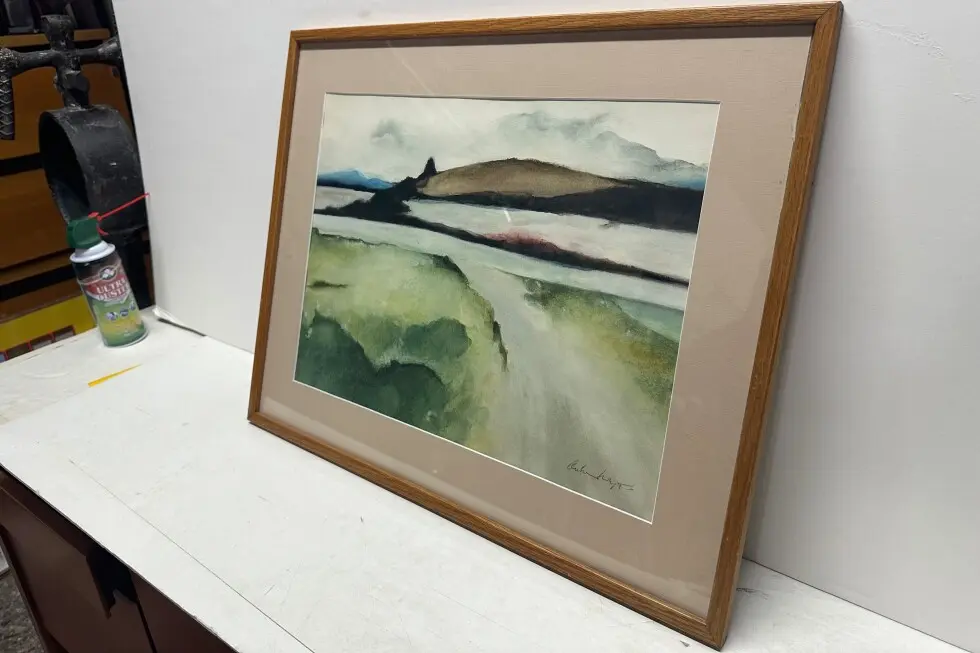
A suspected forgery of an Andrew Wyeth painting is seen at RoGallery in New York, Tuesday, April 28, 2026. (AP Photo/Jake Offenhartz)
NEW YORK (AP) — A little over a year ago, the New York City art dealer Robert Rogal received a visit to his private showroom from a young woman, who seemed eager to offload a family heirloom.
Introducing herself as Karolina Bankowska, she carried a framed painting signed by Andrew Wyeth, resembling the watercolor landscapes the celebrated artist had completed early in his career. Intrigued, Rogal accepted the piece on consignment, figuring it might fetch between $20,000 to $30,000 at auction.
“The provenance was a little fuzzy,” he said. “But she seemed credible. It wasn’t an obvious counterfeit.”
In fact, Rogal now believes the painting was a fake — one of at least 200 carefully designed imitations that federal prosecutors say Bankowska, 26, and her father Erwin Bankowski, 50, tried to pass off to unwitting buyers.
AP correspondent Julie Walker reports on a father daughter team of art forgers and some of the dupes they passed off.
On Tuesday, the duo pleaded guilty to defrauding their victims — including some of New York City’s most prominent fine art auction houses — of at least $2 million.
The counterfeits, which were forged in Poland by an unnamed co-conspirator, were often reproductions of lesser-known works by prominent and prolific artists, like Banksy and Andy Warhol, prosecutors said. Their most profitable fake, purportedly by the artist Richard Mayhew, was sold by the auction house DuMouchelles last October for $160,000.
A representative for DuMouchelles said they had cooperated with federal authorities but were not authorized to discuss the sale further. Several other auction houses targeted in the scheme, including Bonhams, Phillips, Freeman’s and Antique Arena, either declined or did not respond to inquiries.
The father and daughter — Polish citizens living in New Jersey — face charges of wire fraud conspiracy and misrepresenting Native American–produced goods, a charge stemming from their duplication of the Luiseño artist, Fritz Scholder.
They face the possibility of more than three years in prison under federal guidelines, in addition to $1.9 million in restitution and possible deportation to Poland.
In court on Tuesday, Bankowska told a judge that her “conduct was wrong and I am guilty.” Her attorney, Todd Spodek, said his client had placed more than $1 million in an escrow account.
Through a Polish interpreter, Erwin Bankowski also apologized. His attorney, Jeffrey Chabrowe, added that his client had “regrettably made a terrible decision in an effort to support his family.”
As news of the fakes reverberated around the art world, experts described the scheme as a classic of the genre — one that is far more prevalent than some in the industry would like to admit.
“The only unusual thing about this case is that the forgers got caught,” said Erin Thompson, a professor of art crime at the City University of New York.
“People think of the art world as a genteel place full of cultured people who just want to share the wonder of beautiful art,” she added. “You should assume there are a lot more fakes out there.”
Prosecutors said the father and daughter began commissioning a Polish artist in 2020 to create the fake artworks. Using antique paper, they also forged stamps to attach to the paintings, adopting the names of since-shuttered galleries where a given artist might have plausibly shown their work.
It wasn’t long before the sales began to draw scrutiny. In March 2023, representatives for the artist Raimonds Staprans caught wind of a forged painting, “Triple Boats,” for sale by an auction house. A few days after the reps contacted the auction house, the painting sold to a buyer for $60,000, prosecutors said.
Thompson, the professor of art crime, noticed other irregularities as well. The gallery stamp on the back of the faked Wyeth, for example, listed its year as 1976, but included a zoning address number that had been phased out in 1962.
Coincidentally, perhaps, the fake stamp bore the name and address for M. Knoedler & Co. One of New York’s oldest and most esteemed commercial galleries, Knoedler closed down in 2011 amid allegations of profiting from forgeries of paintings by Jackson Pollock, Mark Rothko and others.
Ultimately, Rogal said he never listed the Wyeth, in part because the stamp on the back was “too clean.” When he called Bankowska and told her to pick it up, she never responded.
On Tuesday, in a Queens warehouse brimming with consigned art pieces, Rogal reexamined the painting under the light.
“You try to do a service and provide it correctly,” he said. “Can we be fooled? Absolutely.”
NEW YORK (AP) — A little over a year ago, the New York City art dealer Robert Rogal received a visit to his private showroom from a young woman, who seemed eager to offload a family heirloom.
Introducing herself as Karolina Bankowska, she carried a framed painting signed by Andrew Wyeth, resembling the watercolor landscapes the celebrated artist had completed early in his career. Intrigued, Rogal accepted the piece on consignment, figuring it might fetch between $20,000 to $30,000 at auction.
“The provenance was a little fuzzy,” he said. “But she seemed credible. It wasn’t an obvious counterfeit.”
In fact, Rogal now believes the painting was a fake — one of at least 200 carefully designed imitations that federal prosecutors say Bankowska, 26, and her father Erwin Bankowski, 50, tried to pass off to unwitting buyers.
AP correspondent Julie Walker reports on a father daughter team of art forgers and some of the dupes they passed off.
On Tuesday, the duo pleaded guilty to defrauding their victims — including some of New York City’s most prominent fine art auction houses — of at least $2 million.
The counterfeits, which were forged in Poland by an unnamed co-conspirator, were often reproductions of lesser-known works by prominent and prolific artists, like Banksy and Andy Warhol, prosecutors said. Their most profitable fake, purportedly by the artist Richard Mayhew, was sold by the auction house DuMouchelles last October for $160,000.
A representative for DuMouchelles said they had cooperated with federal authorities but were not authorized to discuss the sale further. Several other auction houses targeted in the scheme, including Bonhams, Phillips, Freeman’s and Antique Arena, either declined or did not respond to inquiries.
The father and daughter — Polish citizens living in New Jersey — face charges of wire fraud conspiracy and misrepresenting Native American–produced goods, a charge stemming from their duplication of the Luiseño artist, Fritz Scholder.
They face the possibility of more than three years in prison under federal guidelines, in addition to $1.9 million in restitution and possible deportation to Poland.
In court on Tuesday, Bankowska told a judge that her “conduct was wrong and I am guilty.” Her attorney, Todd Spodek, said his client had placed more than $1 million in an escrow account.
Through a Polish interpreter, Erwin Bankowski also apologized. His attorney, Jeffrey Chabrowe, added that his client had “regrettably made a terrible decision in an effort to support his family.”
As news of the fakes reverberated around the art world, experts described the scheme as a classic of the genre — one that is far more prevalent than some in the industry would like to admit.
“The only unusual thing about this case is that the forgers got caught,” said Erin Thompson, a professor of art crime at the City University of New York.
“People think of the art world as a genteel place full of cultured people who just want to share the wonder of beautiful art,” she added. “You should assume there are a lot more fakes out there.”
Prosecutors said the father and daughter began commissioning a Polish artist in 2020 to create the fake artworks. Using antique paper, they also forged stamps to attach to the paintings, adopting the names of since-shuttered galleries where a given artist might have plausibly shown their work.
It wasn’t long before the sales began to draw scrutiny. In March 2023, representatives for the artist Raimonds Staprans caught wind of a forged painting, “Triple Boats,” for sale by an auction house. A few days after the reps contacted the auction house, the painting sold to a buyer for $60,000, prosecutors said.
Thompson, the professor of art crime, noticed other irregularities as well. The gallery stamp on the back of the faked Wyeth, for example, listed its year as 1976, but included a zoning address number that had been phased out in 1962.
Coincidentally, perhaps, the fake stamp bore the name and address for M. Knoedler & Co. One of New York’s oldest and most esteemed commercial galleries, Knoedler closed down in 2011 amid allegations of profiting from forgeries of paintings by Jackson Pollock, Mark Rothko and others.
Ultimately, Rogal said he never listed the Wyeth, in part because the stamp on the back was “too clean.” When he called Bankowska and told her to pick it up, she never responded.
On Tuesday, in a Queens warehouse brimming with consigned art pieces, Rogal reexamined the painting under the light.
“You try to do a service and provide it correctly,” he said. “Can we be fooled? Absolutely.”