랩의 첫 번째 여성 히트곡을 만든 그웬달린 칠솔름, 66세로 별세
Gwendolyn Chisolm, Who Rhymed on Rap’s First Female Hit, Dies at 66
The New York Times
· 🇺🇸 New York, US
Alex Williams
EN
2026-04-20 06:43
Translated
우연한 만남이 세쿼엔스라는 획기적인 3인조 그룹에게 하룻밤의 성공을 안겨주었고, 그들의 "Funk You Up"은 장벽을 무너뜨렸다.
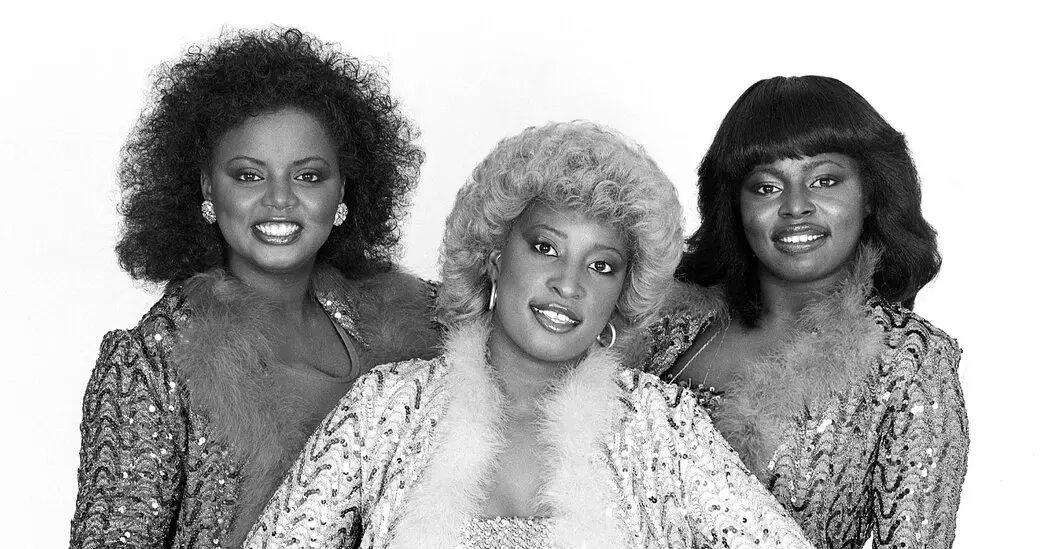
남캐롤라이나 식료품점 직원 출신 그웬달린 칠솔름은 힙합 초기 시대에 우연의 일치를 통해 팝 음악 역사에 한 페이지를 장식하게 되었다. 그녀는 세쿼엔스의 창립 멤버인 블론디로 활동했는데, 세쿼엔스는 히트곡을 낸 최초의 여성 래프 그룹이었다. 칠솔름은 4월 6일 애틀란타의 한 병원에서 패혈성 쇼크로 인해 66세의 나이로 사망했다.
그녀의 사망 원인은 최근의 질병으로 인한 패혈성 쇼크였으며, 그녀의 누나 모니카 스콧이 이를 전했다.
Salt-N-Pepa, MC Lyte, Queen Latifah 같은 아티스트들은 1980년대 중후반 남성 중심의 거칠고 황량한 힙합 장르에서 성 차별의 장벽을 무너뜨린 것으로 올바르게 평가받고 있으며, 여성이 래퍼로서 동등한 지위를 가질 자격이 있으며 남성만큼 거칠 수 있음을 입증했다.
세쿼엔스는 그들보다 수년 먼저 등장했다. 그 멤버들은 남캐롤라이나주 컬럼비아의 고등학교 응원단에서 함께 활동했던 3명의 여성이었다: 칠솔름(10대 때 머리를 금색으로 염색한 후 얻은 별명), 앙젤라 브라운(그룹 내에서 앙지 비로 알려졌고 나중에 앙지 스톤으로 불림), 셰릴 쿡(셰릴 더 펄).
그들은 1979년 말 악명 높은 래프 레이블 슈가힐 레코드와 녹음을 시작할 때까지 거의 그룹으로서 존재하지 않았다. 이는 슈가힐 레코드가 슈가힐 갱의 "래퍼스 딜라이트"를 발표한 지 불과 몇 개월 후였다. "래퍼스 딜라이트"는 재치 있는 언어유희의 향연으로 래프의 첫 번째 톱 40 히트곡이 되었고 힙합을 상업적으로 실행 가능한 장르로 확립하는 데 도움이 되었다.
세쿼엔스는 거의 즉시 "펑크 유 업"으로 답변했다. 이는 사람들을 춤추게 하는 싱글로, 여성 래프 활동가에 의해 발표된 최초의 레코드 중 하나였고, 더욱 주목할 만한 점은 상업적으로 처음 금을 친 곡이라는 것이다. 빌보드 핫 소울 싱글 차트에서 15위까지 올라갔으며, 톱 50에 진입한 세 번째 래프 곡이었다.
이러한 성취는 세 여성의 유일한 진정한 경험이 C.A. 존슨 고등학교 미식축구 경기장의 응원단으로부터 나온 것이라는 점에서 더욱 예상 밖의 일이었다. 대부분의 응원단과 달리, 그들은 자신들의 루틴을 직접 작성했고, 칠솔름이 2017년 롤링스톤과의 인터뷰에서 말했듯이 "응원을 할 때, 당신은 기본적으로 바로 거기서 래핑을 하고 있는 것이다."
"래퍼스 딜라이트"와 팻백 밴드의 "킹 팀 3(퍼소널리티 조크)" 같은 가장 초기의 래프 싱글이 공중파를 통해 방송되었을 때, 세 여성은 운을 띠고 가사를 조각내기 시작했지만 유명세에 대한 생각은 거의 없었다.
운명은 칠솔름의 20번째 생일인 1979년 10월 20일에 개입했는데, 그것은 슈가힐 갱의 첫 번째 콘서트 중 하나가 열린 날이었다. 그것은 컬럼비아의 타운십 오디토리움에서 열렸다. 그녀의 로컬 슈퍼 세이버 수퍼마켓 직장 상사는 그녀에게 표를 약속했다.
처음에 그 저녁은 재앙처럼 보였다. 칠솔름은 브라운과 쿡과 함께 도착했지만 박스 오피스에서 기다리는 표가 없었다. 슈가힐 갱의 스태프 멤버와의 우연한 만남을 통해서만, 그가 브라운을 작업 중이던 사람은 그들이 무대 뒤로 몰래 들어갈 수 있게 해주었다.
그들은 빠르게 자신들의 존재감을 드러냈다. "일단 뒤에 도착하면, 우리는 이야기를 시작했다"고 칠솔름은 2007년 구술 역사에서 회상했다. "우리는 우리가 슈가힐 갱보다 더 잘 부르고 래핑할 수 있다고 말했다."
그들의 자랑은 귀머거리에 떨어졌다. 그러면 여성의 목소리가 들렸다: "나는 너희들의 말을 들을 거야." 그것은 "힙합의 어머니"로 알려진 실비아 로빈슨이었다. 그녀는 그 해 남편 조 로빈슨과 함께 슈가힐 레코드를 설립했다.
롤링스톤이 나중에 기술한 바에 따르면, 로빈슨은 근처의 베이스 플레이어를 불러 여성들이 즉흥 오디션을 시작하는 동안 그루브를 깔아달라고 요청했다. 그들의 첫 두 번 곡은 형편없었고, 그들이 떠나려고 할 때쯤, 쿡의 제안으로 그들은 "펑크 유 업"을 시작했다. 이는 그들의 오래된 응원 중 하나를 개작한 것이었다.
"거기서 멈춰라"고 로빈슨은 칠솔름의 설명에 따르면 말했다. "오 맙소사, 나는 너희들을 스타로 만들 거야. 그것은 히트곡이야."
그웬달린 이본 칠솔름은 1959년 10월 20일 컬럼비아에서 알론조 칠솔름 시니어와 버지니아 영(칠솔름) 스콧에게 태어났다. 그녀는 세쿼엔스의 다른 멤버들과 마찬가지로 색슨 홈스라는 주택 프로젝트에서 자랐으며, 매우 보호적인 어머니가 있었다.
"나는 프로젝트에서 유일하게 창문을 통해 친구들과 대화해야 했던 소녀였다"고 그녀는 구술 역사에서 회상했다. 20세에도 칠솔롬은 자신의 인생을 바꾼 슈가힐 갱 콘서트에 참석하기 위해 그녀의 어머니의 심한 반대를 극복해야 했다.
우연한 오디션 1주일 후에 로빈슨은 전화를 걸어 그녀, 브라운, 쿡을 북쪽으로 날아가 레코드를 잘라 오라고 제안했다. 뉴저지주 잉글우드의 슈가힐 스튜디오 마이크 뒤에 있으면, 매우 다른 그웬달린 칠솔름이 나타났다.
"나는 5피트 2인치/잘 만들어진/36-26-36 다임"이라고 그녀는 래핑했으며, 어떤 남성 MC만큼 성적인 무용담으로 가득 찬 페르소나를 채택했다. 그녀가 나중에 설명했듯이: "블론디는 단지 레코드를 위해 내가 만든 캐릭터였어. 그 시점에서 내 인생은 지금까지 아무것도 하지 않았어."
그들의 노래의 성공 이후, 세쿼엔스는 모멘텀을 유지했다. 그 그룹은 빌보드의 R&B 차트에서 2개 더의 톱 40 싱글을 기록했다: "펑키 사운드(지붕을 찢다)", 1981년 의회의 "지붕을 찢다(섹스를 포기하다)"의 리메이크, 그리고 1982년의 "나는 당신의 사랑이 필요하지 않아"라는 직설적인 보컬 번호.
결국, 그 그룹은 로열티를 두고 자신의 레이블과의 싸움을 포함한 나이 많은 산업 문제에 접근했다. "우리는 녹음을 중단했다. 실비아와 그들이 우리에게 돈을 지불하지 않았기 때문이다"라고 칠솔름은 나중에 말했다.
그룹은 1985년에 해산했다. 브라운은 메리 제이 블라이즈와 레니 크래비츠와 같은 스타들을 위한 성공적인 작곡가가 되기 위해 벗어났다. 1990년대 말부터 앙지 스톤으로서, 그녀는 에리카 바두와 로린 힐 같은 것들과 함께 네오소울 운동의 주목할 만한 가수였다. 그녀는 작년에 자동차 충돌로 인한 부상으로 인해 사망했다.
칠솔름도 음악 사업에서 계속 활동했으며, 콘서트 제작 및 아티스트 관리에 참여했고, 나중에는 스톤의 개인 보조자로 일했다.
그녀의 누나 외에도, 그녀는 형 밀턴 스튜어트의 생존자가 있다.
세쿼엔스의 유산은 드래곤 래프 샘플, "펑크 유 업"과 "펑키 사운드"에 의해 살아있다. 박사 드래, 엔 보그, 아이스 큐브 같은 아티스트들에 의해.
칠솔름은 좀 더를 바랐다. "우리는 사람들이 우리가 Salt-N-Pepa, Queen Latifah, MC Lyte, Roxanne Shanté 이전의 것을 알기를 원한다"고 그녀는 구술 역사에서 말했다.
"우리는," 그녀는 덧붙였다, "래프의 원조 여왕들이다."
알렉스 윌리엄스는 타임스의 부고 데스크 기자다.
그녀의 사망 원인은 최근의 질병으로 인한 패혈성 쇼크였으며, 그녀의 누나 모니카 스콧이 이를 전했다.
Salt-N-Pepa, MC Lyte, Queen Latifah 같은 아티스트들은 1980년대 중후반 남성 중심의 거칠고 황량한 힙합 장르에서 성 차별의 장벽을 무너뜨린 것으로 올바르게 평가받고 있으며, 여성이 래퍼로서 동등한 지위를 가질 자격이 있으며 남성만큼 거칠 수 있음을 입증했다.
세쿼엔스는 그들보다 수년 먼저 등장했다. 그 멤버들은 남캐롤라이나주 컬럼비아의 고등학교 응원단에서 함께 활동했던 3명의 여성이었다: 칠솔름(10대 때 머리를 금색으로 염색한 후 얻은 별명), 앙젤라 브라운(그룹 내에서 앙지 비로 알려졌고 나중에 앙지 스톤으로 불림), 셰릴 쿡(셰릴 더 펄).
그들은 1979년 말 악명 높은 래프 레이블 슈가힐 레코드와 녹음을 시작할 때까지 거의 그룹으로서 존재하지 않았다. 이는 슈가힐 레코드가 슈가힐 갱의 "래퍼스 딜라이트"를 발표한 지 불과 몇 개월 후였다. "래퍼스 딜라이트"는 재치 있는 언어유희의 향연으로 래프의 첫 번째 톱 40 히트곡이 되었고 힙합을 상업적으로 실행 가능한 장르로 확립하는 데 도움이 되었다.
세쿼엔스는 거의 즉시 "펑크 유 업"으로 답변했다. 이는 사람들을 춤추게 하는 싱글로, 여성 래프 활동가에 의해 발표된 최초의 레코드 중 하나였고, 더욱 주목할 만한 점은 상업적으로 처음 금을 친 곡이라는 것이다. 빌보드 핫 소울 싱글 차트에서 15위까지 올라갔으며, 톱 50에 진입한 세 번째 래프 곡이었다.
이러한 성취는 세 여성의 유일한 진정한 경험이 C.A. 존슨 고등학교 미식축구 경기장의 응원단으로부터 나온 것이라는 점에서 더욱 예상 밖의 일이었다. 대부분의 응원단과 달리, 그들은 자신들의 루틴을 직접 작성했고, 칠솔름이 2017년 롤링스톤과의 인터뷰에서 말했듯이 "응원을 할 때, 당신은 기본적으로 바로 거기서 래핑을 하고 있는 것이다."
"래퍼스 딜라이트"와 팻백 밴드의 "킹 팀 3(퍼소널리티 조크)" 같은 가장 초기의 래프 싱글이 공중파를 통해 방송되었을 때, 세 여성은 운을 띠고 가사를 조각내기 시작했지만 유명세에 대한 생각은 거의 없었다.
운명은 칠솔름의 20번째 생일인 1979년 10월 20일에 개입했는데, 그것은 슈가힐 갱의 첫 번째 콘서트 중 하나가 열린 날이었다. 그것은 컬럼비아의 타운십 오디토리움에서 열렸다. 그녀의 로컬 슈퍼 세이버 수퍼마켓 직장 상사는 그녀에게 표를 약속했다.
처음에 그 저녁은 재앙처럼 보였다. 칠솔름은 브라운과 쿡과 함께 도착했지만 박스 오피스에서 기다리는 표가 없었다. 슈가힐 갱의 스태프 멤버와의 우연한 만남을 통해서만, 그가 브라운을 작업 중이던 사람은 그들이 무대 뒤로 몰래 들어갈 수 있게 해주었다.
그들은 빠르게 자신들의 존재감을 드러냈다. "일단 뒤에 도착하면, 우리는 이야기를 시작했다"고 칠솔름은 2007년 구술 역사에서 회상했다. "우리는 우리가 슈가힐 갱보다 더 잘 부르고 래핑할 수 있다고 말했다."
그들의 자랑은 귀머거리에 떨어졌다. 그러면 여성의 목소리가 들렸다: "나는 너희들의 말을 들을 거야." 그것은 "힙합의 어머니"로 알려진 실비아 로빈슨이었다. 그녀는 그 해 남편 조 로빈슨과 함께 슈가힐 레코드를 설립했다.
롤링스톤이 나중에 기술한 바에 따르면, 로빈슨은 근처의 베이스 플레이어를 불러 여성들이 즉흥 오디션을 시작하는 동안 그루브를 깔아달라고 요청했다. 그들의 첫 두 번 곡은 형편없었고, 그들이 떠나려고 할 때쯤, 쿡의 제안으로 그들은 "펑크 유 업"을 시작했다. 이는 그들의 오래된 응원 중 하나를 개작한 것이었다.
"거기서 멈춰라"고 로빈슨은 칠솔름의 설명에 따르면 말했다. "오 맙소사, 나는 너희들을 스타로 만들 거야. 그것은 히트곡이야."
그웬달린 이본 칠솔름은 1959년 10월 20일 컬럼비아에서 알론조 칠솔름 시니어와 버지니아 영(칠솔름) 스콧에게 태어났다. 그녀는 세쿼엔스의 다른 멤버들과 마찬가지로 색슨 홈스라는 주택 프로젝트에서 자랐으며, 매우 보호적인 어머니가 있었다.
"나는 프로젝트에서 유일하게 창문을 통해 친구들과 대화해야 했던 소녀였다"고 그녀는 구술 역사에서 회상했다. 20세에도 칠솔롬은 자신의 인생을 바꾼 슈가힐 갱 콘서트에 참석하기 위해 그녀의 어머니의 심한 반대를 극복해야 했다.
우연한 오디션 1주일 후에 로빈슨은 전화를 걸어 그녀, 브라운, 쿡을 북쪽으로 날아가 레코드를 잘라 오라고 제안했다. 뉴저지주 잉글우드의 슈가힐 스튜디오 마이크 뒤에 있으면, 매우 다른 그웬달린 칠솔름이 나타났다.
"나는 5피트 2인치/잘 만들어진/36-26-36 다임"이라고 그녀는 래핑했으며, 어떤 남성 MC만큼 성적인 무용담으로 가득 찬 페르소나를 채택했다. 그녀가 나중에 설명했듯이: "블론디는 단지 레코드를 위해 내가 만든 캐릭터였어. 그 시점에서 내 인생은 지금까지 아무것도 하지 않았어."
그들의 노래의 성공 이후, 세쿼엔스는 모멘텀을 유지했다. 그 그룹은 빌보드의 R&B 차트에서 2개 더의 톱 40 싱글을 기록했다: "펑키 사운드(지붕을 찢다)", 1981년 의회의 "지붕을 찢다(섹스를 포기하다)"의 리메이크, 그리고 1982년의 "나는 당신의 사랑이 필요하지 않아"라는 직설적인 보컬 번호.
결국, 그 그룹은 로열티를 두고 자신의 레이블과의 싸움을 포함한 나이 많은 산업 문제에 접근했다. "우리는 녹음을 중단했다. 실비아와 그들이 우리에게 돈을 지불하지 않았기 때문이다"라고 칠솔름은 나중에 말했다.
그룹은 1985년에 해산했다. 브라운은 메리 제이 블라이즈와 레니 크래비츠와 같은 스타들을 위한 성공적인 작곡가가 되기 위해 벗어났다. 1990년대 말부터 앙지 스톤으로서, 그녀는 에리카 바두와 로린 힐 같은 것들과 함께 네오소울 운동의 주목할 만한 가수였다. 그녀는 작년에 자동차 충돌로 인한 부상으로 인해 사망했다.
칠솔름도 음악 사업에서 계속 활동했으며, 콘서트 제작 및 아티스트 관리에 참여했고, 나중에는 스톤의 개인 보조자로 일했다.
그녀의 누나 외에도, 그녀는 형 밀턴 스튜어트의 생존자가 있다.
세쿼엔스의 유산은 드래곤 래프 샘플, "펑크 유 업"과 "펑키 사운드"에 의해 살아있다. 박사 드래, 엔 보그, 아이스 큐브 같은 아티스트들에 의해.
칠솔름은 좀 더를 바랐다. "우리는 사람들이 우리가 Salt-N-Pepa, Queen Latifah, MC Lyte, Roxanne Shanté 이전의 것을 알기를 원한다"고 그녀는 구술 역사에서 말했다.
"우리는," 그녀는 덧붙였다, "래프의 원조 여왕들이다."
알렉스 윌리엄스는 타임스의 부고 데스크 기자다.
처리 완료
6,001 tokens · $0.0173
기사 수집 완료 · 07:30
매체 피드에서 기사 메타데이터 수집
헤드라인 번역 완료 · 21:02
제목/요약 한국어 번역 (fetch 시점 inline)
kimi-k2.5
0 tokens
$0.00000
0.2s
본문 추출 완료
6,206자 추출 완료
본문 한국어 번역 완료 · 21:02
3,433자 번역 완료
claude-haiku-4-5-20251001
6,001 tokens
$0.01735
42.5s
지정학적 엔티티 추출 완료 · 21:02
5개 엔티티 추출 완료
지정학적 맥락 & R-Scanner
R-Scanner · 평상
z=-3.32
일상적인 보도 수준 — 기준: Atlanta
(🇺🇸 US)
최근 6시간 21건
7일 평균 43.04건 / 6h
5개국 매체
8개 매체
본문에서 추출된 지명 (5)
위치 지도
지도 로딩 중…
같은 주제의 다른 기사 (최근 7일)
A chance encounter led to overnight success for the Sequence, a seminal trio whose “Funk You Up” broke barriers.
Gwendolyn Chisolm, a South Carolina grocery worker who, through a stroke of serendipity, carved out a slice of pop music history at the dawn of the hip-hop era as Blondy, a founding member of the Sequence, the first female rap group to score a hit, died on April 6 in Atlanta. She was 66.She died in a hospital of septic shock after a recent illness, her sister, Monica Scott, said.
Artists like Salt-N-Pepa, MC Lyte and Queen Latifah are rightly credited with smashing the gender barrier in rugged, male-dominated hip-hop in the mid- to late 1980s, proving that women deserved equal footing as rap stars — and could be just as rugged as men.
The Sequence predated all of them by years. Its members were three women who had been on a high school cheerleading squad together in Columbia, S.C.: Ms. Chisolm (who earned her nickname after dyeing her hair blond as a teenager), Angela Brown (known in the group as Angie B. and later as Angie Stone) and Cheryl Cook (Cheryl the Pearl).
They were scarcely a group when they began recording with the storied rap label Sugar Hill Records in late 1979. This was just months after the label had released the Sugarhill Gang’s “Rapper’s Delight,” a feast of witty wordplay that became rap’s first Top 40 hit and helped establish hip-hop as a viable commercial genre.
The Sequence answered almost immediately with “Funk You Up,” a get-off-your-feet single that was one of the first records released by any female rap act and, more notably, was the first to strike gold commercially, rising to No. 15 on the Billboard Hot Soul singles chart. It was only the third rap song to make it into the Top 50.
The achievement was all the more unlikely given that the three women’s only real experience in dishing out rhymes was from the sidelines at C.A. Johnson High School football games. Unlike most cheerleaders, they wrote their own routines, and, as Ms. Chisolm said in a 2017 interview with Rolling Stone, “with cheering, you’re basically rapping right there.”
When the earliest rap singles, like “Rapper’s Delight” and Fatback Band’s “King Tim III (Personality Jock),” hit the airwaves, the three women began cobbling together rhymes, though they had little thought of stardom.
Fate intervened on Ms. Chisolm’s 20th birthday, Oct. 20, 1979, the day of one of the Sugarhill Gang’s first concerts, at the Township Auditorium in Columbia. Her boss at a local Super Saver supermarket had promised her tickets.
At first, the evening seemed like a disaster. Ms. Chisolm arrived with Ms. Brown and Ms. Cook to find no tickets waiting at the box office. Only through a chance encounter with a member of the Sugarhill Gang’s staff, who started flirting with Ms. Brown, did they manage to sneak backstage.
They quickly made their presence felt. “Once we got back there, we started talking,” Ms. Chisolm recalled in a 2007 oral history. “We said we can sing and rap better than the Sugarhill Gang.”
Their boasts fell on deaf ears. Then they heard a woman’s voice: “I’ll listen to y’all.” It was Sylvia Robinson — known as the “mother of hip-hop” — who had founded Sugar Hill Records that year with her husband, Joe Robinson.
As Rolling Stone later recounted, Ms. Robinson summoned a nearby bass player to lay down grooves while the women launched into an impromptu audition. Their first two numbers fell flat, and they were about to leave when, at Ms. Cook’s suggestion, they launched into “Funk You Up,” adapted from one of their old cheers.
“Stop it right there,” Ms. Robinson said, in Ms. Chisolm’s account. “Oh my god, I’m going to make you girls stars. That’s a hit.”
Gwendolyn Yvonne Chisolm was born on Oct. 20, 1959, in Columbia, to Alonzo Chisolm Sr. and Virginia Young (Chisolm) Scott. She grew in a housing project called the Saxon Homes — as did the other Sequence members — with a highly protective mother.
“I was the only girl in the projects that had to talk to her friends through the window,” she recalled in the oral history. Even at 20, Ms. Chisolm had to overcome her mother’s strident objections to attend the Sugarhill Gang concert that changed her life.
It was only a week after the chance audition that Ms. Robinson called and offered to fly her, Ms. Brown and Ms. Cook north to cut a record. Once behind a microphone in Sugar Hill’s Englewood, N.J., studio, a very different Gwendolyn Chisolm emerged.
“I’m five-foot-two/built so fine/36-26-36 dime,” she rapped, adopting a persona brimming with all the sexual swagger of any male M.C. As she later explained: “Blondy was just a character I made up for records. At that point in my life I had never done anything whatsoever.”
After the success of their song, the Sequence kept the momentum going. The group scored two more Top 40 singles on Billboard’s R&B charts: “Funky Sound (Tear the Roof Off),” a 1981 remake of Parliament’s “Tear the Roof Off the Sucker (Give Up the Funk),” as the 1976 single version was titled, and “I Don’t Need Your Love ,” a straight ahead vocal number, from 1982.
Eventually, the group ran aground on age-old industry issues, including tussles with their label over royalties. “We stopped recording because Sylvia and them were not paying us,” Ms. Chisolm later said.
The group disbanded in 1985. Ms. Brown peeled off to become a successful songwriter for stars like Mary J. Blige and Lenny Kravitz. Starting in the late 1990s, as Angie Stone, she was a notable singer in the neo-soul movement, alongside the likes of Erykah Badu and Lauryn Hill. She died from injuries from a car crash last year.
Ms. Chisolm also remained active in the music business, working in concert production and artist management and, later, as Ms. Stone’s personal assistant.
In addition to her sister, she is survived by a brother, Milton Stewart.
The Sequence’s legacy lives on through abundant samples of “Funk You Up” and “Funky Sound” by artists like Dr. Dre, En Vogue and Ice Cube.
Ms. Chisolm hoped for a bit more. “We want people to know that we were before Salt-N-Pepa, Queen Latifah, MC Lyte, Roxanne Shanté and all of them,” she said in the oral history.
“We are,” she added, “the original queens of rap.”
Alex Williams is a Times reporter on the Obituaries desk.