조지아주의 산불이 보여주는 기후변화로 인한 동부 지역의 증가하는 산불
Georgia blaze shows how climate change has led to more wildfires in the East
Associated Press
· 🇺🇸 New York, US
https://apnews.com/author/seth-borenstein
EN
2026-04-25 07:20
Translated
조지아주 브랜틀리 카운티에 사는 브리애나 엘리엇은 빠르게 확산하는 산불이 그녀의 집 주변 지역을 덮친 후 집과 애완동물이 없어질까봐 두려워하고 있다. (AP 영상: Russ Bynum)
서부 북미에서만 주로 문제가 되는 것으로 여겨지던 산불이 이번 주 조지아주의 수십 채의 집을 파괴한 산불과 같이 동부 지역에서 점점 더 심해지고, 빈번해지고, 피해가 커지고 있다고 소방 과학자들이 말했다.
연구원들은 기후변화로 인한 연료 건조 및 가연성 증가, 기록적인 가뭄, 헬레인 허리케인으로 인한 수천만 톤의 고사목, 그리고 울창한 숲과 많은 인구가 함께 공존하는 광대한 지역 등 여러 요인을 지적하고 있다.
올해 미국에서는 2,802제곱마일(7,258제곱킬로미터)이 산불에 타버렸으며, 대부분은 대규모 산불에 드물게 발생하는 지역인 네브래스카주에서 발생했다. 이는 현재 시기의 10년 평균보다 88% 더 많은 수치이며, 미국 정부간 소방센터(National Interagency Fire Center)에 따른 것이다. 이러한 상황은 국가의 상당 부분이 가장 따뜻한 겨울과 3월, 4월 가뭄 기록을 세우고 있는 가운데 일어나고 있다.
캐나다 브리티시컬럼비아주 톰슨리버즈 대학의 소방 과학자 마이크 플래니건은 "우리가 더워질수록 더 많은 산불을 보게 됩니다. 더 긴 산불 시즌, 더 많은 번개 가능성, 그리고 더 건조한 연료가 있습니다"라고 말했다. "저는 동부 지역에서 더 많은 산불을 볼 것으로 생각합니다. 우리는 더 강한 산불을 보고 있습니다."
플로리다 대학의 소방 생태학자 빅토리아 도노반과 카리사 웡카가 2023년에 실시한 연구에 따르면, 1984년부터 2020년까지 미국 남동부의 대부분 지역에서 대형 산불의 수, 발생 가능성, 그리고 타버린 토지의 양이 증가했다.
도노반은 "동부의 산불은 역사적으로나 현재나 서부 미국의 산불보다 훨씬 작기 때문에 항상 서부의 산불만큼 관심을 끌지는 못할 수 있습니다. 하지만 우리는 이제 동부에서 역학 관계의 변화를 보기 시작하고 있으며, 우리는 이를 정량화하기 시작하고 있습니다"라고 목요일에 말했다.
3개월 전, 도노반, 웡카 및 기타 소방 과학자들은 전문가들이 서부에서 배운 문제 중 일부가 동부에 적용되지 않을 수 있다는 이유로 동부 산불을 연구하기 위해 새로운 소방 연구원 네트워크를 만들었다.
서부가 더 크고 눈에 띄는 빠르게 확산하는 산불을 가지고 있지만, 동부는 과학자들이 산림-도시 경계(WUI)라고 부르는 화염의 길에 더 많은 사람들이 있다.
도노반은 "우리는 동부의 모든 대형 산불의 45%가 산림-도시 경계의 일부를 태우고 타버린 지역의 55%가 이러한 많은 대형 산불이 WUI 산불과 연관이 있다는 것을 발견했습니다"라고 말했다.
도노반은 동부의 숲이 더 울창하고 서부의 숲보다 정리될 가능성이 낮다고 덧붙였다.
일주일 전, 연방 및 주 관계자들은 가뭄, 날씨, 그리고 2024년 헬레인 허리케인으로 인한 수백만 그루의 고사목을 살펴보고 산불에 주의할 것을 권고했다고 아이다호주 보이즈의 국립정부간소방센터에서 근무하는 국립기상청 소방 과학 및 운영 담당관 닉 나우슬러가 말했다.
나우슬러는 "그들은 더 많은 산불을 보고, 그들이 얻는 산불에 대한 저항이 더 많을 수 있다고 생각하고 있습니다"라고 말했다. "헬레인의 피해를 입은 많은 지역에서 평년보다 더 따뜻하고 건조했습니다. 그래서 그곳에 가능성이 있습니다. 과도한 연료가 있습니다. 왜냐하면 지금 (나무들이) 죽었고 날씨와 기후의 영향을 받기 때문입니다. 그리고 건조하고 바람이 불며 점화원이 있으면 점화되고 확산될 가능성이 더 높습니다."
조지아주만 해도, 2024년 11월 조지아 대학교와 조지아 임업 위원회의 목재 피해 평가에 따르면 헬레인 허리케인으로 인해 13,954제곱마일(36,142제곱킬로미터)의 산림 지역이 피해를 입었으며, 2,600만 톤 이상의 소나무와 3,000만 톤의 활엽수가 쓰러졌다.
조지아 대학교 기상학 교수 마셜 셰퍼드는 "우리 중 많은 사람들이 헬레인 이후 연료 축적을 걱정해왔습니다. 이것은 시한폭탄입니다"라고 말했다.
하지만 그것은 단지 쓰러진 나무뿐만이 아니라 건조한 공기도 산불의 가능성을 증가시킨다. 단순히 비의 부족이 아니라 공기 자체가 습도가 낮아서 문제를 야기한다고 나우슬러와 플래니건이 말했다.
플래니건은 "우리가 데워지면서... 대기가 죽은 연료에서 수분을 빨아내는 능력, 살아있는 연료가 아니라 죽은 연료에서, 온도가 증가함에 따라 거의 지수적으로 증가합니다"라고 말했다. "연료가 건조할수록 산불이 발생하기 쉬우며, 더 많은 연료가 건조되고 타기 위해 사용 가능하다는 의미이며, 이는 진화하기 어렵거나 불가능한 더 높은 강도의 산불로 이어집니다.
"우리가 지금 보고 있는 것이 동부로 진출하기 시작하는 것입니다"라고 플래니건이 말했다. 인간이 야기한 기후변화가 명확한 역할을 하고 있다고 그는 말했다.
Associated Press의 기후 및 환경 보도는 여러 민간 재단의 재정 지원을 받습니다. AP는 모든 콘텐츠에 대해 전적인 책임을 집니다. AP.org에서 박애 단체와의 업무 기준, 후원자 목록 및 자금 지원 범위를 확인하세요.
서부 북미에서만 주로 문제가 되는 것으로 여겨지던 산불이 이번 주 조지아주의 수십 채의 집을 파괴한 산불과 같이 동부 지역에서 점점 더 심해지고, 빈번해지고, 피해가 커지고 있다고 소방 과학자들이 말했다.
연구원들은 기후변화로 인한 연료 건조 및 가연성 증가, 기록적인 가뭄, 헬레인 허리케인으로 인한 수천만 톤의 고사목, 그리고 울창한 숲과 많은 인구가 함께 공존하는 광대한 지역 등 여러 요인을 지적하고 있다.
올해 미국에서는 2,802제곱마일(7,258제곱킬로미터)이 산불에 타버렸으며, 대부분은 대규모 산불에 드물게 발생하는 지역인 네브래스카주에서 발생했다. 이는 현재 시기의 10년 평균보다 88% 더 많은 수치이며, 미국 정부간 소방센터(National Interagency Fire Center)에 따른 것이다. 이러한 상황은 국가의 상당 부분이 가장 따뜻한 겨울과 3월, 4월 가뭄 기록을 세우고 있는 가운데 일어나고 있다.
캐나다 브리티시컬럼비아주 톰슨리버즈 대학의 소방 과학자 마이크 플래니건은 "우리가 더워질수록 더 많은 산불을 보게 됩니다. 더 긴 산불 시즌, 더 많은 번개 가능성, 그리고 더 건조한 연료가 있습니다"라고 말했다. "저는 동부 지역에서 더 많은 산불을 볼 것으로 생각합니다. 우리는 더 강한 산불을 보고 있습니다."
플로리다 대학의 소방 생태학자 빅토리아 도노반과 카리사 웡카가 2023년에 실시한 연구에 따르면, 1984년부터 2020년까지 미국 남동부의 대부분 지역에서 대형 산불의 수, 발생 가능성, 그리고 타버린 토지의 양이 증가했다.
도노반은 "동부의 산불은 역사적으로나 현재나 서부 미국의 산불보다 훨씬 작기 때문에 항상 서부의 산불만큼 관심을 끌지는 못할 수 있습니다. 하지만 우리는 이제 동부에서 역학 관계의 변화를 보기 시작하고 있으며, 우리는 이를 정량화하기 시작하고 있습니다"라고 목요일에 말했다.
3개월 전, 도노반, 웡카 및 기타 소방 과학자들은 전문가들이 서부에서 배운 문제 중 일부가 동부에 적용되지 않을 수 있다는 이유로 동부 산불을 연구하기 위해 새로운 소방 연구원 네트워크를 만들었다.
서부가 더 크고 눈에 띄는 빠르게 확산하는 산불을 가지고 있지만, 동부는 과학자들이 산림-도시 경계(WUI)라고 부르는 화염의 길에 더 많은 사람들이 있다.
도노반은 "우리는 동부의 모든 대형 산불의 45%가 산림-도시 경계의 일부를 태우고 타버린 지역의 55%가 이러한 많은 대형 산불이 WUI 산불과 연관이 있다는 것을 발견했습니다"라고 말했다.
도노반은 동부의 숲이 더 울창하고 서부의 숲보다 정리될 가능성이 낮다고 덧붙였다.
일주일 전, 연방 및 주 관계자들은 가뭄, 날씨, 그리고 2024년 헬레인 허리케인으로 인한 수백만 그루의 고사목을 살펴보고 산불에 주의할 것을 권고했다고 아이다호주 보이즈의 국립정부간소방센터에서 근무하는 국립기상청 소방 과학 및 운영 담당관 닉 나우슬러가 말했다.
나우슬러는 "그들은 더 많은 산불을 보고, 그들이 얻는 산불에 대한 저항이 더 많을 수 있다고 생각하고 있습니다"라고 말했다. "헬레인의 피해를 입은 많은 지역에서 평년보다 더 따뜻하고 건조했습니다. 그래서 그곳에 가능성이 있습니다. 과도한 연료가 있습니다. 왜냐하면 지금 (나무들이) 죽었고 날씨와 기후의 영향을 받기 때문입니다. 그리고 건조하고 바람이 불며 점화원이 있으면 점화되고 확산될 가능성이 더 높습니다."
조지아주만 해도, 2024년 11월 조지아 대학교와 조지아 임업 위원회의 목재 피해 평가에 따르면 헬레인 허리케인으로 인해 13,954제곱마일(36,142제곱킬로미터)의 산림 지역이 피해를 입었으며, 2,600만 톤 이상의 소나무와 3,000만 톤의 활엽수가 쓰러졌다.
조지아 대학교 기상학 교수 마셜 셰퍼드는 "우리 중 많은 사람들이 헬레인 이후 연료 축적을 걱정해왔습니다. 이것은 시한폭탄입니다"라고 말했다.
하지만 그것은 단지 쓰러진 나무뿐만이 아니라 건조한 공기도 산불의 가능성을 증가시킨다. 단순히 비의 부족이 아니라 공기 자체가 습도가 낮아서 문제를 야기한다고 나우슬러와 플래니건이 말했다.
플래니건은 "우리가 데워지면서... 대기가 죽은 연료에서 수분을 빨아내는 능력, 살아있는 연료가 아니라 죽은 연료에서, 온도가 증가함에 따라 거의 지수적으로 증가합니다"라고 말했다. "연료가 건조할수록 산불이 발생하기 쉬우며, 더 많은 연료가 건조되고 타기 위해 사용 가능하다는 의미이며, 이는 진화하기 어렵거나 불가능한 더 높은 강도의 산불로 이어집니다.
"우리가 지금 보고 있는 것이 동부로 진출하기 시작하는 것입니다"라고 플래니건이 말했다. 인간이 야기한 기후변화가 명확한 역할을 하고 있다고 그는 말했다.
Associated Press의 기후 및 환경 보도는 여러 민간 재단의 재정 지원을 받습니다. AP는 모든 콘텐츠에 대해 전적인 책임을 집니다. AP.org에서 박애 단체와의 업무 기준, 후원자 목록 및 자금 지원 범위를 확인하세요.
처리 완료
5,192 tokens · $0.0133
기사 수집 완료 · 07:20
매체 피드에서 기사 메타데이터 수집
헤드라인 번역 완료 · 07:35
제목/요약 한국어 번역 (fetch 시점 inline)
claude-haiku-4-5-20251001
120 tokens
$0.00028
1.2s
본문 추출 완료
7,321자 추출 완료
본문 한국어 번역 완료 · 07:35
2,541자 번역 완료
claude-haiku-4-5-20251001
5,072 tokens
$0.01300
25.6s
지정학적 엔티티 추출 완료 · 07:35
7개 엔티티 추출 완료
지정학적 맥락 & R-Scanner
R-Scanner · 평상
z=-1.53
일상적인 보도 수준 — 기준: Georgia
(🇺🇸 US)
최근 6시간 27건
7일 평균 36.32건 / 6h
5개국 매체
6개 매체
본문에서 추출된 지명 (7)
Georgia
🇺🇸
Brantley County
🇺🇸
Eastern United States
🇺🇸
Nahunta
🇺🇸
Nebraska
🇺🇸
British Columbia
🇨🇦
Boise
🇺🇸
위치 지도
지도 로딩 중…
같은 주제의 다른 기사 (최근 7일)
Brianna Elliot, who lives in Brantley County, Georgia, fears her home and her pets are gone after a rapidly-spreading wildfire engulfed the areas surrounding her home. (AP Video: Russ Bynum)
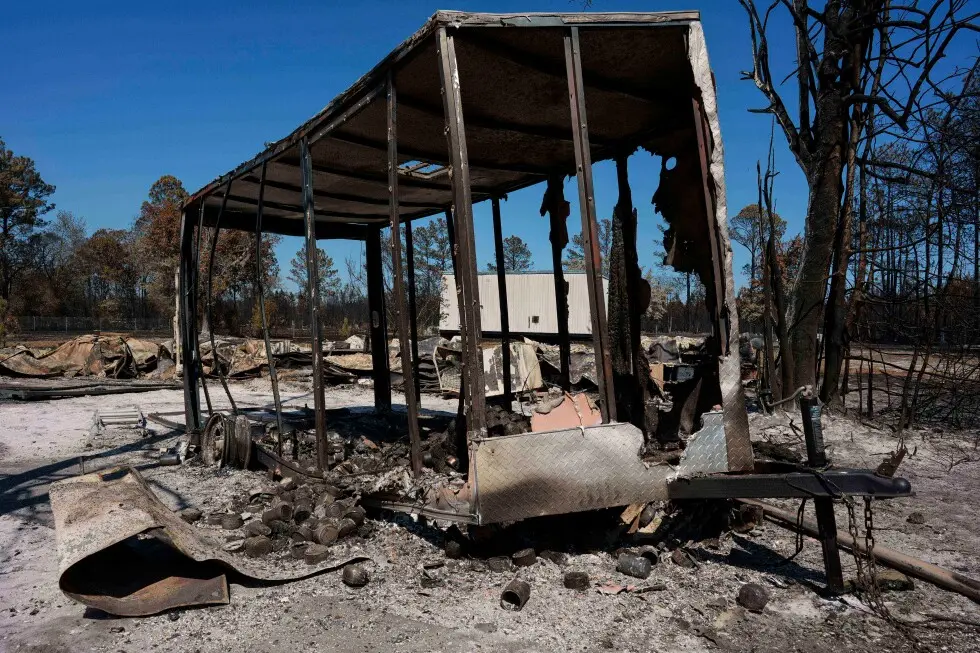
A burned trailer sits near a destroyed home as the Brantley Highway 82 fire burns, Thursday, April 23, 2026, near Nahunta, Ga. (AP Photo/Mike Stewart)
A helicopter carries water to the Brantley Highway 82 fire, Thursday, April 23, 2026, near Nahunta, Ga. (AP Photo/Mike Stewart)
A burned vehicle sits near a destroyed home as the Brantley Highway 82 fire burns, Thursday, April 23, 2026, near Nahunta, Ga. (AP Photo/Mike Stewart)
A fire burns as the Brantley Highway 82 fire burns, Thursday, April 23, 2026, near Nahunta, Ga. (AP Photo/Mike Stewart)
A firefighter works the Brantley Highway 82 fire, Thursday, April 23, 2026, near Nahunta, Ga. (AP Photo/Mike Stewart)
Brianna Elliot, who lives in Brantley County, Georgia, fears her home and her pets are gone after a rapidly-spreading wildfire engulfed the areas surrounding her home. (AP Video: Russ Bynum)
A burned trailer sits near a destroyed home as the Brantley Highway 82 fire burns, Thursday, April 23, 2026, near Nahunta, Ga. (AP Photo/Mike Stewart)
A burned trailer sits near a destroyed home as the Brantley Highway 82 fire burns, Thursday, April 23, 2026, near Nahunta, Ga. (AP Photo/Mike Stewart)
A helicopter carries water to the Brantley Highway 82 fire, Thursday, April 23, 2026, near Nahunta, Ga. (AP Photo/Mike Stewart)
A helicopter carries water to the Brantley Highway 82 fire, Thursday, April 23, 2026, near Nahunta, Ga. (AP Photo/Mike Stewart)
A burned vehicle sits near a destroyed home as the Brantley Highway 82 fire burns, Thursday, April 23, 2026, near Nahunta, Ga. (AP Photo/Mike Stewart)
A burned vehicle sits near a destroyed home as the Brantley Highway 82 fire burns, Thursday, April 23, 2026, near Nahunta, Ga. (AP Photo/Mike Stewart)
A fire burns as the Brantley Highway 82 fire burns, Thursday, April 23, 2026, near Nahunta, Ga. (AP Photo/Mike Stewart)
A fire burns as the Brantley Highway 82 fire burns, Thursday, April 23, 2026, near Nahunta, Ga. (AP Photo/Mike Stewart)
A firefighter works the Brantley Highway 82 fire, Thursday, April 23, 2026, near Nahunta, Ga. (AP Photo/Mike Stewart)
A firefighter works the Brantley Highway 82 fire, Thursday, April 23, 2026, near Nahunta, Ga. (AP Photo/Mike Stewart)
Often considered more a problem for Western North America, wildfires are becoming more intense, frequent and damaging in the East, such as this week’s blaze that destroyed dozens of homes in Georgia, fire scientists said.
Researchers blame a number of factors including climate change causing fuel to dry out and be more flammable, a record drought, tens of millions of tons of dead trees from Hurricane Helene and just the large area where dense forests and high numbers of people try to coexist.
So far this year, 2,802 square miles (7,258 square kilometers) of the United States has burned in wildfires — much of it in Nebraska, an unusual area for massive wildfires — that’s 88% more than the 10-year average for this time of year, according to the National Interagency Fire Center. That’s happening as significant chunks of the country set records for the warmest winter and March and April drought.
“The warmer we get, the more fire we see. Longer fire seasons, more lightning possibly, and drier fuels,” said fire scientist Mike Flannigan of Thompson Rivers University in British Columbia, Canada. “I think we’re going to see more fire in the East. We’re seeing more intense fires.”
The number of large fires, likelihood of them happening and amount of land burned has increased in most of the Southeast United States from 1984 to 2020, according to a 2023 study by University of Florida fire ecologists Victoria Donovan and Carissa Wonkka.
“The fires in the East historically and today are a lot smaller than in the Western United States, so they might not always grab as much attention as those out West. But we’re starting to see now this shift in dynamics in the East, we’re starting to quantify it,” Donovan said Thursday. “Even though the changes that we’re seeing in the East are much smaller than we’re quantifying out West, we think it’s extremely important to start to get ahead of this problem now.”
Three months ago, Donovan, Wonkka and other fire scientists created a new network for fire researchers to study Eastern fires because some of the issues that experts have learned out West may not apply in the East, Wonkka said.
Even though the West has bigger and more noticeable fast-spreading fires, the East has more people in the way of flames in something scientists call the wildland-urban interface or WUI.
“We found that 45% of all large wildfires in the East burn some portion of the wildland-urban interface and 55% of the area burned so that a lot of these large wildfires are associated with WUI fires,” Donovan said.
Add to that the forests in the East are denser and less likely to be thinned out than those in the West, Donovan said.
A week ago, federal and state official looked at the drought, the weather and the millions of dead trees from Hurricane Helene in 2024 and issued an advisory to watch out for fires, said Nick Nauslar, a National Weather Service fire science and operations officer at the National Interagency Fire Center in Boise, Idaho.
“They are thinking, you know, they could see more fires, more resistance to control with the fires that they get,” Nauslar said. “It has been warmer and drier than normal across many of the areas where Helene caused damage. So there’s the potential there. You have an excess of fuel available because now (the trees are) dead and at the mercy of weather and climate. And then if you get dry and windy conditions, if you get an ignition, it’s more likely to ignite and spread.”
In Georgia alone, 13,954 square miles (36,142 square kilometers) of forest land was hit by Hurricane Helene, downing more than 26 million tons of pine and 30 million tons of hardwood, according a November 2024 University of Georgia and Georgia Forestry Commission timber damage assessment.
“Many of us have worried about fuel buildup post-Helene. It’s a ticking time bomb,” University of Georgia meteorology professor Marshall Shepherd said.
But it’s not just downed trees — it’s also dry air increasing the likelihood of fires. It’s not just a lack of rain, but the air itself is less humid, which causes problem, Nauslar and Flannigan said.
“As we warm … the atmosphere’s ability to suck moisture out of dead fuel, not live fuel, but dead fuel, increases almost exponentially as temperature increases,” Flannigan said. “The drier the fuel, the easier it is for a fire to start, means more fuel dried and is available to burn, which leads to higher intensity fires that are difficult to impossible to extinguish.
“That’s what we’re seeing now starting to make inroads into the East,” Flannigan said. Human-caused climate change is clearly playing a role, he said.
The Associated Press’ climate and environmental coverage receives financial support from multiple private foundations. AP is solely responsible for all content. Find AP’s standards for working with philanthropies, a list of supporters and funded coverage areas at AP.org.
A burned trailer sits near a destroyed home as the Brantley Highway 82 fire burns, Thursday, April 23, 2026, near Nahunta, Ga. (AP Photo/Mike Stewart)
A helicopter carries water to the Brantley Highway 82 fire, Thursday, April 23, 2026, near Nahunta, Ga. (AP Photo/Mike Stewart)
A burned vehicle sits near a destroyed home as the Brantley Highway 82 fire burns, Thursday, April 23, 2026, near Nahunta, Ga. (AP Photo/Mike Stewart)
A fire burns as the Brantley Highway 82 fire burns, Thursday, April 23, 2026, near Nahunta, Ga. (AP Photo/Mike Stewart)
A firefighter works the Brantley Highway 82 fire, Thursday, April 23, 2026, near Nahunta, Ga. (AP Photo/Mike Stewart)
Brianna Elliot, who lives in Brantley County, Georgia, fears her home and her pets are gone after a rapidly-spreading wildfire engulfed the areas surrounding her home. (AP Video: Russ Bynum)
A burned trailer sits near a destroyed home as the Brantley Highway 82 fire burns, Thursday, April 23, 2026, near Nahunta, Ga. (AP Photo/Mike Stewart)
A burned trailer sits near a destroyed home as the Brantley Highway 82 fire burns, Thursday, April 23, 2026, near Nahunta, Ga. (AP Photo/Mike Stewart)
A helicopter carries water to the Brantley Highway 82 fire, Thursday, April 23, 2026, near Nahunta, Ga. (AP Photo/Mike Stewart)
A helicopter carries water to the Brantley Highway 82 fire, Thursday, April 23, 2026, near Nahunta, Ga. (AP Photo/Mike Stewart)
A burned vehicle sits near a destroyed home as the Brantley Highway 82 fire burns, Thursday, April 23, 2026, near Nahunta, Ga. (AP Photo/Mike Stewart)
A burned vehicle sits near a destroyed home as the Brantley Highway 82 fire burns, Thursday, April 23, 2026, near Nahunta, Ga. (AP Photo/Mike Stewart)
A fire burns as the Brantley Highway 82 fire burns, Thursday, April 23, 2026, near Nahunta, Ga. (AP Photo/Mike Stewart)
A fire burns as the Brantley Highway 82 fire burns, Thursday, April 23, 2026, near Nahunta, Ga. (AP Photo/Mike Stewart)
A firefighter works the Brantley Highway 82 fire, Thursday, April 23, 2026, near Nahunta, Ga. (AP Photo/Mike Stewart)
A firefighter works the Brantley Highway 82 fire, Thursday, April 23, 2026, near Nahunta, Ga. (AP Photo/Mike Stewart)
Often considered more a problem for Western North America, wildfires are becoming more intense, frequent and damaging in the East, such as this week’s blaze that destroyed dozens of homes in Georgia, fire scientists said.
Researchers blame a number of factors including climate change causing fuel to dry out and be more flammable, a record drought, tens of millions of tons of dead trees from Hurricane Helene and just the large area where dense forests and high numbers of people try to coexist.
So far this year, 2,802 square miles (7,258 square kilometers) of the United States has burned in wildfires — much of it in Nebraska, an unusual area for massive wildfires — that’s 88% more than the 10-year average for this time of year, according to the National Interagency Fire Center. That’s happening as significant chunks of the country set records for the warmest winter and March and April drought.
“The warmer we get, the more fire we see. Longer fire seasons, more lightning possibly, and drier fuels,” said fire scientist Mike Flannigan of Thompson Rivers University in British Columbia, Canada. “I think we’re going to see more fire in the East. We’re seeing more intense fires.”
The number of large fires, likelihood of them happening and amount of land burned has increased in most of the Southeast United States from 1984 to 2020, according to a 2023 study by University of Florida fire ecologists Victoria Donovan and Carissa Wonkka.
“The fires in the East historically and today are a lot smaller than in the Western United States, so they might not always grab as much attention as those out West. But we’re starting to see now this shift in dynamics in the East, we’re starting to quantify it,” Donovan said Thursday. “Even though the changes that we’re seeing in the East are much smaller than we’re quantifying out West, we think it’s extremely important to start to get ahead of this problem now.”
Three months ago, Donovan, Wonkka and other fire scientists created a new network for fire researchers to study Eastern fires because some of the issues that experts have learned out West may not apply in the East, Wonkka said.
Even though the West has bigger and more noticeable fast-spreading fires, the East has more people in the way of flames in something scientists call the wildland-urban interface or WUI.
“We found that 45% of all large wildfires in the East burn some portion of the wildland-urban interface and 55% of the area burned so that a lot of these large wildfires are associated with WUI fires,” Donovan said.
Add to that the forests in the East are denser and less likely to be thinned out than those in the West, Donovan said.
A week ago, federal and state official looked at the drought, the weather and the millions of dead trees from Hurricane Helene in 2024 and issued an advisory to watch out for fires, said Nick Nauslar, a National Weather Service fire science and operations officer at the National Interagency Fire Center in Boise, Idaho.
“They are thinking, you know, they could see more fires, more resistance to control with the fires that they get,” Nauslar said. “It has been warmer and drier than normal across many of the areas where Helene caused damage. So there’s the potential there. You have an excess of fuel available because now (the trees are) dead and at the mercy of weather and climate. And then if you get dry and windy conditions, if you get an ignition, it’s more likely to ignite and spread.”
In Georgia alone, 13,954 square miles (36,142 square kilometers) of forest land was hit by Hurricane Helene, downing more than 26 million tons of pine and 30 million tons of hardwood, according a November 2024 University of Georgia and Georgia Forestry Commission timber damage assessment.
“Many of us have worried about fuel buildup post-Helene. It’s a ticking time bomb,” University of Georgia meteorology professor Marshall Shepherd said.
But it’s not just downed trees — it’s also dry air increasing the likelihood of fires. It’s not just a lack of rain, but the air itself is less humid, which causes problem, Nauslar and Flannigan said.
“As we warm … the atmosphere’s ability to suck moisture out of dead fuel, not live fuel, but dead fuel, increases almost exponentially as temperature increases,” Flannigan said. “The drier the fuel, the easier it is for a fire to start, means more fuel dried and is available to burn, which leads to higher intensity fires that are difficult to impossible to extinguish.
“That’s what we’re seeing now starting to make inroads into the East,” Flannigan said. Human-caused climate change is clearly playing a role, he said.
The Associated Press’ climate and environmental coverage receives financial support from multiple private foundations. AP is solely responsible for all content. Find AP’s standards for working with philanthropies, a list of supporters and funded coverage areas at AP.org.