폭탄 투하에서 은행 압박으로: 미국이 이란에 대한 경제전으로 전환
From dropping bombs to pressuring banks: U.S. pivots to economic warfare on Iran
Japan Today
· 🇯🇵 Tokyo, JP
EN
2026-04-16 06:38
Translated
미국과 이란이 전쟁을 끝내거나 다음 주에 만료되는 휴전을 연장하기 위한 협상을 곧 체결하지 못할 경우, 트럼프 행정부는 단순히 폭탄에만 의존하기보다는 테헤란을 항복시키기 위해 경제에 중점을 둔 캠페인으로 전환할 준비를 하고 있습니다.
미국과 이란이 전쟁을 끝내거나 다음 주에 만료되는 휴전을 연장하기 위한 협상을 곧 체결하지 못할 경우, 트럼프 행정부는 단순히 폭탄에만 의존하기보다는 테헤란을 항복시키기 위해 경제에 중점을 둔 캠페인으로 전환할 준비를 하고 있습니다.
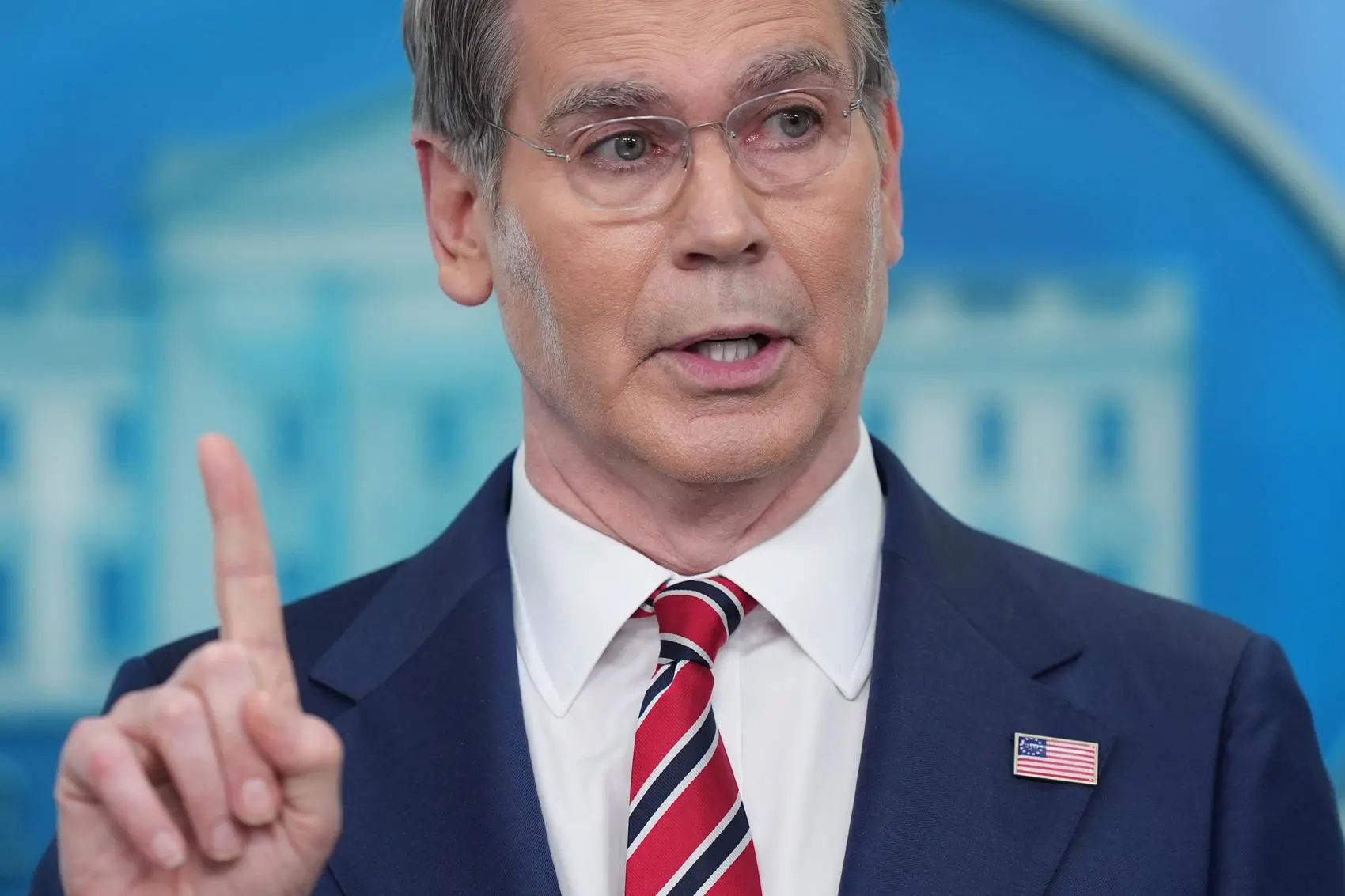
재무부 장관 스콧 베센트는 수요일 백악관 브리핑에서 기자들에게 미국이 이란에 대한 경제적 압박을 강화할 계획이며, 새로운 조치가 폭탄 캠프의 "재정적 동등물"이 될 것이라고 말했습니다.
아랍에미리트와 같은 동맹국과 중국 같은 경쟁국을 포함하여 이란 통제하의 사람, 회사, 선박과 거래하는 국가에 대한 2차 경제 제재 위협은 미국이 이미 사용하고 있는 제재의 확대를 나타냅니다.
베센트는 행정부가 "이란 석유를 구매하거나 이란 자금이 귀사의 은행에 있다면 2차 제재를 적용할 의사가 있다고 기업들과 국가들에 알렸습니다. 이는 매우 엄격한 조치입니다. 이란은 이것이 우리가 운동 활동에서 본 것의 재정적 동등물이 될 것임을 알아야 합니다"라고 말했습니다.
이 경고는 재무부가 중국, 홍콩, 아랍에미리트, 오만의 금융 기관들에 편지를 보내 이란과의 거래로 2차 제재를 부과하겠다고 위협하고 해당 국가들이 이란의 불법 활동이 금융 기관을 통해 흐르도록 허용했다고 비난한 날 다음날 나옵니다.
이는 도널드 트럼프 대통령이 여전히 이란에 핵 야심을 제한하도록 압박하기 위해 사용할 수 있는 경제 전략의 일부입니다. 행정부의 생각에 정통한 한 사람이 AP통신에 말했습니다. 그 사람은 기록에 남길 수 없는 비공개 논의에 대해 논의할 권한이 없어서 익명을 조건으로 말했습니다.
비공개적으로, 트럼프에게 제기되는 주장은 이란인들이 폭풍을 견딜 수 있다고 생각하지만, 그들이 충성파들에게 돈을 지불할 수 없다면, 그것이 이란을 협상 테이블로 압박할 수 있다는 것입니다.
행정부의 일부는 이란 경제의 상당한 비율을 차지하는 자선 신탁인 보냔 기관을 포함하여 이란에 경제적 타격을 입힐 수 있는 더 많은 경제 목표가 있다고 믿습니다.
베센트는 기자들에게 두 개의 중국 은행이 이란 자금 취급에 대한 경고를 받았다고 말했습니다. 트럼프는 다음 달 중국 시진핑 주석과의 회담을 위해 베이징을 방문할 준비를 하고 있습니다.
베센트는 또한 이란의 만에 있는 이란의 이웃 국가들이 전쟁 중 이란의 침략으로 인해 이란의 은행에 있는 이란 자금을 동결하는 것을 고려하고 있다고 말했습니다.
제재 변호사인 대니얼 피카드는 2차 제재를 부과하면 테헤란에 대한 연합을 구축하려는 노력을 해칠 수 있는 동맹국으로부터 "외교적 및 경제적 반발"이 발생할 수 있다고 말했습니다.
"우리의 많은 무역 파트너들은 이란의 분쟁에 대한 반대에 대해 목소리를 높였습니다"라고 피카드는 말했습니다. "대부분의 경제 제재 전문가들은 더 많은 사람이 팀에 합류할 때 경제 제재가 효과적일 가능성이 더 크다는 것에 동의할 것입니다."
수요일에 미국은 고인인 이란의 고위 보안 관리자 알리 샘카니와 관련된 석유 밀수 네트워크에 제재를 부과했으며, 그는 이란의 전직 최고 지도자의 밀접한 고문이었습니다. 제재에는 비밀리에 이란과 러시아 석유를 운송하고 판매하는 데 관여한 수십 명의 개인, 회사, 선박이 포함되어 있으며, 그 중 많은 것이 아랍에미리트에 있습니다.
"재무부는 이란의 불법 밀수 및 테러 대리 네트워크를 차단하기 위해 계속할 것입니다"라고 베센트는 성명에서 말했습니다. "금융 기관은 재무부가 테헤란의 테러 활동을 계속 지원하는 자들에 대해 2차 제재를 포함한 모든 도구와 권한을 활용할 것이라는 통지를 받아야 합니다."
트럼프 행정부 관리들은 또한 휴전과 호르무즈 해협의 이란 항구로부터의 선적 봉쇄가 트럼프에게 유리하게 모멘텀을 바꾸었다는 자신감이 커지고 있음을 알렸습니다.
이란은 폭격으로 인한 국가 기반시설에 수백억 달러의 손상을 견뎌냈습니다. 여기에는 이란의 취약하고 오랫동안 고립된 경제의 심장인 석유 산업이 포함되며, 복구하는 데 수년이 걸릴 수 있습니다.
부통령 JD 밴스는 화요일 트럼프가 "작은 거래를 하고 싶지 않습니다. 그는 큰 거래를 하고 싶어합니다"라고 말했습니다.
"그것이 그가 제시하는 거래입니다"라고 밴스는 말했습니다. "당신이 핵무기를 갖지 않겠다고 약속한다면, 우리는 이란이 번영하도록 할 것입니다."
대통령의 부통령 참모장인 스티븐 밀러는 트럼프가 해협의 봉쇄를 구현함으로써 이란에 대한 "체크메이트 수"를 "했다"고 제안하면서 그 순간에 대한 보다 신랄한 평가를 제공했습니다.
"이란이 세상에 좋은, 모두에게 좋은 거래의 길을 선택한다면, 훌륭합니다. 이란이 봉쇄에 의한 경제적 절약의 길을 선택한다면, 세상은 이란을 지나갈 것입니다"라고 밀러는 화요일 저녁 Fox News 출연에서 말했습니다. "새로운 에너지 경로가 확립될 것입니다. 새로운 공급망이 확립될 것입니다. 지역 전역의 다른 국가들, 전 세계, 그리고 특히 미국이 세상에 힘을 실어줄 것이고 이란은 각주가 될 것입니다."
일부 공화당원들은 테헤란에 대한 더 많은 압박을 행사하기 위한 어떤 전술도 시도할 가치가 있다고 믿습니다.
"저는 모든 것을 지지할 것입니다"라고 톰 틸리스 상원의원(공화당, 노스캐롤라이나)은 말했습니다. "행정부가 아이디어를 생각해낸다면, 저는 모든 것의 모든 것을 지지할 것입니다. 더 많은 압박이 더 좋습니다."
다른 사람들은 회의적이었으며, 테헤란이 이미 그 행동에 거의 영향을 미치지 않은 경제 처벌의 많은 목록에 직면하고 있다고 지적했습니다.
"저는 제재가 그것을 할지 확실하지 않습니다. 나는 우리가 지금 상당히 무거운 제재를 하고 있다고 생각합니다"라고 마이크 라운즈 상원의원(공화당, 사우스다코타)은 은행 및 무장 서비스 위원회의 일원으로 말했습니다. "개인적으로 저는 체제 변화 없이 이 일을 실제로 해결할 수 있다는 것에 낙관적이지 않습니다."
트럼프의 전쟁 개시 결정에 비판적이었던 싱크탱크인 퀸시 연구소의 부회장 트리타 파시는 트럼프가 휴전을 발표하기 전에 "정치적으로 궁지에 몰려 전략적으로 제약을 받았다"고 말합니다. 그러나 이제 파시는 트럼프가 어려운 역학을 바꾸었을 수 있으며 "이란이 이제 미국보다 더 많은 협상이 필요해 보이는" 상황을 만들었다고 주장합니다.
"현재 열린 창은 테헤란에 전쟁터 이점을 지속적인 전략적 이득으로 전환할 기회를 제공합니다"라고 파시는 새로운 분석에서 썼습니다. "이를 닫게 하면 점진적 진전뿐만 아니라 경제적 지정학적 위치를 재편할 가능성을 포기하는 것을 의미합니다. 대조적으로 미국은 휴전을 통해 이미 불안정한 출구 램프를 확보했으므로 단기적으로 이해관계가 적습니다."
재무부 장관 스콧 베센트는 수요일 백악관 브리핑에서 기자들에게 미국이 이란에 대한 경제적 압박을 강화할 계획이며, 새로운 조치가 폭탄 캠프의 "재정적 동등물"이 될 것이라고 말했습니다.
아랍에미리트와 같은 동맹국과 중국 같은 경쟁국을 포함하여 이란 통제하의 사람, 회사, 선박과 거래하는 국가에 대한 2차 경제 제재 위협은 미국이 이미 사용하고 있는 제재의 확대를 나타냅니다.
베센트는 행정부가 "이란 석유를 구매하거나 이란 자금이 귀사의 은행에 있다면 2차 제재를 적용할 의사가 있다고 기업들과 국가들에 알렸습니다. 이는 매우 엄격한 조치입니다. 이란은 이것이 우리가 운동 활동에서 본 것의 재정적 동등물이 될 것임을 알아야 합니다"라고 말했습니다.
이 경고는 재무부가 중국, 홍콩, 아랍에미리트, 오만의 금융 기관들에 편지를 보내 이란과의 거래로 2차 제재를 부과하겠다고 위협하고 해당 국가들이 이란의 불법 활동이 금융 기관을 통해 흐르도록 허용했다고 비난한 날 다음날 나옵니다.
이는 도널드 트럼프 대통령이 여전히 이란에 핵 야심을 제한하도록 압박하기 위해 사용할 수 있는 경제 전략의 일부입니다. 행정부의 생각에 정통한 한 사람이 AP통신에 말했습니다. 그 사람은 기록에 남길 수 없는 비공개 논의에 대해 논의할 권한이 없어서 익명을 조건으로 말했습니다.
비공개적으로, 트럼프에게 제기되는 주장은 이란인들이 폭풍을 견딜 수 있다고 생각하지만, 그들이 충성파들에게 돈을 지불할 수 없다면, 그것이 이란을 협상 테이블로 압박할 수 있다는 것입니다.
행정부의 일부는 이란 경제의 상당한 비율을 차지하는 자선 신탁인 보냔 기관을 포함하여 이란에 경제적 타격을 입힐 수 있는 더 많은 경제 목표가 있다고 믿습니다.
베센트는 기자들에게 두 개의 중국 은행이 이란 자금 취급에 대한 경고를 받았다고 말했습니다. 트럼프는 다음 달 중국 시진핑 주석과의 회담을 위해 베이징을 방문할 준비를 하고 있습니다.
베센트는 또한 이란의 만에 있는 이란의 이웃 국가들이 전쟁 중 이란의 침략으로 인해 이란의 은행에 있는 이란 자금을 동결하는 것을 고려하고 있다고 말했습니다.
제재 변호사인 대니얼 피카드는 2차 제재를 부과하면 테헤란에 대한 연합을 구축하려는 노력을 해칠 수 있는 동맹국으로부터 "외교적 및 경제적 반발"이 발생할 수 있다고 말했습니다.
"우리의 많은 무역 파트너들은 이란의 분쟁에 대한 반대에 대해 목소리를 높였습니다"라고 피카드는 말했습니다. "대부분의 경제 제재 전문가들은 더 많은 사람이 팀에 합류할 때 경제 제재가 효과적일 가능성이 더 크다는 것에 동의할 것입니다."
수요일에 미국은 고인인 이란의 고위 보안 관리자 알리 샘카니와 관련된 석유 밀수 네트워크에 제재를 부과했으며, 그는 이란의 전직 최고 지도자의 밀접한 고문이었습니다. 제재에는 비밀리에 이란과 러시아 석유를 운송하고 판매하는 데 관여한 수십 명의 개인, 회사, 선박이 포함되어 있으며, 그 중 많은 것이 아랍에미리트에 있습니다.
"재무부는 이란의 불법 밀수 및 테러 대리 네트워크를 차단하기 위해 계속할 것입니다"라고 베센트는 성명에서 말했습니다. "금융 기관은 재무부가 테헤란의 테러 활동을 계속 지원하는 자들에 대해 2차 제재를 포함한 모든 도구와 권한을 활용할 것이라는 통지를 받아야 합니다."
트럼프 행정부 관리들은 또한 휴전과 호르무즈 해협의 이란 항구로부터의 선적 봉쇄가 트럼프에게 유리하게 모멘텀을 바꾸었다는 자신감이 커지고 있음을 알렸습니다.
이란은 폭격으로 인한 국가 기반시설에 수백억 달러의 손상을 견뎌냈습니다. 여기에는 이란의 취약하고 오랫동안 고립된 경제의 심장인 석유 산업이 포함되며, 복구하는 데 수년이 걸릴 수 있습니다.
부통령 JD 밴스는 화요일 트럼프가 "작은 거래를 하고 싶지 않습니다. 그는 큰 거래를 하고 싶어합니다"라고 말했습니다.
"그것이 그가 제시하는 거래입니다"라고 밴스는 말했습니다. "당신이 핵무기를 갖지 않겠다고 약속한다면, 우리는 이란이 번영하도록 할 것입니다."
대통령의 부통령 참모장인 스티븐 밀러는 트럼프가 해협의 봉쇄를 구현함으로써 이란에 대한 "체크메이트 수"를 "했다"고 제안하면서 그 순간에 대한 보다 신랄한 평가를 제공했습니다.
"이란이 세상에 좋은, 모두에게 좋은 거래의 길을 선택한다면, 훌륭합니다. 이란이 봉쇄에 의한 경제적 절약의 길을 선택한다면, 세상은 이란을 지나갈 것입니다"라고 밀러는 화요일 저녁 Fox News 출연에서 말했습니다. "새로운 에너지 경로가 확립될 것입니다. 새로운 공급망이 확립될 것입니다. 지역 전역의 다른 국가들, 전 세계, 그리고 특히 미국이 세상에 힘을 실어줄 것이고 이란은 각주가 될 것입니다."
일부 공화당원들은 테헤란에 대한 더 많은 압박을 행사하기 위한 어떤 전술도 시도할 가치가 있다고 믿습니다.
"저는 모든 것을 지지할 것입니다"라고 톰 틸리스 상원의원(공화당, 노스캐롤라이나)은 말했습니다. "행정부가 아이디어를 생각해낸다면, 저는 모든 것의 모든 것을 지지할 것입니다. 더 많은 압박이 더 좋습니다."
다른 사람들은 회의적이었으며, 테헤란이 이미 그 행동에 거의 영향을 미치지 않은 경제 처벌의 많은 목록에 직면하고 있다고 지적했습니다.
"저는 제재가 그것을 할지 확실하지 않습니다. 나는 우리가 지금 상당히 무거운 제재를 하고 있다고 생각합니다"라고 마이크 라운즈 상원의원(공화당, 사우스다코타)은 은행 및 무장 서비스 위원회의 일원으로 말했습니다. "개인적으로 저는 체제 변화 없이 이 일을 실제로 해결할 수 있다는 것에 낙관적이지 않습니다."
트럼프의 전쟁 개시 결정에 비판적이었던 싱크탱크인 퀸시 연구소의 부회장 트리타 파시는 트럼프가 휴전을 발표하기 전에 "정치적으로 궁지에 몰려 전략적으로 제약을 받았다"고 말합니다. 그러나 이제 파시는 트럼프가 어려운 역학을 바꾸었을 수 있으며 "이란이 이제 미국보다 더 많은 협상이 필요해 보이는" 상황을 만들었다고 주장합니다.
"현재 열린 창은 테헤란에 전쟁터 이점을 지속적인 전략적 이득으로 전환할 기회를 제공합니다"라고 파시는 새로운 분석에서 썼습니다. "이를 닫게 하면 점진적 진전뿐만 아니라 경제적 지정학적 위치를 재편할 가능성을 포기하는 것을 의미합니다. 대조적으로 미국은 휴전을 통해 이미 불안정한 출구 램프를 확보했으므로 단기적으로 이해관계가 적습니다."
처리 완료
5,877 tokens · $0.0169
기사 수집 완료 · 06:51
매체 피드에서 기사 메타데이터 수집
헤드라인 번역 완료 · 07:15
제목/요약 한국어 번역 (fetch 시점 inline)
kimi-k2.5
185 tokens
$0.00033
3.4s
본문 추출 완료
7,124자 추출 완료
본문 한국어 번역 완료 · 07:15
3,239자 번역 완료
claude-haiku-4-5-20251001
5,692 tokens
$0.01661
35.9s
지정학적 엔티티 추출 완료 · 07:15
8개 엔티티 추출 완료
지정학적 맥락 & R-Scanner
R-Scanner · 평상
z=-2.68
일상적인 보도 수준 — 기준: Iran
(🇮🇷 IR)
최근 6시간 68건
7일 평균 94.11건 / 6h
14개국 매체
20개 매체
본문에서 추출된 지명 (8)
Iran
🇮🇷
United States
🇺🇸
China
🇨🇳
United Arab Emirates
🇦🇪
Oman
🇴🇲
Strait of Hormuz
🇮🇷
Hong Kong
🇭🇰
Beijing
🇨🇳
위치 지도
지도 로딩 중…
같은 주제의 다른 기사 (최근 7일)
If the U.S. and Iran aren’t able to soon come to a deal to end the war or extend the ceasefire that expires next week, the Trump administration…
If the U.S. and Iran aren’t able to soon come to a deal to end the war or extend the ceasefire that expires next week, the Trump administration is setting the stage to shift its war campaign toward a more economic-focused effort aimed at choking Tehran into submission rather than relying on bombs alone.Treasury Secretary Scott Bessent told reporters at a White House briefing Wednesday that the U.S. plans to ramp up economic pain on Iran, and said the new moves will be the “financial equivalent” of a bombing campaign.
The threat of secondary economic sanctions on countries doing business with people, firms, and ships under Iranian control — including allies like the United Arab Emirates and competitors like China — represents an escalation of sanctions that the U.S. is already employing.
Bessent said the administration has “told companies, we have told countries that if you are buying Iranian oil, that if Iranian money is sitting in your banks, we are now willing to apply secondary sanctions, which is a very stern measure. And the Iranians should know that this is going to be the financial equivalent of what we saw in the kinetic activities.”
The warning comes the day after the Treasury Department sent a letter to financial institutions in China, Hong Kong, the UAE, and Oman, threatening to levy secondary sanctions for doing business with Iran, and accusing those countries of allowing Iranian illicit activities to flow through their financial institutions.
It's part of an economic playbook that President Donald Trump still can use to pressure Iran to accept U.S. proposals to limit its nuclear ambitions, a person familiar with the administration's thinking told The Associated Press. The person spoke on the condition of anonymity because they were not authorized to discuss private discussions on the record.
Privately, the argument being made to Trump is that the Iranians think they can weather the storm — but if they cannot pay their loyalists, that could pressure Iran to the table.
And some in the administration believe there are still more economic targets that can be hit that would put the economic hurt on Iran, including bonyads, the charitable trusts that account for a significant percentage of the Iranian economy.
Bessent told reporters that two Chinese banks have received warnings about handling Iranian money. Trump is preparing to visit Beijing next month for talks with Chinese President Xi Jinping.
Bessent also said that Iran’s Gulf neighbors are now willing to look at freezing Iranian money in their banks because of Iran's aggression during the war.
Daniel Pickard, a sanctions attorney, said imposing secondary sanctions could result in “diplomatic and economic blowback” from allies that could hurt efforts to build coalitions against Tehran.
“A lot of our trading partners have been outspoken in regard to their opposition to the conflict in Iran," Pickard said. “Most economic sanctions professionals would agree that when you get more people on the team, the chances of your economic sanctions being effective or greater."
On Wednesday, the U.S. imposed sanctions on an oil smuggling network connected to the deceased senior Iranian security official Ali Shamkhani, who was a close adviser to the former Supreme Leader of Iran. Sanctions include dozens of individuals, companies, and vessels involved in secretly transporting and selling Iranian and Russian oil through front companies, many of which are in the UAE.
“Treasury will continue to cut off Iran’s illicit smuggling and terror proxy networks," Bessent said in a statement. "Financial institutions should be on notice that Treasury will leverage all tools and authorities, including secondary sanctions, against those that continue to support Tehran’s terrorist activities.
Trump administration officials have also signaled growing confidence that the ceasefire and a blockade of shipments from Iranian ports in the Strait of Hormuz have shifted momentum in Trump’s favor.
Iran has endured tens of billions of dollars in damage during the bombardment to the country's infrastructure — including setbacks to its oil industry, the heart of its fragile and long-isolated economy — that could take years to repair.
Vice President JD Vance on Tuesday said Trump “doesn’t want to make, like, a small deal. He wants to make the grand bargain.”
"That’s the trade that he’s offering,” Vance said. “If you guys commit to not having a nuclear weapon, we are going to make Iran thrive.”
The president's deputy chief of staff, Stephen Miller, offered a more caustic assessment of the moment, suggesting that Trump had “played the checkmate move" on Iran by implementing the blockage in the strait.
“If Iran chooses the path of a deal that's great for the world, that's great for everybody. If Iran chooses the path of economic strangulation by blockade, then the world will pass Iran by,” Miller said in a Fox News appearance Tuesday evening. "New energy routes will be established. New supply chains will be established. Other nations throughout the region — throughout the world, and especially America — will power the world and Iran will become a footnote.”
Some Republicans believe that any tactic to exert more pressure on Tehran is worth trying.
“I would support anything,” said Sen. Thom Tillis, R-N.C. “If the administration came up with the ideas, I would support all of the above. More pressure, the better.”
Others were skeptical, noting that Tehran was already facing a litany of economic penalties that had little impact on its behavior.
“I’m not sure if it’s sanctions that’ll do it. I think we’re putting some pretty heavy sanctions on right now,” said Sen. Mike Rounds, R-S.D., a member of the Banking and Armed Services Committees. “I personally am just not optimistic that we actually can fix this thing without a regime change.”
Trita Parsi, executive vice president of the Quincy Institute, a think tank that has been critical of Trump's decision to launch the war, says that Trump had been “politically cornered and strategically constrained" before he announced the ceasefire. But now, Parsi argues, Trump may have altered the difficult dynamic and created a situation where “Iran now appears to need an agreement more than the United States does.”
“The window now open offers Tehran a chance to convert battlefield leverage into lasting strategic gain," Parsi wrote in a new analysis. "To let it close would mean forfeiting not just incremental progress, but the possibility of reshaping its economic and geopolitical position. By contrast, the United States, having already secured a tenuous exit ramp through the ceasefire, has less at stake in the short term.”
Highlights from the CJPF Award Ceremony
Highlights from the CJPF Award Ceremony
The problem with these so-called "religious fanatics" is that they are much more difficult to influence with bombs, bribes, or blackmail. I doubt any of them ever went to Pearson's island.
Basically pushing another new list of extortion and pressure for any entity that try to make any transaction with the regime, right?