EU가 헝가리의 거부권 철회 후 우크라이나에 90억 유로 대출금 차단 해제에 합의
EU agrees to unblock €90bn loan for Ukraine after Hungary lifts veto
The Guardian
· 🇬🇧 London, GB
Jon Henley Europe correspondent
EN
2026-04-23 00:19
Translated
우크라이나가 헝가리와 슬로바키아로의 러시아 석유 펌프질을 재개한 후 긴급히 필요한 대출금 합의에 도달 - 부다페스트가 거부권을 철회
EU 회원국들은 우크라이나가 헝가리와 슬로바키아로 러시아 석유 펌프질을 재개한 후 부다페스트의 거부권 철회를 촉발하면서 키이우에 긴급히 필요한 90억 유로(78억 파운드) 대출금과 모스크바에 대한 새로운 제재 패키지의 차단을 해제하기로 합의했다.
유럽연합의 순환 의장국인 키프로스는 회원국 대사들이 대출금과 제재 패키지의 최종 승인을 위한 "서면 절차"를 시작하기로 합의했으며, 목요일 오후까지 양쪽 모두에 대한 공식 승인이 예정되어 있다고 밝혔다.
EU는 12월 우크라이나를 올해와 내년 동안 유지하는 데 중요한 이 대출금에 합의했지만, 3월 헝가리의 퇴임 총리 빅토르 오르반이 슬로바키아의 지지를 받으며 손상된 석유 파이프라인을 둘러싼 키이우와의 분쟁으로 인해 이를 거부했다.
4월 12일 중도우파 후보 페테르 마자르에게 선거에서 패배한 오르반은 우크라이나가 헝가리와 슬로바키아로 석유를 운반하는 드루즈바 파이프라인의 수리를 의도적으로 지연하고 있다고 비난했으며, 두 국가 모두 러시아 석유에 크게 의존하고 있다.
키이우는 일일 120만~140만 배럴의 용량을 가진 파이프라인이 러시아 무인기 공격으로 심각하게 손상되었으며 최대한 빠르게 수리 중이라고 주장했다.
헝가리의 MOL석유 회사는 수요일 오후 초반 드루즈바의 우크라이나 운영사로부터 벨라루스를 통해 파이프라인을 통해 도착한 원유가 "늦어도 내일까지 헝가리와 슬로바키아에 도착할 것으로 예상된다"고 통보받았다고 밝혔다.
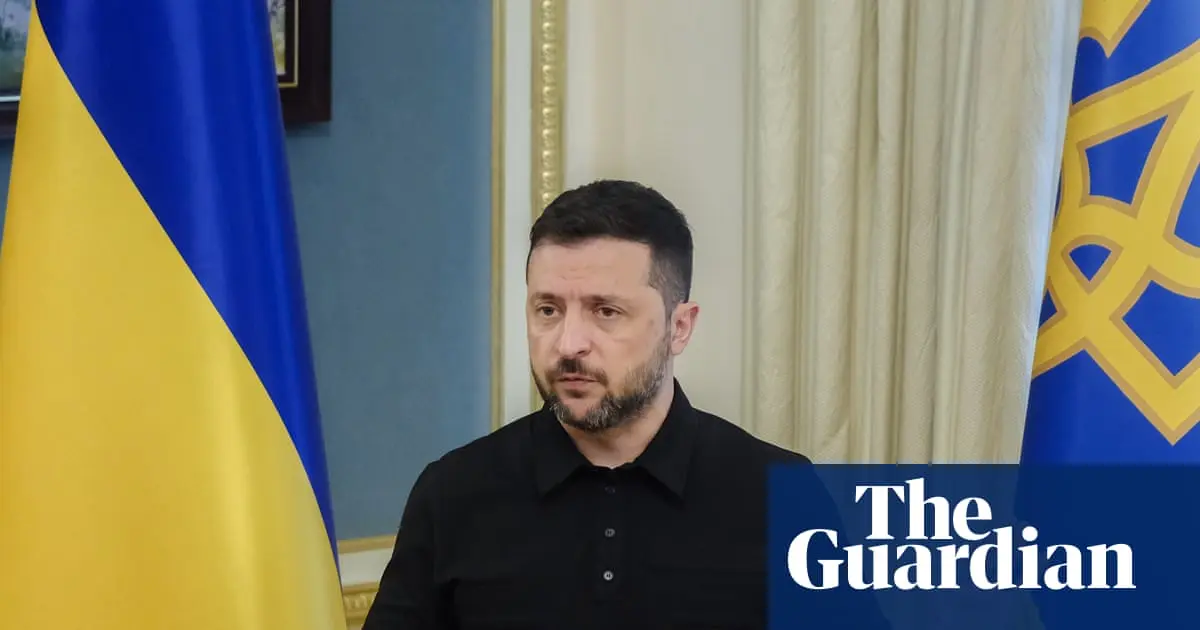
우크라이나의 볼로디미르 젤렌스키 대통령은 이 소식을 "현재 상황에서의 올바른 신호"라고 환영하며 "우크라이나에 대한 지원과 러시아에 대한 압박" 모두가 모스크바가 전쟁을 종료하는 데 필요하다고 덧붙였다.
젤렌스키 대통령은 우크라이나가 드루즈바 파이프라인을 포함한 EU와의 관계에서 의무를 이행하고 있으며, 이제 유럽의 지원 패키지가 "신속하게 작동"하는 것이 중요하다고 말했다.
2026년과 2027년에 우크라이나의 재정 필요의 3분의 2를 충당하는 것을 목표로 하는 대출금을 둘러싼 분쟁도 EU가 2022년 2월 러시아의 전면 침략 4주년을 위해 채택하기를 원했던 모스크바에 대한 새로운 제재를 지연시켰다.
16년 집권 후 오르반의 거대한 선거 패배는 자금이 차단 해제될 것이라는 EU의 희망을 고취시켰지만, 관계자들은 연합이 마자르가 5월에 취임하기 전까지 기다려야 할 수 있다는 우려를 표명했다.
오르반은 자신과 마찬가지로 모스크바 친화적인 슬로바키아와 체코 정부가 세 국가 모두 공동 차입에 기여하지 않을 것을 의미하는 면제를 확보했음에도 불구하고 대출금을 차단할 권한을 가지고 있었다.
EU는 2026년과 2027년에 각각 450억 유로의 두 개의 무이자 대출금을 우크라이나에 제공할 것이며, 매년 280억 유로는 군사 지출로, 170억 유로는 일반 예산 필요로 예약된다. 자금은 EU 예산으로 뒷받침되는 자본 시장에서 차용될 것이다.
경제학자들은 우크라이나가 EU 대출금이 없으면 6월까지 자금이 부족할 수 있다고 말했다. 연합의 경제 담당 위원인 발디스 돔브로브스키스는 화요일 첫 지급이 5월 말이나 6월 초에 이루어질 가능성이 있다고 말했다.
우크라이나는 자체 자금으로 자금을 상환할 것으로 예상되지 않으며, 자본은 러시아가 전쟁이 끝난 후 배상금을 지불하기 시작할 때만 지불될 예정이며, 잠재적으로 EU에 동결된 추정 2,100억 유로의 중앙은행 자산을 사용할 것이다.
이 계획은 실제로 현금을 압수하지 않고 우크라이나를 지원하기 위해 동결된 러시아 자금을 사용하는 방법으로 작년에 설계되었으며, 이는 벨기에와 여러 다른 EU 회원국이 법적으로 위험한 것으로 거부했다.
초안에 따르면, EU의 20번째 모스크바에 대한 제재 패키지는 러시아의 석유 수출 능력을 제한하는 것을 목표로 하는 추가 해상 및 에너지 제한뿐만 아니라 금융 부문 단속과 무역 및 산업 금지를 포함한다.
600척 규모의 EU 항구 진입이 금지된 선박 목록에 40척 이상의 추가 선박이 추가될 예정이며, 러시아 석유 운송과 연계된 해상 보험, 중개 및 기술 관리와 같은 해상 서비스에 대한 포괄적 금지가 도입될 예정이다.
러시아 지역 은행 20개를 포함하여 약 120명의 개인과 단체가 제재 목록에 추가되었으며, 여행 및 거래 금지와 자산 동결이 러시아 기업의 국내 및 국경 간 결제를 복잡하게 하기 위해 의도되었다.
암호화폐 플랫폼과 디지털 자산도 대상이 될 것이며, 제한된 군사용품 무역을 촉진하는 제3국 은행도 대상이 될 것이고, 약 9억 3천만 유로 상당의 상품, 특정 금속, 화학물질 및 중요 광물이 수입 및 수출 금지에 추가되었다.
별도로 독일 정부는 러시아 국영 석유 회사 로스네프트의 독일 자회사가 카자흐스탄에서 동부 독일의 정유소를 통해 드루즈바 파이프라인을 통한 석유 흐름이 5월 1일부터 중단될 것이라고 통보했다고 밝혔다.
폴란드 국경 근처의 PCK 정유소는 독일 최대 규모 중 하나이며 베를린 지역에 대부분의 연료를 공급하지만, 베를린의 정부 대변인 스테판 코르넬리우스는 그러한 변화가 "정유소 운영을 크게 제한하지 않을 것"이라고 말했다.
유럽연합의 순환 의장국인 키프로스는 회원국 대사들이 대출금과 제재 패키지의 최종 승인을 위한 "서면 절차"를 시작하기로 합의했으며, 목요일 오후까지 양쪽 모두에 대한 공식 승인이 예정되어 있다고 밝혔다.
EU는 12월 우크라이나를 올해와 내년 동안 유지하는 데 중요한 이 대출금에 합의했지만, 3월 헝가리의 퇴임 총리 빅토르 오르반이 슬로바키아의 지지를 받으며 손상된 석유 파이프라인을 둘러싼 키이우와의 분쟁으로 인해 이를 거부했다.
4월 12일 중도우파 후보 페테르 마자르에게 선거에서 패배한 오르반은 우크라이나가 헝가리와 슬로바키아로 석유를 운반하는 드루즈바 파이프라인의 수리를 의도적으로 지연하고 있다고 비난했으며, 두 국가 모두 러시아 석유에 크게 의존하고 있다.
키이우는 일일 120만~140만 배럴의 용량을 가진 파이프라인이 러시아 무인기 공격으로 심각하게 손상되었으며 최대한 빠르게 수리 중이라고 주장했다.
헝가리의 MOL석유 회사는 수요일 오후 초반 드루즈바의 우크라이나 운영사로부터 벨라루스를 통해 파이프라인을 통해 도착한 원유가 "늦어도 내일까지 헝가리와 슬로바키아에 도착할 것으로 예상된다"고 통보받았다고 밝혔다.
우크라이나의 볼로디미르 젤렌스키 대통령은 이 소식을 "현재 상황에서의 올바른 신호"라고 환영하며 "우크라이나에 대한 지원과 러시아에 대한 압박" 모두가 모스크바가 전쟁을 종료하는 데 필요하다고 덧붙였다.
젤렌스키 대통령은 우크라이나가 드루즈바 파이프라인을 포함한 EU와의 관계에서 의무를 이행하고 있으며, 이제 유럽의 지원 패키지가 "신속하게 작동"하는 것이 중요하다고 말했다.
2026년과 2027년에 우크라이나의 재정 필요의 3분의 2를 충당하는 것을 목표로 하는 대출금을 둘러싼 분쟁도 EU가 2022년 2월 러시아의 전면 침략 4주년을 위해 채택하기를 원했던 모스크바에 대한 새로운 제재를 지연시켰다.
16년 집권 후 오르반의 거대한 선거 패배는 자금이 차단 해제될 것이라는 EU의 희망을 고취시켰지만, 관계자들은 연합이 마자르가 5월에 취임하기 전까지 기다려야 할 수 있다는 우려를 표명했다.
오르반은 자신과 마찬가지로 모스크바 친화적인 슬로바키아와 체코 정부가 세 국가 모두 공동 차입에 기여하지 않을 것을 의미하는 면제를 확보했음에도 불구하고 대출금을 차단할 권한을 가지고 있었다.
EU는 2026년과 2027년에 각각 450억 유로의 두 개의 무이자 대출금을 우크라이나에 제공할 것이며, 매년 280억 유로는 군사 지출로, 170억 유로는 일반 예산 필요로 예약된다. 자금은 EU 예산으로 뒷받침되는 자본 시장에서 차용될 것이다.
경제학자들은 우크라이나가 EU 대출금이 없으면 6월까지 자금이 부족할 수 있다고 말했다. 연합의 경제 담당 위원인 발디스 돔브로브스키스는 화요일 첫 지급이 5월 말이나 6월 초에 이루어질 가능성이 있다고 말했다.
우크라이나는 자체 자금으로 자금을 상환할 것으로 예상되지 않으며, 자본은 러시아가 전쟁이 끝난 후 배상금을 지불하기 시작할 때만 지불될 예정이며, 잠재적으로 EU에 동결된 추정 2,100억 유로의 중앙은행 자산을 사용할 것이다.
이 계획은 실제로 현금을 압수하지 않고 우크라이나를 지원하기 위해 동결된 러시아 자금을 사용하는 방법으로 작년에 설계되었으며, 이는 벨기에와 여러 다른 EU 회원국이 법적으로 위험한 것으로 거부했다.
초안에 따르면, EU의 20번째 모스크바에 대한 제재 패키지는 러시아의 석유 수출 능력을 제한하는 것을 목표로 하는 추가 해상 및 에너지 제한뿐만 아니라 금융 부문 단속과 무역 및 산업 금지를 포함한다.
600척 규모의 EU 항구 진입이 금지된 선박 목록에 40척 이상의 추가 선박이 추가될 예정이며, 러시아 석유 운송과 연계된 해상 보험, 중개 및 기술 관리와 같은 해상 서비스에 대한 포괄적 금지가 도입될 예정이다.
러시아 지역 은행 20개를 포함하여 약 120명의 개인과 단체가 제재 목록에 추가되었으며, 여행 및 거래 금지와 자산 동결이 러시아 기업의 국내 및 국경 간 결제를 복잡하게 하기 위해 의도되었다.
암호화폐 플랫폼과 디지털 자산도 대상이 될 것이며, 제한된 군사용품 무역을 촉진하는 제3국 은행도 대상이 될 것이고, 약 9억 3천만 유로 상당의 상품, 특정 금속, 화학물질 및 중요 광물이 수입 및 수출 금지에 추가되었다.
별도로 독일 정부는 러시아 국영 석유 회사 로스네프트의 독일 자회사가 카자흐스탄에서 동부 독일의 정유소를 통해 드루즈바 파이프라인을 통한 석유 흐름이 5월 1일부터 중단될 것이라고 통보했다고 밝혔다.
폴란드 국경 근처의 PCK 정유소는 독일 최대 규모 중 하나이며 베를린 지역에 대부분의 연료를 공급하지만, 베를린의 정부 대변인 스테판 코르넬리우스는 그러한 변화가 "정유소 운영을 크게 제한하지 않을 것"이라고 말했다.
처리 완료
4,497 tokens · $0.0128
기사 수집 완료 · 00:30
매체 피드에서 기사 메타데이터 수집
헤드라인 번역 완료 · 14:34
제목/요약 한국어 번역 (fetch 시점 inline)
kimi-k2.5
0 tokens
$0.00000
0.2s
본문 추출 완료
5,088자 추출 완료
본문 한국어 번역 완료 · 14:34
2,498자 번역 완료
claude-haiku-4-5-20251001
4,497 tokens
$0.01279
27.7s
지정학적 엔티티 추출 완료 · 14:34
8개 엔티티 추출 완료
지정학적 맥락 & R-Scanner
R-Scanner · 평상
z=-1.69
일상적인 보도 수준 — 기준: Ukraine
(🇺🇦 UA)
최근 6시간 4건
7일 평균 9.46건 / 6h
4개국 매체
4개 매체
본문에서 추출된 지명 (8)
위치 지도
지도 로딩 중…
같은 주제의 다른 기사 (최근 7일)
Agreement for urgently needed loan reached after Ukraine resumed pumping Russian oil to Hungary and SlovakiaEurope live – latest updatesEU member states have reached agreement on unblocking an urgently needed €90bn (£78bn) loan for Kyiv and a new package of sanctions against Moscow after Ukraine resumed pumping Russian oil to Hungary and Slovakia, prompting Budapest to lift its veto.Cyprus, which holds the bloc’s rotating presidency, said member states’ ambassadors had agreed to launch “written procedures” for the final approval of the loan and the sanctions package, with formal sign-off on both due by Thursday afternoon.
EU member states have reached agreement on unblocking an urgently needed €90bn (£78bn) loan for Kyiv and a new package of sanctions against Moscow after Ukraine resumed pumping Russian oil to Hungary and Slovakia, prompting Budapest to lift its veto.Cyprus, which holds the bloc’s rotating presidency, said member states’ ambassadors had agreed to launch “written procedures” for the final approval of the loan and the sanctions package, with formal sign-off on both due by Thursday afternoon.
The EU agreed in December on the loan, vital to keep Ukraine afloat this year and next, but Hungary’s outgoing prime minister, Viktor Orbán, backed by Slovakia, vetoed it in March because of a dispute with Kyiv over a damaged oil pipeline.
Orbán, who lost to a centre-right challenger, Péter Magyar, in elections on 12 April, accused Ukraine of deliberately delaying repairs to the Druzhba pipeline which carries oil to Hungary and Slovakia, both of which are heavily dependent on Russian oil.
Kyiv said the pipeline, which has a capacity of 1.2m to 1.4m barrels a day and became one of the most politically-charged pieces of infrastructure in Europe, had been badly damaged by Russian drone strikes and was being repaired as fast as possible.
Hungary’s MOL oil firm said early on Wednesday afternoon it had been told by Druzhba’s Ukrainian operator that crude oil was arriving via the pipeline from Belarus and was “expected in Hungary and Slovakia by tomorrow at the latest”.
Ukraine’s president, Volodymyr Zelenskyy, welcomed the news as “the right signal under the current circumstances”, adding that both “support for Ukraine and pressure on Russia” were needed for Moscow to end its war.
Zelenskyy said Ukraine was fulfilling its obligations in its relations with the EU, including on the Druzhba pipeline, and it was now important that the European support package “becomes operational swiftly”.
The row over the loan, which aims to cover two-thirds of Ukraine’s financing needs in 2026 and 2027, also delayed new sanctions against Moscow that the EU had hoped to adopt for the fourth anniversary of Russia’s full-scale invasion of February 2022.
Orbán’s heavy election defeat after 16 years in power had fuelled EU hopes that the funds would be unlocked, but officials had expressed concerns that the bloc may have had to wait until Magyar takes office in May before it could be approved.
Orbán had the power to block the loan even though he – like the similarly Moscow-friendly governments of Slovakia and the Czech Republic – secured exemptions meaning none of the three countries will contribute to the joint borrowing.
The EU will provide Ukraine with two interest-free loans of €45bn each in 2026 and 2027, with €28bn reserved for military spending and €17bn for general budget needs each year. The money will be borrowed on capital markets backed by the EU budget.
Economists have said Ukraine could start to run low on money by June without the EU loan. The bloc’s economic commissioner, Valdis Dombrovskis, said on Tuesday the first disbursement was likely to be made at the end of May or in early June.
Ukraine is not expected to pay the money back from its own funds, with the capital only due when Russia starts paying reparations once the war is over – potentially using the estimated €210bn of its central banks assets frozen in the EU.
The scheme was designed last year as a way of making use of the frozen Russian funds to help Ukraine without actually confiscating the cash, a move that Belgium and several other EU member states had rejected as legally hazardous.
According to a draft, the EU’s 20th sanctions package against Moscow includes further maritime and energy restrictions aimed at limiting Russia’s ability to export oil, as well as a financial sector crackdown and trade and industrial bans.
More than 40 additional ships are to be added to the 600-strong list of vessels banned from EU ports and a comprehensive ban is to be introduced on maritime services such as insurance, brokering and technical management linked to Russian oil transport.
About 120 individuals and entities including 20 Russian regional banks have been added to the sanctions list, with travel and transaction bans and asset freezes intended to complicate domestic and cross-border settlement for Russian businesses.
Crypto platforms and digital assets will also be targeted, as will third-country banks that facilitate trade in restricted military goods, and about €930m of goods, specific metals, chemicals, and critical minerals, have been added to import and export bans.
Separately, the German government said the German subsidiary of Russia’s state-owned oil company Rosneft had told it the flow of oil from Kazakhstan through the Druzhba pipeline to a refinery in eastern Germany would be halted from 1 May.
The PCK refinery near the Polish border, one of Germany’s largest, supplies much of the Berlin region with fuel, but the government’s spokesperson in Berlin, Stefan Kornelius, said that change would “not significantly restrict refinery operations”.