쿠바 대통령, 미국 침공 시 섬 방어하겠다고 다짐
Cuban president vows defense of island if US invades
Deutsche Welle
· 🇩🇪 Bonn, DE
Jon Shelton Writer, translator and editor with DW's online news team.
DE
2026-04-17 04:05
Translated
쿠바 대통령이 미국이 군사 공격을 감행할 경우 카리브해 섬 국가가 자신을 방어할 것이라고 다짐했다. 트럼프 미국 대통령은 반복해서 침공을 위협해왔다.
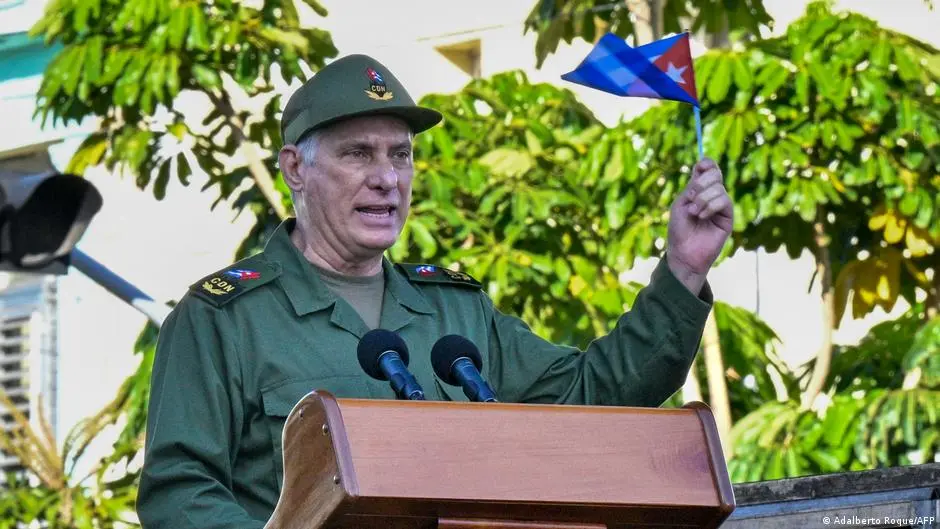
미겔 디아스-카넬 쿠바 대통령은 목요일 "우리는 그런 [대립] 상황을 원하지 않지만, 이를 피할 준비를 하는 것이 우리의 의무이며… 피할 수 없게 된다면 이겨야 한다"고 말했다.
디아스-카넬은 1961년 미국의 실패한 돼지만 침공 65주년을 기념하는 행사에서 이 발언을 쿠바의 수도 아바나에서 했다. 이 작전은 CIA가 지원한 것으로, 피델 카스트로와 그의 혁명 동지들이 섬 내 미국 소유 재산과 기업을 국유화한 후에 감행되었다.
디아스-카넬은 수천 명의 참석자들에게 미국 대통령 도널드 트럼프가 작은 남쪽 이웃 국가를 계속 위협하면서 국가는 또 다른 공격에 "준비되어 있다"고 말했다.
미국과 쿠바는 1959년 혁명 이후 숙적이었으며, 트럼프는 1823년 미국의 서반구 유럽 개입 저지 정책인 먼로 독트린에 새로운 생명력을 불어넣었다.
작년 말, 트럼프는 미국이 마약 밀매선으로 묘사한 선박을 지역에서 침몰시키기 위해 미국 군함을 카리브해로 파견하라고 명령했다.
1월, 트럼프는 미국 군대가 베네수엘라 지도자 니콜라스 마두로를 체포하여 마약 밀매 혐의로 미국에 인도했을 때 이 정책을 인용했다.
마두로 납치 후, 트럼프는 쿠바에 대한 석유와 가스 봉쇄를 명령하고 "다음은 쿠바"라고 위협하기 시작했다.
2월 28일 이란에 대한 전쟁을 발발시킨 후, 트럼프는 미국 석유 봉쇄로 전국적인 대정전을 겪고 있는 쿠바를 "점령"하는 아이디어를 다시 떠올렸다.
디아스-카넬은 목요일 발언에서 현재 상황을 "매우 심각하다"고 칭하면서도 쿠바 혁명 초기 피델 카스트로가 옹호한 사회주의 이상에서 힘을 얻었다.
또한 그는 쿠바가 "실패한 국가"라는 트럼프의 주장을 거부하며 미국이 행동의 구실을 찾고 있다고 비난했다.
디아스-카넬은 "쿠바는 실패한 국가가 아니다. 쿠바는 포위된 국가"라며 "쿠바는 다차원적 공격에 직면한 국가다: 경제전, 강화된 봉쇄, 에너지 봉쇄"라고 말했다.
최근 양측 간 긴장 완화를 위한 회담이 진행 중이었으나 구체적인 내용은 거의 알려지지 않았다.
미국이 혁명에 대응하여 쿠바에 부과한 무역 금수 조치는 70년 가까이 지난 지금도 유지되고 있다.
편집: 웨슬리 도커리
디아스-카넬은 1961년 미국의 실패한 돼지만 침공 65주년을 기념하는 행사에서 이 발언을 쿠바의 수도 아바나에서 했다. 이 작전은 CIA가 지원한 것으로, 피델 카스트로와 그의 혁명 동지들이 섬 내 미국 소유 재산과 기업을 국유화한 후에 감행되었다.
디아스-카넬은 수천 명의 참석자들에게 미국 대통령 도널드 트럼프가 작은 남쪽 이웃 국가를 계속 위협하면서 국가는 또 다른 공격에 "준비되어 있다"고 말했다.
미국과 쿠바는 1959년 혁명 이후 숙적이었으며, 트럼프는 1823년 미국의 서반구 유럽 개입 저지 정책인 먼로 독트린에 새로운 생명력을 불어넣었다.
작년 말, 트럼프는 미국이 마약 밀매선으로 묘사한 선박을 지역에서 침몰시키기 위해 미국 군함을 카리브해로 파견하라고 명령했다.
1월, 트럼프는 미국 군대가 베네수엘라 지도자 니콜라스 마두로를 체포하여 마약 밀매 혐의로 미국에 인도했을 때 이 정책을 인용했다.
마두로 납치 후, 트럼프는 쿠바에 대한 석유와 가스 봉쇄를 명령하고 "다음은 쿠바"라고 위협하기 시작했다.
2월 28일 이란에 대한 전쟁을 발발시킨 후, 트럼프는 미국 석유 봉쇄로 전국적인 대정전을 겪고 있는 쿠바를 "점령"하는 아이디어를 다시 떠올렸다.
디아스-카넬은 목요일 발언에서 현재 상황을 "매우 심각하다"고 칭하면서도 쿠바 혁명 초기 피델 카스트로가 옹호한 사회주의 이상에서 힘을 얻었다.
또한 그는 쿠바가 "실패한 국가"라는 트럼프의 주장을 거부하며 미국이 행동의 구실을 찾고 있다고 비난했다.
디아스-카넬은 "쿠바는 실패한 국가가 아니다. 쿠바는 포위된 국가"라며 "쿠바는 다차원적 공격에 직면한 국가다: 경제전, 강화된 봉쇄, 에너지 봉쇄"라고 말했다.
최근 양측 간 긴장 완화를 위한 회담이 진행 중이었으나 구체적인 내용은 거의 알려지지 않았다.
미국이 혁명에 대응하여 쿠바에 부과한 무역 금수 조치는 70년 가까이 지난 지금도 유지되고 있다.
편집: 웨슬리 도커리
처리 완료
2,345 tokens · $0.0047
기사 수집 완료 · 04:20
매체 피드에서 기사 메타데이터 수집
헤드라인 번역 완료 · 04:45
제목/요약 한국어 번역 (fetch 시점 inline)
kimi-k2.5
190 tokens
$0.00037
3.7s
본문 추출 완료
2,461자 추출 완료
본문 한국어 번역 완료 · 04:45
1,065자 번역 완료
kimi-k2.5
2,155 tokens
$0.00432
28.0s
지정학적 엔티티 추출 완료 · 04:45
8개 엔티티 추출 완료
지정학적 맥락 & R-Scanner
R-Scanner · 평상
z=-0.16
일상적인 보도 수준 — 기준: Cuba
(🇨🇺 CU)
최근 6시간 0건
7일 평균 0.18건 / 6h
0개국 매체
0개 매체
본문에서 추출된 지명 (8)
Cuba
🇨🇺
United States
🇺🇸
Havana
🇨🇺
Bay of Pigs
🇨🇺
Caribbean
Venezuela
🇻🇪
Iran
🇮🇷
Western Hemisphere
🇿🇦
위치 지도
지도 로딩 중…
같은 주제의 다른 기사 (최근 7일)
Cuba's president has vowed the Caribbean island state will defend itself if the US launches a military assault. US President Trump has repeatedly threatened to invade.
Cuban President Miguel Diaz-Canel on Thursday said, "We don't want that [confrontation] but it is our duty to be ready to avoid it… and if it were unavoidable, to win it."Diaz-Canel made the remarks in Cuba's capital Havana during a ceremony marking the 65th anniversary of the US's failed 1961 Bay of Pigs invasion — a CIA-backed operation launched after US-owned properties and businesses on the island were nationalized by Fidel Castro and his fellow revolutionaries.
Diaz-Canel told thousands gathered for the event that the nation is "ready" for another attack as US President Donald Trump continues to threaten the tiny southern neighbor.
To view this video please enable JavaScript, and consider upgrading to a web browser that supports HTML5 video
The US and Cuba have been archenemies since the country's 1959 revolution and Trump has breathed new life into the 1823 Monroe Doctrine, a US policy designed to thwart European meddling in the Western Hemisphere.
Late last year, Trump ordered US warships to the Caribbean to sink what the US has described as drug smuggling boats in the region.
In January, Trump cited the policy when the US military arrested Venezuelan leader Nicolas Maduro and extradited him to the US to stand trial on drug trafficking charges.
After Maduro's abduction, Trump ordered a blockade of oil and gas to Cuba and began threatening that "Cuba's next."
After launching a war against Iran on February 28, Trump has again floated the idea of "taking" Cuba, which has also suffered massive nationwide blackouts as a result of the US oil blockade.
In his Thursday remarks, Diaz-Canel called the current situation "very grave," yet he also drew on the Socialist ideals espoused by Fidel Castro at the start of the Cuban revolution.
Further, he rejected Trump's claims that Cuba is "a failing nation," accusing the US of looking for a pretext for action.
"Cuba is not a failed state. Cuba is a besieged state," said Diaz-Canel. "Cuba is a state facing multidimensional aggression: economic warfare, an intensified blockade and an energy blockade."
Recently, talks between both sides — designed to reduce tensions — have been ongoing, yet few details have emerged.
The trade embargo that the US placed on Cuba in response to its revolution remains in place nearly 70 years later.
To view this video please enable JavaScript, and consider upgrading to a web browser that supports HTML5 video
Edited by: Wesley Dockery