논평: 아르테미스 II가 축하받는 가운데, 우주에서의 미국 리더십에 대한 어려운 질문들
Commentary: As Artemis II is celebrated, there are hard questions about US leadership in space
Channel NewsAsia
· 🇸🇬 Singapore, SG
EN
2026-04-15 06:59
Translated
법학 학자는 달 자원에 대한 통제가 더 이상 가상의 문제가 아닐 때 미국이 합의된 규칙을 준수할지 고려할 가치가 있다고 말한다.
법학 학자는 달 자원에 대한 통제가 더 이상 가상의 문제가 아닐 때 미국이 합의된 규칙을 준수할지 고려할 가치가 있다고 말한다.
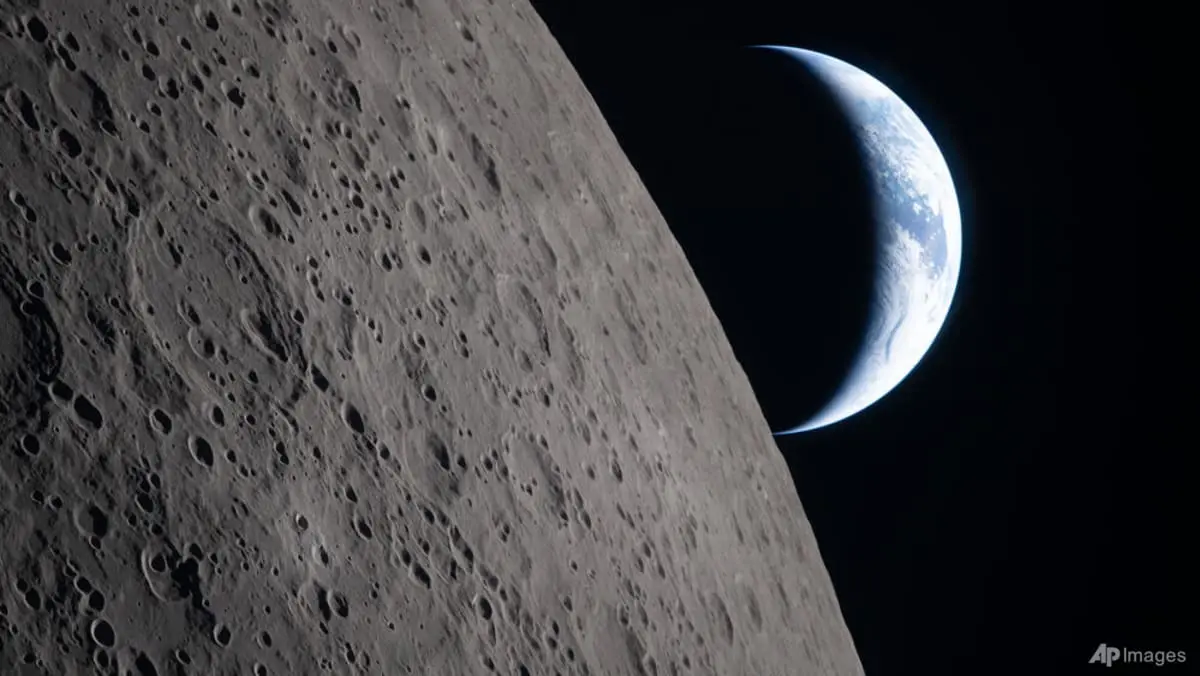
시드니: 달 주위를 도는 데 성공한 아르테미스 II는 역사적인 성과였다. 50년 넘게 처음으로 유인 달 비행을 수행했으며, 우리의 "창백한 푸른 점"에서 인간이 여행한 가장 먼 거리였다.
이 임무는 NASA 및 그 밖의 우주비행사와 팀이 승무원을 안전하게 보내고 데려오면서 이루어낸 공학적, 과학적, 기술적 업적으로 특징지어졌다.
기술적 성과와 함께 상징적인 최초의 기록도 있었다. 달을 공전한 최초의 여성이자 최초의 유색인종 우주비행사. 빅터 글로버 우주비행사가 말했듯이: "사람들은 꿈꾸는 것 속에서 자신들의 모습을 볼 수 있어야 한다."
아르테미스 II는 축하받을 가치가 있다. 하지만 그 축하가 정치적 감시를 배제해서는 안 된다.
아르테미스 II는 2030년까지 영구적인 달 기지 건설을 시작하려는 더 넓은 미국 프로그램의 하나다.
이것은 탐사 그 이상이다. 도널드 트럼프 미국 대통령이 말했듯이, 이는 "미국의 우주 우월성"을 주장하고 "지속적인 미국 존재"를 확립하며 달 경제를 발전시키는 것이다. "별들에 대한 명백한 운명"이라는 미국의 식민주의적 사고가 돌아온다.
더 큰 그림은 미국이 자신을 NASA 관리자 재러드 아이작먼이 "지정학적 적수"라고 부른 중국과의 "우주 경쟁"에 있다고 보고 있다는 것이다.
갈등의 한 지점은 달 남극에 있는 유한하고 가치 있는 자원에 대한 접근권이다. 그곳의 수얼음은 생명을 유지하고 화성 임무를 위한 로켓 연료를 제공할 수 있다. 헬륨-3 채굴부터 소행성에서 자원을 추출해 지구로 가져오는 것까지, 더 추측적이고 이익 중심적인 비전도 역할을 한다.
20세기 냉전 시대에 대부분 만들어진 국제 우주 조약들은 지구 밖 자원의 전유에 대해 거의 언급하지 않는다.
미국은 규칙을 형성하려 하며, 미국이 주도하는 아르테미스 협정이 그 노력의 일부다. 이들은 구속력 없는 원칙이지만 결과적이다.
1967년 외우주 조약에 기반하여, 이들은 자원 활동 및 기타 미해결 주제가 어떻게 통치될 수 있는지에 대한 "청사진"을 제시한다.
많은 관찰자들은 아르테미스 협정이 중국의 대안인 국제 달 연구 기지보다 더 투명하고 개방적이라고 본다. 그러나 비평가들은 아르테미스 협정이 다자간, 합의 기반의 과정을 약화시킨다고 주장한다.
61개국이 아르테미스 협정에 서명했다. 트럼프가 대통령으로 복귀한 이후 새로운 서명국은 9개국에 불과하며, 그 이전 1년간은 19개국이었다. 이 추세가 계속될지는 두고 봐야 한다.
우주에서의 미국 리더십은 종종 중국과의 대조로만 논의된다. 이러한 이분법적 시각은 미국이 감시, 특히 동맹국들로부터 벗어나는 데 도움이 될 수 있다.
지구상에서의 미국의 최근 행동을 고려해 보자. 아르테미스 II가 우리의 시선을 하늘로 끌어올린 동안, 미국-이란에 대한 전쟁이 격화되고 있었다.
트럼프는 트루스 소셜에 욕설이 가득한 글을 올려, 테헤란이 호르무즈 해협을 다시 열지 않으면 "오늘 밤 전체 문명이 죽을 것"이라는 위협으로 핵 공격을 암시했다.
미국은 또한 민간 기반시설을 표적으로 삼겠다고 위협했는데, 이는 한 학교가 공격받아 150명 이상이 사망했다는 보도가 있은 후였다.
이 모든 것은 트럼프의 "평화 위원회"가 유엔의 대안으로 기능하려 한다는 비판을 받은 가자에서의 지속적인 위기와 민간인 사상자 속에서 일어났다.
트럼프는 또한 자치 영토인 덴마크령 그린란드에 대한 영토 야망을 되살려 "우리는 그것이 필요하다"고 말했다. 그는 캐나다를 미국의 51번째 주로 합병하는 것을 띄웠다. 그는 "쿠바를 점령하는 영광"에 대해 말했다. 그는 베네수엘라를 "통치"하겠다고 선언했다.
이 모든 곳들은 미국에 전략적 이점을 줄 수 있는 천연자원, 특히 핵심 광물과 석유를 가지고 있다.
이러한 행동은 국제법학자들과 국제기구들로부터 우려를 불러일으켰다. 이란 전쟁에 참여하지 않았다고 트럼프가 비판한 미국의 동맹국들조차 목소리를 냈다.
지구상에서의 국제법에 대한 무시는 우리로 하여금 미국이 궁극적으로 우주에서 어떻게 행동할지 의문하게 만든다.
글로벌 사우스의 학자들, 특히 앤서니 앵기 법학 교수는 오래전부터 미국이 국제법을 선택적으로 자신의 이익에 맞게 사용한다고 주장해왔다. 이것은 트럼프와 함께 새로운 것이 아니며, 비록 이 패턴이 이제 더 뚜렷하고 더 강렬해졌을 뿐이다.
변화할 수 있는 것은 한때 그 현상 유지로부터 이익을 얻었던 국가들을 포함해 더 많은 세계가 주목하고 있다는 것이다.
올해 다보스 세계경제포럼에서 마크 카니 캐나다 총리는 "규칙에 기반한 질서"를 "부분적으로 거짓된" 것으로 묘사했으며, 그것은 "국제법이 피고나 피해자의 정체에 따라 다양한 엄격함으로 적용되는" 것이라고 말했다. 그는 우주에 대해 말한 것이 아니었지만, 그의 지적은 여기에도 적용된다.
이것은 우주에서의 미국 리더십, 그리고 달 자원에 대한 통제가 더 이상 가상의 문제가 아닐 때 미국이 합의된 규칙을 준수할지에 의문을 제기한다. 아르테미스 협정의 원칙조차 미국 이익에 편리하지 않게 되면 선택적일 수 있음을 증명할 수 있다.
트럼프가 이미 이 이유로 많은 국제 기구와 협정에서 탈퇴하는 것을 정당화했기 때문에 그 질문은 고려할 가치가 있다. 북대서양조약기구(NATO)조차 다음이 될 수 있다.
어떤 초강대국도 지구나 그 너머에서 감시로부터 면제되어서는 안 된다.
아트 코터렐은 UNSW 시드니 법학부 및 정의학부 박사후 연구원이다. 이 논평은 더 컨버세이션에 처음 게재되었다.
시드니: 달 주위를 도는 데 성공한 아르테미스 II는 역사적인 성과였다. 50년 넘게 처음으로 유인 달 비행을 수행했으며, 우리의 "창백한 푸른 점"에서 인간이 여행한 가장 먼 거리였다.
이 임무는 NASA 및 그 밖의 우주비행사와 팀이 승무원을 안전하게 보내고 데려오면서 이루어낸 공학적, 과학적, 기술적 업적으로 특징지어졌다.
기술적 성과와 함께 상징적인 최초의 기록도 있었다. 달을 공전한 최초의 여성이자 최초의 유색인종 우주비행사. 빅터 글로버 우주비행사가 말했듯이: "사람들은 꿈꾸는 것 속에서 자신들의 모습을 볼 수 있어야 한다."
아르테미스 II는 축하받을 가치가 있다. 하지만 그 축하가 정치적 감시를 배제해서는 안 된다.
아르테미스 II는 2030년까지 영구적인 달 기지 건설을 시작하려는 더 넓은 미국 프로그램의 하나다.
이것은 탐사 그 이상이다. 도널드 트럼프 미국 대통령이 말했듯이, 이는 "미국의 우주 우월성"을 주장하고 "지속적인 미국 존재"를 확립하며 달 경제를 발전시키는 것이다. "별들에 대한 명백한 운명"이라는 미국의 식민주의적 사고가 돌아온다.
더 큰 그림은 미국이 자신을 NASA 관리자 재러드 아이작먼이 "지정학적 적수"라고 부른 중국과의 "우주 경쟁"에 있다고 보고 있다는 것이다.
갈등의 한 지점은 달 남극에 있는 유한하고 가치 있는 자원에 대한 접근권이다. 그곳의 수얼음은 생명을 유지하고 화성 임무를 위한 로켓 연료를 제공할 수 있다. 헬륨-3 채굴부터 소행성에서 자원을 추출해 지구로 가져오는 것까지, 더 추측적이고 이익 중심적인 비전도 역할을 한다.
20세기 냉전 시대에 대부분 만들어진 국제 우주 조약들은 지구 밖 자원의 전유에 대해 거의 언급하지 않는다.
미국은 규칙을 형성하려 하며, 미국이 주도하는 아르테미스 협정이 그 노력의 일부다. 이들은 구속력 없는 원칙이지만 결과적이다.
1967년 외우주 조약에 기반하여, 이들은 자원 활동 및 기타 미해결 주제가 어떻게 통치될 수 있는지에 대한 "청사진"을 제시한다.
많은 관찰자들은 아르테미스 협정이 중국의 대안인 국제 달 연구 기지보다 더 투명하고 개방적이라고 본다. 그러나 비평가들은 아르테미스 협정이 다자간, 합의 기반의 과정을 약화시킨다고 주장한다.
61개국이 아르테미스 협정에 서명했다. 트럼프가 대통령으로 복귀한 이후 새로운 서명국은 9개국에 불과하며, 그 이전 1년간은 19개국이었다. 이 추세가 계속될지는 두고 봐야 한다.
우주에서의 미국 리더십은 종종 중국과의 대조로만 논의된다. 이러한 이분법적 시각은 미국이 감시, 특히 동맹국들로부터 벗어나는 데 도움이 될 수 있다.
지구상에서의 미국의 최근 행동을 고려해 보자. 아르테미스 II가 우리의 시선을 하늘로 끌어올린 동안, 미국-이란에 대한 전쟁이 격화되고 있었다.
트럼프는 트루스 소셜에 욕설이 가득한 글을 올려, 테헤란이 호르무즈 해협을 다시 열지 않으면 "오늘 밤 전체 문명이 죽을 것"이라는 위협으로 핵 공격을 암시했다.
미국은 또한 민간 기반시설을 표적으로 삼겠다고 위협했는데, 이는 한 학교가 공격받아 150명 이상이 사망했다는 보도가 있은 후였다.
이 모든 것은 트럼프의 "평화 위원회"가 유엔의 대안으로 기능하려 한다는 비판을 받은 가자에서의 지속적인 위기와 민간인 사상자 속에서 일어났다.
트럼프는 또한 자치 영토인 덴마크령 그린란드에 대한 영토 야망을 되살려 "우리는 그것이 필요하다"고 말했다. 그는 캐나다를 미국의 51번째 주로 합병하는 것을 띄웠다. 그는 "쿠바를 점령하는 영광"에 대해 말했다. 그는 베네수엘라를 "통치"하겠다고 선언했다.
이 모든 곳들은 미국에 전략적 이점을 줄 수 있는 천연자원, 특히 핵심 광물과 석유를 가지고 있다.
이러한 행동은 국제법학자들과 국제기구들로부터 우려를 불러일으켰다. 이란 전쟁에 참여하지 않았다고 트럼프가 비판한 미국의 동맹국들조차 목소리를 냈다.
지구상에서의 국제법에 대한 무시는 우리로 하여금 미국이 궁극적으로 우주에서 어떻게 행동할지 의문하게 만든다.
글로벌 사우스의 학자들, 특히 앤서니 앵기 법학 교수는 오래전부터 미국이 국제법을 선택적으로 자신의 이익에 맞게 사용한다고 주장해왔다. 이것은 트럼프와 함께 새로운 것이 아니며, 비록 이 패턴이 이제 더 뚜렷하고 더 강렬해졌을 뿐이다.
변화할 수 있는 것은 한때 그 현상 유지로부터 이익을 얻었던 국가들을 포함해 더 많은 세계가 주목하고 있다는 것이다.
올해 다보스 세계경제포럼에서 마크 카니 캐나다 총리는 "규칙에 기반한 질서"를 "부분적으로 거짓된" 것으로 묘사했으며, 그것은 "국제법이 피고나 피해자의 정체에 따라 다양한 엄격함으로 적용되는" 것이라고 말했다. 그는 우주에 대해 말한 것이 아니었지만, 그의 지적은 여기에도 적용된다.
이것은 우주에서의 미국 리더십, 그리고 달 자원에 대한 통제가 더 이상 가상의 문제가 아닐 때 미국이 합의된 규칙을 준수할지에 의문을 제기한다. 아르테미스 협정의 원칙조차 미국 이익에 편리하지 않게 되면 선택적일 수 있음을 증명할 수 있다.
트럼프가 이미 이 이유로 많은 국제 기구와 협정에서 탈퇴하는 것을 정당화했기 때문에 그 질문은 고려할 가치가 있다. 북대서양조약기구(NATO)조차 다음이 될 수 있다.
어떤 초강대국도 지구나 그 너머에서 감시로부터 면제되어서는 안 된다.
아트 코터렐은 UNSW 시드니 법학부 및 정의학부 박사후 연구원이다. 이 논평은 더 컨버세이션에 처음 게재되었다.
처리 완료
206 tokens · $0.0004
기사 수집 완료 · 07:15
매체 피드에서 기사 메타데이터 수집
헤드라인 번역 완료 · 07:27
제목/요약 한국어 번역 (fetch 시점 inline)
kimi-k2.5
206 tokens
$0.00040
4.5s
본문 추출 완료
5,691자 추출 완료
본문 한국어 번역 완료 · 07:27
2,743자 번역 완료
지정학적 엔티티 추출 완료 · 07:27
8개 엔티티 추출 완료
지정학적 맥락 & R-Scanner
R-Scanner · 평상
z=-0.52
일상적인 보도 수준 — 기준: United States
(🇺🇸 US)
최근 6시간 102건
7일 평균 107.43건 / 6h
13개국 매체
20개 매체
본문에서 추출된 지명 (8)
위치 지도
지도 로딩 중…
같은 주제의 다른 기사 (최근 7일)
It’s worth considering if the US will abide by agreed rules when control over lunar resources is no longer just a hypothetical question, says a law academic.
It’s worth considering if the US will abide by agreed rules when control over lunar resources is no longer just a hypothetical question, says a law academic.SYDNEY: The successful Artemis II trip around the Moon was a historic achievement – the first crewed lunar fly-by in more than 50 years, and the greatest distance yet travelled by humans from our “pale blue dot”.
The mission was marked by engineering, scientific and technical feats, by the astronauts and team at NASA and beyond, who got the crew there and back safely.
With the technical achievement came symbolic firsts, too. The first woman and the first person of colour to orbit the Moon. As astronaut Victor Glover put it: “People need to be able to see themselves in the things that they dream about.”
Artemis II deserves celebration. But the celebration should not crowd out political scrutiny.
Artemis II is one mission in a broader US programme to start establishing a permanent moon base by 2030.
This is about more than exploration. As United States President Donald Trump has said, it is about asserting “American space superiority”, establishing a “sustained American presence” and developing a lunar economy. The US colonial thinking of a “manifest destiny to the stars” returns.
The bigger picture is that the US sees itself in a “space race” with what NASA Administrator Jared Isaacman has called its “geopolitical adversary” China.
One point of conflict is access to finite, valuable resources at the lunar south pole, where water ice could sustain life and provide rocket fuel for missions to Mars. More speculative, profit-driven visions also play a part, from mining helium-3 to extracting resources from asteroids and bringing them to Earth.
International space treaties, largely forged during the 20th-century Cold War, have little to say about appropriating resources off-Earth.
The US wants to shape the rules, and the US-led Artemis Accords are part of that effort. They are non-binding principles, but consequential.
Grounded in the Outer Space Treaty of 1967, they offer a “blueprint” for how resource activities, and other unsettled topics, may be governed.
Many observers see the Artemis Accords as more transparent and open than China’s counterpart, the International Lunar Research Station. However, critics argue the Artemis Accords undermine multilateral, consensus-based processes.
Sixty-one countries have signed the Artemis Accords. Only nine new signatories have joined since Trump’s return as US president, versus 19 in the year prior. It remains to be seen if the trend continues.
US leadership in space is often discussed only in contrast to China. This binary view can help the US escape scrutiny, especially in allied nations.
Consider America’s recent actions here on Earth. As Artemis II drew our gaze skyward, the US–Israel war on Iran was intensifying.
In an expletive-filled post on Truth Social, Trump hinted at a nuclear attack with a threat that “a whole civilisation will die tonight” unless Tehran reopened the Strait of Hormuz.
The US also threatened to target civilian infrastructure, after one strike hit a school, reportedly killing more than 150 people.
All of this occurred amid the ongoing crisis and civilian casualties in Gaza, where Trump’s “Board of Peace” has faced criticism for seeking to function as an alternative United Nations.
Trump has also revived territorial ambitions toward autonomous Danish territory, Greenland, saying: “We need it”. He floated annexing Canada as the 51st US state. He spoke of the “honour of taking Cuba”. He declared he would “run” Venezuela.
All of these places have natural resources that would give the US strategic advantages, including in critical minerals and oil.
This conduct has raised concerns from international lawyers and international organisations. Even US allies have spoken up, whom Trump criticised for not joining the Iran war.
A disregard for international law on Earth leads us to question how the US will ultimately act in space.
Scholars from the Global South, notably law professor Antony Anghie, have long argued that the US uses international law selectively and in line with its own interests. This is not new with Trump, even if the pattern has now become more visible and more intense.
What may be changing is that more of the world is taking notice, including states that once benefited from that status quo.
At the World Economic Forum in Davos this year, Canadian Prime Minister Mark Carney described the “rules-based order” as “partially false”, in which “international law applied with varying rigour depending on the identity of the accused or the victim”. He was not speaking about space – but his point applies here too.
This puts question marks over US leadership in space – and whether it will abide by agreed rules when control over lunar resources is no longer just a hypothetical question. Even America’s own Artemis Accords principles may prove optional if they stop being convenient to US interests.
That question is worth considering, given Trump has already justified withdrawing from many international instruments and organisations for this reason. Even the North Atlantic Treaty Organization (NATO) may be next.
No superpower should be immune from scrutiny – on Earth or beyond.
Art Cotterell is Postdoctoral Fellow at the Faculty of Law & Justice, UNSW Sydney. This commentary first appeared on The Conversation.
Get our pick of top stories and thought-provoking articles in your inbox
Stay updated with notifications for breaking news and our best stories
Get WhatsApp alerts
Join our channel for the top reads for the day on your preferred chat app