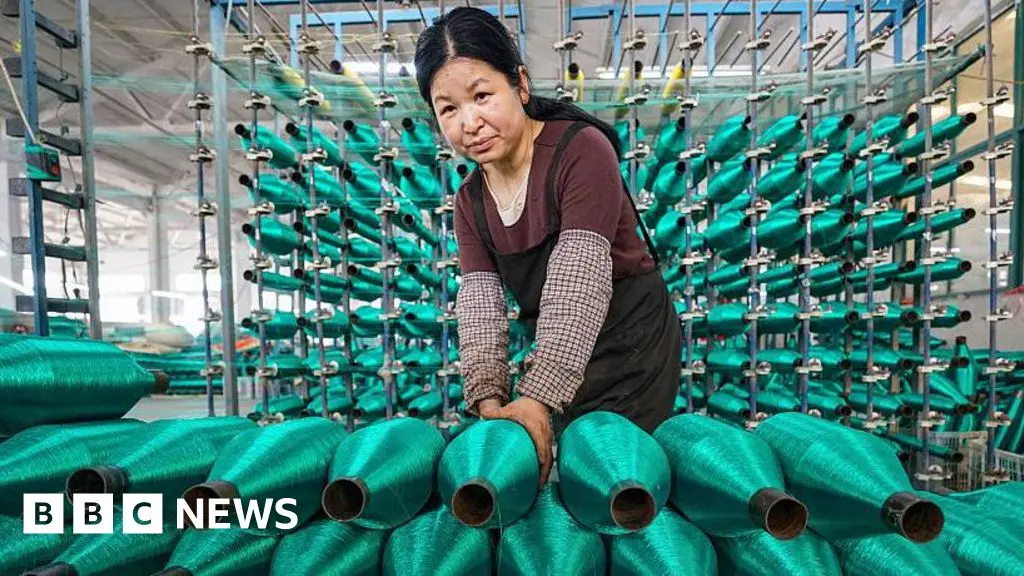
이란 전쟁에도 불구하고 중국 경제 예상보다 빠르게 성장
China's economy grows faster than expected despite Iran war
BBC News
· 🇬🇧 London, GB
EN
2026-04-16 11:29
Translated
예상을 웃도는 GDP 데이터는 아시아 국가들이 분쟁의 영향으로 큰 타격을 입었을 때 나왔다.
중국 경제가 올해 첫 3개월 동안 예상보다 빠르게 성장했으며, 이는 전 세계 국가들이 미국-이스라엘 대 이란 전쟁의 영향을 받고 있는 와중이다.
국내총생산(GDP)이 1년 전 같은 기간 대비 5% 증가했다고 공식 데이터에 따르면 나타났다. 경제학자들은 이 수치가 약 4.8% 정도에서 나올 것으로 예상했었다.
2월 28일에 시작된 중동 분쟁으로 인해 전 세계 에너지 공급이 심각하게 중단되었고, 아시아 국가들이 특히 큰 타격을 입었음에도 불구하고 이러한 성장이 달성되었다.
또한 이는 베이징이 지난달 연간 경제 성장률 목표를 4.5%-5% 범위로 낮춘 이후 처음으로 공식 GDP 수치가 발표된 것으로, 이는 1991년 이후 가장 낮은 확장 목표이다.
이전 분기의 약한 4.5% 성장에서의 반등은 제조업에 의해 주도되었으며, 세계 2위 경제가 부동산 투자 감소로 계속 압박을 받고 있다.
자동차 및 기타 수출은 브루킹스 연구소의 분석가인 Kyle Chan에 따르면 데이터의 "주요 밝은 부분"이었다.
Chan은 이란 전쟁의 전체 영향은 아직 나타나지 않았다고 말했으며, 다음 분기의 GDP 수치는 분쟁으로 인한 무역 중단으로 인해 약할 가능성이 높다고 덧붙였다.
중국의 최신 GDP 목표와 경제 목표는 3월에 최신 5개년 계획에 따라 발표되었다. 베이징은 또한 혁신, 첨단 산업 및 국내 지출 증대 노력에 막대한 투자를 약속했다.
집권 공산당은 약한 소비, 인구 감소, 장기적인 부동산 위기를 포함한 여러 문제로 어려움을 겪고 있는 국가의 경제를 개편하려고 노력하고 있다.
국외에서 중국은 이란 전쟁으로 인한 에너지 부족과 도널드 트럼프 대통령의 관세 정책을 포함한 글로벌 무역 긴장에 직면해 있다.
중국은 현재 대부분의 상품에 대해 미국 관세 10%에 직면하고 있다. 그러나 미국 재무장관 Scott Bessent는 화요일에 대법원이 많은 수입세를 폐지한 이전 수준으로 7월 초까지 관세가 복구될 수 있다고 말했다.
트럼프와 중국 국가주석 시진핑은 5월에 중국에서 만날 예정이다.
화요일에 중국은 3월 월간 수출 통계를 발표했으며, 이는 분쟁이 인플레이션을 상승시키고 소비자 지출을 억제하면서 성장이 급격히 둔화되었음을 보여주었다.
중국의 수출 성장은 작년 같은 기간 대비 지난달 2.5%로 급격히 둔화되었으며, 이는 화요일 중국 해관총서가 발표한 데이터에 따른 것이다.
이는 6개월 최저치이며, 1월과 2월의 합산 수출이 1년 전보다 20% 이상 증가한 이후의 결과이다.
이 수치는 전자제품 및 제조 상품에 대한 강한 수요로 인해 증가했다.
중국은 매년 다른 날짜에 떨어지는 음력설 휴일 주변의 변동성을 고려하기 위해 매년 첫 2개월의 무역 데이터를 합산한다.
중국의 수입은 또한 관세 데이터에 따르면 3월에 약 28% 증가했다.
이로 인해 중국의 월간 무역 수지(수출이 수입을 초과하는 정도)는 50억 달러(약 368억 5천만 파운드)를 약간 넘었으며, 이는 1년 이상 최저치이다.
수입 가치의 급증은 호주 국립대학교의 경제학 강사 Yixiao Zhou에 따르면 이란 전쟁의 결과로 인한 전 세계 비용 상승 때문일 가능성이 높다.
이란의 중요한 호르무즈 해협 해운로를 사용하려는 선박에 대한 위협은 원유뿐만 아니라 플라스틱과 같이 이로부터 만든 재료의 비용도 상승시켰다.
중국은 일본 및 남한과 같은 다른 주요 아시아 경제국들보다 걸프만의 석유에 덜 의존하고 있으며, 이들은 위기로 큰 타격을 입었다.
하지만 국내에서 휘발유 가격이 상승하고 있으며, 일부 중국 항공사들은 제트유 가격이 급증하면서 항공편을 감축했다.
이 전쟁은 분쟁으로 인한 높은 가격으로 인해 전 세계 소비자들이 더 적게 지출하려는 의향이 있다면 중국의 수출에 타격을 줄 수 있다고 Zhou는 덧붙였다.
"수출 성장은 궁극적으로 당신의 무역 파트너들의 경제에 의존한다"고 그녀는 말했다. "매우 높은 속도로 그 성장을 계속 유지하기는 어렵다."
국내총생산(GDP)이 1년 전 같은 기간 대비 5% 증가했다고 공식 데이터에 따르면 나타났다. 경제학자들은 이 수치가 약 4.8% 정도에서 나올 것으로 예상했었다.
2월 28일에 시작된 중동 분쟁으로 인해 전 세계 에너지 공급이 심각하게 중단되었고, 아시아 국가들이 특히 큰 타격을 입었음에도 불구하고 이러한 성장이 달성되었다.
또한 이는 베이징이 지난달 연간 경제 성장률 목표를 4.5%-5% 범위로 낮춘 이후 처음으로 공식 GDP 수치가 발표된 것으로, 이는 1991년 이후 가장 낮은 확장 목표이다.
이전 분기의 약한 4.5% 성장에서의 반등은 제조업에 의해 주도되었으며, 세계 2위 경제가 부동산 투자 감소로 계속 압박을 받고 있다.
자동차 및 기타 수출은 브루킹스 연구소의 분석가인 Kyle Chan에 따르면 데이터의 "주요 밝은 부분"이었다.
Chan은 이란 전쟁의 전체 영향은 아직 나타나지 않았다고 말했으며, 다음 분기의 GDP 수치는 분쟁으로 인한 무역 중단으로 인해 약할 가능성이 높다고 덧붙였다.
중국의 최신 GDP 목표와 경제 목표는 3월에 최신 5개년 계획에 따라 발표되었다. 베이징은 또한 혁신, 첨단 산업 및 국내 지출 증대 노력에 막대한 투자를 약속했다.
집권 공산당은 약한 소비, 인구 감소, 장기적인 부동산 위기를 포함한 여러 문제로 어려움을 겪고 있는 국가의 경제를 개편하려고 노력하고 있다.
국외에서 중국은 이란 전쟁으로 인한 에너지 부족과 도널드 트럼프 대통령의 관세 정책을 포함한 글로벌 무역 긴장에 직면해 있다.
중국은 현재 대부분의 상품에 대해 미국 관세 10%에 직면하고 있다. 그러나 미국 재무장관 Scott Bessent는 화요일에 대법원이 많은 수입세를 폐지한 이전 수준으로 7월 초까지 관세가 복구될 수 있다고 말했다.
트럼프와 중국 국가주석 시진핑은 5월에 중국에서 만날 예정이다.
화요일에 중국은 3월 월간 수출 통계를 발표했으며, 이는 분쟁이 인플레이션을 상승시키고 소비자 지출을 억제하면서 성장이 급격히 둔화되었음을 보여주었다.
중국의 수출 성장은 작년 같은 기간 대비 지난달 2.5%로 급격히 둔화되었으며, 이는 화요일 중국 해관총서가 발표한 데이터에 따른 것이다.
이는 6개월 최저치이며, 1월과 2월의 합산 수출이 1년 전보다 20% 이상 증가한 이후의 결과이다.
이 수치는 전자제품 및 제조 상품에 대한 강한 수요로 인해 증가했다.
중국은 매년 다른 날짜에 떨어지는 음력설 휴일 주변의 변동성을 고려하기 위해 매년 첫 2개월의 무역 데이터를 합산한다.
중국의 수입은 또한 관세 데이터에 따르면 3월에 약 28% 증가했다.
이로 인해 중국의 월간 무역 수지(수출이 수입을 초과하는 정도)는 50억 달러(약 368억 5천만 파운드)를 약간 넘었으며, 이는 1년 이상 최저치이다.
수입 가치의 급증은 호주 국립대학교의 경제학 강사 Yixiao Zhou에 따르면 이란 전쟁의 결과로 인한 전 세계 비용 상승 때문일 가능성이 높다.
이란의 중요한 호르무즈 해협 해운로를 사용하려는 선박에 대한 위협은 원유뿐만 아니라 플라스틱과 같이 이로부터 만든 재료의 비용도 상승시켰다.
중국은 일본 및 남한과 같은 다른 주요 아시아 경제국들보다 걸프만의 석유에 덜 의존하고 있으며, 이들은 위기로 큰 타격을 입었다.
하지만 국내에서 휘발유 가격이 상승하고 있으며, 일부 중국 항공사들은 제트유 가격이 급증하면서 항공편을 감축했다.
이 전쟁은 분쟁으로 인한 높은 가격으로 인해 전 세계 소비자들이 더 적게 지출하려는 의향이 있다면 중국의 수출에 타격을 줄 수 있다고 Zhou는 덧붙였다.
"수출 성장은 궁극적으로 당신의 무역 파트너들의 경제에 의존한다"고 그녀는 말했다. "매우 높은 속도로 그 성장을 계속 유지하기는 어렵다."
처리 완료
3,664 tokens · $0.0103
기사 수집 완료 · 12:35
매체 피드에서 기사 메타데이터 수집
헤드라인 번역 완료 · 12:49
제목/요약 한국어 번역 (fetch 시점 inline)
kimi-k2.5
154 tokens
$0.00028
4.8s
본문 추출 완료
4,021자 추출 완료
본문 한국어 번역 완료 · 12:49
1,936자 번역 완료
claude-haiku-4-5-20251001
3,510 tokens
$0.01002
18.4s
지정학적 엔티티 추출 완료 · 12:49
8개 엔티티 추출 완료
지정학적 맥락 & R-Scanner
R-Scanner · 평상
z=0.74
일상적인 보도 수준 — 기준: China
(🇨🇳 CN)
최근 6시간 33건
7일 평균 28.96건 / 6h
9개국 매체
12개 매체
본문에서 추출된 지명 (8)
위치 지도
지도 로딩 중…
같은 주제의 다른 기사 (최근 7일)
The better-than-expected GDP data comes as Asian countries have been hit hard by the impact of the conflict.
China's economy grew faster than expected in the first three months of the year, even as countries around the world feel the impact of the US-Israel war with Iran.Gross domestic product (GDP) rose by 5% in the period, compared to a year earlier, according to official data. Economists had expected the figure to come it at around 4.8%.
That came despite the conflict in the Middle East, which started on 28 February, severely disrupting global energy supplies, with Asian countries hit particularly hard.
It also marks the first release of official GDP figures since Beijing cut its annual economic growth target last month to a range of 4.5%-5%, its lowest expansion goal since 1991.
The rebound from a weaker expansion of 4.5% in the previous quarter was driven by manufacturing, while the world's second largest economy continues to be weighed down by falling property investment.
Cars and other exports were a "major bright spot" in the data, said Kyle Chan, an analyst from the Brookings Institution.
The Iran war's full effects are yet to be seen, Chan said, adding that next quarter's GDP figure is likely to be weaker due to trade disruptions caused by the conflict.
China's latest GDP target and economic objectives were announced in March under its latest Five Year Plan. Beijing also pledged to invest heavily in innovation, high-tech industries and efforts to boost domestic spending.
The ruling Communist Party is trying to reshape the country's economy, which has been struggling with a number of issues including weak consumption, a shrinking population and a prolonged property crisis.
From abroad, China also faces an energy crunch due to the Iran war and global trade tensions, including US President Donald Trump tariffs policies.
China currently faces a 10% US tariff for most of its goods. However, US Treasury Secretary Scott Bessent said on Tuesday that the levies may be restored by the beginning of July to the levels in place before the Supreme Court struck down many of the import taxes.
Trump and Chinese President Xi Jinping are expected to meet in China in May.
On Tuesday, China published monthly export numbers for March, which showed a sharp slowdown in growth as the conflict pushed up inflation and curbed consumer spending.
China's export growth slowed sharply to 2.5% last month compared to the same time last year, according to data released on Tuesday by the General Administration of Customs.
It marks a six-month low and comes after the combined exports for January and February jumped by more than 20% compared to a year before.
That figure was boosted by strong demand for electronics and manufactured goods.
China combines the trade data for the first two months of each year to account for fluctuations around the Lunar New Year holiday season, which falls on different dates each year.
China's imports also surged by nearly 28% in March, customs data showed.
That left China's monthly trade surplus - how much its exports exceed imports - at just over $50bn (£36.85bn), the lowest number in more than a year.
The surge in the value of imports is likely to be to due a rise in costs globally as a result of the Iran war, according to economics lecturer Yixiao Zhou from the Australian National University.
Iran's threats against vessels that try to use the crucial Strait of Hormuz shipping route has driven up the cost of crude oil, as well as materials made from it like plastics.
China is less reliant on oil from the Gulf than other major Asian economies, like Japan and South Korea, that have been hit hard by the crisis.
But petrol is becoming more expensive in the country, while some Chinese airlines have cut flights as jet fuel prices surged.
The war could hit China's exports if consumers around the world are less willing to spend due to higher prices caused by the conflict, Zhou added.
"Export growth ultimately depends on your trading partners' economies," she said. "It is hard to sustain that growth at a very high rate continuously."