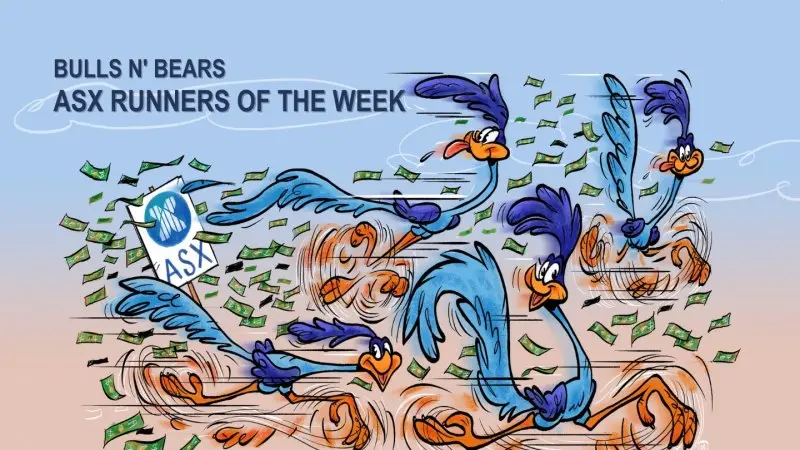
ASX 주간 상승률 1위: Solis Minerals, Adisyn, 333D & NoviqTech
ASX Runners of the Week: Solis Minerals, Adisyn, 333D & NoviqTech
Sydney Morning Herald
· 🇦🇺 Sydney, AU
Andrew Todd
EN
2026-04-24 15:21
Translated
Bulls N' Bears ASX 주간 상승률 1위는 Rio Tinto의 브라질 리튬 프로젝트를 확보한 후 급등한 Solis Minerals입니다. 이 프로젝트는 PLS의 대규모 Colina 프로젝트 옆에 위치하고 있습니다.
ASX의 롤러코스터가 계속되고 있습니다.
이번 주 국무총리 Anthony Albanese는 국민을 향해 연설하며 추가 연료 이틀분(2억 리터 또는 125만 배럴)의 확보를 축하했으며, 하루하루 국가의 미래를 보장하려는 진지한 의지를 표명했습니다.
매우 드문 일이지만, ASX는 공식적으로 S&P500과의 연동을 해제했으며, S&P500은 현재 사상 최고치에 있습니다.
특히 석유 시장과 밀접한 관련이 있는 많은 사람들이 긍정적인 전망과는 거리가 멀어 보여 비관하기 어렵지 않습니다.
지난 금요일, 이란의 외교부 장관이 호르무즈 해협이 "완전히 개방"되었다고 선언하자 전 세계가 기뻐했으며, 브렌트유가 배럴당 약 90달러로 10% 이상 급락했고 농민과 산업계에는 안도감이 넘쳤습니다.
몇 시간 만에 이란은 입장을 뒤집고 인도 유조선을 공격했습니다. 새 주가 시작되자 미국은 최소 2척의 이란 유조선을 나포했고, 이란은 호르무즈 해협에서 2척의 화물선을 통제하며, 끝없이 이어지는 "휴전" 상황이 펼쳐졌습니다.
주말을 마감하면서 벤치마크 브렌트유 가격은 배럴당 105달러로 더욱 올랐으며, 리튬과 함께 ASX에서 유일하게 녹색을 보이는 두 부문입니다.
미국의 이란 석유 봉쇄는 더 많은 석유를 걸프만에 갇히게 하고 있으며, 트럼프 미국 대통령은 이란의 저장 시설을 최대한 활용하려고 합니다.
전쟁이 2개월도 채 되지 않아 세계는 약 875억 리터, 즉 5억 5천만 배럴의 걸프만 원유를 잃었습니다. 이는 지난해 글로벌 석유 생산량의 약 2%이며, Albanese가 "확보"한 석유량의 약 300배입니다.
하지만 서방에서는 삶이 계속되고 피해는 제한적입니다. 물론 휘발유가 좀 더 비싸졌지만, 대부분의 가정은 여전히 자동차를 운전할 여유가 있습니다. 트럭은 계속 달리고 음식은 여전히 선반에 있습니다.
하지만 그 안심할 수 있는 그림은 위험하게 기만적입니다. 분쟁 전에 호르무즈를 빠져나간 마지막 유조선들이 이제 막 아시아와 미국의 목적지에 도착했다는 것은 완충재가 줄어들고 있으며, 구부러지는 것보다 훨씬 더 심각한 일이 일어날 가능성이 높다는 의미입니다. 준비되지 않은 국가에게 그 결과는 비참할 수 있습니다.
국내 상황을 더 악화시키는 것은 Cochlear 주가가 이번 주 대규모 실적 하향 조정 이후 붕괴되었다는 것입니다. 이는 임플란트 수요 약화와 기대치 재설정을 시사합니다. 이 회사는 이제 2026년의 최신 피해자로서 ASX 전역의 타격을 받은 바이오테크 기업들의 쌓여가는 더미에 합류했습니다.
이번 주 상승률 1위로 돌아가면, 시장에서 일어나고 있는 모든 좋은 일들에 대한 긍정적인 이야기입니다. 다행히 일부 석유 및 가스 관련이 아닌 기업들을 위해 여러 주식이 이번 주에 상승했으며, 최고 자리는 새로 주조된 브라질 리튬 회사가 차지했습니다.
이번 주 Bulls N' Bears 주간 상승률 1위는 리튬 유망주 Solis Minerals입니다. 광산 대기업 Rio Tinto로부터 브라질 리튬 프로젝트의 인수를 발표했으며, 이 프로젝트는 브라질의 비옥한 Minas Gerais 지역에 위치하고 있습니다. 이 프로젝트는 거대한 93,000헥타르 규모의 지구-규모 탐사 패키지이며, PLS Group의 190억 달러 시가총액을 가진 Colina 리튬 프로젝트와 인접해 있어, Solis를 스포두멘 발견을 위한 입증된 주소에 배치하고 있습니다.
맥락을 위해, PLS는 최근 호주 주니어 회사인 Latin Resources를 시리즈로 5억 6천만 달러에 인수함으로써 Colina 지분을 획득했습니다. 이는 광산 지역에 대한 상당히 도움이 되는 지지입니다.
성공이 종종 가족에게서 실행된다는 것을 증명하면서, Solis는 지난 성공적인 벤처에서 옛 팀을 다시 모으고 있습니다. 경영진 Chris Gale, Tony Greenaway, Mitch Thomas가 팀에 합류하여 Latin Resources에서 힘들게 얻은 승리에 이어 또 다른 주요 탐사 성공을 전달할 수 있습니다.
Minas Gerais는 브라질의 광산 수도이며, Solis의 새로운 지분은 Colina의 인상적인 7,770만 톤 자원이 있는 계곡에서 직접 있으며, 1.24%의 무거운 리튬 등급입니다.
단 50만 달러의 저렴한 가격으로 프로젝트를 인수하면서 Rio Tinto는 1.75% 순제련 반환 로열티를 유지하고 있으며, Solis는 세계 수준의 지역으로의 저비용 진입을 확보한 것으로 보입니다.
Rio Tinto의 역사적 작업에는 여러 목표 지역에 걸친 오거 드릴링, 토양 샘플링 및 암석 칩 샘플링이 포함되어 있으며, Solis에 구축할 실질적인 초기 단계 데이터 세트를 제공합니다.
진지한 신뢰의 표시로, 회사는 Solis에 5.1% 이권을 이미 소유하고 있는 PLS와 협력 계약을 체결했습니다. 이 거래는 PLS에 제안된 모든 상대방과 동일한 조건으로 지분과 관련된 향후 거래에 참여할 수 있는 권리를 제공합니다.
회사는 Mandacaru 및 Campo Grande 우선 목표에 걸쳐 초기 2000미터 드릴링 추진에 대해 완전히 자금을 지원받고 있습니다.
이제 남은 질문은: 새로운 모습의 Solis가 Latin 플레이북을 복제할 수 있고 깔끔한 인수로 보드에서 찢어질 다음 브라질 리튬 플레이가 될 수 있을까?
이번 주 은메달을 획득한 것은 반도체 기술 개발사 Adisyn입니다. 이 회사는 1cm x 1cm 쿠폰에 그래핀 층 전도성 기술의 성공적인 시연 후 거대한 조성을 확보했습니다. Adisyn의 기술은 첨단 칩에서 기존 구리 상호 연결이 직면하는 제한 사항을 해결하여 반도체 세계에 혁명을 일으키려고 합니다.
구리 상호 연결이 더욱 강력한 칩을 위해 점점 더 작아질수록, 증가된 저항, 열 생성 및 전력 손실의 문제가 발생합니다.
오랫동안 유지된 Moore의 법칙은 칩의 트랜지스터 수와 확장하여 컴퓨팅 전력 또는 메모리 밀도가 대략 2년마다 2배로 증가하는 경향이 있으며, 종종 같은 물리적 공간이나 더 작은 공간에서 더 많은 용량을 제공합니다.
불행하게도, 이 이론을 극한으로 밀어붙였지만, 인류는 구리가 제한 요소가 될 수 있는 지점에 도달하고 있습니다.
그래핀이 등장합니다. Adisyn의 접근 방식은 독점 원자층 증착 또는 "ALD" 방법론을 사용합니다. 이번 주 이정표는 300°C 이하의 온도에서 구리에 대한 탄소층의 저온 ALD 증착의 독립적 검증을 포함했습니다.
결정적으로, 증착 온도는 450°C 반도체 열 제한보다 훨씬 낮았으며, 이는 기존 제조 프로세스로의 통합에 필수적인 능력입니다. 이 돌파구로 인해 200억 달러 펀드 매니저 Regal Funds Management가 파티에 참여했으며, Adisyn을 위한 1,400만 달러의 기관 배치를 코너스톤했습니다.
이 자금은 이제 회사의 반도체 전략, 상업 파트너십 및 개발의 다음 단계를 위해 할당되어 있으며, 잠재적으로 세계를 변화시킬 기술을 연마하고 있습니다.
동메달을 획득한 것은 333D Limited입니다. 믿기 어렵지만, 이는 의료 영상 데이터를 위한 디지털 플랫폼을 운영하는 3D 프린팅 회사입니다.
이 회사의 주식은 수요일에 5.5센트까지 두 배 이상 급등했으며, 분기별 보고서는 심각하게 긍정적인 운영 현금 흐름과 지속적인 수익 모멘텀을 강조했습니다.
333D Limited는 의료 영상 데이터(DICOM)와 3D 시각 데이터 세트를 캡처, 관리 및 수익화하는 플랫폼을 운영하며, 이는 의료, AI 기반 분석 및 디지털 인프라의 교점에 정사각형을 놓습니다.
이는 임상 영상을 구조화되고 사용 가능한 상업적 데이터 자산으로 전환하는 것을 기반으로 구축된 비즈니스입니다.
특히, 이것은 많은 빠른 돈의 변동성을 본 이름입니다. 지난해 8월, 주식은 주목할 만한 상승을 했으며, 약 0.7센트에서 수주 내에 29센트까지 급등했으며, 이는 관심이 그 방향으로 돌아갈 때 이 시장의 구석이 얼마나 모멘텀 기반인지를 강조합니다.
이번 주, 333D는 분기 동안 고객으로부터 231,702달러의 현금 영수를 생성했다고 했으며, 71,505달러의 긍정적 순 운영 현금 흐름을 나타내는 것은 지난 분기의 99,180달러 순 현금 유출로부터 실질적인 이득입니다.
333D는 가슴 X선에서 MRI에 이르기까지 모든 것에 대해 대체 불가능한 토큰 지적재산(NFT IP)을 사용했다고 말합니다.
방사선 영상은 NFT와 매우 유사합니다. 이미지가 해당 이미지에 고유한 데이터를 포함한다는 점에서 말입니다.
회사의 사내 설계 및 엔지니어링 팀은 또한 고성능 3D 프린팅 솔루션을 생산하기 위해 클라이언트와 밀접하게 협력합니다.
이것의 명확한 예는 경주마를 위한 가볍고 맞춤형 말굽에 대한 클라이언트 요청을 통해 나왔습니다. 완성된 제품은 고강도 스칸듐 합금을 사용하여 제조되었으며, 기존 신발보다 47그램 가볍습니다. 말은 그 다음 경주에서 우승했습니다.
주자들을 마무리한 것은 지속 가능성 및 공급망 서비스 회사인 Noviqtech입니다. 그 자회사인 Coralia는 Pure Data Centres Group 자회사인 A Healthier Earth(AHE)와 전략적 계약에 체결했으며, North Queensland의 Great Barrier Reef 바이오차 프로젝트에서 탄소 제거 매출 및 시설 건설을 평가합니다.
바이오차는 목재 칩, 작물 잔류물 또는 거름과 같은 유기 폐기물을 저산소 환경에서 열처리하여 만든 목탄 같은 재료입니다. 이 과정을 열분해라고 합니다.
이 프로젝트는 2백만 톤의 농업 바이오매스 폐기물과 우디 잡초를 평생 동안 550,000개의 고무결성 바이오차 신용으로 전환할 계획입니다.
이 거래는 AHE가 프로젝트의 총 바이오차 탄소 제거 신용의 최소 70%에 대한 장기 신용 매출을 확보하는 경제적 타당성을 평가할 것입니다.
NoviqTech는 파트너십이 데이터 센터 및 AI에 의해 주도되는 고무결성 바이오차 탄소 제거에 대한 수요의 "슈퍼사이클" 중에 시장에 진입했다고 말했습니다. 바이오차와 같은 기술 기반 제거는 실질적인 프리미엄으로 거래되며, 고품질 신용의 가격은 현재 톤당 최대 220달러입니다.
잉크가 말라가기도 전에 Coralia는 또 다른 파트너십을 출시했으며, 이번에는 Melbourne의 Swinburne University of Technology와 함께 데이터 센터를 위한 저탄소 콘크리트에서 바이오차 응용을 발전시키기 위해 말입니다.
파트너십의 1단계는 침입성 중국 사과 나무에서 만든 바이오차를 저탄소 콘크리트 및 조경 응용에서 성공적으로 사용할 수 있는지 테스트할 것이며, Swinburne은 환경 영향과 함께 성능 및 내구성의 기술 검증을 주도하고 있습니다.
그 핵심에서, 프로젝트는 시멘트 시장의 몫을 추구하고 있으며, 이는 약 8%의 세계 배출량을 담당하는 산업입니다. 동시에, 호주는 2030년 전에 수십억 달러의 새로운 인프라가 필요할 것으로 예상되면서 증가하는 데이터 센터 건설 수요에 맞추고 있습니다.
귀사의 ASX 상장 회사가 흥미로운 일을 하고 있습니까? 문의: mattbirney@bullsnbears.com.au
이번 주 국무총리 Anthony Albanese는 국민을 향해 연설하며 추가 연료 이틀분(2억 리터 또는 125만 배럴)의 확보를 축하했으며, 하루하루 국가의 미래를 보장하려는 진지한 의지를 표명했습니다.
매우 드문 일이지만, ASX는 공식적으로 S&P500과의 연동을 해제했으며, S&P500은 현재 사상 최고치에 있습니다.
특히 석유 시장과 밀접한 관련이 있는 많은 사람들이 긍정적인 전망과는 거리가 멀어 보여 비관하기 어렵지 않습니다.
지난 금요일, 이란의 외교부 장관이 호르무즈 해협이 "완전히 개방"되었다고 선언하자 전 세계가 기뻐했으며, 브렌트유가 배럴당 약 90달러로 10% 이상 급락했고 농민과 산업계에는 안도감이 넘쳤습니다.
몇 시간 만에 이란은 입장을 뒤집고 인도 유조선을 공격했습니다. 새 주가 시작되자 미국은 최소 2척의 이란 유조선을 나포했고, 이란은 호르무즈 해협에서 2척의 화물선을 통제하며, 끝없이 이어지는 "휴전" 상황이 펼쳐졌습니다.
주말을 마감하면서 벤치마크 브렌트유 가격은 배럴당 105달러로 더욱 올랐으며, 리튬과 함께 ASX에서 유일하게 녹색을 보이는 두 부문입니다.
미국의 이란 석유 봉쇄는 더 많은 석유를 걸프만에 갇히게 하고 있으며, 트럼프 미국 대통령은 이란의 저장 시설을 최대한 활용하려고 합니다.
전쟁이 2개월도 채 되지 않아 세계는 약 875억 리터, 즉 5억 5천만 배럴의 걸프만 원유를 잃었습니다. 이는 지난해 글로벌 석유 생산량의 약 2%이며, Albanese가 "확보"한 석유량의 약 300배입니다.
하지만 서방에서는 삶이 계속되고 피해는 제한적입니다. 물론 휘발유가 좀 더 비싸졌지만, 대부분의 가정은 여전히 자동차를 운전할 여유가 있습니다. 트럭은 계속 달리고 음식은 여전히 선반에 있습니다.
하지만 그 안심할 수 있는 그림은 위험하게 기만적입니다. 분쟁 전에 호르무즈를 빠져나간 마지막 유조선들이 이제 막 아시아와 미국의 목적지에 도착했다는 것은 완충재가 줄어들고 있으며, 구부러지는 것보다 훨씬 더 심각한 일이 일어날 가능성이 높다는 의미입니다. 준비되지 않은 국가에게 그 결과는 비참할 수 있습니다.
국내 상황을 더 악화시키는 것은 Cochlear 주가가 이번 주 대규모 실적 하향 조정 이후 붕괴되었다는 것입니다. 이는 임플란트 수요 약화와 기대치 재설정을 시사합니다. 이 회사는 이제 2026년의 최신 피해자로서 ASX 전역의 타격을 받은 바이오테크 기업들의 쌓여가는 더미에 합류했습니다.
이번 주 상승률 1위로 돌아가면, 시장에서 일어나고 있는 모든 좋은 일들에 대한 긍정적인 이야기입니다. 다행히 일부 석유 및 가스 관련이 아닌 기업들을 위해 여러 주식이 이번 주에 상승했으며, 최고 자리는 새로 주조된 브라질 리튬 회사가 차지했습니다.
이번 주 Bulls N' Bears 주간 상승률 1위는 리튬 유망주 Solis Minerals입니다. 광산 대기업 Rio Tinto로부터 브라질 리튬 프로젝트의 인수를 발표했으며, 이 프로젝트는 브라질의 비옥한 Minas Gerais 지역에 위치하고 있습니다. 이 프로젝트는 거대한 93,000헥타르 규모의 지구-규모 탐사 패키지이며, PLS Group의 190억 달러 시가총액을 가진 Colina 리튬 프로젝트와 인접해 있어, Solis를 스포두멘 발견을 위한 입증된 주소에 배치하고 있습니다.
맥락을 위해, PLS는 최근 호주 주니어 회사인 Latin Resources를 시리즈로 5억 6천만 달러에 인수함으로써 Colina 지분을 획득했습니다. 이는 광산 지역에 대한 상당히 도움이 되는 지지입니다.
성공이 종종 가족에게서 실행된다는 것을 증명하면서, Solis는 지난 성공적인 벤처에서 옛 팀을 다시 모으고 있습니다. 경영진 Chris Gale, Tony Greenaway, Mitch Thomas가 팀에 합류하여 Latin Resources에서 힘들게 얻은 승리에 이어 또 다른 주요 탐사 성공을 전달할 수 있습니다.
Minas Gerais는 브라질의 광산 수도이며, Solis의 새로운 지분은 Colina의 인상적인 7,770만 톤 자원이 있는 계곡에서 직접 있으며, 1.24%의 무거운 리튬 등급입니다.
단 50만 달러의 저렴한 가격으로 프로젝트를 인수하면서 Rio Tinto는 1.75% 순제련 반환 로열티를 유지하고 있으며, Solis는 세계 수준의 지역으로의 저비용 진입을 확보한 것으로 보입니다.
Rio Tinto의 역사적 작업에는 여러 목표 지역에 걸친 오거 드릴링, 토양 샘플링 및 암석 칩 샘플링이 포함되어 있으며, Solis에 구축할 실질적인 초기 단계 데이터 세트를 제공합니다.
진지한 신뢰의 표시로, 회사는 Solis에 5.1% 이권을 이미 소유하고 있는 PLS와 협력 계약을 체결했습니다. 이 거래는 PLS에 제안된 모든 상대방과 동일한 조건으로 지분과 관련된 향후 거래에 참여할 수 있는 권리를 제공합니다.
회사는 Mandacaru 및 Campo Grande 우선 목표에 걸쳐 초기 2000미터 드릴링 추진에 대해 완전히 자금을 지원받고 있습니다.
이제 남은 질문은: 새로운 모습의 Solis가 Latin 플레이북을 복제할 수 있고 깔끔한 인수로 보드에서 찢어질 다음 브라질 리튬 플레이가 될 수 있을까?
이번 주 은메달을 획득한 것은 반도체 기술 개발사 Adisyn입니다. 이 회사는 1cm x 1cm 쿠폰에 그래핀 층 전도성 기술의 성공적인 시연 후 거대한 조성을 확보했습니다. Adisyn의 기술은 첨단 칩에서 기존 구리 상호 연결이 직면하는 제한 사항을 해결하여 반도체 세계에 혁명을 일으키려고 합니다.
구리 상호 연결이 더욱 강력한 칩을 위해 점점 더 작아질수록, 증가된 저항, 열 생성 및 전력 손실의 문제가 발생합니다.
오랫동안 유지된 Moore의 법칙은 칩의 트랜지스터 수와 확장하여 컴퓨팅 전력 또는 메모리 밀도가 대략 2년마다 2배로 증가하는 경향이 있으며, 종종 같은 물리적 공간이나 더 작은 공간에서 더 많은 용량을 제공합니다.
불행하게도, 이 이론을 극한으로 밀어붙였지만, 인류는 구리가 제한 요소가 될 수 있는 지점에 도달하고 있습니다.
그래핀이 등장합니다. Adisyn의 접근 방식은 독점 원자층 증착 또는 "ALD" 방법론을 사용합니다. 이번 주 이정표는 300°C 이하의 온도에서 구리에 대한 탄소층의 저온 ALD 증착의 독립적 검증을 포함했습니다.
결정적으로, 증착 온도는 450°C 반도체 열 제한보다 훨씬 낮았으며, 이는 기존 제조 프로세스로의 통합에 필수적인 능력입니다. 이 돌파구로 인해 200억 달러 펀드 매니저 Regal Funds Management가 파티에 참여했으며, Adisyn을 위한 1,400만 달러의 기관 배치를 코너스톤했습니다.
이 자금은 이제 회사의 반도체 전략, 상업 파트너십 및 개발의 다음 단계를 위해 할당되어 있으며, 잠재적으로 세계를 변화시킬 기술을 연마하고 있습니다.
동메달을 획득한 것은 333D Limited입니다. 믿기 어렵지만, 이는 의료 영상 데이터를 위한 디지털 플랫폼을 운영하는 3D 프린팅 회사입니다.
이 회사의 주식은 수요일에 5.5센트까지 두 배 이상 급등했으며, 분기별 보고서는 심각하게 긍정적인 운영 현금 흐름과 지속적인 수익 모멘텀을 강조했습니다.
333D Limited는 의료 영상 데이터(DICOM)와 3D 시각 데이터 세트를 캡처, 관리 및 수익화하는 플랫폼을 운영하며, 이는 의료, AI 기반 분석 및 디지털 인프라의 교점에 정사각형을 놓습니다.
이는 임상 영상을 구조화되고 사용 가능한 상업적 데이터 자산으로 전환하는 것을 기반으로 구축된 비즈니스입니다.
특히, 이것은 많은 빠른 돈의 변동성을 본 이름입니다. 지난해 8월, 주식은 주목할 만한 상승을 했으며, 약 0.7센트에서 수주 내에 29센트까지 급등했으며, 이는 관심이 그 방향으로 돌아갈 때 이 시장의 구석이 얼마나 모멘텀 기반인지를 강조합니다.
이번 주, 333D는 분기 동안 고객으로부터 231,702달러의 현금 영수를 생성했다고 했으며, 71,505달러의 긍정적 순 운영 현금 흐름을 나타내는 것은 지난 분기의 99,180달러 순 현금 유출로부터 실질적인 이득입니다.
333D는 가슴 X선에서 MRI에 이르기까지 모든 것에 대해 대체 불가능한 토큰 지적재산(NFT IP)을 사용했다고 말합니다.
방사선 영상은 NFT와 매우 유사합니다. 이미지가 해당 이미지에 고유한 데이터를 포함한다는 점에서 말입니다.
회사의 사내 설계 및 엔지니어링 팀은 또한 고성능 3D 프린팅 솔루션을 생산하기 위해 클라이언트와 밀접하게 협력합니다.
이것의 명확한 예는 경주마를 위한 가볍고 맞춤형 말굽에 대한 클라이언트 요청을 통해 나왔습니다. 완성된 제품은 고강도 스칸듐 합금을 사용하여 제조되었으며, 기존 신발보다 47그램 가볍습니다. 말은 그 다음 경주에서 우승했습니다.
주자들을 마무리한 것은 지속 가능성 및 공급망 서비스 회사인 Noviqtech입니다. 그 자회사인 Coralia는 Pure Data Centres Group 자회사인 A Healthier Earth(AHE)와 전략적 계약에 체결했으며, North Queensland의 Great Barrier Reef 바이오차 프로젝트에서 탄소 제거 매출 및 시설 건설을 평가합니다.
바이오차는 목재 칩, 작물 잔류물 또는 거름과 같은 유기 폐기물을 저산소 환경에서 열처리하여 만든 목탄 같은 재료입니다. 이 과정을 열분해라고 합니다.
이 프로젝트는 2백만 톤의 농업 바이오매스 폐기물과 우디 잡초를 평생 동안 550,000개의 고무결성 바이오차 신용으로 전환할 계획입니다.
이 거래는 AHE가 프로젝트의 총 바이오차 탄소 제거 신용의 최소 70%에 대한 장기 신용 매출을 확보하는 경제적 타당성을 평가할 것입니다.
NoviqTech는 파트너십이 데이터 센터 및 AI에 의해 주도되는 고무결성 바이오차 탄소 제거에 대한 수요의 "슈퍼사이클" 중에 시장에 진입했다고 말했습니다. 바이오차와 같은 기술 기반 제거는 실질적인 프리미엄으로 거래되며, 고품질 신용의 가격은 현재 톤당 최대 220달러입니다.
잉크가 말라가기도 전에 Coralia는 또 다른 파트너십을 출시했으며, 이번에는 Melbourne의 Swinburne University of Technology와 함께 데이터 센터를 위한 저탄소 콘크리트에서 바이오차 응용을 발전시키기 위해 말입니다.
파트너십의 1단계는 침입성 중국 사과 나무에서 만든 바이오차를 저탄소 콘크리트 및 조경 응용에서 성공적으로 사용할 수 있는지 테스트할 것이며, Swinburne은 환경 영향과 함께 성능 및 내구성의 기술 검증을 주도하고 있습니다.
그 핵심에서, 프로젝트는 시멘트 시장의 몫을 추구하고 있으며, 이는 약 8%의 세계 배출량을 담당하는 산업입니다. 동시에, 호주는 2030년 전에 수십억 달러의 새로운 인프라가 필요할 것으로 예상되면서 증가하는 데이터 센터 건설 수요에 맞추고 있습니다.
귀사의 ASX 상장 회사가 흥미로운 일을 하고 있습니까? 문의: mattbirney@bullsnbears.com.au
처리 완료
8,660 tokens · $0.0251
기사 수집 완료 · 15:35
매체 피드에서 기사 메타데이터 수집
헤드라인 번역 완료 · 15:43
제목/요약 한국어 번역 (fetch 시점 inline)
claude-haiku-4-5-20251001
248 tokens
$0.00060
1.8s
본문 추출 완료
10,563자 추출 완료
본문 한국어 번역 완료 · 15:43
5,445자 번역 완료
claude-haiku-4-5-20251001
8,412 tokens
$0.02449
59.5s
지정학적 엔티티 추출 완료 · 15:43
8개 엔티티 추출 완료
지정학적 맥락 & R-Scanner
R-Scanner · 평상
z=-0.47
일상적인 보도 수준 — 기준: Brazil
(🇧🇷 BR)
최근 6시간 4건
7일 평균 5.18건 / 6h
2개국 매체
2개 매체
본문에서 추출된 지명 (8)
Brazil
🇧🇷
Minas Gerais
🇧🇷
Strait of Hormuz
🇮🇷
Iran
🇮🇷
United States
🇺🇸
Gulf
🇦🇪
Australia
🇦🇺
Great Barrier Reef
🇦🇺
위치 지도
지도 로딩 중…
같은 주제의 다른 기사 (최근 7일)
The Bulls N’ Bears ASX Runner of the Week is… Solis Minerals, which surged after securing Rio Tinto’s Brazilian lithium project next to PLS’ big Colina project.
And the rollercoaster rolls on for the ASX.The mighty Prime Minister, Anthony Albanese, addressed our nation this week to celebrate his procurement of a massive two more days of fuel (200 million litres or 1.25 million barrels), flagging his earnest desire to secure our country’s future, one day at a time.
In a very rare occurrence, the ASX has officially decoupled from the S&P500, which now sits at its all-time highs.
Unfortunately, it is hard not to feel pessimistic right now, especially when many of those closest to the oil market are a long way from being a glass half full..
Just last Friday, the world was rejoicing as Iran’s foreign minister declared the Strait of Hormuz “completely open”, sending Brent crude tumbling more than 10 per cent to about $US90 a barrel as relief swept through farmers and industry.
Within hours, Iran had reversed course and attacked an Indian tanker. The new week dawned and the US seized at least two Iranian tankers, with Iran taking control of two cargo ships in Hormuz, in a decidedly never-ending, tit-for-tat “ceasefire”.
To close the week, the benchmark Brent oil price is even higher, now up to US$105 a barrel, joined only by lithium as the two lone sectors showing any green on the ASX.
The US blockade on Iranian oil means even more oil is trapped in the Gulf, with US President Trump looking to max out Iran’s storage facilities.
Not even 2 months into the war, the world has lost nearly 87.5 billion litres, or 550 million barrels, of Gulf crude – almost 2 per cent of last year’s global output and around 300 times the amount of oil Albanese has “secured”.
But in the West, life goes on and pain remains limited. Sure, petrol is a bit more expensive, but most households can still afford to drive. Trucks keep rolling and food is still on the shelves.
But that reassuring picture is dangerously misleading. The last tankers to slip through Hormuz before the conflict have only just reached their destinations in Asia and the US, meaning the buffer is thinning and something far more significant is now likely to break than bend. The consequences for an unprepared nation can be dire.
Making matters worse at home, Cochlear shares collapsed this week after a major earnings downgrade flagged weaker implant demand and a reset in expectations. The company has now joined the piling heap of pummelled biotechs across the ASX as 2026’s latest victim.
Back to our Runners of the Week, a positive piece about all the good things happening in markets…. Fortunately for a few non-oil and gasies, several stocks were having a pop on the week, with top spot taken out by a newly minted Brazilian lithium player.
This week’s Bulls N’ Bears Runner of the Week is lithium hopeful Solis Minerals, after it announced the acquisition of the Brazil lithium project from mining goliath Rio Tinto, situated in the prolific Minas Gerais region of Brazil. The project is a massive 93,000-hectare district-scale exploration package adjacent to PLS Group’s $19 billion market cap Colina lithium project, placing Solis in a proven address for spodumene discoveries.
For a bit of context, PLS acquired the Colina tenure through its recent acquisition of Aussie junior Latin Resources for a cool $560 million in scrip - a more than handy endorsement for the mining region, even if I say so myself.
Proving that success often runs in the family, Solis is getting the old band back together from its last successful venture. Executives Chris Gale, Tony Greenaway and Mitch Thomas are joining the crew to potentially deliver another major exploration success, following their hard-earned win over at Latin Resources.
Minas Gerais is the mining capital of Brazil, and Solis’ new tenure sits directly along the valley from Colina’s impressive 77.7 million tonne resource, with grades of a hefty 1.24 per cent lithium.
By acquiring the project for the bargain price of just US$500,000, with Rio Tinto retaining a 1.75 per cent net smelter return royalty, Solis appears to have snatched a low-cost entry into a world-class patch of ground.
Historical work by Rio Tinto included auger drilling, soil sampling and rock-chip sampling across multiple target areas, providing Solis with a substantial early-stage dataset to build on.
As a serious vote of confidence, the company has entered into a collaboration agreement with PLS, which already owns a 5.1 per cent interest in Solis. The deal provides PLS with a participation right in any future transaction involving the tenements on the same terms as any proposed counterparty.
The company is fully funded for an initial 2000-metre drilling push across its Mandacaru and Campo Grande priority targets.
The question now remains: can the new-look Solis replicate the Latin playbook and become the next Brazilian lithium play to be ripped off the boards in a tidy takeover?
Snagging silver on the week is semiconductor technology developer Adisyn, after the company locked in a massive raise following a successful demonstration of graphene-layer conductive technology on a 1cm by 1cm coupon. Adisyn’s technology is looking to revolutionise the semiconductor world by solving limitations faced by traditional copper interconnects in advanced chips.
As copper interconnects get smaller and smaller in exchange for more and more powerful chips, issues that arise include increased resistance, heat generation and power loss.
The age-old Moore’s Law has long held that the number of transistors on a chip and, by extension, computing power or memory density, tends to double roughly every two years, often enabling more capacity in the same physical space or in a smaller space.
Unfortunately, despite pushing this theory to its limits, humans are getting to a point where copper could be the limiting factor.
Enter graphene. Adisyn’s approach uses a proprietary Atomic Layer Deposition, or “ALD”, methodology. This week’s milestone involved independent verification of low-temperature ALD deposition of a carbon layer on copper at temperatures below 300°C.
Crucially, the deposition temperature was well below the 450°C semiconductor thermal limit, a capability vital for integration into existing manufacturing processes. This breakthrough led to the $20 billion fund manager Regal Funds Management joining the party, corner-stoning a $14 million institutional placement for Adisyn.
The money is now slated for the company’s next phase of its semiconductor strategy, commercial partnerships, and development, as it hones its potentially world-changing technology.
Taking out bronze is 333D Limited, which, believe it or not, is a 3D printing company that runs a digital platform for medical imaging data.
The company’s shares more than doubled on Wednesday to 5.5 cents after its quarterly report highlighted some seriously positive operating cash flows and continued revenue momentum.
333D Limited operates a platform that captures, manages and monetises medical imaging data (DICOM) and 3D visual datasets, placing it squarely at the intersection of healthcare, AI-driven analytics and digital infrastructure.
It’s a business built on turning clinical imaging into structured, usable - and potentially commercial - data assets.
Notably, this is a name that’s seen plenty of fast-money volatility before. Back in August last year, the stock made a spectacular run, surging from around 0.7c to as high as 29c within a matter of weeks, underscoring just how momentum-driven this corner of the market can become when interest turns its way.
This week, 333D said it had generated cash receipts of $231,702 from customers during the quarter, with a positive net operating cash flow of $71,505, representing a substantial gain from last quarter’s net cash outflow of $99,180.
333D says it has used its non-fungible token intellectual property (NFT IP) for all things from chest x-rays to MRIs.
Radiology images are very similar to NFT’s – in that the images contain data that is unique to that image.
The company’s in-house design and engineering team also works closely with clients to produce high-performance 3D printing solutions.
A clear example of this came through a client request for a lightweight, custom-designed horseshoe for a racehorse. The finished product was manufactured using a high-strength scandium alloy, weighing 47 grams less than a conventional shoe. The horse went on to win its next race.
Rounding out our Runners is sustainability and supply chains service company, Noviqtech. Its subsidiary, Coralia, has entered into a strategic agreement with the Pure Data Centres Group subsidiary, A Healthier Earth (AHE), to assess carbon removal offtake and facility construction at its Great Barrier Reef biochar project in North Queensland.
Biochar is a charcoal-like material made by heating organic waste such as wood chips, crop residues or manure in a low-oxygen environment, a process called pyrolysis.
The project plans to convert 2 million tonnes of agricultural biomass waste and woody weeds into 550,000 high-integrity biochar credits over its lifetime.
The deal will assess the economic feasibility of AHE securing a long-term credit offtake for at least 70 per cent of the project’s total biochar carbon removal credits.
NoviqTech said the partnership has entered the market during a “supercycle” of demand for high-integrity biochar carbon removals, driven by data centres and AI. Tech-based removals, such as biochar, trade at a material premium, with prices for high-quality credits currently ranging up to US$220 per tonne.
The ink had barely dried before Coralia released another partnership, this time with Melbourne’s Swinburne University of Technology, to advance biochar applications in low-carbon concrete for the data centre sector.
Phase 1 of the partnership will test whether biochar made from invasive Chinese apple trees can be successfully used in low-carbon concrete and landscaping applications, with Swinburne leading technical validation of performance and durability alongside the environmental impact.
At its core, the project is chasing a share of the cement market, an industry responsible for about 8 per cent of global emissions. At the same time, it is positioning for rising data centre construction demand, with Australia expected to need billions of dollars in new infrastructure before 2030.
Is your ASX-listed company doing something interesting? Contact: mattbirney@bullsnbears.com.au
You have reached your maximum number of saved items.
Remove items from your saved list to add more.