Anthropic의 유출된 코드가 A.I. 시대의 저작권 문제를 시험하다
Anthropic’s Leaked Code Tests Copyright Challenges in A.I. Era
The New York Times
· 🇺🇸 New York, US
Meaghan Tobin
EN
2026-04-22 23:37
Translated
인공지능 도구가 창작물을 재현하는 속도를 더욱 빠르게 만들고 있다. 저작권이 여전히 중요한가?
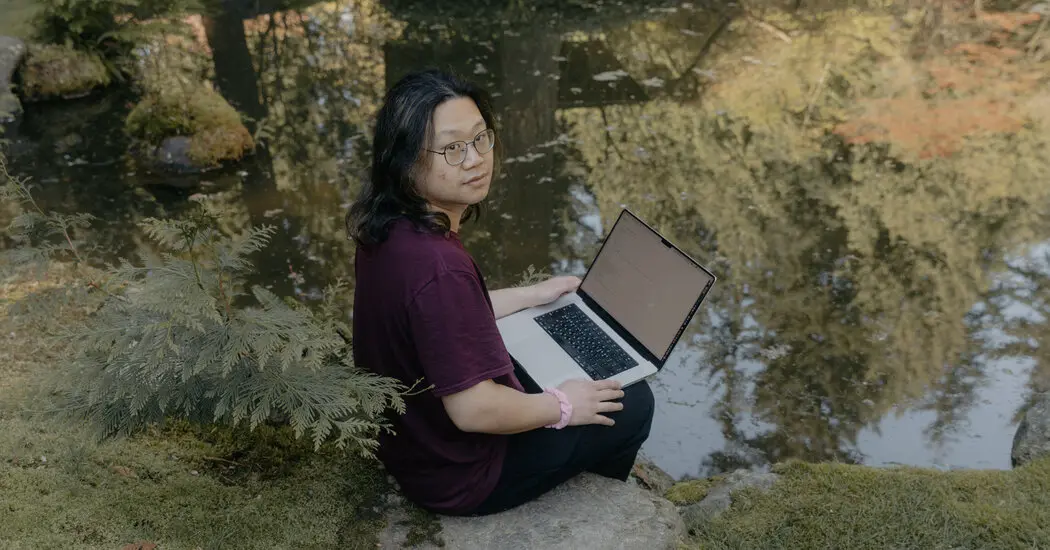
Sigrid Jin은 비행기에 탑승하기 위해 대기 중이었을 때 인공지능 스타트업 Anthropic이 인기 있는 A.I. 에이전트인 Claude Code의 소스 코드를 실수로 유출했다는 놀라운 소식을 보게 되었다. 25세의 학부생인 Jin은 온라인에 사본을 게시하기 위해 서둘렀다. 걱정스러운 그의 여자친구는 빠르게 그에게 문자를 보냈다: 그가 저작권을 위반하고 있는 건 아닐까?
Jin은 A.I. 어시스턴트 팀에 해결책을 요청했다. 그는 유출된 코드를 다른 프로그래밍 언어로 다시 작성하도록 지시한 후 그 버전을 온라인에서 공유했다. 몇 시간 안에 100,000명 이상이 이를 좋아했거나 링크했다.
OpenAI와 함께 주요 A.I. 회사 중 하나인 Anthropic은 누출이 인적 오류로 인해 발생했다고 말했으며,
Anthropic이 다시 작성된 코드로 구분을 하고 있는지는 불분명하다. Jin은 다시 작성된 코드가 그것을 새로운 작업으로 변환하여 Anthropic이 소유권을 주장할 수 없다고 믿는다고 말했다.
그는 돈이나 명성보다는 더 광범위한 철학적 관점을 제기하려는 욕망에 의해 움직였다고 말했다.
"저는 단지 A.I. 에이전트 시대의 일부 윤리적 질문을 제기하고 싶었다"고 그는 말했다. "모든 창작물은 1초 안에 재현될 수 있다."
컴퓨터 코드는 오랫동안 음악이나 미술과 같은 보호된 창작물로 취급되어 왔다. 하지만 이를 시행하는 것은
이제 새로운 기술이 이를 훨씬 더 복잡하게 만들고 있다.
Anthropic 누출이 온라인에 나타났을 때, Jin과 그의 친구들은 이미 Claude Code 및 OpenClaw와 같은 A.I. 어시스턴트 도구를 일상 업무를 처리하는 직원으로 취급했다. 이러한 에이전트는 단지 질문에 답할 뿐만 아니라 목표가 주어지면 자동으로 작업을 수행한다. 예를 들어 "영수증을 정리하라" 또는 "새로운 소셜 미디어 게시물을 작성하라" 등이다.
이러한 에이전트는 복사와 모방을 이전보다 훨씬 더 쉽고 훨씬 더 큰 규모로 만든다.
많은 소프트웨어 회사뿐만 아니라 저자, 예술가 및 음악가들에게 위험은 단순한 직접 복사가 아니다. 그것은 거의 무료로 생산할 수 있는 A.I. 생성 대체물로 인해 그들의 작업 시장이 넘쳐날 수 있으며, 원본 작업의 가치를 감소시킬 수 있다는 것이다.
"Claude Code 누출로 일어난 일은 본질적으로 모든 창작 산업에 다가올 일의 미리보기"라고 A.I.와 기술 전문 변호사이자 Dallas College의 최고 정보 담당자인 Russ Pearlman은 말했다.
"A.I. 에이전트가 대부분의 사람들이 아침을 마치기도 전에 512,000줄의 코드를 다른 언어로 다시 쓸 수 있을 때, 그 가정은 붕괴된다"고 그는 말했다.
2022년에 미국은
"예술가와 음악가들이 이것에 대해 매우 우려하고 있다"고 New York의 A.I., 지적 재산권 및 기타 사항에 대해 스타트업에 조언하는 Ambart Law의 설립자 Yelena Ambartsumian은 말했다.
많은 인기 있는 A.I. 모델은 온라인에 게시된 광대한 자료를 섭취함으로써 인간다운 산문을 생성하도록 훈련되었다. 예술가, 저자 및 미디어 회사들은 A.I. 회사들이 그들의 작업을 침해했다고 말했다.
지난해 Anthropic은 U.S. 역사상 최대 규모의 합의로 저자와 출판사 그룹에 15억 달러를 지불하기로 동의했다.
(The New York Times는 2023년에 OpenAI와 Microsoft를 상대로 소송을 제기했으며,
"이미 작성된 모든 것의 라이브러리가 이미 A.I.에 공급되었다"고 Virginia의 Bean, Kinney & Korman에서 지적 재산권을 전문으로 하는 변호사 Kandis Koustenis는 말했다. "저자의 관점에서, 지니가 조금 병에서 나왔다."
개인용 컴퓨터의 출현 이후, 기술 회사들은
Jin은 자신이 인간 프로그래머 대신 A.I. 에이전트를 사용하여 Anthropic 코드를 다시 작성하기 위해 비슷한 접근 방식을 사용했다고 주장했다.
그 구분은 법원에서 아직 시험되지 않았다.
Anthropic을 포함한 일부 A.I. 회사들이 자신의 시스템의 내부 작동을 엄격히 보호하는 반면, 다른 회사들은 투명성이 A.I.를 더 안전하게 하고 혁신을 가속화한다는 생각에 기반하여 오픈 소스를 수용했다.
에이전트가 최소한의 인간 개입으로 그러한 작업을 쉽게 복제하도록 함에 따라, 창의성이 더욱 가치 있어지고 있다고 Jin은 말했다. 그의 목표는 새로운 것을 만드는 것이 아니라 진정으로 새로운 아이디어가 얼마나 적게 남아 있는지를 강조하는 것이었다.
"우리는 이제 다른 사람의 머릿속에서 나오는 아이디어에 의존하는 모델에 의존하고 있다"고 Jin은 말했다. "새로운 것을 갖기가 어려워지고 있다."
Meaghan Tobin은 중국에 초점을 맞춘 아시아의 비즈니스 및 기술 이야기를 다루며 Taipei를 기반으로 한다.
Jin은 A.I. 어시스턴트 팀에 해결책을 요청했다. 그는 유출된 코드를 다른 프로그래밍 언어로 다시 작성하도록 지시한 후 그 버전을 온라인에서 공유했다. 몇 시간 안에 100,000명 이상이 이를 좋아했거나 링크했다.
OpenAI와 함께 주요 A.I. 회사 중 하나인 Anthropic은 누출이 인적 오류로 인해 발생했다고 말했으며,
Anthropic이 다시 작성된 코드로 구분을 하고 있는지는 불분명하다. Jin은 다시 작성된 코드가 그것을 새로운 작업으로 변환하여 Anthropic이 소유권을 주장할 수 없다고 믿는다고 말했다.
그는 돈이나 명성보다는 더 광범위한 철학적 관점을 제기하려는 욕망에 의해 움직였다고 말했다.
"저는 단지 A.I. 에이전트 시대의 일부 윤리적 질문을 제기하고 싶었다"고 그는 말했다. "모든 창작물은 1초 안에 재현될 수 있다."
컴퓨터 코드는 오랫동안 음악이나 미술과 같은 보호된 창작물로 취급되어 왔다. 하지만 이를 시행하는 것은
이제 새로운 기술이 이를 훨씬 더 복잡하게 만들고 있다.
Anthropic 누출이 온라인에 나타났을 때, Jin과 그의 친구들은 이미 Claude Code 및 OpenClaw와 같은 A.I. 어시스턴트 도구를 일상 업무를 처리하는 직원으로 취급했다. 이러한 에이전트는 단지 질문에 답할 뿐만 아니라 목표가 주어지면 자동으로 작업을 수행한다. 예를 들어 "영수증을 정리하라" 또는 "새로운 소셜 미디어 게시물을 작성하라" 등이다.
이러한 에이전트는 복사와 모방을 이전보다 훨씬 더 쉽고 훨씬 더 큰 규모로 만든다.
많은 소프트웨어 회사뿐만 아니라 저자, 예술가 및 음악가들에게 위험은 단순한 직접 복사가 아니다. 그것은 거의 무료로 생산할 수 있는 A.I. 생성 대체물로 인해 그들의 작업 시장이 넘쳐날 수 있으며, 원본 작업의 가치를 감소시킬 수 있다는 것이다.
"Claude Code 누출로 일어난 일은 본질적으로 모든 창작 산업에 다가올 일의 미리보기"라고 A.I.와 기술 전문 변호사이자 Dallas College의 최고 정보 담당자인 Russ Pearlman은 말했다.
"A.I. 에이전트가 대부분의 사람들이 아침을 마치기도 전에 512,000줄의 코드를 다른 언어로 다시 쓸 수 있을 때, 그 가정은 붕괴된다"고 그는 말했다.
2022년에 미국은
"예술가와 음악가들이 이것에 대해 매우 우려하고 있다"고 New York의 A.I., 지적 재산권 및 기타 사항에 대해 스타트업에 조언하는 Ambart Law의 설립자 Yelena Ambartsumian은 말했다.
많은 인기 있는 A.I. 모델은 온라인에 게시된 광대한 자료를 섭취함으로써 인간다운 산문을 생성하도록 훈련되었다. 예술가, 저자 및 미디어 회사들은 A.I. 회사들이 그들의 작업을 침해했다고 말했다.
지난해 Anthropic은 U.S. 역사상 최대 규모의 합의로 저자와 출판사 그룹에 15억 달러를 지불하기로 동의했다.
(The New York Times는 2023년에 OpenAI와 Microsoft를 상대로 소송을 제기했으며,
"이미 작성된 모든 것의 라이브러리가 이미 A.I.에 공급되었다"고 Virginia의 Bean, Kinney & Korman에서 지적 재산권을 전문으로 하는 변호사 Kandis Koustenis는 말했다. "저자의 관점에서, 지니가 조금 병에서 나왔다."
개인용 컴퓨터의 출현 이후, 기술 회사들은
Jin은 자신이 인간 프로그래머 대신 A.I. 에이전트를 사용하여 Anthropic 코드를 다시 작성하기 위해 비슷한 접근 방식을 사용했다고 주장했다.
그 구분은 법원에서 아직 시험되지 않았다.
Anthropic을 포함한 일부 A.I. 회사들이 자신의 시스템의 내부 작동을 엄격히 보호하는 반면, 다른 회사들은 투명성이 A.I.를 더 안전하게 하고 혁신을 가속화한다는 생각에 기반하여 오픈 소스를 수용했다.
에이전트가 최소한의 인간 개입으로 그러한 작업을 쉽게 복제하도록 함에 따라, 창의성이 더욱 가치 있어지고 있다고 Jin은 말했다. 그의 목표는 새로운 것을 만드는 것이 아니라 진정으로 새로운 아이디어가 얼마나 적게 남아 있는지를 강조하는 것이었다.
"우리는 이제 다른 사람의 머릿속에서 나오는 아이디어에 의존하는 모델에 의존하고 있다"고 Jin은 말했다. "새로운 것을 갖기가 어려워지고 있다."
Meaghan Tobin은 중국에 초점을 맞춘 아시아의 비즈니스 및 기술 이야기를 다루며 Taipei를 기반으로 한다.
처리 완료
3,934 tokens · $0.0111
기사 수집 완료 · 23:45
매체 피드에서 기사 메타데이터 수집
헤드라인 번역 완료 · 14:38
제목/요약 한국어 번역 (fetch 시점 inline)
kimi-k2.5
0 tokens
$0.00000
0.2s
본문 추출 완료
4,493자 추출 완료
본문 한국어 번역 완료 · 14:38
2,414자 번역 완료
claude-haiku-4-5-20251001
3,934 tokens
$0.01110
21.2s
지정학적 엔티티 추출 완료 · 14:38
5개 엔티티 추출 완료
지정학적 맥락 & R-Scanner
R-Scanner · 핫스팟
z=3.28
평소보다 훨씬 많은 매체가 집중 보도 중 — 기준: United States
(🇺🇸 US)
최근 6시간 99건
7일 평균 71.11건 / 6h
11개국 매체
14개 매체
본문에서 추출된 지명 (5)
위치 지도
지도 로딩 중…
같은 주제의 다른 기사 (최근 7일)
Artificial intelligence tools are making it faster than ever to reproduce creative work. Does copyright even matter anymore?
Sigrid Jin was waiting to board a plane when he saw stunning news that artificial intelligence start-up Anthropic had accidentally leaked the source code for Claude Code, its popular A.I. agent. Mr. Jin, 25, an undergraduate student, scrambled to post a copy online. His worried girlfriend quickly texted him: Was he violatingMr. Jin turned to a team of A.I. assistants for a solution. He directed them to rewrite the leaked code in another programming language, then shared that version online. Within hours, more than 100,000 people had liked or linked to it.
Anthropic, one of the leading A.I. companies alongside OpenAI, has said the leak had been caused by human error and, citing
It is unclear whether Anthropic, which did not respond to questions from The New York Times, is drawing a distinction with the rewritten code. Mr. Jin said he believed rewriting the code transformed it into a new work, one that Anthropic could not claim ownership over.
He said he was driven less by money or fame than by a desire to make a broader philosophical point. What is the value of
“I just wanted to raise some ethical questions in the A.I. agent era,” he said. “Any creative work can be reproduced in a second.”
Computer code has long been treated as a protected creative work, akin to music or art. But enforcing
Now, a new technology is making that even more complicated.
When the Anthropic leak surfaced online, Mr. Jin and his friends already treated A.I. assistant tools like Claude Code and OpenClaw as employees to handle daily tasks. These agents don’t just answer questions; they carry out tasks on their own once prompted with a goal, such as “organize my receipts” or “make a new social media post.”
The agents also make copying and imitation easier than ever and on a far greater scale.
For many software companies, as well as authors, artists and musicians, the risk is not just direct copying. It’s that the market for their work could be flooded with A.I.-generated substitutes that cost almost nothing to produce, diminishing the value of the original work.
“What happened with the Claude Code leak is essentially a preview of what’s coming for every creative industry,” said Russ Pearlman, a lawyer specializing in A.I. and technology and chief information officer of Dallas College. Existing
“When an A.I. agent can rewrite 512,000 lines of code into a different language before most people have finished their morning coffee, that assumption collapses,” he said.
In 2022, the United States
“Artists and musicians are extremely concerned about this,” said Yelena Ambartsumian, the founder of Ambart Law, a firm in New York that counsels start-ups about A.I., intellectual property and other matters. “All of the resources you put into being able to protect your
Many popular A.I. models were trained to produce humanlike prose by ingesting vast swaths of material posted online. Artists, authors and media companies have said A.I. firms have infringed their
Last year, Anthropic agreed to pay $1.5 billion to a group of authors and publishers in the largest settlement in the history of U.S.
(The New York Times sued OpenAI and Microsoft in 2023, accusing them of
“The library of everything that has been written has already been fed into A.I.,” said Kandis Koustenis, a lawyer who specializes in intellectual property at Bean, Kinney & Korman, a firm in Virginia. “From the author’s point of view, the genie is out of the bottle a little bit.”
Since the advent of the personal computer, tech companies have devised ways to recreate software that is similar to rivals’ without violating
Mr. Jin argued that he had used a comparable approach to rewrite the Anthropic code, using A.I. agents rather than human programmers.
That distinction has not been tested in court.
While some A.I. companies, including Anthropic, closely guard the inner workings of their systems, others have embraced open source, based on the idea that transparency makes A.I. safer and accelerates innovation.
As agents make it easy to replicate such work with minimal human input, creativity is becoming more valuable, Mr. Jin said. His goal was not to create something new, but to highlight how few truly novel ideas remain.
“We are now relying on models that are relying on ideas that come out of other people’s heads,” Mr. Jin said. “It is becoming difficult to have novelty.”
Meaghan Tobin covers business and tech stories in Asia with a focus on China and is based in Taipei.