푸틴의 전시 통치를 시험하는 또 다른 물결의 대중적 항의
Another wave of public outcry tests Putin's rule in wartime Russia
Associated Press
· 🇺🇸 New York, US
https://apnews.com/author/dasha-litvinova
EN
2026-04-26 00:15
Translated
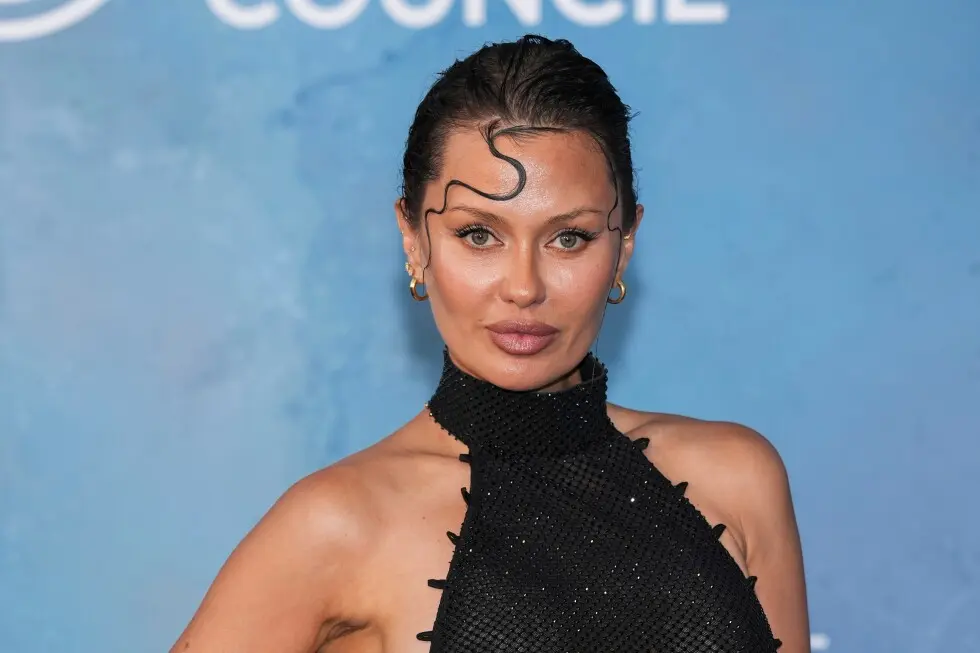
빅토리아 보냐는 2025년 8월 31일 일요일 이탈리아 베니스의 아르세날레 디 베네치아에서 열린 amfAR 갈라에 도착할 때 사진기자들에게 포즈를 취하고 있다. (사진: Scott A Garfitt/Invision/AP, 파일)
승객들이 2026년 2월 11일 모스크바 지하철에서 스마트폰을 살펴보고 있다. (AP Photo/Alexander Zemlianichenko, 파일)
러시아 대통령 블라디미르 푸틴이 2026년 4월 23일 목요일 모스크바 크렘린에서 화상 내각 회의를 주재하고 있다. (Alexander Kazakov/Sputnik, Kremlin Pool Photo via AP, 파일)
한 여성이 2026년 3월 11일 모스크바 붉은 광장을 떠나며 스마트폰을 들고 있다. (AP Photo/Alexander Zemlianichenko, 파일)
파일 - 고객이 2026년 2월 18일 러시아 모스크바 외곽의 마셴카 베이커리에서 빵을 사고 있다. (AP Photo/Alexander Zemlianichenko, 파일)
최근 러시아의 인플루언서들이 푸틴 대통령에게 공개 호소를 발표하여 정부와 정책을 비판했으며, 그의 추종자 중 다수도 반란을 위협했다. 이는 국가의 긴장된 전시 경제와 증가하는 인터넷 제한에 대한 최근의 또 다른 물결의 대중적 항의이다.
이러한 반발 중 어느 것도 푸틴의 통치에 대한 임박한 위협을 나타내지는 않지만, 분석가들은 이것이 크렘린에 새롭고 증가하는 도전을 제시한다고 말한다.
러시아 정치 전문가이자 Mayak Intelligence 컨설팅 회사의 수장인 Mark Galeotti는 분석에서 "현 상태를 유지하기 위해 점점 더 많은 노력이 필요하다"고 썼다.
러시아의 대중적 항의와 이를 주도하는 것들을 살펴보자:
인기 있는 러시아 블로거 빅토리아 보냐의 19분 동영상은 10일 전 발표된 이후 인스타그램에서 3,100만 뷰를 기록했다.
인스타그램에서 1,360만 명의 팔로워를 가진 보냐는 동영상에서 푸틴에게 그가 아마도 일부 사항에 대해 잘못된 정보를 받았을 수 있다고 불평했다. 남부 지역 다게스탄의 최근 홍수에 대한 지방 당국의 부실 처리, 농부들의 항의를 촉발한 시베리아의 가축 도살, 저해하는 인터넷 제한, 소규모 사업의 긴장 상황 등이 그것이다.
현재 해외에 거주하는 인기 있는 러시아 TV 진행자인 보냐는 푸틴을 지지한다고 강조했지만, 일반 러시아인과 그의 공무원들은 그에게 진실을 말할 너무 두렵다고 말했다.
"당신이 모르는 것이 많다"고 그녀는 말했다. "사람들은 지금 폐부를 울리고 있다. 그들은 가진 모든 것을 빼앗겼고, 계속 빼앗기고 있다. 사업들이 죽어가고 있다."
동영상에 대한 반응이 눈덩이처럼 불어났다. 다른 러시아 인플루언서들도 자신의 동영상에서 유사한 감정을 표현했으며, 일부는 나중에 삭제되었다.
대중의 비판을 드물게 인정하는 가운데, 푸틴 대변인 드미트리 페스코프는 크렘린 관계자들이 동영상을 봤으며 보냐가 언급한 문제들에 대해 "많은 작업이 진행 중"이라고 말했다. "아무것도 무시되지 않고 있다"고 페스코프는 말했다.
오랫동안 푸틴 지지자인 공산당 지도자 게나디 주가노프는 화요일 의회 연설에서 정부를 맹렬히 비판했으며, 자신의 당이 이전에 문제를 제기했다고 말했다. 그는 조치를 취하지 않으면 1917년 볼셰비키 혁명이 반복될 것이라고 위협했다.
한편, 친-크렘린 텔레그램 채널과 충성심 있는 군사 블로거들에 의해 반란 예측이 정기적으로 떠올랐다.
그 사이 러시아 국영 여론조사 기관 VTsIOM은 최근 몇 주간 푸틴의 지지율이 일관되게 하락했다고 보고했다. 금요일에 발표된 데이터는 그의 지지율이 65.6%로, 우크라이나 전쟁 전부터 여론조사 기관이 보도한 가장 낮은 수준이며, 2025년 12월 말의 77.8%에서 하락했다고 보여줬다.
러시아의 최고 독립 여론조사 기관인 Levada Center도 푸틴의 지지율이 2025년 10월의 85%에서 3월의 80%로 약간 하락했다고 보고했다.
광활한 국가 전역의 러시아인들은 지난 봄부터 정기적인 휴대폰 인터넷 차단을 경험했다. 당국은 우크라이나 드론 공격을 방지하는 방법으로 이를 정당화했지만, 비평가들은 이러한 중단이 수년에 걸친 인터넷을 정부의 엄격한 통제 아래 두려는 노력의 또 다른 단계라고 주장했다.
차단은 수년에 걸쳐 러시아에서 수천 개의 웹사이트와 플랫폼이 차단되거나 제한된, 광범위하고 계속 증가하는 인터넷 검열 위에 발생했으며, 여기에는 WhatsApp과 Telegram이라는 가장 인기 있는 두 메시징 앱이 포함된다.
당국은 많은 사람들이 감시 도구로 보는 국영 메시징 앱 Max를 홍보하고 있으며, 광범위한 검열 우회를 막기 위해 VPN도 차단하고 있다.
이러한 조치에 대한 대중의 좌절감은 대통령 행정부에 대한 청원, 정부에 대한 집단 소송, 몇 가지 거리 시위, 당국에 의해 진압된 더 큰 항의를 조직하려는 여러 시도를 포함한 저항 행위를 야기했다.
크렘린은 무관심해 보인다. 목요일 정부 회의에서 푸틴은 차단을 "테러 공격을 방지"하기 위해 필요하다고 다시 정당화했으며, 당국에 제한 사항에 대해 대중을 더 잘 알리도록 촉구했다.
그의 발언은 보안 서비스가 "모든 것을 올바르게 수행하고 있으며, 그들이 적절하다고 생각하는 한 계속될 것"임을 나타낸다고 카네기 러시아 유라시아 센터의 타티아나 스타노바야는 텔레그램 게시물에 썼다.
중요한 동영상들은 국가의 전시 경제에 대한 긴장이 증가하고 있을 때 나타났다.
경제는 대규모 군사 지출로부터의 초기 부스트가 소진된 후 성장을 멈췄다. 중앙은행이 인플레이션을 통제하기 위해 부과한 높은 이자율과 증가된 세금도 사업에 부담을 주었다.
경제부 장관 막심 레셰트니코프는 최근 경제의 예비금이 "대부분 고갈되었다"고 말했으며, 푸틴은 이달 초 방송된 정부 회의에서 경제 성장이 연속 두 달간 감소했다고 말했다. 1월과 2월 사이 러시아의 국내총생산은 1.8% 축소되었다고 그는 말했다.
Levada Center의 이사인 Denis Volkov는 경제 문제가 푸틴과 정부에 대한 증가하는 불만과 지지율 하락의 주된 동인이라고 말했다.
"삶이 더 힘들어지면서 여론 조사에서 분위기가 악화되기 시작할 때 나타나기 시작한다"고 Volkov는 말했다.
킹스 칼리지 런던의 러시아 정치 교수인 Sam Greene은 현재 5년째 진행 중인 우크라이나에서의 러시아 전쟁이 곧 끝날 수 있다는 희망이 희미해지고 있다고 지적한다.
그러한 희망은 2025년 1월 도널드 트럼프 미국 대통령이 취임하고 평화 거래 협상을 주도했을 때 응집했으며, 이는 이후 교착 상태에 빠졌다.
"크렘린도 정말 그 생각에 어느 정도 무게를 두고 있었다. 그리고 나는 그것이 여론에 반영되었다고 생각한다"고 Greene은 말했다. "그러나 그것은 일어나지 않고 있다."
결과적인 실망과 좌절은 푸틴이 "약간의 대가를 치르게 한다는 의미이다."
Galeotti는 자신의 분석에서 "이것 중 어느 것도 푸틴의 통치의 임박한 종말을 알리는 것으로 볼 수 없다"고 말했다.
"의미 있는 조직화된 반대"가 없으며, 푸틴의 "보안 기구에 대한 통제는 도전받지 않는다"고 Galeotti는 말했다. 전쟁에서 "그의 비평가들도 국가를 불안정하게 하고 싶어 하지 않는다."
Volkov는 그 생각을 반복했으며 불만이 천천히만 성장한다고 말했다. 푸틴의 지지율은 "매우 높은 지점에서" 하락하고 있다.
"지금 당분간 우리는 이것을 경시하거나 과장해서는 안 된다. 우리는 길의 아주 초입에 있을 뿐이기 때문이다"고 그는 말했다.
그 사이에 좌절감은 계속 심화될 것이며, 사람들은 비판을 표현하는 대중적 인물들에 의해 권한을 부여받은 느낌을 가질 것이라고 전직 푸틴 연설문 작성자 겸 정치 분석가인 Abbas Gallyamov는 말했다.
"정치에서의 힘의 느낌"이라고 그는 말했다, "대체로 당신이 공유하고 옹호하는 입장이 얼마나 널리 퍼져 있는지와 관련이 있다."
승객들이 2026년 2월 11일 모스크바 지하철에서 스마트폰을 살펴보고 있다. (AP Photo/Alexander Zemlianichenko, 파일)
러시아 대통령 블라디미르 푸틴이 2026년 4월 23일 목요일 모스크바 크렘린에서 화상 내각 회의를 주재하고 있다. (Alexander Kazakov/Sputnik, Kremlin Pool Photo via AP, 파일)
한 여성이 2026년 3월 11일 모스크바 붉은 광장을 떠나며 스마트폰을 들고 있다. (AP Photo/Alexander Zemlianichenko, 파일)
파일 - 고객이 2026년 2월 18일 러시아 모스크바 외곽의 마셴카 베이커리에서 빵을 사고 있다. (AP Photo/Alexander Zemlianichenko, 파일)
최근 러시아의 인플루언서들이 푸틴 대통령에게 공개 호소를 발표하여 정부와 정책을 비판했으며, 그의 추종자 중 다수도 반란을 위협했다. 이는 국가의 긴장된 전시 경제와 증가하는 인터넷 제한에 대한 최근의 또 다른 물결의 대중적 항의이다.
이러한 반발 중 어느 것도 푸틴의 통치에 대한 임박한 위협을 나타내지는 않지만, 분석가들은 이것이 크렘린에 새롭고 증가하는 도전을 제시한다고 말한다.
러시아 정치 전문가이자 Mayak Intelligence 컨설팅 회사의 수장인 Mark Galeotti는 분석에서 "현 상태를 유지하기 위해 점점 더 많은 노력이 필요하다"고 썼다.
러시아의 대중적 항의와 이를 주도하는 것들을 살펴보자:
인기 있는 러시아 블로거 빅토리아 보냐의 19분 동영상은 10일 전 발표된 이후 인스타그램에서 3,100만 뷰를 기록했다.
인스타그램에서 1,360만 명의 팔로워를 가진 보냐는 동영상에서 푸틴에게 그가 아마도 일부 사항에 대해 잘못된 정보를 받았을 수 있다고 불평했다. 남부 지역 다게스탄의 최근 홍수에 대한 지방 당국의 부실 처리, 농부들의 항의를 촉발한 시베리아의 가축 도살, 저해하는 인터넷 제한, 소규모 사업의 긴장 상황 등이 그것이다.
현재 해외에 거주하는 인기 있는 러시아 TV 진행자인 보냐는 푸틴을 지지한다고 강조했지만, 일반 러시아인과 그의 공무원들은 그에게 진실을 말할 너무 두렵다고 말했다.
"당신이 모르는 것이 많다"고 그녀는 말했다. "사람들은 지금 폐부를 울리고 있다. 그들은 가진 모든 것을 빼앗겼고, 계속 빼앗기고 있다. 사업들이 죽어가고 있다."
동영상에 대한 반응이 눈덩이처럼 불어났다. 다른 러시아 인플루언서들도 자신의 동영상에서 유사한 감정을 표현했으며, 일부는 나중에 삭제되었다.
대중의 비판을 드물게 인정하는 가운데, 푸틴 대변인 드미트리 페스코프는 크렘린 관계자들이 동영상을 봤으며 보냐가 언급한 문제들에 대해 "많은 작업이 진행 중"이라고 말했다. "아무것도 무시되지 않고 있다"고 페스코프는 말했다.
오랫동안 푸틴 지지자인 공산당 지도자 게나디 주가노프는 화요일 의회 연설에서 정부를 맹렬히 비판했으며, 자신의 당이 이전에 문제를 제기했다고 말했다. 그는 조치를 취하지 않으면 1917년 볼셰비키 혁명이 반복될 것이라고 위협했다.
한편, 친-크렘린 텔레그램 채널과 충성심 있는 군사 블로거들에 의해 반란 예측이 정기적으로 떠올랐다.
그 사이 러시아 국영 여론조사 기관 VTsIOM은 최근 몇 주간 푸틴의 지지율이 일관되게 하락했다고 보고했다. 금요일에 발표된 데이터는 그의 지지율이 65.6%로, 우크라이나 전쟁 전부터 여론조사 기관이 보도한 가장 낮은 수준이며, 2025년 12월 말의 77.8%에서 하락했다고 보여줬다.
러시아의 최고 독립 여론조사 기관인 Levada Center도 푸틴의 지지율이 2025년 10월의 85%에서 3월의 80%로 약간 하락했다고 보고했다.
광활한 국가 전역의 러시아인들은 지난 봄부터 정기적인 휴대폰 인터넷 차단을 경험했다. 당국은 우크라이나 드론 공격을 방지하는 방법으로 이를 정당화했지만, 비평가들은 이러한 중단이 수년에 걸친 인터넷을 정부의 엄격한 통제 아래 두려는 노력의 또 다른 단계라고 주장했다.
차단은 수년에 걸쳐 러시아에서 수천 개의 웹사이트와 플랫폼이 차단되거나 제한된, 광범위하고 계속 증가하는 인터넷 검열 위에 발생했으며, 여기에는 WhatsApp과 Telegram이라는 가장 인기 있는 두 메시징 앱이 포함된다.
당국은 많은 사람들이 감시 도구로 보는 국영 메시징 앱 Max를 홍보하고 있으며, 광범위한 검열 우회를 막기 위해 VPN도 차단하고 있다.
이러한 조치에 대한 대중의 좌절감은 대통령 행정부에 대한 청원, 정부에 대한 집단 소송, 몇 가지 거리 시위, 당국에 의해 진압된 더 큰 항의를 조직하려는 여러 시도를 포함한 저항 행위를 야기했다.
크렘린은 무관심해 보인다. 목요일 정부 회의에서 푸틴은 차단을 "테러 공격을 방지"하기 위해 필요하다고 다시 정당화했으며, 당국에 제한 사항에 대해 대중을 더 잘 알리도록 촉구했다.
그의 발언은 보안 서비스가 "모든 것을 올바르게 수행하고 있으며, 그들이 적절하다고 생각하는 한 계속될 것"임을 나타낸다고 카네기 러시아 유라시아 센터의 타티아나 스타노바야는 텔레그램 게시물에 썼다.
중요한 동영상들은 국가의 전시 경제에 대한 긴장이 증가하고 있을 때 나타났다.
경제는 대규모 군사 지출로부터의 초기 부스트가 소진된 후 성장을 멈췄다. 중앙은행이 인플레이션을 통제하기 위해 부과한 높은 이자율과 증가된 세금도 사업에 부담을 주었다.
경제부 장관 막심 레셰트니코프는 최근 경제의 예비금이 "대부분 고갈되었다"고 말했으며, 푸틴은 이달 초 방송된 정부 회의에서 경제 성장이 연속 두 달간 감소했다고 말했다. 1월과 2월 사이 러시아의 국내총생산은 1.8% 축소되었다고 그는 말했다.
Levada Center의 이사인 Denis Volkov는 경제 문제가 푸틴과 정부에 대한 증가하는 불만과 지지율 하락의 주된 동인이라고 말했다.
"삶이 더 힘들어지면서 여론 조사에서 분위기가 악화되기 시작할 때 나타나기 시작한다"고 Volkov는 말했다.
킹스 칼리지 런던의 러시아 정치 교수인 Sam Greene은 현재 5년째 진행 중인 우크라이나에서의 러시아 전쟁이 곧 끝날 수 있다는 희망이 희미해지고 있다고 지적한다.
그러한 희망은 2025년 1월 도널드 트럼프 미국 대통령이 취임하고 평화 거래 협상을 주도했을 때 응집했으며, 이는 이후 교착 상태에 빠졌다.
"크렘린도 정말 그 생각에 어느 정도 무게를 두고 있었다. 그리고 나는 그것이 여론에 반영되었다고 생각한다"고 Greene은 말했다. "그러나 그것은 일어나지 않고 있다."
결과적인 실망과 좌절은 푸틴이 "약간의 대가를 치르게 한다는 의미이다."
Galeotti는 자신의 분석에서 "이것 중 어느 것도 푸틴의 통치의 임박한 종말을 알리는 것으로 볼 수 없다"고 말했다.
"의미 있는 조직화된 반대"가 없으며, 푸틴의 "보안 기구에 대한 통제는 도전받지 않는다"고 Galeotti는 말했다. 전쟁에서 "그의 비평가들도 국가를 불안정하게 하고 싶어 하지 않는다."
Volkov는 그 생각을 반복했으며 불만이 천천히만 성장한다고 말했다. 푸틴의 지지율은 "매우 높은 지점에서" 하락하고 있다.
"지금 당분간 우리는 이것을 경시하거나 과장해서는 안 된다. 우리는 길의 아주 초입에 있을 뿐이기 때문이다"고 그는 말했다.
그 사이에 좌절감은 계속 심화될 것이며, 사람들은 비판을 표현하는 대중적 인물들에 의해 권한을 부여받은 느낌을 가질 것이라고 전직 푸틴 연설문 작성자 겸 정치 분석가인 Abbas Gallyamov는 말했다.
"정치에서의 힘의 느낌"이라고 그는 말했다, "대체로 당신이 공유하고 옹호하는 입장이 얼마나 널리 퍼져 있는지와 관련이 있다."
처리 완료
6,685 tokens · $0.0184
기사 수집 완료 · 00:15
매체 피드에서 기사 메타데이터 수집
헤드라인 번역 완료 · 00:26
제목/요약 한국어 번역 (fetch 시점 inline)
claude-haiku-4-5-20251001
122 tokens
$0.00030
1.3s
본문 추출 완료
8,904자 추출 완료
본문 한국어 번역 완료 · 00:26
3,901자 번역 완료
claude-haiku-4-5-20251001
6,563 tokens
$0.01815
41.4s
지정학적 엔티티 추출 완료 · 00:27
8개 엔티티 추출 완료
지정학적 맥락 & R-Scanner
R-Scanner · 평상
z=-0.35
일상적인 보도 수준 — 기준: Russia
(🇷🇺 RU)
최근 6시간 10건
7일 평균 11.21건 / 6h
5개국 매체
6개 매체
본문에서 추출된 지명 (8)
위치 지도
지도 로딩 중…
같은 주제의 다른 기사 (최근 7일)
Victoria Bonya poses for photographers upon arrival at the amfAR gala at the Arsenale di Venezia, in Venice, Italy, on Sunday, Aug. 31, 2025. (Photo by Scott A Garfitt/Invision/AP, File)
Passengers look at their smartphones in the subway in Moscow, Feb. 11, 2026. (AP Photo/Alexander Zemlianichenko, File)
Russian President Vladimir Putin holds a videoconference cabinet meeting at the Kremlin in Moscow, Thursday, April 23, 2026. (Alexander Kazakov/Sputnik, Kremlin Pool Photo via AP, File)
A woman holding her smartphone leaves Red Square in Moscow, March 11, 2026. (AP Photo/Alexander Zemlianichenko, File)
FILE- A customer buys bread at the Mashenka bakery outside Moscow, Russia, on Feb. 18, 2026. (AP Photo/Alexander Zemlianichenko, File)
Victoria Bonya poses for photographers upon arrival at the amfAR gala at the Arsenale di Venezia, in Venice, Italy, on Sunday, Aug. 31, 2025. (Photo by Scott A Garfitt/Invision/AP, File)
Victoria Bonya poses for photographers upon arrival at the amfAR gala at the Arsenale di Venezia, in Venice, Italy, on Sunday, Aug. 31, 2025. (Photo by Scott A Garfitt/Invision/AP, File)
Passengers look at their smartphones in the subway in Moscow, Feb. 11, 2026. (AP Photo/Alexander Zemlianichenko, File)
Passengers look at their smartphones in the subway in Moscow, Feb. 11, 2026. (AP Photo/Alexander Zemlianichenko, File)
Russian President Vladimir Putin holds a videoconference cabinet meeting at the Kremlin in Moscow, Thursday, April 23, 2026. (Alexander Kazakov/Sputnik, Kremlin Pool Photo via AP, File)
Russian President Vladimir Putin holds a videoconference cabinet meeting at the Kremlin in Moscow, Thursday, April 23, 2026. (Alexander Kazakov/Sputnik, Kremlin Pool Photo via AP, File)
A woman holding her smartphone leaves Red Square in Moscow, March 11, 2026. (AP Photo/Alexander Zemlianichenko, File)
A woman holding her smartphone leaves Red Square in Moscow, March 11, 2026. (AP Photo/Alexander Zemlianichenko, File)
FILE- A customer buys bread at the Mashenka bakery outside Moscow, Russia, on Feb. 18, 2026. (AP Photo/Alexander Zemlianichenko, File)
FILE- A customer buys bread at the Mashenka bakery outside Moscow, Russia, on Feb. 18, 2026. (AP Photo/Alexander Zemlianichenko, File)
Some Russian influencers recently released public appeals to President Vladimir Putin, criticizing his government and policies, and a number of his loyalists even threatened a revolt — the latest wave of public outcry over the country’s strained wartime economy and mounting internet restrictions.
While none of this dissent indicates an imminent threat to Putin’s rule, analysts say it presents a new and growing challenge for the Kremlin.
“Greater and greater effort needs to be spent on maintaining the status quo,” Mark Galeotti, an expert on Russian politics who heads the Mayak Intelligence consultancy, wrote in an analysis.
Here’s a look at the public outcry in Russia and what is driving it:
A 19-minute video by popular Russian blogger Victoria Bonya has received 31 million views on Instagram since it was published 10 days ago.
In the video, Bonya, who has 13.6 million followers on the platform, complained to Putin that he was probably misinformed about some things — local authorities’ poor handling of recent floods in the southern province of Dagestan, the culling of livestock in Siberia that prompted protests from farmers, crippling internet restrictions and strains on small businesses.
Bonya, a popular Russian TV host who now lives abroad, emphasized that she supports Putin, but she said ordinary Russians and his own officials are too scared to tell him the truth.
“There’s a lot you don’t know,” she said. “People are screaming at the top of their lungs now. They’ve been robbed of everything they have, and they continue to be robbed. Businesses are dying.”
Reactions to the video snowballed. Other Russian influencers aired similar sentiments in their videos, some of which were later deleted.
In a rare acknowledgment of the public criticism, Putin spokesman Dmitry Peskov said Kremlin officials saw the video and that “a lot of work is being done” on the issues Bonya mentioned. “None of it is being ignored,” Peskov said.
Communist Party leader Gennady Zyuganov, a longtime Putin supporter, lambasted the government Tuesday in a speech to parliament, saying that his party had raised the issues before. He threatened a repeat of the 1917 Bolshevik Revolution if measures are not taken to deal with the problems.
Forecasts of a revolt also have been regularly floated in pro-Kremlin Telegram channels and by loyal military bloggers.
In the meantime, Russian state-controlled pollster VTsIOM has reported a consistent decline of Putin’s approval ratings in recent weeks. Data released Friday showed his approval at 65.6%, the lowest level the pollster has reported since before the war in Ukraine, down from the 77.8% in late December 2025.
Russia’s top independent pollster, the Levada Center, also reported a slight decline in Putin’s approvals, from 85% in October 2025 to 80% in March.
Russians across the vast country have faced regular cellphone internet shutdowns since last spring. The authorities have justified them as a way to thwart Ukrainian drone attacks, but critics have argued that the outages are another step in a yearslong effort to bring the internet under tight government control.
The shutdowns came on top of sweeping, ever-growing internet censorship that over the years saw thousands of websites and platforms in Russia blocked or throttled, including the two most popular messaging apps — WhatsApp and Telegram.
Authorities are promoting a new state-backed messaging app, Max, seen by many as a surveillance tool, while also blocking VPNs to stop widespread censorship circumvention.
Public frustration over the measures elicited acts of resistance, including petitions to the presidential administration, a class-action lawsuit against the government, a few street pickets and multiple attempts to organize bigger protests that were quashed by authorities.
The Kremlin appears unfazed. At a government meeting Thursday, Putin again justified the shutdowns as necessary to “prevent terror attacks” and urged authorities to better inform the public about restrictions.
His remarks indicate that the security services “are doing everything correctly, and it will continue for as long as they see fit,” Tatiana Stanovaya of the Carnegie Russia Eurasia Center wrote in a Telegram post.
The critical videos have emerged at a time of growing strain on the country’s wartime economy.
Economic growth stopped after the initial boost from massive military spending wore off. High interest rates imposed by the central bank to control inflation and increased taxes have also weighed on businesses.
Economic Minister Maxim Reshetnikov said recently that the economy’s reserves “have been largely depleted,” and Putin said at a televised government meeting earlier this month that economic growth has declined for two months in a row. Russia’s gross domestic product shrank by 1.8% between January and February, he said.
Denis Volkov, director of the Levada Center, said economic problems are the main driver of the growing dissatisfaction and declining approval for Putin and the government.
“It begins to show in the opinion polls, when the mood starts to get worse, just because life becomes harder,” Volkov said.
Sam Greene, professor of Russian politics at King’s College London, also points to dwindling hopes that Russia’s war in Ukraine, now in its fifth year, could soon end.
Those hopes coalesced after U.S. President Donald Trump took office in January 2025 and spearheaded an effort to negotiate a peace deal that has since stalled.
“The Kremlin was really putting some weight behind that idea as well. And I think that became priced into public opinion,” Greene said. “And yet that’s not happening.”
The resulting disappointment and frustration means that Putin “pays a bit of a price.”
Galeotti said in his analysis that “none of this can be taken to herald the imminent end of Putin’s rule.”
There is “no meaningful organized opposition,” and Putin’s “control of the security apparatus is unchallenged,” Galeotti said. In a war, “even his critics do not want to destabilize the country.”
Volkov echoed that thinking and said the discontent grows only slowly. Putin’s approvals are declining “from a very high point.”
“For now, we shouldn’t downplay or exaggerate this, because we’re only at the very beginning of the road,” he said.
In the meantime, frustration will continue to deepen, with people feeling empowered by popular public figures voicing criticism, said Abbas Gallyamov, a former Putin speechwriter turned political analyst.
“The feeling of power in politics,” he said, “is largely tied to how widespread the position that you share and defend is.”
Passengers look at their smartphones in the subway in Moscow, Feb. 11, 2026. (AP Photo/Alexander Zemlianichenko, File)
Russian President Vladimir Putin holds a videoconference cabinet meeting at the Kremlin in Moscow, Thursday, April 23, 2026. (Alexander Kazakov/Sputnik, Kremlin Pool Photo via AP, File)
A woman holding her smartphone leaves Red Square in Moscow, March 11, 2026. (AP Photo/Alexander Zemlianichenko, File)
FILE- A customer buys bread at the Mashenka bakery outside Moscow, Russia, on Feb. 18, 2026. (AP Photo/Alexander Zemlianichenko, File)
Victoria Bonya poses for photographers upon arrival at the amfAR gala at the Arsenale di Venezia, in Venice, Italy, on Sunday, Aug. 31, 2025. (Photo by Scott A Garfitt/Invision/AP, File)
Victoria Bonya poses for photographers upon arrival at the amfAR gala at the Arsenale di Venezia, in Venice, Italy, on Sunday, Aug. 31, 2025. (Photo by Scott A Garfitt/Invision/AP, File)
Passengers look at their smartphones in the subway in Moscow, Feb. 11, 2026. (AP Photo/Alexander Zemlianichenko, File)
Passengers look at their smartphones in the subway in Moscow, Feb. 11, 2026. (AP Photo/Alexander Zemlianichenko, File)
Russian President Vladimir Putin holds a videoconference cabinet meeting at the Kremlin in Moscow, Thursday, April 23, 2026. (Alexander Kazakov/Sputnik, Kremlin Pool Photo via AP, File)
Russian President Vladimir Putin holds a videoconference cabinet meeting at the Kremlin in Moscow, Thursday, April 23, 2026. (Alexander Kazakov/Sputnik, Kremlin Pool Photo via AP, File)
A woman holding her smartphone leaves Red Square in Moscow, March 11, 2026. (AP Photo/Alexander Zemlianichenko, File)
A woman holding her smartphone leaves Red Square in Moscow, March 11, 2026. (AP Photo/Alexander Zemlianichenko, File)
FILE- A customer buys bread at the Mashenka bakery outside Moscow, Russia, on Feb. 18, 2026. (AP Photo/Alexander Zemlianichenko, File)
FILE- A customer buys bread at the Mashenka bakery outside Moscow, Russia, on Feb. 18, 2026. (AP Photo/Alexander Zemlianichenko, File)
Some Russian influencers recently released public appeals to President Vladimir Putin, criticizing his government and policies, and a number of his loyalists even threatened a revolt — the latest wave of public outcry over the country’s strained wartime economy and mounting internet restrictions.
While none of this dissent indicates an imminent threat to Putin’s rule, analysts say it presents a new and growing challenge for the Kremlin.
“Greater and greater effort needs to be spent on maintaining the status quo,” Mark Galeotti, an expert on Russian politics who heads the Mayak Intelligence consultancy, wrote in an analysis.
Here’s a look at the public outcry in Russia and what is driving it:
A 19-minute video by popular Russian blogger Victoria Bonya has received 31 million views on Instagram since it was published 10 days ago.
In the video, Bonya, who has 13.6 million followers on the platform, complained to Putin that he was probably misinformed about some things — local authorities’ poor handling of recent floods in the southern province of Dagestan, the culling of livestock in Siberia that prompted protests from farmers, crippling internet restrictions and strains on small businesses.
Bonya, a popular Russian TV host who now lives abroad, emphasized that she supports Putin, but she said ordinary Russians and his own officials are too scared to tell him the truth.
“There’s a lot you don’t know,” she said. “People are screaming at the top of their lungs now. They’ve been robbed of everything they have, and they continue to be robbed. Businesses are dying.”
Reactions to the video snowballed. Other Russian influencers aired similar sentiments in their videos, some of which were later deleted.
In a rare acknowledgment of the public criticism, Putin spokesman Dmitry Peskov said Kremlin officials saw the video and that “a lot of work is being done” on the issues Bonya mentioned. “None of it is being ignored,” Peskov said.
Communist Party leader Gennady Zyuganov, a longtime Putin supporter, lambasted the government Tuesday in a speech to parliament, saying that his party had raised the issues before. He threatened a repeat of the 1917 Bolshevik Revolution if measures are not taken to deal with the problems.
Forecasts of a revolt also have been regularly floated in pro-Kremlin Telegram channels and by loyal military bloggers.
In the meantime, Russian state-controlled pollster VTsIOM has reported a consistent decline of Putin’s approval ratings in recent weeks. Data released Friday showed his approval at 65.6%, the lowest level the pollster has reported since before the war in Ukraine, down from the 77.8% in late December 2025.
Russia’s top independent pollster, the Levada Center, also reported a slight decline in Putin’s approvals, from 85% in October 2025 to 80% in March.
Russians across the vast country have faced regular cellphone internet shutdowns since last spring. The authorities have justified them as a way to thwart Ukrainian drone attacks, but critics have argued that the outages are another step in a yearslong effort to bring the internet under tight government control.
The shutdowns came on top of sweeping, ever-growing internet censorship that over the years saw thousands of websites and platforms in Russia blocked or throttled, including the two most popular messaging apps — WhatsApp and Telegram.
Authorities are promoting a new state-backed messaging app, Max, seen by many as a surveillance tool, while also blocking VPNs to stop widespread censorship circumvention.
Public frustration over the measures elicited acts of resistance, including petitions to the presidential administration, a class-action lawsuit against the government, a few street pickets and multiple attempts to organize bigger protests that were quashed by authorities.
The Kremlin appears unfazed. At a government meeting Thursday, Putin again justified the shutdowns as necessary to “prevent terror attacks” and urged authorities to better inform the public about restrictions.
His remarks indicate that the security services “are doing everything correctly, and it will continue for as long as they see fit,” Tatiana Stanovaya of the Carnegie Russia Eurasia Center wrote in a Telegram post.
The critical videos have emerged at a time of growing strain on the country’s wartime economy.
Economic growth stopped after the initial boost from massive military spending wore off. High interest rates imposed by the central bank to control inflation and increased taxes have also weighed on businesses.
Economic Minister Maxim Reshetnikov said recently that the economy’s reserves “have been largely depleted,” and Putin said at a televised government meeting earlier this month that economic growth has declined for two months in a row. Russia’s gross domestic product shrank by 1.8% between January and February, he said.
Denis Volkov, director of the Levada Center, said economic problems are the main driver of the growing dissatisfaction and declining approval for Putin and the government.
“It begins to show in the opinion polls, when the mood starts to get worse, just because life becomes harder,” Volkov said.
Sam Greene, professor of Russian politics at King’s College London, also points to dwindling hopes that Russia’s war in Ukraine, now in its fifth year, could soon end.
Those hopes coalesced after U.S. President Donald Trump took office in January 2025 and spearheaded an effort to negotiate a peace deal that has since stalled.
“The Kremlin was really putting some weight behind that idea as well. And I think that became priced into public opinion,” Greene said. “And yet that’s not happening.”
The resulting disappointment and frustration means that Putin “pays a bit of a price.”
Galeotti said in his analysis that “none of this can be taken to herald the imminent end of Putin’s rule.”
There is “no meaningful organized opposition,” and Putin’s “control of the security apparatus is unchallenged,” Galeotti said. In a war, “even his critics do not want to destabilize the country.”
Volkov echoed that thinking and said the discontent grows only slowly. Putin’s approvals are declining “from a very high point.”
“For now, we shouldn’t downplay or exaggerate this, because we’re only at the very beginning of the road,” he said.
In the meantime, frustration will continue to deepen, with people feeling empowered by popular public figures voicing criticism, said Abbas Gallyamov, a former Putin speechwriter turned political analyst.
“The feeling of power in politics,” he said, “is largely tied to how widespread the position that you share and defend is.”