분쟁이 있는 전투기 거래와 트럼프 행정부의 압력이 페루 정부를 흔들다
A Disputed Jet Deal and Pressure From the Trump Administration Shake Peru’s Government
The New York Times
· 🇺🇸 New York, US
Mitra Taj and Genevieve Glatsky
EN
2026-04-25 04:10
Translated
워싱턴의 압력이 분쟁이 있는 거래를 앞으로 나아가게 했으며, 내각 개편을 촉발하고 주권에 대한 의문을 제기했다.
페루군은 이번 주 대통령의 공개적인 반대에도 불구하고 미국 전투기 구매 거래를 진행했으며, 워싱턴의 압력은 내각 개편과 남미 국가의 정치적 혼란을 야기했다.
이 분쟁은 국가의 격동적인 대선 중에 터져나왔으며, 국가 주권과 워싱턴과의 긴밀한 군사 관계의 함축에 대한 논쟁을 촉발했다.
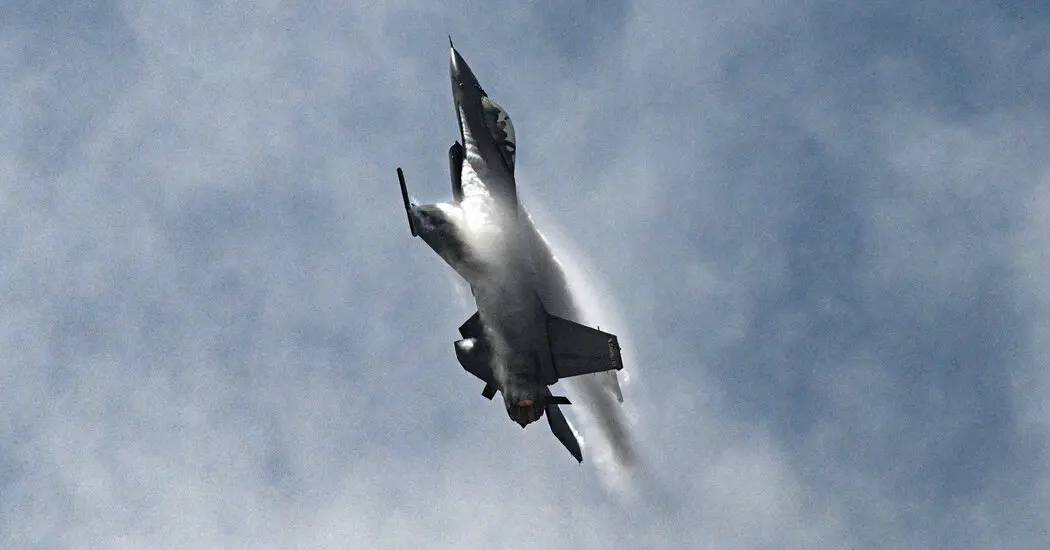
이번 주 12대의 F-16 항공기에 대한 20억 달러 규모의 계약이 페루 공군 관계자에 의해 서명되었으며, 제조업체인 록히드 마틴에 대한 초기 지불이 재정부에 의해 이루어졌다.
이러한 움직임은 호세 마리아 발카사르 임시 대통령의 승인 없이 수행되었다.
발카사르 대통령은 합의에 서명한 후에야 이 거래에 대해 알게 되었으며, 이는 페루의 전 외무장관 우고 데 젤라에 따른 것이다. 발카사르 대통령은 임시 역할을 하고 있다는 이유로 거래를 진행하는 데 주저했다고 말했다.
전 외무장관 데 젤라와 국방부장관 카를로스 디아스는 대통령의 거래 저지 노력에 항의하여 수요일에 사직했다. 일부 의원들은 발카사르 대통령의 탄핵을 촉구했다.
페루는 오랫동안 1980년대에 획득한 노후한 프랑스산 및 러시아산 항공기 함대를 현대화할 계획을 세웠다.
경쟁 중이던 유럽 대안보다 F-16을 구매하는 것은 국가를 수십 년간 미국 설계 군사 체계에 투입시키며 워싱턴과 더욱 긴밀히 정렬시킬 것이다.
4년간 페루의 세 번째 대통령 탄핵 이후 2월에 취임한 83세의 의원 발카사르는 대체로 낮은 프로필을 유지해왔으며 초기에는 미국 입찰을 선택하기로 한 이전 결정을 지지했다.
그러나 지난 금요일 의식적 서명 몇 시간 전, 그는 라디오 인터뷰에서 차기 대통령이 결정해야 한다고 발표했으며, 그의 임시 정부가 그러한 큰 투자를 결정할 정당성을 가지고 있지 않다고 말했다.
페루의 미국 대사 버니 나바로는 라디오를 통해 연기에 대해 알게 되었다. 날카로운 성명에서 그는 워싱턴이 자신의 이익을 증진하기 위해 "모든 가능한 수단"을 사용할 것이라고 경고했다.
일부 페루 정치인들은 발카사르에게 합의를 진행하도록 촉구했으며, 다른 사람들은 나바로의 발언을 비난했다.
중도파 대선 후보이자 전 국방부장관인 호르헤 니에토는 텔레비전 인터뷰에서 "이것은 갈취다"라고 말했다. "우리가 현명하게 행동하지 않으면 우리는 국가에서 영토로 변할 위험을 감수한다."
나바로는 워싱턴이 이 거래에 "만족스러워하고" 개입 혐의를 거부했다.
"미국은 절대로 어느 국가에도 압력을 가하거나 내부 과정에 간섭하지 않을 것이다"라고 그는 수요일 지역 라디오 방송국에 말했다. 그는 전투기에 대한 거래를 페루 관계자들과의 수년간의 협상을 반영한다고 말했으며 발카사르의 마지막 순간 반전을 "신부를 제단에 남기는 것"에 비유했다.
리마의 미국 대사관은 성명에서 1년 반 이상 페루와 "긴밀하고 성실하게 협력했다"고 말했다. 대사관은 합의가 "페루 정부의 최고 수준의 완전한 인식과 함께" 도달했다고 말했다.
나바로는 거래가 완료되지 않았다면 비행기의 비용이 증가할 것이고 페루의 평판이 손상될 것이라고 말했다.
"대사로서 제 직업은 페루에 투자를 가져오는 것입니다"라고 그는 말했다.
이 에피소드는 비밀리에 그리고 대통령의 바람에 반대하여 최종화된 것으로 보이는 군사 구매의 정당성에 대한 의문을 제기했다.
정치 분석가 곤잘로 반다는 "대통령이 결정해야 한다"고 말했으며, 이는 외교 정책과 군대에 대한 권한 때문이다. 그는 발카사르의 분쟁이 있는 거래 서명 거부를 "완벽하게 합리적"이라고 불렀다.
스웨덴 제조업체 사브는 입찰 절차의 초기 단계에서 선호 선택지였으며, 이는 페루 뉴스 및 국방 미디어 보도에 따른 것이다.
수요일, F-16이 이번 주말 군사 에어쇼를 앞두고 리마 상공을 날아가자, 발카사르는 텔레비전 연설에서 긴장을 진정시키려 했다.
"우리의 유일한 의도는 국가 기금이 적절하게 사용되도록 보장하는 것이었다"고 그는 말했다. "어느 시점에서도 미국과의 대면의 의도는 없었다."
초기 지불이 이미 이루어졌으므로, 페루의 차기 대통령이 방침을 바꾸는 것은 비용이 많이 들 수 있다. 투표 1라운드의 예비 결과는 거래를 지지하는 우파 후보인 케이코 후지모리가 6월 결선투표에서 좌파 로베르토 산체스와 대면할 수 있음을 보여주지만, 2위 자리는 여전히 너무 가깝다.
산체스는 전투기에 수십억 달러를 지출할 필요성에 의문을 제기했으며 자신이 지역의 미국 지배라고 설명하는 것에 대항하여 캠페인을 펼쳤다.
이 논쟁은 페루가 중국의 강한 존재에 대항하여 미국과의 관계를 균형 잡으려고 분투하면서 전개되고 있다. 미국 관계자들은 최근 태평양 해안의 거대한 중국 통제 항만에 대해 이의를 제기했으며, 그들은 군사적 응용이 있을 수 있다고 말했다.
F-16 거래의 기원도 의심을 촉발했다. 2월에 발카사르의 전임자 호세 헤리가 중국 사업가들과의 비밀 회의에 대한 스캔들에 직면했을 때, 나바로는 공개적으로 그를 지지했다. 헤리의 정부는 이후 미국 입찰을 지지했다. 그는 나중에 탄핵되었다.
제네비에브 글래츠키는 콜롬비아 보고타를 기반으로 한 타임스의 기자이다.
이 분쟁은 국가의 격동적인 대선 중에 터져나왔으며, 국가 주권과 워싱턴과의 긴밀한 군사 관계의 함축에 대한 논쟁을 촉발했다.
이번 주 12대의 F-16 항공기에 대한 20억 달러 규모의 계약이 페루 공군 관계자에 의해 서명되었으며, 제조업체인 록히드 마틴에 대한 초기 지불이 재정부에 의해 이루어졌다.
이러한 움직임은 호세 마리아 발카사르 임시 대통령의 승인 없이 수행되었다.
발카사르 대통령은 합의에 서명한 후에야 이 거래에 대해 알게 되었으며, 이는 페루의 전 외무장관 우고 데 젤라에 따른 것이다. 발카사르 대통령은 임시 역할을 하고 있다는 이유로 거래를 진행하는 데 주저했다고 말했다.
전 외무장관 데 젤라와 국방부장관 카를로스 디아스는 대통령의 거래 저지 노력에 항의하여 수요일에 사직했다. 일부 의원들은 발카사르 대통령의 탄핵을 촉구했다.
페루는 오랫동안 1980년대에 획득한 노후한 프랑스산 및 러시아산 항공기 함대를 현대화할 계획을 세웠다.
경쟁 중이던 유럽 대안보다 F-16을 구매하는 것은 국가를 수십 년간 미국 설계 군사 체계에 투입시키며 워싱턴과 더욱 긴밀히 정렬시킬 것이다.
4년간 페루의 세 번째 대통령 탄핵 이후 2월에 취임한 83세의 의원 발카사르는 대체로 낮은 프로필을 유지해왔으며 초기에는 미국 입찰을 선택하기로 한 이전 결정을 지지했다.
그러나 지난 금요일 의식적 서명 몇 시간 전, 그는 라디오 인터뷰에서 차기 대통령이 결정해야 한다고 발표했으며, 그의 임시 정부가 그러한 큰 투자를 결정할 정당성을 가지고 있지 않다고 말했다.
페루의 미국 대사 버니 나바로는 라디오를 통해 연기에 대해 알게 되었다. 날카로운 성명에서 그는 워싱턴이 자신의 이익을 증진하기 위해 "모든 가능한 수단"을 사용할 것이라고 경고했다.
일부 페루 정치인들은 발카사르에게 합의를 진행하도록 촉구했으며, 다른 사람들은 나바로의 발언을 비난했다.
중도파 대선 후보이자 전 국방부장관인 호르헤 니에토는 텔레비전 인터뷰에서 "이것은 갈취다"라고 말했다. "우리가 현명하게 행동하지 않으면 우리는 국가에서 영토로 변할 위험을 감수한다."
나바로는 워싱턴이 이 거래에 "만족스러워하고" 개입 혐의를 거부했다.
"미국은 절대로 어느 국가에도 압력을 가하거나 내부 과정에 간섭하지 않을 것이다"라고 그는 수요일 지역 라디오 방송국에 말했다. 그는 전투기에 대한 거래를 페루 관계자들과의 수년간의 협상을 반영한다고 말했으며 발카사르의 마지막 순간 반전을 "신부를 제단에 남기는 것"에 비유했다.
리마의 미국 대사관은 성명에서 1년 반 이상 페루와 "긴밀하고 성실하게 협력했다"고 말했다. 대사관은 합의가 "페루 정부의 최고 수준의 완전한 인식과 함께" 도달했다고 말했다.
나바로는 거래가 완료되지 않았다면 비행기의 비용이 증가할 것이고 페루의 평판이 손상될 것이라고 말했다.
"대사로서 제 직업은 페루에 투자를 가져오는 것입니다"라고 그는 말했다.
이 에피소드는 비밀리에 그리고 대통령의 바람에 반대하여 최종화된 것으로 보이는 군사 구매의 정당성에 대한 의문을 제기했다.
정치 분석가 곤잘로 반다는 "대통령이 결정해야 한다"고 말했으며, 이는 외교 정책과 군대에 대한 권한 때문이다. 그는 발카사르의 분쟁이 있는 거래 서명 거부를 "완벽하게 합리적"이라고 불렀다.
스웨덴 제조업체 사브는 입찰 절차의 초기 단계에서 선호 선택지였으며, 이는 페루 뉴스 및 국방 미디어 보도에 따른 것이다.
수요일, F-16이 이번 주말 군사 에어쇼를 앞두고 리마 상공을 날아가자, 발카사르는 텔레비전 연설에서 긴장을 진정시키려 했다.
"우리의 유일한 의도는 국가 기금이 적절하게 사용되도록 보장하는 것이었다"고 그는 말했다. "어느 시점에서도 미국과의 대면의 의도는 없었다."
초기 지불이 이미 이루어졌으므로, 페루의 차기 대통령이 방침을 바꾸는 것은 비용이 많이 들 수 있다. 투표 1라운드의 예비 결과는 거래를 지지하는 우파 후보인 케이코 후지모리가 6월 결선투표에서 좌파 로베르토 산체스와 대면할 수 있음을 보여주지만, 2위 자리는 여전히 너무 가깝다.
산체스는 전투기에 수십억 달러를 지출할 필요성에 의문을 제기했으며 자신이 지역의 미국 지배라고 설명하는 것에 대항하여 캠페인을 펼쳤다.
이 논쟁은 페루가 중국의 강한 존재에 대항하여 미국과의 관계를 균형 잡으려고 분투하면서 전개되고 있다. 미국 관계자들은 최근 태평양 해안의 거대한 중국 통제 항만에 대해 이의를 제기했으며, 그들은 군사적 응용이 있을 수 있다고 말했다.
F-16 거래의 기원도 의심을 촉발했다. 2월에 발카사르의 전임자 호세 헤리가 중국 사업가들과의 비밀 회의에 대한 스캔들에 직면했을 때, 나바로는 공개적으로 그를 지지했다. 헤리의 정부는 이후 미국 입찰을 지지했다. 그는 나중에 탄핵되었다.
제네비에브 글래츠키는 콜롬비아 보고타를 기반으로 한 타임스의 기자이다.
처리 완료
4,707 tokens · $0.0133
기사 수집 완료 · 04:25
매체 피드에서 기사 메타데이터 수집
헤드라인 번역 완료 · 04:35
제목/요약 한국어 번역 (fetch 시점 inline)
claude-haiku-4-5-20251001
196 tokens
$0.00049
1.7s
본문 추출 완료
5,311자 추출 완료
본문 한국어 번역 완료 · 04:35
2,477자 번역 완료
claude-haiku-4-5-20251001
4,511 tokens
$0.01284
29.2s
지정학적 엔티티 추출 완료 · 04:35
8개 엔티티 추출 완료
지정학적 맥락 & R-Scanner
R-Scanner · 평상
z=0.32
일상적인 보도 수준 — 기준: Peru
(🇵🇪 PE)
최근 6시간 2건
7일 평균 1.5건 / 6h
2개국 매체
2개 매체
본문에서 추출된 지명 (8)
위치 지도
지도 로딩 중…
같은 주제의 다른 기사 (최근 7일)
Pressure from Washington helped drive a disputed deal forward, triggering resignations and raising questions about sovereignty.
Peru’s military moved ahead this week with a deal to buy American fighter jets despite the president’s public objections, after pressure from Washington triggered a cabinet shake-up and political turmoil in the South American nation.The dispute erupted in the middle of the country’s turbulent presidential election, fueling debate over national sovereignty and the implications of closer military ties with Washington.
This week a $2 billion contract for a dozen F-16 aircraft was signed by an official in Peru’s air force and an initial payment to Lockheed Martin, the manufacturer, was made by the finance ministry.
The moves were carried out without the approval of interim President José María Balcázar.
Mr. Balcázar was informed about the deal only after the agreement had been signed, according to Peru’s former foreign minister, Hugo de Zela. Mr. Balcázar said he was reluctant to advance the deal because he was in an interim role.
Both Mr. de Zela and the defense minister, Carlos Díaz, resigned on Wednesday to protest the president’s efforts to derail the deal. Some lawmakers called for Mr. Balcázar’s impeachment.
Peru has long planned to modernize its aging French and Russian aircraft fleet, much of it acquired in the 1980s.
Buying F-16s over European alternatives that were also in contention would commit the country to a U.S.-designed military system for decades, aligning it more closely with Washington.
Mr. Balcázar, an 83-year-old lawmaker who took office in February after Peru’s third presidential impeachment in four years, has largely kept a low profile and initially backed an earlier decision to select the U.S. bid.
But hours before a ceremonial signing last Friday, he announced in a radio interview that the next president should decide, saying his interim government lacked the legitimacy to make such a large investment.
The U.S. ambassador to Peru, Bernie Navarro, said he learned of the postponement from the radio. In a sharply worded statement, he warned that Washington would use “every available tool” to promote its interests.
Some Peruvian politicians had urged Mr. Balcázar to proceed with the agreement, while others condemned Mr. Navarro’s remarks.
“It’s extortion,” Jorge Nieto, a centrist presidential candidate and former defense minister, said in a television interview. “If we don’t play our cards right, we run the risk of turning from a country into a territory.”
Mr. Navarro said Washington was “happy” with the deal and rejected accusations of meddling.
“The United States would never, ever put pressure on a country or interfere in its internal processes,” he told a local radio station on Wednesday. He said the deal over the fighter jets reflected years of negotiations with Peruvian officials and compared Mr. Balcázar’s last-minute reversal to leaving “the bride at the altar.”
In a statement, the U.S. Embassy in Lima said it had “worked closely and in good faith” with Peru for more than a year and a half. The agreement, the embassy said, was reached “with full awareness from the highest levels of the Peruvian government.”
If the deal had not been finalized, Mr. Navarro said, the cost of the planes would rise and Peru’s reputation would suffer.
“My job as ambassador is to bring investments to Peru,” he said.
The episode has raised questions about the legitimacy of a military purchase seemingly finalized in secrecy and against the president’s wishes.
“The one to decide should be the president” because of his authority over foreign policy and the armed forces, said Gonzalo Banda, a political analyst. He called Mr. Balcázar’s refusal to sign the contentious deal “perfectly sensible.”
A Swedish manufacturer, Saab, had been the preferred choice in earlier stages of the bidding process, according to Peruvian news and defense media reports.
On Wednesday, as F-16s flew over Lima ahead of a military air show this weekend, Mr. Balcázar sought to calm tensions in a televised address.
“Our only intention has been to ensure that state funds are used appropriately,” he said. “At no point has there been any intention of confrontation with the United States.”
With an initial payment already made, it could be costly for Peru’s next president to reverse course. Preliminary results from the first round of voting show that a right-wing candidate, Keiko Fujimori, who supports the deal, may face a leftist, Roberto Sánchez, in a June runoff, though the second-place spot remains too close to call.
Mr. Sánchez has questioned the need to spend billions of dollars on fighter jets and has campaigned against what he describes as U.S. dominance in the region.
The controversy is unfolding as Peru struggles to balance its relationship with the United States against China’s strong presence in the country. U.S. officials have recently raised objections over an enormous Chinese-controlled port on the Pacific Coast, which they say could have military applications.
The origins of the F-16 deal have also sparked doubt. In February, as Mr. Balcázar’s predecessor, José Jerí, faced a scandal over secret meetings with Chinese businessmen, Mr. Navarro publicly backed him. Mr. Jerí’s government then supported the U.S. bid. He was later impeached.
Genevieve Glatsky is a reporter for The Times, based in Bogotá, Colombia.