이 문학 천재가 우리의 가장 큰 갤러리 중 하나로 향하는 이유
Why this literary genius is headed to one of our biggest galleries
Sydney Morning Herald
· 🇦🇺 Sydney, AU
Leah Jing McIntosh
EN
2026-04-15 10:00
Translated
NGV의 네 번째 트리엔날레의 일환으로, 문학계의 스타 오션 브엉의 사진이 호주에서 처음 전시된다.
저장 항목의 최대 개수에 도달했습니다.
더 추가하려면 저장 목록에서 항목을 제거하세요.
오션 브엉의 최신 소설에서 한 인물은 "날이 바람에 날려간 사진처럼 사라지는" 것을 보며 잠들기를 기다린다. 그의 문학 전체에 걸쳐 손가락은 "흐릿하게/사진처럼" 되고, 인물들은 "손바닥 크기의" 사진을 소지하며 셔츠 주머니에 넣고, 죽은 이들의 사진이 새겨진 무덤을 찾는다.
이 시각적 감수성은 브엉이 펑크 공연장과 스케이트 공원에서 친구들을 사진으로 찍으며 보낸 10대 시절에 시작되었다. 2009년 그는 친구의 카메라를 빌려 어머니가 일하시는 네일 살롱에서 어머니를 촬영했는데, 손 사진으로 장식된 분홍색 벽을 배경으로 일상적인 노동의 다정함을 포착했다.
문학적 업적으로 알려진 브엉의 글을 좋아하는 팬들은 대중음악계와 출판계를 아우른다—마돈나와 비요크부터 맥스 포터와 벤 러너까지. 그의 수많은 수상 경력에는 첫 소설 『On Earth We're Briefly Gorgeous』(지구에서 우리는 잠시 아름답다) 출간 후 받은 맥아더 "천재" 장학금이 포함되는데, 이 작품은 유산, 상실, 진실, 시간에 대한 시적인 명상이다.
흥미진진한 전환으로, 12월에 이 시인이자 소설가는 페이지 밖으로 나와 빅토리아 국립미술관의 네 번째 트리엔날레의 일환으로 호주에서 처음으로 자신의 사진을 선보일 것이다.
브엉의 사진 작업은 그의 문학적 집착을 확장한다. "저는 시간이 인간 삶의 가장 다투어지는 요소 중 하나라고 생각합니다," 그가 내게 말한다. "우리는 누구의 시간에 살고 있나요? 누구의 돈이 시간을 결정하나요? 우리는 이를 일종의 사회적 진실로 사용합니다. 8시 15분이거나, 1시입니다—뭐 그런 식으로요. 그런데 우리가 시간을 느낄 때, 그것은 우리 몸 안에서 다르게 존재합니다."
그는 문학적 명성이 오르는 동안 계속 사진을 찍었지만, 2022년 난 골딘과의 촬영이 3시간에 걸친 광범위한 대화로 이어졌을 때 비로소 자신도 사진작가라고 인정하게 되었다. 골딘은 그에게 자신의 작품을 공유하도록 격려했다. 그는 인정한다: "저는 아직 그 허락에 의지해 달리고 있습니다."
예술은 트리엔날레에서 풍향계이자 도발의 역할을 할 것이며, 35개국에서 온 90명 이상의 예술가들이 우리 시대의 복잡성에 맞서 싸우겠다고 약속하는 작품을 선보일 것이다. 예술가들은 지속적인 환경 붕괴, 인공지능의 과잉 포화, 문화적 유산의 복잡성을 다룬다. 방문객들은 안젤리나 카라다다 부나의 상징적인 완지나가 갤러리의 폭포 입구에 걸쳐 솟아오르는 모습을 만나고, 볼프강 틸만스의 작품들이 새롭게 설치된 것을 목격할 것이다.
가장 매력적인 작품들 중 일부는 또한 예술과 글쓰기 사이의 얇은 막을 드러낸다. 제니 홀저의 동적 조각 WTF는 음모론 게시물과 대통령의 트윗이 불쾌하게 섞인 것을 특징으로 하고, 크리스틴 선 킴의 벽화 States of Mind은 미국 수어를 그래픽 형태로 번역한다. 그리고 실파 굽타의 Words Come From Ears은 기차역 플랩보드를 단편적인 텍스트로 채워 의미를 조립하도록 관객을 초대한다. 굽타는 2017년에 트리엔날레에 마지막으로 출품했으며, 그때 함께 전시되었던 자넬레 무홀리도 돌아올 것이다. 무홀리는 성모 마리아로서 3미터 자화상을 새로 의뢰받아 조각으로의 전환을 표시할 것이다.
브엉의 사진들 또한 반복과 수정의 선을 따른다. 그는 시간을 협력자로 보고, 자신의 작업을 "우리가 만드는 상상의 연도 경계를 뚫고 스며드는 것들"을 현재에 존재하게 만드는 방법으로 본다.
트리엔날레에는 2009년부터의 브엉의 사진 작품들과 코네티컷 강 계곡에서 촬영한 신작들도 함께 전시될 것이다. "뉴잉글랜드는 미국인의 상상력에서 대부분 청교도, 추수감사절, 애플파이, 예비학교로 알려져 있습니다," 그가 말한다. "하지만 그 대부분은 여전히 그곳에 살고 일하는 이민자들이 거주하고 있습니다. 저는 미국인의 상상력에서 그것을 본 적이 없었습니다."
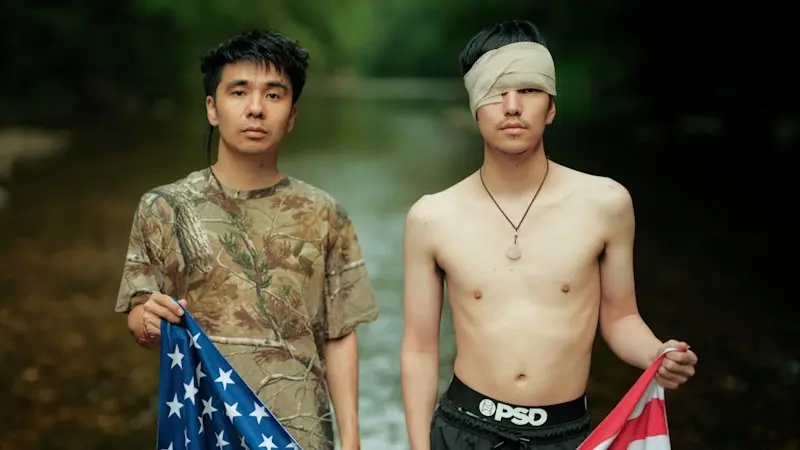
이러한 새롭고 조용하며 세심한 초상화들 중 많은 것은 그의 남동생 니키를 특징으로 한다—어머니의 유골함을 들고 있거나, 들판에 서 있거나, 뉴잉글랜드 하늘을 올려다보는 모습. 그의 자전소설에서 직접 끌어온 제스처로, 브엉은 때때로 카메라 뒤와 앞에 모두 등장하기도 한다: 특히 놀라운 이미지는 두 형제가 나란히 서서 성조기를 들고 있는 모습을 담고 있다.
20년간 촬영한 후 그의 카메라와의 관계가 변했는가? "왠지 모르게, 저는 세상에 반응하고, 그것에 예라고 말합니다." 브엉이 말한다.
"저는 예, 예, 예라고 말합니다. 셔터가 클릭하고 예—예라고 말합니다." 그는 이 느낌이 "부식될 것"이라고 걱정한다고 인정한다. "그것은 항상 사라집니다, 공개 작품을 만들 때. 하지만 저는 가능한 한 오래 그것을 붙잡으려고 노력하고 있습니다."
2026년 NGV 트리엔날레는 12월 13일부터 4월 11일까지 열린다.
The Booklist는 주간입니다.
더 추가하려면 저장 목록에서 항목을 제거하세요.
오션 브엉의 최신 소설에서 한 인물은 "날이 바람에 날려간 사진처럼 사라지는" 것을 보며 잠들기를 기다린다. 그의 문학 전체에 걸쳐 손가락은 "흐릿하게/사진처럼" 되고, 인물들은 "손바닥 크기의" 사진을 소지하며 셔츠 주머니에 넣고, 죽은 이들의 사진이 새겨진 무덤을 찾는다.
이 시각적 감수성은 브엉이 펑크 공연장과 스케이트 공원에서 친구들을 사진으로 찍으며 보낸 10대 시절에 시작되었다. 2009년 그는 친구의 카메라를 빌려 어머니가 일하시는 네일 살롱에서 어머니를 촬영했는데, 손 사진으로 장식된 분홍색 벽을 배경으로 일상적인 노동의 다정함을 포착했다.
문학적 업적으로 알려진 브엉의 글을 좋아하는 팬들은 대중음악계와 출판계를 아우른다—마돈나와 비요크부터 맥스 포터와 벤 러너까지. 그의 수많은 수상 경력에는 첫 소설 『On Earth We're Briefly Gorgeous』(지구에서 우리는 잠시 아름답다) 출간 후 받은 맥아더 "천재" 장학금이 포함되는데, 이 작품은 유산, 상실, 진실, 시간에 대한 시적인 명상이다.
흥미진진한 전환으로, 12월에 이 시인이자 소설가는 페이지 밖으로 나와 빅토리아 국립미술관의 네 번째 트리엔날레의 일환으로 호주에서 처음으로 자신의 사진을 선보일 것이다.
브엉의 사진 작업은 그의 문학적 집착을 확장한다. "저는 시간이 인간 삶의 가장 다투어지는 요소 중 하나라고 생각합니다," 그가 내게 말한다. "우리는 누구의 시간에 살고 있나요? 누구의 돈이 시간을 결정하나요? 우리는 이를 일종의 사회적 진실로 사용합니다. 8시 15분이거나, 1시입니다—뭐 그런 식으로요. 그런데 우리가 시간을 느낄 때, 그것은 우리 몸 안에서 다르게 존재합니다."
그는 문학적 명성이 오르는 동안 계속 사진을 찍었지만, 2022년 난 골딘과의 촬영이 3시간에 걸친 광범위한 대화로 이어졌을 때 비로소 자신도 사진작가라고 인정하게 되었다. 골딘은 그에게 자신의 작품을 공유하도록 격려했다. 그는 인정한다: "저는 아직 그 허락에 의지해 달리고 있습니다."
예술은 트리엔날레에서 풍향계이자 도발의 역할을 할 것이며, 35개국에서 온 90명 이상의 예술가들이 우리 시대의 복잡성에 맞서 싸우겠다고 약속하는 작품을 선보일 것이다. 예술가들은 지속적인 환경 붕괴, 인공지능의 과잉 포화, 문화적 유산의 복잡성을 다룬다. 방문객들은 안젤리나 카라다다 부나의 상징적인 완지나가 갤러리의 폭포 입구에 걸쳐 솟아오르는 모습을 만나고, 볼프강 틸만스의 작품들이 새롭게 설치된 것을 목격할 것이다.
가장 매력적인 작품들 중 일부는 또한 예술과 글쓰기 사이의 얇은 막을 드러낸다. 제니 홀저의 동적 조각 WTF는 음모론 게시물과 대통령의 트윗이 불쾌하게 섞인 것을 특징으로 하고, 크리스틴 선 킴의 벽화 States of Mind은 미국 수어를 그래픽 형태로 번역한다. 그리고 실파 굽타의 Words Come From Ears은 기차역 플랩보드를 단편적인 텍스트로 채워 의미를 조립하도록 관객을 초대한다. 굽타는 2017년에 트리엔날레에 마지막으로 출품했으며, 그때 함께 전시되었던 자넬레 무홀리도 돌아올 것이다. 무홀리는 성모 마리아로서 3미터 자화상을 새로 의뢰받아 조각으로의 전환을 표시할 것이다.
브엉의 사진들 또한 반복과 수정의 선을 따른다. 그는 시간을 협력자로 보고, 자신의 작업을 "우리가 만드는 상상의 연도 경계를 뚫고 스며드는 것들"을 현재에 존재하게 만드는 방법으로 본다.
트리엔날레에는 2009년부터의 브엉의 사진 작품들과 코네티컷 강 계곡에서 촬영한 신작들도 함께 전시될 것이다. "뉴잉글랜드는 미국인의 상상력에서 대부분 청교도, 추수감사절, 애플파이, 예비학교로 알려져 있습니다," 그가 말한다. "하지만 그 대부분은 여전히 그곳에 살고 일하는 이민자들이 거주하고 있습니다. 저는 미국인의 상상력에서 그것을 본 적이 없었습니다."
이러한 새롭고 조용하며 세심한 초상화들 중 많은 것은 그의 남동생 니키를 특징으로 한다—어머니의 유골함을 들고 있거나, 들판에 서 있거나, 뉴잉글랜드 하늘을 올려다보는 모습. 그의 자전소설에서 직접 끌어온 제스처로, 브엉은 때때로 카메라 뒤와 앞에 모두 등장하기도 한다: 특히 놀라운 이미지는 두 형제가 나란히 서서 성조기를 들고 있는 모습을 담고 있다.
20년간 촬영한 후 그의 카메라와의 관계가 변했는가? "왠지 모르게, 저는 세상에 반응하고, 그것에 예라고 말합니다." 브엉이 말한다.
"저는 예, 예, 예라고 말합니다. 셔터가 클릭하고 예—예라고 말합니다." 그는 이 느낌이 "부식될 것"이라고 걱정한다고 인정한다. "그것은 항상 사라집니다, 공개 작품을 만들 때. 하지만 저는 가능한 한 오래 그것을 붙잡으려고 노력하고 있습니다."
2026년 NGV 트리엔날레는 12월 13일부터 4월 11일까지 열린다.
The Booklist는 주간입니다.
처리 완료
160 tokens · $0.0003
기사 수집 완료 · 10:15
매체 피드에서 기사 메타데이터 수집
헤드라인 번역 완료 · 10:28
제목/요약 한국어 번역 (fetch 시점 inline)
kimi-k2.5
160 tokens
$0.00028
9.4s
본문 추출 완료
4,538자 추출 완료
본문 한국어 번역 완료 · 10:28
2,422자 번역 완료
지정학적 엔티티 추출 완료 · 10:28
3개 엔티티 추출 완료
지정학적 맥락 & R-Scanner
R-Scanner · 평상
z=0.46
일상적인 보도 수준 — 기준: Australia
(🇦🇺 AU)
최근 6시간 18건
7일 평균 16.11건 / 6h
2개국 매체
3개 매체
본문에서 추출된 지명 (3)
위치 지도
지도 로딩 중…
같은 주제의 다른 기사 (최근 7일)
As part of NGV’s fourth Triennial, literary star Ocean Vuong’s photography will be displayed in Australia for the first time.
You have reached your maximum number of saved items.Remove items from your saved list to add more.
In Ocean Vuong’s latest novel, a character waits to fall asleep as “the day fell away like a photographed snatched by the wind”. Across his literary oeuvre, fingers “blurred/like a photograph,” characters carry “palm-sized” prints, slip them into shirt pockets, visit graves embossed with photographs of the dead.
This visual sensibility began in Vuong’s teenage years, spent photographing friends at punk shows and skate parks. In 2009, he borrowed a friend’s camera to photograph his mother at her nail salon, capturing the tenderness of everyday labour against pink walls adorned with pictures of hands.
Known for his literary accomplishments, fans of Vuong’s writing span pop and publishing alike – from Madonna and Björk, to Max Porter and Ben Lerner. His many accolades include a MacArthur “genius” grant, received after the publication of first novel, On Earth We’re Briefly Gorgeous, a poetic meditation on inheritance, loss, truth and time.
In a thrilling turn, in December the poet and novelist will step out from the page to show his photographs for the first time in Australia as part of the National Gallery of Victoria’s fourth Triennial.
Vuong’s photography work extends his literary preoccupations. “I think time is one of the most contested elements of human life,” he tells me. “Whose time are we on? Whose money determines time? We use it as a sort of social truth. It is 8.15, or 1 o’clock – what have you. And yet, when we feel time, it exists differently in our bodies.”
He continued to take pictures during his rise to literary fame, but it was only in 2022, when a shoot with Nan Goldin slid into an expansive three-hour conversation that he admitted that he, too, was a photographer. Goldin encouraged him to share his work. He admits: “I’m still running on that permission.”
Art will serve as both barometer and provocation at the Triennial, with over 90 artists from 35 countries showing work that promises to grapple with the complexities of our times. Artists take on the ongoing environmental collapse; the oversaturation of artificial intelligence; the complexities of cultural inheritance. Visitors will be met by Angelina Karadada Boona’s iconic Wandjina, rising up across the gallery’s waterfall entrance, and witness a new installation of works from Wolfgang Tillmans.
Some of the most compelling works also reveal the thin membrane between art and writing. Jenny Holzer’s kinetic sculpture, aptly titled WTF, features a queasy mixture of conspiracy posts and presidential tweets; Christine Sun Kim’s mural States of Mind translates American Sign Language into graphic form; and Shilpa Gupta’s Words Come From Ears fills a train-station flapboard with fragmentary text, inviting viewers to assemble meaning. Gupta returns to the Triennial, having last exhibited in 2017 alongside Zanele Muholi, who will also return, with a newly commissioned three-metre self-portrait as the Virgin Mary, marking a shift from photography to sculpture.
Vuong’s photographs also follow lines of recurrence and revision; he views time as a collaborator, and his work a way to make present the “things that leach through the imagined borders we make of the years.”
The Triennial will feature a selection of Vuong’s photographs from 2009, alongside newer works also made in the Connecticut River Valley. “New England is mostly known in the American imagination as the puritans, Thanksgiving, apple pie, prep school,” he says. “But the majority of it is inhabited by immigrants who still live and work there. I just never saw that in the American imagination.”
Many of these new quiet, careful portraits feature his younger brother, Nicky – holding their mother’s urn, or standing in a field, or staring up at a New England sky. In a gesture pulled straight from his autofiction, Vuong also occasionally appears both behind and in front of the camera: a particularly startling image finds both brothers, side by side, holding an American Flag.
Has his relationship to the camera changed, after two decades of shooting? “For some reason, I react to the world, and I say yes to it.” Vuong says.
“I say yes, yes, yes. The shutter clicks and says yes – yes.” He admits that he worries that this feeling is “going to corrode. That always goes away, when you make public work. But I’m trying to hold onto that as long as I can.”
The 2026 NGV Triennial will run from December 13 to April 11.
The Booklist is a weekly