중앙아시아의 주요 생태 박람회에서 한국은 어디에 있었나?
Where was S. Korea at Central Asia’s key ecological expo?
The Korea Herald
· 🇰🇷 Seoul, KR
Lim Jae-seong
EN
2026-04-28 14:20
Translated
카자흐스탄의 녹색 전환이 중국과 유럽을 끌어들이고 있는 가운데 한국은 더 강한 입지를 모색하고 있다
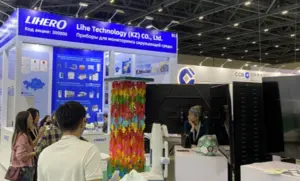
아스타나, 카자흐스탄 — 2026 지역생태정상회담 박람회 입구의 바닥 지도는 카자흐스탄의 빠르게 성장하는 환경기술 시장의 주요 플레이어들을 한눈에 보여주었다.
중국 기업들이 등재되어 있었다. 유럽 국가들은 공동 관의 부스를 마련했다. 카자흐 정부 기관들이 홀을 채웠다. 한국 기업은 어디에도 찾아볼 수 없었다.
이 부재는 눈에 띄었다. 겉보기에는 그렇지 않지만, 한국은 물 관리, 수소에서 핵에너지에 이르기까지 녹색산업 분야에서 카자흐스탄과의 협력 확대를 시도해왔기 때문이다. 그러나 아스타나에서 열린 3일간의 박람회에서 한국의 입지는 여전히 미미했으며, 이는 서울의 야망과 이미 유럽과 중국의 영향을 받은 시장에서의 실질적 가시성 사이의 격차를 드러냈다.
4월 22일부터 24일까지 아스타나의 EXPO 국제전시센터에서 열린 이 전시회는 중앙아시아의 주요 환경 플랫폼인 지역생태정상회담의 일부였다. 카자흐스탄 및 인접 국가들의 환경 기술, 저탄소 에너지 프로젝트, 산업 솔루션을 선보였다.
바닥에서 사라진 한국
중국의 입지는 특히 두드러졌다. 아스타나의 부스를 포함한 지방 정부 부스들까지도 카자흐스탄 최초의 상용 시설로 설명되는 폐기물 에너지 변환 프로젝트 같은 중국 파트너와 연계된 프로젝트들을 특징으로 했다.
한국 기업들은 최근 몇 년간 카자흐 기업들과 국가 기관들과의 파트너십을 모색해왔다. K-water와 YPP는 지난해 협약에 서명한 기업들 중 하나였다.
그러나 K-water는 올해 박람회에 대표를 보내지 않았다고 밝혔다. YPP는 카자흐 투자청과의 31억 달러 규모 녹색수소 프로젝트 이후 눈에 띄는 진전이 거의 없었다고 말했다.
박람회에서 한국의 관여를 보여주는 몇 안 되는 사례 중 하나는 카자흐 수소 기술이 적용된 키질로르다 지역의 폐기물 분리 프로젝트에서 나타났다.
제한된 입지는 유럽 에너지 기업들이 수십 년에 걸쳐 발판을 다진 시장과 중국 기업들이 비용 경쟁력으로 빠르게 확장하고 있는 시장에서 한국 기업들이 직면한 구조적 장벽을 반영했다.
"유럽 기업들은 카자흐스탄이 여전히 소비에트 연방의 일부일 때도 시장 진입을 추구했다"고 한국외국어대학교 국제통상학 교수 김봉철은 말했다.
"중국 기업들도 일대일로 이니셔티브 아래에서 공격적으로 확장했다."
이미 뿌리내린 경쟁사
카자흐스탄에 이미 입지를 다진 기업들은 성장 잠재력과 정부 지원에 이끌려 국가의 환경 및 저탄소 에너지 부문으로 더 깊숙이 진출하고 있다.
프랑스의 토탈에너지스는 화석 연료에서 재생에너지로 확장하고 있으며, 국가의 만성 에너지 부족 해소를 위해 카자흐 정부와 대규모 풍력 발전 프로젝트를 진행하고 있다고 유럽 관의 한 회사 관계자가 말했다.
약 12억 달러 규모의 이 프로젝트에 대한 최종 투자 결정은 이번 주 초에 이루어졌으며, 풍력과 배터리 저장을 결합한 이는 국가의 최대 규모 재생에너지 이니셔티브 중 하나가 되었다.
중국도 깊어지고 있다: 중국은 카자흐스탄 남부와 중부에서 대규모 재생에너지 프로젝트를 운영하고 있으며 지난달 초 카자흐 정부와 공동 수소 연구소를 설립했다.
카자흐스탄은 수 부족, 에너지 제약, 사막화 및 빙하 후퇴 같은 기후 위험에 직면하면서 환경 기술에 대한 정책 지원을 강화하고 있다.
"재생에너지 프로젝트를 경매를 통해 획득하면, 정부가 향후 20~25년간 재생 전기 구매를 보장하는 계약을 받고, 우리는 이를 전력망에 통합한다"고 카자흐스탄 외무부 특사 줄피야 술레이메노바는 금요일 말했다.
"우리는 현재 7%에서 2030년까지 재생에너지 비중을 최소 15% 이상으로 높이는 것을 목표로 하고 있다"고 그녀는 말했다.
술레이메노바는 또한 한국이 글로벌 플레이어들과 경쟁하고 있는 핵에너지에 대한 카자흐스탄의 추진을 언급했다. 이 노력은 소비에트 시대 주요 핵 시험장이라는 고통스러운 유산에도 불구하고 국가의 탄소중립 의지를 반영한다.
조용한 기회는 남아있다
박람회에서 한국 기업의 제한된 가시성은 한국이 빠르게 성장하는 시장에서 기회를 놓칠 수 있다는 우려를 키웠으며, 특히 카자흐스탄의 핵 부문에서 러시아와 중국으로부터의 강한 경쟁에 직면해 있다.
한수원은 진행 중인 프로젝트의 최종 후보 명단에 올랐지만, 지금까지의 계약은 러시아와 중국을 포함한 인접 국가의 경쟁사로 돌아갔다.
그럼에도 불구하고 전문가들은 특히 카자흐스탄이 파트너를 다양화하고 자체 기술 능력을 강화하려고 하는 전략적 영역에서 기회가 남아있다고 말한다.
"일부 중앙아시아 국가들은 이중 궤도 전략을 채택하고 있다"고 김은 말했다. "그들은 일부 영역에서는 저가, 대규모 건설에 의존하면서 민감한 부문은 첨단 기술을 위해 보유하고 있다."
"그 고기술 영역에서 한국 기업들은 파트너로 고려되고 있지만, 그러한 프로젝트들은 전략적 특성 때문에 낮은 프로필을 유지하는 경향이 있다"고 그는 말했다.
김은 카자흐스탄이 국제 파트너십을 통해 국내 능력을 구축하려고 추구하면서 더 광범위한 협력이 가능하다고 말했다. 국가는 한국과학기술원을 모델로 한 알마티의 고급 기술 연구소를 개발하고 있으며, 한국의 참여로 핵 부품 생산 현지화에 대한 논의도 진행 중이다.
"카자흐스탄은 풍부한 자원과 기술적 자립 달성에 대한 강한 확신을 가지고 있다"고 김은 말했다. "그들은 외국 비즈니스를 무조건 받아들이지 않을 것이다."
한국의 경우, 이는 협약에 서명하거나 녹색 협력을 촉진하는 것뿐만 아니라 경쟁자들이 이미 진출한 시장에서 더 눈에 띄고 지속된 입지를 구축하는 것이 과제임을 의미한다.
아스타나 박람회에서 그 격차는 무시하기 어려웠다.
중국 기업들이 등재되어 있었다. 유럽 국가들은 공동 관의 부스를 마련했다. 카자흐 정부 기관들이 홀을 채웠다. 한국 기업은 어디에도 찾아볼 수 없었다.
이 부재는 눈에 띄었다. 겉보기에는 그렇지 않지만, 한국은 물 관리, 수소에서 핵에너지에 이르기까지 녹색산업 분야에서 카자흐스탄과의 협력 확대를 시도해왔기 때문이다. 그러나 아스타나에서 열린 3일간의 박람회에서 한국의 입지는 여전히 미미했으며, 이는 서울의 야망과 이미 유럽과 중국의 영향을 받은 시장에서의 실질적 가시성 사이의 격차를 드러냈다.
4월 22일부터 24일까지 아스타나의 EXPO 국제전시센터에서 열린 이 전시회는 중앙아시아의 주요 환경 플랫폼인 지역생태정상회담의 일부였다. 카자흐스탄 및 인접 국가들의 환경 기술, 저탄소 에너지 프로젝트, 산업 솔루션을 선보였다.
바닥에서 사라진 한국
중국의 입지는 특히 두드러졌다. 아스타나의 부스를 포함한 지방 정부 부스들까지도 카자흐스탄 최초의 상용 시설로 설명되는 폐기물 에너지 변환 프로젝트 같은 중국 파트너와 연계된 프로젝트들을 특징으로 했다.
한국 기업들은 최근 몇 년간 카자흐 기업들과 국가 기관들과의 파트너십을 모색해왔다. K-water와 YPP는 지난해 협약에 서명한 기업들 중 하나였다.
그러나 K-water는 올해 박람회에 대표를 보내지 않았다고 밝혔다. YPP는 카자흐 투자청과의 31억 달러 규모 녹색수소 프로젝트 이후 눈에 띄는 진전이 거의 없었다고 말했다.
박람회에서 한국의 관여를 보여주는 몇 안 되는 사례 중 하나는 카자흐 수소 기술이 적용된 키질로르다 지역의 폐기물 분리 프로젝트에서 나타났다.
제한된 입지는 유럽 에너지 기업들이 수십 년에 걸쳐 발판을 다진 시장과 중국 기업들이 비용 경쟁력으로 빠르게 확장하고 있는 시장에서 한국 기업들이 직면한 구조적 장벽을 반영했다.
"유럽 기업들은 카자흐스탄이 여전히 소비에트 연방의 일부일 때도 시장 진입을 추구했다"고 한국외국어대학교 국제통상학 교수 김봉철은 말했다.
"중국 기업들도 일대일로 이니셔티브 아래에서 공격적으로 확장했다."
이미 뿌리내린 경쟁사
카자흐스탄에 이미 입지를 다진 기업들은 성장 잠재력과 정부 지원에 이끌려 국가의 환경 및 저탄소 에너지 부문으로 더 깊숙이 진출하고 있다.
프랑스의 토탈에너지스는 화석 연료에서 재생에너지로 확장하고 있으며, 국가의 만성 에너지 부족 해소를 위해 카자흐 정부와 대규모 풍력 발전 프로젝트를 진행하고 있다고 유럽 관의 한 회사 관계자가 말했다.
약 12억 달러 규모의 이 프로젝트에 대한 최종 투자 결정은 이번 주 초에 이루어졌으며, 풍력과 배터리 저장을 결합한 이는 국가의 최대 규모 재생에너지 이니셔티브 중 하나가 되었다.
중국도 깊어지고 있다: 중국은 카자흐스탄 남부와 중부에서 대규모 재생에너지 프로젝트를 운영하고 있으며 지난달 초 카자흐 정부와 공동 수소 연구소를 설립했다.
카자흐스탄은 수 부족, 에너지 제약, 사막화 및 빙하 후퇴 같은 기후 위험에 직면하면서 환경 기술에 대한 정책 지원을 강화하고 있다.
"재생에너지 프로젝트를 경매를 통해 획득하면, 정부가 향후 20~25년간 재생 전기 구매를 보장하는 계약을 받고, 우리는 이를 전력망에 통합한다"고 카자흐스탄 외무부 특사 줄피야 술레이메노바는 금요일 말했다.
"우리는 현재 7%에서 2030년까지 재생에너지 비중을 최소 15% 이상으로 높이는 것을 목표로 하고 있다"고 그녀는 말했다.
술레이메노바는 또한 한국이 글로벌 플레이어들과 경쟁하고 있는 핵에너지에 대한 카자흐스탄의 추진을 언급했다. 이 노력은 소비에트 시대 주요 핵 시험장이라는 고통스러운 유산에도 불구하고 국가의 탄소중립 의지를 반영한다.
조용한 기회는 남아있다
박람회에서 한국 기업의 제한된 가시성은 한국이 빠르게 성장하는 시장에서 기회를 놓칠 수 있다는 우려를 키웠으며, 특히 카자흐스탄의 핵 부문에서 러시아와 중국으로부터의 강한 경쟁에 직면해 있다.
한수원은 진행 중인 프로젝트의 최종 후보 명단에 올랐지만, 지금까지의 계약은 러시아와 중국을 포함한 인접 국가의 경쟁사로 돌아갔다.
그럼에도 불구하고 전문가들은 특히 카자흐스탄이 파트너를 다양화하고 자체 기술 능력을 강화하려고 하는 전략적 영역에서 기회가 남아있다고 말한다.
"일부 중앙아시아 국가들은 이중 궤도 전략을 채택하고 있다"고 김은 말했다. "그들은 일부 영역에서는 저가, 대규모 건설에 의존하면서 민감한 부문은 첨단 기술을 위해 보유하고 있다."
"그 고기술 영역에서 한국 기업들은 파트너로 고려되고 있지만, 그러한 프로젝트들은 전략적 특성 때문에 낮은 프로필을 유지하는 경향이 있다"고 그는 말했다.
김은 카자흐스탄이 국제 파트너십을 통해 국내 능력을 구축하려고 추구하면서 더 광범위한 협력이 가능하다고 말했다. 국가는 한국과학기술원을 모델로 한 알마티의 고급 기술 연구소를 개발하고 있으며, 한국의 참여로 핵 부품 생산 현지화에 대한 논의도 진행 중이다.
"카자흐스탄은 풍부한 자원과 기술적 자립 달성에 대한 강한 확신을 가지고 있다"고 김은 말했다. "그들은 외국 비즈니스를 무조건 받아들이지 않을 것이다."
한국의 경우, 이는 협약에 서명하거나 녹색 협력을 촉진하는 것뿐만 아니라 경쟁자들이 이미 진출한 시장에서 더 눈에 띄고 지속된 입지를 구축하는 것이 과제임을 의미한다.
아스타나 박람회에서 그 격차는 무시하기 어려웠다.
처리 완료
4,887 tokens · $0.0142
기사 수집 완료 · 14:20
매체 피드에서 기사 메타데이터 수집
헤드라인 번역 완료 · 14:36
제목/요약 한국어 번역 (fetch 시점 inline)
claude-haiku-4-5-20251001
111 tokens
$0.00026
1.0s
본문 추출 완료
6,272자 추출 완료
본문 한국어 번역 완료 · 14:36
2,729자 번역 완료
claude-haiku-4-5-20251001
4,776 tokens
$0.01395
29.7s
지정학적 엔티티 추출 완료 · 14:36
8개 엔티티 추출 완료
지정학적 맥락 & R-Scanner
R-Scanner · 평상
z=0.44
일상적인 보도 수준 — 기준: Kazakhstan
(🇰🇿 KZ)
최근 6시간 1건
7일 평균 0.46건 / 6h
1개국 매체
1개 매체
본문에서 추출된 지명 (8)
위치 지도
지도 로딩 중…
같은 주제의 다른 기사 (최근 7일)
Kazakhstan’s green transition is drawing China and Europe, leaving Korea to seek a stronger foothold
Korea Herald correspondent
ASTANA, Kazakhstan — A floor map at the entrance to the Regional Ecological Summit Expo 2026 offered a quick look at major players in Kazakhstan’s fast-growing environmental technology market.
Chinese firms were listed. European countries had joint pavilions. Kazakh government entities filled the hall. South Korean companies were nowhere to be found.
The absence stood out because, despite appearances, Korea has been trying to expand cooperation with Kazakhstan in green industries: from water management and hydrogen to nuclear power. But Korea’s presence remained thin at the three-day expo in Astana, exposing a gap between Seoul’s ambitions and its on-ground visibility in a market already shaped by Europe and China.
The exhibition, held from April 22 to 24 at the EXPO International Exhibition Center in Astana, was part of the Regional Ecological Summit, Central Asia’s flagship environmental platform. It showcased environmental technologies, low-carbon energy projects, and industrial solutions across Kazakhstan and neighboring countries.
Korea missing from the floor
China’s presence was especially visible. Even local government booths, including that of Astana, featured projects linked to Chinese partners, such as a waste-to-energy project described as Kazakhstan’s first commercial facility of its kind.
Korean companies have sought partnerships with Kazakh counterparts and state agencies in recent years. Korea Water Resources Corp. and YPP Corp. were among those that signed agreements last year.
But Korea Water Resources Corp. said it did not send representatives to this year’s expo. YPP said there had been little visible progress since its $3.1 billion agreement with Kazakh Invest on a green hydrogen project.
One of the few signs of Korean involvement at the expo appeared in a waste separation project in the Kyzylorda region, where Korean technology has been applied.
The limited presence reflected the structural barriers Korean firms face in a market where European energy companies have built a foothold over decades and Chinese firms are expanding rapidly with cost competitiveness.
“European companies sought entry into the market even when Kazakhstan was still part of the Soviet Union,” said Kim Bong-chul, a professor of international trade at Hankuk University of Foreign Studies.
“Chinese firms have also expanded aggressively under the Belt and Road Initiative.”
Rivals already embedded
Companies with an established presence in Kazakhstan are moving deeper into the country’s environmental and low-carbon energy sectors, drawn by growth potential and government support.
France’s TotalEnergies is expanding from fossil fuels into renewables, advancing a large-scale wind farm project with the Kazakh government to help address the country’s chronic energy shortage, a company official said at the European pavilion.
A final investment decision for the project, valued at about $1.2 billion and combining wind power with battery storage, was made earlier this week, marking one of the country’s largest renewable energy initiatives.
China is also deepening its role: It operates large-scale renewable energy projects in southern and central Kazakhstan and launched a joint hydrogen research institute with the Kazakh government earlier this month.
Kazakhstan is reinforcing policy support for environmental technologies as it confronts water shortages, energy constraints and climate risks such as desertification and glacier retreat.
“If you win a renewable energy project through auction, you get a contract under which the government guarantees purchases of renewable electricity for the next 20 to 25 years, and then we integrate that into our grid system,” Zulfiya Suleimenova, ambassador-at-large at Kazakhstan’s Foreign Ministry, said Friday.
“We aim to raise the share of renewables to at least 15 percent by 2030, from the current 7 percent,” she said.
Suleimenova also pointed to Kazakhstan’s push for nuclear energy, where South Korea is competing with global players. The effort reflects the country’s commitment to decarbonization despite its painful Soviet-era nuclear legacy as a major nuclear test site.
Quiet openings remain
The limited visibility of Korean companies at the expo has raised concerns that Korea may be missing opportunities in a fast-growing market, especially as it faces stiff competition from Russia and China in Kazakhstan’s nuclear sector.
Korea Hydro & Nuclear Power has been shortlisted for ongoing projects, but contracts so far have gone to competitors from neighboring countries, including Russia and China.
Still, experts say opportunities remain, particularly in strategic areas where Kazakhstan looks to diversify partners and strengthen its own technological capabilities.
“Some Central Asian countries are adopting a dual-track strategy,” Kim said. “They rely on low-cost, large-scale construction in some areas, while reserving sensitive sectors for advanced technologies.”
“In those high-tech areas, Korean companies are being considered as partners, although such projects tend to remain low-profile because of their strategic nature,” he said.
Kim said broader cooperation remains possible as Kazakhstan seeks to build domestic capabilities through international partnerships. The country is working on an advanced technology institute in Almaty modeled after the Korea Advanced Institute of Science and Technology, while discussions are also underway on localizing the production of nuclear components with Korean participation.
“Kazakhstan has abundant resources and strong confidence in achieving technological self-reliance,” Kim said. “They will not accept foreign business unconditionally.”
For Korea, that means the challenge is not only to sign agreements or promote green cooperation, but to build a more visible and sustained presence in a market where competitors have already moved early.
At the Astana expo, that gap was hard to miss.
Stories told from where they are happening.
Where was S. Korea at Central Asia’s key ecological expo?
New Seongsu landmark? Musinsa brings retail vision at full volume
Korea Herald correspondent
ASTANA, Kazakhstan — A floor map at the entrance to the Regional Ecological Summit Expo 2026 offered a quick look at major players in Kazakhstan’s fast-growing environmental technology market.
Chinese firms were listed. European countries had joint pavilions. Kazakh government entities filled the hall. South Korean companies were nowhere to be found.
The absence stood out because, despite appearances, Korea has been trying to expand cooperation with Kazakhstan in green industries: from water management and hydrogen to nuclear power. But Korea’s presence remained thin at the three-day expo in Astana, exposing a gap between Seoul’s ambitions and its on-ground visibility in a market already shaped by Europe and China.
The exhibition, held from April 22 to 24 at the EXPO International Exhibition Center in Astana, was part of the Regional Ecological Summit, Central Asia’s flagship environmental platform. It showcased environmental technologies, low-carbon energy projects, and industrial solutions across Kazakhstan and neighboring countries.
Korea missing from the floor
China’s presence was especially visible. Even local government booths, including that of Astana, featured projects linked to Chinese partners, such as a waste-to-energy project described as Kazakhstan’s first commercial facility of its kind.
Korean companies have sought partnerships with Kazakh counterparts and state agencies in recent years. Korea Water Resources Corp. and YPP Corp. were among those that signed agreements last year.
But Korea Water Resources Corp. said it did not send representatives to this year’s expo. YPP said there had been little visible progress since its $3.1 billion agreement with Kazakh Invest on a green hydrogen project.
One of the few signs of Korean involvement at the expo appeared in a waste separation project in the Kyzylorda region, where Korean technology has been applied.
The limited presence reflected the structural barriers Korean firms face in a market where European energy companies have built a foothold over decades and Chinese firms are expanding rapidly with cost competitiveness.
“European companies sought entry into the market even when Kazakhstan was still part of the Soviet Union,” said Kim Bong-chul, a professor of international trade at Hankuk University of Foreign Studies.
“Chinese firms have also expanded aggressively under the Belt and Road Initiative.”
Rivals already embedded
Companies with an established presence in Kazakhstan are moving deeper into the country’s environmental and low-carbon energy sectors, drawn by growth potential and government support.
France’s TotalEnergies is expanding from fossil fuels into renewables, advancing a large-scale wind farm project with the Kazakh government to help address the country’s chronic energy shortage, a company official said at the European pavilion.
A final investment decision for the project, valued at about $1.2 billion and combining wind power with battery storage, was made earlier this week, marking one of the country’s largest renewable energy initiatives.
China is also deepening its role: It operates large-scale renewable energy projects in southern and central Kazakhstan and launched a joint hydrogen research institute with the Kazakh government earlier this month.
Kazakhstan is reinforcing policy support for environmental technologies as it confronts water shortages, energy constraints and climate risks such as desertification and glacier retreat.
“If you win a renewable energy project through auction, you get a contract under which the government guarantees purchases of renewable electricity for the next 20 to 25 years, and then we integrate that into our grid system,” Zulfiya Suleimenova, ambassador-at-large at Kazakhstan’s Foreign Ministry, said Friday.
“We aim to raise the share of renewables to at least 15 percent by 2030, from the current 7 percent,” she said.
Suleimenova also pointed to Kazakhstan’s push for nuclear energy, where South Korea is competing with global players. The effort reflects the country’s commitment to decarbonization despite its painful Soviet-era nuclear legacy as a major nuclear test site.
Quiet openings remain
The limited visibility of Korean companies at the expo has raised concerns that Korea may be missing opportunities in a fast-growing market, especially as it faces stiff competition from Russia and China in Kazakhstan’s nuclear sector.
Korea Hydro & Nuclear Power has been shortlisted for ongoing projects, but contracts so far have gone to competitors from neighboring countries, including Russia and China.
Still, experts say opportunities remain, particularly in strategic areas where Kazakhstan looks to diversify partners and strengthen its own technological capabilities.
“Some Central Asian countries are adopting a dual-track strategy,” Kim said. “They rely on low-cost, large-scale construction in some areas, while reserving sensitive sectors for advanced technologies.”
“In those high-tech areas, Korean companies are being considered as partners, although such projects tend to remain low-profile because of their strategic nature,” he said.
Kim said broader cooperation remains possible as Kazakhstan seeks to build domestic capabilities through international partnerships. The country is working on an advanced technology institute in Almaty modeled after the Korea Advanced Institute of Science and Technology, while discussions are also underway on localizing the production of nuclear components with Korean participation.
“Kazakhstan has abundant resources and strong confidence in achieving technological self-reliance,” Kim said. “They will not accept foreign business unconditionally.”
For Korea, that means the challenge is not only to sign agreements or promote green cooperation, but to build a more visible and sustained presence in a market where competitors have already moved early.
At the Astana expo, that gap was hard to miss.
Stories told from where they are happening.
Where was S. Korea at Central Asia’s key ecological expo?
New Seongsu landmark? Musinsa brings retail vision at full volume