'와규' 소고기 품질 보증에 사용되었던 것. 오늘날 당신은 무엇을 위해 돈을 내고 있는가?
‘Wagyu’ Used to Guarantee Quality Beef. What Are You Paying for Today?
The New York Times
· 🇺🇸 New York, US
Tejal Rao
EN
2026-04-21 18:01
Translated
무대 뒤에서 경쟁하는 세력들이 고급 고기의 명성을 놓고 싸우고 있다.
Wagyu Butcher에서는 일본 A5 와규를 작은 한입으로 제공하며, 쌀 위에 토치로 구우거나 거의 그릴에 구워 양념한 휘핑크림에 떨어뜨린다.
로스앤젤레스에서 보도하는 뉴욕타임스의 수석 레스토랑 비평가 Tejal Rao입니다.
몇 주 전, 캘리포니아주 패서디나에서 나는 뜨겁고 햇빛이 내리쬐는 블록을 따라 내 팔뚝 길이만한 치즈스테이크를 기다리는 줄을 섰다.
언뜻 보기에는 완전히 간단한 샌드위치였지만 24달러가 드는 것으로, 강렬하게 소고기 같은 와규 립아이와 안심 8온스로 만들어졌다. 비버리힐스의 스테이크 하우스 Matū에서 런치 스페셜로 출시된 후 로스앤젤레스에서 컬트 팔로잉을 형성했다.
고기는 얇게 슬라이스되어 주사위 모양의 양파와 함께 플랫탑에서 지글거렸는데, 양파는 렌더링된 소고기 지방에서 황금빛으로 변했고, 바삭한 참깨 롤, 끈기 있는 치즈, 그리고 주름잡힌 고추 한 개와 함께 담겼다. 그것은 훌륭했지만, 그것은 또한 내 일정을 정리하고 낮잠을 자도록 초대하는 종류의 점심이었다.
Matū과 그 단일 주제 스핀오프인 Cheesesteaks by Matū는 일본 와규를 앙거스 소와 사육하거나 뉴질랜드 낙농 소와 함께 사육하는 목장인 뉴질랜드의 First Light Farms에서 풀을 먹인 소고기를 제공한다.
그것이 와규로 적격인지 여부는 누구에게 묻느냐에 따라 달라질 수 있다.
수십 년 전, 와규는 일본에서 수입된 정신을 구부릴 정도로 지방이 많은(그리고 정신을 구부릴 정도로 비싼) 소고기를 독점적으로 언급했다. 미국에서 찾을 수 있다면, 그것은 고급 정육점 가게나 사치스러운 작은 한입으로 제공하는 호화로운 레스토랑에 있었으며, 고기는 그렇게 고르게 대리석으로 된 매우 불가능한 양의 버터 같고 달콤한 맛의 지방을 가지고 있어 입의 따뜻함에 녹았다.
현재 미국에서 와규가 의미하는 바는 일본 소 부분에서 미국과 호주 소고기를 포함하도록 확장되었다. 단어 자체는 메뉴에서 뭔가를 과장하며, 많은 것을 의미할 수 있다 - 이미 사기당했거나 적어도 와규에 의해 혼란스러워한 사람이라면 누구든.
나는 우리가 와규의 절정에 도달했다고 계속 생각하는데, 계속 다시 틀렸다(심지어 코스트코도 그것을 운반한다). 미국 소떼가 1950년대 이후 가장 작을 때, 소고기 가격이 기록적인 수준일 때, 와규는 seemingly 어디에나 있다. 하지만 식사자들이 무엇을 위해 돈을 내고 있는지는 항상 명확하지 않다.
1970년대에 일본은 더 낮은 녹는점을 가진 근육 내 지방이 많이 있도록 사육된 소고기를 생산할 수 있도록 사육된 그 귀중한 와규 소를 수출했다. 1990년대 후반, 일본 관리들이 그것이 시장에 대한 통제를 위협할 수 있다는 것을 깨달았을 때, 그들은 와규 유전자 물질의 수출을 금지했고 그들의 국보를 법으로 정의했다: 네 가지 소 품종에서 나온 소고기, 일본에서 태어나고 자란 것.
그것은 조금 늦었다.
와규는 고급 식사에서 주류로 흘러내려 들어가면서 버거와 피자, 케밥과 바비큐, 핫팟과 샤브샤브에 나타났다. 일본 와규의 과도한 범프는 끝없어 보일 수 있지만, 우리 메뉴에 있는 와규의 많은 부분은 국내 또는 호주이며, 특히 좀 더 구조와 근육을 필요로 하는 거대한 진술 스테이크이다.
Parmigiano-Reggiano와 Champagne이라는 용어는 오랫동안 지역 상품으로 보호되고 규제되어 왔으며, 그것이 어느 시점에 와규의 길이었을 수 있다. 대신, 미국에서 덜 까다로운 감시로 성장했으며, 이제 경쟁하는 세력들이 그것을 사치품으로 재설정하고, 그것이 의미하는 바를 성문화하고, 급성장하는 시장을 통제하려고 노력하고 있다.
지난 9월, 미국 와규 협회는 미국 농무부에서 인증한 새로운 프로그램을 출시하여 기본 미국 농무부 프라임 등급을 초과하는 지방-대리석 수준을 검증하고 소의 혈통을 일본 와규로 추적함으로써 "정품 와규"로 레이블을 붙였다.
버몬트 와규를 운영하는 Sheila Patinkin은 스프링필드에서 약 500마리의 소를 사육하며 한때 미국 와규 협회의 회장을 역임했으며, 새로운 라벨을 신청한 최초의 사람 중 한 명이었다. 그녀는 미국에서 신뢰와 품질을 위한 기준을 설정하기를 희망한다.
그녀는 최고 품질의 미국 와규의 대리석이 일본 대리석에 접근하고 있다고 말했다. "하지만 여기 요점이 있습니다: 우리는 일본 와규와 같은 제품이 아닙니다. 미국 와규는 그 자체로 발전했습니다."
동시에 일본은 잃어버린 일부를 되찾으려고 노력하고 있다. 나는 국제법을 전문으로 하는 변호사이자 일본 와규를 홍보하는 회사인 Wagyu Sommelier의 창립자인 Nan Sato와 대화했다. 미스 사토는 최근 요리 교육 기관과 셰프 및 기타 식품 전문가들을 위한 여러 날간의 워크숍에 협력했다.
그녀의 목표는 더 많은 셰프, 특히 일본 요리 전통 밖에서 일하는 사람들에게 일본 와규를 도살, 저장 및 요리하는 방법을 가르치는 것이므로 반 동물을 주문하고 매 부분을 요리할 수 있다 - 스테이크하우스에서만 보는 큰 컷이 아니라.
그녀는 와규와 함께라고 말했다, 모든 컷은 스테이크로 먹을 수 있으며, 장시간 브레이즈하거나 분쇄하는 것과는 반대이다. "하지만 이런 낮은 컷에 대한 편견이 있고 우리는 그것에 대항해야 한다."
A5는 가장 훌륭한 일본 와규의 속기법이 되었지만, 미스 사토는 일본 등급 시스템이 정말로 소비자를 위해 만들어지지 않았다고 지적했다. 그 글자 등급은 A에서 C로 식탁에서 식사자가 경험할 수 있는 것과 아무 관계가 없지만, 전체 동물이 생성하는 사용 가능한 고기의 양을 나타내는 반면, 1에서 5까지의 숫자 등급은 대리석, 고기 색상 및 지방 색상의 조합을 평가한다.
미스 사토는 또한 맛을 고려하고 일본의 소규모 생산자들 간의 차이를 강조하는 새로운 시스템을 개발하려고 한다. Kobe 소고기는 Wagyu 세계의 초기 획기적 별이었지만, 미스 사토가 브랜드명 인정을 얻을 수 있다고 믿는 수백 개의 덜 알려진 생산자들이 있으며, 잠재적으로 상표로 등록될 수도 있다.
현재로서는, 시장의 최고 끝과 최저 저점에서, 식료품점과 주방에서, 많은 사기가 작동하고 있습니다 - 잘못 표시된 고기, 사기 서류, 엄청나게 긴 장기 냉동, 의심스러운 뷔페 식사, 대리석의 시각적 효과를 시뮬레이션하기 위해 지방 주입으로 처리된 값싼 소고기까지. 우리는 정확히 무엇을 추구하고 있는가?
고기 사업의 사람들은 과거에 와규에 대해 이렇게 말했다: 그것이 거래처럼 보인다면, 당신은 아마도 그것을 신뢰하지 말아야 한다. 하지만 일부 레스토랑은 메뉴에 미국, 호주, 일본 와규를 섞어 가격을 낮게 유지하고 이런 덜 소중한 보조 컷에 중점을 둔다.
지난밤 토랜스에서 나는 오사카에서 온 캐주얼 야키니쿠 아웃포스트인 Wagyu Butcher에서 내 형과 빠른 저녁을 만났으며, 50달러 세트 식사는 주로 미국 와규의 작은 조각 - 혀, 척 롤, 행잉 텐더, 숏립, 창자 -을 호출하며 바에서 구우.
일본 A5 와규 한 조각이 끝에 치료로 도착했다. Kaku Serada는 우리 앞의 카운터에서 저녁 내내 소고기를 조각내고 있었으며, 이 조각은 어깨에서 나와 숯불 위에 슬라이스되었으며 숯불 위에 깔끔하고 완벽하게 균등한 시트로, 마치 스키야키를 위한 것처럼. 서버가 그것을 그릴 위에 부드럽게 끌고 그것을 뒤집었을 때, 지방이 잠깐 동안 불을 잡았다. 그러면 그는 반짝이는 고기를 양념한 휘핑크림의 작은 그릇에 떨어뜨렸고 서둘러 맥주를 따르러 갔다.
이 한입은 다른 것과 달랐으며 즉시 스스로를 발표했다 - 지방 위의 부드러운 지방, 거의 용해되는 방식, 그러한 가벼운 터치로 너무 많은 unctuousness를 전달하면서 내 치아를 거의 불필요하게 느끼게 했다. 그것은 희미하게 카라멜 맛이 났다. 그것은 터무니없었다.
그리고 한 조각이면 충분했다. 그것으로 충분했다 이상이었다.
Tejal Rao, 우리의 로스앤젤레스 기반의 수석 비평가는 전국의 레스토랑에 대한 별 리뷰를 작성합니다. Ligaya Mishan, 뉴욕시 기반의 우리의 수석 비평가는 뉴욕과 그 이상의 레스토랑에 대한 별 리뷰를 작성합니다. 뉴욕 레스토랑의 더 간단한 별 리뷰는 우리의 기고 비평가 Mahira Rivers와 Ryan Sutton에 의해 작성되며, 매주 Where to Eat에 처음 나타납니다.
Tejal Rao는 The Times의 수석 레스토랑 비평가입니다.
로스앤젤레스에서 보도하는 뉴욕타임스의 수석 레스토랑 비평가 Tejal Rao입니다.
몇 주 전, 캘리포니아주 패서디나에서 나는 뜨겁고 햇빛이 내리쬐는 블록을 따라 내 팔뚝 길이만한 치즈스테이크를 기다리는 줄을 섰다.
언뜻 보기에는 완전히 간단한 샌드위치였지만 24달러가 드는 것으로, 강렬하게 소고기 같은 와규 립아이와 안심 8온스로 만들어졌다. 비버리힐스의 스테이크 하우스 Matū에서 런치 스페셜로 출시된 후 로스앤젤레스에서 컬트 팔로잉을 형성했다.
고기는 얇게 슬라이스되어 주사위 모양의 양파와 함께 플랫탑에서 지글거렸는데, 양파는 렌더링된 소고기 지방에서 황금빛으로 변했고, 바삭한 참깨 롤, 끈기 있는 치즈, 그리고 주름잡힌 고추 한 개와 함께 담겼다. 그것은 훌륭했지만, 그것은 또한 내 일정을 정리하고 낮잠을 자도록 초대하는 종류의 점심이었다.
Matū과 그 단일 주제 스핀오프인 Cheesesteaks by Matū는 일본 와규를 앙거스 소와 사육하거나 뉴질랜드 낙농 소와 함께 사육하는 목장인 뉴질랜드의 First Light Farms에서 풀을 먹인 소고기를 제공한다.
그것이 와규로 적격인지 여부는 누구에게 묻느냐에 따라 달라질 수 있다.
수십 년 전, 와규는 일본에서 수입된 정신을 구부릴 정도로 지방이 많은(그리고 정신을 구부릴 정도로 비싼) 소고기를 독점적으로 언급했다. 미국에서 찾을 수 있다면, 그것은 고급 정육점 가게나 사치스러운 작은 한입으로 제공하는 호화로운 레스토랑에 있었으며, 고기는 그렇게 고르게 대리석으로 된 매우 불가능한 양의 버터 같고 달콤한 맛의 지방을 가지고 있어 입의 따뜻함에 녹았다.
현재 미국에서 와규가 의미하는 바는 일본 소 부분에서 미국과 호주 소고기를 포함하도록 확장되었다. 단어 자체는 메뉴에서 뭔가를 과장하며, 많은 것을 의미할 수 있다 - 이미 사기당했거나 적어도 와규에 의해 혼란스러워한 사람이라면 누구든.
나는 우리가 와규의 절정에 도달했다고 계속 생각하는데, 계속 다시 틀렸다(심지어 코스트코도 그것을 운반한다). 미국 소떼가 1950년대 이후 가장 작을 때, 소고기 가격이 기록적인 수준일 때, 와규는 seemingly 어디에나 있다. 하지만 식사자들이 무엇을 위해 돈을 내고 있는지는 항상 명확하지 않다.
1970년대에 일본은 더 낮은 녹는점을 가진 근육 내 지방이 많이 있도록 사육된 소고기를 생산할 수 있도록 사육된 그 귀중한 와규 소를 수출했다. 1990년대 후반, 일본 관리들이 그것이 시장에 대한 통제를 위협할 수 있다는 것을 깨달았을 때, 그들은 와규 유전자 물질의 수출을 금지했고 그들의 국보를 법으로 정의했다: 네 가지 소 품종에서 나온 소고기, 일본에서 태어나고 자란 것.
그것은 조금 늦었다.
와규는 고급 식사에서 주류로 흘러내려 들어가면서 버거와 피자, 케밥과 바비큐, 핫팟과 샤브샤브에 나타났다. 일본 와규의 과도한 범프는 끝없어 보일 수 있지만, 우리 메뉴에 있는 와규의 많은 부분은 국내 또는 호주이며, 특히 좀 더 구조와 근육을 필요로 하는 거대한 진술 스테이크이다.
Parmigiano-Reggiano와 Champagne이라는 용어는 오랫동안 지역 상품으로 보호되고 규제되어 왔으며, 그것이 어느 시점에 와규의 길이었을 수 있다. 대신, 미국에서 덜 까다로운 감시로 성장했으며, 이제 경쟁하는 세력들이 그것을 사치품으로 재설정하고, 그것이 의미하는 바를 성문화하고, 급성장하는 시장을 통제하려고 노력하고 있다.
지난 9월, 미국 와규 협회는 미국 농무부에서 인증한 새로운 프로그램을 출시하여 기본 미국 농무부 프라임 등급을 초과하는 지방-대리석 수준을 검증하고 소의 혈통을 일본 와규로 추적함으로써 "정품 와규"로 레이블을 붙였다.
버몬트 와규를 운영하는 Sheila Patinkin은 스프링필드에서 약 500마리의 소를 사육하며 한때 미국 와규 협회의 회장을 역임했으며, 새로운 라벨을 신청한 최초의 사람 중 한 명이었다. 그녀는 미국에서 신뢰와 품질을 위한 기준을 설정하기를 희망한다.
그녀는 최고 품질의 미국 와규의 대리석이 일본 대리석에 접근하고 있다고 말했다. "하지만 여기 요점이 있습니다: 우리는 일본 와규와 같은 제품이 아닙니다. 미국 와규는 그 자체로 발전했습니다."
동시에 일본은 잃어버린 일부를 되찾으려고 노력하고 있다. 나는 국제법을 전문으로 하는 변호사이자 일본 와규를 홍보하는 회사인 Wagyu Sommelier의 창립자인 Nan Sato와 대화했다. 미스 사토는 최근 요리 교육 기관과 셰프 및 기타 식품 전문가들을 위한 여러 날간의 워크숍에 협력했다.
그녀의 목표는 더 많은 셰프, 특히 일본 요리 전통 밖에서 일하는 사람들에게 일본 와규를 도살, 저장 및 요리하는 방법을 가르치는 것이므로 반 동물을 주문하고 매 부분을 요리할 수 있다 - 스테이크하우스에서만 보는 큰 컷이 아니라.
그녀는 와규와 함께라고 말했다, 모든 컷은 스테이크로 먹을 수 있으며, 장시간 브레이즈하거나 분쇄하는 것과는 반대이다. "하지만 이런 낮은 컷에 대한 편견이 있고 우리는 그것에 대항해야 한다."
A5는 가장 훌륭한 일본 와규의 속기법이 되었지만, 미스 사토는 일본 등급 시스템이 정말로 소비자를 위해 만들어지지 않았다고 지적했다. 그 글자 등급은 A에서 C로 식탁에서 식사자가 경험할 수 있는 것과 아무 관계가 없지만, 전체 동물이 생성하는 사용 가능한 고기의 양을 나타내는 반면, 1에서 5까지의 숫자 등급은 대리석, 고기 색상 및 지방 색상의 조합을 평가한다.
미스 사토는 또한 맛을 고려하고 일본의 소규모 생산자들 간의 차이를 강조하는 새로운 시스템을 개발하려고 한다. Kobe 소고기는 Wagyu 세계의 초기 획기적 별이었지만, 미스 사토가 브랜드명 인정을 얻을 수 있다고 믿는 수백 개의 덜 알려진 생산자들이 있으며, 잠재적으로 상표로 등록될 수도 있다.
현재로서는, 시장의 최고 끝과 최저 저점에서, 식료품점과 주방에서, 많은 사기가 작동하고 있습니다 - 잘못 표시된 고기, 사기 서류, 엄청나게 긴 장기 냉동, 의심스러운 뷔페 식사, 대리석의 시각적 효과를 시뮬레이션하기 위해 지방 주입으로 처리된 값싼 소고기까지. 우리는 정확히 무엇을 추구하고 있는가?
고기 사업의 사람들은 과거에 와규에 대해 이렇게 말했다: 그것이 거래처럼 보인다면, 당신은 아마도 그것을 신뢰하지 말아야 한다. 하지만 일부 레스토랑은 메뉴에 미국, 호주, 일본 와규를 섞어 가격을 낮게 유지하고 이런 덜 소중한 보조 컷에 중점을 둔다.
지난밤 토랜스에서 나는 오사카에서 온 캐주얼 야키니쿠 아웃포스트인 Wagyu Butcher에서 내 형과 빠른 저녁을 만났으며, 50달러 세트 식사는 주로 미국 와규의 작은 조각 - 혀, 척 롤, 행잉 텐더, 숏립, 창자 -을 호출하며 바에서 구우.
일본 A5 와규 한 조각이 끝에 치료로 도착했다. Kaku Serada는 우리 앞의 카운터에서 저녁 내내 소고기를 조각내고 있었으며, 이 조각은 어깨에서 나와 숯불 위에 슬라이스되었으며 숯불 위에 깔끔하고 완벽하게 균등한 시트로, 마치 스키야키를 위한 것처럼. 서버가 그것을 그릴 위에 부드럽게 끌고 그것을 뒤집었을 때, 지방이 잠깐 동안 불을 잡았다. 그러면 그는 반짝이는 고기를 양념한 휘핑크림의 작은 그릇에 떨어뜨렸고 서둘러 맥주를 따르러 갔다.
이 한입은 다른 것과 달랐으며 즉시 스스로를 발표했다 - 지방 위의 부드러운 지방, 거의 용해되는 방식, 그러한 가벼운 터치로 너무 많은 unctuousness를 전달하면서 내 치아를 거의 불필요하게 느끼게 했다. 그것은 희미하게 카라멜 맛이 났다. 그것은 터무니없었다.
그리고 한 조각이면 충분했다. 그것으로 충분했다 이상이었다.
Tejal Rao, 우리의 로스앤젤레스 기반의 수석 비평가는 전국의 레스토랑에 대한 별 리뷰를 작성합니다. Ligaya Mishan, 뉴욕시 기반의 우리의 수석 비평가는 뉴욕과 그 이상의 레스토랑에 대한 별 리뷰를 작성합니다. 뉴욕 레스토랑의 더 간단한 별 리뷰는 우리의 기고 비평가 Mahira Rivers와 Ryan Sutton에 의해 작성되며, 매주 Where to Eat에 처음 나타납니다.
Tejal Rao는 The Times의 수석 레스토랑 비평가입니다.
처리 완료
6,874 tokens · $0.0199
기사 수집 완료 · 19:05
매체 피드에서 기사 메타데이터 수집
헤드라인 번역 완료 · 17:15
제목/요약 한국어 번역 (fetch 시점 inline)
kimi-k2.5
0 tokens
$0.00000
0.1s
본문 추출 완료
7,973자 추출 완료
본문 한국어 번역 완료 · 17:15
4,104자 번역 완료
claude-haiku-4-5-20251001
6,874 tokens
$0.01991
49.0s
지정학적 엔티티 추출 완료 · 17:15
8개 엔티티 추출 완료
지정학적 맥락 & R-Scanner
R-Scanner · 평상
z=-1.27
일상적인 보도 수준 — 기준: Japan
(🇯🇵 JP)
최근 6시간 9건
7일 평균 13.89건 / 6h
5개국 매체
5개 매체
본문에서 추출된 지명 (8)
Japan
🇯🇵
United States
🇺🇸
Pasadena
🇺🇸
Los Angeles
🇺🇸
Beverly Hills
🇺🇸
New Zealand
🇳🇿
Vermont
🇺🇸
Torrance
🇺🇸
위치 지도
지도 로딩 중…
같은 주제의 다른 기사 (최근 7일)
Behind the scenes, competing forces battle for the reputation of prestige meat.
At Wagyu Butcher, Japanese A5 Wagyu is served in small bites, torched on pieces of rice or barely grilled and dropped into seasoned whipped cream.Credit...Reporting from Los Angeles, Tejal Rao is a chief restaurant critic for The New York Times.
A few weeks ago, in Pasadena, Calif., I waited in a line that snaked all the way down the hot, sunny block for a cheesesteak the length of my forearm.
At first glance, it was a totally straightforward sandwich, but one that happened to cost $24, built with eight ounces of intensely beefy Wagyu rib-eye and sirloin. It had developed a cult following in Los Angeles after debuting as a lunch special at Matū, a steakhouse in Beverly Hills.
The meat was finely sliced, sizzled on the flattop with diced onion that went golden in the rendering beef fat, then tucked into an airy sesame roll along with some sticky cheese and a single, crinkly hot pepper. It was excellent, though it was also the kind of lunch that invited me to clear my schedule and take a little nap.
Matū and its single-subject spinoff, Cheesesteaks by Matū, serve grass-fed beef from First Light Farms, a ranch in New Zealand that raises Japanese Wagyu bred with Angus stock or New Zealand dairy cows.
Whether or not that qualifies as Wagyu might depend on whom you ask.
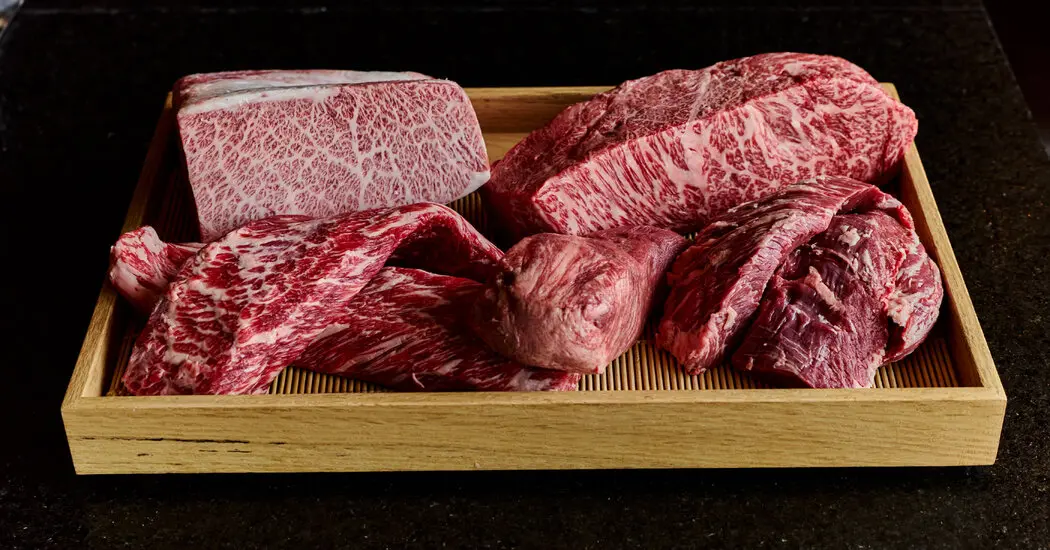
Decades ago, Wagyu referred exclusively to mind-bendingly fatty (and mind-bendingly expensive) beef imported from Japan. If you could find it in the United States, it was at high-end butcher shops or luxurious restaurants that served it in opulent little bites, the meat so evenly marbled and with such an impossible amount of buttery, sweet-tasting fat, it melted in the warmth of your mouth.
Now, what Wagyu means in the United States has expanded and includes American and Australian beef from part-Japanese cattle. The word alone, hyping up something on a menu, can mean many things — as anyone who has felt scammed, or at least bewildered, by Wagyu already knows.
I keep thinking we’ve reached peak Wagyu, only to be proven wrong, again and again (even Costco carries it). At a time when the American cattle herd is at its smallest since the 1950s and beef prices are at record highs, Wagyu is seemingly everywhere. But it’s not always clear to diners what they’re paying for.
In the 1970s, Japan exported some of its prized Wagyu cattle, bred for their capacity to produce meat with lots of intramuscular fat, which had a lower melting point. By the late ’90s, when Japanese officials realized that might threaten their control of the market, they banned the export of Wagyu genetic material and wrote a definition of their national treasure into law: beef from four cattle breeds, born and raised in Japan.
It was a little too late.
Wagyu was taking off, trickling down from fine dining into the mainstream, materializing in burgers and pizzas, kebabs and barbecue, hot pots and shabu shabu. Exorbitant bumps of Japanese Wagyu might seem endless, but a good deal of the Wagyu on our menus is either domestic or Australian, particularly the colossal statement steaks that require a bit more structure and muscle.
The terms Parmigiano-Reggiano and Champagne have long been protected and regulated as regional products made through distinct processes, and that might have been the path at one point for Wagyu. Instead, it grew with less persnickety oversight in the United States, and now competing forces are trying to reestablish it as a luxury, codify what it means and control a booming market.
Last September, the American Wagyu Association rolled out a new program, certified by the U.S. Department of Agriculture, to label “Authentic Wagyu” by verifying levels of fat-marbling that go beyond the basic U.S.D.A. Prime grade and by tracing the cattle’s bloodline to Japanese Wagyu.
Sheila Patinkin, who runs Vermont Wagyu, a ranch of about 500 cattle in Springfield and once served as president of the American Wagyu Association, was one of the first to apply for the new label. She hopes it sets a bar for trust and quality in the United States.
“We’re getting marbling that is approaching Japanese marbling,” she said of the highest quality American Wagyu. “But this is the point: We’re not the same product as Japanese Wagyu. American Wagyu has developed in its own right.”
At the same time, Japan is trying to win back some of the ground it lost. I spoke with Nan Sato, a lawyer specializing in international law and the founder of Wagyu Sommelier, a company that promotes Japanese Wagyu. Ms. Sato recently collaborated with the Institute of Culinary Education on several days of workshops for chefs and other food professionals.
Her aim is to teach more chefs how to butcher, store and cook Japanese Wagyu, particularly those working outside Japanese culinary traditions, so they can order half an animal and cook every part of it — not just the big-time cuts you see at steakhouses.
“With Wagyu, every cut can be eaten as a steak,” she said, as opposed to braised for long periods of time, or ground. “But there’s a bias against these lower cuts, and we have to work against that.”
A5 has become shorthand for the finest Japanese Wagyu, but Ms. Sato noted that the Japanese grading system wasn’t really made for consumers. That letter grade, from A to C, has nothing to do with what a diner might experience at the table, but indicates how much usable meat the whole animal yields, while the number grade, from 1 to 5, rates a combination of marbling, meat color and fat color.
Ms. Sato wants to develop a new system that also considers taste, then highlights the differences among Japan’s small producers. Kobe beef was an early breakout star from the world of Wagyu, but there are hundreds of lesser-known producers that Ms. Sato believes could gain brand-name recognition, too — and potentially be trademarked.
For now, at the market’s highest end and lowest low, in grocery stores and in kitchens, there are so many scams at play — mislabeled meat, fraudulent paperwork, ridiculously long long-term freezing, sketchy all-you-can-eat meals, even cheap beef treated with fat injections to simulate the visual effect of marbling. What are we chasing, exactly?
People in the meat business used to say this about Wagyu: that if it seems like a deal, you probably shouldn’t trust it. But some restaurants manage to keep prices down by putting a mix of American, Australian and Japanese Wagyu on their menus and focusing on those less-prized secondary cuts.
The other night in Torrance, I met my brother for a quick dinner at Wagyu Butcher, a casual yakiniku outpost from Osaka where a $50 set meal calls mostly on small pieces of American Wagyu — tongue, chuck roll, hanging tender, short rib, intestine — grilled at the bar.
A piece of Japanese A5 Wagyu arrived at the end, as a treat. Kaku Serada had been carving beef all evening at the counter in front of us, and this piece came from the shoulder, sliced into a neat, perfectly even sheet, as if for sukiyaki. When the server dragged it gently over the grill and flipped it, the fat caught fire, just for a second. Then he dropped the shimmering meat into a little bowl of seasoned whipped cream and rushed off to pour some beer.
This bite was unlike any of the others, and announced itself instantly — the satiny fat on fat, the way it almost dissolved, delivering so much unctuousness with such a light touch, making my teeth feel pretty much superfluous. It tasted, faintly, of caramel. It was absurd.
And one piece was plenty. It was more than enough.
Tejal Rao, our chief critic based in Los Angeles, writes starred reviews of restaurants nationwide. Ligaya Mishan, our chief critic based in New York City, writes starred reviews of restaurants in New York and beyond. Briefer starred reviews of New York restaurants are written by our contributing critics Mahira Rivers and Ryan Sutton, and first appear weekly in the Where to Eat
Tejal Rao is a chief restaurant critic for The Times.