폰더라이엔 EU 의원들에게 이란 전쟁의 영향에 대해 설명 – 유럽 라이브
Von der Leyen to brief EU lawmakers on impact of Iran war – Europe live
중동 문제에 대해 폰더라이엔은 EU가 "이란과 레바논의 휴전이 유지되기를 원하며" "외교적 수단을 통해 평화와 안정을 재구축할" 긴급한 필요가 있다고 말했다.
하지만 그녀는 "이 분쟁의 결과가 수개월 심지어 수년에 걸쳐 계속될 수 있다"고 경고했다.
폰더라이엔 위원장은 우크라이나를 위한 900억 유로 차입금에 대해 업데이트를 제공하며 언급을 시작했다. EU가 항상 차입금을 "어떻게든" 제공하겠다고 주장했으며, 헝가리가 거부권을 철회했으므로 이제 완료되었다고 말했다. 첫 번째 지원금 450억 유로는 "이 분기에" 지급될 것이라고 한다.
"우리의 메시지는 명확합니다: 우리는 용감한 우크라이나 국민과 그들의 군대에 대한 지원을 계속할 것입니다."
그녀는 또한 "러시아가 침략을 배가시키는 동안 유럽은 우크라이나에 대한 지원을 배가시킨다"고 반복했다.
"모든 회원국은 서로 다른 에너지 구성을 가지고 있으므로" 단일한 EU 해결책은 작동하지 않을 것이라고 폰더라이엔은 말했다.
하지만 그녀는 공동 조달뿐만 아니라 연료 비축에 대해서도 더 많은 조율을 촉구하며, "특히 시장이 팽팽한 항공유와 디젤유에서" 그러하다고 말했다.
"전기로의 전환을 위해 이를 활용하자 – 운송뿐만 아니라 산업과 난방에서도. 이것은 단지 경제성과 경쟁력의 문제가 아닙니다; 이것은 또한 경제 안보의 문제입니다. 따라서 유럽의 독립성에 대해 말하자면, 지금이 유럽을 전기화할 때입니다."
"4년 내 두 번째 에너지 위기이며, 교훈은 매우 명확해야 합니다. 수입 화석 연료에 대한 과도한 의존은 우리를 취약하게 만듭니다. … 우리는 수입 화석 연료에 대한 과도한 의존을 줄이고 재생 에너지에서 핵에 이르기까지 기술 중립성을 완전히 존중하면서 자체 생산의, 저렴하고 깨끗한 에너지 공급을 늘려야 합니다."
오늘 늦게, 폰더라이엔은 헝가리의 차기 총리 페터 마자르를 맞이할 것이며, 그는 주요 분야의 가속화된 개혁에 대한 정치적 합의와 수십억 유로의 EU 자금 동결 해제를 맞교환하려는 자신의 입찰을 계속하고 있다.
5월 9일에만 공식적으로 취임할 마자르는 서두르는 사람이며, 약 100억 유로의 EU 자금의 미래는 8월 전에 결정되어야 한다. 부다페스트에서 여름이 바쁠 것으로 예상된다.
claude-haiku-4-5-20251001
835 tokens
$0.00244
5.1s
claude-haiku-4-5-20251001
3,002 tokens
$0.00728
13.6s
Commission president later due to meet new Hungarian leader who is seeking to unlock EU funds in return for reformsVon der Leyen says that “every member state has a different energy mix,” so no blanket EU solution would work.But she calls for more coordination not just on common procurement, but also on fuel reserves, “especially jet fuel and diesel, where markets are tightening.”“ Let us use this to make the switch to electricity – not just in transport, but also in industry and heating. This is not only a matter of affordability and competitiveness; this is also a matter of economic security. Thus, speaking of European independence, this is the moment to electrify Europe.”“This is the second energy crisis within four years, and the lesson should be very clear. Our overdependency on imported fossil fuels makes us vulnerable. … We must reduce our overdependency on imported fossil fuels and boost our home-grown, affordable, clean energy supply. From renewables to nuclear, in full respect of technology neutrality.”
On the Middle East, von der Leyen says that the EU “want the ceasefires in Iran and Lebanon to hold,” with urgent need to “re-establish peace and stability through diplomatic means.”But she warns that “the consequences of this conflict may echo for months or even years to come.”
“This is the second energy crisis within four years, and the lesson should be very clear. Our overdependency on imported fossil fuels makes us vulnerable. … We must reduce our overdependency on imported fossil fuels and boost our home-grown, affordable, clean energy supply. From renewables to nuclear, in full respect of technology neutrality.”
Von der Leyen says that “every member state has a different energy mix,” so no blanket EU solution would work.
But she calls for more coordination not just on common procurement, but also on fuel reserves, “especially jet fuel and diesel, where markets are tightening.”
She adds that the EU needs to “protect consumers and businesses,” but targeting “the most vulnerable households and industries only.”
Von der Leyen says that previously too much money was spent on “untargeted” interventions, and this needs to change.
She says the EU needs to “reduce energy demand by modernising systemic energy use,” with grid reforms,
“ Let us use this to make the switch to electricity – not just in transport, but also in industry and heating. This is not only a matter of affordability and competitiveness; this is also a matter of economic security. Thus, speaking of European independence, this is the moment to electrify Europe.”
On the Middle East, von der Leyen says that the EU “want the ceasefires in Iran and Lebanon to hold,” with urgent need to “re-establish peace and stability through diplomatic means.”
But she warns that “the consequences of this conflict may echo for months or even years to come.”
“This is the second energy crisis within four years, and the lesson should be very clear. Our overdependency on imported fossil fuels makes us vulnerable. … We must reduce our overdependency on imported fossil fuels and boost our home-grown, affordable, clean energy supply. From renewables to nuclear, in full respect of technology neutrality.”
Commission president von der Leyen is speaking now and begins with an update on the €90bn loan for Ukraine.
She says the EU always insisted it would deliver the loan “one way or the other,” and it’s now done as Hungary has dropped its veto.
The first tranche of €45bn will be paid out “this quarter,” she says.
“Our message is clear: we will continue our support to the brave Ukrainian people and their armed forces.”
She also repeats that “while Russia doubles down on its aggression, Europe doubles down on our support to Ukraine.”
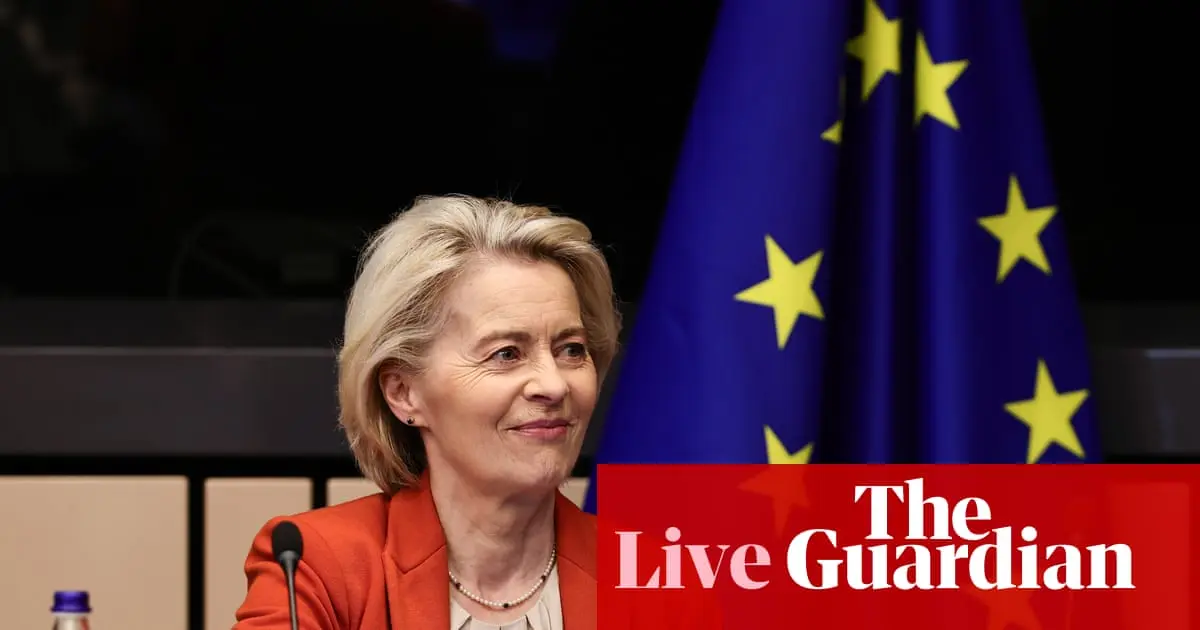
European Commission president Ursula von der Leyen is set to brief EU lawmakers on the bloc’s view of the Iran war and the likely impact on the European economies.
Her assessment will probably strike a tricky balance as she wants to reassure them that everything is in hand, while making it also clear that things may get tricky further down the line.
Only last week, the commission talked about a number of measures it had at its disposal to soften the blow, and sought to assure Europeans that their holidays are not (yet) at risk.
I will bring you all the key lines from her speech here.
Later today, von der Leyen will welcome Hungary’s incoming prime minister Péter Magyar as he continues his bid to get a political agreement with the EU on accelerated reforms in key areas in exchange for unfreezing billions of euros in EU funds.
Magyar, who will only formally take the job on 9 May, is a man in hurry as the future of some €10bn of EU funds need to be decided before August. It’s going to be a busy summer in Budapest. If you’re a Tisza MP, I wouldn’t book your holidays.
It’s Wednesday, 29 April 2026, it’s Jakub Krupa here, and this is Europe Live.