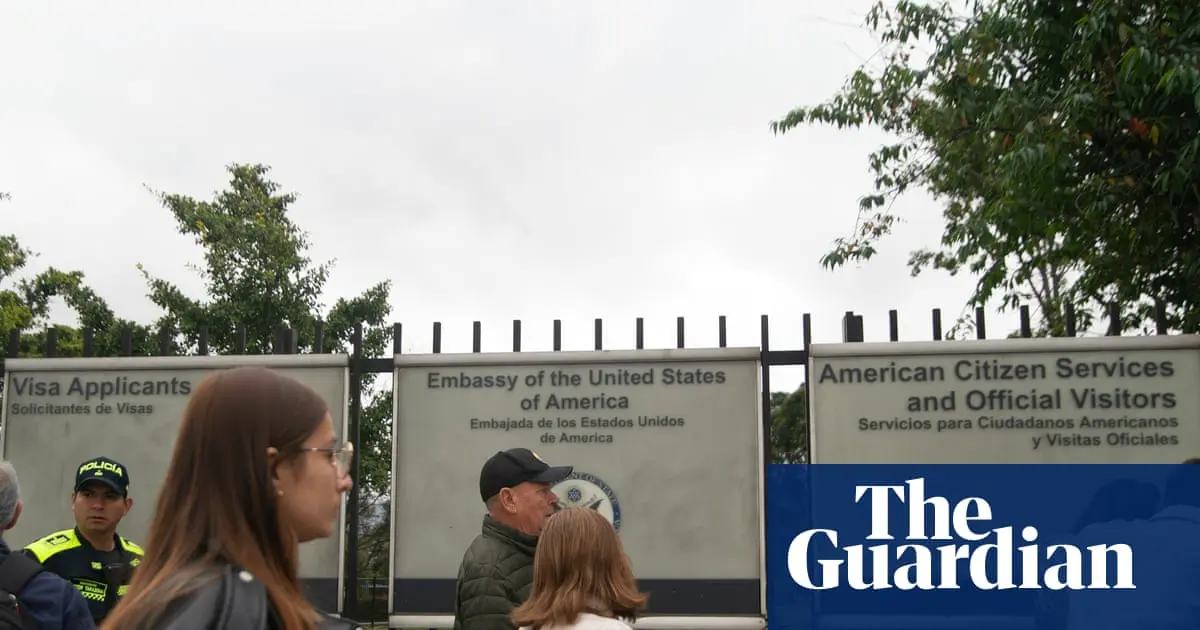
미국, 비자 신청자에게 귀국 불안감 부인 강요... 거부 시 비자 거절 위험
US tells visa applicants to deny fear of return or risk visa refusal
가디언지가 입수한 국무부 공문은 전 세계의 모든 미국 대사관과 영사관의 담당자들에게 신청자들에게 귀국 시 학대나 부당한 대우를 받을 것 같은 우려가 없음을 확인하도록 절차를 수정하도록 지시하고 있으며, 이는 면접을 계속 진행하기 위한 전제 조건이다.
두 가지 새로운 질문은 다음과 같다: "귀하는 국적국 또는 최후 거주국에서 피해나 학대를 경험하셨습니까?"와 "귀국 시 피해나 학대를 받을 것을 우려하십니까?"
이 지침은 국무부가 주장하는 비자 신청 과정에서 자신을 거짓으로 표현하는 사람들을 줄이기 위해 고안된 것이라고 밝혔다.
"미국에서 난민 지위를 주장하는 외국인의 수가 많다는 것은 많은 외국인들이 비자 신청 과정과 미국 입국항에서 영사관 담당자에게 이러한 의도를 거짓으로 표현하고 있으며, 현재 지침에 따라 비자 신청자로부터 수집한 정보는 귀국 시 피해나 학대를 우려하는 신청자들을 파악하기에 부족하다"는 내용의 지침이 나왔다.
이 공문은 처음으로 워싱턴 포스트에 의해 보도되었다. 이는 연방 항소 법원이 남부 국경에서의 "침략"을 이유로 망명 신청자들을 제한하려는 도널드 트럼프의 주장이 위법이라고 판결한 이후에 나온 것이며, 이 판결은 실질적으로 해외에서 박해를 피해 도망치는 이민자들에게 미국을 다시 개방하게 되었다.
국무부는 2024 회계연도에 약 1,100만 건의 비이민 비자를 발급했으며, 2025년의 최신 데이터는 아직 처리 중이다. 이 범주는 휴가객, 대학생, H-1B 기술 노동자, 계절 농장 노동자, 비즈니스 임원 등 모든 사람들을 포함한다.
미국 법률 및 1951년 난민협약에 따르면, 난민 지위 신청의 권리는 입국 방식이나 영사관 담당자에게 말한 내용에 따라 조건이 부여되지 않는다.
그러나 화요일의 정책은 박해 피해자, 가정 폭력 피해 생존자, 사망 위협을 받은 기자, 또는 박해받는 종교 소수자 등을 실제 여행 목적이 정당한지 여부와 관계없이 미국 땅에 도달하기 전에 걸러낼 수 있는 심사 메커니즘을 만든다.
또한 위증의 위험도 있다. 귀국을 올바르게 우려하지만 비자를 얻기 위해 "아니오"라고 답한 신청자는 연방 담당자에게 중대한 거짓 표현을 한 것으로, 이는 미국으로부터의 영구 입국 금지를 초래하는 범죄이다.
이 지침은 2025년 1월 첫 재임 날에 트럼프가 서명한 행정 명령 14161을 인용하고 있다. 이 명령은 잠재적 보안 위협으로 간주되는 개인의 입국을 방지하기 위해 이민 심사 및 심사를 강화하도록 연방 기관에 지시했다.
이것이 명령한 검토는 2025년 6월 12개국 국민의 입국을 완전히 중단하고 7개국에 부분적 제한을 부과하는 백악관 포고령으로 이어졌다.
미국은 지난해 3월에 학생 비자 신청자의 심사를 확대하도록 영사관에 지시하는 별도의 지침을 발표했는데, 이는 소셜 미디어 심사를 포함하며 "테러 활동"에 종사한다고 판단되는 사람들을 배제하기 위한 것이었으며, 많은 사람들이 이것이 팔레스타인 지지를 의미한다고 해석했다.
이 공문은 또한 국무부 내부 시스템에 보관된 기밀 운영 지침을 교차 참조하고 있으며, 이는 새 정책의 전체 범위가 부서 외부에서는 알려지지 않았음을 의미한다.
국무부는 논평 요청에 즉시 응하지 않았다.
claude-haiku-4-5-20251001
526 tokens
$0.00144
3.3s
claude-haiku-4-5-20251001
3,226 tokens
$0.00890
17.9s
Refusal or silence would increase denial risk under new US guidance requiring applicants to confirm no fear of returnApplicants seeking a temporary visa to the United States must now tell a consular officer that they have not experienced harm and do not fear returning to their home country, according to new guidance issued from the state department. If they answer yes or decline to respond to either question, the chance they will be denied will skyrocket.The Guardian obtained a state department cable which instructs officers at every US embassy and consulate globally to amend their process and ask applicants to affirm they do not fear mistreatment if they return home as a prerequisite for the interview to continue.
Applicants seeking a temporary visa to the United States must now tell a consular officer that they have not experienced harm and do not fear returning to their home country, according to new guidance issued from the state department. If they answer yes or decline to respond to either question, the chance they will be denied will skyrocket.The Guardian obtained a state department cable which instructs officers at every US embassy and consulate globally to amend their process and ask applicants to affirm they do not fear mistreatment if they return home as a prerequisite for the interview to continue.
The two new questions are: “Have you experienced harm or mistreatment in your country of nationality or last habitual residence?” and “Do you fear harm or mistreatment in returning to your country of nationality?”.
The directive claims that the new process is designed to cut down on what the department claims are people misrepresenting themselves during the visa process.
“The high number of aliens claiming asylum in the United States indicates that many aliens misrepresent this intention to consular officers in the visa application process and at US ports of entry,” the directive reads, “and that information collected from visa applicants under current guidance is inadequate to identify those applicants who fear harm or mistreatment in returning to their home country.”
The cable was first reported by the Washington Post. It comes after a federal appeals court ruled that Donald Trump’s invocation of an “invasion” at the southern border to curtail asylum seekers was unlawful, a decision that effectively reopens the United States to migrants fleeing persecution abroad.
The state department issued nearly 11m non-immigrant visas in fiscal year 2024, and the latest data for 2025 is still being processed. The category covers everyone from people on vacation and university students to H-1B tech workers, seasonal farmhands and business executives.
Under both US law and the 1951 Refugee Convention, the right to seek asylum is not conditional on how someone enters the country or what they told a visa officer.
But Tuesday’s policy creates a screening mechanism that would filter out victims of persecution, including domestic abuse survivors, journalists who have received death threats or members of a persecuted religious minority, before they ever reach US soil, regardless of whether their stated purpose of travel is legitimate.
There is also a risk of perjury. An applicant who correctly fears return but answers “no” to obtain a visa has made a material misrepresentation to a federal officer, which is a crime that carries a permanent bar from the United States.
The directive cites executive order 14161, signed by Trump on his first day in office in January 2025. The order directed federal agencies to enhance immigration screening and vetting to prevent entry of individuals deemed potential security threats.
A review it mandated led to a White House proclamation in June 2025 suspending entry entirely for nationals of 12 countries and imposing partial restrictions on seven more.
The US issued a separate directive in March of last year ordering consular offices to expand screening of student visa applicants – including social media vetting – to bar those they deem of engaging in “terrorist activity”, which many took to mean supporting Palestine.
The cable also cross-references classified operational guidance held on internal state department systems, meaning the full scope of the new policy remains unknown outside the department.
The state department did not immediately respond to a request for comment.