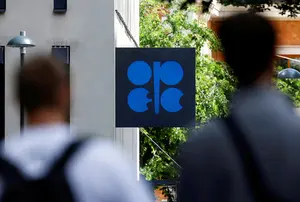
아랍에미리트, OPEC 탈퇴로 석유 카르텔에 타격
United Arab Emirates will leave OPEC in a blow to oil cartel
The Korea Herald
· 🇰🇷 Seoul, KR
AP
EN
2026-04-29 10:56
Translated
아랍에미리트가 5월 1일부터 OPEC 탈퇴를 발표했으며, 이는 석유 카르텔의 3대 생산국을 잃게 되어 글로벌 석유 공급과 가격에 대한 영향력을 약화시킬 것으로 보임
두바이, 아랍에미리트 (AP) — 아랍에미리트는 화요일 5월 1일부터 OPEC을 탈퇴할 것이라고 발표했으며, 이는 석유 카르텔에서 3위 규모의 생산국을 빼앗아 글로벌 석유 공급과 가격에 대한 영향력을 더욱 약화시킨다.
아랍에미리트의 탈퇴 결정은 오랫동안 가능성으로 거론되어왔다. 아랍에미리트는 최근 몇 년간 너무 낮다고 생각한 OPEC 생산 할당량에 반발해왔는데, 이는 세계에 더 많은 석유를 판매하고 싶었기 때문이다.
캐피탈 이코노믹스는 분석에서 "최근 몇 년간 에너지 생산 능력 확대에 대규모 투자한 결과, 더 큰 그림은 아랍에미리트가 더 많은 석유를 채굴하고 싶어 했다"고 썼다. "특히 카타르가 2019년 카르텔에서 탈퇴한 이후 OPEC 회원국들을 묶어주는 유대가 느슨해졌다"고 덧붙였다.
지역 정치도 작용하고 있을 가능성이 높다. 아랍에미리트는 OPEC 최대 생산국인 사우디아라비아와 중동의 정치 및 경제 문제를 둘러싸고 관계가 점점 차가워졌으며, 동료 OPEC 회원국 이란의 전쟁 중 공격을 받은 이후에도 마찬가지다.
OPEC에서의 아랍에미리트 탈퇴가 시장에 즉각적인 영향을 미칠 필요는 없다. 이는 이란과의 전쟁으로 인해 세계 석유 공급이 급격히 제약되고 있기 때문이다. 이는 호르무즈 해협(세계 석유 공급의 5분의 1, 아랍에미리트 석유의 상당 부분이 운송되는 수로)을 폐쇄했다. 화요일 국제 벤치마크인 브렌트유는 배럴당 111달러 이상, 즉 전쟁 전 가격보다 50% 이상 높게 거래되었다.
OPEC은 세계 석유 생산의 약 40%를 차지하지만, 미국이 생산을 증가시키면서 최근 몇 년간 시장 영향력이 약화되고 있다. 사우디아라비아는 전쟁 전 하루에 1,000만 배럴 이상을 생산했지만, 미국은 하루에 1,300만 배럴 이상을 생산한다.
도널드 트럼프 미국 대통령은 그의 두 임기 동안 카르텔에 대한 꾸준한 비판자였다.
1967년 아부다비 토후국을 통해 OPEC에 가입한 아랍에미리트는 2월 28일 미국-이스라엘 이란 전쟁이 시작되기 직전에 하루에 약 340만 배럴의 원유를 생산하고 있었다. 분석가들은 하루에 약 500만 배럴을 생산할 수 있는 능력을 가지고 있다고 말한다.
화요일 국영 WAM 뉴스 통신을 통해 발표한 성명에서 아랍에미리트는 러시아가 석유 가격 안정화를 시도하기 위해 주도했던 더 광범위한 OPEC+ 그룹도 탈퇴할 것이라고 밝혔다.
아랍에미리트는 "이 결정은 국내 에너지 생산에 대한 가속화된 투자를 포함한 아랍에미리트의 장기적 전략 및 경제 비전과 진화하는 에너지 프로필을 반영한다"며 "수요와 시장 상황에 맞춰 단계적이고 신중한 방식으로 추가 생산을 시장에 가져올 것"이라고 덧붙였다.
아랍에미리트의 탈퇴는 생산을 빠르게 증가시킬 수 있는 능력을 가진 OPEC의 소수 회원국 중 하나를 제거한다고 Rystad Energy의 지정학적 분석 담당자인 Jorge Leon은 말했다.
"구조적으로 약해진 OPEC은 그룹 내에 집중된 여유 생산 능력이 적어 공급을 조정하고 가격을 안정화하기가 점점 어려워질 것"이라고 그는 말했다.
사우디아라비아와 아랍에미리트는 특히 홍해 지역에서 경제 문제와 지역 정치를 놓고 경쟁이 심해지고 있다. 두 국가는 2015년 예멘의 이란 지원 후티 반군에 맞서 공동으로 싸웠다. 그러나 그 연합은 12월 말 사우디아라비아가 아랍에미리트가 지원하는 예멘 분리주의자들을 위해 운송되는 무기 화물이라고 설명한 것을 폭격했을 때 비난으로 변했다.
최근 몇 달간 긴장이 고조되면서 오랫동안 아랍에미리트의 경제 중심지인 두바이에 기반을 두었던 사우디 방송국들이 왕국으로 철수했다.
Columbia University의 Global Energy Policy Center의 선임 연구원인 Karen Young은 "OPEC 탈퇴는 중국과의 미래 관계를 포함한 주요 에너지 소비자들과의 유연성에 대한 아랍에미리트의 필요성과 사우디아라비아와의 더 경쟁적인 관계를 반영한다"고 말했다.
사우디아라비아와 OPEC은 즉각적인 반응이 없었지만, 아랍에미리트 에너지 장관 Suhail al-Mazrouei는 자신의 국가 결정이 걸프만 이웃과의 분쟁에서 비롯되지 않았다고 주장했다.
"우리는 수년 동안 함께 일해왔다. 우리는 OPEC을 주도한 사우디인들에 대해 최고의 존경을 가지고 있다"고 al-Mazrouei는 CNBC에 말했다.
그러나 아랍에미리트는 화요일 사우디 왕세자 무함마드 빈 살만이 주최한 제다의 사우디아라비아에서 개최된 걸프만 아랍 지도자 회담에 자신의 통치자가 아닌 외무장관을 보냈다.
아랍에미리트는 2023년 유엔 COP28 기후 회담을 개최했으며, 이는 거의 200개 국가가 지구 온난화 화석 연료에서 벗어나기로 약속한 최초의 회담으로 끝났다. 그러나 아랍에미리트는 여전히 국내에서 더 많은 청정 에너지를 추구하는 동시에 향후 몇 년간 생산 능력을 증가시킬 계획이며, 이는 기후 활동가들에 의해 비난받고 있다.
미국 내무부 장관 Doug Burgum은 11월 아부다비 석유 회의에서 "전력 수요는 계속 증가할 것이고 계속 증가할 것"이라고 말했다. "오늘은 에너지 전환이 없다는 것을 발표하는 날이다. 에너지 추가만 있을 뿐이다."
그는 아랍에미리트 주최자들로부터 광범위한 박수를 받았다.
아랍에미리트의 탈퇴 결정은 오랫동안 가능성으로 거론되어왔다. 아랍에미리트는 최근 몇 년간 너무 낮다고 생각한 OPEC 생산 할당량에 반발해왔는데, 이는 세계에 더 많은 석유를 판매하고 싶었기 때문이다.
캐피탈 이코노믹스는 분석에서 "최근 몇 년간 에너지 생산 능력 확대에 대규모 투자한 결과, 더 큰 그림은 아랍에미리트가 더 많은 석유를 채굴하고 싶어 했다"고 썼다. "특히 카타르가 2019년 카르텔에서 탈퇴한 이후 OPEC 회원국들을 묶어주는 유대가 느슨해졌다"고 덧붙였다.
지역 정치도 작용하고 있을 가능성이 높다. 아랍에미리트는 OPEC 최대 생산국인 사우디아라비아와 중동의 정치 및 경제 문제를 둘러싸고 관계가 점점 차가워졌으며, 동료 OPEC 회원국 이란의 전쟁 중 공격을 받은 이후에도 마찬가지다.
OPEC에서의 아랍에미리트 탈퇴가 시장에 즉각적인 영향을 미칠 필요는 없다. 이는 이란과의 전쟁으로 인해 세계 석유 공급이 급격히 제약되고 있기 때문이다. 이는 호르무즈 해협(세계 석유 공급의 5분의 1, 아랍에미리트 석유의 상당 부분이 운송되는 수로)을 폐쇄했다. 화요일 국제 벤치마크인 브렌트유는 배럴당 111달러 이상, 즉 전쟁 전 가격보다 50% 이상 높게 거래되었다.
OPEC은 세계 석유 생산의 약 40%를 차지하지만, 미국이 생산을 증가시키면서 최근 몇 년간 시장 영향력이 약화되고 있다. 사우디아라비아는 전쟁 전 하루에 1,000만 배럴 이상을 생산했지만, 미국은 하루에 1,300만 배럴 이상을 생산한다.
도널드 트럼프 미국 대통령은 그의 두 임기 동안 카르텔에 대한 꾸준한 비판자였다.
1967년 아부다비 토후국을 통해 OPEC에 가입한 아랍에미리트는 2월 28일 미국-이스라엘 이란 전쟁이 시작되기 직전에 하루에 약 340만 배럴의 원유를 생산하고 있었다. 분석가들은 하루에 약 500만 배럴을 생산할 수 있는 능력을 가지고 있다고 말한다.
화요일 국영 WAM 뉴스 통신을 통해 발표한 성명에서 아랍에미리트는 러시아가 석유 가격 안정화를 시도하기 위해 주도했던 더 광범위한 OPEC+ 그룹도 탈퇴할 것이라고 밝혔다.
아랍에미리트는 "이 결정은 국내 에너지 생산에 대한 가속화된 투자를 포함한 아랍에미리트의 장기적 전략 및 경제 비전과 진화하는 에너지 프로필을 반영한다"며 "수요와 시장 상황에 맞춰 단계적이고 신중한 방식으로 추가 생산을 시장에 가져올 것"이라고 덧붙였다.
아랍에미리트의 탈퇴는 생산을 빠르게 증가시킬 수 있는 능력을 가진 OPEC의 소수 회원국 중 하나를 제거한다고 Rystad Energy의 지정학적 분석 담당자인 Jorge Leon은 말했다.
"구조적으로 약해진 OPEC은 그룹 내에 집중된 여유 생산 능력이 적어 공급을 조정하고 가격을 안정화하기가 점점 어려워질 것"이라고 그는 말했다.
사우디아라비아와 아랍에미리트는 특히 홍해 지역에서 경제 문제와 지역 정치를 놓고 경쟁이 심해지고 있다. 두 국가는 2015년 예멘의 이란 지원 후티 반군에 맞서 공동으로 싸웠다. 그러나 그 연합은 12월 말 사우디아라비아가 아랍에미리트가 지원하는 예멘 분리주의자들을 위해 운송되는 무기 화물이라고 설명한 것을 폭격했을 때 비난으로 변했다.
최근 몇 달간 긴장이 고조되면서 오랫동안 아랍에미리트의 경제 중심지인 두바이에 기반을 두었던 사우디 방송국들이 왕국으로 철수했다.
Columbia University의 Global Energy Policy Center의 선임 연구원인 Karen Young은 "OPEC 탈퇴는 중국과의 미래 관계를 포함한 주요 에너지 소비자들과의 유연성에 대한 아랍에미리트의 필요성과 사우디아라비아와의 더 경쟁적인 관계를 반영한다"고 말했다.
사우디아라비아와 OPEC은 즉각적인 반응이 없었지만, 아랍에미리트 에너지 장관 Suhail al-Mazrouei는 자신의 국가 결정이 걸프만 이웃과의 분쟁에서 비롯되지 않았다고 주장했다.
"우리는 수년 동안 함께 일해왔다. 우리는 OPEC을 주도한 사우디인들에 대해 최고의 존경을 가지고 있다"고 al-Mazrouei는 CNBC에 말했다.
그러나 아랍에미리트는 화요일 사우디 왕세자 무함마드 빈 살만이 주최한 제다의 사우디아라비아에서 개최된 걸프만 아랍 지도자 회담에 자신의 통치자가 아닌 외무장관을 보냈다.
아랍에미리트는 2023년 유엔 COP28 기후 회담을 개최했으며, 이는 거의 200개 국가가 지구 온난화 화석 연료에서 벗어나기로 약속한 최초의 회담으로 끝났다. 그러나 아랍에미리트는 여전히 국내에서 더 많은 청정 에너지를 추구하는 동시에 향후 몇 년간 생산 능력을 증가시킬 계획이며, 이는 기후 활동가들에 의해 비난받고 있다.
미국 내무부 장관 Doug Burgum은 11월 아부다비 석유 회의에서 "전력 수요는 계속 증가할 것이고 계속 증가할 것"이라고 말했다. "오늘은 에너지 전환이 없다는 것을 발표하는 날이다. 에너지 추가만 있을 뿐이다."
그는 아랍에미리트 주최자들로부터 광범위한 박수를 받았다.
처리 완료
4,554 tokens · $0.0132
기사 수집 완료 · 10:56
매체 피드에서 기사 메타데이터 수집
헤드라인 번역 완료 · 11:06
제목/요약 한국어 번역 (fetch 시점 inline)
claude-haiku-4-5-20251001
103 tokens
$0.00022
1.2s
본문 추출 완료
5,006자 추출 완료
본문 한국어 번역 완료 · 11:06
2,561자 번역 완료
claude-haiku-4-5-20251001
4,451 tokens
$0.01299
25.9s
지정학적 엔티티 추출 완료 · 11:06
8개 엔티티 추출 완료
지정학적 맥락 & R-Scanner
R-Scanner · 평상
z=0.34
일상적인 보도 수준 — 기준: United Arab Emirates
(🇦🇪 AE)
최근 6시간 5건
7일 평균 4.21건 / 6h
4개국 매체
4개 매체
본문에서 추출된 지명 (8)
United Arab Emirates
🇦🇪
Saudi Arabia
🇸🇦
Iran
🇮🇷
United States
🇺🇸
Strait of Hormuz
🇮🇷
Abu Dhabi
🇦🇪
Dubai
🇦🇪
Yemen
🇾🇪
위치 지도
지도 로딩 중…
같은 주제의 다른 기사 (최근 7일)
DUBAI, United Arab Emirates (AP) — The United Arab Emirates said Tuesday it will leave OPEC effective May 1, stripping the oil cartel of its third-largest producer and further weakening its leverage over global oil supplies and prices.
The UAE’s decision had been rumored as a possibility for some time, as it pushed back in recent years against OPEC production quotas it felt had been too low — meaning it wasn’t able to sell as much oil to the world as it had wanted.
“Having invested heavily in expanding energy production capacity in recent years, the bigger picture is that the UAE has been itching to pump more oil,” Capital Economics wrote in an analysis. “The ties binding OPEC members together have loosened,” it said, particularly after Qatar withdrew from the cartel in 2019.
Regional politics are also likely at play. The UAE has had increasingly frosty relations with Saudi Arabia, OPEC’s largest producer, over political and economic matters in the Mideast, even after both came under attack by fellow OPEC member Iran during the war.
The UAE’s withdrawal from OPEC won’t necessarily have any immediate effects in markets. That’s because world oil supplies are sharply constrained by the war in Iran, which has closed off the Strait of Hormuz, a waterway through which one-fifth of global oil supplies — including much of the UAE’s — is transported. On Tuesday, Brent Crude, the international benchmark, traded above $111 a barrel, or more than 50 percent above its prewar price.
OPEC accounts for roughly 40 percent of the world’s oil output, but its market power had been waning in recent years as the United States ramped up production. While Saudi Arabia had been producing more than 10 million barrels of oil a day before the war, the US pumps more than 13 million barrels a day.
US President Donald Trump has been a steady critic of the cartel during his two terms in the White House.
The UAE, which joined OPEC through its emirate of Abu Dhabi in 1967, had been producing around 3.4 million barrels of crude a day just before the US-Israeli war with Iran began on Feb. 28. Analysts say it has capacity to produce roughly 5 million barrels a day.
In its announcement Tuesday, made via its state-run WAM news agency, the UAE said it also would leave the wider OPEC+ group, which Russia had led to try to stabilize oil prices.
“This decision reflects the UAE’s long-term strategic and economic vision and evolving energy profile, including accelerated investment in domestic energy production,” the UAE said, adding that it would bring “additional production to market in a gradual and measured manner, aligned with demand and market conditions.”
The UAE’s withdrawal removes one of OPEC’s few members with the ability to quickly increase production, said Jorge Leon, head of geopolitical analysis at Rystad Energy.
“A structurally weaker OPEC, with less spare capacity concentrated within the group, will find it increasingly difficult to calibrate supply and stabilize prices,” he said.
Saudi Arabia and the UAE increasingly have competed over economic issues and regional politics, particularly in the Red Sea area. The two countries had jointly fought against Yemen’s Iran-backed Houthi rebels in 2015. However, that coalition broke down into recriminations in late December, when Saudi Arabia bombed what it described as a weapons shipment bound for Yemeni separatists backed by the UAE.
As tensions rose in recent months, Saudi broadcasters long based in Dubai, the economic hub of the UAE, have pulled back to the kingdom.
“This exit of OPEC fits into the UAE need for flexibility with key energy consumers as well -- including a future relationship with China and a more competitive relationship with Saudi Arabia,” said Karen Young, a senior research scholar at Columbia University’s Center on Global Energy Policy.
While Saudi Arabia and OPEC had no immediate reaction, Emirati Energy Minister Suhail al-Mazrouei insisted his country’s decision did not stem from any dispute with its Gulf neighbor.
“We’ve been working together for years and years. We have the highest respect for the Saudis for leading OPEC,” al-Mazrouei told CNBC.
However, the UAE sent its foreign minister rather than its ruler to a Gulf Arab leaders’ meeting held Tuesday in Jeddah, Saudi Arabia, hosted by Saudi Crown Prince Mohammed bin Salman.
The UAE hosted the United Nations COP28 climate talks in 2023, a conference that ended for the first time with a pledge by nearly 200 countries to move away from planet-warming fossil fuels. But the UAE still plans to increase its production capacity in the coming years, even as it pursues more clean energy at home, a move decried by climate activists.
“The demand for power is going to go up and up and up,” US Interior Secretary Doug Burgum told an Abu Dhabi oil conference in November. “Today’s the day to announce that there is no energy transition. There is only energy addition.”
He drew widespread applause from his Emirati hosts.
The UAE’s decision had been rumored as a possibility for some time, as it pushed back in recent years against OPEC production quotas it felt had been too low — meaning it wasn’t able to sell as much oil to the world as it had wanted.
“Having invested heavily in expanding energy production capacity in recent years, the bigger picture is that the UAE has been itching to pump more oil,” Capital Economics wrote in an analysis. “The ties binding OPEC members together have loosened,” it said, particularly after Qatar withdrew from the cartel in 2019.
Regional politics are also likely at play. The UAE has had increasingly frosty relations with Saudi Arabia, OPEC’s largest producer, over political and economic matters in the Mideast, even after both came under attack by fellow OPEC member Iran during the war.
The UAE’s withdrawal from OPEC won’t necessarily have any immediate effects in markets. That’s because world oil supplies are sharply constrained by the war in Iran, which has closed off the Strait of Hormuz, a waterway through which one-fifth of global oil supplies — including much of the UAE’s — is transported. On Tuesday, Brent Crude, the international benchmark, traded above $111 a barrel, or more than 50 percent above its prewar price.
OPEC accounts for roughly 40 percent of the world’s oil output, but its market power had been waning in recent years as the United States ramped up production. While Saudi Arabia had been producing more than 10 million barrels of oil a day before the war, the US pumps more than 13 million barrels a day.
US President Donald Trump has been a steady critic of the cartel during his two terms in the White House.
The UAE, which joined OPEC through its emirate of Abu Dhabi in 1967, had been producing around 3.4 million barrels of crude a day just before the US-Israeli war with Iran began on Feb. 28. Analysts say it has capacity to produce roughly 5 million barrels a day.
In its announcement Tuesday, made via its state-run WAM news agency, the UAE said it also would leave the wider OPEC+ group, which Russia had led to try to stabilize oil prices.
“This decision reflects the UAE’s long-term strategic and economic vision and evolving energy profile, including accelerated investment in domestic energy production,” the UAE said, adding that it would bring “additional production to market in a gradual and measured manner, aligned with demand and market conditions.”
The UAE’s withdrawal removes one of OPEC’s few members with the ability to quickly increase production, said Jorge Leon, head of geopolitical analysis at Rystad Energy.
“A structurally weaker OPEC, with less spare capacity concentrated within the group, will find it increasingly difficult to calibrate supply and stabilize prices,” he said.
Saudi Arabia and the UAE increasingly have competed over economic issues and regional politics, particularly in the Red Sea area. The two countries had jointly fought against Yemen’s Iran-backed Houthi rebels in 2015. However, that coalition broke down into recriminations in late December, when Saudi Arabia bombed what it described as a weapons shipment bound for Yemeni separatists backed by the UAE.
As tensions rose in recent months, Saudi broadcasters long based in Dubai, the economic hub of the UAE, have pulled back to the kingdom.
“This exit of OPEC fits into the UAE need for flexibility with key energy consumers as well -- including a future relationship with China and a more competitive relationship with Saudi Arabia,” said Karen Young, a senior research scholar at Columbia University’s Center on Global Energy Policy.
While Saudi Arabia and OPEC had no immediate reaction, Emirati Energy Minister Suhail al-Mazrouei insisted his country’s decision did not stem from any dispute with its Gulf neighbor.
“We’ve been working together for years and years. We have the highest respect for the Saudis for leading OPEC,” al-Mazrouei told CNBC.
However, the UAE sent its foreign minister rather than its ruler to a Gulf Arab leaders’ meeting held Tuesday in Jeddah, Saudi Arabia, hosted by Saudi Crown Prince Mohammed bin Salman.
The UAE hosted the United Nations COP28 climate talks in 2023, a conference that ended for the first time with a pledge by nearly 200 countries to move away from planet-warming fossil fuels. But the UAE still plans to increase its production capacity in the coming years, even as it pursues more clean energy at home, a move decried by climate activists.
“The demand for power is going to go up and up and up,” US Interior Secretary Doug Burgum told an Abu Dhabi oil conference in November. “Today’s the day to announce that there is no energy transition. There is only energy addition.”
He drew widespread applause from his Emirati hosts.