트럼프, 캐나다-미국 대규모 신규 석유 파이프라인 승인
Trump gives go-ahead to major new Canada-US oil pipeline
Associated Press
· 🇺🇸 New York, US
https://apnews.com/author/mead-gruver
EN
2026-05-01 10:55
Translated
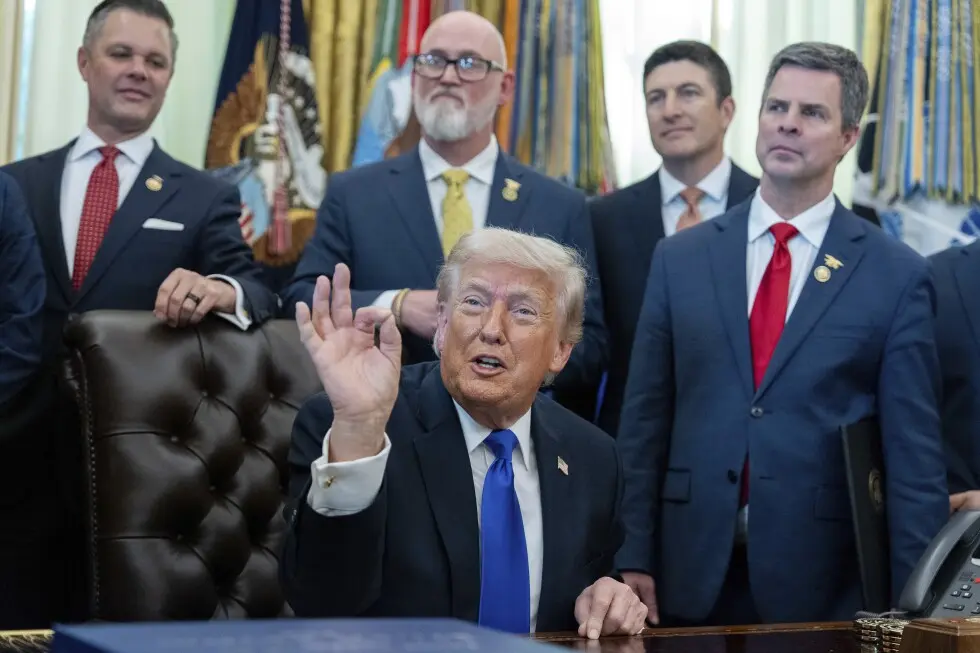
도널드 트럼프 대통령이 2026년 4월 30일 목요일 워싱턴 백악관 오벌 오피스에서 연설하고 있다. (AP 사진/Alex Brandon)
포트 콜린스, 콜로라도 (AP) — 도널드 트럼프 대통령은 목요일 바이든 행정부가 막은 논쟁의 여지가 있는 프로젝트와의 유사성으로 인해 "키스톤 라이트"라고 불리는 캐나다에서 미국으로 들어오는 대규모 신규 석유 파이프라인에 대한 핵심 승인을 부여했다.
폭 3피트(1미터)의 브리저 파이프라인 확장은 캐나다에서 몬태나와 와이오밍을 통해 하루에 최대 550,000배럴(87,400입방미터)의 석유를 운반하며, 그곳에서 다른 파이프라인과 연결된다.
파이프라인은 건설이 필요하기 전에 추가적인 주 및 연방 환경 승인이 필요하며, 회사 관계자들은 내년에 건설을 시작할 것으로 예상하고 있다. 환경운동가들은 파이프라인이 파손되어 유출될 수 있다는 우려로 인해 이 프로젝트를 중단시키기를 희망한다.
최대 용량에서 650마일(1,050킬로미터)의 파이프라인은 조 바이든 대통령이 2021년 취임 당일 기후변화를 이유로 허가를 취소하기 전에 부분적으로 건설된 더 잘 알려진 키스톤 XL 파이프라인보다 2분의 1 정도의 석유를 운반할 것이다.
"지난 행정부와는 약간 다릅니다. 그들은 파이프라인 거래에 서명하지 않았습니다. 그리고 우리는 파이프라인이 증가하고 있습니다"라고 트럼프는 새스카추완과 노스이스턴 몬태나 사이의 국경을 통과하는 것을 승인한 후 말했다.
트럼프는 첫 번째 임기에 기원 미국 부족들의 가능한 유출에 대한 우려와 화석 연료가 기후 변화에 미치는 영향에 대한 우려에도 불구하고 2020년 키스톤 XL 프로젝트를 승인했다. 바이든의 취소로 알버타가 프로젝트에 10억 달러 이상을 투자한 후 총리 저스틴 트뤼도를 포함한 캐나다 관계자들이 실망했다.
때때로 "키스톤 라이트"라고 불리는 브리저 파이프라인 확장은 어떤 미국 원주민 보호 구역도 통과하지 않을 것이다.
70% 이상은 기존 파이프라인 복도 내에서 건설되고 80%는 개인 소유지에 건설될 것이라고 브리저 파이프라인 LLC가 성명에서 밝혔다. 이 라인은 캐나다의 유래 유전 지역을 포함한 다양한 등급의 원유를 미국에서 수출하거나 정유하기 위해 운반할 것이라고 회사 대변인 빌 살빈이 말했다.
트럼프의 허가는 휘발유, 등유, 디젤 및 액화 석유 가스를 포함한 기타 석유 제품도 승인한다. 살빈은 그러한 연료를 포함시키면 회사의 선택지를 유지하지만 현재는 원유에 중점을 두고 있다고 말했다.
브리저 파이프라인은 트럼프가 퇴임하기 전에 프로젝트를 완료할 수 있다면 향후 행정부의 반전을 피할 수 있다. 브리저 대변인 빌 살빈은 2027년 가을에 건설을 시작하고 2028년 말 또는 2029년 초에 완료할 계획이라고 말했다.
브리저 파이프라인과 True Company의 다른 자회사들은 2015년 옐로스톤 강으로 유출되어 몬태나 도시의 음용수 공급을 오염시킨 50,000갤런(240,000리터) 이상의 원유를 포함한 여러 주요 파이프라인 사고를 일으켰으며, 2022년 와이오밍에서 45,000갤런의 디젤 유출, 그리고 북다코타에서 600,000갤런(270만 리터) 이상의 원유를 방출하여 리틀 미주리 강과 그 지류를 오염시킨 2016년 유출이 있었다.
True의 자회사들은 노스다코타와 몬태나 유출에 대한 연방 소송을 합의하기 위해 1,250만 달러의 민사 벌금을 지불하기로 동의했다.
살빈은 브리저 파이프라인이 옐로스톤 유출 이후 몇 년 동안 문제가 있을 때 더 빨리 알림을 받을 수 있는 AI 기반 누출 감지 시스템을 개발했다고 말했다. 또한 옐로스톤 강과 미주리 강을 포함한 주요 강 아래 30~40피트(9~12미터)를 파서 사고 가능성을 줄일 계획이다. 2015년 사고는 강 밑바닥의 얕은 참호에 건설된 라인에서 발생했다.
"우리는 무결성과 안전을 염두에 두고 파이프라인을 설계했습니다. 기름이 라인 밖으로 나올 수 있는 경우를 대비한 응급 대응 계획이 있으며, 이는 매우 드뭅니다"라고 살빈이 말했다.
캐스퍼, 와이오밍에 본사를 둔 회사는 노스다코타와 몬태나의 윌리스톤 분지와 와이오밍의 파우더 리버 분지에서 3,700마일(5,950킬로미터) 이상의 수집 및 전송 파이프라인을 운영한다.
프로젝트에 반대하는 환경 단체들은 몬태나 환경 정보 센터와 와일드어스 가디언스를 포함한다.
환경 법률 회사 Earthjustice의 변호사 제니 하빈은 "우리가 지금 보는 가장 큰 우려는 모든 파이프라인 프로젝트에 내재된 우려인 유출의 위험입니다"라고 말했다. "파이프라인은 파손되고 누출됩니다. 그것은 파이프라인의 사실입니다."
포트 콜린스, 콜로라도 (AP) — 도널드 트럼프 대통령은 목요일 바이든 행정부가 막은 논쟁의 여지가 있는 프로젝트와의 유사성으로 인해 "키스톤 라이트"라고 불리는 캐나다에서 미국으로 들어오는 대규모 신규 석유 파이프라인에 대한 핵심 승인을 부여했다.
폭 3피트(1미터)의 브리저 파이프라인 확장은 캐나다에서 몬태나와 와이오밍을 통해 하루에 최대 550,000배럴(87,400입방미터)의 석유를 운반하며, 그곳에서 다른 파이프라인과 연결된다.
파이프라인은 건설이 필요하기 전에 추가적인 주 및 연방 환경 승인이 필요하며, 회사 관계자들은 내년에 건설을 시작할 것으로 예상하고 있다. 환경운동가들은 파이프라인이 파손되어 유출될 수 있다는 우려로 인해 이 프로젝트를 중단시키기를 희망한다.
최대 용량에서 650마일(1,050킬로미터)의 파이프라인은 조 바이든 대통령이 2021년 취임 당일 기후변화를 이유로 허가를 취소하기 전에 부분적으로 건설된 더 잘 알려진 키스톤 XL 파이프라인보다 2분의 1 정도의 석유를 운반할 것이다.
"지난 행정부와는 약간 다릅니다. 그들은 파이프라인 거래에 서명하지 않았습니다. 그리고 우리는 파이프라인이 증가하고 있습니다"라고 트럼프는 새스카추완과 노스이스턴 몬태나 사이의 국경을 통과하는 것을 승인한 후 말했다.
트럼프는 첫 번째 임기에 기원 미국 부족들의 가능한 유출에 대한 우려와 화석 연료가 기후 변화에 미치는 영향에 대한 우려에도 불구하고 2020년 키스톤 XL 프로젝트를 승인했다. 바이든의 취소로 알버타가 프로젝트에 10억 달러 이상을 투자한 후 총리 저스틴 트뤼도를 포함한 캐나다 관계자들이 실망했다.
때때로 "키스톤 라이트"라고 불리는 브리저 파이프라인 확장은 어떤 미국 원주민 보호 구역도 통과하지 않을 것이다.
70% 이상은 기존 파이프라인 복도 내에서 건설되고 80%는 개인 소유지에 건설될 것이라고 브리저 파이프라인 LLC가 성명에서 밝혔다. 이 라인은 캐나다의 유래 유전 지역을 포함한 다양한 등급의 원유를 미국에서 수출하거나 정유하기 위해 운반할 것이라고 회사 대변인 빌 살빈이 말했다.
트럼프의 허가는 휘발유, 등유, 디젤 및 액화 석유 가스를 포함한 기타 석유 제품도 승인한다. 살빈은 그러한 연료를 포함시키면 회사의 선택지를 유지하지만 현재는 원유에 중점을 두고 있다고 말했다.
브리저 파이프라인은 트럼프가 퇴임하기 전에 프로젝트를 완료할 수 있다면 향후 행정부의 반전을 피할 수 있다. 브리저 대변인 빌 살빈은 2027년 가을에 건설을 시작하고 2028년 말 또는 2029년 초에 완료할 계획이라고 말했다.
브리저 파이프라인과 True Company의 다른 자회사들은 2015년 옐로스톤 강으로 유출되어 몬태나 도시의 음용수 공급을 오염시킨 50,000갤런(240,000리터) 이상의 원유를 포함한 여러 주요 파이프라인 사고를 일으켰으며, 2022년 와이오밍에서 45,000갤런의 디젤 유출, 그리고 북다코타에서 600,000갤런(270만 리터) 이상의 원유를 방출하여 리틀 미주리 강과 그 지류를 오염시킨 2016년 유출이 있었다.
True의 자회사들은 노스다코타와 몬태나 유출에 대한 연방 소송을 합의하기 위해 1,250만 달러의 민사 벌금을 지불하기로 동의했다.
살빈은 브리저 파이프라인이 옐로스톤 유출 이후 몇 년 동안 문제가 있을 때 더 빨리 알림을 받을 수 있는 AI 기반 누출 감지 시스템을 개발했다고 말했다. 또한 옐로스톤 강과 미주리 강을 포함한 주요 강 아래 30~40피트(9~12미터)를 파서 사고 가능성을 줄일 계획이다. 2015년 사고는 강 밑바닥의 얕은 참호에 건설된 라인에서 발생했다.
"우리는 무결성과 안전을 염두에 두고 파이프라인을 설계했습니다. 기름이 라인 밖으로 나올 수 있는 경우를 대비한 응급 대응 계획이 있으며, 이는 매우 드뭅니다"라고 살빈이 말했다.
캐스퍼, 와이오밍에 본사를 둔 회사는 노스다코타와 몬태나의 윌리스톤 분지와 와이오밍의 파우더 리버 분지에서 3,700마일(5,950킬로미터) 이상의 수집 및 전송 파이프라인을 운영한다.
프로젝트에 반대하는 환경 단체들은 몬태나 환경 정보 센터와 와일드어스 가디언스를 포함한다.
환경 법률 회사 Earthjustice의 변호사 제니 하빈은 "우리가 지금 보는 가장 큰 우려는 모든 파이프라인 프로젝트에 내재된 우려인 유출의 위험입니다"라고 말했다. "파이프라인은 파손되고 누출됩니다. 그것은 파이프라인의 사실입니다."
처리 완료
4,010 tokens · $0.0114
기사 수집 완료 · 10:55
매체 피드에서 기사 메타데이터 수집
헤드라인 번역 완료 · 11:05
제목/요약 한국어 번역 (fetch 시점 inline)
claude-haiku-4-5-20251001
101 tokens
$0.00022
1.0s
본문 추출 완료
4,478자 추출 완료
본문 한국어 번역 완료 · 11:05
2,261자 번역 완료
claude-haiku-4-5-20251001
3,909 tokens
$0.01117
21.0s
지정학적 엔티티 추출 완료 · 11:05
8개 엔티티 추출 완료
지정학적 맥락 & R-Scanner
R-Scanner · 평상
z=-1.79
일상적인 보도 수준 — 기준: Canada
(🇨🇦 CA)
최근 6시간 0건
7일 평균 4건 / 6h
0개국 매체
0개 매체
본문에서 추출된 지명 (8)
Canada
🇨🇦
United States
🇺🇸
Montana
🇺🇸
Wyoming
🇺🇸
Saskatchewan
🇨🇦
North Dakota
🇺🇸
Colorado
🇺🇸
Alberta
🇨🇦
위치 지도
지도 로딩 중…
같은 주제의 다른 기사 (최근 7일)
President Donald Trump speaks in the Oval Office of the White House, Thursday, April 30, 2026, in Washington. (AP Photo/Alex Brandon)
FORT COLLINS, Colo. (AP) — President Donald Trump granted a key approval Thursday for a major new oil pipeline from Canada into the U.S. that’s been dubbed “Keystone Light” over its similarities to a contentious project blocked by the Biden administration.
The three-foot-wide (1 meter) Bridger Pipeline Expansion would carry up to 550,000 barrels (87,400 cubic meters) of oil a day from Canada through Montana and Wyoming, where it would link with another pipeline.
The pipeline needs additional state and federal environmental approvals before construction, which company officials expect to start next year. Environmentalists hope to stop the project over worries that the pipeline could break and spill.
At peak volume, the 650-mile (1,050-kilometer) pipeline would move two-thirds as much oil as the better-known Keystone XL pipeline that got partially built before President Joe Biden, citing climate change, canceled its permit on the day he took office in 2021.
“Slightly different from the last administration. They wouldn’t sign a pipeline deal. And we have pipelines going up,” Trump said after signing his approval for it to cross the border between Saskatchewan and northeastern Montana.
Trump in his first term approved the Keystone XL project in 2020 despite concerns from Native American tribes about possible spills and environmental groups about fossil fuels’ contribution to climate change. Its cancellation by Biden frustrated Canadian officials, including Prime Minster Justin Trudeau, after Alberta invested more than $1 billion in the project.
Sometimes called “Keystone Light,” the Bridger Pipeline Expansion would not cross any Native American reservations.
More than 70% would be built within existing pipeline corridors and 80% on private land, Bridger Pipeline LLC said in a statement. The line would carry various grades of crude, including from Canada’s oil sands region, to be exported or refined in the U.S., company spokesperson Bill Salvin said.
The permit from Trump also authorizes other petroleum products including gasoline, kerosene, diesel and liquified petroleum gas. Salvin said including those fuels keeps the company’s options open, but it remains focused for now on crude oil.
Bridger Pipeline could avoid a reversal by a future administration if it’s able to complete its project before Trump leaves office. It hopes to start construction in the fall of 2027 and finish it by late 2028 or early 2029, Bridger spokesperson Bill Salvin said.
Bridger Pipeline and other subsidiaries of True Company have been responsible for several major pipeline accidents including more than 50,000 gallons (240,000 liters) of crude that spilled into the Yellowstone River and fouled a Montana city’s drinking water supply in 2015, a 45,000-gallon diesel spill in Wyoming in 2022 and a 2016 spill that released more than 600,000 gallons (2.7 million liters) of crude in North Dakota, contaminating the Little Missouri River and a tributary.
Subsidiaries of True agreed to pay a $12.5 million civil penalty to settle a federal lawsuit over the North Dakota and Montana spills.
Salvin said Bridger Pipeline in the years since the Yellowstone spill developed an AI-based leak detection system that allows it to be notified more quickly when there are problems. It also plans to bore 30 to 40 feet (9 to 12 meters) beneath major rivers including the Yellowstone and Missouri to reduce the chances of an accident. The 2015 accident occurred on a line that was constructed in a shallow trench at the bottom of the river.
“We designed the pipeline with integrity and safety in mind. We have emergency response plans should something happen where oil happens to get out of the line, which is fairly rare,” Salvin said.
The Casper, Wyoming-based company operates more than 3,700 miles (5,950 kilometers) of gathering and transmission pipelines in the Williston Basin of North Dakota and Montana and the Powder River Basin of Wyoming.
Environmental groups opposed to the project include the Montana Environmental Information Center and WildEarth Guardians.
“The biggest concern we see right now is the concern inherent in all pipeline projects which is the risk of spills,” said attorney Jenny Harbine with the environmental law firm Earthjustice. “Pipelines rupture and leak. It’s just a fact of pipelines.”
FORT COLLINS, Colo. (AP) — President Donald Trump granted a key approval Thursday for a major new oil pipeline from Canada into the U.S. that’s been dubbed “Keystone Light” over its similarities to a contentious project blocked by the Biden administration.
The three-foot-wide (1 meter) Bridger Pipeline Expansion would carry up to 550,000 barrels (87,400 cubic meters) of oil a day from Canada through Montana and Wyoming, where it would link with another pipeline.
The pipeline needs additional state and federal environmental approvals before construction, which company officials expect to start next year. Environmentalists hope to stop the project over worries that the pipeline could break and spill.
At peak volume, the 650-mile (1,050-kilometer) pipeline would move two-thirds as much oil as the better-known Keystone XL pipeline that got partially built before President Joe Biden, citing climate change, canceled its permit on the day he took office in 2021.
“Slightly different from the last administration. They wouldn’t sign a pipeline deal. And we have pipelines going up,” Trump said after signing his approval for it to cross the border between Saskatchewan and northeastern Montana.
Trump in his first term approved the Keystone XL project in 2020 despite concerns from Native American tribes about possible spills and environmental groups about fossil fuels’ contribution to climate change. Its cancellation by Biden frustrated Canadian officials, including Prime Minster Justin Trudeau, after Alberta invested more than $1 billion in the project.
Sometimes called “Keystone Light,” the Bridger Pipeline Expansion would not cross any Native American reservations.
More than 70% would be built within existing pipeline corridors and 80% on private land, Bridger Pipeline LLC said in a statement. The line would carry various grades of crude, including from Canada’s oil sands region, to be exported or refined in the U.S., company spokesperson Bill Salvin said.
The permit from Trump also authorizes other petroleum products including gasoline, kerosene, diesel and liquified petroleum gas. Salvin said including those fuels keeps the company’s options open, but it remains focused for now on crude oil.
Bridger Pipeline could avoid a reversal by a future administration if it’s able to complete its project before Trump leaves office. It hopes to start construction in the fall of 2027 and finish it by late 2028 or early 2029, Bridger spokesperson Bill Salvin said.
Bridger Pipeline and other subsidiaries of True Company have been responsible for several major pipeline accidents including more than 50,000 gallons (240,000 liters) of crude that spilled into the Yellowstone River and fouled a Montana city’s drinking water supply in 2015, a 45,000-gallon diesel spill in Wyoming in 2022 and a 2016 spill that released more than 600,000 gallons (2.7 million liters) of crude in North Dakota, contaminating the Little Missouri River and a tributary.
Subsidiaries of True agreed to pay a $12.5 million civil penalty to settle a federal lawsuit over the North Dakota and Montana spills.
Salvin said Bridger Pipeline in the years since the Yellowstone spill developed an AI-based leak detection system that allows it to be notified more quickly when there are problems. It also plans to bore 30 to 40 feet (9 to 12 meters) beneath major rivers including the Yellowstone and Missouri to reduce the chances of an accident. The 2015 accident occurred on a line that was constructed in a shallow trench at the bottom of the river.
“We designed the pipeline with integrity and safety in mind. We have emergency response plans should something happen where oil happens to get out of the line, which is fairly rare,” Salvin said.
The Casper, Wyoming-based company operates more than 3,700 miles (5,950 kilometers) of gathering and transmission pipelines in the Williston Basin of North Dakota and Montana and the Powder River Basin of Wyoming.
Environmental groups opposed to the project include the Montana Environmental Information Center and WildEarth Guardians.
“The biggest concern we see right now is the concern inherent in all pipeline projects which is the risk of spills,” said attorney Jenny Harbine with the environmental law firm Earthjustice. “Pipelines rupture and leak. It’s just a fact of pipelines.”