'전략적 경관 정리': 중국이 트럼프-시진핑 정상회담 전에 입지를 강화하는 방법
‘Tidying the strategic landscape’: How China is strengthening its hand before Trump-Xi summit
Channel NewsAsia
· 🇸🇬 Singapore, SG
EN
2026-04-17 17:14
Translated
중국의 최근 주변국들과의 외교 노력과 대만에 대한 접근의 시간적 수렴이 트럼프-시진핑 정상회담을 앞두고 지반을 형성하려는 광범위한 노력을 강화했다고 분석가들은 말한다.
분석
동아시아
중국의 최근 주변국들과의 외교 노력과 대만에 대한 접근의 시간적 수렴이 트럼프-시진핑 정상회담을 앞두고 지반을 형성하려는 광범위한 노력을 강화했다고 분석가들은 말한다.
이 오디오는 AI 도구에 의해 생성됩니다.
베이징: 중국은 다음 달 예정된 시진핑 국가주석과 도널드 트럼프 미국 대통령 간의 정상회담을 앞두고 여러 외교 전선에서 외교적 관여를 확대했으며, 분석가들은 이것이 정상회담에서의 협상력을 강화하기 위한 계산된 시도라고 말한다.
약 1주일 사이에 중국은 베트남, 아랍에미리트, 스페인의 고위 관리와 지도자들을 맞이했으며, 북한으로 외교부장관을 파견했다.
동시에 베이징은 대만의 주요 야당 지도자를 맞이함으로써 대만해협을 통한 접근을 강화했다.
관찰자들은 이러한 활동의 폭발이 정상회담 주변 조건을 형성하여 중국이 방어적 입장보다는 강한 위치에서 협상에 진입하도록 보장하려는 광범위한 노력을 가리킨다고 말한다.
분석가들은 베이징이 동시에 세 가지 목표를 추구하고 있다고 말한다 - 자신의 국경 근처에서의 급작스러운 충격의 위험을 줄이고, 주요 지역 파트너와의 유대를 강화하며, 중동 분쟁으로 분산된 워싱턴과 대비하여 자신을 더 안정적인 세력으로 표현하는 것.
"베이징은 트럼프-시 정상회담 전에 전략적 경관을 정리하고 있는 것으로 보인다. 모든 긴장을 제거함으로써가 아니라 모든 긴장이 자신이 관리할 수 있는 조건 하에 있도록 함으로써이다"라고 호주 전략정책연구소의 선임분석가 나단 애트릴이 CNA에 말했다.
중국은 최근 며칠간 일련의 고위급 방문객들을 맞이했다.
지난주 수요일(4월 15일), 시진핑은 베이징 중심부의 인민대회당에서 러시아 외교부장관 세르게이 라브로프와 만났으며, 시는 중국-러시아 관계의 안정성이 "귀중하다"고 말하고 더 긴밀한 전략적 조율을 촉구했다. 한편 라브로프는 양국 관계의 회복력을 칭찬하고 모스크바가 협력을 심화할 준비가 되어 있다고 말했다.
시는 또한 베트남의 대통령 또우람과도 만났다. 양 지도자는 이 회담을 통해 안정적인 당 대 당, 국가 간 관계의 중요성을 강조하면서 차이를 관리하고 경제 협력을 심화하기 위한 지속적인 노력을 신호했다.
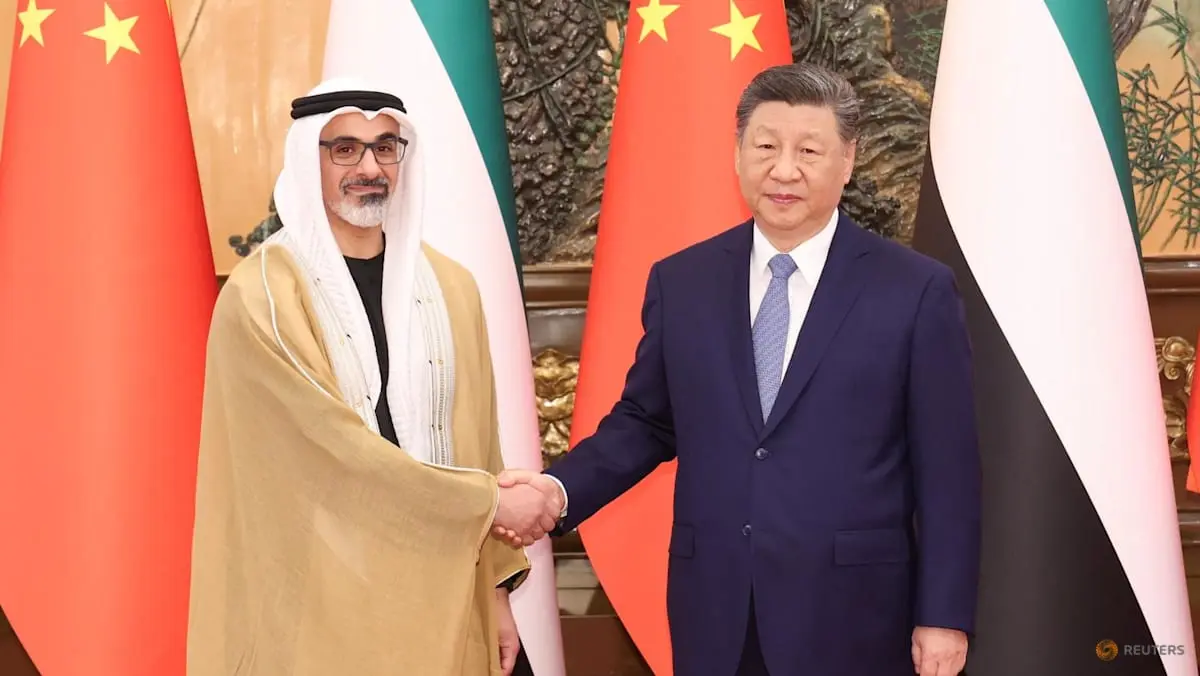
전날, 시는 아부다비 왕세자 셰이크 할리드 빈 무함마드 빈 자이드 알나얀과 스페인 총리 페드로 산체스를 별도의 회담에서 만났다.
아부다비 왕세자와의 회담에서 시는 더 긴밀한 양자 협력을 촉구하면서 동시에 중동 평화에 대한 4개 항 제안을 제시했는데, 이는 지난 2월 말 분쟁이 시작된 이후 그의 처음 공개 발언이었다.
산체스와의 회담에서 시는 국제적 소용돌이 속에서 다자주의와 더 긴밀한 중국-스페인 협력을 강조했으며, 스페인은 또한 경제 유대 심화를 추구했다.
해협 양안 문제에 있어서, 4월 10일에 중국의 최고지도자는 대만의 야당 국민당(KMT)의 의장이자 10년 만에 중국을 방문한 당의 첫 지도자인 정리원과 만났다. 회담에서 시는 대만의 모든 정치 세력과 협력하여 양국 관계를 발전시킬 의지를 표현했다.
같은 날, 중국 외교부장관 왕이는 평양에서 북한 지도자 김정은과 만났으며, 이는 7년 만에 처음 방문하는 것이었다. 양측은 전략적 소통과 조율을 강화하기로 약속했다.
분석가들은 이러한 관여가 반드시 단일 조율된 전략의 일부는 아니라고 말했다. 그러나 이들의 시간적 수렴은 이란 전쟁으로 인해 방문을 연기한 후 5월 14~15일로 설정되었다고 트럼프가 말한 트럼프-시 정상회담을 앞두고 베이징의 광범위한 환경 형성 노력을 강화했다.
"전체적 패턴은 전략적이다: 취약한 관계를 강화하고, 외교적 영향력을 신호하며, 트럼프-시 회담에 고립되거나 반응적으로 보이지 않도록 하는 것이다"라고 호주 전략정책연구소의 애트릴이 말했다. 베이징의 정상회담 전 노력의 중심에는 명확한 우선순위가 있다 - 워싱턴과의 영향력을 훼손할 수 있는 중단을 방지하기 위해 자신의 인접한 지역을 안정화하는 것. 분석가들이 CNA에 말했으며, 왕의 북한 방문을 핵심 사례로 들었다.
"한반도의 어떤 갑작스러운 불안정도 내재적으로 베이징의 워싱턴과의 협상력을 약화시키고, 중국이 '안정화자'로서의 영향력을 잃게 할 것이다"라고 싱가포르를 기반으로 하는 중국 관찰자이자 지정학 분석가 이찬휘가 CNA에 말했다.
그 우려는 추상적이지 않다: 북한은 이달 국가 언론이 집속탄두 미사일 실험과 신형 구축함에서 발사된 순항미사일 및 대함미사일이라고 말한 신규 무기 활동을 선보였다.
따라서 왕의 최근 방문은 "베이징의 지역 권위를 견고하게 재확립"하려는 움직임으로 읽혀야 한다고 이가 덧붙였다.
오랫동안 사회주의적 "형제애"의 수사에도 불구하고, 이는 2023년 이후 북한의 러시아와의 더 가까운 연대가 베이징의 영향력을 복잡하게 했다고 말했다.
평양의 모스크바와의 증대되는 친근함은 일부분 러시아의 전시 탄약 수요와 북한의 경제 원조, 에너지 및 가능한 군사 지원에 대한 관심에서 비롯된 것으로 보인다.
중국은 이제 그 영향력을 재구축하려고 하고 있으며, 핵 문제를 완전히 해결하기 위해서가 아니라 - 북한의 핵무기와 미국 및 그 동맹국과의 미사일 대치를 의미함 - 한반도에서의 발전에 대해 결정적인 목소리를 유지하도록 하기 위해서라고 이가 말했다.
"베이징은 핵 분쟁 해결의 책임을 지지 않으면서 핵심 문제 해결에 영향력을 유지하기에 충분한 평양과의 안정적인 관계를 유지하는 경향이 있다."
그 균형 잡기는 더욱 전망있는 목적을 가질 수도 있다고 이가 언급했다.
트럼프가 지난 10월 김정은을 다시 만날 수 있는 개방성을 공개적으로 신호한 것과 함께, 그는 왕의 방문이 베이징이 평양의 입장과 우려를 더 잘 파악하게 하여 베이징이 옆으로 밀려나지 않도록 하고 갱신된 외교를 앞두고 영향력을 보존하도록 할 수 있다고 말했다.
그는 한반도를 안정화하려는 노력이 또한 베이징에서의 광범위한 우려를 반영한다고 덧붙였다 - 특히 중동 분쟁이 미국의 주의를 끌어들이면서 여러 전선이 동시에 뜨거워질 위험.
이제 7주째에 접어든 분쟁은 호르무즈 해협, 즉 세계 석유 및 가스 공급을 위한 중요한 경로이자 중국을 포함한 아시아로의 에너지 수입을 위한 중요한 동맥의 흐름을 심각하게 방해했다.
"이란 분쟁의 확대는 확실히 중국의 주변 안보 경관에 대한 계산을 변경했다"고 이가 말했으며, 한반도의 위기가 미국 및 동맹국의 군사 증강을 촉발하여 중국의 안보 환경을 복잡하게 할 수 있다고 지적했다.
그 배경 속에서, 평양에 대한 영향력을 재구축하는 것은 단지 양자 우선순위가 아니라 지역 파급을 방지하고 긴장이 베이징의 통제를 벗어나 확대되지 않도록 하기 위한 광범위한 노력의 일부가 된다고 이가 말했다.
위험 관리 및 영향력 강화를 넘어, 베이징은 또한 자신의 행동을 보정하여 특히 워싱턴과 광범위한 지역 내에서 인식을 형성하고 있다고 분석가들이 CNA에 말했다.
이는 대만에 대한 접근에서 가장 명백하며, 최근의 접근이 신중하게 짜인 메시지와 쌍을 이루고 있다.
시가 국민당 의장 정과 만난 지 며칠 후, 베이징은 교류와 경제 유대를 확대하는 것을 목표로 한 새로운 해협 양안 조치를 공개했으며, 그 중 여러 가지는 "1992년 컨센서스"를 준수하고 "대만 독립"에 반대하는 공유된 정치적 기초에 명시적으로 조건을 두고 있다.
"1992년 컨센서스"는 양측이 "하나의 중국"이 있다는 것을 인정하는 공식을 의미한다.
분석가들은 이러한 조치가 이중 신호를 전송하도록 설계되었다고 말했다.
베이징은 대만의 내부 정치 역학을 형성하려고 하는 동시에 해협 양안의 긴장이 관리 가능하게 남아 있다는 신호를 워싱턴에 보내려고 하고 있다고 이가 말했다.
이러한 노력은 대만의 집권 민진당의 더 대립적인 입장에 대한 대안 담론을 제시하는 동시에 해협 양안 문제가 억제가 아닌 대화를 통해 처리될 수 있다는 개념을 강화하는 것을 목표로 한다고 그가 덧붙였다.
베이징에 있어서, 그러한 메시지의 핵심 대상은 트럼프 자신이라고 국제위기그룹의 동북아 선임분석가 윌리엄 양이 말했다.
"베이징은 시-정 회담을 이용하여 대만 정부의 국방 중심을 넘어 다른 정치 세력들이 해협 양안의 대화와 안정을 우선순위로 두고 있음을 보여주고 있다"고 그가 말했다.
국민당의 접근과 라이칭더 대통령의 자위 강조 간의 대비를 그림으로써, 중국은 정상회담을 앞두고 트럼프의 사고를 형성하려고 하며 잠재적으로 그를 미국의 대만 무기 판매를 축소하거나 중단하도록 설득하려고 하고 있다고 그가 덧붙였다.
그 메시징은 대만을 넘어 확장된다.
남중국해에서, 베이징이 필리핀에 대해 강압적 행동을 강제에서 외교로 돌리면서 더 보정된 접근을 채택하고 있다는 초기 신호가 있다고 양이 말했다.
남중국해의 겹치는 영토 주장과 분쟁이 되는 암초 및 암초 주변의 반복적인 대립으로 오랫동안 대립해 온 중국과 필리핀은 지난 3월 말에 양자 협의 메커니즘에 따라 신규 회담을 개최했으며, 양측은 계속 대화하고 차이를 더 잘 관리할 것이라고 말했다.
동시에, 필리핀의 페르디난드 마르코스 주니어 대통령은 분쟁 지역에서 베이징과의 합동 석유 및 가스 협상을 재개할 용의가 있다고 말했으며, 이란 전쟁과 그에 따른 에너지 압박이 돌파구를 제공할 수 있음을 시사했다.
이러한 압박은 이란 전쟁과 관련된 것이며, 관여를 위한 공간을 창출했다고 양이 언급했다.
"중국은 트럼프-시 정상회담을 앞두고 강제보다 외교를 우선순위로 두는 것이 더 합리적인 접근이라고 볼 가능성이 높다"고 그가 말했으며, 이것이 남중국해의 긴장이 완화되고 있다는 워싱턴의 인식을 형성할 수 있다고 덧붙였다.
더 광범위하게, 베이징의 지역 파트너에 대한 접근 - 베트남의 최고 지도자를 맞이하는 것을 포함하여 - 인도태평양에서 신뢰할 수 있고 참여하는 세력으로 자신을 위치시키려는 노력을 반영한다고 그가 말했다.
미국의 약속에 대한 의문이 일부 동맹국 사이에서 증가하고 있는 시점에서, 베이징의 중견국에 대한 확대된 관여는 자신의 지역 입지를 강화하면서 동시에 양이 더 "예측 불가능한 방해자"라고 설명한 것과의 대비를 제시하는 것을 목표로 하고 있다고 그가 말했다.
베이징은 또한 트럼프-시 정상회담으로 가는 담론을 형성하기 위해 노력하고 있다 - 글로벌 긴장이 높아지고 있는 와중에도 자신을 안정적이고 중심적인 행위자로 표현하고 있다고 분석가들이 말했다.
그러한 광범위한 담론의 예로, 푸단 대학 국제관계연구소의 교수인 런샤오는 왕이가 3월 8일 중국의 연례 양회 기간 중 기자회견에서 한 발언을 지적했으며, 외교부장관은 영사 보호와 해외의 중국인의 안전에 대해 논의하고 있었다.
"당신 앞의 세계는 혼란로 가득 찬 반면, 당신 뒤의 나라는 산처럼 안정적으로 남아 있다"라고 왕이 말했으며, 해외의 중국 국민을 위한 메시지였다.
런은 중국이 증대되는 강대함을 영향력으로 번역하려고 하는 동시에 자신이 "세계 평화의 편에 선다"는 담론과 글로벌 발전을 위한 안정화 앵커로 기능한다는 담론을 강화하려고 하고 있다고 말했다.
그러한 구도짓기는 또한 중국의 물질적 이익과 연결되어 있으며, 특히 중동의 긴장이 에너지 흐름을 위협하면서.
페르시아만에서의 중국의 석유 수입은 총 수입의 약 20%를 차지한다 - "압도적으로 크지" 않지만 여전히 중요한 원천이며, 분쟁 완화 노력은 중국의 이익과 광범위한 글로벌 안정 모두에 봉사한다고 런이 덧붙였다.
베이징은 또한 자신의 아시아 입지가 미국과 관련하여 상승하고 있음을 워싱턴에 신호하려고 하는 동시에 자신의 우선순위가 글로벌 경쟁이 아닌 자신의 인접 지역에서의 지배를 유지하는 데 있음을 강화하려고 하고 있다고 양이 말했다.
동시에, 분석가들은 베이징이 경제적 압박이 - 안보 발화점만이 아니라 - 정상회담을 지배할 가능성이 높다는 것을 통렬하게 인식하고 있다고 말했다.
"베이징의 관점에서, 기술 수출 통제와 관세가 미국 행정부가 사용할 가능성이 가장 높은 지렛대이다"라고 싱가포르를 기반으로 하는 지정학 분석가 이가 말했다.
이러한 압박을 예상하여, 중국의 최근 관여 - 평양에 대한 접근에서 해협 양안 신호와 중동의 외교에 이르기까지 - 트럼프-시 정상회담 전에 자신의 영향력을 극대화하기 위한 광범위한 노력의 일부라고 이가 말했다.
"이러한 움직임은 정상회담에서의 미국의 협상 카드를 줄이고, 트럼프가 공격적인 외교 입장을 사용할 여지를 제한하는 것을 목표로 하고 있다"고 그가 덧붙였다.
국제위기그룹의 양은 중국이 희토류 공급망에서의 지배를 핵심 이점으로 계속 보고 있는 반면, 선진 기술에 대한 접근을 제한할 수 있는 미국의 수출 통제를 경계하고 있다고 말했다.
워싱턴과의 취약한 무역 휴전의 지속을 보장하는 것이 베이징에게 인공지능 및 첨단 제조와 같은 부문에서의 능력을 강화할 비판적 시간을 제공할 것이라고 그가 덧붙였다.
정상회담 날짜가 다가옴에 따라, 핵심 질문은 베이징이 이러한 신중하게 보정된 접근을 지속할 수 있는가 또는 외부 충격이 그것을 덜 예측 가능한 입장으로 강제하는가이다고 분석가들이 CNA에 말했다.
한 가지 직접적인 시험은 이란 분쟁과 호르무즈 해협 주변의 긴장에 있으며, 중국은 자신의 경제적 이익과 더 깊은 안보 관여를 피하려는 자신의 선호를 균형 잡아야 한다고 그들이 말했다.
더 광범위하게, 중국은 여러 전선에 걸쳐 동시에 외교적 영향력을 계속 시연하여 호주 전략정책연구소의 애트릴이 자신의 가장 강한 위치라고 설명한 것을 강화할 것으로 예상된다 - 광범위함.
"그것은 여전히 여러 극장에 걸쳐 동시에 관련성을 시연할 수 있다"고 그가 베이징의 고위급 관여의 폭발을 지적하며 말했다.
동남아시아에서, 경제 유대가 강하게 남아 있는 한, 해상 마찰 - 특히 남중국해 - 베이징이 그것을 지속적인 전략적 신뢰로 전환할 수 있는 정도를 계속 제한하고 있다.
"중국의 지역 중견국에 대한 확대된 관여는 미국에 대한 회의론이 증가하고 있는 시점에서 자신의 지역 입지를 강화하는 데 도움이 될 수 있다"고 국제위기그룹의 양이 말했다.
4월 7일에 공개된 연례 싱크탱크 조사에 따르면, 동남아시아는 선택을 강제받은 경우 미국보다 중국과 좁혀서 정렬될 것이다 - 최근 몇 년 동안 두 세력 사이에 진동한 지역에서의 최근 진동.
중국에 대한 지역의 경계는 그럼에도 불구하고 비록 감소했지만 상당하게 남아 있다. 조사에 따르면 중국에 대한 불신은 지난해 41.2%에서 올해 35.2%로 하락했으며, 회의적인 응답자의 5분의 2 이상이 베이징의 경제 및 군사력이 자신의 국가의 이익과 주권을 위협할 수 있다는 우려를 언급했다.
그럼에도 불구하고, 베이징의 접근이 효과가 있는지 여부는 핵심 이익에 대한 지반을 포기하지 않으면서 긴장을 통제하에 유지할 수 있는 능력 여부와 갱신된 분쟁에서부터 워싱턴의 새로운 움직임까지 예상치 못한 사건들이 발생했는지 여부에 달려 있을 수 있다.
동아시아
중국의 최근 주변국들과의 외교 노력과 대만에 대한 접근의 시간적 수렴이 트럼프-시진핑 정상회담을 앞두고 지반을 형성하려는 광범위한 노력을 강화했다고 분석가들은 말한다.
이 오디오는 AI 도구에 의해 생성됩니다.
베이징: 중국은 다음 달 예정된 시진핑 국가주석과 도널드 트럼프 미국 대통령 간의 정상회담을 앞두고 여러 외교 전선에서 외교적 관여를 확대했으며, 분석가들은 이것이 정상회담에서의 협상력을 강화하기 위한 계산된 시도라고 말한다.
약 1주일 사이에 중국은 베트남, 아랍에미리트, 스페인의 고위 관리와 지도자들을 맞이했으며, 북한으로 외교부장관을 파견했다.
동시에 베이징은 대만의 주요 야당 지도자를 맞이함으로써 대만해협을 통한 접근을 강화했다.
관찰자들은 이러한 활동의 폭발이 정상회담 주변 조건을 형성하여 중국이 방어적 입장보다는 강한 위치에서 협상에 진입하도록 보장하려는 광범위한 노력을 가리킨다고 말한다.
분석가들은 베이징이 동시에 세 가지 목표를 추구하고 있다고 말한다 - 자신의 국경 근처에서의 급작스러운 충격의 위험을 줄이고, 주요 지역 파트너와의 유대를 강화하며, 중동 분쟁으로 분산된 워싱턴과 대비하여 자신을 더 안정적인 세력으로 표현하는 것.
"베이징은 트럼프-시 정상회담 전에 전략적 경관을 정리하고 있는 것으로 보인다. 모든 긴장을 제거함으로써가 아니라 모든 긴장이 자신이 관리할 수 있는 조건 하에 있도록 함으로써이다"라고 호주 전략정책연구소의 선임분석가 나단 애트릴이 CNA에 말했다.
중국은 최근 며칠간 일련의 고위급 방문객들을 맞이했다.
지난주 수요일(4월 15일), 시진핑은 베이징 중심부의 인민대회당에서 러시아 외교부장관 세르게이 라브로프와 만났으며, 시는 중국-러시아 관계의 안정성이 "귀중하다"고 말하고 더 긴밀한 전략적 조율을 촉구했다. 한편 라브로프는 양국 관계의 회복력을 칭찬하고 모스크바가 협력을 심화할 준비가 되어 있다고 말했다.
시는 또한 베트남의 대통령 또우람과도 만났다. 양 지도자는 이 회담을 통해 안정적인 당 대 당, 국가 간 관계의 중요성을 강조하면서 차이를 관리하고 경제 협력을 심화하기 위한 지속적인 노력을 신호했다.
전날, 시는 아부다비 왕세자 셰이크 할리드 빈 무함마드 빈 자이드 알나얀과 스페인 총리 페드로 산체스를 별도의 회담에서 만났다.
아부다비 왕세자와의 회담에서 시는 더 긴밀한 양자 협력을 촉구하면서 동시에 중동 평화에 대한 4개 항 제안을 제시했는데, 이는 지난 2월 말 분쟁이 시작된 이후 그의 처음 공개 발언이었다.
산체스와의 회담에서 시는 국제적 소용돌이 속에서 다자주의와 더 긴밀한 중국-스페인 협력을 강조했으며, 스페인은 또한 경제 유대 심화를 추구했다.
해협 양안 문제에 있어서, 4월 10일에 중국의 최고지도자는 대만의 야당 국민당(KMT)의 의장이자 10년 만에 중국을 방문한 당의 첫 지도자인 정리원과 만났다. 회담에서 시는 대만의 모든 정치 세력과 협력하여 양국 관계를 발전시킬 의지를 표현했다.
같은 날, 중국 외교부장관 왕이는 평양에서 북한 지도자 김정은과 만났으며, 이는 7년 만에 처음 방문하는 것이었다. 양측은 전략적 소통과 조율을 강화하기로 약속했다.
분석가들은 이러한 관여가 반드시 단일 조율된 전략의 일부는 아니라고 말했다. 그러나 이들의 시간적 수렴은 이란 전쟁으로 인해 방문을 연기한 후 5월 14~15일로 설정되었다고 트럼프가 말한 트럼프-시 정상회담을 앞두고 베이징의 광범위한 환경 형성 노력을 강화했다.
"전체적 패턴은 전략적이다: 취약한 관계를 강화하고, 외교적 영향력을 신호하며, 트럼프-시 회담에 고립되거나 반응적으로 보이지 않도록 하는 것이다"라고 호주 전략정책연구소의 애트릴이 말했다. 베이징의 정상회담 전 노력의 중심에는 명확한 우선순위가 있다 - 워싱턴과의 영향력을 훼손할 수 있는 중단을 방지하기 위해 자신의 인접한 지역을 안정화하는 것. 분석가들이 CNA에 말했으며, 왕의 북한 방문을 핵심 사례로 들었다.
"한반도의 어떤 갑작스러운 불안정도 내재적으로 베이징의 워싱턴과의 협상력을 약화시키고, 중국이 '안정화자'로서의 영향력을 잃게 할 것이다"라고 싱가포르를 기반으로 하는 중국 관찰자이자 지정학 분석가 이찬휘가 CNA에 말했다.
그 우려는 추상적이지 않다: 북한은 이달 국가 언론이 집속탄두 미사일 실험과 신형 구축함에서 발사된 순항미사일 및 대함미사일이라고 말한 신규 무기 활동을 선보였다.
따라서 왕의 최근 방문은 "베이징의 지역 권위를 견고하게 재확립"하려는 움직임으로 읽혀야 한다고 이가 덧붙였다.
오랫동안 사회주의적 "형제애"의 수사에도 불구하고, 이는 2023년 이후 북한의 러시아와의 더 가까운 연대가 베이징의 영향력을 복잡하게 했다고 말했다.
평양의 모스크바와의 증대되는 친근함은 일부분 러시아의 전시 탄약 수요와 북한의 경제 원조, 에너지 및 가능한 군사 지원에 대한 관심에서 비롯된 것으로 보인다.
중국은 이제 그 영향력을 재구축하려고 하고 있으며, 핵 문제를 완전히 해결하기 위해서가 아니라 - 북한의 핵무기와 미국 및 그 동맹국과의 미사일 대치를 의미함 - 한반도에서의 발전에 대해 결정적인 목소리를 유지하도록 하기 위해서라고 이가 말했다.
"베이징은 핵 분쟁 해결의 책임을 지지 않으면서 핵심 문제 해결에 영향력을 유지하기에 충분한 평양과의 안정적인 관계를 유지하는 경향이 있다."
그 균형 잡기는 더욱 전망있는 목적을 가질 수도 있다고 이가 언급했다.
트럼프가 지난 10월 김정은을 다시 만날 수 있는 개방성을 공개적으로 신호한 것과 함께, 그는 왕의 방문이 베이징이 평양의 입장과 우려를 더 잘 파악하게 하여 베이징이 옆으로 밀려나지 않도록 하고 갱신된 외교를 앞두고 영향력을 보존하도록 할 수 있다고 말했다.
그는 한반도를 안정화하려는 노력이 또한 베이징에서의 광범위한 우려를 반영한다고 덧붙였다 - 특히 중동 분쟁이 미국의 주의를 끌어들이면서 여러 전선이 동시에 뜨거워질 위험.
이제 7주째에 접어든 분쟁은 호르무즈 해협, 즉 세계 석유 및 가스 공급을 위한 중요한 경로이자 중국을 포함한 아시아로의 에너지 수입을 위한 중요한 동맥의 흐름을 심각하게 방해했다.
"이란 분쟁의 확대는 확실히 중국의 주변 안보 경관에 대한 계산을 변경했다"고 이가 말했으며, 한반도의 위기가 미국 및 동맹국의 군사 증강을 촉발하여 중국의 안보 환경을 복잡하게 할 수 있다고 지적했다.
그 배경 속에서, 평양에 대한 영향력을 재구축하는 것은 단지 양자 우선순위가 아니라 지역 파급을 방지하고 긴장이 베이징의 통제를 벗어나 확대되지 않도록 하기 위한 광범위한 노력의 일부가 된다고 이가 말했다.
위험 관리 및 영향력 강화를 넘어, 베이징은 또한 자신의 행동을 보정하여 특히 워싱턴과 광범위한 지역 내에서 인식을 형성하고 있다고 분석가들이 CNA에 말했다.
이는 대만에 대한 접근에서 가장 명백하며, 최근의 접근이 신중하게 짜인 메시지와 쌍을 이루고 있다.
시가 국민당 의장 정과 만난 지 며칠 후, 베이징은 교류와 경제 유대를 확대하는 것을 목표로 한 새로운 해협 양안 조치를 공개했으며, 그 중 여러 가지는 "1992년 컨센서스"를 준수하고 "대만 독립"에 반대하는 공유된 정치적 기초에 명시적으로 조건을 두고 있다.
"1992년 컨센서스"는 양측이 "하나의 중국"이 있다는 것을 인정하는 공식을 의미한다.
분석가들은 이러한 조치가 이중 신호를 전송하도록 설계되었다고 말했다.
베이징은 대만의 내부 정치 역학을 형성하려고 하는 동시에 해협 양안의 긴장이 관리 가능하게 남아 있다는 신호를 워싱턴에 보내려고 하고 있다고 이가 말했다.
이러한 노력은 대만의 집권 민진당의 더 대립적인 입장에 대한 대안 담론을 제시하는 동시에 해협 양안 문제가 억제가 아닌 대화를 통해 처리될 수 있다는 개념을 강화하는 것을 목표로 한다고 그가 덧붙였다.
베이징에 있어서, 그러한 메시지의 핵심 대상은 트럼프 자신이라고 국제위기그룹의 동북아 선임분석가 윌리엄 양이 말했다.
"베이징은 시-정 회담을 이용하여 대만 정부의 국방 중심을 넘어 다른 정치 세력들이 해협 양안의 대화와 안정을 우선순위로 두고 있음을 보여주고 있다"고 그가 말했다.
국민당의 접근과 라이칭더 대통령의 자위 강조 간의 대비를 그림으로써, 중국은 정상회담을 앞두고 트럼프의 사고를 형성하려고 하며 잠재적으로 그를 미국의 대만 무기 판매를 축소하거나 중단하도록 설득하려고 하고 있다고 그가 덧붙였다.
그 메시징은 대만을 넘어 확장된다.
남중국해에서, 베이징이 필리핀에 대해 강압적 행동을 강제에서 외교로 돌리면서 더 보정된 접근을 채택하고 있다는 초기 신호가 있다고 양이 말했다.
남중국해의 겹치는 영토 주장과 분쟁이 되는 암초 및 암초 주변의 반복적인 대립으로 오랫동안 대립해 온 중국과 필리핀은 지난 3월 말에 양자 협의 메커니즘에 따라 신규 회담을 개최했으며, 양측은 계속 대화하고 차이를 더 잘 관리할 것이라고 말했다.
동시에, 필리핀의 페르디난드 마르코스 주니어 대통령은 분쟁 지역에서 베이징과의 합동 석유 및 가스 협상을 재개할 용의가 있다고 말했으며, 이란 전쟁과 그에 따른 에너지 압박이 돌파구를 제공할 수 있음을 시사했다.
이러한 압박은 이란 전쟁과 관련된 것이며, 관여를 위한 공간을 창출했다고 양이 언급했다.
"중국은 트럼프-시 정상회담을 앞두고 강제보다 외교를 우선순위로 두는 것이 더 합리적인 접근이라고 볼 가능성이 높다"고 그가 말했으며, 이것이 남중국해의 긴장이 완화되고 있다는 워싱턴의 인식을 형성할 수 있다고 덧붙였다.
더 광범위하게, 베이징의 지역 파트너에 대한 접근 - 베트남의 최고 지도자를 맞이하는 것을 포함하여 - 인도태평양에서 신뢰할 수 있고 참여하는 세력으로 자신을 위치시키려는 노력을 반영한다고 그가 말했다.
미국의 약속에 대한 의문이 일부 동맹국 사이에서 증가하고 있는 시점에서, 베이징의 중견국에 대한 확대된 관여는 자신의 지역 입지를 강화하면서 동시에 양이 더 "예측 불가능한 방해자"라고 설명한 것과의 대비를 제시하는 것을 목표로 하고 있다고 그가 말했다.
베이징은 또한 트럼프-시 정상회담으로 가는 담론을 형성하기 위해 노력하고 있다 - 글로벌 긴장이 높아지고 있는 와중에도 자신을 안정적이고 중심적인 행위자로 표현하고 있다고 분석가들이 말했다.
그러한 광범위한 담론의 예로, 푸단 대학 국제관계연구소의 교수인 런샤오는 왕이가 3월 8일 중국의 연례 양회 기간 중 기자회견에서 한 발언을 지적했으며, 외교부장관은 영사 보호와 해외의 중국인의 안전에 대해 논의하고 있었다.
"당신 앞의 세계는 혼란로 가득 찬 반면, 당신 뒤의 나라는 산처럼 안정적으로 남아 있다"라고 왕이 말했으며, 해외의 중국 국민을 위한 메시지였다.
런은 중국이 증대되는 강대함을 영향력으로 번역하려고 하는 동시에 자신이 "세계 평화의 편에 선다"는 담론과 글로벌 발전을 위한 안정화 앵커로 기능한다는 담론을 강화하려고 하고 있다고 말했다.
그러한 구도짓기는 또한 중국의 물질적 이익과 연결되어 있으며, 특히 중동의 긴장이 에너지 흐름을 위협하면서.
페르시아만에서의 중국의 석유 수입은 총 수입의 약 20%를 차지한다 - "압도적으로 크지" 않지만 여전히 중요한 원천이며, 분쟁 완화 노력은 중국의 이익과 광범위한 글로벌 안정 모두에 봉사한다고 런이 덧붙였다.
베이징은 또한 자신의 아시아 입지가 미국과 관련하여 상승하고 있음을 워싱턴에 신호하려고 하는 동시에 자신의 우선순위가 글로벌 경쟁이 아닌 자신의 인접 지역에서의 지배를 유지하는 데 있음을 강화하려고 하고 있다고 양이 말했다.
동시에, 분석가들은 베이징이 경제적 압박이 - 안보 발화점만이 아니라 - 정상회담을 지배할 가능성이 높다는 것을 통렬하게 인식하고 있다고 말했다.
"베이징의 관점에서, 기술 수출 통제와 관세가 미국 행정부가 사용할 가능성이 가장 높은 지렛대이다"라고 싱가포르를 기반으로 하는 지정학 분석가 이가 말했다.
이러한 압박을 예상하여, 중국의 최근 관여 - 평양에 대한 접근에서 해협 양안 신호와 중동의 외교에 이르기까지 - 트럼프-시 정상회담 전에 자신의 영향력을 극대화하기 위한 광범위한 노력의 일부라고 이가 말했다.
"이러한 움직임은 정상회담에서의 미국의 협상 카드를 줄이고, 트럼프가 공격적인 외교 입장을 사용할 여지를 제한하는 것을 목표로 하고 있다"고 그가 덧붙였다.
국제위기그룹의 양은 중국이 희토류 공급망에서의 지배를 핵심 이점으로 계속 보고 있는 반면, 선진 기술에 대한 접근을 제한할 수 있는 미국의 수출 통제를 경계하고 있다고 말했다.
워싱턴과의 취약한 무역 휴전의 지속을 보장하는 것이 베이징에게 인공지능 및 첨단 제조와 같은 부문에서의 능력을 강화할 비판적 시간을 제공할 것이라고 그가 덧붙였다.
정상회담 날짜가 다가옴에 따라, 핵심 질문은 베이징이 이러한 신중하게 보정된 접근을 지속할 수 있는가 또는 외부 충격이 그것을 덜 예측 가능한 입장으로 강제하는가이다고 분석가들이 CNA에 말했다.
한 가지 직접적인 시험은 이란 분쟁과 호르무즈 해협 주변의 긴장에 있으며, 중국은 자신의 경제적 이익과 더 깊은 안보 관여를 피하려는 자신의 선호를 균형 잡아야 한다고 그들이 말했다.
더 광범위하게, 중국은 여러 전선에 걸쳐 동시에 외교적 영향력을 계속 시연하여 호주 전략정책연구소의 애트릴이 자신의 가장 강한 위치라고 설명한 것을 강화할 것으로 예상된다 - 광범위함.
"그것은 여전히 여러 극장에 걸쳐 동시에 관련성을 시연할 수 있다"고 그가 베이징의 고위급 관여의 폭발을 지적하며 말했다.
동남아시아에서, 경제 유대가 강하게 남아 있는 한, 해상 마찰 - 특히 남중국해 - 베이징이 그것을 지속적인 전략적 신뢰로 전환할 수 있는 정도를 계속 제한하고 있다.
"중국의 지역 중견국에 대한 확대된 관여는 미국에 대한 회의론이 증가하고 있는 시점에서 자신의 지역 입지를 강화하는 데 도움이 될 수 있다"고 국제위기그룹의 양이 말했다.
4월 7일에 공개된 연례 싱크탱크 조사에 따르면, 동남아시아는 선택을 강제받은 경우 미국보다 중국과 좁혀서 정렬될 것이다 - 최근 몇 년 동안 두 세력 사이에 진동한 지역에서의 최근 진동.
중국에 대한 지역의 경계는 그럼에도 불구하고 비록 감소했지만 상당하게 남아 있다. 조사에 따르면 중국에 대한 불신은 지난해 41.2%에서 올해 35.2%로 하락했으며, 회의적인 응답자의 5분의 2 이상이 베이징의 경제 및 군사력이 자신의 국가의 이익과 주권을 위협할 수 있다는 우려를 언급했다.
그럼에도 불구하고, 베이징의 접근이 효과가 있는지 여부는 핵심 이익에 대한 지반을 포기하지 않으면서 긴장을 통제하에 유지할 수 있는 능력 여부와 갱신된 분쟁에서부터 워싱턴의 새로운 움직임까지 예상치 못한 사건들이 발생했는지 여부에 달려 있을 수 있다.
처리 완료
258 tokens · $0.0005
기사 수집 완료 · 17:36
매체 피드에서 기사 메타데이터 수집
헤드라인 번역 완료 · 17:47
제목/요약 한국어 번역 (fetch 시점 inline)
kimi-k2.5
258 tokens
$0.00052
8.0s
본문 추출 완료
15,584자 추출 완료
본문 한국어 번역 완료 · 17:47
7,237자 번역 완료
kimi-k2.5
0 tokens
$0.00000
0.4s
지정학적 엔티티 추출 완료 · 17:47
8개 엔티티 추출 완료
지정학적 맥락 & R-Scanner
R-Scanner · 평상
z=-4.88
일상적인 보도 수준 — 기준: China
(🇨🇳 CN)
최근 6시간 0건
7일 평균 24.75건 / 6h
0개국 매체
0개 매체
본문에서 추출된 지명 (8)
China
🇨🇳
United States
🇺🇸
Taiwan
🇹🇼
North Korea
🇰🇵
Vietnam
🇻🇳
South China Sea
🇨🇳
Philippines
🇵🇭
Strait of Hormuz
🇮🇷
위치 지도
지도 로딩 중…
같은 주제의 다른 기사 (최근 7일)
The convergence in timing of China’s recent flurry of diplomatic efforts with neighbours, as well as outreach towards Taiwan, has reinforced its broader effort to shape the ground ahead of the Trump-Xi summit, say analysts.
analysisEast Asia
The convergence in timing of China’s recent flurry of diplomatic efforts with neighbours, as well as outreach towards Taiwan, has reinforced its broader effort to shape the ground ahead of the Trump-Xi summit, say analysts.
This audio is generated by an AI tool.
BEIJING: China has stepped up diplomatic engagement across multiple fronts ahead of an anticipated meeting between President Xi Jinping and US counterpart Donald Trump next month, in what analysts say is a calculated bid to strengthen its negotiating hand for the summit.
In about a week, China has hosted senior officials and leaders from Vietnam, the United Arab Emirates and Spain, and dispatched its foreign minister to North Korea.
At the same time, Beijing has stepped up outreach across the Taiwan Strait by welcoming the leader of Taiwan’s main opposition party.
Observers say the burst of activity points to a broader effort to shape the conditions around the summit to ensure China enters the talks from a position of strength rather than on the defensive.
They say Beijing is pursuing three objectives at once - reducing the risk of sudden shocks on its doorstep, reinforcing ties with key regional partners and projecting itself as the steadier power in contrast to a Washington distracted by the conflict in the Middle East.
“Beijing appears to be tidying the strategic landscape before the Trump-Xi meeting, not by removing all tension, but by making sure any tension is on terms it can manage,” Nathan Attrill, a senior analyst at the Australian Strategic Policy Institute, told CNA.
China has hosted a string of high-level visitors in recent days.
On Wednesday (Apr 15), Xi met with Russian Foreign Minister Sergei Lavrov at the Great Hall of the People in the heart of Beijing, where Xi called the stability of China-Russia ties “precious” and urged closer strategic coordination, while Lavrov praised the resilience of bilateral ties and said Moscow was ready to deepen cooperation.
Xi also met with Vietnam’s President To Lam. Both leaders used the meeting to underscore the importance of stable party-to-party and state ties, while signalling continued efforts to manage differences and deepen economic cooperation.
The previous day, Xi met with Abu Dhabi Crown Prince Sheikh Khaled bin Mohamed bin Zayed Al Nahyan and Spanish Prime Minister Pedro Sanchez in separate meetings.
With Abu Dhabi’s crown prince, Xi paired calls for closer bilateral cooperation with a four-point proposal on Middle East peace, in his first public remarks on the conflict since it began in late February.
With Sanchez, Xi emphasised multilateralism and closer China-Spain cooperation amid global turbulence, while Spain also sought to deepen economic ties.
On the cross-strait front, on Apr 10, the Chinese supremo met with Cheng Li-wun, the chairperson of Taiwan’s opposition Kuomintang (KMT) and the party’s first leader to visit China in a decade. During their meeting, Xi expressed willingness to work with all political parties in Taiwan to advance ties.
That same day, Chinese Foreign Minister Wang Yi met North Korean leader Kim Jong Un in Pyongyang - marking his first visit to the country in seven years. Both sides pledged to strengthen strategic communication and coordination.
Analysts said these engagements were not necessarily part of a single coordinated strategy. But their convergence in timing has reinforced Beijing’s broader effort to shape the environment ahead of the Trump-Xi summit, which Trump said is now set for May 14 to 15 after he delayed the trip because of the Iran war.
“The overall pattern is strategic: shore up vulnerable relationships, signal diplomatic reach and avoid entering the Trump-Xi meeting looking isolated or reactive,” said Attrill from the Australian Strategic Policy Institute. At the heart of Beijing’s pre-summit push is a clear priority - stabilising its immediate neighbourhood to prevent disruptions that could undercut its leverage with Washington, analysts told CNA, citing Wang’s visit to North Korea as a key example.
“Any sudden instability on the (Korean) Peninsula would inherently weaken Beijing’s negotiating hand with Washington, stripping China of its leverage as a ‘stabiliser’,” Lee Chan Hui, a Singapore-based China observer and geopolitical analyst, told CNA.
The concern is not abstract: North Korea this month showcased fresh weapons activity, including what state media said were missile tests involving cluster-bomb warheads, as well as cruise and anti-ship missiles launched from a newly unveiled destroyer.
Wang’s recent visit should thus be read as a move to “firmly re-establish Beijing’s regional authority”, Lee added.
Despite longstanding rhetoric of a socialist “brotherhood”, Lee said North Korea’s closer alignment with Russia since 2023 has complicated Beijing’s influence.
Pyongyang’s growing closeness with Moscow appeared to stem in part from Russia’s wartime demand for ammunition and North Korea’s interest in economic aid, energy and possible military support in return.
China is now seeking to rebuild that influence, not to resolve the nuclear issue outright - referring to North Korea’s nuclear weapons and missile standoff with the US and its allies - but to ensure it retains a decisive voice on developments on the Peninsula, said Lee.
“Beijing tends to maintain a sufficiently stable relationship with Pyongyang, enough to influence the Kim regime, without assuming responsibility for resolving the nuclear conflict.”
That balancing act could also carry a more forward-looking purpose, noted Lee.
With Trump having publicly signalled openness last October to meeting Kim again, he said Wang’s visit may help Beijing better gauge Pyongyang’s position and concerns, allowing Beijing to avoid being sidelined and to preserve influence ahead of any renewed diplomacy.
He added that the push to steady the Korean Peninsula also reflects a wider concern in Beijing - the risk of multiple fronts heating up at once, particularly as conflict in the Middle East draws in US attention.
Now approaching its seventh week, the conflict has badly disrupted flows through the Strait of Hormuz, a vital route for global oil and gas supplies and an important artery for energy imports into Asia, including China.
“The escalation of the Iran conflict has definitely changed China’s calculus of its surrounding security landscape,” Lee said, noting that a crisis on the Korean Peninsula could trigger a US and allied military buildup in East Asia, complicating China’s security environment.
Against that backdrop, rebuilding influence over Pyongyang becomes not just a bilateral priority, but part of a broader effort to prevent regional spillover and keep tensions from escalating beyond Beijing’s control, Lee said.
Beyond managing risks and shoring up leverage, Beijing is also calibrating its actions to shape perceptions - particularly in Washington and across the wider region, analysts told CNA.
That is most evident in its approach to Taiwan, where recent outreach has been paired with carefully framed messaging.
Days after Xi met with KMT chair Cheng, Beijing rolled out new cross-strait measures aimed at expanding exchanges and economic links, with several of them explicitly contingent on the shared political basis of adhering to the “1992 Consensus” and opposing “Taiwan independence”.
The “1992 Consensus” refers to a formula under which both sides acknowledge there is “one China”.
Analysts said the moves are designed to send a dual signal.
Beijing is seeking to shape Taiwan’s internal political dynamics while signalling to Washington that tensions across the strait remain manageable, said Lee.
Such efforts are aimed at presenting an alternative narrative to the more confrontational posture of Taiwan’s ruling Democratic Progressive Party, while reinforcing the idea that cross-strait issues can be handled through dialogue rather than deterrence, he added.
For Beijing, a key audience for that messaging is Trump himself, said William Yang, a senior analyst for Northeast Asia at the International Crisis Group, an independent non-governmental organisation focused on conflict prevention and resolution.
“Beijing is using the Xi-Cheng meeting to show that, beyond the Taiwanese government’s focus on defence, other political forces are prioritising dialogue and stability across the strait,” he said.
By drawing a contrast between the KMT’s approach and President Lai Ching-te’s emphasis on self-defence, China is seeking to shape Trump’s thinking ahead of the summit and potentially convince him to scale back or suspend US arms sales to Taiwan, he added.
The messaging extends beyond Taiwan.
In the South China Sea, there are early signs that Beijing is adopting a more calibrated approach toward the Philippines, dialling down coercive actions in favour of diplomacy, said Yang.
Long at odds over overlapping claims in the South China Sea and repeated confrontations around disputed shoals and reefs, China and the Philippines held fresh talks in late March under their bilateral consultation mechanism, with both sides saying they would continue dialogue and better manage differences.
At the same time, Philippine President Ferdinand Marcos Jr has said he is open to restarting joint oil and gas talks with Beijing in disputed waters, suggesting the Iran war and resulting energy pressures may provide the impetus for a breakthrough.
Such pressures, linked to the war in Iran, have created space for engagement, Yang noted.
“China likely views prioritising diplomacy over coercion … as the more sensible approach ahead of the Trump-Xi summit,” he said, adding that this could shape perceptions in Washington that tensions in the South China Sea are easing.
More broadly, China’s outreach to regional partners - including hosting Vietnam’s top leader - reflects an effort to position itself as a reliable and engaged power in the Indo-Pacific, he said.
At a time when questions over US commitment are growing among some allies, Beijing’s increased engagement with middle powers is aimed at strengthening its regional standing while presenting a contrast with what Yang described as a more “unpredictable disruptor”.
Beijing is also working to shape the narrative going into the Trump-Xi meeting - projecting itself as a steady, central actor even as global tensions mount, said analysts.
As an example of that broader narrative, Ren Xiao, a professor at Fudan University’s Institute of International Studies, pointed to remarks Wang made on Mar 8 during a press conference on the sidelines of China’s annual Two Sessions, when the foreign minister was discussing consular protection and the safety of Chinese nationals overseas.
“While the world ahead of you is full of turmoil, the country behind you remains as steady as a mountain,” Wang said, in a message directed at Chinese citizens abroad.
Ren said China is seeking to translate its growing strength into influence, while reinforcing a narrative that it stands “on the side of world peace” and serves as a stabilising anchor for global development.
That framing is also tied to China’s material interests, particularly as tensions in the Middle East threaten energy flows.
China’s oil imports from the Persian Gulf account for about 20 per cent of its total - not “overwhelmingly large” but still an important source, Ren noted, adding that efforts to de-escalate conflict serve both China’s own interests and broader global stability.
Beijing is also seeking to signal to Washington that its standing in Asia is rising relative to the US, while reinforcing that its priority lies in maintaining dominance in its immediate neighbourhood rather than competing globally, said Yang from the International Crisis Group.
At the same time, analysts said Beijing is acutely aware that economic pressure - not just security flashpoints - will likely dominate the summit.
“From Beijing’s perspective, technology export controls and tariffs are the most likely levers the US administration will use,” said Lee, the Singapore-based geopolitical analyst.
Anticipating such pressure, China’s recent engagements - from outreach to Pyongyang to cross-strait signalling and diplomacy in the Middle East - are part of a broader effort to maximise its leverage before the Trump-Xi summit, Lee said.
“These manoeuvres are aimed at reducing the US’s bargaining chips at the summit, limiting Trump’s room to employ an aggressive diplomatic posture,” he added.
Yang of the International Crisis Group said China continues to view its dominance in rare earth supply chains as a key advantage, while remaining wary of US export controls that could restrict its access to advanced technologies.
Ensuring the continuation of a fragile trade truce with Washington would give Beijing critical time to strengthen its capabilities in sectors such as artificial intelligence and advanced manufacturing, he added.
As the summit date nears, the key question is whether Beijing can sustain this carefully calibrated approach - or whether external shocks force it onto a less predictable footing, analysts told CNA.
One immediate test lies in the Iran conflict and tensions around the Strait of Hormuz, where China must balance its economic interests with its preference to avoid deeper security entanglement, they said.
More broadly, China is expected to continue demonstrating diplomatic reach across multiple fronts, reinforcing what Attrill of the Australian Strategic Policy Institute described as its strongest position - breadth.
“It can still demonstrate relevance across multiple theatres simultaneously,” he said, pointing to Beijing’s flurry of high-level engagements.
In Southeast Asia, even as economic ties remain strong, maritime frictions - particularly in the South China Sea - continue to limit how far Beijing can convert that into durable strategic trust.
“China’s increased engagement with regional middle powers can help strengthen its regional standing … at a time when scepticism toward US credibility is rising,” said Yang from the International Crisis Group.
Southeast Asia would narrowly align with China over the US if forced to choose sides, according to an annual think tank survey released on Apr 7 - the latest swing in a region where sentiment has oscillated between the two powers in recent years.
Regional wariness of China nevertheless remains substantial, even as it has gone down. Distrust in China dipped to 35.2 per cent this year from 41.2 per cent last year, the survey found, with more than two-fifths of sceptical respondents citing concerns that Beijing’s economic and military power could threaten their countries’ interests and sovereignty.
Still, whether Beijing’s approach works may depend on its ability to keep tensions under control without giving up ground on core interests - and on whether unexpected events, from renewed conflict to fresh moves by Washington or regional actors, end up changing the agenda before the summit, Yang added.
To Fudan University’s Ren, however, broader trends are in China’s favour.
“China does not see itself as having any weak positions,” he said.
“The evolution of the global situation and shifts in the balance of power are increasingly favourable to China.”
Get our pick of top stories and thought-provoking articles in your inbox
Stay updated with notifications for breaking news and our best stories
Get WhatsApp alerts
Join our channel for the top reads for the day on your preferred chat app