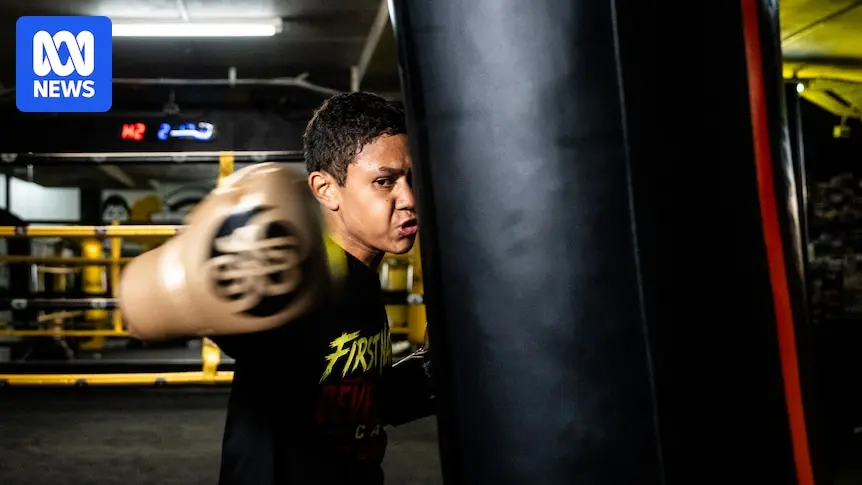
'자기 확신, 존중': 원주민 권투선수들이 데이비드 포콕과 함께 힘을 기르고 있습니다
'Self-belief, respect': Indigenous boxers building strength with David Pocock
ABC News Australia
· 🇦🇺 Sydney, AU
James Vyver
EN
2026-04-26 07:11
Translated
캔버라의 원주민 주도 권투 캠프는 젊은 선수들이 링 안팎에서의 삶을 위해 기술을 연마하도록 돕고 있으며, 이 캠프의 첫 개발 캠프는 스포츠에서의 자랑스러운 제1민족 참여 전통을 계속하고 있습니다.
주제: 원주민 문화
캔버라의 교회 아래 지하 체육관에서 운동선수들의 무리가 다른 종류의 예배를 위해 모였습니다.
이 제1민족 아이들은 권투를 일종의 종교이자 그들의 문화와 정체성의 표현으로 삼았습니다.
10세부터 18세까지의 권투선수들이 셔플을 하고, 몸을 굽히고, 몸을 날리고, 크로스와 재브를 던집니다.
장갑이 패드에 부딪히는 소리가 체육관 벽에 울려 퍼집니다.
13세의 리턴은 금색 글러브를 끼고 결연한 표정으로 백을 치고 있습니다.
리턴은 커즈 복싱의 첫 원주민 개발 캠프에 참석하기 위해 시드니에서 여행해 왔습니다.
그는 형 조나스와 함께 참석했으며, 조나스는 체육관 반대편의 코치 중 한 명과 함께 펀치 조합 작업을 하고 있습니다.
"저는 제 형제자매들과 함께 권투로 자라났어요"라고 조나스는 말합니다.
"제 아버지도 항상 그의 형제들과 함께 권투를 해왔기 때문에 우리 모두 한동안 권투를 해왔어요."
15세의 그는 지난 몇 년 동안 훈련이 "잠겨 있었다"고 말했으며, 그의 파란 글러브가 패드를 칠 때 흐릿하게 보입니다.
"정말 체력이 좋아지고, 다음 날에는 또 다시 해요."
이 캠프는 운동선수들이 주 또는 국가 수준의 엘리트 권투 프로그램에 참여할 수 있도록 준비하도록 설계되었습니다.
"도전적이었어요... 달리기, 머럼비지 강에서 아침에 일어나는 것이지만, 우리는 밀어붙였어요"라고 조나스는 말합니다.
전 월래비 선장에서 독립 ACT 상원의원으로 변신한 데이비드 포콕은 머럼비지 강에서 그의 정규 "그래니멀스" 운동을 통해 그들을 이끌었습니다.
"그렇게 나쁘지는 않았어요, 겨우 5도였어요"라고 리턴은 말합니다.
번자룽 사람인 커즈 복싱 창립자 조 헤저는 이 캠프가 신체 조건과 함께 정신적 강인함을 기르도록 설계되었다고 말합니다.
캠프에서 선수의 첫 번째 운동은 링크래프트가 아닌 공개 연설이었습니다.
응우나왈 장로 바이올렛 셰리던과 브럼비스 윙어 앤디 뮤어헤드는 이 그룹을 멘토링한 사람들 중 일부입니다.
"권투만이 아니라 이 젊은 아이들이 자신감을 느끼는 것을 보고, 그들의 자기 확신이 자라는 것을 보는 것입니다"라고 조는 말합니다.
지난 세기에 걸쳐 원주민 권투의 흐름이 있으며, 이는 커즈 복싱 체육관에서 강하게 느껴집니다.
"우리는 [운동선수들]을 함께 모아 문화를 중심으로 연결되고 그들이 나오는 커뮤니티와 대표하는 커뮤니티의 중요성을 이해할 수 있도록 원했습니다"라고 조는 말합니다.
유명한 싸움의 홍보 포스터가 체육관의 벽에 걸려 있으며, 리오넬 로즈 같은 제1민족 전문가들과 조의 아버지 알란 헤저의 초상화도 걸려 있습니다.
조의 아들 마일즈 헤저는 가족 전통을 계속했으며, 현재는 체육관에서 훈련하는 경쟁 선수입니다.
NSW 킹 오브 더 링 챔피언으로서 19세의 마일즈는 캠프에서 "형"의 지위를 얻었습니다.
"저는 많은 원주민 아이들이 단절된다고 느낀다고 생각해요, 그들이 서로 단절된 것인지 그들이 그들의 문화나 커뮤니티에서 단절된 것인지 여부에 관계없이"라고 자랑스러운 젊은 번자룽 사람이 말합니다.
장갑과 패드 작업의 소음이 이제 세션이 링으로 이동하면서 사라지지만, 싸우거나 싸우기 위해서가 아닙니다.
대신 상대의 무릎이나 어깨를 탭하는 것을 목표로 하는 일대일 민첩성 드릴입니다.
아이들은 서로 경쟁하는 것을 보며, 세 번의 탭 후에 링 안팎으로 회전합니다.
자랑스러운 젊은 번자룽 사람 말릭은 캠프에도 온 세 명의 여동생 중 한 명인 라토야와 맞닥뜨립니다.
15세의 말릭보다 5살 어리고 30센티미터 짧은 라토야가 그의 무릎을 탭하면서 그를 링 밖으로 보낼 때 웃음과 환호가 터져나옵니다.
말릭은 캠프가 힘들었지만 특히 오른쪽 훅에 대해 많이 배웠다고 말합니다.
"저는 권투가 더 낫기 때문에 풋볼을 권투로 남겨두었어요"라고 그는 말합니다.
캔버라의 교회 아래 지하 체육관에서 운동선수들의 무리가 다른 종류의 예배를 위해 모였습니다.
이 제1민족 아이들은 권투를 일종의 종교이자 그들의 문화와 정체성의 표현으로 삼았습니다.
10세부터 18세까지의 권투선수들이 셔플을 하고, 몸을 굽히고, 몸을 날리고, 크로스와 재브를 던집니다.
장갑이 패드에 부딪히는 소리가 체육관 벽에 울려 퍼집니다.
13세의 리턴은 금색 글러브를 끼고 결연한 표정으로 백을 치고 있습니다.
리턴은 커즈 복싱의 첫 원주민 개발 캠프에 참석하기 위해 시드니에서 여행해 왔습니다.
그는 형 조나스와 함께 참석했으며, 조나스는 체육관 반대편의 코치 중 한 명과 함께 펀치 조합 작업을 하고 있습니다.
"저는 제 형제자매들과 함께 권투로 자라났어요"라고 조나스는 말합니다.
"제 아버지도 항상 그의 형제들과 함께 권투를 해왔기 때문에 우리 모두 한동안 권투를 해왔어요."
15세의 그는 지난 몇 년 동안 훈련이 "잠겨 있었다"고 말했으며, 그의 파란 글러브가 패드를 칠 때 흐릿하게 보입니다.
"정말 체력이 좋아지고, 다음 날에는 또 다시 해요."
이 캠프는 운동선수들이 주 또는 국가 수준의 엘리트 권투 프로그램에 참여할 수 있도록 준비하도록 설계되었습니다.
"도전적이었어요... 달리기, 머럼비지 강에서 아침에 일어나는 것이지만, 우리는 밀어붙였어요"라고 조나스는 말합니다.
전 월래비 선장에서 독립 ACT 상원의원으로 변신한 데이비드 포콕은 머럼비지 강에서 그의 정규 "그래니멀스" 운동을 통해 그들을 이끌었습니다.
"그렇게 나쁘지는 않았어요, 겨우 5도였어요"라고 리턴은 말합니다.
번자룽 사람인 커즈 복싱 창립자 조 헤저는 이 캠프가 신체 조건과 함께 정신적 강인함을 기르도록 설계되었다고 말합니다.
캠프에서 선수의 첫 번째 운동은 링크래프트가 아닌 공개 연설이었습니다.
응우나왈 장로 바이올렛 셰리던과 브럼비스 윙어 앤디 뮤어헤드는 이 그룹을 멘토링한 사람들 중 일부입니다.
"권투만이 아니라 이 젊은 아이들이 자신감을 느끼는 것을 보고, 그들의 자기 확신이 자라는 것을 보는 것입니다"라고 조는 말합니다.
지난 세기에 걸쳐 원주민 권투의 흐름이 있으며, 이는 커즈 복싱 체육관에서 강하게 느껴집니다.
"우리는 [운동선수들]을 함께 모아 문화를 중심으로 연결되고 그들이 나오는 커뮤니티와 대표하는 커뮤니티의 중요성을 이해할 수 있도록 원했습니다"라고 조는 말합니다.
유명한 싸움의 홍보 포스터가 체육관의 벽에 걸려 있으며, 리오넬 로즈 같은 제1민족 전문가들과 조의 아버지 알란 헤저의 초상화도 걸려 있습니다.
조의 아들 마일즈 헤저는 가족 전통을 계속했으며, 현재는 체육관에서 훈련하는 경쟁 선수입니다.
NSW 킹 오브 더 링 챔피언으로서 19세의 마일즈는 캠프에서 "형"의 지위를 얻었습니다.
"저는 많은 원주민 아이들이 단절된다고 느낀다고 생각해요, 그들이 서로 단절된 것인지 그들이 그들의 문화나 커뮤니티에서 단절된 것인지 여부에 관계없이"라고 자랑스러운 젊은 번자룽 사람이 말합니다.
장갑과 패드 작업의 소음이 이제 세션이 링으로 이동하면서 사라지지만, 싸우거나 싸우기 위해서가 아닙니다.
대신 상대의 무릎이나 어깨를 탭하는 것을 목표로 하는 일대일 민첩성 드릴입니다.
아이들은 서로 경쟁하는 것을 보며, 세 번의 탭 후에 링 안팎으로 회전합니다.
자랑스러운 젊은 번자룽 사람 말릭은 캠프에도 온 세 명의 여동생 중 한 명인 라토야와 맞닥뜨립니다.
15세의 말릭보다 5살 어리고 30센티미터 짧은 라토야가 그의 무릎을 탭하면서 그를 링 밖으로 보낼 때 웃음과 환호가 터져나옵니다.
말릭은 캠프가 힘들었지만 특히 오른쪽 훅에 대해 많이 배웠다고 말합니다.
"저는 권투가 더 낫기 때문에 풋볼을 권투로 남겨두었어요"라고 그는 말합니다.
처리 완료
3,973 tokens · $0.0112
기사 수집 완료 · 07:40
매체 피드에서 기사 메타데이터 수집
헤드라인 번역 완료 · 07:55
제목/요약 한국어 번역 (fetch 시점 inline)
claude-haiku-4-5-20251001
274 tokens
$0.00074
1.9s
본문 추출 완료
3,754자 추출 완료
본문 한국어 번역 완료 · 07:55
1,875자 번역 완료
claude-haiku-4-5-20251001
3,699 tokens
$0.01045
21.7s
지정학적 엔티티 추출 완료 · 07:55
6개 엔티티 추출 완료
지정학적 맥락 & R-Scanner
R-Scanner · 평상
z=-3.01
일상적인 보도 수준 — 기준: Canberra
(🇦🇺 AU)
최근 6시간 8건
7일 평균 22.61건 / 6h
2개국 매체
3개 매체
본문에서 추출된 지명 (6)
Canberra
🇦🇺
Sydney
🇦🇺
Murrumbidgee River
🇦🇺
Australian Capital Territory
🇦🇺
New South Wales
🇦🇺
Australia
🇦🇺
위치 지도
지도 로딩 중…
같은 주제의 다른 기사 (최근 7일)
A Canberra Indigenous-led boxing camp is helping young fighters hone their skills for life inside and outside the ring in its first development camp, continuing a proud tradition of First Nations involvement in the sport.
Topic:Indigenous CultureIn a basement gym below a church in Canberra, a congregation of athletes has come together for worship of another kind.
These First Nations kids have taken up boxing as a kind of religion, and an expression of their culture and identity.
Boxers aged from 10 to 18 shuffle, duck, weave, throw crosses and jabs.
The sound of glove against pad bounces off the walls and fills the gym.
Thirteen-year-old Leeton is working the bag, wearing gold-coloured gloves and a look of determination.
"I like that snap sound, especially with my right hand," Leeton says.
Leeton has travelled from Sydney for Cuz Boxing's first Indigenous Development Camp.
He's attending with his older brother and sparring partner, Jonas, who is working with one of the coaches on punch combinations on the other side of the gym.
"I grew up boxing with all my brothers and sisters," Jonas says.
"My dad's always been around boxing with his brothers [too], so we've all been around boxing for a while."
The 15-year-old says his training has been "locked in" for the last couple of years — and it shows, his blue gloves are a blur as he strikes the pads.
"You feel real fit, and then the next day you'll go again."
The camp is designed to prepare the athletes to take part in an elite boxing program at a state or national level.
"It's been challenging … the running, the waking up [in the] morning at the Murrumbidgee River, but we've pushed through," Jonas says.
Former Wallabies captain turned independent ACT senator David Pocock stepped them through his regular "Granimals" workout at the Murrumbidgee River.
"It wasn't that bad, it was only like 5 degrees," Leeton says.
Cuz Boxing founder and Bundjalung man Joe Hedger says the camp is designed to build mental fortitude alongside physical conditioning.
The fighter's first exercise at the camp was public speaking rather than ringcraft.
Ngunnawal Elder Auntie Violet Sheridan and Brumbies winger Andy Muirhead are among those who have mentored the group.
"It's not just the boxing, it's seeing these young kids feel confident about themselves, watching their self-belief grow," Joe says.
There's a through-line of Indigenous boxing spanning the last century, something felt keenly in the Cuz Boxing gym.
"We wanted to bring [the athletes] together so they can connect around culture and understand the importance of the communities they come from and represent," Joe says.
Promotional posters from famous fights hang on the walls of the gym, as do portraits of First Nations professionals like Lional Rose, and Joe's father, Alan Hedger.
Joe's son Miles Hedger has continued the family tradition, himself now a competitive fighter who trains at the gym.
As a NSW King of the Ring champion, 19-year-old Miles had earned his "big brother" status at the camp.
"I think a lot of Indigenous kids feel disconnected, whether it's with each other or they feel disconnected to their culture or their community," the proud young Bundjalung man says.
The noise of the glove and pad work dies down now as the session moves to the ring, but not to spar or fight.
Instead, a one-on-one agility drill with the aim to tap an opponent on the knee or shoulder.
The kids watch one another compete, rotating in and out of the ring after three taps.
Proud young Bundjalung man Maleek faces off against Latoya, one of his three younger sisters who have also come to the camp.
Laughter and cheers erupt as Latoya, five years younger and 30 centimetres shorter than 15-year-old Maleek, taps him on the knee sending him out of the ring.
Maleek says the camp has been hard work, but he's learned a lot, especially on his right hook.
"I left footy for boxing because boxing is just better," he says.