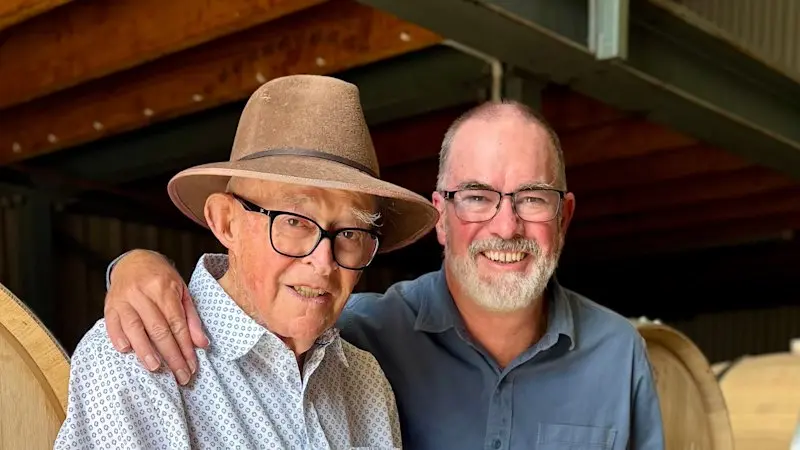
존이 1971년에 토지 1블록에 $9600을 지불했습니다. 지금은 전 세계적으로 찬사받는 포도주장입니다
John paid $9600 in 1971 for a block of land. Now it’s a winery celebrated around the world
Sydney Morning Herald
· 🇦🇺 Sydney, AU
Stephen Lacey
EN
2026-04-23 10:00
Translated
클로나킬라 설립자이자 호주의 저명한 과학자인 존 커크 박사는 캔버라의 차고에서 막내아들과 함께 와인을 만들기 시작했습니다.
90세의 존 커크 박사는 와인 제조자이자 호주의 저명한 과학자입니다. 59세의 팀 커크는 여섯 아들 중 넷째이며 캔버라 북서쪽 머럼배터먼의 가족 포도원에서 수석 와인 제조자입니다.
팀: 아버지에 대한 가장 초기의 기억 중 하나는 우리가 침대 옆에 무릎을 꿇고 함께 기도하던 모습입니다. 그것은 내가 감사하는 기억입니다. 나의 아버지는 내 우주에서 가장 강한 사람이었고, 그가 무릎을 꿇고 기도하는 모습을 보는 것은 오늘날까지 계속되는 경외감을 주었습니다.
그는 항상 바빴습니다. 그는 여러 권의 책을 저술했고 CSIRO의 수석 연구 과학자가 되었습니다. 하지만 그는 또한 매우 창의적입니다. 그는 아일랜드 음악에 깊이 빠져 있으며 전통 악기를 만들곤 했습니다. 나는 여전히 그가 우리에게 더블리너스의 "Whiskey In The Jar"를 부르는 모습을 기억합니다.
경건한 가톨릭 신자로서, 그는 과학과 신앙의 문제에 매우 관심이 있으며 그 사이에 모순이 없는 이유에 대해 광범위하게 저술했습니다. 그는 진화를 통한 물리적 우주의 신비로운 전개에서 하느님의 손을 봅니다.
자라면서 저녁 식사 테이블에는 항상 한 두 잔의 와인이 있었고 아버지는 우리 아들들에게 맛을 보라고 권했습니다. 대부분의 아이들처럼 나는 별로 좋아하지 않았습니다.
주말에 우리는 머럼배터먼의 포도원에 옵니다. 내 토요일은 형 제레미와 함께 여기서 보냈고 우리는 무성하게 달리면서 오두막집을 짓고 양을 쫓아다녔습니다. 우리는 윌트셔 호른 양떼가 있었습니다. 가끔 나는 아버지를 도와 기둥을 박곤 했습니다. 나는 그것을 좋아했습니다.
와인을 만드는 방법을 가르쳐 준 것은 아버지입니다. 나는 그가 하는 일을 관찰하고 그를 도왔습니다. 우리의 첫 번째 와인은 캔버라 아란다의 우리 집 아래 차고에서 만들어졌습니다. 1996년에 나는 풀타임 와인 제조자가 되었습니다.
아버지는 훌륭한 와인 제조자입니다. 그는 세심한 노트를 작성하면서 큰 정밀함으로 작업에 접근합니다. 모든 것이 철저하게 기록됩니다. 내 자신의 와인 제조는 아마도 덜 과학적이고 다소 더 예술적입니다: 나는 특정 풍경에 숨어 있는 모든 복잡성과 아름다움을 찾고 그것을 액체 형태로 포착하고 싶습니다.
아버지에 대한 훌륭한 점 중 하나는 내 미친 아이디어에 대한 그의 개방성입니다. 그 중 가장 미친 것은 그가 화이트 와인을 만들기 위해 키워온 이 희귀한 비오니에 포도를 일부 시라즈와 섞는 것이었습니다. 마치 프랑스 론 계곡 북부의 코트-로티에서 하는 것처럼요. 그의 영원한 신용으로, 그는 동의했습니다. 우리는 이제 전 세계적으로 찬사받는 클로나킬라 시라즈 비오니에를 개발하게 되었습니다.
아버지는 매주 월요일 밤 제 집에 오셔서 포도원에서 일하고 있는 새로운 와인이나 유럽의 와인을 마시며 가족 저녁 식사를 합니다. 그것은 제 주의 하이라이트입니다.
어머니의 치매 여정은 매우 어려웠지만 아버지는 그 마지막 8년 동안 우아함과 부드러움으로 그녀를 헤쳐나가는 방식에서 훌륭했습니다. 그녀는 2018년 82세의 나이로 돌아가셨습니다. 그녀를 잃는 것은 그에게 치유되지 않는 상처입니다.
아버지가 나이를 먹으면서 더 온화하고 세상을 더 포용하게 되었습니다. 이 시간을 가지는 것은 명예입니다. 나는 그를 잃는 것을 두렵지 않습니다. 왜냐하면 우리는 깊은 신앙의 사람들이고 그것이 끝이 아니라는 확신이 있기 때문입니다. 나는 아버지를 사랑하고 그의 성취뿐만 아니라 가족에 대한 사랑으로도 매우 자랑스럽습니다. 그는 90세에 도달했고 지금 최고의 와인을 마시고 있습니다.
존: 팀은 1968년 우리가 생화학 대학 강사로 일하던 웨일스에서 호주로 올 때 갓난 아기였습니다. 나는 CSIRO에 의해 캔버라로 가도록 영입되었고 우리는 P&O 라이너로 여행했습니다. 팀은 그것을 기억하지 못하지만, 만약 그가 럭비에 관심이 있었다면 – 그는 그렇지 않지만 – 그는 웨일스를 위해 뛸 수 있었습니다. 그는 따뜻하고 애정 어린 아이였으며, 아마도 다른 아이들보다 조금 더 민감했고 더 쉽게 화났습니다. 그는 어린 나이부터 와인에 관심을 보였습니다.
1971년 나는 머럼배터먼에서 이 부지를 발견했습니다: 44에이커의 화산 토양입니다. 나는 그것을 $9600에 샀고 즉시 포도를 심기 시작했습니다. 팀은 내가 그 부지에 가는 것을 좋아했고 나는 그를 위해 작은 일거리를 찾곤 했습니다. 나는 베서 블록으로 포도원의 첫 번째 부분을 지었고 팀은 나에게 경목재 지붕 트러스를 올리는 것을 도와주었습니다. 나는 그가 떨어질까봐 무서워하면서 이 매우 무거운 빔을 들고 스텝 래더 위에서 흔들리는 모습을 기억합니다: 아이가 할 일이 아니었습니다!
나는 그가 포도원에 있는 것을 좋아했습니다. 그가 그렇게 관심을 가지고 있었다는 것이 나를 기쁘게 했습니다. 그는 현장에서 배웠습니다. 그는 사교적이어서 다른 와인 제조자를 방문하고 그들로부터도 배울 수 있었습니다. 나는 그가 달성한 것에 대해 매우 자랑스럽습니다. 팀이 시라즈 비오니에를 만들도록 제안한 것은 팀이었고, 나는 "정말 좋은 생각이다!"라고 생각했습니다. 그의 와인은 큰 호평을 받았습니다.
팀의 빛나는 품질은 그의 개방성과 친절함입니다. 그는 소녀들과 매우 쉽게 지낼 수 있었습니다. 실제로 그는 더 은둔적이고 수학 지향적인 아버지와는 달리 모두와 쉽게 지낼 수 있었습니다. 우리는 항상 와인과 포도원에 대해 활발하게 말합니다. 팀이 2013년에 올해의 와인 제조자가 되었을 때 나는 매우 자랑스러웠습니다. 그것은 큰 스릴이었습니다. 나는 포도원이 안전한 손에 있다고 느낍니다.
나는 아마도 그보다 더 좌파이지만, 우리 둘 다 그것이 논쟁할 가치가 있다고 생각하지 않습니다. 나는 열렬한 사회주의자가 아닙니다: 나는 단지 반대쪽 사람들에게서 보이는 많은 것을 싫어하는 경향이 있습니다.
월요일 밤 저녁 식사를 기대합니다. 우리는 주로 와인과 아이들이 어떻게 지내고 있는지에 대해 말합니다. 그는 요리를 합니다. 그는 좋은 요리사입니다 – 고기와 3가지 채소 – 하지만 그는 더 나은 와인 제조자입니다.
나는 내가 더 표현적이기를 바라지만, 내가 4살 때 부모는 갑자기 나를 기숙학교로 보냈고 그것은 나에게 흔적을 남겼습니다. 확실히, 나는 그를 사랑합니다; 나는 6명의 모든 아들을 사랑합니다.
내가 그를 가장 행복하게 본 것은 그가 아버지가 되었을 때입니다 (1995년). 만약 그가 사제가 되었다면 나는 신경 쓰지 않았을 것입니다 – 그의 인생에서 나는 그것이 상당히 가능성이 있다고 생각했던 때가 있었습니다 – 하지만 이 장소, 이 포도원은 그를 사로잡았습니다. 그의 포도나무와 와인에 대한 사랑이 승리했습니다.
팀: 아버지에 대한 가장 초기의 기억 중 하나는 우리가 침대 옆에 무릎을 꿇고 함께 기도하던 모습입니다. 그것은 내가 감사하는 기억입니다. 나의 아버지는 내 우주에서 가장 강한 사람이었고, 그가 무릎을 꿇고 기도하는 모습을 보는 것은 오늘날까지 계속되는 경외감을 주었습니다.
그는 항상 바빴습니다. 그는 여러 권의 책을 저술했고 CSIRO의 수석 연구 과학자가 되었습니다. 하지만 그는 또한 매우 창의적입니다. 그는 아일랜드 음악에 깊이 빠져 있으며 전통 악기를 만들곤 했습니다. 나는 여전히 그가 우리에게 더블리너스의 "Whiskey In The Jar"를 부르는 모습을 기억합니다.
경건한 가톨릭 신자로서, 그는 과학과 신앙의 문제에 매우 관심이 있으며 그 사이에 모순이 없는 이유에 대해 광범위하게 저술했습니다. 그는 진화를 통한 물리적 우주의 신비로운 전개에서 하느님의 손을 봅니다.
자라면서 저녁 식사 테이블에는 항상 한 두 잔의 와인이 있었고 아버지는 우리 아들들에게 맛을 보라고 권했습니다. 대부분의 아이들처럼 나는 별로 좋아하지 않았습니다.
주말에 우리는 머럼배터먼의 포도원에 옵니다. 내 토요일은 형 제레미와 함께 여기서 보냈고 우리는 무성하게 달리면서 오두막집을 짓고 양을 쫓아다녔습니다. 우리는 윌트셔 호른 양떼가 있었습니다. 가끔 나는 아버지를 도와 기둥을 박곤 했습니다. 나는 그것을 좋아했습니다.
와인을 만드는 방법을 가르쳐 준 것은 아버지입니다. 나는 그가 하는 일을 관찰하고 그를 도왔습니다. 우리의 첫 번째 와인은 캔버라 아란다의 우리 집 아래 차고에서 만들어졌습니다. 1996년에 나는 풀타임 와인 제조자가 되었습니다.
아버지는 훌륭한 와인 제조자입니다. 그는 세심한 노트를 작성하면서 큰 정밀함으로 작업에 접근합니다. 모든 것이 철저하게 기록됩니다. 내 자신의 와인 제조는 아마도 덜 과학적이고 다소 더 예술적입니다: 나는 특정 풍경에 숨어 있는 모든 복잡성과 아름다움을 찾고 그것을 액체 형태로 포착하고 싶습니다.
아버지에 대한 훌륭한 점 중 하나는 내 미친 아이디어에 대한 그의 개방성입니다. 그 중 가장 미친 것은 그가 화이트 와인을 만들기 위해 키워온 이 희귀한 비오니에 포도를 일부 시라즈와 섞는 것이었습니다. 마치 프랑스 론 계곡 북부의 코트-로티에서 하는 것처럼요. 그의 영원한 신용으로, 그는 동의했습니다. 우리는 이제 전 세계적으로 찬사받는 클로나킬라 시라즈 비오니에를 개발하게 되었습니다.
아버지는 매주 월요일 밤 제 집에 오셔서 포도원에서 일하고 있는 새로운 와인이나 유럽의 와인을 마시며 가족 저녁 식사를 합니다. 그것은 제 주의 하이라이트입니다.
어머니의 치매 여정은 매우 어려웠지만 아버지는 그 마지막 8년 동안 우아함과 부드러움으로 그녀를 헤쳐나가는 방식에서 훌륭했습니다. 그녀는 2018년 82세의 나이로 돌아가셨습니다. 그녀를 잃는 것은 그에게 치유되지 않는 상처입니다.
아버지가 나이를 먹으면서 더 온화하고 세상을 더 포용하게 되었습니다. 이 시간을 가지는 것은 명예입니다. 나는 그를 잃는 것을 두렵지 않습니다. 왜냐하면 우리는 깊은 신앙의 사람들이고 그것이 끝이 아니라는 확신이 있기 때문입니다. 나는 아버지를 사랑하고 그의 성취뿐만 아니라 가족에 대한 사랑으로도 매우 자랑스럽습니다. 그는 90세에 도달했고 지금 최고의 와인을 마시고 있습니다.
존: 팀은 1968년 우리가 생화학 대학 강사로 일하던 웨일스에서 호주로 올 때 갓난 아기였습니다. 나는 CSIRO에 의해 캔버라로 가도록 영입되었고 우리는 P&O 라이너로 여행했습니다. 팀은 그것을 기억하지 못하지만, 만약 그가 럭비에 관심이 있었다면 – 그는 그렇지 않지만 – 그는 웨일스를 위해 뛸 수 있었습니다. 그는 따뜻하고 애정 어린 아이였으며, 아마도 다른 아이들보다 조금 더 민감했고 더 쉽게 화났습니다. 그는 어린 나이부터 와인에 관심을 보였습니다.
1971년 나는 머럼배터먼에서 이 부지를 발견했습니다: 44에이커의 화산 토양입니다. 나는 그것을 $9600에 샀고 즉시 포도를 심기 시작했습니다. 팀은 내가 그 부지에 가는 것을 좋아했고 나는 그를 위해 작은 일거리를 찾곤 했습니다. 나는 베서 블록으로 포도원의 첫 번째 부분을 지었고 팀은 나에게 경목재 지붕 트러스를 올리는 것을 도와주었습니다. 나는 그가 떨어질까봐 무서워하면서 이 매우 무거운 빔을 들고 스텝 래더 위에서 흔들리는 모습을 기억합니다: 아이가 할 일이 아니었습니다!
나는 그가 포도원에 있는 것을 좋아했습니다. 그가 그렇게 관심을 가지고 있었다는 것이 나를 기쁘게 했습니다. 그는 현장에서 배웠습니다. 그는 사교적이어서 다른 와인 제조자를 방문하고 그들로부터도 배울 수 있었습니다. 나는 그가 달성한 것에 대해 매우 자랑스럽습니다. 팀이 시라즈 비오니에를 만들도록 제안한 것은 팀이었고, 나는 "정말 좋은 생각이다!"라고 생각했습니다. 그의 와인은 큰 호평을 받았습니다.
팀의 빛나는 품질은 그의 개방성과 친절함입니다. 그는 소녀들과 매우 쉽게 지낼 수 있었습니다. 실제로 그는 더 은둔적이고 수학 지향적인 아버지와는 달리 모두와 쉽게 지낼 수 있었습니다. 우리는 항상 와인과 포도원에 대해 활발하게 말합니다. 팀이 2013년에 올해의 와인 제조자가 되었을 때 나는 매우 자랑스러웠습니다. 그것은 큰 스릴이었습니다. 나는 포도원이 안전한 손에 있다고 느낍니다.
나는 아마도 그보다 더 좌파이지만, 우리 둘 다 그것이 논쟁할 가치가 있다고 생각하지 않습니다. 나는 열렬한 사회주의자가 아닙니다: 나는 단지 반대쪽 사람들에게서 보이는 많은 것을 싫어하는 경향이 있습니다.
월요일 밤 저녁 식사를 기대합니다. 우리는 주로 와인과 아이들이 어떻게 지내고 있는지에 대해 말합니다. 그는 요리를 합니다. 그는 좋은 요리사입니다 – 고기와 3가지 채소 – 하지만 그는 더 나은 와인 제조자입니다.
나는 내가 더 표현적이기를 바라지만, 내가 4살 때 부모는 갑자기 나를 기숙학교로 보냈고 그것은 나에게 흔적을 남겼습니다. 확실히, 나는 그를 사랑합니다; 나는 6명의 모든 아들을 사랑합니다.
내가 그를 가장 행복하게 본 것은 그가 아버지가 되었을 때입니다 (1995년). 만약 그가 사제가 되었다면 나는 신경 쓰지 않았을 것입니다 – 그의 인생에서 나는 그것이 상당히 가능성이 있다고 생각했던 때가 있었습니다 – 하지만 이 장소, 이 포도원은 그를 사로잡았습니다. 그의 포도나무와 와인에 대한 사랑이 승리했습니다.
처리 완료
5,720 tokens · $0.0166
기사 수집 완료 · 10:05
매체 피드에서 기사 메타데이터 수집
헤드라인 번역 완료 · 13:39
제목/요약 한국어 번역 (fetch 시점 inline)
kimi-k2.5
0 tokens
$0.00000
0.2s
본문 추출 완료
6,127자 추출 완료
본문 한국어 번역 완료 · 13:39
3,257자 번역 완료
claude-haiku-4-5-20251001
5,720 tokens
$0.01657
37.0s
지정학적 엔티티 추출 완료 · 13:39
7개 엔티티 추출 완료
지정학적 맥락 & R-Scanner
R-Scanner · 평상
z=-3.01
일상적인 보도 수준 — 기준: Canberra
(🇦🇺 AU)
최근 6시간 8건
7일 평균 22.61건 / 6h
2개국 매체
3개 매체
본문에서 추출된 지명 (7)
위치 지도
지도 로딩 중…
같은 주제의 다른 기사 (최근 7일)
Clonakilla founder and leading Australian scientist Dr John Kirk started making wines with his fourth son in a Canberra garage.
Dr John Kirk, 90, is a winemaker and leading Australian scientist. Tim Kirk, 59, is the fourth of his six sons and chief winemaker at the family vineyard in Murrumbateman, north-west of Canberra.Tim: One of my earliest memories of Dad is of us kneeling beside the bed and saying prayers together. It’s a memory for which I’m grateful. My father was the strongest man in my universe, and to see him kneeling in prayer gave me a sense of reverence that continues to this day.
He was always busy. He wrote a number of books and ended up as a chief research scientist with the CSIRO. But he’s also very creative. He’s deep into Irish music and used to make traditional instruments. I can still remember him singing Whiskey In The Jar by the Dubliners to us.
As a devout Catholic, he’s very interested in this question of science and faith and has written extensively about why there’s no contradiction. He sees the hand of God in the mysterious unfolding of the physical universe through evolution.
Growing up, there was always a glass or two of wine on the table at dinner and Dad would offer it to us boys to have a taste. Like most kids, I didn’t much like it.
On weekends, we’d come out to the vineyard at Murrumbateman [near Canberra]. My Saturdays would be spent here with my brother, Jeremy, and we’d run amok, building cubby houses and chasing the sheep; we had a flock of Wiltshire Horns. Occasionally, I’d give Dad a hand, banging a post in. I loved it.
It was Dad who taught me how to make wine. I’d watch what he did and give him a hand. Our very first wines were made in the garage under our home in Aranda, Canberra. In 1996, I became a full-time winemaker.
Dad’s a fine winemaker. He approaches the task with great precision, taking careful notes; everything is meticulously documented. My own winemaking is perhaps less scientific and somewhat more artistic: I want to find all the complexity and beauty that’s hidden in a particular landscape and capture it in liquid form.
One of the great things about Dad is his openness to some of my crazy ideas. The craziest of all was mixing these rare, white viognier grapes, which he’d been nurturing to make a white wine, with some shiraz, like they do in Côte-Rôtie [in France’s northern Rhône wine region]. To his eternal credit, he said yes. We went on to develop our Clonakilla Shiraz Viognier, which is now celebrated all over the world.
Dad comes over to my house every Monday night and we have a family dinner with whichever of my five kids and grandkids are around; it’s the highlight of my week. We’ll have three or four bottles of some new wines we’re working on at the vineyard or something from Europe.
My mum’s journey with dementia was very difficult, but Dad was brilliant in how he rose to the challenge, carrying her through those last eight years with grace and tenderness. She died at 82 in 2018. Losing her is a wound that doesn’t heal for him.
As Dad’s aged, he’s become gentler and more world-embracing. It’s an honour to have this time with him. I’m not frightened of losing him because we’re men of deep faith and are confident it’s not the end. I love my dad and am immensely proud of him, not only for his achievements but also for his love of family. He’s hit 90 and drinking his best about now.
John: Tim was just a baby in 1968 when we came to Australia from Wales, where I’d been working as a university lecturer in biochemistry. I was headhunted by the CSIRO to come to Canberra and we travelled by P&O liner. Tim has no memory of it but, if he had any interest in rugby – which he doesn’t – he could play for Wales. He was a warm and affectionate child, perhaps a bit more sensitive than some of the others – more easily upset. He took an interest in wine from an early age.
In 1971, I came across this property in Murrumbateman: 44 acres [about 18 hectares] of volcanic soil. I bought it for $9600 and immediately started planting vines. Tim loved coming with me to the property and I’d find little jobs for him to do. I built the first part of the winery from Besser blocks and Tim helped me put on the hardwood roof trusses. I remember him teetering on the top of a step-ladder holding this very heavy beam, terrified of falling off: it was no job for a child!
I liked having him at the winery: it pleased me that he was taking such an interest. He learnt on the job. He’s gregarious, so he was able to visit other winemakers and learn from them, too. I’m so proud of what he’s achieved. It was Tim who suggested we make a shiraz viognier, as they do in France, and I thought, “What a great idea!” His wine has gone on to win great acclaim.
Tim’s shining quality is how open and friendly he is. He found it very easy to get on with girls: in fact, he found it easy to get on with everybody, unlike his more reclusive, mathematically-minded father. We always talk in an animated fashion about wines and vineyards. I was very proud of Tim when he became Winemaker of the Year in 2013; that was a big thrill. I feel that the vineyard is in safe hands.
I’m probably more left-wing than him, but neither of us think it’s worth arguing about. I’m not an ardent socialist: I just tend to dislike a lot of what I see in the people on the other side.
I look forward to our dinners on a Monday night. We mainly talk about wine and how the children are getting on. He does the cooking. He’s a good cook – meat and three veg – but he’s a better winemaker.
I know he wishes that I were more demonstrative, but when I was four years old, my parents suddenly sent me away to boarding school and that left its mark on me. Certainly, I love him; I love all six of my sons.
The happiest I’ve ever seen him is when he became a father [in 1995]. I wouldn’t have minded if he’d become a priest – there were times in his life when I thought that was quite probable – but this place, this vineyard, captured him. His love of the vines and the wines won out.
Get the best of Good Weekend delivered to your inbox every Saturday morning.
You have reached your maximum number of saved items.
Remove items from your saved list to add more.