한국 육군, 미래 병력을 위한 개인용 무기로서 드론 검토
S. Korean Army eyes drones as personal weapons for future troops
The Korea Herald
· 🇰🇷 Seoul, KR
Hwang Joo-young
EN
2026-04-30 15:15
Translated
김규하 육군참모총장은 수요일 군이 무인 시스템 운용 인력을 훈련하고 있다고 말하면서, 남한 육군이 드론이 개인 화기만큼 흔해질 것으로 예상한다고 밝혔다.
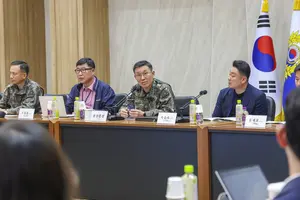
"드론은 미래에 개인 화기로 간주되어야 한다"고 김 참모총장이 충청남도 계룡대 육군본부에서의 정책 브리핑 중에 말했다.
"감시, 정찰, 공격 및 보급 지원용 드론이 있으며, 전투 인력은 이들을 자유롭게 사용할 수 있어야 한다."
방위사업청이 "50만 명의 드론 전사"를 양성하려고 추진 중인 가운데 이 발언이 나왔다. 이는 군 복무자들이 기본 드론 운용 기술과 실전 경험을 습득할 수 있게 하는 것이다. 방위사업청은 올해 이 계획을 위해 약 250억 원(1,690만 달러)을 새로 배정했다.
이 계획에 따르면 육군은 2029년까지 5만 대 이상의 훈련용 드론을 도입할 목표를 세웠으며, 이는 각 분대마다 드론 1대를 제공하기에 충분한 수량이다. 육군 관계자에 따르면 올해 약 1만 대의 상용 훈련용 드론이 군에 반입될 예정이다.
더 광범위한 목표는 군 복무자들 사이에서 드론 문해력을 확대하여 전투 준비태세를 개선하면서 동시에 국내 드론 산업을 지원하는 것이다. 군이 지역 생산 시스템과 핵심 부품의 주요 수요처가 되고 있다.
육군은 중대 수준 부대부터 여단, 사단, 군단 및 작전사령부에 이르기까지 모든 계층에서 드론 운용을 통합할 계획이다. 현재 드론 사용은 주로 경계 보안 및 훈련에 중심을 두고 있지만, 육군은 정찰, 공격 및 자폭 임무를 위한 임무별 드론을 점진적으로 배치할 목표를 세웠으며, 여러 기능이 결국 단일 플랫폼으로 통합될 것이다.
김 참모총장은 육군이 2018년에 도입된 현대화 프로그램인 육군 TIGER 계획을 통해 이러한 변화의 기초를 마련하기 시작했다고 말했다. 이는 드론, 로봇, 인공지능 및 기타 첨단 기술을 결합하여 군 인력 감소에 대비하기 위한 것이다.
"2018년 육군 TIGER를 추진했고 세 가지 주요 전투 체계를 구축했을 때, 우리는 드론봇과 워리어 플랫폼과 같은 개념을 수립했다"고 김 참모총장이 말했다. "이제 한국에 맞는 드론과 로봇 정책이 기술적으로 실현될 시기가 다가오고 있다."
그는 육군이 2028년에서 2032년 사이에 그러한 시스템이 실현 가능할 것으로 예상한다고 덧붙였다.
"우리 군의 드론에 대한 기술 진전이 정체했다는 것이 사실이다"라고 김 참모총장이 말했다. "하지만 2018년부터 드론봇 정책을 통해 준비해왔으며, 혁신의 시기가 다가오고 있다. 우리는 2028년에서 2030년경에 눈에 띄는 결과를 기대한다."
육군 정책 기획부장 이경진 소장은 군이 인력 개발, 교육 훈련, 교리, 조직 구조 및 정비 지원을 포함한 여러 전선에서 드론 추진을 준비하고 있다고 말했다.
노력은 아직 초기 단계에 있으며, 드론 역할을 특정 장교, 부사관 또는 병사 정원에 배정하기보다는 군 전체에서 드론과 AI에 대한 노출을 증가시키는 데 중점을 두고 있다.
육군은 드론의 역할(공격, 방어, 경계 보안 또는 기타 임무)이 작전 필요에 따라 달라질 수 있으며, 탑재물과 장비를 그에 따라 구성할 수 있다고 말했다.
육군은 별도의 드론 분과를 만들 계획이 없지만, 대신 기존 분과 전체에서 특화된 자격을 부여하는 것을 목표로 한다.
"보병, 기갑, 포병이 무엇이든 목표는 누구나 드론을 자유롭게 조종할 수 있는 능력을 갖추는 것이다"라고 이 소장이 말했다.
육군은 지난해 8월부터 지역 드론 교육 센터를 운영해왔다. 이 시설들은 3D 프린터 사용을 포함한 드론 운용, 정비 및 생산 기술을 구축하는 데 사용되고 있다.
"우리는 이를 육군의 AI와 드론 노출을 증가시키고 빅 데이터를 구축하는 단계로 본다"고 육군 관계자가 말했다.
육군은 또한 미군과의 상호운용성을 보장하기 위해 노력하고 있다고 말했다.
육군에 따르면, 미군 제2사단은 최근 육군정보통신학교를 방문하여 군의 드론 관련 시스템에 대해 배웠으며, 남한과 미군은 드론 운용 및 관련 시스템을 조율하고 있다.
브리핑은 또한 육군이 AI 기반 감시 시스템을 사용하여 일반전초(GOP) 선을 따라 배치된 군대를 감축할 계획에 대해 다루었다.
안규백 국방부 장관은 4월 8일 북한을 마주한 최전방 GOP 부대를 위한 AI 기반 과학적 국경 감시 시스템을 구축할 계획이며, GOP 군대 수를 현재 약 2만 2,000명에서 6,000명으로 감축할 계획이라고 밝혔다.
김 참모총장은 이 계획이 육군이 최전선을 따라 꾸준히 도입해온 과학적 감시 시스템을 기반으로 하며, 업그레이드를 통해 AI가 추가된다고 말했다.
"과학적 감시 시스템이 처음 도입되었을 때 AI는 개념의 일부가 아니었다"고 김 참모총장이 말했다. "하지만 시스템이 업그레이드되면서 AI를 통합할 수 있는 기술 수준에 도달했다."
그는 AI 기반 감시 시스템이 대상을 인식하고 북한 침투 발생 시 아군과 적군을 구별할 수 있을 것이라고 말했다.
"인력 감축이 보안 공백을 만들 수 있다는 우려가 있지만 그렇지 않다"고 김 참모총장이 말했다. "우리는 AI 기반 과학적 감시 시스템이 2040년까지 충분히 구축될 수 있을 것으로 예상한다."
육군은 2027년까지 선진 전력 모델에 대한 시범 부대를 설립한 후 군 전체에 걸쳐 점진적으로 도입할 계획이라고 말했다.
병력 부족에 대응하는 일환으로, 육군은 비전투 지역에서 민간인 참여와 행정 작업의 자동화를 고려하고 있어 군인들이 전투 임무에 더 집중할 수 있도록 한다.
"드론은 미래에 개인 화기로 간주되어야 한다"고 김 참모총장이 충청남도 계룡대 육군본부에서의 정책 브리핑 중에 말했다.
"감시, 정찰, 공격 및 보급 지원용 드론이 있으며, 전투 인력은 이들을 자유롭게 사용할 수 있어야 한다."
방위사업청이 "50만 명의 드론 전사"를 양성하려고 추진 중인 가운데 이 발언이 나왔다. 이는 군 복무자들이 기본 드론 운용 기술과 실전 경험을 습득할 수 있게 하는 것이다. 방위사업청은 올해 이 계획을 위해 약 250억 원(1,690만 달러)을 새로 배정했다.
이 계획에 따르면 육군은 2029년까지 5만 대 이상의 훈련용 드론을 도입할 목표를 세웠으며, 이는 각 분대마다 드론 1대를 제공하기에 충분한 수량이다. 육군 관계자에 따르면 올해 약 1만 대의 상용 훈련용 드론이 군에 반입될 예정이다.
더 광범위한 목표는 군 복무자들 사이에서 드론 문해력을 확대하여 전투 준비태세를 개선하면서 동시에 국내 드론 산업을 지원하는 것이다. 군이 지역 생산 시스템과 핵심 부품의 주요 수요처가 되고 있다.
육군은 중대 수준 부대부터 여단, 사단, 군단 및 작전사령부에 이르기까지 모든 계층에서 드론 운용을 통합할 계획이다. 현재 드론 사용은 주로 경계 보안 및 훈련에 중심을 두고 있지만, 육군은 정찰, 공격 및 자폭 임무를 위한 임무별 드론을 점진적으로 배치할 목표를 세웠으며, 여러 기능이 결국 단일 플랫폼으로 통합될 것이다.
김 참모총장은 육군이 2018년에 도입된 현대화 프로그램인 육군 TIGER 계획을 통해 이러한 변화의 기초를 마련하기 시작했다고 말했다. 이는 드론, 로봇, 인공지능 및 기타 첨단 기술을 결합하여 군 인력 감소에 대비하기 위한 것이다.
"2018년 육군 TIGER를 추진했고 세 가지 주요 전투 체계를 구축했을 때, 우리는 드론봇과 워리어 플랫폼과 같은 개념을 수립했다"고 김 참모총장이 말했다. "이제 한국에 맞는 드론과 로봇 정책이 기술적으로 실현될 시기가 다가오고 있다."
그는 육군이 2028년에서 2032년 사이에 그러한 시스템이 실현 가능할 것으로 예상한다고 덧붙였다.
"우리 군의 드론에 대한 기술 진전이 정체했다는 것이 사실이다"라고 김 참모총장이 말했다. "하지만 2018년부터 드론봇 정책을 통해 준비해왔으며, 혁신의 시기가 다가오고 있다. 우리는 2028년에서 2030년경에 눈에 띄는 결과를 기대한다."
육군 정책 기획부장 이경진 소장은 군이 인력 개발, 교육 훈련, 교리, 조직 구조 및 정비 지원을 포함한 여러 전선에서 드론 추진을 준비하고 있다고 말했다.
노력은 아직 초기 단계에 있으며, 드론 역할을 특정 장교, 부사관 또는 병사 정원에 배정하기보다는 군 전체에서 드론과 AI에 대한 노출을 증가시키는 데 중점을 두고 있다.
육군은 드론의 역할(공격, 방어, 경계 보안 또는 기타 임무)이 작전 필요에 따라 달라질 수 있으며, 탑재물과 장비를 그에 따라 구성할 수 있다고 말했다.
육군은 별도의 드론 분과를 만들 계획이 없지만, 대신 기존 분과 전체에서 특화된 자격을 부여하는 것을 목표로 한다.
"보병, 기갑, 포병이 무엇이든 목표는 누구나 드론을 자유롭게 조종할 수 있는 능력을 갖추는 것이다"라고 이 소장이 말했다.
육군은 지난해 8월부터 지역 드론 교육 센터를 운영해왔다. 이 시설들은 3D 프린터 사용을 포함한 드론 운용, 정비 및 생산 기술을 구축하는 데 사용되고 있다.
"우리는 이를 육군의 AI와 드론 노출을 증가시키고 빅 데이터를 구축하는 단계로 본다"고 육군 관계자가 말했다.
육군은 또한 미군과의 상호운용성을 보장하기 위해 노력하고 있다고 말했다.
육군에 따르면, 미군 제2사단은 최근 육군정보통신학교를 방문하여 군의 드론 관련 시스템에 대해 배웠으며, 남한과 미군은 드론 운용 및 관련 시스템을 조율하고 있다.
브리핑은 또한 육군이 AI 기반 감시 시스템을 사용하여 일반전초(GOP) 선을 따라 배치된 군대를 감축할 계획에 대해 다루었다.
안규백 국방부 장관은 4월 8일 북한을 마주한 최전방 GOP 부대를 위한 AI 기반 과학적 국경 감시 시스템을 구축할 계획이며, GOP 군대 수를 현재 약 2만 2,000명에서 6,000명으로 감축할 계획이라고 밝혔다.
김 참모총장은 이 계획이 육군이 최전선을 따라 꾸준히 도입해온 과학적 감시 시스템을 기반으로 하며, 업그레이드를 통해 AI가 추가된다고 말했다.
"과학적 감시 시스템이 처음 도입되었을 때 AI는 개념의 일부가 아니었다"고 김 참모총장이 말했다. "하지만 시스템이 업그레이드되면서 AI를 통합할 수 있는 기술 수준에 도달했다."
그는 AI 기반 감시 시스템이 대상을 인식하고 북한 침투 발생 시 아군과 적군을 구별할 수 있을 것이라고 말했다.
"인력 감축이 보안 공백을 만들 수 있다는 우려가 있지만 그렇지 않다"고 김 참모총장이 말했다. "우리는 AI 기반 과학적 감시 시스템이 2040년까지 충분히 구축될 수 있을 것으로 예상한다."
육군은 2027년까지 선진 전력 모델에 대한 시범 부대를 설립한 후 군 전체에 걸쳐 점진적으로 도입할 계획이라고 말했다.
병력 부족에 대응하는 일환으로, 육군은 비전투 지역에서 민간인 참여와 행정 작업의 자동화를 고려하고 있어 군인들이 전투 임무에 더 집중할 수 있도록 한다.
처리 완료
4,511 tokens · $0.0128
기사 수집 완료 · 15:15
매체 피드에서 기사 메타데이터 수집
헤드라인 번역 완료 · 15:26
제목/요약 한국어 번역 (fetch 시점 inline)
claude-haiku-4-5-20251001
98 tokens
$0.00020
1.2s
본문 추출 완료
5,769자 추출 완료
본문 한국어 번역 완료 · 15:26
2,673자 번역 완료
claude-haiku-4-5-20251001
4,413 tokens
$0.01263
29.8s
지정학적 엔티티 추출 완료 · 15:26
5개 엔티티 추출 완료
지정학적 맥락 & R-Scanner
R-Scanner · 핫스팟
z=4.11
평소보다 훨씬 많은 매체가 집중 보도 중 — 기준: South Korea
(🇰🇷 KR)
최근 6시간 25건
7일 평균 10.86건 / 6h
4개국 매체
4개 매체
본문에서 추출된 지명 (5)
위치 지도
지도 로딩 중…
같은 주제의 다른 기사 (최근 7일)
The South Korean Army envisions drones becoming as common as personal firearms for its troops, Army Chief of Staff Gen. Kim Gyu-ha said Wednesday, as the military moves to train personnel to operate unmanned systems across battlefield roles.
“Drones should be considered personal firearms in the future,” Kim said during a policy briefing at Army headquarters in Gyeryongdae, South Chungcheong Province.
“There are drones for surveillance, reconnaissance, strikes and sustainment support, and combat personnel must be able to use them freely.”
The remarks come as the Defense Ministry pushes to train what it calls “500,000 drone warriors,” enabling service members to acquire basic drone operating skills and practical experience. The ministry has newly earmarked about 25 billion won ($16.9 million) this year for the initiative.
Under the plan, the Army aims to introduce more than 50,000 training drones by 2029, enough to provide one drone for each squad. Around 10,000 commercial training drones are expected to be brought into the military this year, according to Army officials.
The broader goal is to improve combat readiness by expanding drone literacy among troops while also supporting the domestic drone industry, as the military becomes a key demand source for locally produced systems and core components.
The Army plans to incorporate drone operations across all echelons, from company-level units to brigades, divisions, corps and operational commands. While current drone use centers largely on perimeter security and training, the service aims to gradually field mission-specific drones for reconnaissance, strikes and self-destruct missions, with multiple functions eventually integrated into a single platform.
Kim said the Army began laying the groundwork for such changes through its Army TIGER initiative, a modernization program introduced in 2018 to prepare for the country’s shrinking military manpower by combining drones, robots, artificial intelligence and other advanced technologies.
“When we pursued Army TIGER in 2018 and set up the three major combat systems, we established concepts such as dronebots and the Warrior Platform,” Kim said. “Now the time is approaching when drone and robot policies suited to Korea can be technologically realized.”
He added that the Army expects such systems to become feasible between 2028 and 2032.
“It is true that our military’s technological progress on drones has been stagnant,” Kim said. “But we have been preparing since 2018 through the dronebot policy, and the period of innovation is approaching. We expect visible results around 2028 to 2030.”
Maj. Gen. Lee Kyung-jin, head of the Army’s policy planning division, said the service is preparing for the drone push on multiple fronts, including force development, education and training, doctrine, organizational structure, and maintenance support.
The effort remains in an early phase, focused on increasing exposure to drones and AI across the force rather than assigning drone roles to specific officers, noncommissioned officers, or enlisted quotas.
The Army said the role of drones — whether for attack, defense, perimeter security or other missions — could vary depending on operational needs, with payloads and equipment configured accordingly.
The Army said it does not plan to create a separate drone branch, but instead aims to grant specialized qualifications to soldiers across existing branches.
“Whether infantry, armor or artillery, the goal is for anyone to build the ability to operate drones freely,” Lee said.
The Army has been operating regional drone education centers since August last year. These facilities are being used to build skills in drone operation, maintenance and production, including the use of 3D printers.
“We see this as a stage of increasing the Army’s exposure to AI and drones and building big data,” an Army official said.
The Army also said it is working to ensure interoperability with the US military.
According to the Army, the US 2nd Infantry Division recently visited the Army Information and Communications School to learn about the service’s drone-related systems, as South Korean and US forces work to align their drone operations and related systems.
The briefing also touched on the Army’s plan to reduce troops stationed along the general outpost (GOP) line by using AI-based surveillance systems.
Defense Minister Ahn Gyu-back said earlier on April 8 that the military plans to build an AI-based scientific border surveillance system for front-line GOP units facing North Korea and reduce the number of GOP troops from the current level of about 22,000 to 6,000.
Kim said the plan builds on the scientific surveillance system that the Army has steadily introduced along the front line, with AI now being added through upgrades.
“When the scientific surveillance system was first introduced, AI was not part of the concept,” Kim said. “But as the system is upgraded, we have reached a technological level where AI can be incorporated.”
He said an AI-based surveillance system would be able to recognize objects and distinguish between friendly and hostile forces in the event of a North Korean infiltration.
“There are concerns that reducing personnel could create a security vacuum, but that is not the case,” Kim said. “We expect that an AI-based scientific surveillance system can be sufficiently established by 2040.”
The Army said it plans to establish pilot units for the advanced force model by 2027 before gradually introducing it across the service.
As part of its response to troop shortages, the Army is also considering civilian participation in noncombat areas and automation of administrative work so soldiers can focus more on combat missions.
“Drones should be considered personal firearms in the future,” Kim said during a policy briefing at Army headquarters in Gyeryongdae, South Chungcheong Province.
“There are drones for surveillance, reconnaissance, strikes and sustainment support, and combat personnel must be able to use them freely.”
The remarks come as the Defense Ministry pushes to train what it calls “500,000 drone warriors,” enabling service members to acquire basic drone operating skills and practical experience. The ministry has newly earmarked about 25 billion won ($16.9 million) this year for the initiative.
Under the plan, the Army aims to introduce more than 50,000 training drones by 2029, enough to provide one drone for each squad. Around 10,000 commercial training drones are expected to be brought into the military this year, according to Army officials.
The broader goal is to improve combat readiness by expanding drone literacy among troops while also supporting the domestic drone industry, as the military becomes a key demand source for locally produced systems and core components.
The Army plans to incorporate drone operations across all echelons, from company-level units to brigades, divisions, corps and operational commands. While current drone use centers largely on perimeter security and training, the service aims to gradually field mission-specific drones for reconnaissance, strikes and self-destruct missions, with multiple functions eventually integrated into a single platform.
Kim said the Army began laying the groundwork for such changes through its Army TIGER initiative, a modernization program introduced in 2018 to prepare for the country’s shrinking military manpower by combining drones, robots, artificial intelligence and other advanced technologies.
“When we pursued Army TIGER in 2018 and set up the three major combat systems, we established concepts such as dronebots and the Warrior Platform,” Kim said. “Now the time is approaching when drone and robot policies suited to Korea can be technologically realized.”
He added that the Army expects such systems to become feasible between 2028 and 2032.
“It is true that our military’s technological progress on drones has been stagnant,” Kim said. “But we have been preparing since 2018 through the dronebot policy, and the period of innovation is approaching. We expect visible results around 2028 to 2030.”
Maj. Gen. Lee Kyung-jin, head of the Army’s policy planning division, said the service is preparing for the drone push on multiple fronts, including force development, education and training, doctrine, organizational structure, and maintenance support.
The effort remains in an early phase, focused on increasing exposure to drones and AI across the force rather than assigning drone roles to specific officers, noncommissioned officers, or enlisted quotas.
The Army said the role of drones — whether for attack, defense, perimeter security or other missions — could vary depending on operational needs, with payloads and equipment configured accordingly.
The Army said it does not plan to create a separate drone branch, but instead aims to grant specialized qualifications to soldiers across existing branches.
“Whether infantry, armor or artillery, the goal is for anyone to build the ability to operate drones freely,” Lee said.
The Army has been operating regional drone education centers since August last year. These facilities are being used to build skills in drone operation, maintenance and production, including the use of 3D printers.
“We see this as a stage of increasing the Army’s exposure to AI and drones and building big data,” an Army official said.
The Army also said it is working to ensure interoperability with the US military.
According to the Army, the US 2nd Infantry Division recently visited the Army Information and Communications School to learn about the service’s drone-related systems, as South Korean and US forces work to align their drone operations and related systems.
The briefing also touched on the Army’s plan to reduce troops stationed along the general outpost (GOP) line by using AI-based surveillance systems.
Defense Minister Ahn Gyu-back said earlier on April 8 that the military plans to build an AI-based scientific border surveillance system for front-line GOP units facing North Korea and reduce the number of GOP troops from the current level of about 22,000 to 6,000.
Kim said the plan builds on the scientific surveillance system that the Army has steadily introduced along the front line, with AI now being added through upgrades.
“When the scientific surveillance system was first introduced, AI was not part of the concept,” Kim said. “But as the system is upgraded, we have reached a technological level where AI can be incorporated.”
He said an AI-based surveillance system would be able to recognize objects and distinguish between friendly and hostile forces in the event of a North Korean infiltration.
“There are concerns that reducing personnel could create a security vacuum, but that is not the case,” Kim said. “We expect that an AI-based scientific surveillance system can be sufficiently established by 2040.”
The Army said it plans to establish pilot units for the advanced force model by 2027 before gradually introducing it across the service.
As part of its response to troop shortages, the Army is also considering civilian participation in noncombat areas and automation of administrative work so soldiers can focus more on combat missions.