콴타스와 제트스타, 연료 위기로 국내선 및 뉴질랜드 노선 감축 연장
Qantas, Jetstar extend cuts to domestic, NZ flights as fuel crisis bites
Sydney Morning Herald
· 🇦🇺 Sydney, AU
Chris Zappone
EN
2026-05-01 09:05
Translated
항공사는 연료 가격 충격으로 어려움을 겪으면서 호주-유럽 노선 운항을 추가하고 있습니다.
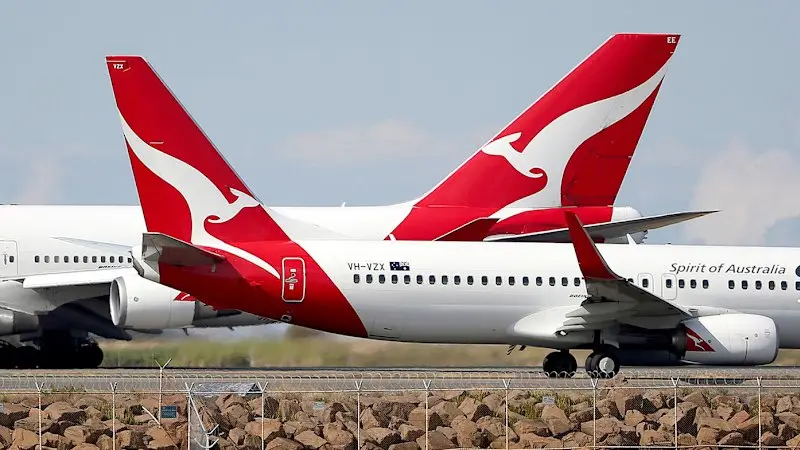
콴타스와 제트스타는 미국-이란 전쟁으로 인한 연료 위기가 계속되면서 국내선 감축을 3개월 연장하고 뉴질랜드 노선을 축소하고 있습니다.
호주의 국영 항공사는 원래 5월부터 6월까지 실시하던 국내 운항 용량 5% 감축을 이제 9월까지 연장하기로 했습니다.
콴타스의 국제 운항 용량은 2027년 1분기에 2% 포인트 감소할 것으로 예상되며, 항공사가 국제 항공기를 재배치하고 있습니다. 제트스타는 뉴질랜드 노선 운항도 축소하고 있습니다.
전 세계 항공사들은 중동 분쟁으로 인한 연료 가격 급등으로 인한 어려움을 겪고 있으며, 이로 인해 공급이 제한되고 운항 용량이 감소했으며 석유 및 제트유 비용이 증가했고 일부 국내 시장의 항공편 수요가 감소했습니다.
항공사의 발표는 정부가 아시아 지역의 공급처에서 1억 리터의 제트유를 실은 2개 화물선과 5천만 리터의 디젤유를 실은 추가 화물선 확보를 발표한 것과 동시에 이루어졌습니다.
돈 팰렐 통상부 장관은 퍼스와 브리즈번으로 향하는 1억 리터의 제트유와 다윈으로 향하는 5천만 리터의 디젤유가 "우리의 FIFO 근로자들이 비행하고, 우리의 트럭 운전사들이 운전하고, 우리 국가가 계속 움직일 수 있게 해줄 것"이라고 말했습니다.
팰렐 장관은 "호주인들에게 여행하고 사랑하는 사람들을 만나고 우리의 광활하고 아름다운 국가를 계속 탐험할 수 있는 마음의 평화를 줄 것입니다"라고 말했습니다.
네트워크 조정은 콴타스가 4월 중순에 중동 분쟁으로 인한 8억 달러의 연료 비용 초과 가능성을 공시한 이후에 이루어졌습니다.
"콴타스 그룹은 중동 분쟁의 영향을 완화하기 위해, 지속적으로 높은 연료 비용을 포함하여 계속 조치를 취하고 있으며, 유럽으로의 여행에 대한 지속적인 강한 수요에 대응하고 있습니다"라고 항공사는 말했습니다.
항공사는 콴타스 퍼스-로마 노선이 10월 말까지 추가로 3개월 연장될 것이라고 밝혔습니다. 싱가포르를 경유하는 시드니-파리 노선은 계속 운항될 것입니다.
유럽으로의 여행에 대한 지속적인 수요에 대응한 변경으로, 항공사는 유럽 노선의 주간 탑승객을 추가로 2000석 증가시킬 것이라고 밝혔습니다.
콴타스의 시드니에서 인도 도시 벵갈루루로의 서비스는 8월부터 일시 중단되며 10월 말에 재개될 것입니다. 콴타스와 제트스타 모두 태즈먼 횡단 노선의 운항 용량을 축소했습니다.
호주의 가장 큰 제트유 수입처인 중국은 중동 분쟁으로 인한 불확실성으로 인해 거의 2개월 전에 선적을 축소한 후 중요한 연료의 수출을 재개할 의사가 있다고 신호했습니다.
K2 자산 관리 회사의 상무이사이자 에너지 전문가인 조지 부부라스는 이 시장에서 "앞으로 30일 더 가격이 현재 수준 주변에 머물면 취소가 점점 더 일반화될 것"이라고 말했습니다.
중국의 소식은 "단기적으로 항공에 좋다"고 그는 말했습니다. "하지만 항공사들이 직면한 문제를 고려하면 그리 많지는 않습니다."
중국에서 더 많은 제트유가 나올 가능성은 추가 노선 취소를 제한하고 항공사가 항공편 노선을 유지할 수 있게 해줄 수 있습니다. 밀포드 자산 포트폴리오 관리자인 제이슨 쿠루랑기는 말했습니다. "더 많은 제트유를 수출할 수 있는 것은 현재 존재하는 글로벌 공급-수요 불균형에 확실히 긍정적일 것입니다"라고 그는 말했습니다.
"그것은 공급에 확실히 증분 긍정적이 될 것이라고 생각합니다"라고 그는 말했습니다. "그러면 지역의 항공료가 낮아져야 할 것입니다."
위기 시작 후 한 달 이내에 콴타스, 제트스타 및 버진은 항공편에 대한 적절한 감축을 시작했으며, 항공료는 인상했습니다. 이번 주 피지 항공사는 "높은 연료 비용과 변화하는 수요"로 인해 9월 7일부터 피지-댈러스 노선을 취소할 것이라고 밝혔습니다.
이스라엘과 미국의 이란 공격 이후 글로벌 석유 공급에 부담이 가해지면서 3월 중순에 중국이 국내 항공을 지원하기 위해 제트유 수출을 제한할 것이라는 보도가 나왔습니다.
이번 주 수요일 왕이 중국 외교부장관과의 만남 이후 페니 웡 호주 외교부 장관은 중국이 호주로의 중요한 제트유 수출을 재개하기 위한 "첫 번째 단계"를 취하기로 동의했다고 이 지면에 말했습니다.
호주는 연간 약 100억 리터의 제트유를 사용하며, 그 중 80% 이상이 수입되는데, 호주 석유 협회의 통계에 따르면 그렇습니다. 약 26억 리터(32%)가 중국에서 오고, 또 다른 18억 리터(23%)는 싱가포르에서 옵니다.
중국이 시간이 지남에 따라 얼마나 많은 제트유를 방출할지는 불분명합니다.
"우리는 그것이 큰 영향을 미칠지 지켜봐야 할 것입니다"라고 호주 석유 협회의 말콤 로버츠 최고경영자는 말했습니다. 그는 중국에서 배송한 연료가 호주에 도착하는 데 3주가 걸린다고 말했습니다.
"제트유 수입의 재개를 의미하는 모든 것은 완화가 될 것입니다. 물론 문제는 가격이 여전히 매우 높다는 것입니다. 더 많은 물량은 항공료에 하향 압력을 줄 것으로 예상됩니다"라고 그는 말했습니다.
싱가포르 기반 옥스포드 이코노믹스 분석가인 셰나 유에는 중국의 제트유 판매 규모가 무엇이든 간에 "완전한 정제 연료 수출 재개보다는 통제되고 목표화된 완화일 가능성이 높다"고 말했습니다.
중국이 3월에 수출을 중단하도록 유도한 우려는 "여전히 중요하다"고 유에는 말했으며, 호르무즈 해협이 폐쇄된 동안 국내 공급을 보호하고 인플레이션을 관리하는 것에 불안감을 가질 것입니다.
호주의 국영 항공사는 원래 5월부터 6월까지 실시하던 국내 운항 용량 5% 감축을 이제 9월까지 연장하기로 했습니다.
콴타스의 국제 운항 용량은 2027년 1분기에 2% 포인트 감소할 것으로 예상되며, 항공사가 국제 항공기를 재배치하고 있습니다. 제트스타는 뉴질랜드 노선 운항도 축소하고 있습니다.
전 세계 항공사들은 중동 분쟁으로 인한 연료 가격 급등으로 인한 어려움을 겪고 있으며, 이로 인해 공급이 제한되고 운항 용량이 감소했으며 석유 및 제트유 비용이 증가했고 일부 국내 시장의 항공편 수요가 감소했습니다.
항공사의 발표는 정부가 아시아 지역의 공급처에서 1억 리터의 제트유를 실은 2개 화물선과 5천만 리터의 디젤유를 실은 추가 화물선 확보를 발표한 것과 동시에 이루어졌습니다.
돈 팰렐 통상부 장관은 퍼스와 브리즈번으로 향하는 1억 리터의 제트유와 다윈으로 향하는 5천만 리터의 디젤유가 "우리의 FIFO 근로자들이 비행하고, 우리의 트럭 운전사들이 운전하고, 우리 국가가 계속 움직일 수 있게 해줄 것"이라고 말했습니다.
팰렐 장관은 "호주인들에게 여행하고 사랑하는 사람들을 만나고 우리의 광활하고 아름다운 국가를 계속 탐험할 수 있는 마음의 평화를 줄 것입니다"라고 말했습니다.
네트워크 조정은 콴타스가 4월 중순에 중동 분쟁으로 인한 8억 달러의 연료 비용 초과 가능성을 공시한 이후에 이루어졌습니다.
"콴타스 그룹은 중동 분쟁의 영향을 완화하기 위해, 지속적으로 높은 연료 비용을 포함하여 계속 조치를 취하고 있으며, 유럽으로의 여행에 대한 지속적인 강한 수요에 대응하고 있습니다"라고 항공사는 말했습니다.
항공사는 콴타스 퍼스-로마 노선이 10월 말까지 추가로 3개월 연장될 것이라고 밝혔습니다. 싱가포르를 경유하는 시드니-파리 노선은 계속 운항될 것입니다.
유럽으로의 여행에 대한 지속적인 수요에 대응한 변경으로, 항공사는 유럽 노선의 주간 탑승객을 추가로 2000석 증가시킬 것이라고 밝혔습니다.
콴타스의 시드니에서 인도 도시 벵갈루루로의 서비스는 8월부터 일시 중단되며 10월 말에 재개될 것입니다. 콴타스와 제트스타 모두 태즈먼 횡단 노선의 운항 용량을 축소했습니다.
호주의 가장 큰 제트유 수입처인 중국은 중동 분쟁으로 인한 불확실성으로 인해 거의 2개월 전에 선적을 축소한 후 중요한 연료의 수출을 재개할 의사가 있다고 신호했습니다.
K2 자산 관리 회사의 상무이사이자 에너지 전문가인 조지 부부라스는 이 시장에서 "앞으로 30일 더 가격이 현재 수준 주변에 머물면 취소가 점점 더 일반화될 것"이라고 말했습니다.
중국의 소식은 "단기적으로 항공에 좋다"고 그는 말했습니다. "하지만 항공사들이 직면한 문제를 고려하면 그리 많지는 않습니다."
중국에서 더 많은 제트유가 나올 가능성은 추가 노선 취소를 제한하고 항공사가 항공편 노선을 유지할 수 있게 해줄 수 있습니다. 밀포드 자산 포트폴리오 관리자인 제이슨 쿠루랑기는 말했습니다. "더 많은 제트유를 수출할 수 있는 것은 현재 존재하는 글로벌 공급-수요 불균형에 확실히 긍정적일 것입니다"라고 그는 말했습니다.
"그것은 공급에 확실히 증분 긍정적이 될 것이라고 생각합니다"라고 그는 말했습니다. "그러면 지역의 항공료가 낮아져야 할 것입니다."
위기 시작 후 한 달 이내에 콴타스, 제트스타 및 버진은 항공편에 대한 적절한 감축을 시작했으며, 항공료는 인상했습니다. 이번 주 피지 항공사는 "높은 연료 비용과 변화하는 수요"로 인해 9월 7일부터 피지-댈러스 노선을 취소할 것이라고 밝혔습니다.
이스라엘과 미국의 이란 공격 이후 글로벌 석유 공급에 부담이 가해지면서 3월 중순에 중국이 국내 항공을 지원하기 위해 제트유 수출을 제한할 것이라는 보도가 나왔습니다.
이번 주 수요일 왕이 중국 외교부장관과의 만남 이후 페니 웡 호주 외교부 장관은 중국이 호주로의 중요한 제트유 수출을 재개하기 위한 "첫 번째 단계"를 취하기로 동의했다고 이 지면에 말했습니다.
호주는 연간 약 100억 리터의 제트유를 사용하며, 그 중 80% 이상이 수입되는데, 호주 석유 협회의 통계에 따르면 그렇습니다. 약 26억 리터(32%)가 중국에서 오고, 또 다른 18억 리터(23%)는 싱가포르에서 옵니다.
중국이 시간이 지남에 따라 얼마나 많은 제트유를 방출할지는 불분명합니다.
"우리는 그것이 큰 영향을 미칠지 지켜봐야 할 것입니다"라고 호주 석유 협회의 말콤 로버츠 최고경영자는 말했습니다. 그는 중국에서 배송한 연료가 호주에 도착하는 데 3주가 걸린다고 말했습니다.
"제트유 수입의 재개를 의미하는 모든 것은 완화가 될 것입니다. 물론 문제는 가격이 여전히 매우 높다는 것입니다. 더 많은 물량은 항공료에 하향 압력을 줄 것으로 예상됩니다"라고 그는 말했습니다.
싱가포르 기반 옥스포드 이코노믹스 분석가인 셰나 유에는 중국의 제트유 판매 규모가 무엇이든 간에 "완전한 정제 연료 수출 재개보다는 통제되고 목표화된 완화일 가능성이 높다"고 말했습니다.
중국이 3월에 수출을 중단하도록 유도한 우려는 "여전히 중요하다"고 유에는 말했으며, 호르무즈 해협이 폐쇄된 동안 국내 공급을 보호하고 인플레이션을 관리하는 것에 불안감을 가질 것입니다.
처리 완료
4,821 tokens · $0.0139
기사 수집 완료 · 09:20
매체 피드에서 기사 메타데이터 수집
헤드라인 번역 완료 · 09:36
제목/요약 한국어 번역 (fetch 시점 inline)
claude-haiku-4-5-20251001
200 tokens
$0.00050
1.6s
본문 추출 완료
5,325자 추출 완료
본문 한국어 번역 완료 · 09:36
2,621자 번역 완료
claude-haiku-4-5-20251001
4,621 tokens
$0.01337
28.3s
지정학적 엔티티 추출 완료 · 09:36
8개 엔티티 추출 완료
지정학적 맥락 & R-Scanner
R-Scanner · 평상
z=0.54
일상적인 보도 수준 — 기준: Australia
(🇦🇺 AU)
최근 6시간 22건
7일 평균 19.57건 / 6h
3개국 매체
4개 매체
본문에서 추출된 지명 (8)
Australia
🇦🇺
China
🇨🇳
New Zealand
🇳🇿
Singapore
🇸🇬
Middle East
🇽🇽
Iran
🇮🇷
Strait of Hormuz
🇮🇷
Europe
🇽🇽
위치 지도
지도 로딩 중…
같은 주제의 다른 기사 (최근 7일)
But the airline is adding flights between Australia and Europe as the global industry grapples with fuel price shock.
Qantas and Jetstar are extending cuts to domestic flights by three months and trimming flights to New Zealand as the fuel crisis from the US-Iran war continues to bite.Australia’s national carrier said its 5 per cent cut in domestic capacity, which originally ran from May to June, would now be extended to September.
International capacity at Qantas will decline by 2 percentage points in the first quarter of 2027 as the airline redeploys its international fleet. Jetstar said it is also trimming flights to New Zealand.
Airlines globally are grappling with a fuel price spike from the Middle East conflict which has limited supply, reduced capacity, driven up oil and jet fuel costs, and diminished demand for flights in some domestic markets.
The airline’s announcement comes as the government revealed it secured two shipments carrying 100 million litres of jet fuel, as well as another shipment of 50 million litres of diesel from sources in Asia.
Trade Minister Don Farrell said the additional 100 million litres of jet fuel to Perth and Brisbane and 50 million litres of diesel to Darwin “will keep our FIFO workers flying, our truckers driving, and our nation moving.”
“It gives Australians the peace of mind they need to travel and see their loved ones and to keep exploring our vast and beautiful country,” Farrell said.
The network adjustments follow Qantas’ mid-April disclosure of a potential $800 million blowout in fuel expenses, driven by the crisis.
“The Qantas Group continues to take action to mitigate the impact of the conflict in the Middle East, including sustained high fuel costs, and respond to continued strong demand for travel to Europe,” it said.
Additional Qantas Perth-Rome flights have been extended for another three months, until the end of October, the airline said. Flights between Sydney-Paris via Singapore will continue to operate.
The changes, in response to sustained demand for travel to Europe, will add another 2000 seats to and from Europe each week, the airline said.
Qantas’ service from Sydney to the Indian city of Bengaluru is being temporarily suspended from August and will resume at the end of October. Both Qantas and Jetstar have reduced capacity across the Tasman.
Australia’s largest source of jet fuel imports – China – has signalled a willingness to resume exports of the crucial fuel nearly two months after it curtailed shipments because of uncertainty caused by the conflict in the Middle East.
K2 Asset Management managing director and energy expert George Boubouras said in this market “cancellations will increasingly be normalised if prices stay around current levels for 30 more days.”
The news from China was “good for aviation in the short term,” he said. “But that is not saying much given the challenges [airlines] face.”
The prospect of more jet fuel out of China may limit additional flight cancellations and allow airlines to maintain flight routes, said Milford Asset portfolio manager Jason Kururangi. “Having more jet fuel available for export would definitely be a positive to the global supply-demand imbalance that’s currently present,” he said.
“I think it would definitely be an incremental positive for supplies,” he said. “Then that should result in lower [ticket] prices in the region as well.”
Within a month of the crisis’ start, Qantas, Jetstar and Virgin began modest reductions to their flights, as well as increases to ticket prices. This week, Fiji Airways said it would cancel its Fiji-Dallas service from September 7 “due to high fuel costs and changing demand”.
As the global supply of oil came under strain following Israel and the US’ attack on Iran, reports emerged in mid-March that China would limit its jet fuel exports to support its domestic aviation.
This week, following a meeting with Chinese Foreign Minister Wang Yi on Wednesday, Foreign Minister Penny Wong told this masthead China had agreed to take a “first step” to resume critical exports of jet fuel to Australia.
Australia uses about 10 billion litres of jet fuel a year, of which more than 80 per cent is imported, numbers from the Australian Institute of Petroleum show. About 2.6 billion litres a year, or 32 per cent, comes from China, another 1.8 billion or 23 per cent is from Singapore.
It’s not clear how much jet fuel China will release over time.
“We’ll just have to wait and see whether it does have much of an impact,” Australian Institute of Petroleum CEO Malcolm Roberts said. He said it takes three weeks for China-shipped fuel to arrive in Australia.
“Anything that means we’ll see a resumption of jet fuel imports is going to be a relief, although, of course, the problem is the price is still very high. More volume would hopefully put some downward pressure on [ticket] prices,” he said.
Singapore-based Oxford Economics analyst Sheana Yue said whatever the scale of China’s jet fuel sales, it’s “likely to be a controlled, targeted easing rather than a full resumption of refined fuel exports”.
The concerns that prompted China to stop exports in March “still matter”, Yue said, and it will be anxious to protect domestic supply and manage inflation while the Strait of Hormuz remains closed.
The Market Recap
You have reached your maximum number of saved items.
Remove items from your saved list to add more.