라과디아 공항 추락 사고 당시 미사용 추적 장치를 항만청이 설치하기로
Port Authority to Install Tracker Not Used During Deadly LaGuardia Crash
The New York Times
· 🇺🇸 New York, US
Patrick McGeehan
EN
2026-04-29 06:21
Translated
연방 조사관들은 라과디아에서 에어캐나다 익스프레스 항공기와의 치명적인 충돌 당시 소방차에 트랜스폰더가 없었던 것이 역할을 했다고 밝혔습니다.
뉴욕-뉴저지 항만청은 화요일 조사관들이 라과디아 공항에서 항공기와의 치명적인 충돌 당시 권장 장치를 갖추지 않은 점을 지적한 후 세 개의 주요 공항에서 구조 차량에 추적 장치를 설치하겠다고 발표했습니다.
지난주 발표된 치명적 충돌에 대한 예비 보고서에서 국가운송안전위원회(NTSB)는 라과디아의 항공 교통 관제탑으로 위치에 대한 신호를 지속적으로 전송했을 트랜스폰더가 소방차에 없었던 점을 강조했습니다. 조사관들은 이 장치가 기존의 자동 경고 시스템과 연결되어 관제사들에게 에어캐나다 익스프레스 항공기와의 충돌이 임박했음을 알릴 수 있었을 것이라고 말했습니다.
화요일 항만청 대변인 제임스 앨런은 지난해 뉴어크 리버티 공항에서 이 장치를 테스트한 후 연방항공청이 권장하는 장치를 주요 공항으로 확대할 것이라고 밝혔습니다.
앨런은 항만청이 "트랜스폰더 기술이 지표면 이동을 이미 추적하고 있는 기존 감시 시스템 위에 추가적인 가시성 계층을 제공할 수 있다"고 인식하고 있다고 말했습니다. 그는 항만청이 "이미 구축되어 있는 기술을 바탕으로 공항 전역에 걸쳐 그 기능을 확대할 것"이라고 말했습니다.
앨런은 항만청 경찰부의 두 명의 장교가 운영하는 1번 트럭으로 식별된 소방차가 관제탑과 연락을 취했으며 관제사로부터 활주로를 가로질러 갈 수 있다는 허가를 받았다고 지적했습니다.
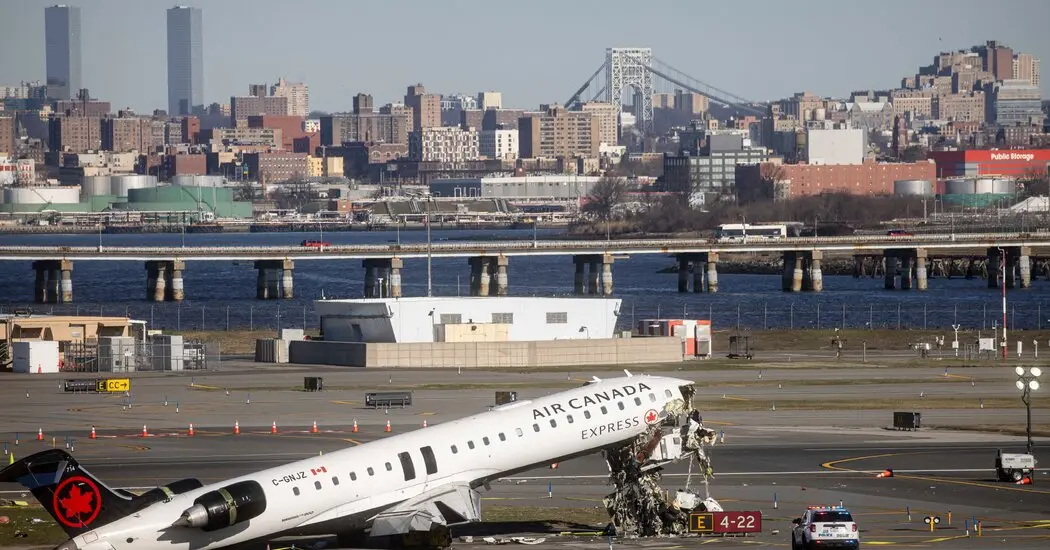
그 트럭은 3월 22일 자정 무렵 다른 항공기의 비상 신고에 응답하고 있었을 때 에어캐나다 항공기가 착륙하기 직전 활주로에 진입했고 그것과 충돌하여 항공기의 두 조종사가 사망했습니다.
안전위원회 조사관들은 여전히 충돌의 원인을 찾고 있으며 소방차의 트랜스폰더가 그것을 방지했을 것이라고 말하지 않았습니다. 그러나 보고서에서 충돌에 관여한 소방차에 트랜스폰더가 없었던 것이 공항의 자동 경고 시스템이 "항공기의 항적을 그것이 충돌한" 트럭의 항적과 "연관시킬 수 없게" 만들었다고 말했습니다.
연방항공청은 15년 동안 공항들에 소방차 및 기타 차량에 트랜스폰더를 자발적으로 설치할 것을 권고해왔습니다. 지난해 라과디아 같은 비행장 감시 시스템을 갖춘 공항들에 설치할 것을 "적극적으로 권장"하고 있다고 말했지만 여전히 의무화하지는 않았습니다. 보스턴, 시카고, 덴버, 로스앤젤레스, 미니애폴리스, 세인트루이스, 샌프란시스코를 포함한 많은 대도시 공항들이 이 지침을 따랐습니다.
연방항공청의 권장에도 불구하고 항만청의 공항 관계자들은 라과디아와 다른 두 주요 공항인 케네디 국제공항과 뉴어크 리버티 국제공항에 연방 기관이 권장한 유형의 트랜스폰더를 설치하기를 꺼렸습니다. 항만청은 활주로와 유도로에서만이 아니라 비행장 전체의 위치를 추적했기 때문에 직원들의 항법 필요에 더 적합하다고 생각한 소방차 및 기타 지표면 차량을 추적하기 위한 다른 시스템을 설치하기로 선택했습니다.
에어캐나다 항공기가 시간 당 100마일 이상의 속도로 활주로를 내려갈 때 관제탑은 그 허가를 취소하려고 시도하며 "멈춰, 1번 트럭, 멈춰"라고 외쳤습니다. 운전 중이던 경사의 옆에 탄 장교는 나중에 관제탑 무선 주파수에서 "멈춰, 멈춰, 멈춰"라는 명령을 들었다고 회상했습니다. 그러나 조사관들의 심문을 받을 때 그는 처음에는 멈춰라는 명령이 자신의 차량을 위한 것이었다는 것을 깨닫지 못했다고 보고서에 따르면 말했습니다. 더 심하게 부상한 경사와의 면접에 대한 언급은 없었습니다.
소방관들은 입원했으며 현재 직무에서 휴직 중입니다. 항만청 관계자들은 그들의 부상이나 상태에 대해 논의하기를 거부했습니다.
앨런은 항만청이 "조사가 진행되는 동안 NTSB와 계속 긴밀하게 협력하고 비행장 운영 전반에 걸쳐 안전을 강화하기 위해 연방항공청과 협력하는 데 집중할 것"이라고 말했습니다.
업계 전문가들은 트랜스폰더의 비용이 각각 10,000달러 미만이어야 주요 공항이 그것들을 설치하지 않기로 결정하는 이유가 되어서는 안 된다고 말했습니다.
공항용 트랜스폰더를 제공하고 유지하는 회사인 Passur Aerospace의 상업 부문을 책임지는 크리스 자나르디는 규칙적으로 트랜스폰더는 공항 운영자들에 의해 "비용이 문제가 되지 않는 것으로 여겨진다"고 말했습니다. 그는 "각 트랜스폰더는 일반적으로 수천 달러에서 구입 및 설치 비용이 드는 것이지, 수십만 달러가 아니다"라고 말했습니다.
연방 자금은 차량에 트랜스폰더를 설치하는 비용을 공항이 부담하도록 돕기 위해 사용할 수 있습니다.
자나르디와 Passur의 최고경영자 일한 인제는 항만청이 소방차에 트랜스폰더를 설치하지 않기로 결정한 이유에 대해 추측하기를 거부했습니다. 그러나 그들은 라과디아 충돌 이후로 다른 공항 운영자들의 트랜스폰더 취득에 대한 문의가 상당히 증가했다고 말했습니다.
마이애미 국제공항은 응급 대응 차량 9대를 위한 트랜스폰더를 주문했다고 WPLG-TV에 따릅니다. 마이애미-데이드 소방구조의 대변인 안드레아 루드첸코는 그 기관이 마이애미-데이드 항공 부서와 함께 아직 결정되지 않은 비용으로 트랜스폰더를 구매하기 위해 협력하고 있다고 말했습니다.
루드첸코는 항공 기관과 소방구조 부서가 수년 동안 트랜스폰더 추가를 고려했으며 "올해 추가적인 안전 계층으로 그것들을 조달 및 설치하기로 결정했다"고 말했습니다.
2024년 말, 샌프란시스코 공항 위원회는 Passur Aerospace에 3년 동안 차량 트랜스폰더를 유지하기 위한 395,000달러의 계약을 부여했습니다. 2020년, 시카고 항공 부서는 두 주요 공항 오헤어 국제공항과 미드웨이 국제공항에 설치된 179개의 트랜스폰더를 유지하고 추가로 설치할 가능성을 위해 다른 회사 Exelis에 거의 270만 달러의 계약을 수여했습니다. 계약은 각 트랜스폰더의 가격이 7,000달러 미만이었음을 명시했습니다.
시카고의 공항 관리자들은 보스턴 로건 국제공항, 덴버 국제공항, 세인트루이스 램베르트 국제공항을 포함한 다른 주요 공항에 설치된 유사한 트랜스폰더를 인용했습니다. Exelis와의 계약을 위해 주장하면서, 그들은 연방항공청이 "계속해서 적극적으로 장려해오고 있으며" 차량에서 트랜스폰더 사용을 계속 장려하고 있으며 2012년에 오헤어에서 장치를 구매 및 설치하기 위해 시카고에 421,875달러를 제공했다고 말했습니다.
연방항공청은 이번주 성명에서 "항공 교통 관제사들이 차량 이동을 추적하고 그것이 발생하기 전에 잠재적 활주로 충돌을 감지할 수 있게 하는 트랜스폰더로 차량을 장비하도록 공항들을 권장한다"고 말했습니다.
패트릭 맥기한은 뉴욕시 경제와 그 공항 및 기타 교통 허브를 다루는 타임스 기자입니다.
지난주 발표된 치명적 충돌에 대한 예비 보고서에서 국가운송안전위원회(NTSB)는 라과디아의 항공 교통 관제탑으로 위치에 대한 신호를 지속적으로 전송했을 트랜스폰더가 소방차에 없었던 점을 강조했습니다. 조사관들은 이 장치가 기존의 자동 경고 시스템과 연결되어 관제사들에게 에어캐나다 익스프레스 항공기와의 충돌이 임박했음을 알릴 수 있었을 것이라고 말했습니다.
화요일 항만청 대변인 제임스 앨런은 지난해 뉴어크 리버티 공항에서 이 장치를 테스트한 후 연방항공청이 권장하는 장치를 주요 공항으로 확대할 것이라고 밝혔습니다.
앨런은 항만청이 "트랜스폰더 기술이 지표면 이동을 이미 추적하고 있는 기존 감시 시스템 위에 추가적인 가시성 계층을 제공할 수 있다"고 인식하고 있다고 말했습니다. 그는 항만청이 "이미 구축되어 있는 기술을 바탕으로 공항 전역에 걸쳐 그 기능을 확대할 것"이라고 말했습니다.
앨런은 항만청 경찰부의 두 명의 장교가 운영하는 1번 트럭으로 식별된 소방차가 관제탑과 연락을 취했으며 관제사로부터 활주로를 가로질러 갈 수 있다는 허가를 받았다고 지적했습니다.
그 트럭은 3월 22일 자정 무렵 다른 항공기의 비상 신고에 응답하고 있었을 때 에어캐나다 항공기가 착륙하기 직전 활주로에 진입했고 그것과 충돌하여 항공기의 두 조종사가 사망했습니다.
안전위원회 조사관들은 여전히 충돌의 원인을 찾고 있으며 소방차의 트랜스폰더가 그것을 방지했을 것이라고 말하지 않았습니다. 그러나 보고서에서 충돌에 관여한 소방차에 트랜스폰더가 없었던 것이 공항의 자동 경고 시스템이 "항공기의 항적을 그것이 충돌한" 트럭의 항적과 "연관시킬 수 없게" 만들었다고 말했습니다.
연방항공청은 15년 동안 공항들에 소방차 및 기타 차량에 트랜스폰더를 자발적으로 설치할 것을 권고해왔습니다. 지난해 라과디아 같은 비행장 감시 시스템을 갖춘 공항들에 설치할 것을 "적극적으로 권장"하고 있다고 말했지만 여전히 의무화하지는 않았습니다. 보스턴, 시카고, 덴버, 로스앤젤레스, 미니애폴리스, 세인트루이스, 샌프란시스코를 포함한 많은 대도시 공항들이 이 지침을 따랐습니다.
연방항공청의 권장에도 불구하고 항만청의 공항 관계자들은 라과디아와 다른 두 주요 공항인 케네디 국제공항과 뉴어크 리버티 국제공항에 연방 기관이 권장한 유형의 트랜스폰더를 설치하기를 꺼렸습니다. 항만청은 활주로와 유도로에서만이 아니라 비행장 전체의 위치를 추적했기 때문에 직원들의 항법 필요에 더 적합하다고 생각한 소방차 및 기타 지표면 차량을 추적하기 위한 다른 시스템을 설치하기로 선택했습니다.
에어캐나다 항공기가 시간 당 100마일 이상의 속도로 활주로를 내려갈 때 관제탑은 그 허가를 취소하려고 시도하며 "멈춰, 1번 트럭, 멈춰"라고 외쳤습니다. 운전 중이던 경사의 옆에 탄 장교는 나중에 관제탑 무선 주파수에서 "멈춰, 멈춰, 멈춰"라는 명령을 들었다고 회상했습니다. 그러나 조사관들의 심문을 받을 때 그는 처음에는 멈춰라는 명령이 자신의 차량을 위한 것이었다는 것을 깨닫지 못했다고 보고서에 따르면 말했습니다. 더 심하게 부상한 경사와의 면접에 대한 언급은 없었습니다.
소방관들은 입원했으며 현재 직무에서 휴직 중입니다. 항만청 관계자들은 그들의 부상이나 상태에 대해 논의하기를 거부했습니다.
앨런은 항만청이 "조사가 진행되는 동안 NTSB와 계속 긴밀하게 협력하고 비행장 운영 전반에 걸쳐 안전을 강화하기 위해 연방항공청과 협력하는 데 집중할 것"이라고 말했습니다.
업계 전문가들은 트랜스폰더의 비용이 각각 10,000달러 미만이어야 주요 공항이 그것들을 설치하지 않기로 결정하는 이유가 되어서는 안 된다고 말했습니다.
공항용 트랜스폰더를 제공하고 유지하는 회사인 Passur Aerospace의 상업 부문을 책임지는 크리스 자나르디는 규칙적으로 트랜스폰더는 공항 운영자들에 의해 "비용이 문제가 되지 않는 것으로 여겨진다"고 말했습니다. 그는 "각 트랜스폰더는 일반적으로 수천 달러에서 구입 및 설치 비용이 드는 것이지, 수십만 달러가 아니다"라고 말했습니다.
연방 자금은 차량에 트랜스폰더를 설치하는 비용을 공항이 부담하도록 돕기 위해 사용할 수 있습니다.
자나르디와 Passur의 최고경영자 일한 인제는 항만청이 소방차에 트랜스폰더를 설치하지 않기로 결정한 이유에 대해 추측하기를 거부했습니다. 그러나 그들은 라과디아 충돌 이후로 다른 공항 운영자들의 트랜스폰더 취득에 대한 문의가 상당히 증가했다고 말했습니다.
마이애미 국제공항은 응급 대응 차량 9대를 위한 트랜스폰더를 주문했다고 WPLG-TV에 따릅니다. 마이애미-데이드 소방구조의 대변인 안드레아 루드첸코는 그 기관이 마이애미-데이드 항공 부서와 함께 아직 결정되지 않은 비용으로 트랜스폰더를 구매하기 위해 협력하고 있다고 말했습니다.
루드첸코는 항공 기관과 소방구조 부서가 수년 동안 트랜스폰더 추가를 고려했으며 "올해 추가적인 안전 계층으로 그것들을 조달 및 설치하기로 결정했다"고 말했습니다.
2024년 말, 샌프란시스코 공항 위원회는 Passur Aerospace에 3년 동안 차량 트랜스폰더를 유지하기 위한 395,000달러의 계약을 부여했습니다. 2020년, 시카고 항공 부서는 두 주요 공항 오헤어 국제공항과 미드웨이 국제공항에 설치된 179개의 트랜스폰더를 유지하고 추가로 설치할 가능성을 위해 다른 회사 Exelis에 거의 270만 달러의 계약을 수여했습니다. 계약은 각 트랜스폰더의 가격이 7,000달러 미만이었음을 명시했습니다.
시카고의 공항 관리자들은 보스턴 로건 국제공항, 덴버 국제공항, 세인트루이스 램베르트 국제공항을 포함한 다른 주요 공항에 설치된 유사한 트랜스폰더를 인용했습니다. Exelis와의 계약을 위해 주장하면서, 그들은 연방항공청이 "계속해서 적극적으로 장려해오고 있으며" 차량에서 트랜스폰더 사용을 계속 장려하고 있으며 2012년에 오헤어에서 장치를 구매 및 설치하기 위해 시카고에 421,875달러를 제공했다고 말했습니다.
연방항공청은 이번주 성명에서 "항공 교통 관제사들이 차량 이동을 추적하고 그것이 발생하기 전에 잠재적 활주로 충돌을 감지할 수 있게 하는 트랜스폰더로 차량을 장비하도록 공항들을 권장한다"고 말했습니다.
패트릭 맥기한은 뉴욕시 경제와 그 공항 및 기타 교통 허브를 다루는 타임스 기자입니다.
처리 완료
5,732 tokens · $0.0167
기사 수집 완료 · 06:45
매체 피드에서 기사 메타데이터 수집
헤드라인 번역 완료 · 06:55
제목/요약 한국어 번역 (fetch 시점 inline)
claude-haiku-4-5-20251001
242 tokens
$0.00064
2.1s
본문 추출 완료
6,876자 추출 완료
본문 한국어 번역 완료 · 06:55
3,201자 번역 완료
claude-haiku-4-5-20251001
5,490 tokens
$0.01606
35.7s
지정학적 엔티티 추출 완료 · 06:55
8개 엔티티 추출 완료
지정학적 맥락 & R-Scanner
R-Scanner · 상승
z=1.22
평소보다 보도량이 증가 추세 — 기준: LaGuardia Airport
(🇺🇸 US)
최근 6시간 17건
7일 평균 12.5건 / 6h
9개국 매체
12개 매체
본문에서 추출된 지명 (8)
LaGuardia Airport
🇺🇸
New York
🇺🇸
New Jersey
🇺🇸
Newark Liberty Airport
🇺🇸
Kennedy International Airport
🇺🇸
Miami International Airport
🇺🇸
Chicago
🇺🇸
San Francisco
🇺🇸
위치 지도
지도 로딩 중…
같은 주제의 다른 기사 (최근 7일)
Federal investigators had said that the lack of a transponder on a fire truck played a role in a deadly collision with an Air Canada Express jet at LaGuardia.
The Port Authority of New York and New Jersey said Tuesday that it will install trackers on rescue vehicles at its three major airports after investigators faulted the agency for not having the recommended devices on a fire truck during a deadly collision with a jet at LaGuardia Airport.In a preliminary report on the deadly crash issued last week, the National Transportation Safety Board highlighted the fire truck’s lack of a transponder that would have constantly sent signals about its location to LaGuardia’s air-traffic control tower. The device would have connected with an existing automatic warning system, which could have alerted controllers to the impending collision with an Air Canada Express jet, the investigators said.
On Tuesday, James Allen, a spokesman for the Port Authority, said it would be expanding the use of the devices, recommended by the Federal Aviation Administration, to its major airports after testing them at Newark Liberty Airport last year.
Mr. Allen said the Port Authority recognized that “transponder technology can provide an additional layer of visibility on top of existing surface-surveillance systems that already track ground movements.” He said the Port Authority “will be expanding that capability across our airports, building on the technology already in place.”
Mr. Allen noted that the fire truck, identified as Truck 1 and operated by two officers of the Port Authority Police Department, had been in contact with the control tower and had received clearance from a controller to cross the runway.
The truck was responding to an emergency call from a different plane near midnight on March 22 when it entered a runway just before the Air Canada jet landed and crashed into it, killing the plane’s two pilots.
The safety board’s investigators are still seeking a cause for the crash and have not said that a transponder on the fire truck would have prevented it. But they said in the report that the absence of a transponder on the fire truck involved in the collision left the airport’s automatic warning system “unable to correlate the track of the airplane with the track of” the truck that it struck.
The F.A.A. has been advising airports to voluntarily install transponders in their fire trucks and other vehicles for 15 years. Last year, it said it was “actively encouraging,” though still not requiring, airports with airfield surveillance systems such as LaGuardia’s to install them. Many big-city airports have followed the guidance, including those in Boston, Chicago, Denver, Los Angeles, Minneapolis, St. Louis and San Francisco.
Despite the F.A.A.’s encouragement, airport officials at the Port Authority balked at installing the type of transponders that the federal agency had recommended at LaGuardia and its other two major airports, Kennedy International and Newark Liberty International. The Port Authority chose to install a different system for tracking its fire trucks and other ground vehicles that it considered better suited to the navigational needs of its employees because it tracked their location everywhere on the airfield, not just on runways and taxiways.
As the Air Canada jet hurtled down the runway at more than 100 miles an hour, the tower attempted to rescind that clearance, calling out, “Stop, Truck 1, stop.” The officer riding beside the sergeant who was driving the truck later recalled hearing an order to “stop, stop, stop” on the tower’s radio frequency. But when questioned by investigators, he said that he did not initially realize that the order to stop was intended for his vehicle, according to the report. There was no mention of an interview with the sergeant, who was the more seriously injured of the two firefighters.
The firefighters were hospitalized and remain on leave from their jobs. Port Authority officials declined to discuss their injuries or conditions.
Mr. Allen said that the Port Authority would “continue to work closely with the N.T.S.B. as its investigation proceeds and remain focused on working with the F.A.A. to strengthen safety across our airfield operations.”
Industry experts said that the cost of the transponders, which is less than $10,000 each, should not have been the reason for any major airport to decide not to install them.
Chris Zanardi, who heads the commercial group at Passur Aerospace, a company that provides and maintains transponders for airports, said as a rule, the transponders are “not seen as cost-prohibitive by airport operators.” He said “each transponder typically costs in the thousands to purchase and install, not the tens of thousands.”
Federal funds are available to help airports cover the cost of installing transponders in vehicles.
Mr. Zanardi and Passur’s chief executive, Ilhan Ince, declined to speculate about why the Port Authority would have decided not to install transponders on its fire trucks. But they said that since the LaGuardia crash, inquiries from other airport operators about obtaining transponders had increased significantly.
Miami International Airport has ordered transponders for nine of its emergency response vehicles, according to WPLG-TV. A spokewoman for Miami-Dade Fire Rescue, Andrea Rudchenco, said that the agency was working with the Miami-Dade Aviation Department to purchase the transponders at a cost still to be determined.
Ms. Rudchenco said that the aviation agency and fire rescue department had considered adding transponders for several years “and decided this year to move forward with procuring and installing them as another layer of safety.”
In late 2024, the San Francisco Airport Commission awarded Passur Aerospace a $395,000 contract to maintain its vehicle transponders for three years. In 2020, the Chicago Department of Aviation awarded a nearly $2.7 million contract to a different company, Exelis, to maintain the 179 transponders installed at its two major airports, O’Hare International and Midway International, and possibly to install more. The contract stated that the price for each transponder was less than $7,000.
Chicago’s airport managers cited similar transponders that had been installed at other major airports, including Boston Logan International, Denver International and St. Louis Lambert International. In arguing for the contract with Exelis, they said that the F.A.A. “has been and continues to be aggressive in encouraging” them to use the transponders in vehicles and had given Chicago $421,875 in 2012 to purchase and install the devices at O’Hare.
The F.A.A. said in a statement this week that it “encourages airports to equip vehicles with transponders, which enable air traffic controllers to track vehicle movements and detect potential runway conflicts before they occur.”
Patrick McGeehan is a Times reporter who covers the economy of New York City and its airports and other transportation hubs.