라과디아 제트기 충돌 전 소방관이 '멈춰라'는 말을 들었지만 누구를 위한 것인지 몰랐다고 NTSB가 밝혀
Firefighter heard ‘stop, stop’ before LaGuardia jet crash, but didn’t know who it was for, NTSB says
Associated Press
· 🇺🇸 New York, US
https://apnews.com/author/michael-r-sisak
EN
2026-04-24 08:00
Translated
지난달 뉴욕 라과디아 공항 활주로에서 에어캐나다 익스프레스 항공기와 소방차가 충돌해 조종사 2명이 사망한 사고와 관련해 연방 조사관들이 예비 보고서를 발표했다.
뉴욕 라과디아 공항 활주로에서 지난달 에어캐나다 익스프레스 항공기와 충돌한 소방차의 소방관이 항공 교통 관제사의 "멈춰라, 멈춰라, 멈춰라"는 경고를 들었지만 누구를 위한 것인지 몰랐다고 미국 국가교통안전위원회(NTSB)가 목요일 발표했다.
단 몇 초 앞서 관제사는 소방차에 활주로를 횡단하도록 허가를 내렸으나, 교차 교통을 위한 정지 신호 역할을 하는 경고등이 여전히 켜져 있는 동안 소방차가 움직이기 시작했다고 국가교통안전위원회는 3월 22일 충돌 사고에 대한 예비 보고서에서 밝혔다.
소방차에 트랜스폰더가 없었기 때문에 관제탑의 표면 모니터링 시스템이 충돌을 예측하기 위해 그 위치를 안정적으로 파악할 수 없었고 음성 또는 시각 경보를 발생시키지 못했으며, 이는 충돌에 기여한 일련의 실패를 지적하고 있다고 보고서는 말했다.
"이 사고를 예방할 수 있었던 기회가 정말 많았다"고 항공 안전 전문가 제프 거젯이 보고서를 검토한 후 말했다.
관제탑과 소방차 운전사 외에도 보고서는 조종사들이 위험을 인식하고 상승할 기회가 있었음을 시사한다고 그는 말했다. 그러나 그들은 착륙에 너무 몰입했을 수 있다고 덧붙였다.
항공 교통 관제사의 초기 정지 경고 후 소방차 터렛 운전수는 관제사가 "소방차 1번, 멈춰라, 멈춰라, 멈춰라"라고 말하는 것을 듣고 소방차를 멈추라는 지시임을 깨달았다고 보고서는 말했다. 그때쯤 소방차는 이미 활주로 위에 있었고 에어캐나다 익스프레스 8646편이 착륙하면서 그것을 향해 빠르게 접근하고 있었다.
항공 안전 컨설턴트이자 안전 운영 시스템의 최고경영자인 존 콕스는 관제사가 방금 다른 항공기에 택싱을 지시하고 있었으며 명령 시작 시 소방차 1번이라고 말하지 않았기 때문에 소방차 운전사가 첫 번째 '멈춰라' 호출이 자신들을 위한 것임을 인식하지 못했을 수 있다고 말했다.
소방차의 두 승무원 중 한 명인 터렛 운전수는 차량이 좌회전할 때 활주로에 있는 항공기의 불빛을 보았다고 조사관들에게 말했다고 보고서는 전했다. 항공기는 충돌 직전 시속 104마일(시속 167킬로미터)의 속도로 측정되었다. 소방차는 시속 약 30마일(시속 48킬로미터)로 주행하고 있었다.
소방차는 4대의 소방차, 경찰차, 계단차를 포함한 차량 호송대를 이끌고 있었으며, 탈출할 유나이티드 항공기 내 승무원들을 몸이 안 좋게 만드는 강한 냄새와 관련된 긴급 상황에 대응하고 있었다.
항공 교통 관제사는 항공기가 착륙하기 12초 전에 소방차에 활주로를 횡단하도록 허가를 내렸다고 조사관들은 말했다. 약 8초 후 관제사는 필사적으로 소방차에 멈추라고 호출하기 시작했다.
몬트리올에서 출발한 CRJ900 지역 항공기는 76명을 태우고 있었다. 조종사 앙투안 포레스트(30세)와 매켄지 거더(24세)가 사망했다. 이는 라과디아에서 34년 만에 처음으로 발생한 치명적인 충돌 사고였다.
또한 39명이 병원에 입원했으며, 이 중 6명이 중상으로 분류되었다. 두 소방차 승무원은 병원에서 퇴원한 후 집에서 회복 중이라고 라과디아를 운영하는 뉴욕 뉴저지 항만청이 밝혔다.
안전벨트를 맨 상태로 생존한 한 승무원은 활주로에 던져졌다.
또 다른 승무원은 착륙을 위해 비행기 뒤쪽의 좌석에 앉았고 충격을 느낄 때까지 비행이 정상이었다고 보고서는 전했다. 그는 무슨 일이 있었는지 알지 못했고 조종사에게 전화를 시도했지만 응답을 받지 못했다고 보고서는 말했다.
항만청은 NTSB의 초기 조사 결과에 대한 종합적인 검토를 실시하고 있다고 밝혔다. "우리의 초점은 명확합니다: 우리의 안전 절차와 프로토콜이 최대한 강력한지 확인하고 필요에 따라 이를 강화하기 위한 조치를 취하는 것"이라고 이 기관은 말했다.
항공 분석 회사 시리움에 따르면 라과디아는 비행 지연으로 인해 오후 10시 이후의 도착 및 출발 수가 예정된 것의 2배 이상이 되면서 충돌 당일 밤 평소보다 더 바빴다. 보고서에 따르면 두 명의 항공 교통 관제사가 근무 중이었으며, 이는 정상적인 일정과 일치한다.
항공기는 몇 분마다 착륙했으며, 오후 11시부터 충돌이 발생한 40분 미만의 시간 사이에 12편의 항공편이 도착했다. 동시에 관제사들은 유나이티드 항공기의 냄새 문제로 인해 업무를 조정해야 했다.
더 경험 많은 관제사가 유나이티드 긴급 대응을 조정하는 동안, 다른 관제사는 지상에서 차량 운행을 지시하는 것을 맡으면서 계속 이륙과 착륙을 허가했다.
"이 관제사들은 그냥 매우 바빴고, 너무 바빴다"고 거젯은 말했다.
활주로 진입 조명으로 알려진 경고등은 소방차가 활주로 가장자리에 도달할 때까지 켜져 있었으며, 충돌 약 3초 전이었다고 보고서는 말했다. 설계상 항공기가 활주로 교차로에 도달하기 2~3초 전에 꺼진다고 보고서는 말했다.
미국 가장 붐비는 20개 공항에 설치된 활주로 경고등은 충돌을 예방하기 위해 설계된 백업 시스템 중 하나이다. 콕스는 경고등이 켜져 있는 동안 소방차가 활주로에 진입했으면 안 되었다고 말했다.
"그것은 자동화된 시스템이므로 관제사가 횡단을 허가했더라도 불빛은 항공기가 활주로에 있거나 곧 있을 것이라는 의미입니다. 그래서 소방차 운전사는 답변해야 할 질문이 있을 것입니다"라고 콕스는 말했다.
라과디아는 레이더 데이터를 항공기 및 지상 차량 내부의 트랜스폰더 정보와 결합하여 활주로 침범을 방지하는 고급 표면 감시 시스템을 갖춘 35개 주요 미국 공항 중 하나이다. 관제사들은 모든 항공기와 차량의 위치를 보여주는 탑의 디스플레이를 가지고 있다.
ASDE-X로 알려진 이 시스템은 레이더가 가깝게 간격을 둔 소방차들을 구별하기 어려워하고 레이더 목표가 디스플레이에서 간헐적으로 병합되었기 때문에 부분적으로 경보를 울리지 않았다. 7대의 차량이 있었음에도 불구하고 충돌 직전에 2개의 목표만 표시되었다. 시스템이 그들의 움직임을 정확하게 추적하는 데 도움이 되었을 트랜스폰더를 갖춘 것이 없었다.
항공 교통 관제 전송에 따르면 8646편은 오후 11시 35분에 활주로 4에 착륙하도록 허가를 받았다.
약 2분 후, 충돌 25초 전에 소방대원들은 같은 활주로를 횡단하도록 요청했으며, 이 활주로는 공항의 소방서와 유나이티드 항공 항공기가 정박한 장소 사이에 위치했다.
5초 후, 8646편이 지상 약 100피트(30미터) 위의 활주로에 접근하면서 항공 교통 관제사는 소방차에 활주로를 횡단하도록 허가를 내렸다.
그 후 충돌 9초 전에 관제사는 필사적으로 소방대원들에게 "멈춰라, 멈춰라, 멈춰라, 멈춰라. 소방차 1번. 멈춰라, 멈춰라, 멈춰라, 멈춰라"라고 지시했다. 1초 후 항공기의 착륙 장치가 활주로에 닿았다.
이 기사는 조종사 앙투안 포레스트가 24세가 아닌 30세였고, 조종사 매켄지 거더가 30세가 아닌 24세였음을 보정했습니다.
단 몇 초 앞서 관제사는 소방차에 활주로를 횡단하도록 허가를 내렸으나, 교차 교통을 위한 정지 신호 역할을 하는 경고등이 여전히 켜져 있는 동안 소방차가 움직이기 시작했다고 국가교통안전위원회는 3월 22일 충돌 사고에 대한 예비 보고서에서 밝혔다.
소방차에 트랜스폰더가 없었기 때문에 관제탑의 표면 모니터링 시스템이 충돌을 예측하기 위해 그 위치를 안정적으로 파악할 수 없었고 음성 또는 시각 경보를 발생시키지 못했으며, 이는 충돌에 기여한 일련의 실패를 지적하고 있다고 보고서는 말했다.
"이 사고를 예방할 수 있었던 기회가 정말 많았다"고 항공 안전 전문가 제프 거젯이 보고서를 검토한 후 말했다.
관제탑과 소방차 운전사 외에도 보고서는 조종사들이 위험을 인식하고 상승할 기회가 있었음을 시사한다고 그는 말했다. 그러나 그들은 착륙에 너무 몰입했을 수 있다고 덧붙였다.
항공 교통 관제사의 초기 정지 경고 후 소방차 터렛 운전수는 관제사가 "소방차 1번, 멈춰라, 멈춰라, 멈춰라"라고 말하는 것을 듣고 소방차를 멈추라는 지시임을 깨달았다고 보고서는 말했다. 그때쯤 소방차는 이미 활주로 위에 있었고 에어캐나다 익스프레스 8646편이 착륙하면서 그것을 향해 빠르게 접근하고 있었다.
항공 안전 컨설턴트이자 안전 운영 시스템의 최고경영자인 존 콕스는 관제사가 방금 다른 항공기에 택싱을 지시하고 있었으며 명령 시작 시 소방차 1번이라고 말하지 않았기 때문에 소방차 운전사가 첫 번째 '멈춰라' 호출이 자신들을 위한 것임을 인식하지 못했을 수 있다고 말했다.
소방차의 두 승무원 중 한 명인 터렛 운전수는 차량이 좌회전할 때 활주로에 있는 항공기의 불빛을 보았다고 조사관들에게 말했다고 보고서는 전했다. 항공기는 충돌 직전 시속 104마일(시속 167킬로미터)의 속도로 측정되었다. 소방차는 시속 약 30마일(시속 48킬로미터)로 주행하고 있었다.
소방차는 4대의 소방차, 경찰차, 계단차를 포함한 차량 호송대를 이끌고 있었으며, 탈출할 유나이티드 항공기 내 승무원들을 몸이 안 좋게 만드는 강한 냄새와 관련된 긴급 상황에 대응하고 있었다.
항공 교통 관제사는 항공기가 착륙하기 12초 전에 소방차에 활주로를 횡단하도록 허가를 내렸다고 조사관들은 말했다. 약 8초 후 관제사는 필사적으로 소방차에 멈추라고 호출하기 시작했다.
몬트리올에서 출발한 CRJ900 지역 항공기는 76명을 태우고 있었다. 조종사 앙투안 포레스트(30세)와 매켄지 거더(24세)가 사망했다. 이는 라과디아에서 34년 만에 처음으로 발생한 치명적인 충돌 사고였다.
또한 39명이 병원에 입원했으며, 이 중 6명이 중상으로 분류되었다. 두 소방차 승무원은 병원에서 퇴원한 후 집에서 회복 중이라고 라과디아를 운영하는 뉴욕 뉴저지 항만청이 밝혔다.
안전벨트를 맨 상태로 생존한 한 승무원은 활주로에 던져졌다.
또 다른 승무원은 착륙을 위해 비행기 뒤쪽의 좌석에 앉았고 충격을 느낄 때까지 비행이 정상이었다고 보고서는 전했다. 그는 무슨 일이 있었는지 알지 못했고 조종사에게 전화를 시도했지만 응답을 받지 못했다고 보고서는 말했다.
항만청은 NTSB의 초기 조사 결과에 대한 종합적인 검토를 실시하고 있다고 밝혔다. "우리의 초점은 명확합니다: 우리의 안전 절차와 프로토콜이 최대한 강력한지 확인하고 필요에 따라 이를 강화하기 위한 조치를 취하는 것"이라고 이 기관은 말했다.
항공 분석 회사 시리움에 따르면 라과디아는 비행 지연으로 인해 오후 10시 이후의 도착 및 출발 수가 예정된 것의 2배 이상이 되면서 충돌 당일 밤 평소보다 더 바빴다. 보고서에 따르면 두 명의 항공 교통 관제사가 근무 중이었으며, 이는 정상적인 일정과 일치한다.
항공기는 몇 분마다 착륙했으며, 오후 11시부터 충돌이 발생한 40분 미만의 시간 사이에 12편의 항공편이 도착했다. 동시에 관제사들은 유나이티드 항공기의 냄새 문제로 인해 업무를 조정해야 했다.
더 경험 많은 관제사가 유나이티드 긴급 대응을 조정하는 동안, 다른 관제사는 지상에서 차량 운행을 지시하는 것을 맡으면서 계속 이륙과 착륙을 허가했다.
"이 관제사들은 그냥 매우 바빴고, 너무 바빴다"고 거젯은 말했다.
활주로 진입 조명으로 알려진 경고등은 소방차가 활주로 가장자리에 도달할 때까지 켜져 있었으며, 충돌 약 3초 전이었다고 보고서는 말했다. 설계상 항공기가 활주로 교차로에 도달하기 2~3초 전에 꺼진다고 보고서는 말했다.
미국 가장 붐비는 20개 공항에 설치된 활주로 경고등은 충돌을 예방하기 위해 설계된 백업 시스템 중 하나이다. 콕스는 경고등이 켜져 있는 동안 소방차가 활주로에 진입했으면 안 되었다고 말했다.
"그것은 자동화된 시스템이므로 관제사가 횡단을 허가했더라도 불빛은 항공기가 활주로에 있거나 곧 있을 것이라는 의미입니다. 그래서 소방차 운전사는 답변해야 할 질문이 있을 것입니다"라고 콕스는 말했다.
라과디아는 레이더 데이터를 항공기 및 지상 차량 내부의 트랜스폰더 정보와 결합하여 활주로 침범을 방지하는 고급 표면 감시 시스템을 갖춘 35개 주요 미국 공항 중 하나이다. 관제사들은 모든 항공기와 차량의 위치를 보여주는 탑의 디스플레이를 가지고 있다.
ASDE-X로 알려진 이 시스템은 레이더가 가깝게 간격을 둔 소방차들을 구별하기 어려워하고 레이더 목표가 디스플레이에서 간헐적으로 병합되었기 때문에 부분적으로 경보를 울리지 않았다. 7대의 차량이 있었음에도 불구하고 충돌 직전에 2개의 목표만 표시되었다. 시스템이 그들의 움직임을 정확하게 추적하는 데 도움이 되었을 트랜스폰더를 갖춘 것이 없었다.
항공 교통 관제 전송에 따르면 8646편은 오후 11시 35분에 활주로 4에 착륙하도록 허가를 받았다.
약 2분 후, 충돌 25초 전에 소방대원들은 같은 활주로를 횡단하도록 요청했으며, 이 활주로는 공항의 소방서와 유나이티드 항공 항공기가 정박한 장소 사이에 위치했다.
5초 후, 8646편이 지상 약 100피트(30미터) 위의 활주로에 접근하면서 항공 교통 관제사는 소방차에 활주로를 횡단하도록 허가를 내렸다.
그 후 충돌 9초 전에 관제사는 필사적으로 소방대원들에게 "멈춰라, 멈춰라, 멈춰라, 멈춰라. 소방차 1번. 멈춰라, 멈춰라, 멈춰라, 멈춰라"라고 지시했다. 1초 후 항공기의 착륙 장치가 활주로에 닿았다.
이 기사는 조종사 앙투안 포레스트가 24세가 아닌 30세였고, 조종사 매켄지 거더가 30세가 아닌 24세였음을 보정했습니다.
처리 완료
5,911 tokens · $0.0165
기사 수집 완료 · 08:00
매체 피드에서 기사 메타데이터 수집
헤드라인 번역 완료 · 11:13
제목/요약 한국어 번역 (fetch 시점 inline)
kimi-k2.5
0 tokens
$0.00000
0.2s
본문 추출 완료
8,374자 추출 완료
본문 한국어 번역 완료 · 11:13
3,288자 번역 완료
claude-haiku-4-5-20251001
5,911 tokens
$0.01645
34.9s
지정학적 엔티티 추출 완료 · 11:13
3개 엔티티 추출 완료
지정학적 맥락 & R-Scanner
R-Scanner · 상승
z=1.09
평소보다 보도량이 증가 추세 — 기준: LaGuardia Airport
(🇺🇸 US)
최근 6시간 12건
7일 평균 8.61건 / 6h
6개국 매체
8개 매체
본문에서 추출된 지명 (3)
위치 지도
지도 로딩 중…
같은 주제의 다른 기사 (최근 7일)
In the audio recorded on Sunday night, a voice could be heard telling a vehicle multiple times to ‘stop’, before a regional jet struck a fire truck on a runway while landing at New York’s LaGuardia Airport. The pilot and copilot were killed in the collision, which crushed the nose of the aircraft, while 39 passengers and crew members were taken to area hospitals, some with serious injuries.
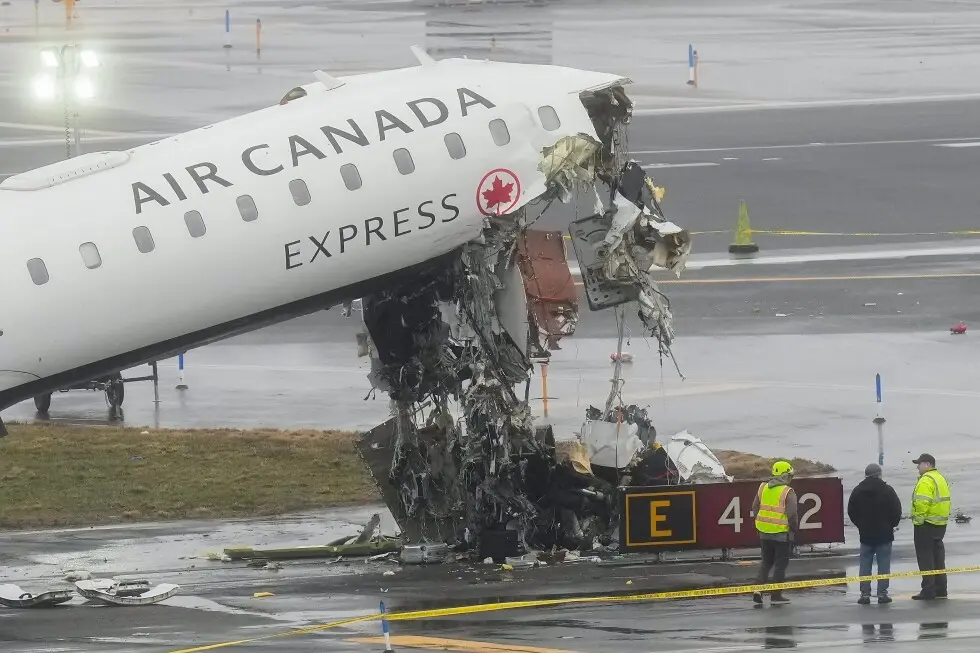
Officials investigate the site, Monday, March 23, 2026, where an Air Canada jet came to rest after colliding with a Port Authority firetruck at LaGuardia Airport, shortly after landing Sunday night in New York. (AP Photo/Seth Wenig, file)
In the audio recorded on Sunday night, a voice could be heard telling a vehicle multiple times to ‘stop’, before a regional jet struck a fire truck on a runway while landing at New York’s LaGuardia Airport. The pilot and copilot were killed in the collision, which crushed the nose of the aircraft, while 39 passengers and crew members were taken to area hospitals, some with serious injuries.
Officials investigate the site, Monday, March 23, 2026, where an Air Canada jet came to rest after colliding with a Port Authority firetruck at LaGuardia Airport, shortly after landing Sunday night in New York. (AP Photo/Seth Wenig, file)
Officials investigate the site, Monday, March 23, 2026, where an Air Canada jet came to rest after colliding with a Port Authority firetruck at LaGuardia Airport, shortly after landing Sunday night in New York. (AP Photo/Seth Wenig, file)
NEW YORK (AP) — A firefighter whose truck collided with an Air Canada Express jet last month on a runway at New York’s LaGuardia Airport, killing both pilots, heard an air traffic controller warn “stop, stop, stop” but didn’t know who it was for, federal investigators said Thursday.
Just seconds earlier, the controller had cleared the fire truck to cross the runway, but the truck started moving while warning lights that act as a stop sign for crossing traffic were still lit, the National Transportation Safety Board said in a preliminary report on the March 22 crash.
Because the truck lacked a transponder, a surface monitoring system in the control tower was unable to reliably determine its position to predict the collision and did not generate an audio or visual alert, the report said, pointing to a series of failures that contributed to the crash.
“There were so many opportunities where this accident could have been prevented,” aviation safety expert Jeff Guzzetti said after reviewing the report.
In addition to the control tower and truck driver, he said the report suggests the pilots had a chance to recognize the danger and pull up. But, he said, they may have been too dialed into landing.
After the air traffic controller’s initial stop warning, the fire truck’s turret operator heard the controller say, “Truck 1, stop, stop, stop,” and realized he was telling the truck to halt, the report said. By then, the truck was already on the runway as Air Canada Express Flight 8646 was landing and speeding toward it.
Aviation safety consultant John Cox, CEO of Safety Operating Systems said it might be understandable that the truck driver didn’t recognize the first ‘stop’ call was meant for them because the controller had just been directing a different plane to taxi and didn’t say Truck 1 right away at the start of the command.
The turret operator, one of two crew members in the fire truck, told investigators that as the vehicle turned left, he saw the airplane’s lights on the runway, the report said. The plane registered a speed of 104 mph (167 kph) just before the collision. The truck was going about 30 mph (48 kph).
The fire truck was leading a convoy of vehicles, including four fire trucks, a police car and a stair truck, responding to an emergency involving a strong odor that was making flight attendants feel ill aboard a departing United Airlines jet.
The air traffic controller cleared the truck to cross the runway just 12 seconds before the plane touched down, investigators said. About eight seconds later, the controller frantically began calling for the truck to stop.
The plane, a CRJ900 regional jet from Montreal, was carrying 76 people. Pilots Antoine Forest, 30, and Mackenzie Gunther, 24, were killed. It was the first deadly crash at LaGuardia in 34 years.
In addition, 39 people were taken to hospitals, including six described as seriously injured. The two fire truck crew members are recovering at home after being released from the hospital, according to the Port Authority of New York and New Jersey, which operates LaGuardia.
A flight attendant still strapped in her seat survived after being thrown onto the tarmac.
Another flight attendant reported taking his seat in the rear of the plane for landing and described the flight as normal until he felt an impact, the report said. He didn’t know what had happened and attempted to call the pilots but received no response, the report said.
The Port Authority said it is conducting a comprehensive review of the NTSB’s initial findings. “Our focus is straightforward: ensure our safety procedures and protocols are as strong as they can be and take action to strengthen them as needed,” the agency said.
LaGuardia was busier than usual the night of the crash because flight delays pushed the number of arrivals and departures after 10 p.m. to more than double what was scheduled, according to aviation analytics firm Cirium. Two air traffic controllers were on duty, consistent with normal scheduling, the report said.
Planes were landing every few minutes, with a dozen flights arriving between 11 p.m. and when the crash happened less than 40 minutes later. At the same time, the controllers had to shuffle their duties because of the odor issue on the United plane.
While the more senior controller coordinated the United emergency response, the other controller took over directing vehicles on the ground while continuing to authorize takeoffs and landings.
“These controllers were just way busy, just too busy,” Guzzetti said.
The warning lights — known as runway entrance lights — were lit until the fire truck reached the edge of the runway, about three seconds before the collision, the report said. By design, they turn off two or three seconds before a plane reaches a runway intersection, the report said.
The runway warning lights in place at 20 of the nation’s busiest airports are one of the backup systems designed to help prevent a crash. Cox said the truck should have never entered the runway while the warning lights were illuminated.
“That’s an automated system so even though the controller says you’re cleared to cross, the lights mean that there’s an airplane that is either on the runway or about to be,” Cox said. “So the truck driver is going to have some questions to answer there.”
LaGuardia is one of 35 major U.S. airports with an advanced surface surveillance system that combines radar data with information from transponders inside planes and ground vehicles to help prevent runway incursions. Controllers have a display in the tower that’s supposed to show the location of every plane and vehicle.
The system, known as ASDE-X, didn’t sound an alarm partly because the radar had trouble distinguishing the closely spaced trucks and the radar targets intermittently merged on the display. Only two targets were displayed just before the crash, even though there were seven vehicles. None were equipped with transponders that would have helped the system to precisely track their movements.
According to air traffic control transmissions, Flight 8646 was cleared to land on Runway 4 at 11:35 p.m.
About two minutes later — and 25 seconds before the crash — the fire crew asked to cross the same runway, which was between the airport’s fire station and where the United Airlines jet had parked.
Five seconds later, with Flight 8646 approaching the runway a little more than 100 feet (30 meters) above the ground, an air traffic controller cleared the fire truck to cross.
Then, just nine seconds before the crash, the controller frantically told the fire crew: “Stop, stop, stop, stop. Truck 1. Stop, stop, stop, stop.” A second later, the plane’s landing gear touched down.
This story has been corrected to show that pilot Antoine Forest was 30, not 24; and pilot Mackenzie Gunther was 24, not 30.
Officials investigate the site, Monday, March 23, 2026, where an Air Canada jet came to rest after colliding with a Port Authority firetruck at LaGuardia Airport, shortly after landing Sunday night in New York. (AP Photo/Seth Wenig, file)
In the audio recorded on Sunday night, a voice could be heard telling a vehicle multiple times to ‘stop’, before a regional jet struck a fire truck on a runway while landing at New York’s LaGuardia Airport. The pilot and copilot were killed in the collision, which crushed the nose of the aircraft, while 39 passengers and crew members were taken to area hospitals, some with serious injuries.
Officials investigate the site, Monday, March 23, 2026, where an Air Canada jet came to rest after colliding with a Port Authority firetruck at LaGuardia Airport, shortly after landing Sunday night in New York. (AP Photo/Seth Wenig, file)
Officials investigate the site, Monday, March 23, 2026, where an Air Canada jet came to rest after colliding with a Port Authority firetruck at LaGuardia Airport, shortly after landing Sunday night in New York. (AP Photo/Seth Wenig, file)
NEW YORK (AP) — A firefighter whose truck collided with an Air Canada Express jet last month on a runway at New York’s LaGuardia Airport, killing both pilots, heard an air traffic controller warn “stop, stop, stop” but didn’t know who it was for, federal investigators said Thursday.
Just seconds earlier, the controller had cleared the fire truck to cross the runway, but the truck started moving while warning lights that act as a stop sign for crossing traffic were still lit, the National Transportation Safety Board said in a preliminary report on the March 22 crash.
Because the truck lacked a transponder, a surface monitoring system in the control tower was unable to reliably determine its position to predict the collision and did not generate an audio or visual alert, the report said, pointing to a series of failures that contributed to the crash.
“There were so many opportunities where this accident could have been prevented,” aviation safety expert Jeff Guzzetti said after reviewing the report.
In addition to the control tower and truck driver, he said the report suggests the pilots had a chance to recognize the danger and pull up. But, he said, they may have been too dialed into landing.
After the air traffic controller’s initial stop warning, the fire truck’s turret operator heard the controller say, “Truck 1, stop, stop, stop,” and realized he was telling the truck to halt, the report said. By then, the truck was already on the runway as Air Canada Express Flight 8646 was landing and speeding toward it.
Aviation safety consultant John Cox, CEO of Safety Operating Systems said it might be understandable that the truck driver didn’t recognize the first ‘stop’ call was meant for them because the controller had just been directing a different plane to taxi and didn’t say Truck 1 right away at the start of the command.
The turret operator, one of two crew members in the fire truck, told investigators that as the vehicle turned left, he saw the airplane’s lights on the runway, the report said. The plane registered a speed of 104 mph (167 kph) just before the collision. The truck was going about 30 mph (48 kph).
The fire truck was leading a convoy of vehicles, including four fire trucks, a police car and a stair truck, responding to an emergency involving a strong odor that was making flight attendants feel ill aboard a departing United Airlines jet.
The air traffic controller cleared the truck to cross the runway just 12 seconds before the plane touched down, investigators said. About eight seconds later, the controller frantically began calling for the truck to stop.
The plane, a CRJ900 regional jet from Montreal, was carrying 76 people. Pilots Antoine Forest, 30, and Mackenzie Gunther, 24, were killed. It was the first deadly crash at LaGuardia in 34 years.
In addition, 39 people were taken to hospitals, including six described as seriously injured. The two fire truck crew members are recovering at home after being released from the hospital, according to the Port Authority of New York and New Jersey, which operates LaGuardia.
A flight attendant still strapped in her seat survived after being thrown onto the tarmac.
Another flight attendant reported taking his seat in the rear of the plane for landing and described the flight as normal until he felt an impact, the report said. He didn’t know what had happened and attempted to call the pilots but received no response, the report said.
The Port Authority said it is conducting a comprehensive review of the NTSB’s initial findings. “Our focus is straightforward: ensure our safety procedures and protocols are as strong as they can be and take action to strengthen them as needed,” the agency said.
LaGuardia was busier than usual the night of the crash because flight delays pushed the number of arrivals and departures after 10 p.m. to more than double what was scheduled, according to aviation analytics firm Cirium. Two air traffic controllers were on duty, consistent with normal scheduling, the report said.
Planes were landing every few minutes, with a dozen flights arriving between 11 p.m. and when the crash happened less than 40 minutes later. At the same time, the controllers had to shuffle their duties because of the odor issue on the United plane.
While the more senior controller coordinated the United emergency response, the other controller took over directing vehicles on the ground while continuing to authorize takeoffs and landings.
“These controllers were just way busy, just too busy,” Guzzetti said.
The warning lights — known as runway entrance lights — were lit until the fire truck reached the edge of the runway, about three seconds before the collision, the report said. By design, they turn off two or three seconds before a plane reaches a runway intersection, the report said.
The runway warning lights in place at 20 of the nation’s busiest airports are one of the backup systems designed to help prevent a crash. Cox said the truck should have never entered the runway while the warning lights were illuminated.
“That’s an automated system so even though the controller says you’re cleared to cross, the lights mean that there’s an airplane that is either on the runway or about to be,” Cox said. “So the truck driver is going to have some questions to answer there.”
LaGuardia is one of 35 major U.S. airports with an advanced surface surveillance system that combines radar data with information from transponders inside planes and ground vehicles to help prevent runway incursions. Controllers have a display in the tower that’s supposed to show the location of every plane and vehicle.
The system, known as ASDE-X, didn’t sound an alarm partly because the radar had trouble distinguishing the closely spaced trucks and the radar targets intermittently merged on the display. Only two targets were displayed just before the crash, even though there were seven vehicles. None were equipped with transponders that would have helped the system to precisely track their movements.
According to air traffic control transmissions, Flight 8646 was cleared to land on Runway 4 at 11:35 p.m.
About two minutes later — and 25 seconds before the crash — the fire crew asked to cross the same runway, which was between the airport’s fire station and where the United Airlines jet had parked.
Five seconds later, with Flight 8646 approaching the runway a little more than 100 feet (30 meters) above the ground, an air traffic controller cleared the fire truck to cross.
Then, just nine seconds before the crash, the controller frantically told the fire crew: “Stop, stop, stop, stop. Truck 1. Stop, stop, stop, stop.” A second later, the plane’s landing gear touched down.
This story has been corrected to show that pilot Antoine Forest was 30, not 24; and pilot Mackenzie Gunther was 24, not 30.