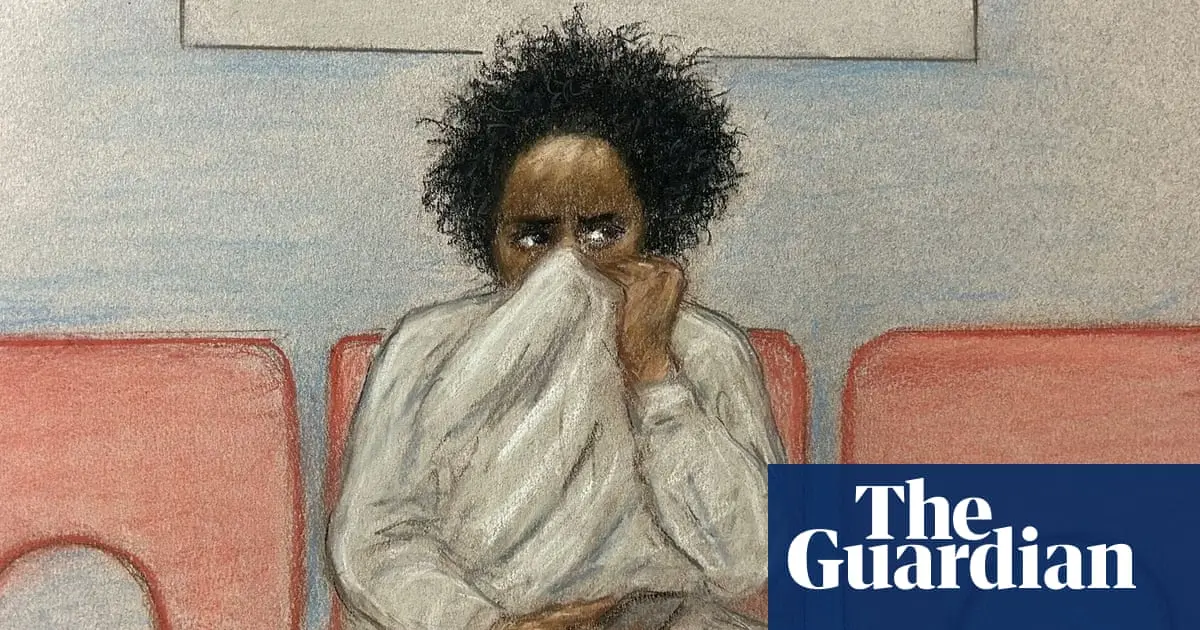
연계된 접근법 부재, 자폐증 역할 및 부모의 실패: 사우스포트 조사의 핵심 내용
No joined-up approach, role of autism and parental failings: key points from Southport inquiry
The Guardian
· 🇬🇧 London, GB
Josh Halliday North of England editor
EN
2026-04-14 01:55
Translated
보고서는 2019년까지 거슬러 올라가는 악셀 루다쿠바나에 대한 수십 개의 경고 신호가 있었으며 관련자들의 다섯 가지 주요 실패를 확인함
악셀 루다쿠바나가 현대 영국 역사상 아이들에 대한 가장 야만적인 공격 중 하나를 수행하는 데는 몇 초밖에 걸리지 않았다.
그러나 그가 즐거움이 가득한 휴일 클럽에 들어섰을 때, 어린 소녀들이 테일러 스위프트 팔찌를 만들며 앉아 있던 그곳에서 그의 치명적인 의도는 이미 수년 전부터 알려져 있었다.
700페이지에 달하는 참담한 보고서에서 사우스포트 조사는 당국이 눈앞에서 어두운 길로 빠져든 십대를 다루는 데 있어 '재앙적'인 국가의 실패를 상세히 기술한다.
2024년 7월 그 여름 아침에 일어난 일은 '맑은 하늘에서 내리치는 벼락'이 아니었다고 조사 위원장인 애드리언 풀포드가 결론 내렸다. 대신, 중대한 폭력 행위는 '수년에 걸쳐 명확하고, 반복적으로, 모호함 없이 예고되었다'.
실패가 너무 포괄적이었기 때문에 항소법원 퇴직 판사인 풀포드는 6세 베베 킹, 9세 앨리스 다 실바 아기아르, 7세 엘시 닷 스탠콤의 살해와 그날 많은 다른 이들에게 입힌 지속적인 신체적·정신적 상처를 예방할 수 있었던 놓친 기회의 수를 특정하지 않기로 했다.
그러나 보고서는 2019년까지 거슬러 올라가는 수십 개의 경고 신호가 있었음을 명확히 한다.
2019년, 13살이 된 직후 카디프 출신 십대와 20분만 보낸 신참 경찰관의 메모는 예언적이었다. 루다쿠바나는 '거대한 확대 가능성'을 보였다고 알렉스 맥네임 경관은 학교에서 괴롭힘 가해자를 공격하기 위해 칼을 가져갔다고 자백한 후 기록했다. 그는 위험도를 높음으로 분류했다.
그러나 2024년 7월, 칼난동을 벌이기 6일 전, 루다쿠바나는 '타인에게 위험을 가함 – 없음'이라고 결론 내린 형식적인 보고서와 함께 정신 건강 서비스에서 퇴원되었다.
그 5년 동안 그는 테러 방지 기관 프리벤트에 세 차례 의뢰된 것을 포함해 거의 모든 국가 기관을 거쳤다. 조사는 관련자들의 다섯 가지 주요 실패를 확인했다.
루다쿠바나는 그가 '다른 사람의 문제'라는 '광범위하지만 잘못된 가정'이 있던 체계의 '틈새로 빠져나갔다'고 풀포드는 말했다. 많은 기관이 관여했음에도 불구하고 단일 기관이 주도 역할을 맡지 않았기 때문에 종합적인 위험 평가를 수행한 기관이 없었다.
조사에 따르면 랭커셔 경찰청은 프리벤트가 책임자라고 보았고, 시의회는 반복적으로 그의 사건을 비법정적 도움으로 하향 조정했다. 법의학 아동·청소년 정신 건강 서비스는 2020년 3월 그가 타인에게 가하는 위험에 대한 평가 없이 사건을 종결했다.
'이러한 문화는 끝나야 한다'고 조사 위원장은 말하며 덧붙였다: '기관들은 단순히 위험을 다른 곳으로 넘기거나 다른 곳에서 책임을 맡았다고 가정해서는 안 된다'.
기관 내외부에서 정보 공유에 '경악스러운' 실패가 있었다. 프리벤트, 랭커셔 경찰청, 학교, 시의회, 보건 서비스를 포함했다.
가장 눈에 띄는 결과는 2022년 3월 루다쿠바나가 실종되어 버스에서 칼을 가진 채 발견되고 경찰에게 누군가를 찌르고 싶다고 말한 사건에서 비롯된다. 그는 또한 독을 사용하는 것에 대해 생각했다고 자백했다.
관련 기관들이 그의 이력에 대해 '원격으로나마 적절한 이해'를 가지고 있었다면, 그 십대는 체포되었을 것이고 그의 집은 아마도 수색되었을 것이며, 경관들은 거의 확실하게 치명적인 독과 리신 제조 준비와 그의 컴퓨터의 테러 자료를 발견했을 것이다.
그를 체포하는 대신, 루다쿠바나는 두 명의 신참 경찰관에 의해 집으로 돌려보내졌고, 그들은 그의 부모에게 칼을 숨기라고 조언했다.
풀포드는 자폐증과 폭력성 증가 위험 사이의 일반적인 연관성을 만드는 것은 잘못되었다고 강조했다. 그러나 루다쿠바나의 경우, 그는 이 상태가 타인에 대한 점점 커지는 위협으로 나타났다고 말했다. 2019년 8월 GP 의뢰 후 자폐증 진단을 받는 데 77주가 걸렸다.
그의 악화되는 행동 – 극단적인 폭력에 대한 매혹, 테러리스트 옹호하는 듯한 모습, 동급생과 교사에 대한 살인적인 생각 표현 등 –은 너무 자주 전문가들에 의해 그의 자폐증을 근거로 '변명'되었다.
다시 한번, 풀포드는 2022년 버스 사건에 대한 '부적절한' 대응을 강조했는데, 경찰은 이를 루다쿠바나가 '정신 건강 [정신 건강] 에피소드가 나쁜' 것으로 돌렸다.
조사 위원장은 말했다: '기관들은 정기적으로 단순히 자폐증을 그의 행동, 그의 폭력을 포함한 행동의 설명이나 심지어 변명으로 사용했다. 그가 가하는 위험과 그 원인을 해결하기 위한 전략과 개입이 필요했다.
그러나 대신, 상당한 이해 부족의 결과로, 문제는 관리되지 않고 과소평가된 채 남겨졌다.'
그의 세심하게 계획된 공격 아침까지, 루다쿠바나는 은둔자가 되었다. 그는 부모가 보는 앞에서 무기를 비축했고 이전 두 년 동안 집을 나선 것은 손에 꼽을 정도였다 – 그리고 그때도 학교 학생들을 해치려 할 때만이었다.
온라인에서 그는 어두운 곳에서 괴로워하며, 학교 총격, 테러 공격, 타인을 공격하는 방법을 연구했다. 가끔, 그는 다른 학생들과 교사들이 보는 앞에서 이것을 했고, 프리벤트에 세 차례 의뢰를 촉발했다.
그러나 당국은 그의 인터넷 사용에 대해 '흘긋 관심'만 보였다고 풀포드는 발견했다. 제한적인 질문이 이루어졌을 때, 조사는 루다쿠바나의 '거짓되고 자기 편향적인 답변이 너무 쉽게 받아들여졌다'고 발견했다.
11월의 이틀간의 놀라운 증언 동안, 루다쿠바나의 아버지 알폰스 루다쿠바나는 그의 아들이 칼, 활과 화살, 쇠망치, 그리고 제리 캔을 포함한 무기고를 비축한 것을 알고 있었고 그의 아들이 다른 사람들을 공격할 계획이라고 두려워했다고 인정했다.
그러나 그는 아들이 떠나갈까 봐 걱정하여 경찰이나 다른 기관에 알리지 않았다. 알폰스는 조사에 그가 아들이 '괴물'로 변한 것에 대해 공포에 질렸고, 학대당했으며, 십대 아들에게 반복적으로 공격당했다고 말했다.
그들이 직면한 어려움에도 불구하고, 풀포드는 결론 내렸다, 루다쿠바나의 부모들은 '일어난 일에 상당한 책임을 진다'.
그는 덧붙였다: '[그의] 부모들이 도덕적으로 해야 할 일을 했다면, [루다쿠바나]는 공격을 수행할 자유로움을 가지지 못했을 것이고 따라서 그것은 일어나지 않았을 것이다'.
그러나 그가 즐거움이 가득한 휴일 클럽에 들어섰을 때, 어린 소녀들이 테일러 스위프트 팔찌를 만들며 앉아 있던 그곳에서 그의 치명적인 의도는 이미 수년 전부터 알려져 있었다.
700페이지에 달하는 참담한 보고서에서 사우스포트 조사는 당국이 눈앞에서 어두운 길로 빠져든 십대를 다루는 데 있어 '재앙적'인 국가의 실패를 상세히 기술한다.
2024년 7월 그 여름 아침에 일어난 일은 '맑은 하늘에서 내리치는 벼락'이 아니었다고 조사 위원장인 애드리언 풀포드가 결론 내렸다. 대신, 중대한 폭력 행위는 '수년에 걸쳐 명확하고, 반복적으로, 모호함 없이 예고되었다'.
실패가 너무 포괄적이었기 때문에 항소법원 퇴직 판사인 풀포드는 6세 베베 킹, 9세 앨리스 다 실바 아기아르, 7세 엘시 닷 스탠콤의 살해와 그날 많은 다른 이들에게 입힌 지속적인 신체적·정신적 상처를 예방할 수 있었던 놓친 기회의 수를 특정하지 않기로 했다.
그러나 보고서는 2019년까지 거슬러 올라가는 수십 개의 경고 신호가 있었음을 명확히 한다.
2019년, 13살이 된 직후 카디프 출신 십대와 20분만 보낸 신참 경찰관의 메모는 예언적이었다. 루다쿠바나는 '거대한 확대 가능성'을 보였다고 알렉스 맥네임 경관은 학교에서 괴롭힘 가해자를 공격하기 위해 칼을 가져갔다고 자백한 후 기록했다. 그는 위험도를 높음으로 분류했다.
그러나 2024년 7월, 칼난동을 벌이기 6일 전, 루다쿠바나는 '타인에게 위험을 가함 – 없음'이라고 결론 내린 형식적인 보고서와 함께 정신 건강 서비스에서 퇴원되었다.
그 5년 동안 그는 테러 방지 기관 프리벤트에 세 차례 의뢰된 것을 포함해 거의 모든 국가 기관을 거쳤다. 조사는 관련자들의 다섯 가지 주요 실패를 확인했다.
루다쿠바나는 그가 '다른 사람의 문제'라는 '광범위하지만 잘못된 가정'이 있던 체계의 '틈새로 빠져나갔다'고 풀포드는 말했다. 많은 기관이 관여했음에도 불구하고 단일 기관이 주도 역할을 맡지 않았기 때문에 종합적인 위험 평가를 수행한 기관이 없었다.
조사에 따르면 랭커셔 경찰청은 프리벤트가 책임자라고 보았고, 시의회는 반복적으로 그의 사건을 비법정적 도움으로 하향 조정했다. 법의학 아동·청소년 정신 건강 서비스는 2020년 3월 그가 타인에게 가하는 위험에 대한 평가 없이 사건을 종결했다.
'이러한 문화는 끝나야 한다'고 조사 위원장은 말하며 덧붙였다: '기관들은 단순히 위험을 다른 곳으로 넘기거나 다른 곳에서 책임을 맡았다고 가정해서는 안 된다'.
기관 내외부에서 정보 공유에 '경악스러운' 실패가 있었다. 프리벤트, 랭커셔 경찰청, 학교, 시의회, 보건 서비스를 포함했다.
가장 눈에 띄는 결과는 2022년 3월 루다쿠바나가 실종되어 버스에서 칼을 가진 채 발견되고 경찰에게 누군가를 찌르고 싶다고 말한 사건에서 비롯된다. 그는 또한 독을 사용하는 것에 대해 생각했다고 자백했다.
관련 기관들이 그의 이력에 대해 '원격으로나마 적절한 이해'를 가지고 있었다면, 그 십대는 체포되었을 것이고 그의 집은 아마도 수색되었을 것이며, 경관들은 거의 확실하게 치명적인 독과 리신 제조 준비와 그의 컴퓨터의 테러 자료를 발견했을 것이다.
그를 체포하는 대신, 루다쿠바나는 두 명의 신참 경찰관에 의해 집으로 돌려보내졌고, 그들은 그의 부모에게 칼을 숨기라고 조언했다.
풀포드는 자폐증과 폭력성 증가 위험 사이의 일반적인 연관성을 만드는 것은 잘못되었다고 강조했다. 그러나 루다쿠바나의 경우, 그는 이 상태가 타인에 대한 점점 커지는 위협으로 나타났다고 말했다. 2019년 8월 GP 의뢰 후 자폐증 진단을 받는 데 77주가 걸렸다.
그의 악화되는 행동 – 극단적인 폭력에 대한 매혹, 테러리스트 옹호하는 듯한 모습, 동급생과 교사에 대한 살인적인 생각 표현 등 –은 너무 자주 전문가들에 의해 그의 자폐증을 근거로 '변명'되었다.
다시 한번, 풀포드는 2022년 버스 사건에 대한 '부적절한' 대응을 강조했는데, 경찰은 이를 루다쿠바나가 '정신 건강 [정신 건강] 에피소드가 나쁜' 것으로 돌렸다.
조사 위원장은 말했다: '기관들은 정기적으로 단순히 자폐증을 그의 행동, 그의 폭력을 포함한 행동의 설명이나 심지어 변명으로 사용했다. 그가 가하는 위험과 그 원인을 해결하기 위한 전략과 개입이 필요했다.
그러나 대신, 상당한 이해 부족의 결과로, 문제는 관리되지 않고 과소평가된 채 남겨졌다.'
그의 세심하게 계획된 공격 아침까지, 루다쿠바나는 은둔자가 되었다. 그는 부모가 보는 앞에서 무기를 비축했고 이전 두 년 동안 집을 나선 것은 손에 꼽을 정도였다 – 그리고 그때도 학교 학생들을 해치려 할 때만이었다.
온라인에서 그는 어두운 곳에서 괴로워하며, 학교 총격, 테러 공격, 타인을 공격하는 방법을 연구했다. 가끔, 그는 다른 학생들과 교사들이 보는 앞에서 이것을 했고, 프리벤트에 세 차례 의뢰를 촉발했다.
그러나 당국은 그의 인터넷 사용에 대해 '흘긋 관심'만 보였다고 풀포드는 발견했다. 제한적인 질문이 이루어졌을 때, 조사는 루다쿠바나의 '거짓되고 자기 편향적인 답변이 너무 쉽게 받아들여졌다'고 발견했다.
11월의 이틀간의 놀라운 증언 동안, 루다쿠바나의 아버지 알폰스 루다쿠바나는 그의 아들이 칼, 활과 화살, 쇠망치, 그리고 제리 캔을 포함한 무기고를 비축한 것을 알고 있었고 그의 아들이 다른 사람들을 공격할 계획이라고 두려워했다고 인정했다.
그러나 그는 아들이 떠나갈까 봐 걱정하여 경찰이나 다른 기관에 알리지 않았다. 알폰스는 조사에 그가 아들이 '괴물'로 변한 것에 대해 공포에 질렸고, 학대당했으며, 십대 아들에게 반복적으로 공격당했다고 말했다.
그들이 직면한 어려움에도 불구하고, 풀포드는 결론 내렸다, 루다쿠바나의 부모들은 '일어난 일에 상당한 책임을 진다'.
그는 덧붙였다: '[그의] 부모들이 도덕적으로 해야 할 일을 했다면, [루다쿠바나]는 공격을 수행할 자유로움을 가지지 못했을 것이고 따라서 그것은 일어나지 않았을 것이다'.
처리 완료
450 tokens · $0.0009
기사 수집 완료 · 02:20
매체 피드에서 기사 메타데이터 수집
헤드라인 번역 완료 · 02:36
제목/요약 한국어 번역 (fetch 시점 inline)
kimi-k2.5
450 tokens
$0.00094
11.2s
본문 추출 완료
6,051자 추출 완료
본문 한국어 번역 완료 · 02:36
3,000자 번역 완료
지정학적 엔티티 추출 완료 · 02:36
4개 엔티티 추출 완료
지정학적 맥락 & R-Scanner
R-Scanner · 핫스팟
z=3.43
평소보다 훨씬 많은 매체가 집중 보도 중 — 기준: Southport
(🇬🇧 GB)
최근 6시간 32건
7일 평균 17.32건 / 6h
10개국 매체
12개 매체
본문에서 추출된 지명 (4)
위치 지도
지도 로딩 중…
같은 주제의 다른 기사 (최근 7일)
Report finds there were dozens of warning signs about Axel Rudakubana as far back as 2019 and identifies five main failures of those involvedSouthport attack blamed on ‘catastrophic’ failures by agencies and killer’s ‘irresponsible’ parentsIt took seconds for Axel Rudakubana to carry out one of the most barbaric attacks on children in modern British history.Yet by the time he entered that joy-filled holiday club, where young girls sat making Taylor Swift bracelets, his deadly intentions had been known for years.
It took seconds for Axel Rudakubana to carry out one of the most barbaric attacks on children in modern British history.Yet by the time he entered that joy-filled holiday club, where young girls sat making Taylor Swift bracelets, his deadly intentions had been known for years.
In a devastating 700-page report, the Southport inquiry details a “catastrophic” failure of the state to deal with a teenager who delved down a dark path in full view of the authorities.
What happened that summer morning in July 2024 was not “a bolt of lightning out of a clear blue sky”, concluded the inquiry chair, Adrian Fulford. Instead, an act of grave violence had been “clearly, repeatedly and unambiguously signposted over many years”.
The failures were so comprehensive that Fulford, a retired appeal court judge, declined to put a number on the missed opportunities to prevent the murders of Bebe King, six, Alice da Silva Aguiar, nine, and Elsie Dot Stancombe, seven, and the lasting physical and mental wounds inflicted on many others that day.
The report makes clear, however, that there were dozens of warning signs going back to 2019.
The notes of a rookie police officer who spent just 20 minutes with the Cardiff-born teenager in 2019, just after he turned 13, were prescient. Rudakubana showed “potential for huge escalation”, wrote PC Alex McNamee after the student admitted taking a knife to school to attack a bully. He classed the risk as high.
Yet by July 2024, six days before his knife rampage, Rudakubana had been discharged from mental health services with a perfunctory report that concluded: “Poses risk to others – None.”
Over those five years, he had passed through virtually every state body, including three referrals to the counter-terror agency Prevent. The inquiry identified five main failures of those involved.
Rudakubana “fell through the cracks” of a system where there was a “widespread but false assumption” that he was someone else’s problem, Fulford said. Despite the many agencies involved, no single body took a lead role which meant none carried out a comprehensive risk assessment.
Lancashire constabulary took the view that Prevent was in charge, the inquiry said, while the council repeatedly stepped down his case to non-statutory help. The forensic child and adolescent mental health services closed the case in March 2020 without carrying out an assessment of the risk he posed to others.
“This culture has to end,” the inquiry chair said, adding: “Agencies must not simply pass on the risk to others or assume others have taken on responsibility”.
There was an “alarming” failure to share information within and between the agencies, including Prevent, Lancashire constabulary, schools, councils and health services.
The most striking consequence stems from an incident when Rudakubana went missing in March 2022 and was found with a knife on a bus, telling police he wanted to stab someone. He also admitted to thinking about using poison.
Had the agencies involved had a “remotely adequate understanding” of his history, the teenager would have been arrested and his house probably searched, where officers would almost certainly have discovered his preparations to make deadly poison and ricin, and the terrorist material on his computer.
Instead of arresting him, Rudakubana was returned home by two rookie police officers, who advised his parents to hide their knives.
Fulford stressed that it was wrong to make a general link between autism and an increased risk of a person becoming violent. But in Rudakubana, he said, this condition manifested in a growing threat to others. It took 77 weeks for him to be diagnosed with autism after a GP referral in August 2019.
His worsening behaviour – including a fascination with extreme violence, appearing to condone terrorists and expressing murderous thoughts about fellow pupils and teachers – were too frequently “excused” by professionals on the basis of his autism.
Again, Fulford highlighted the “inadequate” response to the bus incident in 2022, which police put down to Rudakubana having a “bad mh [mental health] episode”.
The inquiry chair said: “Agencies regularly simply used autism as an explanation, or even an excuse, for his conduct including his violence. Strategies and interventions were needed in order to address the risk he posed and the causes of it.
“But instead, as a result of a significant lack of understanding, the problem was left both unmanaged and underestimated.”
By the morning of his carefully planned attack, Rudakubana had become a recluse. He had amassed a cache of weapons in view of his parents and left their house only a handful of times during the previous two years – and only then when he intended to harm school pupils.
Online, he festered in dark places, researching school shootings, terror attacks and ways to attack others. Occasionally, he did this in full view of other pupils and teachers, triggering the three referrals to Prevent.
Yet authorities showed only a “glancing interest” in his internet use, Fulford found. When limited questions were asked, the inquiry found, Rudakubana’s “false and self-serving replies were far too readily accepted”.
Over two days of astonishing testimony in November, Rudakubana’s father, Alphonse Rudakubana, admitted knowing that his son had amassed an arsenal of weapons – including knives, a bow and arrow and a sledgehammer, as well as a jerry can – and that he feared his son was planning to attack others.
However, he did not alert the police or any other agency because he worried his son would be taken away. Alphonse told the inquiry he was terrified, abused and repeatedly attacked by his teenage son, who had turned into “a monster”.
Despite the difficulties they faced, Fulford concluded, Rudakubana’s parents “bear considerable blame for what occurred”.
He added: “If [his] parents had done what they morally ought to have done, [Rudakubana] would not have been at liberty to conduct the attack and it would not therefore have occurred”.