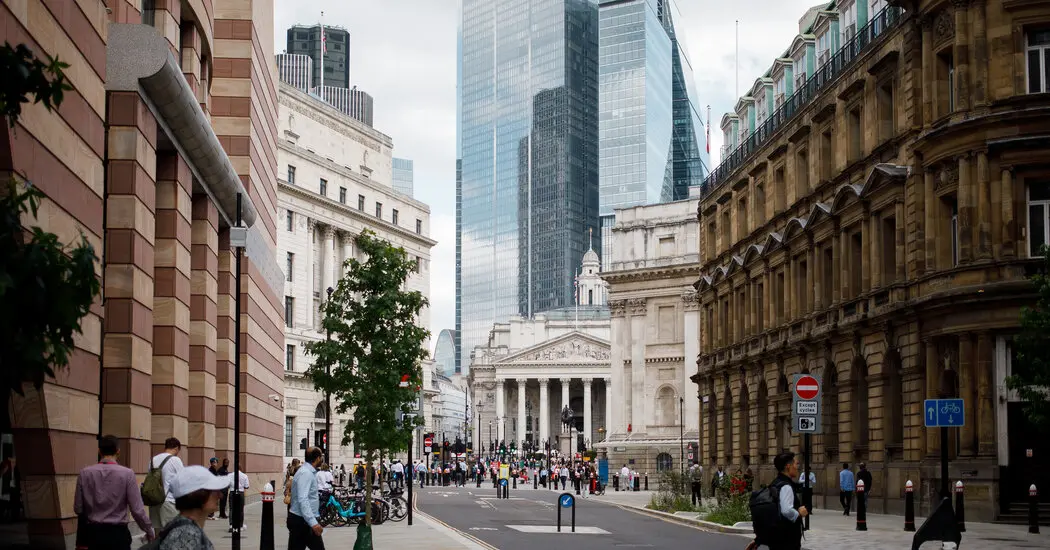
런던의 주택세가 주택 시장을 식혔다. 뉴욕에서도 그럴 수 있을까?
New Taxes Cooled London’s Housing Market. Could That Happen in New York?
The New York Times
· 🇺🇸 New York, US
Debra Kamin
EN
2026-04-25 18:02
Translated
경제학자와 부동산 중개인들은 런던의 부유한 부동산 소유자에 대한 과세를 뉴욕의 사례로 경고하고 있으며, 뉴욕 지도자들은 별장세 도입을 승인했다.
Kathy Hochul 주지사의 뉴욕시 내 500만 달러 이상의 별장에 대한 연간 할증세 계획은 도시에 정주하지 않는 부유층에 과세하는 세련된 정치적 수법이 될 수 있다.
승인될 경우, 소위 별장세(pied-à-terre tax)는 Hochul 주지사와 Zohran Mamdani 뉴욕시장의 유권자에게 새로운 세금을 부과하지 않으면서 대중적 승리를 거둘 것이다.
하지만 부동산 중개인과 경제학자들은 이 세금이 도시 주택 시장에 치명적일 수 있으며, 여기에 자금을 묶어두는 초부유층 투자자가 아닌 이 정책의 혜택 대상인 중·저소득층 시민들을 해칠 수 있다고 말한다.
증거로 런던을 보면 된다고 그들은 말한다.
지난 10년간 여러 가지 가혹한 새로운 세금이 런던의 럭셀리 주택 시장을 변화시켰다. 이 세금들은 주택 가치를 떨어뜨렸고, 역사적으로 런던 프리미엄 지역 주택 소유자의 거의 절반을 차지했던 국제 구매자들을 다른 시장으로 눈 돌리게 했다.
한때 활황이었던 중앙 런던의 주택 시장은 이제 얼어붙었다. 런던의 부동산 판매 가격은 2015년 이후 20% 이상 하락했다. 세금이 늘어나고 가격이 떨어지자, 소규모 임대인들이 항복했고, 수만 채의 아파트가 시장에서 사라져 공급이 줄어들었다. 그 결과 월평균 임차료는 사상 최고 수준이다.
Hochul 주지사의 제안, Mamdani가 기꺼이 홍보한 안에 대해 유사한 반발이 발생할 수 있다고 경제학자와 부동산 중개인들은 경고한다.
Douglas Elliman의 뉴욕 기반 부동산 중개인 Katya Nadirova는 뉴욕으로 이주하고 떠나는 해외 구매자들을 돕는 일을 자주 한다.
"런던에서 부유한 개인들의 대규모 이탈이 있고, 그들은 팔려고 하며 주식 시장에 돈을 넣고 훨씬 더 잘할 수 있을 것 같다고 생각합니다"라고 그녀는 말했다. "런던은 더 이상 이런 유형의 구매자에게 등대가 아닙니다. 우리는 이것이 여기서 일어나기를 원하지 않습니다."
뉴욕의 세금 제안의 세부 사항은 여전히 불명확하다. 논의 중인 한 제안은 평가액이 500만 달러에서 1,500만 달러 사이의 별장에 하나의 세율을 적용할 것이다. 1,500만 달러에서 2,500만 달러 사이의 별장을 소유한 사람들은 더 높은 세율을 내야 하며, 2,500만 달러 이상으로 평가된 주택에는 더욱 높은 세율이 적용된다.
각 세율의 실제 가치는 아직 알 수 없지만, 주지사는 새로운 세금이 연간 5억 달러를 벌어들일 것으로 예상하고 있으며, 이는 뉴욕시가 추정 54억 달러의 적자를 갚으려고 할 때 절실히 필요한 자금이다. 2023년 뉴욕 주택 공실 조사에 따르면 도시의 약 59,000개 주택 단위가 "계절, 오락, 또는 가끔의 사용을 위해 보유되었다"고 한다.
반대자들은 이 제안이 이 별장들이 이미 뉴욕시에 가져오는 상당한 부동산세 수입을 고려하지 않는다고 말한다. 예를 들어, 헤지펀드 Citadel의 억만장자 창립자 Ken Griffin은 센트럴파크를 내려다보는 그의 팬트하우스에 대해 지난해 840,000달러 이상의 부동산세를 냈다. 2019년 2억 3,800만 달러에 구입한 그의 펜트하우스는 당시 미국 역사상 가장 비싼 주택 거래였다.
이 기록은 이제 Mamdani가 이끄는 도시의 소득 불평등의 상징으로 남아 있으며, 그는 Griffin의 건물 앞에 나타난 소셜 미디어 게시물에서 별장세 제안을 발표했다.
주요 거주지가 플로리다의 팜비치에 있는 Griffin은 이 제안에 대한 그의 생각에 대해 논평 요청에 응하지 않았다.
영국 매체들은 여러 유명 억만장자들의 퇴출을 보도했다. 노르웨이계 해운 재벌 John Fredriksen은 신문사에 "영국은 지옥으로 변했다"고 말한 후 3억 3,800만 달러 규모의 맨션을 팔고 두바이로 이주했다. 애스턴 빌라 축구팀 소유자이자 이집트 최고 부자로 알려진 Nassef Sawiris도 떠났으며 퇴출할 때 정부를 비난했다.
"이것은 역사상 가장 좌파적인 보수당의 10년간의 무능함으로 야기된 것이었습니다"라고 Sawiris는 지난해 4월 Financial Times에 말했다.
영국 전역의 주택 부동산 데이터를 추적하는 Savills Index에 따르면, 중앙 런던에서 500만 파운드 이상의 투자 부동산을 구매하는 외국인 구매자의 비중은 지난 10년간 4% 하락했다.
영국의 별장 소유자에 대한 세금은 2016년부터 쌓여왔으며, 이때 인지세(Stamp Duty)는 이미 최소 한 개 이상의 부동산을 소유한 주택 구매자에게 약 3%의 추가 할증금을 내게 했다. 2025년 4월, 정부는 영국의 지방의회에 별장에 대한 부동산세를 최대 100%까지 인상할 권한을 부여했다. 같은 달, 영국 정부는 비거주자의 특별 세금 지위를 폐지하여 그들의 전 세계 소득에 과세하는 새로운 규칙을 제정했다.
Savills의 연구를 주도하는 런던 기반 주택 경제학자 Lucian Cook은 이 일련의 새로운 세금들이 런던이 부동산 투자에 더 이상 우호적이지 않다는 서사를 만들었다고 말했다. 영국에 부동산 중개인으로 등록하는 외국인 구매자 수(부동산 구매 전의 첫 번째 단계)는 이제 2008년 이후 최저 수준에 있다. 동시에 바르셀로나와 두바이와 같은 세금 규칙이 별장 구매자에게 훨씬 더 우호적인 도시들의 부동산 시장은 새로운 외국 자본 유입을 보고 있다.
"한 도시의 세금은 다른 도시의 이득입니다"라고 뉴욕 중개업 SERHANT의 창립자이자 최고경영자인 Ryan Serhant가 말했다.
전 시 감사이자 시장 후보였던 Brad Lander는 현재 의회에 출마 중이며 인터뷰에서 제안된 세금은 뉴욕시에 횡재가 될 것이며, 부유한 사업가들의 퇴출이 임박했다는 우려는 과장되고 있다고 말했다.
"사람들은 이 상대적으로 적당한 세금을 낼 것이고 우리는 추가 자원을 얻을 것입니다"라고 그는 말했다. "나는 사람들이 광범위하게 현재 가장 부유한 층에 세금을 부과하여 모두가 필요로 하는 기본 서비스에 자금을 지원하는 것이 좋은 아이디어라는 것을 알고 있다고 생각합니다. 이것은 직관적인 개념입니다. 아무도 정말로 두 채 이상의 집이 필요하지 않습니다. 두 채, 세 채, 네 채, 또는 다섯 채를 감당할 수 있다면 다른 사람들이 생존할 수 있도록 조금 더 많이 내야 합니다."
하지만 런던에서 Cook은 너무 많은 국제 구매자들이 다른 곳으로 눈을 돌려 그들의 지출과 자선 기부를 함께 데려가 시장이 수축했다고 말했다.
"이 모든 것이 런던이 이전처럼 국제 자본에 우호적이지 않다는 서사에 기여했습니다"라고 Cook은 말했다. "이것은 메시지를 전달합니다."
목요일 Citadel 직원들에게 보낸 이메일에서 최고운영책임자 Gerald Beeson은 Griffin이 개인적으로 박물관, 병원 및 교육 단체를 포함한 도시의 사회적 이익을 위해 6억 5,000만 달러 규모의 기부를 했다고 지적했다.
"시장은 세계 최고의 도시 중 하나를 건설하는 데 일관되게 헌신해온 사람들에 대해 정치 엘리트층의 무지와 경멸을 다시 한 번 나타냈습니다"라고 Beeson은 New York Times가 검토하고 Wall Street Journal이 처음 보도한 이메일에서 말했다.
Beeson은 이메일에서 Citadel 직원들이 지난 5년간 집단적으로 시와 주에 23억 달러의 세금을 냈다고 말했다. 헤지펀드는 현재 Park Avenue에 초고층 타워 건설을 시작할 준비를 하고 있으며, 회사는 이 프로젝트가 도시에 15,000개의 새로운 일자리를 창출할 것으로 추정한다. 이 프로젝트는 지난해 9월에 승인되었다.
이 이메일은 부동산 산업에 오한을 전했으며, 상업용 및 주거용 부동산 퇴출이 임박했을 수 있다는 우려가 제기되었다. 일부 사업 지도자들은 Hochul 주지사가 방향을 바꾸도록 설득하기 위해 결집하고 있다.
2019년 뉴욕을 위한 유사한 별장세가 제안되었을 때, 도시의 강력한 부동산 로비는 이를 무산시키는 데 동원되었다.
뉴욕 부동산 위원회의 회장 Jim Whelan은 자신의 조직이 세금 아이디어에 반대하며 Hochul 주지사 팀과 그들의 관점을 공유하기 위해 대화를 나누고 있다고 말했다.
"세금 정책은 행동에 영향을 미칩니다"라고 Whelan은 말했다. "행동에 미치는 영향은 사람들이 다른 것을 하기로 결정한다는 것입니다. 그들은 다른 곳에서 구매하기로 결정합니다."
Debra Kamin은 뉴욕의 부와 권력을 다루는 The Times의 조사 기자다.
승인될 경우, 소위 별장세(pied-à-terre tax)는 Hochul 주지사와 Zohran Mamdani 뉴욕시장의 유권자에게 새로운 세금을 부과하지 않으면서 대중적 승리를 거둘 것이다.
하지만 부동산 중개인과 경제학자들은 이 세금이 도시 주택 시장에 치명적일 수 있으며, 여기에 자금을 묶어두는 초부유층 투자자가 아닌 이 정책의 혜택 대상인 중·저소득층 시민들을 해칠 수 있다고 말한다.
증거로 런던을 보면 된다고 그들은 말한다.
지난 10년간 여러 가지 가혹한 새로운 세금이 런던의 럭셀리 주택 시장을 변화시켰다. 이 세금들은 주택 가치를 떨어뜨렸고, 역사적으로 런던 프리미엄 지역 주택 소유자의 거의 절반을 차지했던 국제 구매자들을 다른 시장으로 눈 돌리게 했다.
한때 활황이었던 중앙 런던의 주택 시장은 이제 얼어붙었다. 런던의 부동산 판매 가격은 2015년 이후 20% 이상 하락했다. 세금이 늘어나고 가격이 떨어지자, 소규모 임대인들이 항복했고, 수만 채의 아파트가 시장에서 사라져 공급이 줄어들었다. 그 결과 월평균 임차료는 사상 최고 수준이다.
Hochul 주지사의 제안, Mamdani가 기꺼이 홍보한 안에 대해 유사한 반발이 발생할 수 있다고 경제학자와 부동산 중개인들은 경고한다.
Douglas Elliman의 뉴욕 기반 부동산 중개인 Katya Nadirova는 뉴욕으로 이주하고 떠나는 해외 구매자들을 돕는 일을 자주 한다.
"런던에서 부유한 개인들의 대규모 이탈이 있고, 그들은 팔려고 하며 주식 시장에 돈을 넣고 훨씬 더 잘할 수 있을 것 같다고 생각합니다"라고 그녀는 말했다. "런던은 더 이상 이런 유형의 구매자에게 등대가 아닙니다. 우리는 이것이 여기서 일어나기를 원하지 않습니다."
뉴욕의 세금 제안의 세부 사항은 여전히 불명확하다. 논의 중인 한 제안은 평가액이 500만 달러에서 1,500만 달러 사이의 별장에 하나의 세율을 적용할 것이다. 1,500만 달러에서 2,500만 달러 사이의 별장을 소유한 사람들은 더 높은 세율을 내야 하며, 2,500만 달러 이상으로 평가된 주택에는 더욱 높은 세율이 적용된다.
각 세율의 실제 가치는 아직 알 수 없지만, 주지사는 새로운 세금이 연간 5억 달러를 벌어들일 것으로 예상하고 있으며, 이는 뉴욕시가 추정 54억 달러의 적자를 갚으려고 할 때 절실히 필요한 자금이다. 2023년 뉴욕 주택 공실 조사에 따르면 도시의 약 59,000개 주택 단위가 "계절, 오락, 또는 가끔의 사용을 위해 보유되었다"고 한다.
반대자들은 이 제안이 이 별장들이 이미 뉴욕시에 가져오는 상당한 부동산세 수입을 고려하지 않는다고 말한다. 예를 들어, 헤지펀드 Citadel의 억만장자 창립자 Ken Griffin은 센트럴파크를 내려다보는 그의 팬트하우스에 대해 지난해 840,000달러 이상의 부동산세를 냈다. 2019년 2억 3,800만 달러에 구입한 그의 펜트하우스는 당시 미국 역사상 가장 비싼 주택 거래였다.
이 기록은 이제 Mamdani가 이끄는 도시의 소득 불평등의 상징으로 남아 있으며, 그는 Griffin의 건물 앞에 나타난 소셜 미디어 게시물에서 별장세 제안을 발표했다.
주요 거주지가 플로리다의 팜비치에 있는 Griffin은 이 제안에 대한 그의 생각에 대해 논평 요청에 응하지 않았다.
영국 매체들은 여러 유명 억만장자들의 퇴출을 보도했다. 노르웨이계 해운 재벌 John Fredriksen은 신문사에 "영국은 지옥으로 변했다"고 말한 후 3억 3,800만 달러 규모의 맨션을 팔고 두바이로 이주했다. 애스턴 빌라 축구팀 소유자이자 이집트 최고 부자로 알려진 Nassef Sawiris도 떠났으며 퇴출할 때 정부를 비난했다.
"이것은 역사상 가장 좌파적인 보수당의 10년간의 무능함으로 야기된 것이었습니다"라고 Sawiris는 지난해 4월 Financial Times에 말했다.
영국 전역의 주택 부동산 데이터를 추적하는 Savills Index에 따르면, 중앙 런던에서 500만 파운드 이상의 투자 부동산을 구매하는 외국인 구매자의 비중은 지난 10년간 4% 하락했다.
영국의 별장 소유자에 대한 세금은 2016년부터 쌓여왔으며, 이때 인지세(Stamp Duty)는 이미 최소 한 개 이상의 부동산을 소유한 주택 구매자에게 약 3%의 추가 할증금을 내게 했다. 2025년 4월, 정부는 영국의 지방의회에 별장에 대한 부동산세를 최대 100%까지 인상할 권한을 부여했다. 같은 달, 영국 정부는 비거주자의 특별 세금 지위를 폐지하여 그들의 전 세계 소득에 과세하는 새로운 규칙을 제정했다.
Savills의 연구를 주도하는 런던 기반 주택 경제학자 Lucian Cook은 이 일련의 새로운 세금들이 런던이 부동산 투자에 더 이상 우호적이지 않다는 서사를 만들었다고 말했다. 영국에 부동산 중개인으로 등록하는 외국인 구매자 수(부동산 구매 전의 첫 번째 단계)는 이제 2008년 이후 최저 수준에 있다. 동시에 바르셀로나와 두바이와 같은 세금 규칙이 별장 구매자에게 훨씬 더 우호적인 도시들의 부동산 시장은 새로운 외국 자본 유입을 보고 있다.
"한 도시의 세금은 다른 도시의 이득입니다"라고 뉴욕 중개업 SERHANT의 창립자이자 최고경영자인 Ryan Serhant가 말했다.
전 시 감사이자 시장 후보였던 Brad Lander는 현재 의회에 출마 중이며 인터뷰에서 제안된 세금은 뉴욕시에 횡재가 될 것이며, 부유한 사업가들의 퇴출이 임박했다는 우려는 과장되고 있다고 말했다.
"사람들은 이 상대적으로 적당한 세금을 낼 것이고 우리는 추가 자원을 얻을 것입니다"라고 그는 말했다. "나는 사람들이 광범위하게 현재 가장 부유한 층에 세금을 부과하여 모두가 필요로 하는 기본 서비스에 자금을 지원하는 것이 좋은 아이디어라는 것을 알고 있다고 생각합니다. 이것은 직관적인 개념입니다. 아무도 정말로 두 채 이상의 집이 필요하지 않습니다. 두 채, 세 채, 네 채, 또는 다섯 채를 감당할 수 있다면 다른 사람들이 생존할 수 있도록 조금 더 많이 내야 합니다."
하지만 런던에서 Cook은 너무 많은 국제 구매자들이 다른 곳으로 눈을 돌려 그들의 지출과 자선 기부를 함께 데려가 시장이 수축했다고 말했다.
"이 모든 것이 런던이 이전처럼 국제 자본에 우호적이지 않다는 서사에 기여했습니다"라고 Cook은 말했다. "이것은 메시지를 전달합니다."
목요일 Citadel 직원들에게 보낸 이메일에서 최고운영책임자 Gerald Beeson은 Griffin이 개인적으로 박물관, 병원 및 교육 단체를 포함한 도시의 사회적 이익을 위해 6억 5,000만 달러 규모의 기부를 했다고 지적했다.
"시장은 세계 최고의 도시 중 하나를 건설하는 데 일관되게 헌신해온 사람들에 대해 정치 엘리트층의 무지와 경멸을 다시 한 번 나타냈습니다"라고 Beeson은 New York Times가 검토하고 Wall Street Journal이 처음 보도한 이메일에서 말했다.
Beeson은 이메일에서 Citadel 직원들이 지난 5년간 집단적으로 시와 주에 23억 달러의 세금을 냈다고 말했다. 헤지펀드는 현재 Park Avenue에 초고층 타워 건설을 시작할 준비를 하고 있으며, 회사는 이 프로젝트가 도시에 15,000개의 새로운 일자리를 창출할 것으로 추정한다. 이 프로젝트는 지난해 9월에 승인되었다.
이 이메일은 부동산 산업에 오한을 전했으며, 상업용 및 주거용 부동산 퇴출이 임박했을 수 있다는 우려가 제기되었다. 일부 사업 지도자들은 Hochul 주지사가 방향을 바꾸도록 설득하기 위해 결집하고 있다.
2019년 뉴욕을 위한 유사한 별장세가 제안되었을 때, 도시의 강력한 부동산 로비는 이를 무산시키는 데 동원되었다.
뉴욕 부동산 위원회의 회장 Jim Whelan은 자신의 조직이 세금 아이디어에 반대하며 Hochul 주지사 팀과 그들의 관점을 공유하기 위해 대화를 나누고 있다고 말했다.
"세금 정책은 행동에 영향을 미칩니다"라고 Whelan은 말했다. "행동에 미치는 영향은 사람들이 다른 것을 하기로 결정한다는 것입니다. 그들은 다른 곳에서 구매하기로 결정합니다."
Debra Kamin은 뉴욕의 부와 권력을 다루는 The Times의 조사 기자다.
처리 완료
6,822 tokens · $0.0196
기사 수집 완료 · 19:00
매체 피드에서 기사 메타데이터 수집
헤드라인 번역 완료 · 19:17
제목/요약 한국어 번역 (fetch 시점 inline)
claude-haiku-4-5-20251001
245 tokens
$0.00065
2.5s
본문 추출 완료
8,241자 추출 완료
본문 한국어 번역 완료 · 19:17
4,109자 번역 완료
claude-haiku-4-5-20251001
6,577 tokens
$0.01899
42.3s
지정학적 엔티티 추출 완료 · 19:17
8개 엔티티 추출 완료
지정학적 맥락 & R-Scanner
R-Scanner · 평상
z=-1.46
일상적인 보도 수준 — 기준: New York City
(🇺🇸 US)
최근 6시간 33건
7일 평균 42.68건 / 6h
7개국 매체
9개 매체
본문에서 추출된 지명 (8)
New York City
🇺🇸
London
🇬🇧
United Kingdom
🇬🇧
Central Park
🇺🇸
Palm Beach
🇺🇸
Dubai
🇦🇪
Barcelona
🇪🇸
Egypt
🇪🇬
위치 지도
지도 로딩 중…
같은 주제의 다른 기사 (최근 7일)
Economists and real estate agents are calling London’s taxation of wealthy property owners a cautionary tale for New York, where leaders have endorsed a second-home tax.
Gov. Kathy Hochul’s plan for a yearly surcharge on second homes in New York City worth $5 million or more could be an elegant political move — one that taxes the rich who don’t live in the city full-time.If approved, the so-called pied-à-terre tax will be a populist win that avoids levying new taxes on constituents of Ms. Hochul and Mayor Zohran Mamdani of New York.
But real estate agents and economists say the tax could be catastrophic for the city’s housing market, hurting not the superrich investors who park their money here, but the very middle- and lower-income citizens it’s designed to benefit.
For proof, they say, just look at London.
A slew of punishing new taxes has transformed London’s luxury housing market over the last decade. The taxes have pushed housing values down and driven international buyers, who have historically made up nearly half of the homeowners in prime London neighborhoods, to consider other markets.
The once-sizzling housing market in central London is now chilled. Sales prices of properties in London have dropped more than 20 percent since 2015. As taxes mounted and prices dipped, smaller landlords threw in the towel, taking tens of thousands of apartments off the market and constricting supply. Average monthly rents, as a result, are now at record highs.
A similar blowback could be the consequence of Ms. Hochul’s proposal that Mr. Mamdani has gleefully promoted, the economists and real estate agents warn.
Katya Nadirova, a New York-based real estate agent with Douglas Elliman, works frequently to help foreign buyers relocating to and from New York.
“There is a big exodus of wealthy individuals from London, they’re trying to sell and they are thinking then maybe I will put this money into the stock market and I will do much better,” she said. “London is no longer a beacon for this kind of buyer. We don’t want this to happen here.”
The details of New York’s tax proposal remain fuzzy. One proposal being discussed would apply one tax rate to pieds-à-terre with assessed values between $5 million and $15 million. Those with second homes worth between $15 million and $25 million would pay a higher rate; with an even higher one applied to homes assessed for more than $25 million.
The actual value of each of those tax rates remains to be seen, but the governor hopes the new tax will bring in $500 million a year, funds New York City could desperately use at it struggles to pay its estimated $5.4 billion deficit. In 2023, about 59,000 units in the city were “held for seasonal, recreational, or occasional use,” according to The New York City Housing and Vacancy Survey.
Detractors say that the proposal fails to take into account the significant amount of property tax dollars those second homes already bring to New York City. For example, Ken Griffin, the billionaire founder of the hedge fund Citadel, paid more than $840,000 in property taxes last year on his penthouse that overlooks Central Park. In 2019, his purchase of the penthouse for $238 million was the most expensive residential sale in U.S. history at the time.
The record remains a symbol of income inequality in a city now headed by Mr. Mamdani, a democratic socialist, who announced the second-home tax proposal in a social media post where he appeared in front of Mr. Griffin’s building.
Mr. Griffin, whose primary residence is in Palm Beach, Fla., did not respond to a request for comment about his thoughts on the proposal.
British media reports have chronicled the exit of several well-known billionaires. John Fredriksen, the Norwegian-born shipping magnate, told newspapers “Britain has gone to hell” before selling his $338 million mansion and relocating to Dubai. Nassef Sawiris, the owner of the Aston Villa soccer team who is known as the richest man in Egypt, also exited and blamed the government on his way out.
“This was all in the making for 10 years of incompetence by the most left-leaning Conservative Party in history,” Mr. Sawiris told the Financial Times in April of last year.
The share of foreign buyers buying investment properties worth more than 5 million pounds in Central London has dropped four percent over the past decade, according to the Savills Index, which tracks residential property data across the United Kingdom.
Taxes on second-home owners in England have been piling up since 2016, when a Stamp Duty tax required any home buyers who already owned at least one property to pay an additional surcharge of around 3 percent. In April 2025, the government gave local councils in England the power to ramp up property taxes on second homes by as much as 100 percent. That same month, the United Kingdom government abolished the special tax status of nonresidents, instituting new rules that tax them on their global income.
The flurry of new taxes, said Lucian Cook, a London-based housing economist who leads research for Savills, have created a narrative that London is no longer as friendly to real estate investment. The number of foreign buyers in the United Kingdom registering with a real estate agent — the first step before purchasing property — is now at its lowest level since 2008. At the same time, the real estate markets in cities like Barcelona and Dubai, where tax rules are much friendlier to second-home buyers, are seeing a fresh influx of foreign money.
“One city’s tax is another city's gain,” said Ryan Serhant, the founder and chief executive of the New York brokerage SERHANT.
Brad Lander, the former city comptroller and mayoral candidate who is now running for Congress, said in an interview that the proposed tax would be a windfall for New York City, and that concerns about a looming exit of wealthy businesspeople were being exaggerated.
“People will pay this relatively modest tax and we’ll have additional resources,” he said. “I think people know broadly that it’s a good idea at this moment to tax the wealthiest in order to fund the basic services that everybody needs. It is an intuitive concept: nobody really needs more than one home. If you can afford two, three, four, or five, you should pay a little extra so that other people can survive.”
But in London, Mr. Cook said, so many international buyers have turned elsewhere, taking their spending and charitable giving with them, that the market has deflated.
“All of this has played into the narrative that London isn’t as welcoming to international wealth as it was previously,” Mr. Cook said. “It sends a message.”
In an email to Citadel staff on Thursday, Gerald Beeson, the chief operating officer, noted that Mr. Griffin has personally made donations worth $650 million to social-good causes in the city, including museums, hospitals and educational groups.
“The mayor has once again manifested the ignorance and disdain of the elite political class towards those who have been consistently committed to building one of the greatest cities in the world,” Mr. Beeson said in the email, which was reviewed by The New York Times and first reported by The Wall Street Journal.
Citadel employees also have collectively paid $2.3 billion in city and state taxes over the last five years, Mr. Beeson said in the email. The hedge fund is currently preparing to start construction on a super-tall tower on Park Avenue, a project that the company estimates will create 15,000 new jobs in the city. The project was approved last September.
The email sent a chill through the real estate industry, with worries that both commercial and residential real estate exits could be on the horizon. Some business leaders are rallying to convince Ms. Hochul to change course.
In 2019, when a similar second-home tax was proposed for New York, the city’s powerful real estate lobby mobilized to help torpedo it.
Jim Whelan, the president of the Real Estate Board of New York, said his organization was opposed to the idea of the tax and was holding conversations with Gov. Hochul’s team to share its perspective.
“Tax policy impacts behavior,” Mr. Whelan said. “The impact it has on behavior is that people decide to do other things. They decide to purchase elsewhere.”
Debra Kamin is an investigative reporter for The Times who covers wealth and power in New York.