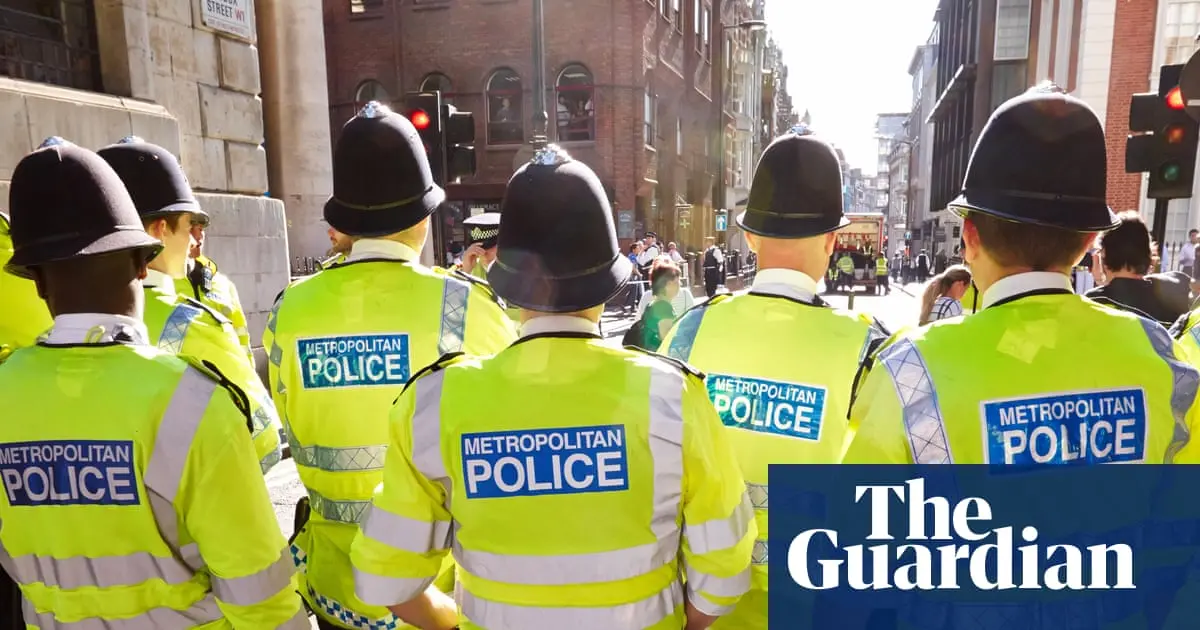
Met이 Palantir AI 도구 사용 후 수백 명의 경찰관 조사
Met investigates hundreds of officers after using Palantir AI tool
The Guardian
· 🇬🇧 London, GB
Raphael Boyd
EN
2026-04-26 00:34
Translated
Met은 AI 소프트웨어가 재택근무 위반부터 의심되는 부패까지 다양한 규칙 위반을 적발했다고 발표런던 경찰청(Metropolitan Police)은 불량 경찰관을 적발하기 위해 논란이 많은 기술 회사 Palantir이 개발한 AI 도구를 사용한 후 수백 명의 경찰관에 대한 조사를 개시했다. 이 소프트웨어는 일주일에 걸쳐 배포되었으며, 경찰청이 즉시 접근할 수 있는 데이터를 사용하여 직원을 감시하면서 강간을 포함한 재택근무 위반부터 의심되는 부패, 심지어 형사 혐의까지 다양한 규칙 위반을 적발했다.
런던 경찰청(Metropolitan Police)은 불량 경찰관을 적발하기 위해 논란이 많은 기술 회사 Palantir이 개발한 AI 도구를 사용한 후 수백 명의 경찰관에 대한 조사를 개시했다.
이 소프트웨어는 일주일에 걸쳐 배포되었으며, 경찰청이 즉시 접근할 수 있는 데이터를 사용하여 직원을 감시하면서 재택근무 위반부터 의심되는 부패, 심지어 강간과 같은 형사 혐의까지 다양한 규칙 위반을 적발했다.
Met은 소프트웨어의 결과로 소수의 경찰관이 심각한 부실 행위 및 범죄와 관련된 증거가 발견되었으며, 이로 인해 3명의 경찰관이 성적 목적의 권한 남용, 사기, 성폭행, 공무원으로서의 부실 행위 및 경찰 시스템 오용 혐의로 체포되었다고 밝혔다.
Met이 인용한 수치에 따르면, AI 소프트웨어가 적발한 가장 일관된 범죄는 부패였으며, 98명의 경찰관이 "경찰관이 개인적 또는 금전적 이득을 위해 근무 교대를 편성하는 IT 시스템 남용"과 관련된 부실 행위에 대해 평가를 받았고, 또 다른 500명은 동일한 범죄와 관련하여 예방 고지를 받았다.
Met은 경찰서장부터 경찰청장까지 다양한 직급의 42명의 고위 경찰관이 "심각한 규정 위반에 대한 부실 행위 평가를 받고 있다"고 밝혔으며, 이들은 때때로 재택근무를 하거나 오래 사무실을 떠나 있으면서 사무실에 있었다고 거짓 주장했는데, Met의 지침에 따르면 사무실 출근률은 80% 이상이어야 한다.
소프트웨어는 또한 현재 경찰청 내에서 선언 가능한 이해관계인 프리메이슨이라는 사실을 밝히지 않은 경찰관들을 발견했으며, 12명의 경찰관이 자신의 그룹 회원 자격을 비공개로 유지한 혐의로 중대한 부실 행위로 조사 중이고, 추가로 30명의 경찰관이 의심되지만 확증되지 않은 미공개 회원 자격과 관련하여 예방 고지를 받았다.
소프트웨어의 도입은 Met이 AI를 수용하는 최근 사례 중 하나이며, 경찰청은 최근 범죄 수사를 지원하기 위해 Palantir에서 기술을 구매하기 위한 협상에 들어갔다.
Palantir는 Donald Trump의 이민 단속 프로그램인 ICE, 이스라엘 군부와 연계가 있으며, 이번 달 초 의원들은 Palantir와 NHS 사이의 £330백만 계약을 폐지할 것을 요구했다.
Met은 소프트웨어가 영국에서 "신뢰를 구축하고 범죄를 줄이며 기준을 높이는 데" 도움이 될 것이라고 말하면서, 드론 및 실시간 안면 인식(LFR)과 같은 다른 기술의 도입이 사람들을 안전하게 유지하고 범죄를 줄이는 데 도움이 되었다고 지적했다.
Met 경찰청장 Mark Rowley는 다음과 같이 말했다: "범죄인들은 기술을 사용하는 방법을 지속적으로 적응시키고 있으며 경찰은 거리뿐만 아니라 조직 내에서도 발맞춰야 한다.
"이것은 Met이 기술, 데이터 및 더 강력한 법적 권한을 사용하여 부실 행위에 맞서고 기준을 높이며 우리 지역사회가 기대하는 대로 기초를 다지는 것이다.
"우리 경찰관과 직원의 대다수는 헌신과 성실함으로 런던을 섬기고 있으며, 특히 지도부 역할을 하는 사람들 중 자신의 직책을 남용하거나 공공의 신뢰를 훼손하는 사람들에 대해 우리가 단호하게 행동할 것을 정당하게 기대한다.
"우리가 이미 합법적으로 보유하고 있는 정보를 함께 모아서, 우리는 위험을 더 일찍 식별하고, 더 빠르게 행동하며, 더 공정하고 일관되게 행동할 수 있다. 새로운 신원 조회 권한과 함께, 이것은 우리에게 경찰에 속하지 않아야 할 사람들을 제거하고 미래를 위한 문화를 강화하는 데 필요한 도구를 제공한다."
이 소프트웨어는 일주일에 걸쳐 배포되었으며, 경찰청이 즉시 접근할 수 있는 데이터를 사용하여 직원을 감시하면서 재택근무 위반부터 의심되는 부패, 심지어 강간과 같은 형사 혐의까지 다양한 규칙 위반을 적발했다.
Met은 소프트웨어의 결과로 소수의 경찰관이 심각한 부실 행위 및 범죄와 관련된 증거가 발견되었으며, 이로 인해 3명의 경찰관이 성적 목적의 권한 남용, 사기, 성폭행, 공무원으로서의 부실 행위 및 경찰 시스템 오용 혐의로 체포되었다고 밝혔다.
Met이 인용한 수치에 따르면, AI 소프트웨어가 적발한 가장 일관된 범죄는 부패였으며, 98명의 경찰관이 "경찰관이 개인적 또는 금전적 이득을 위해 근무 교대를 편성하는 IT 시스템 남용"과 관련된 부실 행위에 대해 평가를 받았고, 또 다른 500명은 동일한 범죄와 관련하여 예방 고지를 받았다.
Met은 경찰서장부터 경찰청장까지 다양한 직급의 42명의 고위 경찰관이 "심각한 규정 위반에 대한 부실 행위 평가를 받고 있다"고 밝혔으며, 이들은 때때로 재택근무를 하거나 오래 사무실을 떠나 있으면서 사무실에 있었다고 거짓 주장했는데, Met의 지침에 따르면 사무실 출근률은 80% 이상이어야 한다.
소프트웨어는 또한 현재 경찰청 내에서 선언 가능한 이해관계인 프리메이슨이라는 사실을 밝히지 않은 경찰관들을 발견했으며, 12명의 경찰관이 자신의 그룹 회원 자격을 비공개로 유지한 혐의로 중대한 부실 행위로 조사 중이고, 추가로 30명의 경찰관이 의심되지만 확증되지 않은 미공개 회원 자격과 관련하여 예방 고지를 받았다.
소프트웨어의 도입은 Met이 AI를 수용하는 최근 사례 중 하나이며, 경찰청은 최근 범죄 수사를 지원하기 위해 Palantir에서 기술을 구매하기 위한 협상에 들어갔다.
Palantir는 Donald Trump의 이민 단속 프로그램인 ICE, 이스라엘 군부와 연계가 있으며, 이번 달 초 의원들은 Palantir와 NHS 사이의 £330백만 계약을 폐지할 것을 요구했다.
Met은 소프트웨어가 영국에서 "신뢰를 구축하고 범죄를 줄이며 기준을 높이는 데" 도움이 될 것이라고 말하면서, 드론 및 실시간 안면 인식(LFR)과 같은 다른 기술의 도입이 사람들을 안전하게 유지하고 범죄를 줄이는 데 도움이 되었다고 지적했다.
Met 경찰청장 Mark Rowley는 다음과 같이 말했다: "범죄인들은 기술을 사용하는 방법을 지속적으로 적응시키고 있으며 경찰은 거리뿐만 아니라 조직 내에서도 발맞춰야 한다.
"이것은 Met이 기술, 데이터 및 더 강력한 법적 권한을 사용하여 부실 행위에 맞서고 기준을 높이며 우리 지역사회가 기대하는 대로 기초를 다지는 것이다.
"우리 경찰관과 직원의 대다수는 헌신과 성실함으로 런던을 섬기고 있으며, 특히 지도부 역할을 하는 사람들 중 자신의 직책을 남용하거나 공공의 신뢰를 훼손하는 사람들에 대해 우리가 단호하게 행동할 것을 정당하게 기대한다.
"우리가 이미 합법적으로 보유하고 있는 정보를 함께 모아서, 우리는 위험을 더 일찍 식별하고, 더 빠르게 행동하며, 더 공정하고 일관되게 행동할 수 있다. 새로운 신원 조회 권한과 함께, 이것은 우리에게 경찰에 속하지 않아야 할 사람들을 제거하고 미래를 위한 문화를 강화하는 데 필요한 도구를 제공한다."
처리 완료
3,787 tokens · $0.0108
기사 수집 완료 · 00:55
매체 피드에서 기사 메타데이터 수집
헤드라인 번역 완료 · 01:06
제목/요약 한국어 번역 (fetch 시점 inline)
claude-haiku-4-5-20251001
483 tokens
$0.00137
3.2s
본문 추출 완료
3,392자 추출 완료
본문 한국어 번역 완료 · 01:06
1,716자 번역 완료
claude-haiku-4-5-20251001
3,304 tokens
$0.00945
16.9s
지정학적 엔티티 추출 완료 · 01:07
4개 엔티티 추출 완료
지정학적 맥락 & R-Scanner
R-Scanner · 평상
z=-3.25
일상적인 보도 수준 — 기준: London
(🇬🇧 GB)
최근 6시간 0건
7일 평균 11.5건 / 6h
0개국 매체
0개 매체
본문에서 추출된 지명 (4)
위치 지도
지도 로딩 중…
같은 주제의 다른 기사 (최근 7일)
Met says AI software unearthed rule-breaking ranging from work-from-home violations to suspected corruptionThe Metropolitan police have launched investigations into hundreds of officers after using an AI tool built by the controversial tech company Palantir to root out rogue cops.The software was deployed by the Met over the course of a week, snooping on staff members using data the force has ready access to, unearthing rule-breaking ranging from work-from-home violations to suspected corruption and even criminal allegations such as rape.
The Metropolitan police have launched investigations into hundreds of officers after using an AI tool built by the controversial tech company Palantir to root out rogue cops.The software was deployed by the Met over the course of a week, snooping on staff members using data the force has ready access to, unearthing rule-breaking ranging from work-from-home violations to suspected corruption and even criminal allegations such as rape.
The Met said as a result of the software, evidence had been found tying a small number of officers to serious cases of misconduct and criminality, resulting in the arrest of three officers for offences including abuse of authority for sexual purposes, fraud, sexual assault, misconduct in public office and misuse of police systems.
According to numbers cited by the Met, corruption was the most consistent offence detected by the AI software, with 98 officers being assessed for misconduct related to “abuse of the IT system that rosters shifts by police officers for personal or financial gain”, while another 500 had received prevention notices in relation to the same offence.
The Met said that 42 senior officers, with ranks ranging from chief inspector to chief superintendent, were “being assessed for misconduct for serious noncompliance” for sometimes falsely claiming to have been in the office when they had been working from home or otherwise away from the office for excessive periods of time, when the Met’s guidelines state that in-office attendance cannot dip below 80%.
The software also found officers who had failed to state that they were Freemasons – now a declarable interest within the force – with 12 officers under investigation for gross misconduct for keeping their membership of the group private, and a further 30 officers receiving prevention notices for suspected but uncorroborated undeclared membership.
The implementation of the software is the latest case of the Met embracing AI, with the force recently entering negotiations to buy tech from Palantir to aid in criminal investigations.
Palantir has connections to ICE, Donald Trump’s immigration enforcement programme, and to the Israeli military and earlier this month MPs demanded a £330m contract between Palantir and the NHS be scrapped.
The Met said the software would help “build trust, reduce crime and raise standards” in the UK, citing the introduction of other technologies such as drones and live facial recognition (LFR) as having helped to keep people safe and reduce crime.
The Met commissioner, Mark Rowley, said: “Criminals are constantly adapting how they use technology and policing has to keep pace, not just on the streets but within our own organisation.
“This is the Met using technology, data and stronger legal powers to confront poor behaviour, raise standards and fix our foundations as our communities would expect.
“The vast majority of our officers and staff serve London with dedication and integrity and rightly expect us to act firmly against those who abuse their position or undermine public trust, particularly in leadership roles.
“By bringing together the information we already lawfully hold, we can identify risk earlier, act faster and be fairer and more consistent. Alongside new vetting powers, this gives us the tools we need to remove those who should not be in policing and strengthen culture for the future.”