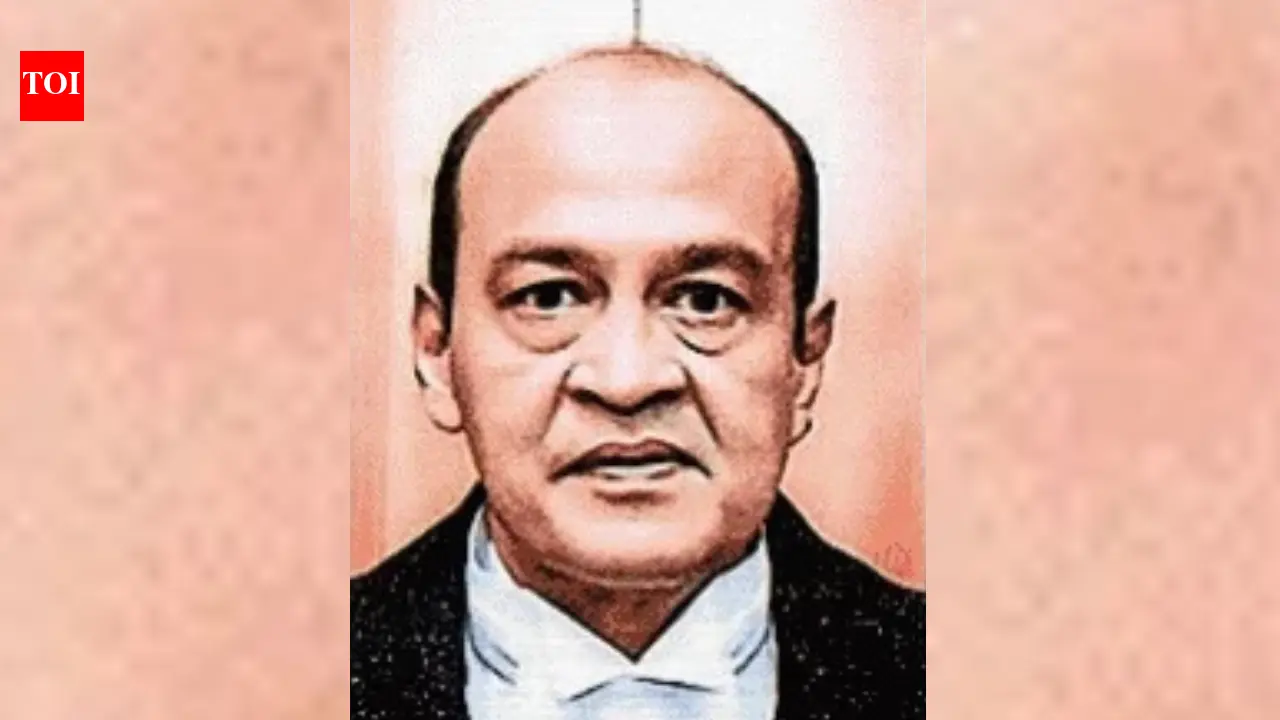
정의 Varma가 부끄러운 첫 번째 사건에서 자신을 구하다
Justice Varma saves himself from ignoble first
The Times of India
· 🇮🇳 Mumbai, IN
TNN
EN
2026-04-11 16:06
Translated
전직 알라하바드 고등법원 판사 Yashwant Varma 판사가 사임하여 의회 탄핵 소추 절차를 피했다. 이는 탄핵 소추에 직면한 판사들의 역사를 따르고 있으며, 일부는 사임하고 다른 일부는 소추를 피했다. 판사 탄핵을 위한 헌법적 절차는 입증된 비위 또는 무능력을 근거로 의회 탄핵 소추를 포함한다.
뉴델리: 금요일 사임으로 전직 알라하바드 고등법원 판사 Yashwant Varma 판사는 의회의 소추를 통해 "탄핵"되는 첫 번째 판사라는 수치스러운 일을 피했다. 록사바는 지난해 8월 그에 대한 소추 절차를 개시하기 위한 소추를 인정했다. 헌법적 법원의 판사 탄핵을 위한 법률은 록사바에서 채택되려면 100명의 의원의 승인이 필요하다. 라즈야사바의 경우 필요한 숫자는 50명이다. Varma 판사 이전에 의회에서 소추가 채택된 헌법적 법원의 판사는 5명이었다 — 첫 번째는 대법원의 V Ramaswami 판사로 1991년이었다. Justice Yashwant Varma가 탄핵 방어 당일 사임 — 그가 왜 사임했는가 그러나 그는 소추가 록사바에서 필요한 3분의 2 다수를 확보하지 못했기 때문에 "탄핵"을 피했다. 2011년 캘커타 고등법원의 Soumitra Sen 판사는 라즈야사바에서 필요한 다수로 투표한 첫 번째 판사였다. 그러나 판사는 록사바에서 소추가 투표되기 전에 사임했다. 같은 해 당시 시킴 고등법원의 총장 PD Dinakaran 판사는 라즈야사바에서 탄핵 소추가 개시되기 전에 사임했다. 2015년 구자라트 고등법원의 JB Pardiwala 판사에 대한 소추가 라즈야사바에서 제출되었다 — 그 이후 대법원으로 승진했다. 그러나 판사는 나중에 판단에서 논란의 여지가 있는 진술을 제거했고 소추를 피했다. 같은 해 중앙프라데시 고등법원의 SK Gangele 판사에 대한 또 다른 탄핵 소추가 라즈야사바에서 제출되었다. 그러나 조사위원회는 판사를 성희롱 혐의에서 무죄로 판단했다. Varma 판사의 경우 록사바 의장은 2025년 8월 12일에 그의 탄핵 소추를 인정했다. 조사위원회가 구성되었고 그 적법성은 대법원에 의해 지지되었다. 헌법 제124(4)조는 "입증된 비위 또는 무능력"을 근거로 "대통령의 명령에 의해서만 의회의 각 원의 탄핵 소추를 받으며, 그 원의 전체 의원 수의 다수와 출석하여 투표한 의원의 3분의 2 이상의 다수로 지지되어야 한다"는 조건으로만 대법원 또는 고등법원의 판사 탄핵을 규정한다. 판사(조사) 법은 탄핵 소추 절차를 규정한다; 이 법의 제3(2)항에 따라 증거를 바탕으로 판사가 실제로 "비위 또는 무능력"의 죄가 있는지 조사하기 위해 인도 총장 또는 대법원의 판사, 고등법원의 총장 및 저명한 법학자로 구성된 3명 위원회를 규정한다.
처리 완료
2,960 tokens · $0.0080
기사 수집 완료 · 18:50
매체 피드에서 기사 메타데이터 수집
헤드라인 번역 완료 · 19:05
제목/요약 한국어 번역 (fetch 시점 inline)
claude-haiku-4-5-20251001
334 tokens
$0.00093
2.9s
본문 추출 완료
2,658자 추출 완료
본문 한국어 번역 완료 · 19:05
1,166자 번역 완료
claude-haiku-4-5-20251001
2,626 tokens
$0.00712
13.1s
지정학적 엔티티 추출 완료 · 19:05
7개 엔티티 추출 완료
지정학적 맥락 & R-Scanner
R-Scanner · 핫스팟
z=3.65
평소보다 훨씬 많은 매체가 집중 보도 중 — 기준: Allahabad
(🇮🇳 IN)
최근 6시간 33건
7일 평균 17.36건 / 6h
3개국 매체
4개 매체
본문에서 추출된 지명 (7)
위치 지도
지도 로딩 중…
같은 주제의 다른 기사 (최근 7일)
Former Allahabad High Court judge Justice Yashwant Varma resigned, avoiding parliamentary removal proceedings. This follows a history of judges facing removal motions, with some resigning and others escaping proceedings. The constitutional process for judge removal involves parliamentary address based on proved misbehaviour or incapacity.
NEW DELHI: With his resignation on Friday, former Allahabad high court judge Justice Yashwant Varma saved himself from the embarrassment of being the first judge to be “removed” through a motion adopted in Parliament.Lok Sabha had admitted the motion to initiate proceedings against him in Aug last year. The law for removal of a judge of a constitutional court requires a motion for removal to be endorsed by 100 MPs in Lok Sabha if it is to be adopted. The required number is 50 in the case of Rajya Sabha. Before Justice Varma, there have been five judges of constitutional courts against whom a removal motion was adopted in Parliament — the first was from Supreme Court, Justice V Ramaswami, in 1991. Watch Justice Yashwant Varma Resigns Amid Cash Row — Why He Stepped Down On Day Of Impeachment Defence However, he escaped “removal” as the motion failed to secure the required twothirds majority in LS. In 2011, Justice Soumitra Sen of Calcutta high court was the first judge against whom Rajya Sabha had voted with the required majority on aremoval motion.But the judge resigned before the motion was voted on in Lok Sabha.The same year, Justice PD Dinakaran, the then chief justice of Sikkim high court, resigned before removal proceedings were initiated against him in Rajya Sabha.In 2015, a motion was moved in Rajya Sabha against Justice JB Pardiwala of Gujarat high court — who has since been elevated to Supreme Court.However, the judge later removed a controversial statement from the judgment which had invited the action and escaped the proceedings. That same year, another motion for removal was moved in Rajya Sabha against Justice SK Gangele of Madhya Pradesh HC. However, an inquiry committee absolved the judge of sexual harassment charges.In the case of Justice Varma, the Lok Sabha speaker had admitted a motion for his removal on Aug 12, 2025. A committee of inquiry was constituted, whose legality was upheld by SC.Article 124(4) of the Constitution provides for removal of a judge of SC or HC only “by an order of the President passed after an address by each House of Parliament, supported by a majority of the total membership of that House and by a majority of not less than two-thirds of the members of that House present and voting” on grounds of “proved misbehaviour or incapacity”.The Judges (Inquiry) Act guides the removal proceedings; it provides for a threemember committee, under Section 3(2) of the Act, comprising the chief justice of India or a judge of Supreme Court, a chief justice of a high court and a noted jurist to probe on the basis of evidence if the judge was indeed guilty of “misbehaviour or incapacity”.