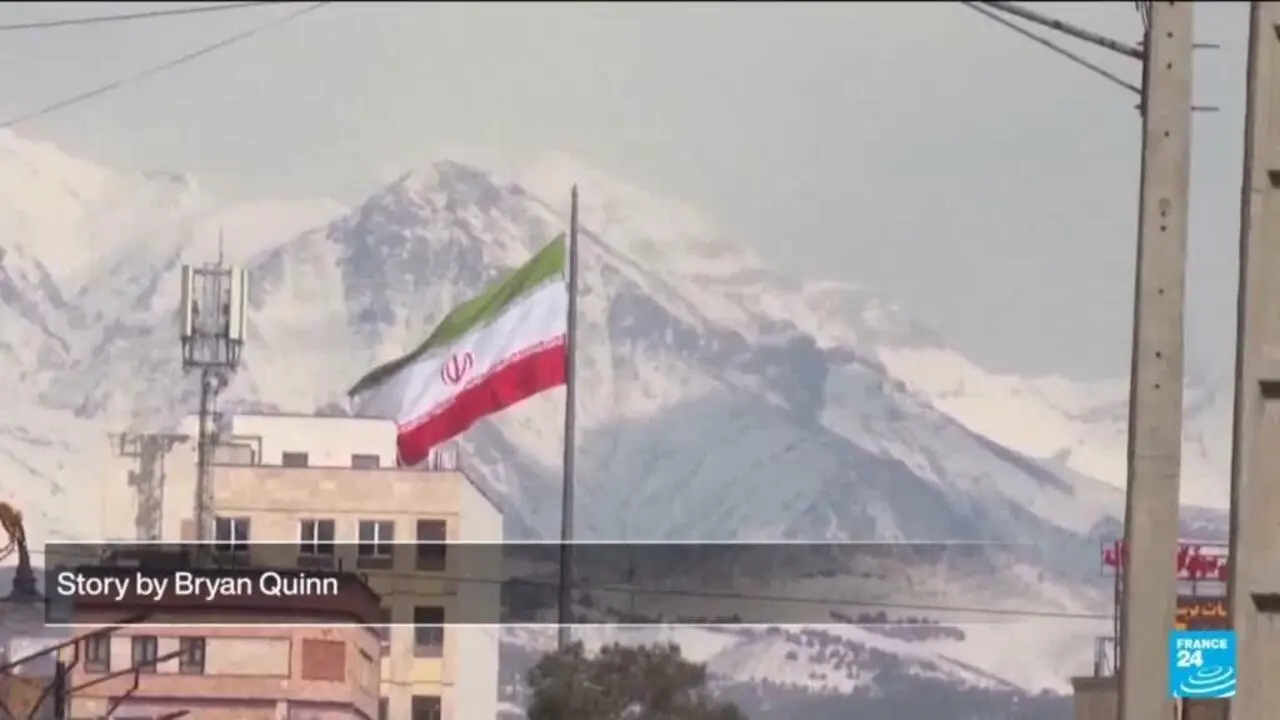
'이란인들은 미국보다 이중 봉쇄를 더 잘 견딜 수 있기 때문에 우위를 점하고 있다고 믿는다'
'Iranians believe they have upper hand because they can endure double blockade better than US'
France 24
· 🇫🇷 Paris, FR
FRANCE24
FR
2026-04-28 21:27
Translated
Delano D'Souza는 국제위기그룹(International Crisis Group)의 이란 프로젝트 국장이자 선임 자문관인 Ali Vaez를 환영한다. 그는 군사·경제 전쟁 이후 이란과 미국 간의 진화하는 전략적 지형을 살펴본다. 테헤란의 관점에서 보면 균형의 지렛대가 이동했다. 이란은 장기간의 압력을 더 잘 견딜 수 있다고 믿는 반면, 워싱턴은 국내외에서 증가하는 정치적, 경제적 제약에 직면해 있다. 그는 이러한 비대칭성이 양측의 협상 행동을 형성한다고 주장한다.
브라우저 확장 프로그램 중 하나가 비디오 플레이어 로드를 차단하는 것으로 보입니다. 이 콘텐츠를 보려면 이 사이트에서 해당 확장 프로그램을 비활성화해야 할 수 있습니다.
발행일: 28/04/2026 - 14:27 수정됨: 28/04/2026 - 14:30
Delano D'Souza는 국제위기그룹의 이란 프로젝트 국장이자 선임 자문관인 Ali Vaez를 환영한다. 그는 군사·경제 전쟁 이후 이란과 미국 간의 진화하는 전략적 지형을 살펴본다. 테헤란의 관점에서 보면 균형의 지렛대가 이동했다. 이란은 장기간의 압력을 더 잘 견딜 수 있다고 믿는 반면, 워싱턴은 국내외에서 증가하는 정치적, 경제적 제약에 직면해 있다. 그는 이러한 비대칭성이 양측의 협상 행동을 형성한다고 주장한다.
요청하신 콘텐츠가 존재하지 않거나 더 이상 사용할 수 없습니다.
발행일: 28/04/2026 - 14:27 수정됨: 28/04/2026 - 14:30
Delano D'Souza는 국제위기그룹의 이란 프로젝트 국장이자 선임 자문관인 Ali Vaez를 환영한다. 그는 군사·경제 전쟁 이후 이란과 미국 간의 진화하는 전략적 지형을 살펴본다. 테헤란의 관점에서 보면 균형의 지렛대가 이동했다. 이란은 장기간의 압력을 더 잘 견딜 수 있다고 믿는 반면, 워싱턴은 국내외에서 증가하는 정치적, 경제적 제약에 직면해 있다. 그는 이러한 비대칭성이 양측의 협상 행동을 형성한다고 주장한다.
요청하신 콘텐츠가 존재하지 않거나 더 이상 사용할 수 없습니다.
처리 완료
1,999 tokens · $0.0053
기사 수집 완료 · 21:35
매체 피드에서 기사 메타데이터 수집
헤드라인 번역 완료 · 21:46
제목/요약 한국어 번역 (fetch 시점 inline)
claude-haiku-4-5-20251001
468 tokens
$0.00130
3.4s
본문 추출 완료
803자 추출 완료
본문 한국어 번역 완료 · 21:46
420자 번역 완료
claude-haiku-4-5-20251001
1,531 tokens
$0.00396
5.3s
지정학적 엔티티 추출 완료 · 21:46
4개 엔티티 추출 완료
지정학적 맥락 & R-Scanner
R-Scanner · 핫스팟
z=2.03
평소보다 훨씬 많은 매체가 집중 보도 중 — 기준: Iran
(🇮🇷 IR)
최근 6시간 59건
7일 평균 45.18건 / 6h
10개국 매체
14개 매체
본문에서 추출된 지명 (4)
위치 지도
지도 로딩 중…
같은 주제의 다른 기사 (최근 7일)
Delano D'Souza is pleased to welcome Ali Vaez, Director of Iran Project & Senior Advisor at the International Crisis Group. He examines the evolving strategic landscape between Iran and the US in the aftermath of the military and economic war. From Tehran’s perspective, the balance of leverage has shifted. Iran believes it can better withstand prolonged pressure, while Washington faces mounting political and economic constraints at home and abroad. He argues that this asymmetry shapes both sides’ negotiating behaviour.
One of your browser extensions seems to be blocking the video player from loading. To watch this content, you may need to disable it on this site.Issued on: 28/04/2026 - 14:27Modified: 28/04/2026 - 14:30
Delano D'Souza is pleased to welcome Ali Vaez, Director of Iran Project & Senior Advisor at the International Crisis Group. He examines the evolving strategic landscape between Iran and the US in the aftermath of the military and economic war. From Tehran’s perspective, the balance of leverage has shifted. Iran believes it can better withstand prolonged pressure, while Washington faces mounting political and economic constraints at home and abroad. He argues that this asymmetry shapes both sides’ negotiating behaviour.
The content you requested does not exist or is not available anymore.