나는 쿠바의 정치 수감자다. 언제 석방될까?
I’m One of Cuba’s Political Prisoners. When Will I Go Free?
The New York Times
· 🇺🇸 New York, US
Luis Manuel Otero Alcántara
EN
2026-04-24 14:00
Translated
쿠바 감옥에서의 거의 5년간의 경험이 정부가 권력을 절대 포기하지 않을 것임을 알려주었다.
4월 초, 미국의 압박이 고조되는 가운데 쿠바 정부는 워싱턴 쿠바 대사관이 "인도적이고 주권적인 제스처"라고 부른 2,000명 이상의 수감자를 석방한다고 발표했다. 대사관은 이 사면이 "권력에 대한 범죄"를 저지른 사람들에게는 적용되지 않을 것이라고 말했다. 이는 일반적으로 정치 반체제 인사들에게 적용되는 용어다. 다시 말해, 나에게는 적용되지 않는다.
나는 거의 5년 동안 쿠바 감옥에 있었다. 나는 2021년 7월에 수백 명의 다른 사람들과 함께 체포되었다. 그들의 대부분 평화로운 시위, 반체제 표현, 공직자 비판, 거리 행진이 쿠바에서 범죄로 취급되었다. 쿠바 정부는 정치 수감자들을 억류하고 있다는 것을 부인했다. 하지만 우리 중 많은 사람들이 여전히 옥중에 있다.
내 형기는 7월 초에 끝날 예정이다. 감옥 내에서 많은 소문을 들었다: 정부가 나를 석방하지 않을 것이라는 말, 섬이 식량과 연료가 부족해진다는 말, 트럼프 대통령이 쿠바를 폭격할 것이라는 말까지. 트럼프 행정부가 쿠바의 정치 수감자들의 석방을 요구하고 있음에도 불구하고, 나를 석방할지 말지, 나와 내 나라에 무슨 일이 일어날지 모르겠다.
하지만 정부가 쿠바의 정치 체제는 미국과의 잠재적 협상에서 협상 대상이 아니라고 말한다면, 그것은 정치적 반체제가 거의 확실히 비범죄화되지 않을 것이고 나 같은 사람들이 계속 감옥에 갈 것임을 의미한다는 것을 안다.
2018년, 나는 쿠바에서 더 큰 시민 자유를 위해 싸우는 예술가, 기자, 학자들의 집단인 산 이시드로 운동을 공동 설립했다. 내 예술 작업에서, 대부분 공연으로 구성되었는데, 나는 정부의 거창한 혁명적 수사와 쿠바 국민이 견디는 일상적인 억압, 인종주의, 부족 사이의 모순을 다루려고 했다.
나는 소셜 미디어를 통해 변화의 필요성에 대해 쿠바 동포들과 대화했다. 내가 더 유명해지고 더 눈에 띄게 되면서, 정부는 나를 위협으로 점점 더 인식했다. 나는 점점 더 감시, 괴롭힘, "애국 상징 모독"과 같은 혐의로 구금되었다.
2021년, 나는 내 나라에서 수십 년 만에 가장 큰 시위 중 하나 앞서 체포되었다. 기술적으로, 내 체포는 내가 일부 공연에서 쿠바 국기를 사용한 것 때문이었는데, 이는 국가 상징을 표시할 수 있는 방식을 규제하는 법에 따라 금지되었다. 그것, 공공 질서 및 권력에 대한 경멸이 나는 정치적 범죄를 저지른 남자들과 폭력 범죄를 저지른 다른 남자들로 둘러싸인 최대 경보 감옥에 갇혀 수년간 갇혀 있던 혐의들이다.
감옥 내 내 삶은 완벽하지 않다. 매일은 단조로움의 연습이다: 같은 이른 아침 기상 벨, 같은 인원 점검과 감시 카메라, 같은 러시아 또는 쿠바 국영 텔레비전 채널, 같은 부족한 식사들.
하지만 그것은 상대적 평온의 삶이다. 우리는 가솔린 발전기를 가지고 있어서, 전력이 나머지 국가처럼 자주 끊기지 않는다. 샤워용 물이 불규칙하게 와도, 그것은 여전히 온다. 나는 한 번에 약 10분간 모니터링되는 전화를 할 수 있다(내가 친구 코코 후스코의 도움으로 이 에세이를 쓰고 전달할 수 있었던 방법이다).
경비원들은 우리 친구들과 가족들이 밖의 세상에서 추가 음식을 가져올 수 있도록 허용한다. 많은 논의 후, 그들은 우리가 방문객들을 만날 때 더 자신답게 보일 수 있도록 전형적인 감옥 스타일 대신 우리만의 헤어스타일을 유지하도록 허용하기로 동의했다. 때때로 경비원들은 우리가 영화를 볼 수 있게 해준다.
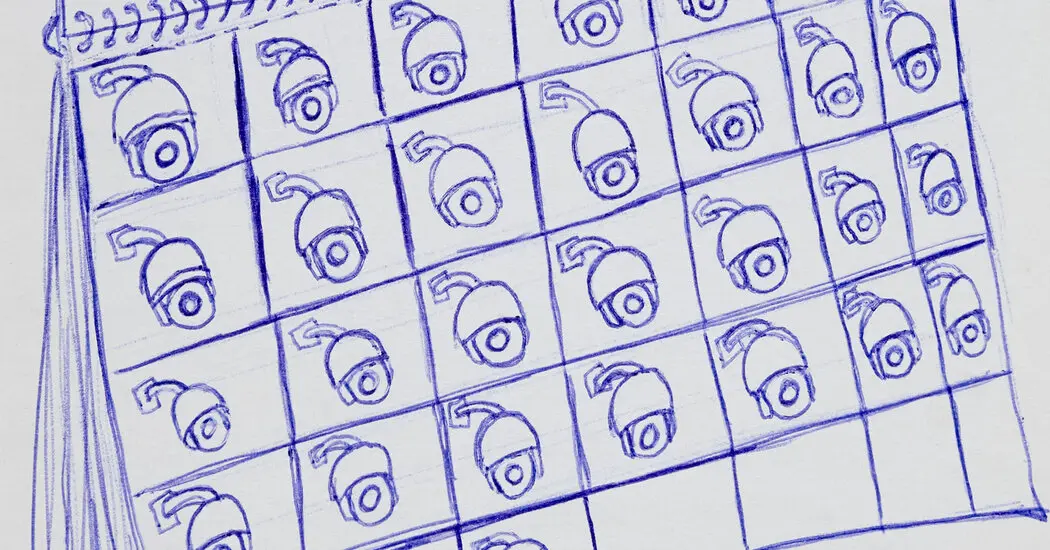
가장 중요한 것은, 나는 그림을 그릴 수 있다는 것이다. 그것이 나를 살게 했다. 나는 정부가 내가 예술을 만들 수 없다면 죽을 것이라는 것을 알고 있고, 그리고 그것이 경비원들이 나를 하도록 하는 이유다 — 그래서 나는 순교자로 변하지 않는다. 나는 하루에 몇 시간씩 판지 위에, 바닥에, 벽에 그림을 그린다. 나는 내 절망, 내 고립, 내 좌절을 그린다. 내 그림들은 연감 같다: 내가 갇혀 있던 모든 날의 가이드.
나는 쿠바에서 수감자인 것처럼 나는 운이 좋았다는 것을 안다. 당국은 나가 감옥 밖에서 유명하다는 것을 알고 있고, 그들은 나를 해치지 않는다. 감옥에 있는 우리는 — 대화와 본보기를 통해 — 사람들이 함께할 수 있는 공간을 만들기 위해 열심히 일했고, 다른 재소자들이 내게 섬 주변의 다른 감옥에서는 항상 그런 것은 아니라고 말했다.
나는 경비원들이 내가 여기 있는 것의 책임이 없다는 것을 안다. 우리의 파괴적이고 기능 장애가 있는 정치 체제는 그들의 잘못이 아니다.
하지만 그 체제는 남아 있다. 2021년 시위 이후, 쿠바 정부는 새로운 형법과 소위 사회 통신법을 제정했으며, 이는 언론의 자유를 더욱 제한했다. 이제, 하나의 반정부 소셜 미디어 게시물이 수개월 또는 수년 동안 사람을 감옥에 보낼 수 있다.
수십 명의 예술가, 활동가, 독립 기자들이 나라를 떠났고, 머물면서 불만을 표현하고 더 나은 미래를 원하는 많은 사람들은 괴롭힘, 구금, 또는 투옥을 당했다. 미국의 압박 하에서 여기 상황이 악화되었음에도 불구하고, 정부는 그것의 권력에 대한 그것의 지배가 협상 불가능하다는 것을 명확히 했다.
이것이 나에게 말해주는 것은 정부가 여전히 국가의 권위에 도전하기를 두려워하지 않은 나 같은 사람들로부터 무서워한다는 것이다. 다른 많은 수감자들에게 허용된 관용들 — 가석방 적격성, 형 감형, 외출 면회 — 나에게는 거부되었다. 나는 내 분노를 표현하기 위해 얼마나 많은 단식 투쟁을 했는지 모른다, 내 의지를 꺾으려는 노력에 나가 항복하지 않았음을 보여주기 위해, 세상이 듣도록 하려고 노력한다.
내 더 어둡거나 더 불확실한 순간에, 나는 내 생존과 예술가로서의 내 지속적인 일이 다른 쿠바 인들을 위한 희망과 희생의 상징임을 기억하려고 노력한다. 나는 그것을 시간을 거래하는 것으로 생각한다, 마치 내가 감옥에서 보낸 모든 날이 낭비된 날이 아니었던 것처럼, 하지만 내 나라를 더 자유롭고 더 정의롭게 만들려는 또 다른 날. 내 다른 공연 조각처럼 — 하지만 이미 오래 전에 끝났어야 한다.
루이스 마누엘 오테로 알칸타라는 쿠바 예술가이자 활동가다.
뉴욕 타임스는 독자 투고 다양성 출판에 최선을 다하고 있다. 우리는 이것이나 우리의 어떤 기사에 대해 당신이 어떻게 생각하는지 듣고 싶다. 다음은 몇 가지 팁이다. 그리고 여기가 우리의 이메일이다: letters@nytimes.com.
뉴욕 타임스 의견 섹션을 페이스북, 인스타그램, 틱톡, 블루스카이, 왓츠앱 및 스레드에서 팔로우하라.
나는 거의 5년 동안 쿠바 감옥에 있었다. 나는 2021년 7월에 수백 명의 다른 사람들과 함께 체포되었다. 그들의 대부분 평화로운 시위, 반체제 표현, 공직자 비판, 거리 행진이 쿠바에서 범죄로 취급되었다. 쿠바 정부는 정치 수감자들을 억류하고 있다는 것을 부인했다. 하지만 우리 중 많은 사람들이 여전히 옥중에 있다.
내 형기는 7월 초에 끝날 예정이다. 감옥 내에서 많은 소문을 들었다: 정부가 나를 석방하지 않을 것이라는 말, 섬이 식량과 연료가 부족해진다는 말, 트럼프 대통령이 쿠바를 폭격할 것이라는 말까지. 트럼프 행정부가 쿠바의 정치 수감자들의 석방을 요구하고 있음에도 불구하고, 나를 석방할지 말지, 나와 내 나라에 무슨 일이 일어날지 모르겠다.
하지만 정부가 쿠바의 정치 체제는 미국과의 잠재적 협상에서 협상 대상이 아니라고 말한다면, 그것은 정치적 반체제가 거의 확실히 비범죄화되지 않을 것이고 나 같은 사람들이 계속 감옥에 갈 것임을 의미한다는 것을 안다.
2018년, 나는 쿠바에서 더 큰 시민 자유를 위해 싸우는 예술가, 기자, 학자들의 집단인 산 이시드로 운동을 공동 설립했다. 내 예술 작업에서, 대부분 공연으로 구성되었는데, 나는 정부의 거창한 혁명적 수사와 쿠바 국민이 견디는 일상적인 억압, 인종주의, 부족 사이의 모순을 다루려고 했다.
나는 소셜 미디어를 통해 변화의 필요성에 대해 쿠바 동포들과 대화했다. 내가 더 유명해지고 더 눈에 띄게 되면서, 정부는 나를 위협으로 점점 더 인식했다. 나는 점점 더 감시, 괴롭힘, "애국 상징 모독"과 같은 혐의로 구금되었다.
2021년, 나는 내 나라에서 수십 년 만에 가장 큰 시위 중 하나 앞서 체포되었다. 기술적으로, 내 체포는 내가 일부 공연에서 쿠바 국기를 사용한 것 때문이었는데, 이는 국가 상징을 표시할 수 있는 방식을 규제하는 법에 따라 금지되었다. 그것, 공공 질서 및 권력에 대한 경멸이 나는 정치적 범죄를 저지른 남자들과 폭력 범죄를 저지른 다른 남자들로 둘러싸인 최대 경보 감옥에 갇혀 수년간 갇혀 있던 혐의들이다.
감옥 내 내 삶은 완벽하지 않다. 매일은 단조로움의 연습이다: 같은 이른 아침 기상 벨, 같은 인원 점검과 감시 카메라, 같은 러시아 또는 쿠바 국영 텔레비전 채널, 같은 부족한 식사들.
하지만 그것은 상대적 평온의 삶이다. 우리는 가솔린 발전기를 가지고 있어서, 전력이 나머지 국가처럼 자주 끊기지 않는다. 샤워용 물이 불규칙하게 와도, 그것은 여전히 온다. 나는 한 번에 약 10분간 모니터링되는 전화를 할 수 있다(내가 친구 코코 후스코의 도움으로 이 에세이를 쓰고 전달할 수 있었던 방법이다).
경비원들은 우리 친구들과 가족들이 밖의 세상에서 추가 음식을 가져올 수 있도록 허용한다. 많은 논의 후, 그들은 우리가 방문객들을 만날 때 더 자신답게 보일 수 있도록 전형적인 감옥 스타일 대신 우리만의 헤어스타일을 유지하도록 허용하기로 동의했다. 때때로 경비원들은 우리가 영화를 볼 수 있게 해준다.
가장 중요한 것은, 나는 그림을 그릴 수 있다는 것이다. 그것이 나를 살게 했다. 나는 정부가 내가 예술을 만들 수 없다면 죽을 것이라는 것을 알고 있고, 그리고 그것이 경비원들이 나를 하도록 하는 이유다 — 그래서 나는 순교자로 변하지 않는다. 나는 하루에 몇 시간씩 판지 위에, 바닥에, 벽에 그림을 그린다. 나는 내 절망, 내 고립, 내 좌절을 그린다. 내 그림들은 연감 같다: 내가 갇혀 있던 모든 날의 가이드.
나는 쿠바에서 수감자인 것처럼 나는 운이 좋았다는 것을 안다. 당국은 나가 감옥 밖에서 유명하다는 것을 알고 있고, 그들은 나를 해치지 않는다. 감옥에 있는 우리는 — 대화와 본보기를 통해 — 사람들이 함께할 수 있는 공간을 만들기 위해 열심히 일했고, 다른 재소자들이 내게 섬 주변의 다른 감옥에서는 항상 그런 것은 아니라고 말했다.
나는 경비원들이 내가 여기 있는 것의 책임이 없다는 것을 안다. 우리의 파괴적이고 기능 장애가 있는 정치 체제는 그들의 잘못이 아니다.
하지만 그 체제는 남아 있다. 2021년 시위 이후, 쿠바 정부는 새로운 형법과 소위 사회 통신법을 제정했으며, 이는 언론의 자유를 더욱 제한했다. 이제, 하나의 반정부 소셜 미디어 게시물이 수개월 또는 수년 동안 사람을 감옥에 보낼 수 있다.
수십 명의 예술가, 활동가, 독립 기자들이 나라를 떠났고, 머물면서 불만을 표현하고 더 나은 미래를 원하는 많은 사람들은 괴롭힘, 구금, 또는 투옥을 당했다. 미국의 압박 하에서 여기 상황이 악화되었음에도 불구하고, 정부는 그것의 권력에 대한 그것의 지배가 협상 불가능하다는 것을 명확히 했다.
이것이 나에게 말해주는 것은 정부가 여전히 국가의 권위에 도전하기를 두려워하지 않은 나 같은 사람들로부터 무서워한다는 것이다. 다른 많은 수감자들에게 허용된 관용들 — 가석방 적격성, 형 감형, 외출 면회 — 나에게는 거부되었다. 나는 내 분노를 표현하기 위해 얼마나 많은 단식 투쟁을 했는지 모른다, 내 의지를 꺾으려는 노력에 나가 항복하지 않았음을 보여주기 위해, 세상이 듣도록 하려고 노력한다.
내 더 어둡거나 더 불확실한 순간에, 나는 내 생존과 예술가로서의 내 지속적인 일이 다른 쿠바 인들을 위한 희망과 희생의 상징임을 기억하려고 노력한다. 나는 그것을 시간을 거래하는 것으로 생각한다, 마치 내가 감옥에서 보낸 모든 날이 낭비된 날이 아니었던 것처럼, 하지만 내 나라를 더 자유롭고 더 정의롭게 만들려는 또 다른 날. 내 다른 공연 조각처럼 — 하지만 이미 오래 전에 끝났어야 한다.
루이스 마누엘 오테로 알칸타라는 쿠바 예술가이자 활동가다.
뉴욕 타임스는 독자 투고 다양성 출판에 최선을 다하고 있다. 우리는 이것이나 우리의 어떤 기사에 대해 당신이 어떻게 생각하는지 듣고 싶다. 다음은 몇 가지 팁이다. 그리고 여기가 우리의 이메일이다: letters@nytimes.com.
뉴욕 타임스 의견 섹션을 페이스북, 인스타그램, 틱톡, 블루스카이, 왓츠앱 및 스레드에서 팔로우하라.
처리 완료
5,424 tokens · $0.0157
기사 수집 완료 · 14:20
매체 피드에서 기사 메타데이터 수집
헤드라인 번역 완료 · 14:32
제목/요약 한국어 번역 (fetch 시점 inline)
claude-haiku-4-5-20251001
175 tokens
$0.00042
1.6s
본문 추출 완료
6,272자 추출 완료
본문 한국어 번역 완료 · 14:32
3,153자 번역 완료
claude-haiku-4-5-20251001
5,249 tokens
$0.01526
41.8s
지정학적 엔티티 추출 완료 · 14:32
3개 엔티티 추출 완료
지정학적 맥락 & R-Scanner
R-Scanner · 평상
z=0.56
일상적인 보도 수준 — 기준: Cuba
(🇨🇺 CU)
최근 6시간 2건
7일 평균 1.18건 / 6h
1개국 매체
1개 매체
본문에서 추출된 지명 (3)
위치 지도
지도 로딩 중…
같은 주제의 다른 기사 (최근 7일)
Nearly five years in Cuban prison have taught me that the government won’t loosen its hold on power.
In early April, amid mounting U.S. pressure, the Cuban government announced that it was releasing over 2,000 prisoners in what the Cuban Embassy in Washington called a “humanitarian and sovereign gesture.” The embassy said the amnesty would not extend to those who had committed “crimes against authority,” a term generally applied to political dissidents. In other words, it did not extend to me.I’ve been in prison in Cuba for almost five years. I was arrested in July 2021, along with hundreds of other people whose mostly peaceful demonstrations, expressions of dissent, criticism of public officials and marches in the street have been treated as crimes in Cuba. The Cuban government has denied holding political prisoners. But many of us remain behind bars.
My sentence is supposed to be up in early July. I’ve been hearing a lot of rumors within the prison: that the state won’t free me, that the island is running out of food and fuel, that President Trump is going to bomb Cuba. Even though the Trump administration has demanded the release of Cuba’s political prisoners, I don’t know if I will be allowed to go free, or what will happen to me or my country.
But I do know that when the government says that Cuba’s political system is not up for debate in potential negotiations with the United States, it means that political dissent will almost certainly not be decriminalized and that people like me will continue to go to jail.
In 2018, I co-founded the San Isidro Movement, a group of artists, journalists and academics fighting for greater civil liberties in Cuba. In my art, much of which consisted of performances, I tried to address the contradictions between my government’s high-minded revolutionary rhetoric and the everyday repression, racism and scarcity Cubans endure.
I used social media to speak to fellow Cubans about the need for change. The more popular and more visible I became, the more the state perceived me as a threat; I was increasingly surveilled, harassed and detained on charges like “defiling patriotic symbols.”
In 2021, I was arrested ahead of one of the largest protests in my country in decades. Technically, my arrest was for my use of the Cuban flag in some of my performances, which was forbidden according to a law regulating how national symbols can be displayed. That, public disorder and contempt of authority are the charges on which I’ve spent years locked up in a maximum-security prison, surrounded by men who have committed political crimes and others who have committed violent ones.
My life inside the prison is far from perfect. Every day is an exercise in monotony: the same early morning wake-up bell, the same head counts and surveillance cameras, the same Russian or Cuban state television channels, the same scant meals.
But it’s a life of relative tranquillity. We have gas generators, so the power typically doesn’t go out here the way it often does in the rest of the country. Even if water for our showers comes at irregular times, it still arrives. I can make monitored phone calls for about 10 minutes at a time (which is how I was able to write and relay this essay, with the help of my friend Coco Fusco).
The guards allow our friends and families to bring us additional food from the outside world. After much discussion, they agreed to let us keep our own hair styles, rather than get the typical prison buzz cut, so that we can look more ourselves when we have visitors. Sometimes the guards let us watch a movie.
Most important, I’m allowed to paint. It’s what’s kept me alive. I think that the state knows that if I couldn’t make art, I would die, and that’s why the guards let me do it — so I don’t turn into a martyr. I spend hours and hours a day painting on cardboard, on the floors, on the walls. I paint my desperation, my isolation, my frustration. My paintings are like an almanac: a guide to every day that I’ve spent locked away.
I know that as far as being a prisoner in Cuba goes, I’ve been lucky. The authorities are aware that I’m well known outside the prison, and they don’t hurt me. Those of us in the prison have worked hard — through dialogue and by example — to make this a space where people can get along, which other inmates have told me is not always the case in other prisons around the island.
I know that the guards are not to blame for my being here. Our destructive, dysfunctional political system isn’t their fault.
But the system remains. After the 2021 protests, the Cuban government enacted a new penal code and the so-called Social Communication Law, which further restricted free speech. Now, one anti-government social media post can put a person behind bars for months or years.
Scores of artists, activists and independent journalists have fled the country, while many who stay and express their discontent and desire for a better future have been harassed, detained or imprisoned. Even as conditions here have worsened under U.S. pressure, the government has made it clear that its hold on power is nonnegotiable.
What this tells me is that the government is still scared of people like me, who have not been afraid to challenge the state’s authority. The leniencies that I’ve seen granted to many other prisoners — parole eligibility, sentence reductions, home visits — have been denied to me. I don’t know how many hunger strikes I’ve gone on to express my anger, to show the state that I have not succumbed to efforts to crush my will, to try to make the world listen.
In my darker or more uncertain moments, I try to remember that my survival and my ongoing work as an artist are symbols of hope and sacrifice for other Cubans. I think of it as trading my time, as if every day I spend in prison wasn’t a day wasted, but another day trying to make my country freer and more just. Like another of my performance pieces — but one that should have ended long ago.
Luis Manuel Otero Alcántara is a Cuban artist and activist.
The Times is committed to publishing a diversity of letters to the editor. We’d like to hear what you think about this or any of our articles. Here are some tips. And here’s our email: letters@nytimes.com.
Follow the New York Times Opinion section on Facebook, Instagram, TikTok, Bluesky, WhatsApp and Threads.