현대자동차, 중국 복귀를 위해 현지 기술 파트너사 선택
Hyundai turns to local tech partners in China comeback
The Korea Herald
· 🇰🇷 Seoul, KR
Ahn Sung-mi
EN
2026-04-26 09:30
Translated
아이오닉 V가 CATL 배터리와 Momenta의 자율주행, ByteDance AI, 바이두 지도를 결합하여 중국의 기술에 민감한 소비자를 대상으로 함
베이징 — 현대자동차가 중국에서 아이오닉 V를 공개하면서 가장 큰 변화 중 하나는 깊이 있는 지역화로의 전환이다. 한국 자동차 제조사인 현대자동차가 배터리에서 첨단 운전 보조 시스템에 이르기까지 주요 기술 전반에 걸쳐 현지 파트너사를 활용하고 있다.
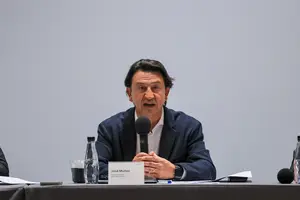
현대자동차 회장 겸 CEO인 호세 뮤뇨즈는 이러한 주요 기업들과의 파트너십이 경쟁력 있는 차량을 접근 가능한 가격대에 공급하는 데 매우 중요하다고 말했다. 현대자동차는 국내 거대 기업들과의 심화되는 경쟁 속에서 중국 소비자들의 마음을 사로잡기 위해 노력하고 있으며, 신에너지 자동차(NEV)에 대한 정부 보조금 감소를 포함한 더욱 어려운 정책 배경에 직면하고 있다.
뮤뇨즈는 금요일 세계 최대 규모의 자동차 쇼인 오토 차이나 2026(5월 3일까지 진행)의 기자 간담회에서 "우리의 답은 이 시장뿐 아니라 다른 시장에서도 우리의 근본적인 경쟁력을 개선하기 위해 노력하는 것입니다. 그것이 우리가 이러한 현지 공급업체들을 도입하는 이유입니다"라고 말했다.
뮤뇨즈는 특정 기능들이 해외에서 조달하거나 적응하기 어렵다는 점을 지적하며, 특정 시장 수요에 맞춘 지역화된 개발 및 생산의 필요성을 강조했다.
전기자동차인 아이오닉 V는 현대자동차가 2030년까지 중국에 출시할 계획인 20개의 신모델 중 첫 번째다. 디지털 지능형 차량을 우선시하는 기술에 민감한 중국 소비자들을 만족시키기 위해, 자동차 제조사는 점점 더 현지 기업들로 눈을 돌리고 있다.
새로운 차량은 베이징 기반의 스타트업 Momenta의 자율주행 소프트웨어로 구동되며, 중국 배터리 업체 CATL의 배터리를 통해 1회 충전으로 600km를 주행할 수 있다.
현대자동차의 중국 최고 기술 담당자인 허재호는 "개발 단계부터 아이오닉 V는 강력한 기술 역량과 광범위한 실도로 데이터를 보유한 Momenta와 긴밀하게 협력했습니다"라며, 아이오닉 V가 고속도로 주행 보조 및 메모리 주차 기능을 포함한 레벨 2+ 자율주행 기능을 확보했다고 덧붙였다.
허는 "앞으로 중국 내 향후 아이오닉 모델들에서 레벨 2++ 기능을 달성하기 위해 Momenta와의 협력을 확대할 계획입니다"라고 말했으며, 이는 고속도로에서의 자동 조종 운전을 가능하게 한다.
또한 아이오닉 V는 음성 인식, 스마트 추천 및 개인화된 서비스를 위해 ByteDance의 Doubao 대규모 언어 모델을 탑재하고 있다.
현지 사용자 선호도를 반영하여 바이두 지도와 가오더 지도, 그리고 위챗을 모두 지원한다.
현대자동차의 중국 합작회사인 베이징 현대자동차 모터 회장 우저우타오는 중국 소비자들이 더 이상 단순히 전기자동차만을 원하는 것이 아니라고 말했다. 그들은 자동차에 더 많은 지능과 스마트 기능을 원한다.
우는 "젊은 중국 소비자들은 스마트 캐빈과 스마트 주행 기술 같은 기능에 점점 더 초점을 맞추고 있습니다"라고 말했으며, "그것이 우리가 아이오닉 V를 출시한 이유입니다"라고 덧붙였다.
우는 회사가 NEV에 초점을 맞춘 광범위한 전환을 준비하고 있으며, 일반적으로 고속도로나 지정된 경로에서 조건부 자동 운전을 가능하게 하는 레벨 3 자율주행으로의 진전을 계속 추진할 계획이라고 덧붙였다.
현대자동차의 아이오닉 V 출시는 단순한 신모델 데뷔가 아니라, 세계 최대 자동차 시장에서 입지를 되찾기 위한 고위험 시도를 의미한다. 이 움직임은 한국 자동차 제조사가 2017년 서울과 베이징 간 외교적 갈등으로 촉발된 한국 브랜드에 대한 소비자 반발로 인한 급격한 판매 부진에서 벗어나기 위해 노력하는 가운데 나타났다. 그 이후로 중국의 전기자동차로의 빠른 전환(BYD, 질리 같은 국내 거대 기업들이 주도)으로 인해 현대자동차가 점점 더 경쟁적이고 기술 중심적인 시장에서 발맞추기 위해 애쓰면서 현대자동차의 과제는 심화됐다.
이러한 배경 속에서 뮤뇨즈는 말을 아끼지 않으면서도 회사의 실수에 대해 솔직한 진단을 제시했으며, 현대자동차가 "자만심에 빠져있었다"는 것을 인정했다.
그는 "때로는 일이 매우 잘 진행될 때 우리는 매우 자만심에 빠져 있다고 생각하고 우리가 얼마나 훌륭한지 믿게 됩니다"라고 말했다. "따라서 나는 우리가 중국에서 겸손하고, 지속적으로 무엇이 잘 진행되고 있는지 그리고 무엇이 잘 진행되고 있지 않은지를 분석하고, 시장의 우리 파트너들의 말을 듣는 것을 배웠다고 생각합니다."
뮤뇨즈는 또한 중국 시장의 변화 속도를 언급하면서 시장의 전환을 "대규모"라고 묘사했다. 그는 현대자동차가 반응하기에는 너무 오래 걸렸다는 것을 인정했다. "나는 우리가 상황에 반응하기에는 너무 오래 걸렸다고 생각합니다"라고 그는 말했다. "고맙게도, 너무 늦기 전에, 우리는 시장에 머물기 위한 올바른 결정을 내리고 있으며 '세 배로 더 집중하고 있습니다.'"
과거 좌절에서 얻은 교훈을 바탕으로 뮤뇨즈는 현대자동차가 중국에서 새로운 전략을 수립할 수 있었다고 말했으며, 중국 브랜드와 경쟁할 수 있는 능력에 대해 확신을 표시했다. 자동차 제조사는 2030년까지 중국에서 연간 50만 대의 판매를 목표로 하고 있다.
아이오닉 V는 주로 중국을 위해 설계되었지만, 현대자동차는 모델의 성능에 따라 수출의 문을 열어두고 있다.
뮤뇨즈는 "중국이 우선"이지만 성공 여부에 따라 호주와 동남아시아를 포함한 아시아 태평양 지역을 고려하고 있다고 말했으며, 이들은 중국 완성차 제조사가 강력한 매우 중요한 시장이다. 그는 현대자동차가 중동은 물론 중앙 및 남미의 기회도 탐색 중이라고 덧붙였으며, 잠재적인 해외 확장을 "행운의 문제"라고 표현했다.
현대자동차 회장 겸 CEO인 호세 뮤뇨즈는 이러한 주요 기업들과의 파트너십이 경쟁력 있는 차량을 접근 가능한 가격대에 공급하는 데 매우 중요하다고 말했다. 현대자동차는 국내 거대 기업들과의 심화되는 경쟁 속에서 중국 소비자들의 마음을 사로잡기 위해 노력하고 있으며, 신에너지 자동차(NEV)에 대한 정부 보조금 감소를 포함한 더욱 어려운 정책 배경에 직면하고 있다.
뮤뇨즈는 금요일 세계 최대 규모의 자동차 쇼인 오토 차이나 2026(5월 3일까지 진행)의 기자 간담회에서 "우리의 답은 이 시장뿐 아니라 다른 시장에서도 우리의 근본적인 경쟁력을 개선하기 위해 노력하는 것입니다. 그것이 우리가 이러한 현지 공급업체들을 도입하는 이유입니다"라고 말했다.
뮤뇨즈는 특정 기능들이 해외에서 조달하거나 적응하기 어렵다는 점을 지적하며, 특정 시장 수요에 맞춘 지역화된 개발 및 생산의 필요성을 강조했다.
전기자동차인 아이오닉 V는 현대자동차가 2030년까지 중국에 출시할 계획인 20개의 신모델 중 첫 번째다. 디지털 지능형 차량을 우선시하는 기술에 민감한 중국 소비자들을 만족시키기 위해, 자동차 제조사는 점점 더 현지 기업들로 눈을 돌리고 있다.
새로운 차량은 베이징 기반의 스타트업 Momenta의 자율주행 소프트웨어로 구동되며, 중국 배터리 업체 CATL의 배터리를 통해 1회 충전으로 600km를 주행할 수 있다.
현대자동차의 중국 최고 기술 담당자인 허재호는 "개발 단계부터 아이오닉 V는 강력한 기술 역량과 광범위한 실도로 데이터를 보유한 Momenta와 긴밀하게 협력했습니다"라며, 아이오닉 V가 고속도로 주행 보조 및 메모리 주차 기능을 포함한 레벨 2+ 자율주행 기능을 확보했다고 덧붙였다.
허는 "앞으로 중국 내 향후 아이오닉 모델들에서 레벨 2++ 기능을 달성하기 위해 Momenta와의 협력을 확대할 계획입니다"라고 말했으며, 이는 고속도로에서의 자동 조종 운전을 가능하게 한다.
또한 아이오닉 V는 음성 인식, 스마트 추천 및 개인화된 서비스를 위해 ByteDance의 Doubao 대규모 언어 모델을 탑재하고 있다.
현지 사용자 선호도를 반영하여 바이두 지도와 가오더 지도, 그리고 위챗을 모두 지원한다.
현대자동차의 중국 합작회사인 베이징 현대자동차 모터 회장 우저우타오는 중국 소비자들이 더 이상 단순히 전기자동차만을 원하는 것이 아니라고 말했다. 그들은 자동차에 더 많은 지능과 스마트 기능을 원한다.
우는 "젊은 중국 소비자들은 스마트 캐빈과 스마트 주행 기술 같은 기능에 점점 더 초점을 맞추고 있습니다"라고 말했으며, "그것이 우리가 아이오닉 V를 출시한 이유입니다"라고 덧붙였다.
우는 회사가 NEV에 초점을 맞춘 광범위한 전환을 준비하고 있으며, 일반적으로 고속도로나 지정된 경로에서 조건부 자동 운전을 가능하게 하는 레벨 3 자율주행으로의 진전을 계속 추진할 계획이라고 덧붙였다.
현대자동차의 아이오닉 V 출시는 단순한 신모델 데뷔가 아니라, 세계 최대 자동차 시장에서 입지를 되찾기 위한 고위험 시도를 의미한다. 이 움직임은 한국 자동차 제조사가 2017년 서울과 베이징 간 외교적 갈등으로 촉발된 한국 브랜드에 대한 소비자 반발로 인한 급격한 판매 부진에서 벗어나기 위해 노력하는 가운데 나타났다. 그 이후로 중국의 전기자동차로의 빠른 전환(BYD, 질리 같은 국내 거대 기업들이 주도)으로 인해 현대자동차가 점점 더 경쟁적이고 기술 중심적인 시장에서 발맞추기 위해 애쓰면서 현대자동차의 과제는 심화됐다.
이러한 배경 속에서 뮤뇨즈는 말을 아끼지 않으면서도 회사의 실수에 대해 솔직한 진단을 제시했으며, 현대자동차가 "자만심에 빠져있었다"는 것을 인정했다.
그는 "때로는 일이 매우 잘 진행될 때 우리는 매우 자만심에 빠져 있다고 생각하고 우리가 얼마나 훌륭한지 믿게 됩니다"라고 말했다. "따라서 나는 우리가 중국에서 겸손하고, 지속적으로 무엇이 잘 진행되고 있는지 그리고 무엇이 잘 진행되고 있지 않은지를 분석하고, 시장의 우리 파트너들의 말을 듣는 것을 배웠다고 생각합니다."
뮤뇨즈는 또한 중국 시장의 변화 속도를 언급하면서 시장의 전환을 "대규모"라고 묘사했다. 그는 현대자동차가 반응하기에는 너무 오래 걸렸다는 것을 인정했다. "나는 우리가 상황에 반응하기에는 너무 오래 걸렸다고 생각합니다"라고 그는 말했다. "고맙게도, 너무 늦기 전에, 우리는 시장에 머물기 위한 올바른 결정을 내리고 있으며 '세 배로 더 집중하고 있습니다.'"
과거 좌절에서 얻은 교훈을 바탕으로 뮤뇨즈는 현대자동차가 중국에서 새로운 전략을 수립할 수 있었다고 말했으며, 중국 브랜드와 경쟁할 수 있는 능력에 대해 확신을 표시했다. 자동차 제조사는 2030년까지 중국에서 연간 50만 대의 판매를 목표로 하고 있다.
아이오닉 V는 주로 중국을 위해 설계되었지만, 현대자동차는 모델의 성능에 따라 수출의 문을 열어두고 있다.
뮤뇨즈는 "중국이 우선"이지만 성공 여부에 따라 호주와 동남아시아를 포함한 아시아 태평양 지역을 고려하고 있다고 말했으며, 이들은 중국 완성차 제조사가 강력한 매우 중요한 시장이다. 그는 현대자동차가 중동은 물론 중앙 및 남미의 기회도 탐색 중이라고 덧붙였으며, 잠재적인 해외 확장을 "행운의 문제"라고 표현했다.
처리 완료
4,829 tokens · $0.0142
기사 수집 완료 · 09:30
매체 피드에서 기사 메타데이터 수집
헤드라인 번역 완료 · 09:45
제목/요약 한국어 번역 (fetch 시점 inline)
claude-haiku-4-5-20251001
150 tokens
$0.00041
6.8s
본문 추출 완료
5,259자 추출 완료
본문 한국어 번역 완료 · 09:45
2,713자 번역 완료
claude-haiku-4-5-20251001
4,679 tokens
$0.01378
27.8s
지정학적 엔티티 추출 완료 · 09:45
8개 엔티티 추출 완료
지정학적 맥락 & R-Scanner
R-Scanner · 평상
z=-4.38
일상적인 보도 수준 — 기준: China
(🇨🇳 CN)
최근 6시간 0건
7일 평균 20.18건 / 6h
0개국 매체
0개 매체
본문에서 추출된 지명 (8)
China
🇨🇳
Beijing
🇨🇳
Seoul
🇰🇷
South Korea
🇰🇷
Asia-Pacific
🇴🇹
Southeast Asia
🇴🇹
Australia
🇦🇺
Middle East
🇴🇹
위치 지도
지도 로딩 중…
같은 주제의 다른 기사 (최근 7일)
Ioniq V combines CATL batteries with Momenta's autonomous driving, ByteDance AI, Baidu mapping to target China's tech-savvy
BEIJING — In unveiling the Ioniq V in China, one of the biggest changes for Hyundai Motor has been a shift toward deep localization, with the South Korean automaker tapping local partners across key technologies from batteries to advanced driver-assistance systems.
Hyundai Motor President and CEO Jose Munoz said such partnerships with top companies are critical to delivering competitive vehicles at accessible price points, as Hyundai seeks to win over Chinese consumers amid intensifying rivalry with domestic giants and a more challenging policy backdrop, including reduced government subsidies for new energy vehicles, or NEV.
"So our answer — not only in this market, but in others — is to try to make efforts to improve our fundamental competitiveness. That's why we are bringing in these local suppliers," Munoz said during a media roundtable Friday on the sidelines of the Auto China 2026, the world's largest auto show, running through May 3.
Munoz added that certain features are difficult to source or adapt from overseas, reinforcing the need for localized development and production tailoring to specific market demand.
The all-electric Ioniq V is the first of 20 new models Hyundai plans to introduce in China by 2030. To cater to tech-savvy Chinese consumers who prioritize digitally intelligent vehicles, the automaker has increasingly turned to local companies.
The new vehicle is powered by autonomous driving software from Beijing-based startup Momenta, and batteries from Chinese battery giant CATL to deliver 600 kilometers on a single charge.
"Starting from the development phase, the Ioniq V has partnered closely with Momenta, which has strong technological capabilities and extensive real road data," said Huh Jae-ho, Hyundai's China chief technology officer, adding it has secured Level 2+ autonomous driving features for the Ioniq V, including highway driving assistance and memory parking functions.
"We plan to expand partnership with (Momenta) to achieve Level 2++ capabilities across future Ioniq models in China," said Huh, allowing for hands-off self-driving on highways.
In addition, the Ioniq V is equipped with ByteDance's Doubao large language model for voice recognition, smart recommendations and personalized services.
It also supports both Baidu and Gaode maps, as well as WeChat, reflecting local users preferences.
Wu Zhoutao, chair of Beijing Hyundai Motor Co. — Hyundai's Chinese joint venture with BAIC Motor— said Chinese consumers no longer just want electric vehicles; they want more intelligence and smart capabilities in their vehicles.
"Younger Chinese consumers are increasingly focused on features such as smart cabins and smart driving technology," said Wu. "That's why we launched the Ioniq V."
Wu added that the company is preparing for a broader transition with focus on NEVs, with plans to further advance toward Level 3 autonomous driving, which allows conditional autonomous operation, typically on highways or designated routes.
Hyundai's Ioniq V launch marks more than a new model debut, but a high-stakes bid to reclaim ground in the world's largest auto market. The push comes as the South Korean carmaker seeks to rebound from a steep sales slump triggered by a 2017 diplomatic rift between Seoul and Beijing, which sparked a consumer backlash against Korean brands. Its challenge has since intensified, with China's rapid shift to electric vehicles — led by domestic giants such as BYD and Geely — leaving Hyundai struggling to keep pace in an increasingly competitive, tech-driven market.
Against that backdrop, Munoz did not mince words, but offered a blunt diagnosis of the company's missteps, acknowledging that Hyundai had become "complacent."
"Sometimes, when things are going very well, we become very complacent and we believe we are so good," he said. "So I think we have learned in China to be humble, to constantly analyze what is going well and what is not going so well and to listen to our partners in the market."
Munoz also pointed to the pace of change in China, describing the market's transition as "tremendous." He admitted Hyundai had been slow to respond. "I think we have taken too long to react to the situation," he said. "Thankfully, before it's too late, we are taking the right decision to stay in the market and to 'triple down.'"
Drawing on lessons from past setbacks, Munoz said Hyundai was able to create a new strategy in China, expressing confidence in its ability to compete with Chinese brands. The automaker is targeting annual sales of 500,000 units in China by 2030.
While the Ioniq V is primarily designed for China, Hyundai is leaving the door open for exports depending on the model's performance.
Munoz said "China comes first," but depending on the success, it is considering Asia-Pacific regions including Australia and Southeast Asia — which are very important markets where Chinese original equipment manufacturers are strong. He added that Hyundai is also exploring opportunities in the Middle East as well as Central and South America, describing potential overseas expansion as a "happy problem."
BEIJING — In unveiling the Ioniq V in China, one of the biggest changes for Hyundai Motor has been a shift toward deep localization, with the South Korean automaker tapping local partners across key technologies from batteries to advanced driver-assistance systems.
Hyundai Motor President and CEO Jose Munoz said such partnerships with top companies are critical to delivering competitive vehicles at accessible price points, as Hyundai seeks to win over Chinese consumers amid intensifying rivalry with domestic giants and a more challenging policy backdrop, including reduced government subsidies for new energy vehicles, or NEV.
"So our answer — not only in this market, but in others — is to try to make efforts to improve our fundamental competitiveness. That's why we are bringing in these local suppliers," Munoz said during a media roundtable Friday on the sidelines of the Auto China 2026, the world's largest auto show, running through May 3.
Munoz added that certain features are difficult to source or adapt from overseas, reinforcing the need for localized development and production tailoring to specific market demand.
The all-electric Ioniq V is the first of 20 new models Hyundai plans to introduce in China by 2030. To cater to tech-savvy Chinese consumers who prioritize digitally intelligent vehicles, the automaker has increasingly turned to local companies.
The new vehicle is powered by autonomous driving software from Beijing-based startup Momenta, and batteries from Chinese battery giant CATL to deliver 600 kilometers on a single charge.
"Starting from the development phase, the Ioniq V has partnered closely with Momenta, which has strong technological capabilities and extensive real road data," said Huh Jae-ho, Hyundai's China chief technology officer, adding it has secured Level 2+ autonomous driving features for the Ioniq V, including highway driving assistance and memory parking functions.
"We plan to expand partnership with (Momenta) to achieve Level 2++ capabilities across future Ioniq models in China," said Huh, allowing for hands-off self-driving on highways.
In addition, the Ioniq V is equipped with ByteDance's Doubao large language model for voice recognition, smart recommendations and personalized services.
It also supports both Baidu and Gaode maps, as well as WeChat, reflecting local users preferences.
Wu Zhoutao, chair of Beijing Hyundai Motor Co. — Hyundai's Chinese joint venture with BAIC Motor— said Chinese consumers no longer just want electric vehicles; they want more intelligence and smart capabilities in their vehicles.
"Younger Chinese consumers are increasingly focused on features such as smart cabins and smart driving technology," said Wu. "That's why we launched the Ioniq V."
Wu added that the company is preparing for a broader transition with focus on NEVs, with plans to further advance toward Level 3 autonomous driving, which allows conditional autonomous operation, typically on highways or designated routes.
Hyundai's Ioniq V launch marks more than a new model debut, but a high-stakes bid to reclaim ground in the world's largest auto market. The push comes as the South Korean carmaker seeks to rebound from a steep sales slump triggered by a 2017 diplomatic rift between Seoul and Beijing, which sparked a consumer backlash against Korean brands. Its challenge has since intensified, with China's rapid shift to electric vehicles — led by domestic giants such as BYD and Geely — leaving Hyundai struggling to keep pace in an increasingly competitive, tech-driven market.
Against that backdrop, Munoz did not mince words, but offered a blunt diagnosis of the company's missteps, acknowledging that Hyundai had become "complacent."
"Sometimes, when things are going very well, we become very complacent and we believe we are so good," he said. "So I think we have learned in China to be humble, to constantly analyze what is going well and what is not going so well and to listen to our partners in the market."
Munoz also pointed to the pace of change in China, describing the market's transition as "tremendous." He admitted Hyundai had been slow to respond. "I think we have taken too long to react to the situation," he said. "Thankfully, before it's too late, we are taking the right decision to stay in the market and to 'triple down.'"
Drawing on lessons from past setbacks, Munoz said Hyundai was able to create a new strategy in China, expressing confidence in its ability to compete with Chinese brands. The automaker is targeting annual sales of 500,000 units in China by 2030.
While the Ioniq V is primarily designed for China, Hyundai is leaving the door open for exports depending on the model's performance.
Munoz said "China comes first," but depending on the success, it is considering Asia-Pacific regions including Australia and Southeast Asia — which are very important markets where Chinese original equipment manufacturers are strong. He added that Hyundai is also exploring opportunities in the Middle East as well as Central and South America, describing potential overseas expansion as a "happy problem."