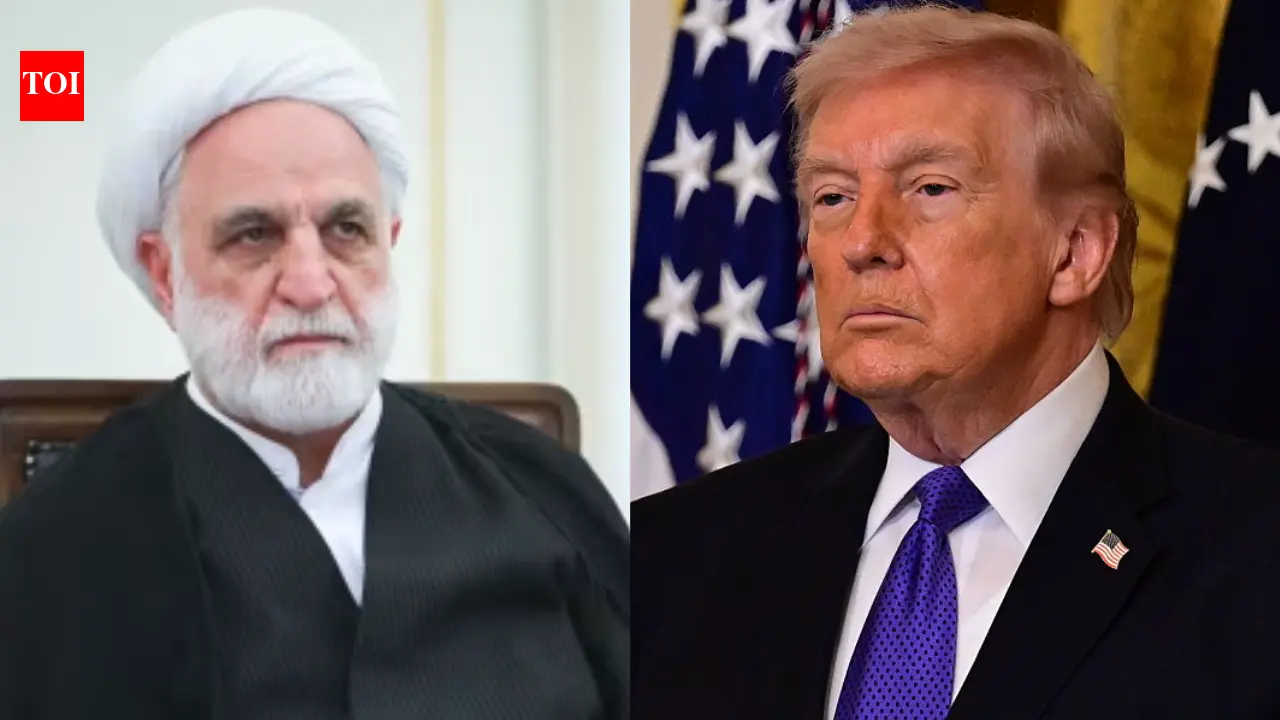
'굴욕적인 패배': 이란, 미국에 46년 전 실패 상기시키다 - 독수리 발톱 작전이란?
'Humiliating defeat': Iran reminds US of 46-yr-old failure - what was Op Eagle Claw?
The Times of India
· 🇮🇳 Mumbai, IN
TOI WORLD DESK
EN
2026-04-26 00:54
Translated
이란 사법부 수장이 페르시아만 긴장이 고조될 경우 "이스파한과 타바스" 사건이 반복될 수 있다고 미국을 경고했다. 이 경고는 1980년 실패한 미국의 독수리 발톱 작전 46주년과 맞물려 있으며, 이 작전은 테헤란의 미국인 인질 구출 임무였으나 재앙으로 끝났고 사상자가 발생했다.
미국 군사 역사상 가장 굴욕적인 패배 중 하나의 46주년을 맞아, 이란의 사법부 수장 굴람-호세인 모흐세니-에제이는 토요일 페르시아만에서 긴장이 고조될 경우 "이스파한과 타바스"와 유사한 사건이 반복될 수 있다고 미국에 경고했다. 그는 X에 올린 글에서 "미국인들은 이란에 대한 해상 봉쇄를 강제할 능력도 부족하다는 것을 알아야 한다. 이스파한과 타바스가 페르시아만 해역에서 다시 반복될 것이다"라고 말했다. 역사적 사건들을 언급하며 타바스의 상징적 중요성을 강조했다. "오르디베헤시트 5일, 타바스에서의 미국 군부대의 굴욕적인 패배 기념일인 오늘은 이슬람 이란 국민들에게 다른 의미와 향기를 지니고 있다"고 그의 글에 덧붙였다. 그는 또한 최근의 대치 상황을 언급하며 이란군이 미국 관련 세력에 타격을 입혔다고 주장했다. "비열한 적의 특수부대원들은 최근 전쟁에서 이번에는 이스파한에 발이 묶였고 이슬람 공화국의 무장력에 의해 심각하고 교훈적인 패배를 입었다"고 그의 글은 계속했다. 이 발언은 테헤란과 워싱턴 간의 호르무즈 해협에서의 해상 작전을 둘러싼 긴장이 고조되는 가운데 나왔으며, 양측은 해상 나포와 선박 압수를 포함한 공격적 행동으로 서로를 비난해왔다. 독수리 발톱 작전이란? 타바스에 대한 언급은 1980년 4월 지미 카터 대통령 재임 중에 실행된 미국의 실패한 군사 작전인 독수리 발톱 작전과 관련이 있다. 이 작전은 1979년 11월 이란 학생들이 테헤란의 미국 대사관을 점거하고 수십 명의 미국인을 인질로 잡은 이란 인질 사태 중에 실행되었다. 수개월간의 실패한 협상 끝에 카터는 미국 군부의 여러 부서를 포함하는 복잡한 구출 계획을 승인했다. 이 작전은 공군 C-130 수송기와 해군 RH-53D 헬리콥터를 포함하는 2박에 걸친 다단계 작전으로 설계되었다. 첫날 밤, 델타포스 특수부대원들을 실은 수송기는 테헤란 남동쪽으로 약 200마일 떨어진 사막 원지 데저트 원이라고 알려진 곳에 착륙했고 USS 니미츠에서 발진한 헬리콥터와 만나기로 되어 있었다. 연료 보급 후, 부대는 테헤란에 더 가까워지고 다음 밤 대사관 습격을 감행하기 전에 숨어 있기로 했다. 이 계획은 대사관을 점거하고, 인질들을 구출하고, 추가 미국군의 지원을 받아 보안 비행장을 통해 그들을 대피시키는 것을 포함했다. 그러나 이 작전은 초반부터 틀어지기 시작했다. 헬리콥터들은 심각한 먼지 폭풍 또는 하부브(haboob)를 만나 시야 문제와 기계 고장을 일으켰다. 일부 헬리콥터는 돌아가야 했고, 다른 헬리콥터는 늦게 도착했거나 작전에 부적합해졌다. 작동 가능한 헬리콥터가 너무 부족하여 작전은 중단되었다. 철수 중에 RH-53D 헬리콥터는 연료를 운반하는 C-130 항공기와 충돌하여 폭발을 일으켰고, 이는 두 항공기를 파괴했으며 공군 인원 5명과 해병 3명 등 8명의 미국 군인을 사망하게 했다. 실패한 작전은 전 세계의 관심을 끌었고 미국 군사 조율의 주요 약점을 드러냈으며, 이후 특수 작전군에 대한 중대한 개혁으로 이어졌다.
처리 완료
3,436 tokens · $0.0096
기사 수집 완료 · 01:10
매체 피드에서 기사 메타데이터 수집
헤드라인 번역 완료 · 01:25
제목/요약 한국어 번역 (fetch 시점 inline)
claude-haiku-4-5-20251001
344 tokens
$0.00091
2.6s
본문 추출 완료
3,189자 추출 완료
본문 한국어 번역 완료 · 01:25
1,468자 번역 완료
claude-haiku-4-5-20251001
3,092 tokens
$0.00874
17.6s
지정학적 엔티티 추출 완료 · 01:25
7개 엔티티 추출 완료
지정학적 맥락 & R-Scanner
R-Scanner · 평상
z=-7.19
일상적인 보도 수준 — 기준: Iran
(🇮🇷 IR)
최근 6시간 0건
7일 평균 52.71건 / 6h
0개국 매체
0개 매체
본문에서 추출된 지명 (7)
위치 지도
지도 로딩 중…
같은 주제의 다른 기사 (최근 7일)
Iran's judiciary chief warned the US of repeating "Isfahan and Tabas" incidents if tensions escalate in the Persian Gulf. This warning coincides with the 46th anniversary of the failed US Operation Eagle Claw in 1980, a mission to rescue American hostages in Tehran that ended in disaster and casualties.
. On the 46th anniversary of one of the most humiliating defeats in US military history, Iran's judiciary chief Gholam-Hossein Mohseni-Eje'i on Saturday warned the United States that incidents similar to “Isfahan and Tabas” could be repeated if tensions escalate in the Persian Gulf."Americans should know that they also lack the capability to impose a naval blockade on Iran; Isfahan and Tabas will be repeated once again in the waters of the Persian Gulf," he said in a post on X. Referring to historical incidents, he highlighted the symbolic importance of Tabas. "On the fifth of Ordibehesht, the anniversary of the humiliating defeat of the American military in Tabas, today holds a different colour and scent for the people of Islamic Iran," the post added.He also pointed to recent confrontations, claiming Iranian forces had inflicted setbacks on US-linked forces."The commando forces of the wretched enemy, in the recent war, were this time grounded in Isfahan and suffered a heavy, instructive defeat at the hands of the armed forces of the Islamic Republic of Iran," his post further read.The remarks come amid escalating tensions between Tehran and Washington over maritime operations in the Strait of Hormuz, where both sides have accused each other of aggressive actions, including naval interceptions and vessel seizures.What was Operation Eagle Claw?The reference to Tabas relates to Operation Eagle Claw, a failed US military mission carried out in April 1980 during the presidency of Jimmy Carter.The operation was launched during the Iran hostage crisis, after Iranian students stormed the US Embassy in Tehran in November 1979 and took dozens of Americans hostage.After months of failed negotiations, Carter approved a complex rescue plan involving multiple branches of the US military. The mission was designed as a multi-phase operation over two nights, involving Air Force C-130 transport aircraft and Navy RH-53D helicopters.On the first night, transport aircraft carrying Delta Force commandos were to land at a remote desert site known as Desert One, about 200 miles southeast of Tehran, and rendezvous with helicopters launched from the USS Nimitz. After refuelling, the troops would be moved closer to Tehran and go into hiding before launching an assault on the embassy the following night.The plan included storming the embassy, rescuing the hostages, and evacuating them through a secured airfield with the support of additional US forces.However, the mission began to unravel early. The helicopters encountered a severe dust storm, or haboob, which caused visibility issues and mechanical failures. Some helicopters were forced to turn back, while others arrived late or became unfit for the mission.With too few operational helicopters remaining, the mission was aborted.During the withdrawal, a RH-53D helicopter collided with a C-130 aircraft carrying fuel, triggering an explosion that destroyed both aircraft and killed eight US servicemen — five Air Force personnel and three Marines.The failed operation drew global attention and exposed major weaknesses in US military coordination, later leading to significant reforms in special operations forces.