캘리포니아에서 옥수수 토르티야에 엽산 첨가 의무화, 더 많은 주들이 검토 중
Corn tortillas in California now must contain folic acid. More states are looking at it
Associated Press
· 🇺🇸 New York, US
https://apnews.com/author/jonel-aleccia
EN
2026-04-26 06:10
Translated
15년 전 희귀하고 심각한 선천성 결손으로 첫 아기를 잃은 안드레아 로페즈는 이제 라티나 어머니들이 같은 고통을 피할 수 있다는 사실에 위안을 찾고 있다.
1월, 캘리포니아는 옥수수 마사 밀가루에 중요한 비타민인 엽산을 첨가하도록 식품 제조업체에 요구하는 첫 번째 주가 되었다. 이는 토르티야와 전통 음식을 만드는 데 광범위하게 사용되는 제품이다.
이것은 히스패닉계 영아들의 신경관 결손이라는 심각한 질환의 불균형적으로 높은 발생률을 줄이기 위한 오래 지연된 조치이다. 로페즈의 아들 가브리엘 쿠드는 생후 10일 만에 이 질환으로 사망했다.
"이것은 그렇게 큰 영향을 위한 정말 작은 노력입니다"라고 44세의 로페즈는 말했다. 현재 그녀는 변호사이며 두 명의 어린 딸을 두고 있다.
유사한 법안이 6월에 앨라배마에서 발효되며, 플로리다, 조지아, 오클라호마, 오리건에서 입법이 보류 중이거나 검토 중이다. 텍사스, 델라웨어, 뉴저지, 펜실베이니아 4개 주는 이 문제에 대해 "적극적인 관심"을 표명했다고 식품 강화 이니셔티브(미량 영양소 결핍 해결에 초점을 맞춘 옹호 단체)에 따르면 밝혔다.
거의 30년 동안 중요한 B 비타민인 엽산은 미국에서 농화 밀가루, 흰 빵, 시리얼, 파스타에 첨가되어야 했다.
수십 년의 연구는 1998년의 요구 사항이 이분척추증 및 무뇌증과 같은 심각한 결손의 발생률을 약 30% 감소시켰으며, 연간 약 1,300건의 사례를 예방했음을 보여준다. 이는 20세기 최고의 공중 보건 성공 중 하나로 간주된다.
그러나 라틴계 식단의 필수 식품인 옥수수 마사 밀가루는 원래의 강화 요구사항에서 제외되었고, 그 공동체에서 이분척추증 및 무뇌증과 같은 질환의 발생률은 계속해서 높게 유지되어 왔다.
2016년 연방 규제 당국은 옥수수 마사 제품에 엽산을 첨가하도록 허용했지만 요구하지는 않았다. 2023년까지 옥수수 마사 밀가루 제품의 약 7개 중 1개만이, 그리고 옥수수 토르티야는 엽산을 함유하지 않았다는 검토 결과가 나왔다.
전국적으로 히스패닉계 여성들이 임신 중 그러한 결손을 가질 확률이 가장 높다. 캘리포니아에서 히스패닉계 어머니들의 발생률은 백인 또는 흑인 여성들의 2배이다.
캘리포니아의 새로운 법안과 주의 막대한 구매력은 전국적으로 채택을 확대하는 데 도움이 될 수 있다고 2024년에 통과된 입법안을 후원한 주 하원의원 호아킨 아람불라는 말했다.
캘리포니아의 조치와 옹호자들의 압력은 이미 변화를 촉발했다.
미션 푸즈와 아즈테카 밀링의 모회사인 그루마 코퍼레이션은 거의 20년 동안 강화 문제에 관여해왔다. 아즈테카는 2016년부터 가장 큰 브랜드인 마세카의 일부(모든 것은 아닌) 옥수수 마사 밀가루 품종을 엽산과 함께 판매하기 시작했다.
올해 기준, 회사의 미국 내 소매 판매의 97%가 엽산을 포함한다. 나머지는 7월 전에 강화될 것으로 예상된다고 그루마는 성명에서 밝혔다.
미션 푸즈는 2024년에 강화를 시작했다. 현재 미국 내 모든 브랜드 및 민간 레이블 옥수수 토르티야에 엽산을 첨가한다.
대규모 생산자들의 이러한 조치는 소규모 제조업체들이 뒤를 따르도록 하는 길을 닦는 데 도움이 되었다고 강화를 추진해온 소비자 옹호 단체인 공중 과학 센터의 최근 보고서에 따르면 밝혔다.
초기에 업계는 엽산이 맛에 영향을 미칠 수 있고 라벨 변경의 비용을 우려했다고 토르티야 산업 협회 회장인 짐 카바니는 말했다. 하지만 그는 이제 토르티야 제조업체들이 더 광범위한 규모로 강화된 제품을 판매하기 시작할 것으로 예상한다.
"전반적으로 기차가 출발했고 더 많은 주들이 따를 것 같습니다"라고 그는 말했다.
공중 보건 전문가들은 이러한 증가하는 추진력을 환영한다.
"과학은 명확합니다: 엽산 강화는 효과가 있습니다"라고 에모리 대학 역학 교수이자 이분척추증 예방 센터 소장인 비자야 칸케를라는 말했다. "그것은 안전합니다. 입증되었습니다. 그리고 비용 효율적입니다."
이 견해는 강화를 정부 권력의 남용으로 간주하는 비평가들(정부 최고 수준의 일부 포함)과 극명하게 대조된다.
지난해 말 보건부 장관 로버트 F. 케네디 주니어는 X의 게시물에서 캘리포니아의 새 법안을 비판했다: "이것은 광기입니다. 캘리포니아는 자신의 자녀들에게 전쟁을 벌이고 있습니다 — 빈곤층과 유색인종 공동체를 대상으로 하고 있습니다"라고 그는 썼다.
케네디 변론인은 이 댓글을 설명하기를 거절했다.
소셜 미디어는 엽산 강화가 "독성"이거나 MTHFR로 알려진 특정 유전자 변이를 가진 사람들이 비타민을 제대로 처리할 수 없다고 주장하는 사람들로 가득 차 있다.
이러한 주장 중 어느 것도 옹호자와 의료 전문가에 따르면 정확하지 않다.
"정말로 미친 것은 우리 나라의 최고 보건 담당자가 거짓 주장을 퍼뜨리고 선천성 결손을 예방하고 아기의 생명을 구하는 것으로 입증된 영양소를 피하도록 사람들을 겁주고 있다는 것입니다"라고 CSPI의 선임 정책 과학자 에바 그린탈은 말했다.
강화 용량에서, 엽산은 "개인이나 인구에 해를 끼친 적이 없습니다"라고 알라바마 버밍엄 대학의 소아 신경외과 의사인 제프리 블라운트 박사는 말했다. 그는 미국 및 전 세계에서 신경관 결손을 예방하기 위해 노력하고 있다.
미국 질병 통제 예방 센터는 "MTHFR 유전자 변이를 가진 사람들은 엽산을 포함한 모든 유형의 엽산을 처리할 수 있습니다"라고 강조한다.
심지어 케네디의 새로운 연방 식이 가이드라인조차 강화를 지지한다. 가이드라인을 뒷받침하는 문서는 임산부에게 잎이 많은 녹색 채소, 콩, 렌틸콩과 같은 엽산이 풍부한 음식을 섭취할 것을 조언한다. 하지만 강화된 음식이나 보충제의 엽산이 임신 전과 임신 초기에 신경관 결손을 예방하기 위해 "필수적"이라는 점을 인정한다.
"옥수수 마사 밀가루의 엽산 강화는 신경관 결손을 예방하는 데 도움이 될 수 있습니다"라고 CDC 웹사이트는 추가했다.
신경관 결손은 미국에서 매년 약 2,000명의 아기에게 영향을 미치며, 척추와 뇌를 형성하는 튜브가 제대로 발달하지 못할 때 임신 후 첫 몇 주에 발생한다.
이는 많은 여성들이 임신을 깨닫기 전에 발생하는 경우가 많다. 미국 임신의 40% 이상이 의도하지 않은 것이다. 그 경우들에서 많은 여성들은 임신에 대해 준비하지 못했을 것이라고 캘리포니아 롱비치의 밀러 어린이 병원에서 이분척추증을 가진 아이들을 돕는 재활 클리닉의 의료 이사인 킴벌리 베델 박사는 지적했다.
"여성들이 OB를 바로 방문하고 산전 비타민을 시작하기 위해 최선을 다하더라도, 그것은 너무 늦습니다"라고 베델은 말했다.
옥수수 마사에 엽산을 추가하는 것은 다른 곡물에 추가되는 방식으로, 그것을 필요로 하는 더 광범위한 인구에 영양소가 도달하도록 보장하는 방법이다.
28세의 첫 아이를 임신한 안드레아 로페즈는 엽산의 중요성이나 비타민이 자신의 식단에서 부족할 수 있다는 것을 알지 못했다.
그 후, 임신 중반의 초음파 검사에서 그녀의 아기가 무뇌증을 가지고 있음을 보여주었다. 이것은 두개골이 제대로 발달하지 못하는 치명적인 상태이다.
로페즈는 임신을 임신 기간까지 유지했고 가브리엘은 10일 동안 살았다. 그의 죽음의 고통은 절대 사라지지 않는다고 그녀는 말했으며, 가브리엘은 올해 고등학교 2학년이 되었을 것이라고 덧붙였다. 그녀는 옥수수 마사의 엽산 강화를 요구하는 캘리포니아 법을 지지하며 그 조치가 강제되는 데 그렇게 오래 걸린 것을 "정말 놀랍다"고 생각한다.
"나를 믿어라, 당신은 이것을 겪고 싶지 않을 것입니다"라고 그녀는 말했다. "그는 내 인생의 사랑입니다. 나는 두 명의 작은 딸들을 얻었지만, 그는 나의 첫 태어난 아이입니다. 그는 나의 유일한 아들입니다."
1월, 캘리포니아는 옥수수 마사 밀가루에 중요한 비타민인 엽산을 첨가하도록 식품 제조업체에 요구하는 첫 번째 주가 되었다. 이는 토르티야와 전통 음식을 만드는 데 광범위하게 사용되는 제품이다.
이것은 히스패닉계 영아들의 신경관 결손이라는 심각한 질환의 불균형적으로 높은 발생률을 줄이기 위한 오래 지연된 조치이다. 로페즈의 아들 가브리엘 쿠드는 생후 10일 만에 이 질환으로 사망했다.
"이것은 그렇게 큰 영향을 위한 정말 작은 노력입니다"라고 44세의 로페즈는 말했다. 현재 그녀는 변호사이며 두 명의 어린 딸을 두고 있다.
유사한 법안이 6월에 앨라배마에서 발효되며, 플로리다, 조지아, 오클라호마, 오리건에서 입법이 보류 중이거나 검토 중이다. 텍사스, 델라웨어, 뉴저지, 펜실베이니아 4개 주는 이 문제에 대해 "적극적인 관심"을 표명했다고 식품 강화 이니셔티브(미량 영양소 결핍 해결에 초점을 맞춘 옹호 단체)에 따르면 밝혔다.
거의 30년 동안 중요한 B 비타민인 엽산은 미국에서 농화 밀가루, 흰 빵, 시리얼, 파스타에 첨가되어야 했다.
수십 년의 연구는 1998년의 요구 사항이 이분척추증 및 무뇌증과 같은 심각한 결손의 발생률을 약 30% 감소시켰으며, 연간 약 1,300건의 사례를 예방했음을 보여준다. 이는 20세기 최고의 공중 보건 성공 중 하나로 간주된다.
그러나 라틴계 식단의 필수 식품인 옥수수 마사 밀가루는 원래의 강화 요구사항에서 제외되었고, 그 공동체에서 이분척추증 및 무뇌증과 같은 질환의 발생률은 계속해서 높게 유지되어 왔다.
2016년 연방 규제 당국은 옥수수 마사 제품에 엽산을 첨가하도록 허용했지만 요구하지는 않았다. 2023년까지 옥수수 마사 밀가루 제품의 약 7개 중 1개만이, 그리고 옥수수 토르티야는 엽산을 함유하지 않았다는 검토 결과가 나왔다.
전국적으로 히스패닉계 여성들이 임신 중 그러한 결손을 가질 확률이 가장 높다. 캘리포니아에서 히스패닉계 어머니들의 발생률은 백인 또는 흑인 여성들의 2배이다.
캘리포니아의 새로운 법안과 주의 막대한 구매력은 전국적으로 채택을 확대하는 데 도움이 될 수 있다고 2024년에 통과된 입법안을 후원한 주 하원의원 호아킨 아람불라는 말했다.
캘리포니아의 조치와 옹호자들의 압력은 이미 변화를 촉발했다.
미션 푸즈와 아즈테카 밀링의 모회사인 그루마 코퍼레이션은 거의 20년 동안 강화 문제에 관여해왔다. 아즈테카는 2016년부터 가장 큰 브랜드인 마세카의 일부(모든 것은 아닌) 옥수수 마사 밀가루 품종을 엽산과 함께 판매하기 시작했다.
올해 기준, 회사의 미국 내 소매 판매의 97%가 엽산을 포함한다. 나머지는 7월 전에 강화될 것으로 예상된다고 그루마는 성명에서 밝혔다.
미션 푸즈는 2024년에 강화를 시작했다. 현재 미국 내 모든 브랜드 및 민간 레이블 옥수수 토르티야에 엽산을 첨가한다.
대규모 생산자들의 이러한 조치는 소규모 제조업체들이 뒤를 따르도록 하는 길을 닦는 데 도움이 되었다고 강화를 추진해온 소비자 옹호 단체인 공중 과학 센터의 최근 보고서에 따르면 밝혔다.
초기에 업계는 엽산이 맛에 영향을 미칠 수 있고 라벨 변경의 비용을 우려했다고 토르티야 산업 협회 회장인 짐 카바니는 말했다. 하지만 그는 이제 토르티야 제조업체들이 더 광범위한 규모로 강화된 제품을 판매하기 시작할 것으로 예상한다.
"전반적으로 기차가 출발했고 더 많은 주들이 따를 것 같습니다"라고 그는 말했다.
공중 보건 전문가들은 이러한 증가하는 추진력을 환영한다.
"과학은 명확합니다: 엽산 강화는 효과가 있습니다"라고 에모리 대학 역학 교수이자 이분척추증 예방 센터 소장인 비자야 칸케를라는 말했다. "그것은 안전합니다. 입증되었습니다. 그리고 비용 효율적입니다."
이 견해는 강화를 정부 권력의 남용으로 간주하는 비평가들(정부 최고 수준의 일부 포함)과 극명하게 대조된다.
지난해 말 보건부 장관 로버트 F. 케네디 주니어는 X의 게시물에서 캘리포니아의 새 법안을 비판했다: "이것은 광기입니다. 캘리포니아는 자신의 자녀들에게 전쟁을 벌이고 있습니다 — 빈곤층과 유색인종 공동체를 대상으로 하고 있습니다"라고 그는 썼다.
케네디 변론인은 이 댓글을 설명하기를 거절했다.
소셜 미디어는 엽산 강화가 "독성"이거나 MTHFR로 알려진 특정 유전자 변이를 가진 사람들이 비타민을 제대로 처리할 수 없다고 주장하는 사람들로 가득 차 있다.
이러한 주장 중 어느 것도 옹호자와 의료 전문가에 따르면 정확하지 않다.
"정말로 미친 것은 우리 나라의 최고 보건 담당자가 거짓 주장을 퍼뜨리고 선천성 결손을 예방하고 아기의 생명을 구하는 것으로 입증된 영양소를 피하도록 사람들을 겁주고 있다는 것입니다"라고 CSPI의 선임 정책 과학자 에바 그린탈은 말했다.
강화 용량에서, 엽산은 "개인이나 인구에 해를 끼친 적이 없습니다"라고 알라바마 버밍엄 대학의 소아 신경외과 의사인 제프리 블라운트 박사는 말했다. 그는 미국 및 전 세계에서 신경관 결손을 예방하기 위해 노력하고 있다.
미국 질병 통제 예방 센터는 "MTHFR 유전자 변이를 가진 사람들은 엽산을 포함한 모든 유형의 엽산을 처리할 수 있습니다"라고 강조한다.
심지어 케네디의 새로운 연방 식이 가이드라인조차 강화를 지지한다. 가이드라인을 뒷받침하는 문서는 임산부에게 잎이 많은 녹색 채소, 콩, 렌틸콩과 같은 엽산이 풍부한 음식을 섭취할 것을 조언한다. 하지만 강화된 음식이나 보충제의 엽산이 임신 전과 임신 초기에 신경관 결손을 예방하기 위해 "필수적"이라는 점을 인정한다.
"옥수수 마사 밀가루의 엽산 강화는 신경관 결손을 예방하는 데 도움이 될 수 있습니다"라고 CDC 웹사이트는 추가했다.
신경관 결손은 미국에서 매년 약 2,000명의 아기에게 영향을 미치며, 척추와 뇌를 형성하는 튜브가 제대로 발달하지 못할 때 임신 후 첫 몇 주에 발생한다.
이는 많은 여성들이 임신을 깨닫기 전에 발생하는 경우가 많다. 미국 임신의 40% 이상이 의도하지 않은 것이다. 그 경우들에서 많은 여성들은 임신에 대해 준비하지 못했을 것이라고 캘리포니아 롱비치의 밀러 어린이 병원에서 이분척추증을 가진 아이들을 돕는 재활 클리닉의 의료 이사인 킴벌리 베델 박사는 지적했다.
"여성들이 OB를 바로 방문하고 산전 비타민을 시작하기 위해 최선을 다하더라도, 그것은 너무 늦습니다"라고 베델은 말했다.
옥수수 마사에 엽산을 추가하는 것은 다른 곡물에 추가되는 방식으로, 그것을 필요로 하는 더 광범위한 인구에 영양소가 도달하도록 보장하는 방법이다.
28세의 첫 아이를 임신한 안드레아 로페즈는 엽산의 중요성이나 비타민이 자신의 식단에서 부족할 수 있다는 것을 알지 못했다.
그 후, 임신 중반의 초음파 검사에서 그녀의 아기가 무뇌증을 가지고 있음을 보여주었다. 이것은 두개골이 제대로 발달하지 못하는 치명적인 상태이다.
로페즈는 임신을 임신 기간까지 유지했고 가브리엘은 10일 동안 살았다. 그의 죽음의 고통은 절대 사라지지 않는다고 그녀는 말했으며, 가브리엘은 올해 고등학교 2학년이 되었을 것이라고 덧붙였다. 그녀는 옥수수 마사의 엽산 강화를 요구하는 캘리포니아 법을 지지하며 그 조치가 강제되는 데 그렇게 오래 걸린 것을 "정말 놀랍다"고 생각한다.
"나를 믿어라, 당신은 이것을 겪고 싶지 않을 것입니다"라고 그녀는 말했다. "그는 내 인생의 사랑입니다. 나는 두 명의 작은 딸들을 얻었지만, 그는 나의 첫 태어난 아이입니다. 그는 나의 유일한 아들입니다."
처리 완료
7,061 tokens · $0.0193
기사 수집 완료 · 06:10
매체 피드에서 기사 메타데이터 수집
헤드라인 번역 완료 · 06:25
제목/요약 한국어 번역 (fetch 시점 inline)
claude-haiku-4-5-20251001
177 tokens
$0.00050
1.7s
본문 추출 완료
9,825자 추출 완료
본문 한국어 번역 완료 · 06:25
3,750자 번역 완료
claude-haiku-4-5-20251001
6,884 tokens
$0.01880
40.4s
지정학적 엔티티 추출 완료 · 06:25
8개 엔티티 추출 완료
지정학적 맥락 & R-Scanner
R-Scanner · 평상
z=-2.63
일상적인 보도 수준 — 기준: California
(🇺🇸 US)
최근 6시간 20건
7일 평균 35.96건 / 6h
5개국 매체
7개 매체
본문에서 추출된 지명 (8)
위치 지도
지도 로딩 중…
같은 주제의 다른 기사 (최근 7일)
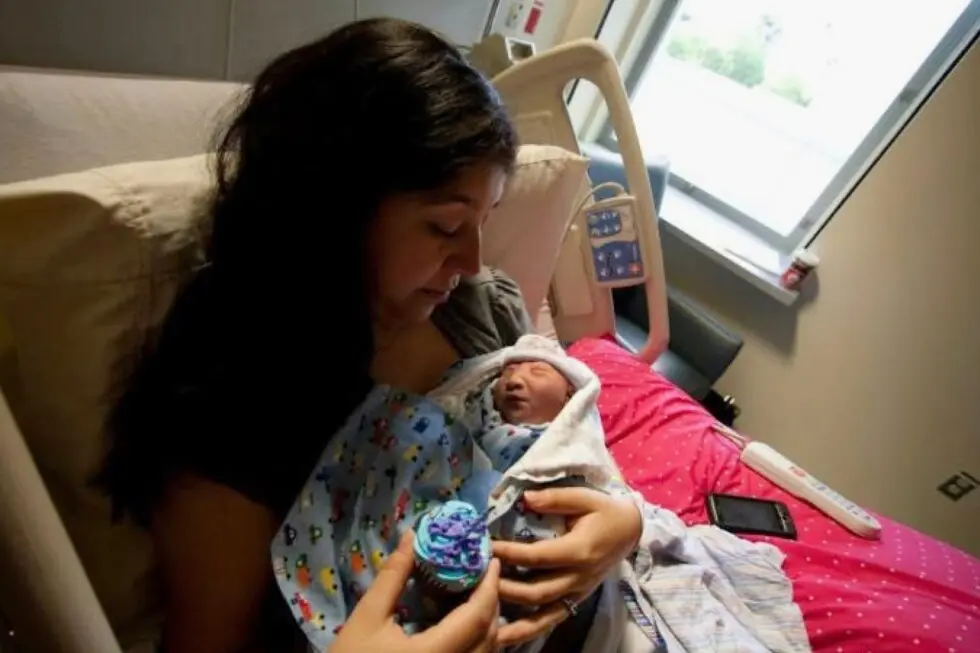
In this photo provided by Andrea Lopez, she cradles her son, Gabriel Cude, at a hospital Bakersfield, Calif., in 2011, where he was born with anencephaly, a rare and severe birth defect tied to a lack of folic acid, a key vitamin. (Courtesy Andrea Lopez via AP) CORRECTION: Corrects last name to Cude, instead of Crude.
This photo provided by Andrea Lopez shows her son, Gabriel Cude, at a hospital Bakersfield, Calif., in 2011, where he was born with anencephaly, a rare and severe birth defect tied to a lack of folic acid, a key vitamin. (Courtesy Andrea Lopez via AP) CORRECTION: Corrects last name to Cude, instead of Crude.
In this photo provided by Andrea Lopez, she cradles her son, Gabriel Cude, at a hospital Bakersfield, Calif., in 2011, where he was born with anencephaly, a rare and severe birth defect tied to a lack of folic acid, a key vitamin. (Courtesy Andrea Lopez via AP) CORRECTION: Corrects last name to Cude, instead of Crude.
In this photo provided by Andrea Lopez, she cradles her son, Gabriel Cude, at a hospital Bakersfield, Calif., in 2011, where he was born with anencephaly, a rare and severe birth defect tied to a lack of folic acid, a key vitamin. (Courtesy Andrea Lopez via AP) CORRECTION: Corrects last name to Cude, instead of Crude.
This photo provided by Andrea Lopez shows her son, Gabriel Cude, at a hospital Bakersfield, Calif., in 2011, where he was born with anencephaly, a rare and severe birth defect tied to a lack of folic acid, a key vitamin. (Courtesy Andrea Lopez via AP) CORRECTION: Corrects last name to Cude, instead of Crude.
This photo provided by Andrea Lopez shows her son, Gabriel Cude, at a hospital Bakersfield, Calif., in 2011, where he was born with anencephaly, a rare and severe birth defect tied to a lack of folic acid, a key vitamin. (Courtesy Andrea Lopez via AP) CORRECTION: Corrects last name to Cude, instead of Crude.
Fifteen years after she lost her first baby to a rare and devastating birth defect, Andrea Lopez takes comfort in knowing that other Latina mothers might finally avoid the same pain.
In January, California became the first state to require food makers to add folic acid, a crucial vitamin, to corn masa flour used to make tortillas and other traditional foods widely used in her community.
It’s a long-delayed move aimed at reducing Hispanic infants’ disproportionately high rates of serious conditions called neural tube defects, which claimed Lopez’s son, Gabriel Cude, when he was 10 days old.
“It’s such a small effort for such a tremendous impact,” said Lopez, 44, who lives in Bakersfield and is now a lawyer with two young daughters. “There is very little that I wouldn’t do to spare anybody this heartache.”
A similar law takes effect in Alabama in June, and legislation is pending or being considered in Florida, Georgia, Oklahoma and Oregon. Four more states — Texas, Delaware, New Jersey and Pennsylvania — have expressed “active interest” in the issue, according to the Food Fortification Initiative, an advocacy group that focuses on addressing micronutrient deficiencies.
“All women and children in the United States should have access to folic acid and have healthy babies,” said Scott Montgomery, the group’s director.
For nearly 30 years, folic acid, a key B vitamin, has been required to be added to enriched wheat and white breads, cereals and pastas in the U.S.
Decades of research show the 1998 requirement cut rates of serious defects such as spina bifida and anencephaly by about 30%, preventing about 1,300 cases a year. It is regarded as one of the top public health triumphs of the 20th century.
But corn masa flour, a staple used in Latino diets, was left out of the original fortification requirement — and rates of conditions such as spina bifida and anencephaly in that community have remained stubbornly high.
In 2016, federal regulators allowed, but did not require, folic acid to be added to corn masa products. By 2023, only about 1 in 7 corn masa flour products and no corn tortillas contained folic acid, a review found.
Nationwide, Hispanic women have the highest rates of having those defects during pregnancy. In California, the rate among Hispanic mothers is twice as high as for white or Black women, state data show.
California’s new law — and the state’s huge buying power — could help expand its adoption nationwide, said state Assemblymember Joaquin Arambula, who sponsored the legislation passed in 2024.
“You have to be the first oftentimes to get the ball rolling,” he said. “So, I’m glad other states have taken up that mantle.”
California’s action and pressure from advocates have already spurred changes.
Gruma Corp., the parent company of Mission Foods and Azteca Milling, has been involved in the fortification issue for nearly two decades. Azteca began selling some — but not all — varieties of Maseca, its largest brand of corn masa flour, with folic acid in 2016.
As of this year, 97% of the company’s retail sales in the U.S. include folic acid. The rest are expected to be fortified before July, Gruma said in a statement.
Mission Foods began fortification in 2024. It now adds folic acid to all of its branded and private label corn tortillas in the U.S.
Such actions by large producers have helped pave the way for smaller manufacturers to follow suit, according to a recent report by the Center for Science in the Public Interest, a consumer advocacy group that has pushed for fortification.
Initially, the industry was concerned folic acid could affect flavor and the cost of changing labels, said Jim Kabbani, head of the Tortilla Industry Association. But he now expects tortilla makers will start selling fortified products on a broader scale.
“I think overall the train has left the station and it will be more and more states,” he said.
Public health experts cheer the growing momentum.
“The science is clear: Folic acid fortification works,” said Vijaya Kancherla, an Emory University epidemiology professor and director of the Center for Spina Bifida Prevention. “It’s safe. It’s proven. And it’s cost-effective.”
That view contrasts sharply with critics — including some at the highest level of government — who regard fortification of the food supply as a form of government overreach.
Late last year, Health Secretary Robert F. Kennedy Jr. criticized California’s new law in a post on X: “This is insanity. California is waging war against her children — targeting the poor and communities of color,” he wrote.
A spokesman for Kennedy declined to explain the comments.
Social media feeds are rife with people claiming that folic acid fortification is “toxic” or that people with a certain gene variation known as MTHFR can’t properly process the vitamin.
None of those claims is accurate, according to advocates and medical experts.
“What’s truly insane is that our nation’s top health official is spreading false claims and frightening people into avoiding a nutrient that’s proven to prevent birth defects and save babies’ lives,” said Eva Greenthal, CSPI’s senior policy scientist.
At fortification doses, folic acid “has never been shown to harm individuals or populations,” said Dr. Jeffery Blount, a pediatric neurosurgeon at the University of Alabama at Birmingham who works to prevent neural tube defects in the U.S. and globally.
The U.S. Centers for Disease Control and Prevention emphasizes that “people with the MTHFR gene variant can process all types of folate, including folic acid.”
Even Kennedy’s new federal dietary guidelines support fortification. Documents backing the guidelines advise pregnant women to eat folate-rich foods, such as leafy green vegetables, beans and lentils. But they also acknowledge that folic acid from fortified foods or supplements is “critical” before conception and during early pregnancy to prevent neural tube defects.
“Folic acid fortification of corn masa flour could help prevent” neural tube defects, the CDC website adds.
Neural tube defects, which affect about 2,000 babies each year in the U.S., occur in the first weeks after conception, when the tube that forms the spine and brain fails to develop properly.
That’s often before many women realize they’re pregnant. More than 40% of U.S. pregnancies are unintended. In those cases, many women won’t have been preparing for pregnancy, noted Dr. Kimberly BeDell, medical director of a rehabilitation clinic that helps children with spina bifida at Miller Children’s Hospital in Long Beach, California.
“Even women’s best efforts in going to an OB right away and starting prenatal vitamins, it’s just too late,” BeDell said.
Adding folic acid to corn masa, the way it is added to other grains, is a way to ensure the nutrient reaches the wider population that needs it, she added.
At age 28, pregnant with her first child, Andrea Lopez didn’t know about the importance of folic acid or that the vitamin might be missing from her diet.
Then, an ultrasound mid-way through pregnancy showed that her baby had anencephaly, a fatal condition in which the skull fails to develop properly.
Lopez carried the pregnancy to term and Gabriel lived for 10 days. The pain of his loss never goes away, she said, adding that Gabriel would have been a high school freshman this year. She supports California’s law requiring folic acid fortification of corn masa and finds it “mind-boggling” that the action took so long to enforce.
“Trust me, you don’t want to go through this,” she said. “He’s the love of my life. I have two little girls that survived, but he’s my first born. He is my only son.”
The Associated Press Health and Science Department receives support from the Howard Hughes Medical Institute’s Department of Science Education and the Robert Wood Johnson Foundation. The AP is solely responsible for all content.
This photo provided by Andrea Lopez shows her son, Gabriel Cude, at a hospital Bakersfield, Calif., in 2011, where he was born with anencephaly, a rare and severe birth defect tied to a lack of folic acid, a key vitamin. (Courtesy Andrea Lopez via AP) CORRECTION: Corrects last name to Cude, instead of Crude.
In this photo provided by Andrea Lopez, she cradles her son, Gabriel Cude, at a hospital Bakersfield, Calif., in 2011, where he was born with anencephaly, a rare and severe birth defect tied to a lack of folic acid, a key vitamin. (Courtesy Andrea Lopez via AP) CORRECTION: Corrects last name to Cude, instead of Crude.
In this photo provided by Andrea Lopez, she cradles her son, Gabriel Cude, at a hospital Bakersfield, Calif., in 2011, where he was born with anencephaly, a rare and severe birth defect tied to a lack of folic acid, a key vitamin. (Courtesy Andrea Lopez via AP) CORRECTION: Corrects last name to Cude, instead of Crude.
This photo provided by Andrea Lopez shows her son, Gabriel Cude, at a hospital Bakersfield, Calif., in 2011, where he was born with anencephaly, a rare and severe birth defect tied to a lack of folic acid, a key vitamin. (Courtesy Andrea Lopez via AP) CORRECTION: Corrects last name to Cude, instead of Crude.
This photo provided by Andrea Lopez shows her son, Gabriel Cude, at a hospital Bakersfield, Calif., in 2011, where he was born with anencephaly, a rare and severe birth defect tied to a lack of folic acid, a key vitamin. (Courtesy Andrea Lopez via AP) CORRECTION: Corrects last name to Cude, instead of Crude.
Fifteen years after she lost her first baby to a rare and devastating birth defect, Andrea Lopez takes comfort in knowing that other Latina mothers might finally avoid the same pain.
In January, California became the first state to require food makers to add folic acid, a crucial vitamin, to corn masa flour used to make tortillas and other traditional foods widely used in her community.
It’s a long-delayed move aimed at reducing Hispanic infants’ disproportionately high rates of serious conditions called neural tube defects, which claimed Lopez’s son, Gabriel Cude, when he was 10 days old.
“It’s such a small effort for such a tremendous impact,” said Lopez, 44, who lives in Bakersfield and is now a lawyer with two young daughters. “There is very little that I wouldn’t do to spare anybody this heartache.”
A similar law takes effect in Alabama in June, and legislation is pending or being considered in Florida, Georgia, Oklahoma and Oregon. Four more states — Texas, Delaware, New Jersey and Pennsylvania — have expressed “active interest” in the issue, according to the Food Fortification Initiative, an advocacy group that focuses on addressing micronutrient deficiencies.
“All women and children in the United States should have access to folic acid and have healthy babies,” said Scott Montgomery, the group’s director.
For nearly 30 years, folic acid, a key B vitamin, has been required to be added to enriched wheat and white breads, cereals and pastas in the U.S.
Decades of research show the 1998 requirement cut rates of serious defects such as spina bifida and anencephaly by about 30%, preventing about 1,300 cases a year. It is regarded as one of the top public health triumphs of the 20th century.
But corn masa flour, a staple used in Latino diets, was left out of the original fortification requirement — and rates of conditions such as spina bifida and anencephaly in that community have remained stubbornly high.
In 2016, federal regulators allowed, but did not require, folic acid to be added to corn masa products. By 2023, only about 1 in 7 corn masa flour products and no corn tortillas contained folic acid, a review found.
Nationwide, Hispanic women have the highest rates of having those defects during pregnancy. In California, the rate among Hispanic mothers is twice as high as for white or Black women, state data show.
California’s new law — and the state’s huge buying power — could help expand its adoption nationwide, said state Assemblymember Joaquin Arambula, who sponsored the legislation passed in 2024.
“You have to be the first oftentimes to get the ball rolling,” he said. “So, I’m glad other states have taken up that mantle.”
California’s action and pressure from advocates have already spurred changes.
Gruma Corp., the parent company of Mission Foods and Azteca Milling, has been involved in the fortification issue for nearly two decades. Azteca began selling some — but not all — varieties of Maseca, its largest brand of corn masa flour, with folic acid in 2016.
As of this year, 97% of the company’s retail sales in the U.S. include folic acid. The rest are expected to be fortified before July, Gruma said in a statement.
Mission Foods began fortification in 2024. It now adds folic acid to all of its branded and private label corn tortillas in the U.S.
Such actions by large producers have helped pave the way for smaller manufacturers to follow suit, according to a recent report by the Center for Science in the Public Interest, a consumer advocacy group that has pushed for fortification.
Initially, the industry was concerned folic acid could affect flavor and the cost of changing labels, said Jim Kabbani, head of the Tortilla Industry Association. But he now expects tortilla makers will start selling fortified products on a broader scale.
“I think overall the train has left the station and it will be more and more states,” he said.
Public health experts cheer the growing momentum.
“The science is clear: Folic acid fortification works,” said Vijaya Kancherla, an Emory University epidemiology professor and director of the Center for Spina Bifida Prevention. “It’s safe. It’s proven. And it’s cost-effective.”
That view contrasts sharply with critics — including some at the highest level of government — who regard fortification of the food supply as a form of government overreach.
Late last year, Health Secretary Robert F. Kennedy Jr. criticized California’s new law in a post on X: “This is insanity. California is waging war against her children — targeting the poor and communities of color,” he wrote.
A spokesman for Kennedy declined to explain the comments.
Social media feeds are rife with people claiming that folic acid fortification is “toxic” or that people with a certain gene variation known as MTHFR can’t properly process the vitamin.
None of those claims is accurate, according to advocates and medical experts.
“What’s truly insane is that our nation’s top health official is spreading false claims and frightening people into avoiding a nutrient that’s proven to prevent birth defects and save babies’ lives,” said Eva Greenthal, CSPI’s senior policy scientist.
At fortification doses, folic acid “has never been shown to harm individuals or populations,” said Dr. Jeffery Blount, a pediatric neurosurgeon at the University of Alabama at Birmingham who works to prevent neural tube defects in the U.S. and globally.
The U.S. Centers for Disease Control and Prevention emphasizes that “people with the MTHFR gene variant can process all types of folate, including folic acid.”
Even Kennedy’s new federal dietary guidelines support fortification. Documents backing the guidelines advise pregnant women to eat folate-rich foods, such as leafy green vegetables, beans and lentils. But they also acknowledge that folic acid from fortified foods or supplements is “critical” before conception and during early pregnancy to prevent neural tube defects.
“Folic acid fortification of corn masa flour could help prevent” neural tube defects, the CDC website adds.
Neural tube defects, which affect about 2,000 babies each year in the U.S., occur in the first weeks after conception, when the tube that forms the spine and brain fails to develop properly.
That’s often before many women realize they’re pregnant. More than 40% of U.S. pregnancies are unintended. In those cases, many women won’t have been preparing for pregnancy, noted Dr. Kimberly BeDell, medical director of a rehabilitation clinic that helps children with spina bifida at Miller Children’s Hospital in Long Beach, California.
“Even women’s best efforts in going to an OB right away and starting prenatal vitamins, it’s just too late,” BeDell said.
Adding folic acid to corn masa, the way it is added to other grains, is a way to ensure the nutrient reaches the wider population that needs it, she added.
At age 28, pregnant with her first child, Andrea Lopez didn’t know about the importance of folic acid or that the vitamin might be missing from her diet.
Then, an ultrasound mid-way through pregnancy showed that her baby had anencephaly, a fatal condition in which the skull fails to develop properly.
Lopez carried the pregnancy to term and Gabriel lived for 10 days. The pain of his loss never goes away, she said, adding that Gabriel would have been a high school freshman this year. She supports California’s law requiring folic acid fortification of corn masa and finds it “mind-boggling” that the action took so long to enforce.
“Trust me, you don’t want to go through this,” she said. “He’s the love of my life. I have two little girls that survived, but he’s my first born. He is my only son.”
The Associated Press Health and Science Department receives support from the Howard Hughes Medical Institute’s Department of Science Education and the Robert Wood Johnson Foundation. The AP is solely responsible for all content.