치료 센터, 희망으로 돌아가는 길을 제시하다
Care centre offers path back to hope
Bangkok Post
· 🇹🇭 Bangkok, TH
Bangkok Post Public Company Limited
EN
2026-04-15 07:12
Translated
리우데자네이루: 노숙과 마약 중독이 자주 교차하는 도시에서 확대되는 정신사회적 치료 센터 네트워크가 삶을 재구성하고 존엄성을 회복시키고 있다.
리우데자네이루: 노숙과 마약 중독이 자주 교차하는 도시에서 확대되는 정신사회적 치료 센터 네트워크가 삶을 재구성하고 존엄성을 회복시키고 있다.
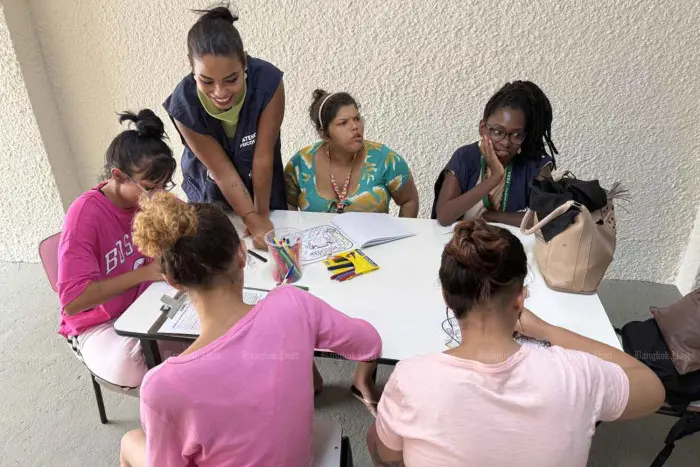
CAPS ad III 카롤리나 마리아 데 제수스(알코올 및 기타 약물 정신사회적 치료 센터)에서는 투쟁과 회복력의 이야기들이 회복 프로그램이 단순한 치료를 넘어 안정, 가족, 그리고 희망으로 돌아가는 길을 제공하고 있음을 보여주었다.
이 센터는 리우데자네이루 중심부에 있는 상크리스토방 구에 위치해 있다. 이 시립 정신건강 유닛은 등록된 이용자를 위한 야간 임시 보호 제공과 함께 주 7일, 24시간 운영된다.
총 68명의 의료 전문가가 이 시설에서 근무하며, 의사, 간호사, 심리학자, 사회복지사 등을 포함하여 알코올 및/또는 기타 약물의 유해한 사용으로 인한 정신장애를 가진 개인에게 집중적인 모니터링이 필요한 치료를 제공한다.
현재 이 유닛에는 709명의 이용자가 등록되어 있다. 리우데자네이루 시청은 총 38개의 정신사회적 치료 센터(CAPS) 중 10개의 CAPSad 유닛을 운영하고 있다.
레오노르 암브로시아 데 미란다(55세)는 전 노숙 마약 이용자로, 의료, 사회복지, 고용 기회를 결합한 시립 이니셔티브인 '앞으로 나아가기' 프로그램에 의해 구조되었다.
미란다 여사는 도나 이보니 라라 정신사회적 치료 센터(CAPS)에서 치료를 받으며 코카인 중독을 극복했고, 현재도 주간 심리치료를 받고 있다. 그녀는 또한 치아 보철과 당뇨병 치료를 받아 신체적, 정서적 회복을 모두 이루었다.
그녀의 여정은 통합 지원의 잠재력을 보여준다.
프로그램에 가입한 지 몇 달 만에 미란다 여사는 종합 서비스 보조원으로 취업하여 자신의 집을 임대했고, 결국 정규직 직원이 되었다. 2월까지 그녀는 한때 불가능하다고 생각했던 이정표를 달성했다. 그녀는 자신의 집을 살 수 있게 되었다.
"이 삶은 두 번째 기회에 관한 것입니다. 회복 센터는 사람들에게 다시 시작하고, 재연결하며, 희망을 찾을 기회를 줍니다"라고 그녀는 태국, 멕시코, 케냐, 인도, 영국, 콜롬비아, 남아프리카공화국, 브라질에서 온 외신 기자들에게 말했다.
언론인들은 최근 리우데자네이루에서 열린 제4차 2026 건강한 도시 파트너십 정상회의의 일환으로 이 현장을 방문했다. 전 세계 55개 도시의 200명 이상의 공중보건 및 도시 지도자들이 이 정상회의에 참석했으며, 이 기자들도 함께했다.
글로벌 정상회의에서의 논의는 비전염성 질병 예방, 학교 식품 안전 개선, 약물 과다복용 대응, 도로 교통 사고 감소에 초점을 맞췄다.
미란다 여사는 아들도 마약 중독으로 어려움을 겪었다고 말했다. 그녀는 모든 것을 잃고 4개월간 노숙 생활을 하다가 결국 이 회복 센터에 구조되어 보호, 지원, 그리고 재건의 기회를 제공받았다.
그녀는 이 센터가 즉각적인 필요를 해결할 뿐만 아니라 가족과의 재연결을 위해 노력했으며, 이는 사회 및 보건 서비스가 함께 작동하는 것의 중요성을 강조한다고 말했다.
알레산드루 페산야 데 소우자는 CAPS ad III 카롤리나 마리아 데 제수스의 관리자로, 브라질 통합보건체계(SUS)에서 22년의 경력을 가진 심리학자이다.
그는 정신사회적 치료 네트워크 강화에 경력을 바쳐왔다고 말했다. 그의 지도 하에 이 센터는 접근성을 확대하고, 치료를 인간화하며, 공공 정신건강 정책을 공고히 해왔다.
"심리학은 이러한 도전의 핵심입니다"라고 소우자 씨는 회복에 연민, 팀워크, 그리고 지역사회 기반 솔루션이 필요하다고 강조하며 말했다.
소우자 씨는 노숙과 중독은 통합된 솔루션을 요구하는 분리할 수 없는 문제라고 말했다. 회복 프로그램은 개인이 약물 남용을 극복하는 데 도움을 줄 뿐만 아니라 가족 유대와 지역사회 연결을 재건하는 데 칭찬받았다.
"그것은 사람을 그들의 가족과 재연결하는 것입니다"라고 그는 회복에 따르는 더 넓은 사회적 치유를 가리키며 말했다.
소우자 씨는 또한 보건, 주택, 사회 지원 시스템 전반에 걸친 더 강력한 파트너십을 촉구했다.
효과적인 회복은 의료 치료 이상의 것이 필요하며, 연민, 가족 참여, 그리고 지역사회 연대가 필요하다고 그는 말했다.
과다복용 예방
비탈 전략의 부사장이자 과다복용 예방 이니셔티브를 담당하는 달리아 헬러는 전 세계 도시들이 증가하는 약물 과다복용 도전에 어떻게 대응하고 있는지 강조했다. 논의는 더 나은 데이터, 더 강력한 시스템, 그리고 약물 사용에 대한 낙인 없는 소통의 긴급한 필요성에 초점을 맞췄다.
헬러 여사는 약물 관여가 항상 제대로 기록되지 않기 때문에 과다복용 사망이 통계에서 종종 과소계산된다고 말했다. "우리는 약물이 주요 원인인 사망을 계산할 공중보건 역량을 구축할 기회가 있습니다"라고 그녀는 말했다.
그녀는 도시들이 이제 데이터 수집을 개선하고, 보건 및 치료 프로그램부터 주택과 형사 사법에 이르기까지 약물 사용자와 상호작용하는 시스템을 강화하고 있다고 말했다.
그녀는 또한 약물 사용을 도덕적 실패가 아닌 공중보건 문제로 재구성하는 것의 중요성을 강조했다.
"중독은 예방 가능하며, 과다복용은 예방 가능한 사망 원인입니다"라고 헬러 여사는 말했다.
참여 도시들 사이에서 두 가지 주요 초점 영역이 나타났다. 첫째, 많은 도시들이 특히 과다복용 위험이 더 높은 노숙 경험자들과 같은 취약 계층을 대상으로 하고 있다.
리우데자네이루는 노숙, 약물 사용, 정신건강을 동시에 다루는 부문 간 프로그램으로 선도적인 사례로 인용되었다. 부에노스아이레스, 아테네, 밀라노를 포함한 다른 도시들은 과다복용 대응을 위한 생명을 구하는 약물인 날록손에 대한 접근성을 확대하고 있다.
둘째, 도시들은 북미 지역을 황폐화시킨 합성 약물인 펜타닐과 같은 위협에 대비하고 있다. 보고타와 런던과 같은 지자체들은 약물 공급을 모니터링하고 조기 경보를 제공하기 위한 감시 시스템을 구축하고 있다.
"과다복용 예방은 필수적입니다. 데이터 기반 전략, 부문 간 협력, 그리고 연민 있는 소통을 결합함으로써, 도시들은 생명을 구하고 약물 사용에 대한 대응을 재구성하기 위해 노력하고 있습니다."
CAPS ad III 카롤리나 마리아 데 제수스(알코올 및 기타 약물 정신사회적 치료 센터)에서는 투쟁과 회복력의 이야기들이 회복 프로그램이 단순한 치료를 넘어 안정, 가족, 그리고 희망으로 돌아가는 길을 제공하고 있음을 보여주었다.
이 센터는 리우데자네이루 중심부에 있는 상크리스토방 구에 위치해 있다. 이 시립 정신건강 유닛은 등록된 이용자를 위한 야간 임시 보호 제공과 함께 주 7일, 24시간 운영된다.
총 68명의 의료 전문가가 이 시설에서 근무하며, 의사, 간호사, 심리학자, 사회복지사 등을 포함하여 알코올 및/또는 기타 약물의 유해한 사용으로 인한 정신장애를 가진 개인에게 집중적인 모니터링이 필요한 치료를 제공한다.
현재 이 유닛에는 709명의 이용자가 등록되어 있다. 리우데자네이루 시청은 총 38개의 정신사회적 치료 센터(CAPS) 중 10개의 CAPSad 유닛을 운영하고 있다.
레오노르 암브로시아 데 미란다(55세)는 전 노숙 마약 이용자로, 의료, 사회복지, 고용 기회를 결합한 시립 이니셔티브인 '앞으로 나아가기' 프로그램에 의해 구조되었다.
미란다 여사는 도나 이보니 라라 정신사회적 치료 센터(CAPS)에서 치료를 받으며 코카인 중독을 극복했고, 현재도 주간 심리치료를 받고 있다. 그녀는 또한 치아 보철과 당뇨병 치료를 받아 신체적, 정서적 회복을 모두 이루었다.
그녀의 여정은 통합 지원의 잠재력을 보여준다.
프로그램에 가입한 지 몇 달 만에 미란다 여사는 종합 서비스 보조원으로 취업하여 자신의 집을 임대했고, 결국 정규직 직원이 되었다. 2월까지 그녀는 한때 불가능하다고 생각했던 이정표를 달성했다. 그녀는 자신의 집을 살 수 있게 되었다.
"이 삶은 두 번째 기회에 관한 것입니다. 회복 센터는 사람들에게 다시 시작하고, 재연결하며, 희망을 찾을 기회를 줍니다"라고 그녀는 태국, 멕시코, 케냐, 인도, 영국, 콜롬비아, 남아프리카공화국, 브라질에서 온 외신 기자들에게 말했다.
언론인들은 최근 리우데자네이루에서 열린 제4차 2026 건강한 도시 파트너십 정상회의의 일환으로 이 현장을 방문했다. 전 세계 55개 도시의 200명 이상의 공중보건 및 도시 지도자들이 이 정상회의에 참석했으며, 이 기자들도 함께했다.
글로벌 정상회의에서의 논의는 비전염성 질병 예방, 학교 식품 안전 개선, 약물 과다복용 대응, 도로 교통 사고 감소에 초점을 맞췄다.
미란다 여사는 아들도 마약 중독으로 어려움을 겪었다고 말했다. 그녀는 모든 것을 잃고 4개월간 노숙 생활을 하다가 결국 이 회복 센터에 구조되어 보호, 지원, 그리고 재건의 기회를 제공받았다.
그녀는 이 센터가 즉각적인 필요를 해결할 뿐만 아니라 가족과의 재연결을 위해 노력했으며, 이는 사회 및 보건 서비스가 함께 작동하는 것의 중요성을 강조한다고 말했다.
알레산드루 페산야 데 소우자는 CAPS ad III 카롤리나 마리아 데 제수스의 관리자로, 브라질 통합보건체계(SUS)에서 22년의 경력을 가진 심리학자이다.
그는 정신사회적 치료 네트워크 강화에 경력을 바쳐왔다고 말했다. 그의 지도 하에 이 센터는 접근성을 확대하고, 치료를 인간화하며, 공공 정신건강 정책을 공고히 해왔다.
"심리학은 이러한 도전의 핵심입니다"라고 소우자 씨는 회복에 연민, 팀워크, 그리고 지역사회 기반 솔루션이 필요하다고 강조하며 말했다.
소우자 씨는 노숙과 중독은 통합된 솔루션을 요구하는 분리할 수 없는 문제라고 말했다. 회복 프로그램은 개인이 약물 남용을 극복하는 데 도움을 줄 뿐만 아니라 가족 유대와 지역사회 연결을 재건하는 데 칭찬받았다.
"그것은 사람을 그들의 가족과 재연결하는 것입니다"라고 그는 회복에 따르는 더 넓은 사회적 치유를 가리키며 말했다.
소우자 씨는 또한 보건, 주택, 사회 지원 시스템 전반에 걸친 더 강력한 파트너십을 촉구했다.
효과적인 회복은 의료 치료 이상의 것이 필요하며, 연민, 가족 참여, 그리고 지역사회 연대가 필요하다고 그는 말했다.
과다복용 예방
비탈 전략의 부사장이자 과다복용 예방 이니셔티브를 담당하는 달리아 헬러는 전 세계 도시들이 증가하는 약물 과다복용 도전에 어떻게 대응하고 있는지 강조했다. 논의는 더 나은 데이터, 더 강력한 시스템, 그리고 약물 사용에 대한 낙인 없는 소통의 긴급한 필요성에 초점을 맞췄다.
헬러 여사는 약물 관여가 항상 제대로 기록되지 않기 때문에 과다복용 사망이 통계에서 종종 과소계산된다고 말했다. "우리는 약물이 주요 원인인 사망을 계산할 공중보건 역량을 구축할 기회가 있습니다"라고 그녀는 말했다.
그녀는 도시들이 이제 데이터 수집을 개선하고, 보건 및 치료 프로그램부터 주택과 형사 사법에 이르기까지 약물 사용자와 상호작용하는 시스템을 강화하고 있다고 말했다.
그녀는 또한 약물 사용을 도덕적 실패가 아닌 공중보건 문제로 재구성하는 것의 중요성을 강조했다.
"중독은 예방 가능하며, 과다복용은 예방 가능한 사망 원인입니다"라고 헬러 여사는 말했다.
참여 도시들 사이에서 두 가지 주요 초점 영역이 나타났다. 첫째, 많은 도시들이 특히 과다복용 위험이 더 높은 노숙 경험자들과 같은 취약 계층을 대상으로 하고 있다.
리우데자네이루는 노숙, 약물 사용, 정신건강을 동시에 다루는 부문 간 프로그램으로 선도적인 사례로 인용되었다. 부에노스아이레스, 아테네, 밀라노를 포함한 다른 도시들은 과다복용 대응을 위한 생명을 구하는 약물인 날록손에 대한 접근성을 확대하고 있다.
둘째, 도시들은 북미 지역을 황폐화시킨 합성 약물인 펜타닐과 같은 위협에 대비하고 있다. 보고타와 런던과 같은 지자체들은 약물 공급을 모니터링하고 조기 경보를 제공하기 위한 감시 시스템을 구축하고 있다.
"과다복용 예방은 필수적입니다. 데이터 기반 전략, 부문 간 협력, 그리고 연민 있는 소통을 결합함으로써, 도시들은 생명을 구하고 약물 사용에 대한 대응을 재구성하기 위해 노력하고 있습니다."
처리 완료
191 tokens · $0.0004
기사 수집 완료 · 08:16
매체 피드에서 기사 메타데이터 수집
헤드라인 번역 완료 · 08:28
제목/요약 한국어 번역 (fetch 시점 inline)
kimi-k2.5
191 tokens
$0.00037
4.9s
본문 추출 완료
6,140자 추출 완료
본문 한국어 번역 완료 · 08:28
2,975자 번역 완료
지정학적 엔티티 추출 완료 · 08:28
8개 엔티티 추출 완료
지정학적 맥락 & R-Scanner
R-Scanner · 핫스팟
z=3.91
평소보다 훨씬 많은 매체가 집중 보도 중 — 기준: Rio de Janeiro
(🇧🇷 BR)
최근 6시간 29건
7일 평균 13.89건 / 6h
3개국 매체
3개 매체
본문에서 추출된 지명 (8)
Rio de Janeiro
🇧🇷
São Cristóvão
🇧🇷
Thailand
🇹🇭
Mexico
🇲🇽
Kenya
🇰🇪
India
🇮🇳
United Kingdom
🇬🇧
Colombia
🇨🇴
위치 지도
지도 로딩 중…
같은 주제의 다른 기사 (최근 7일)
Rio de Janeiro: In a city where homelessness and drug addiction often intersect, a growing network of psychosocial care centres is reshaping lives and restoring dignity.
Rio de Janeiro: In a city where homelessness and drug addiction often intersect, a growing network of psychosocial care centres is reshaping lives and restoring dignity.At the CAPS ad III Carolina Maria de Jesus (Psychosocial Care Center for Alcohol and Other Drugs), stories of struggle and resilience revealed how recovery programmes are offering not just treatment, but a pathway back to stability, family, and hope.
The centre is located in the São Cristóvão neighbourhood, in the central part of Rio de Janeiro. This municipal mental health unit operates 24 hours a day, seven days a week, with the provision of overnight respite care for registered service users.
In total, 68 healthcare professionals work at the facility, including physicians, nurses, psychologists, social workers, and others, to provide care for individuals with mental disorders resulting from the harmful use of alcohol and/or other drugs who require intensive monitoring.
Currently, 709 users are registered at the unit. Rio de Janeiro City Hall operates 10 CAPSad units out of a total of 38 Psychosocial Care Centers (CAPS).
Leonor Ambrosia de Miranda, 55, is a former homeless drug user who was taken in by the Moving Forward programme, a municipal initiative that combines healthcare, social assistance, and employment opportunities.
Ms Miranda overcame her cocaine addiction through treatment at the Dona Ivone Lara Psychosocial Care Center (CAPS), where she continues to receive weekly psychotherapy. She also received dental prosthetics and treatment for diabetes care that addressed both her physical and emotional recovery.
Her journey illustrates the potential of integrated support.
Within months of joining the programme, Ms Miranda secured employment as a general services assistant, rented her own home, and eventually became a contracted employee. By February, she achieved a milestone she once thought impossible. She was able to buy her own house.
"This life is about second chances. Recovery centers give people the opportunity to start again, reconnect, and find hope,'' she told a group of foreign journalists from Thailand, Mexico, Kenya, India, the UK, Colombia, South Africa and Brazil.
The media were taken to visit this site, which was part of the 4th 2026 Partnership for Healthy Cities Summit in Rio de Janeiro recently. More than 200 public health and city leaders from 55 cities worldwide attended the summit, along with these journalists.
Discussions at the global summit focused on preventing non-communicable diseases, improving food safety in schools, tackling drug overdoses and reducing road traffic injuries.
Ms Miranda said her son had also struggled with drug addiction. She lost everything and spent four months homeless until she was eventually taken in by this recovery centre, which provided shelter, support, and a chance to rebuild.
She said the centre not only addressed her immediate needs but also worked to reconnect her with her family, underscoring the importance of social and health services working hand in hand.
Alessandro Peçanha de Souza, manager of CAPS ad III Carolina Maria de Jesus, is a psychologist with 22 years of experience in Brazil's Unified Health System (SUS).
He said he has dedicated his career to strengthening psychosocial care networks. Under his leadership, the centre has expanded access, humanised treatment, and consolidated public mental health policies.
"Psychology is at the heart of these challenges," Mr Souza said, emphasising that recovery requires compassion, teamwork, and community-based solutions.
Mr Souza said homelessness and addiction are inseparable issues demanding integrated solutions. Recovery programmes were praised not only for helping individuals overcome substance abuse but also for rebuilding family ties and community connections.
"It's about reconnecting the person with their family," he said, pointing to the broader social healing that accompanies recovery.
Mr Souza also called for stronger partnerships across health, housing, and social support systems.
Effective recovery requires more than medical treatment, it requires compassion, family involvement, and community solidarity, he said.
Overdose prevention
Daliah Heller, vice president of Vital Strategies, who is responsible for overdose prevention initiatives, highlighted how cities worldwide are tackling the growing challenge of drug overdoses. The discussion focused on the urgent need for better data, stronger systems, and stigma-free communication around drug use.
Ms Heller said overdose deaths are often undercounted in statistics because drug involvement is not always properly recorded. "We have an opportunity to build public health capacity to count deaths where drugs are the driving factor," she said.
She said cities are now working to improve data collection and strengthen systems that interact with people who use drugs from healthcare and treatment programmes to housing and criminal justice.
She also emphasised the importance of reframing drug use as a public health issue rather than a moral failure.
"Addiction is preventable, and overdose is a preventable cause of death," Ms Heller said.
Two major areas of focus have emerged among participating cities. First, many are targeting vulnerable populations, particularly people experiencing homelessness, who face higher risks of overdose.
Rio de Janeiro was cited as a leading example, with an intersectoral programme addressing homelessness, drug use, and mental health simultaneously. Other cities, including Buenos Aires, Athens, and Milan, are expanding access to naloxone, a life-saving medication for overdose response.
Second, cities are preparing for the threat of synthetic drugs such as fentanyl, which have devastated communities in North America. Municipalities like Bogotá and London are building surveillance systems to monitor drug supplies and provide early warnings.
"Overdose prevention is essential. By combining data-driven strategies, cross-sector collaboration, and compassionate communication, cities are working to save lives and reshape the response to drug use."